
What Is a Standard Window Size?
A standard window size is a commonly manufactured window dimension used in most residential homes. These sizes are designed to fit standard wall openings, making installation faster, easier, and more affordable than custom-made windows.
Window sizes are usually written as width × height. For example, a 3050 window normally means 3 feet wide and 5 feet tall. Manufacturers use these standard dimensions to simplify replacement projects and reduce production costs.
Choosing a standard window size offers several benefits:
- Lower window and installation costs
- Faster manufacturing and delivery
- Easier replacement in the future
- Better compatibility with common home designs
However, actual dimensions may vary slightly between brands, so accurate measuring is always important before ordering replacement windows.
Most Common Standard Window Sizes by Type
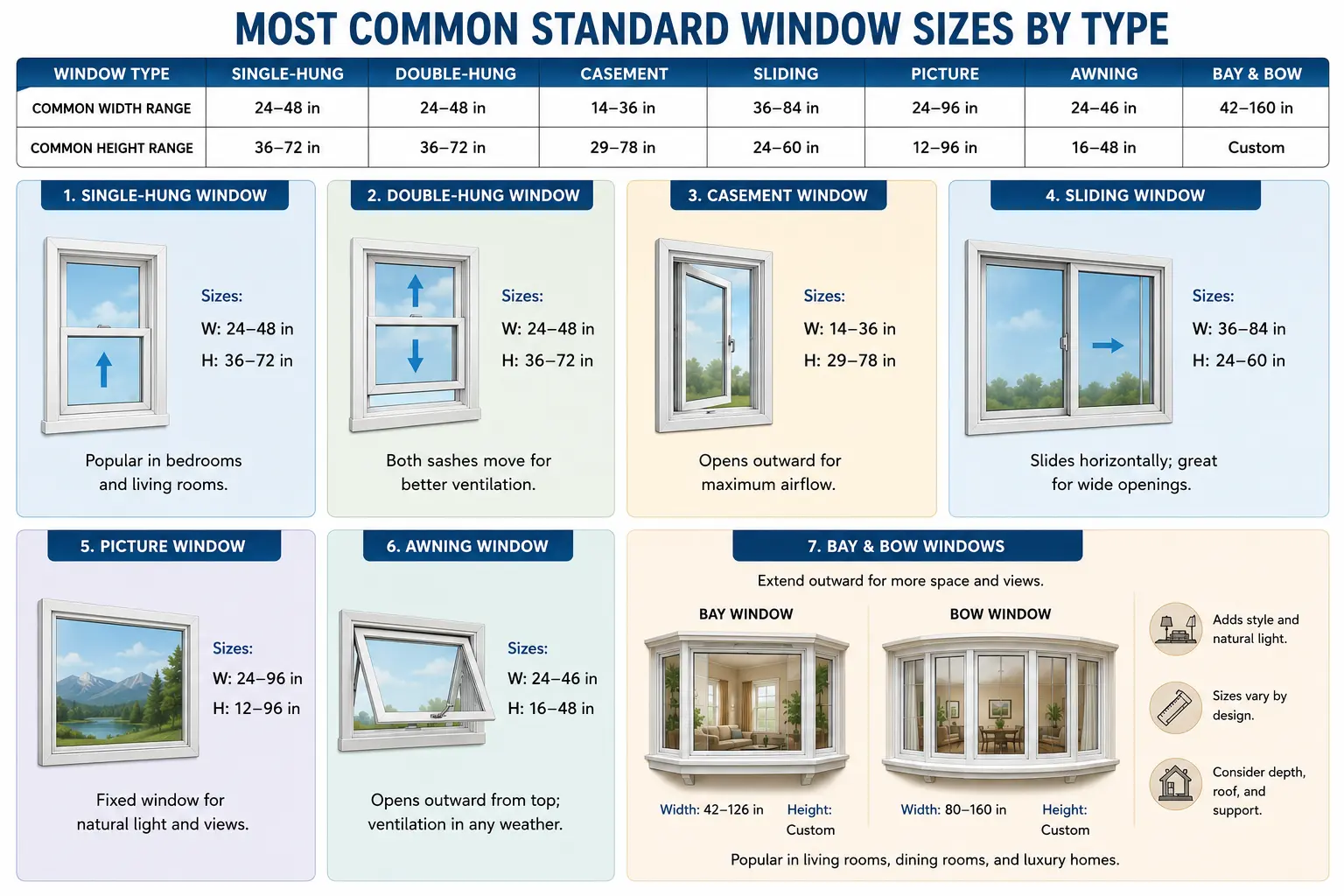
Different window styles use different standard size ranges. Some are designed for ventilation, while others focus on natural light or panoramic outdoor views.
| Window Type | Common Width Range | Common Height Range |
|---|---|---|
| Single-Hung | 24–48 inches | 36–72 inches |
| Double-Hung | 24–48 inches | 36–72 inches |
| Casement | 14–36 inches | 29–78 inches |
| Sliding | 36–84 inches | 24–60 inches |
| Picture | 24–96 inches | 12–96 inches |
| Awning | 24–46 inches | 16–48 inches |
| Bay & Bow | 42–160 inches | Custom ranges |
Single-Hung Window Sizes
Single-hung windows are one of the most common residential window styles. The bottom sash moves up while the top sash stays fixed.
Typical standard sizes usually range from:
- Width: 24–48 inches
- Height: 36–72 inches
These windows are popular in bedrooms, living rooms, and traditional homes because they are affordable, simple, and space-efficient. Smaller sizes work well in bedrooms, while larger models are common in living areas needing more daylight.
Double-Hung Window Sizes
Double-hung windows look similar to single-hung windows, but both sashes can move. This improves ventilation and makes cleaning easier.
Common standard dimensions include:
- Width: 24–48 inches
- Height: 36–72 inches
Double-hung windows are among the most common replacement window options because they fit many existing openings in older homes. Their flexible airflow design makes them ideal for kitchens, bedrooms, and family rooms.
Casement Window Sizes
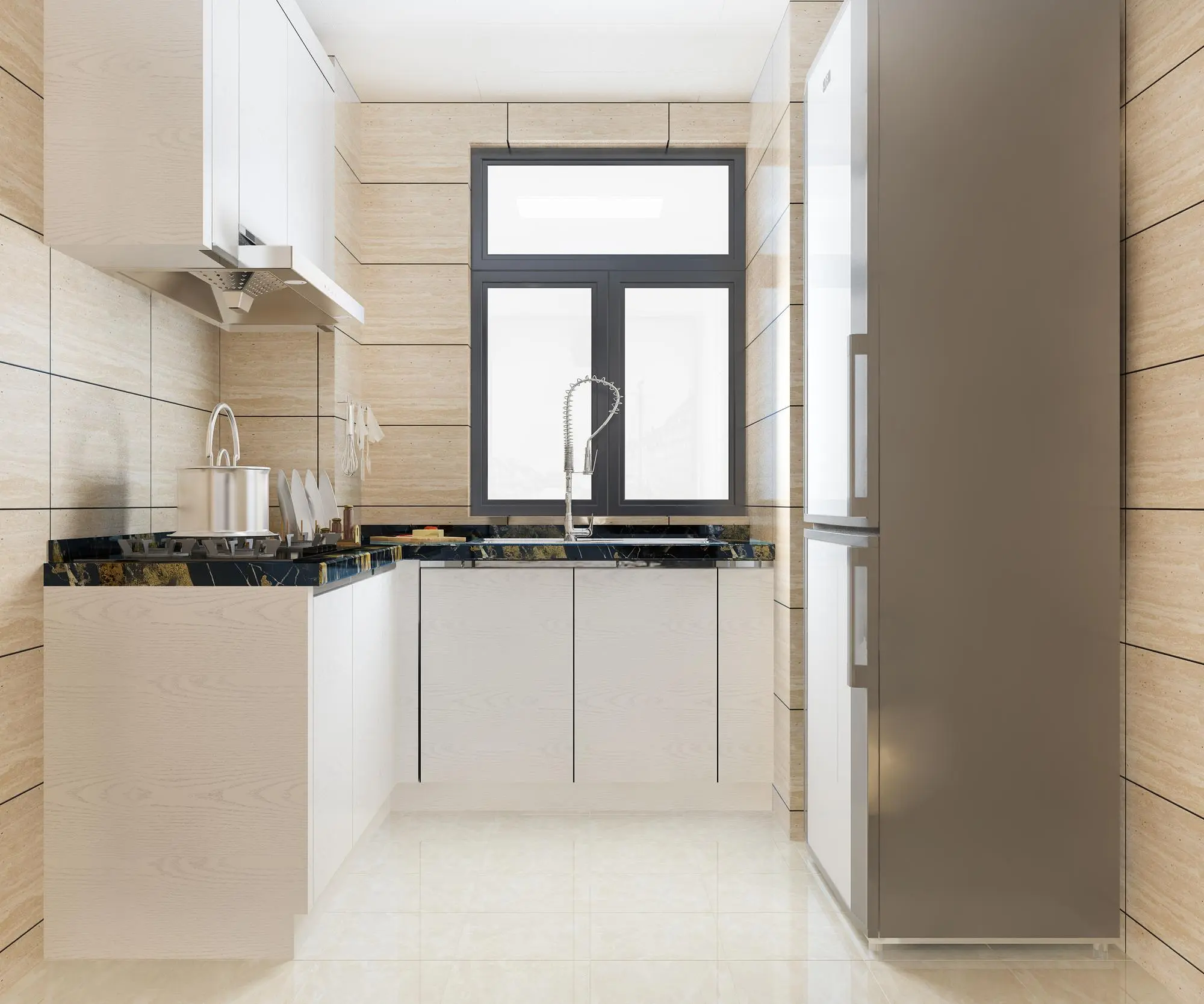
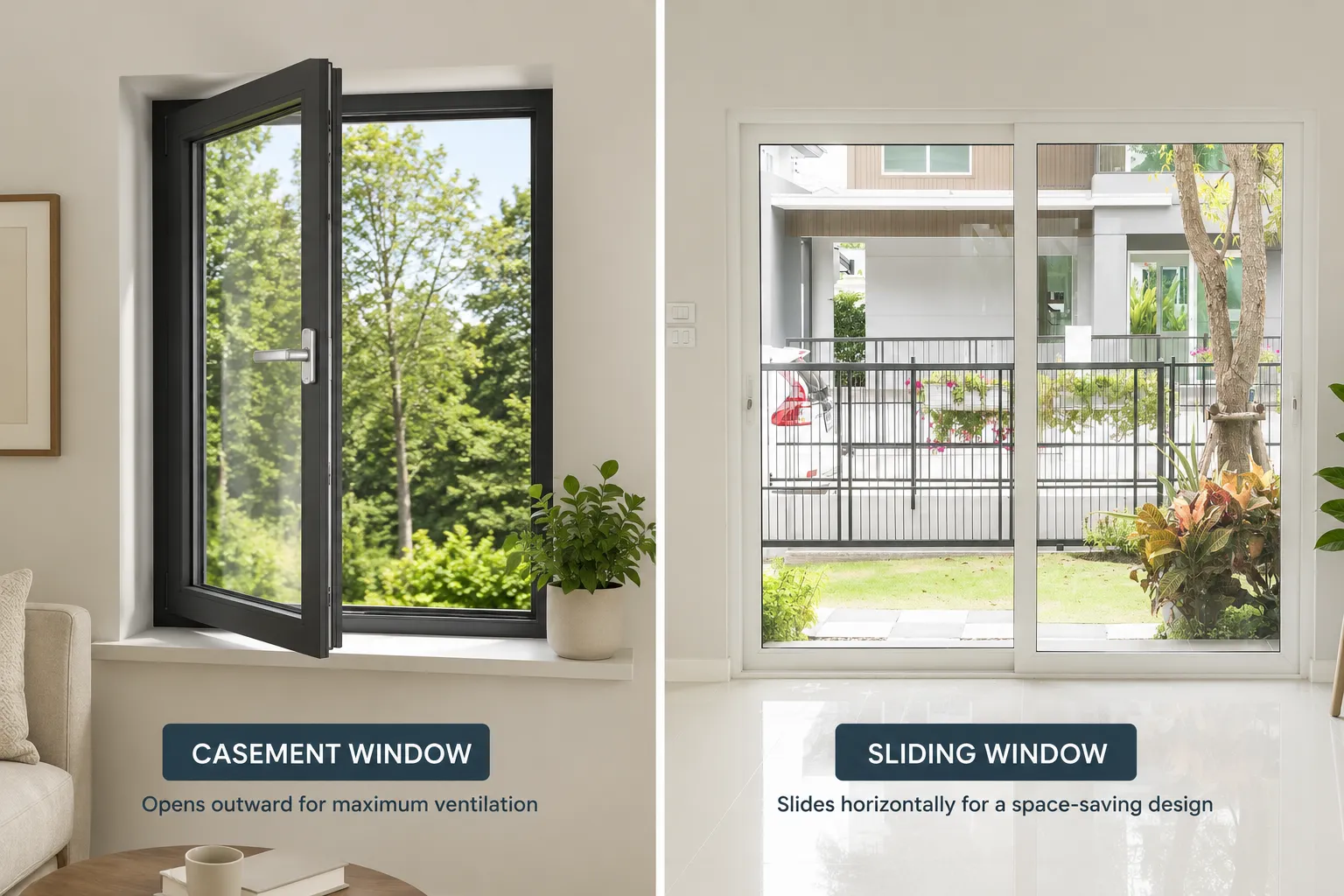
Casement windows are hinged on the side and open outward like a door. They are known for excellent ventilation and modern appearance.
Typical casement window sizes include:
- Width: 14–36 inches
- Height: 29–78 inches
These windows are usually taller and narrower than sliding windows. Their full-opening design allows strong airflow, making them great for kitchens, bathrooms, and areas needing fresh air circulation.
Sliding Window Sizes
Sliding windows open horizontally along a track. They are often wider than they are tall, making them ideal for large wall openings.
Common standard sizes include:
- Width: 36–84 inches
- Height: 24–60 inches
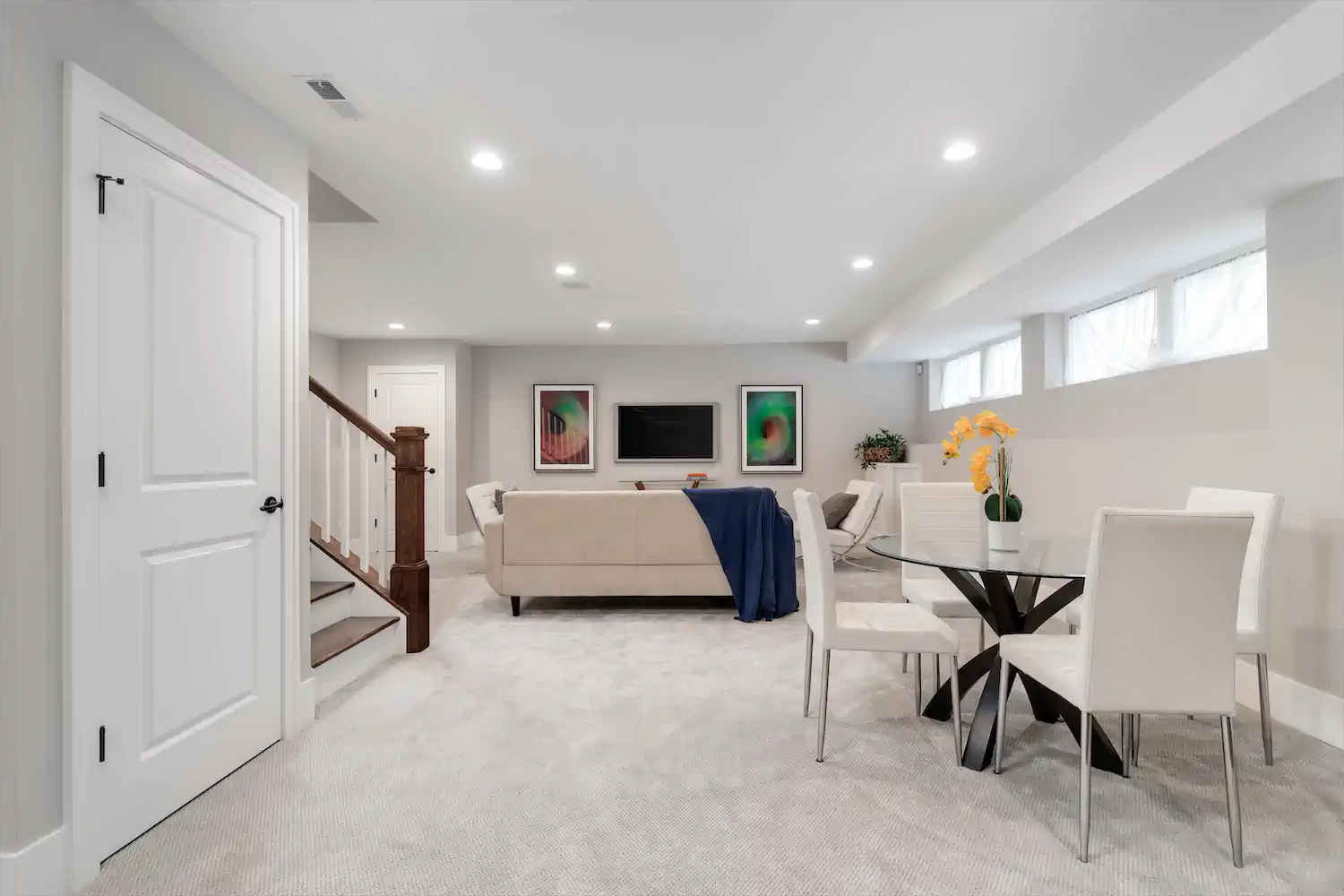
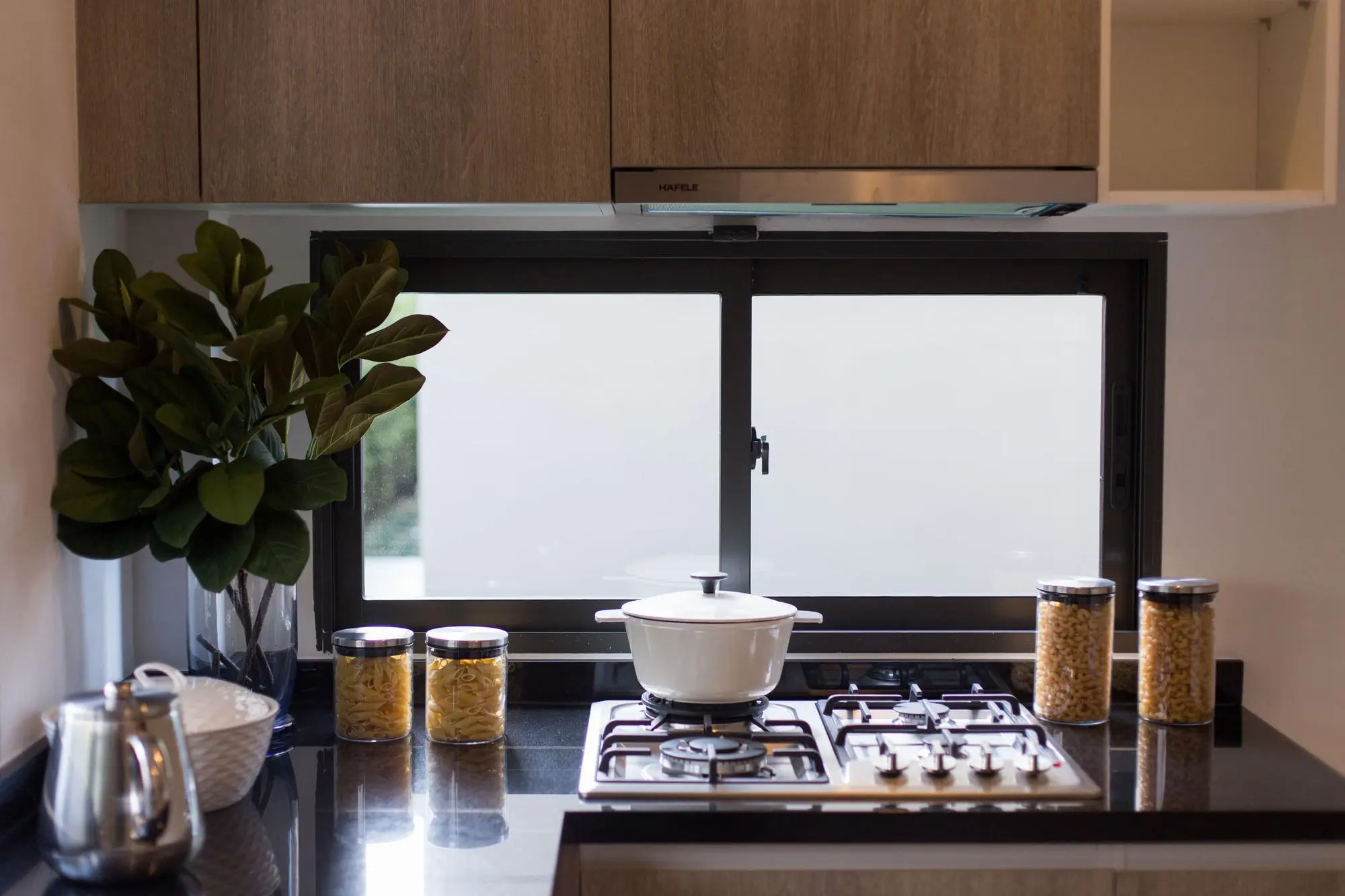
Sliding windows work well in modern homes, basements, and rooms facing patios or backyards. Because they do not swing outward, they are also useful in tight outdoor spaces.
Picture Window Sizes
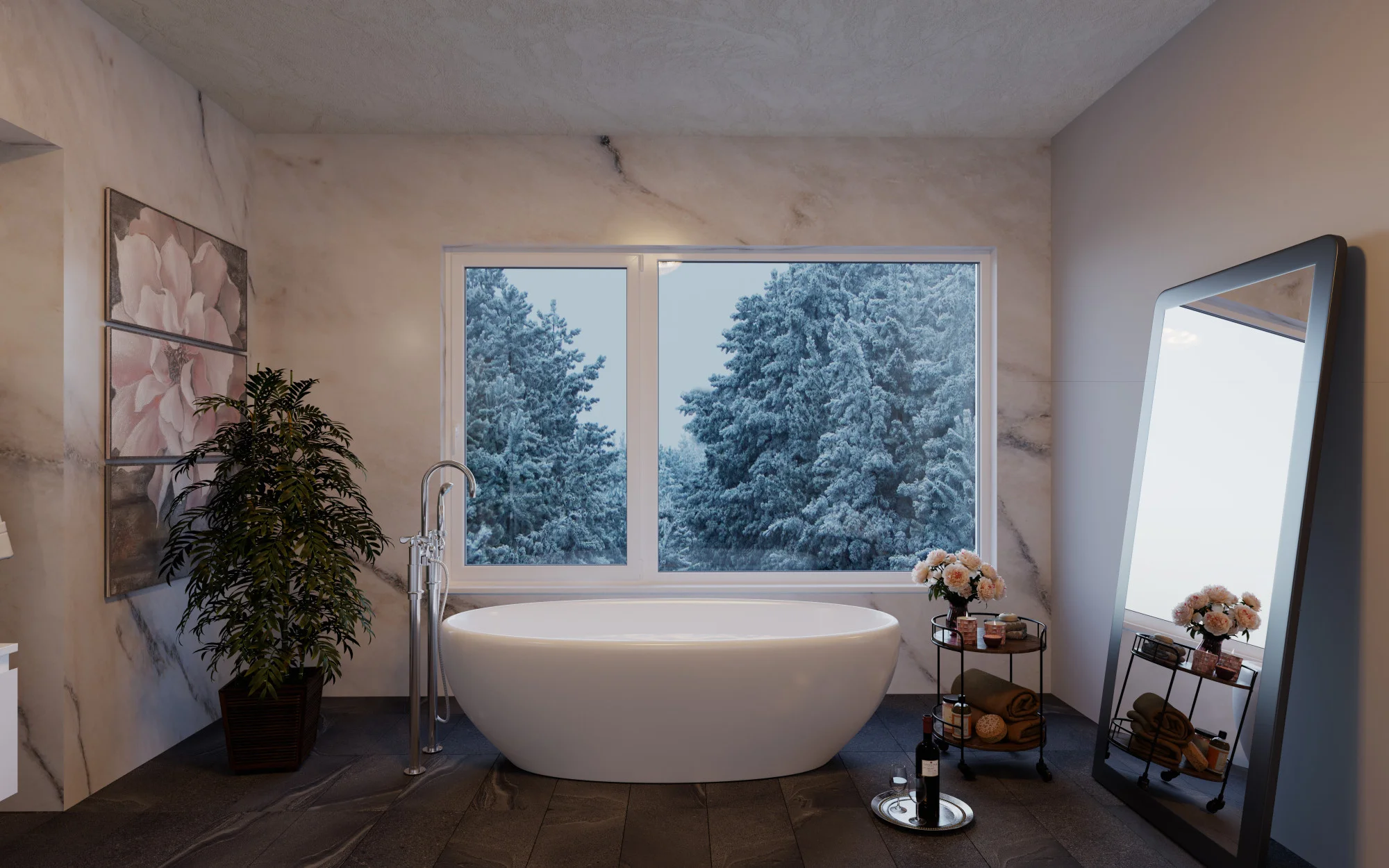
Picture windows are fixed windows that do not open. Their main purpose is to maximize natural light and outdoor views.
Typical standard sizes range from:
- Width: 24–96 inches
- Height: 12–96 inches
Large picture windows are commonly used in living rooms, dining rooms, and modern homes with scenic landscapes. Many homeowners combine picture windows with operable side windows for better ventilation.
Awning Window Sizes
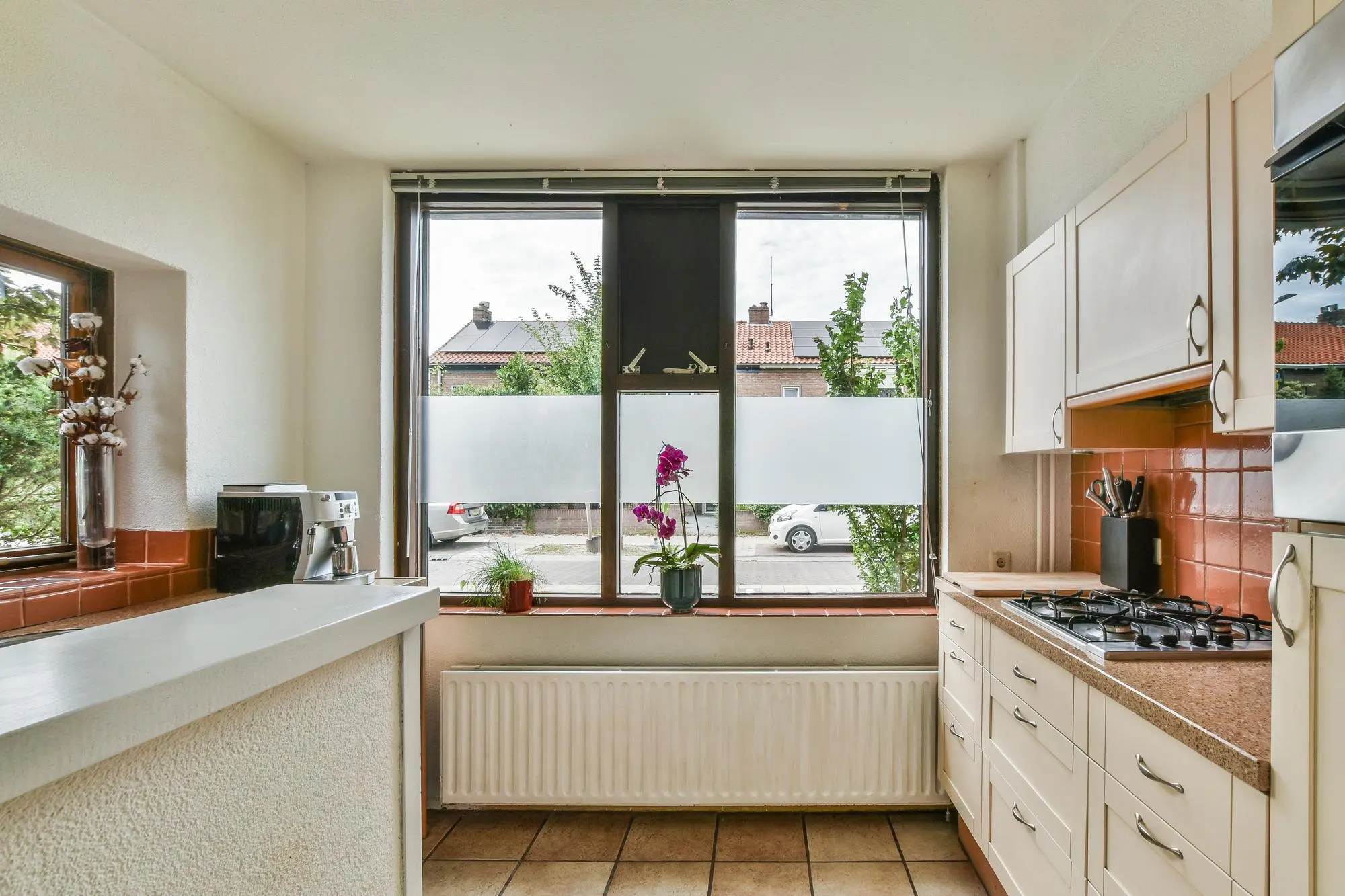
Awning windows are hinged at the top and open outward from the bottom. Their design allows ventilation even during light rain.
Standard awning window sizes usually include:
- Width: 24–46 inches
- Height: 16–48 inches
These compact windows are commonly installed in bathrooms, basements, and kitchens. They are especially useful for maintaining privacy while improving airflow.
Bay and Bow Window Sizes
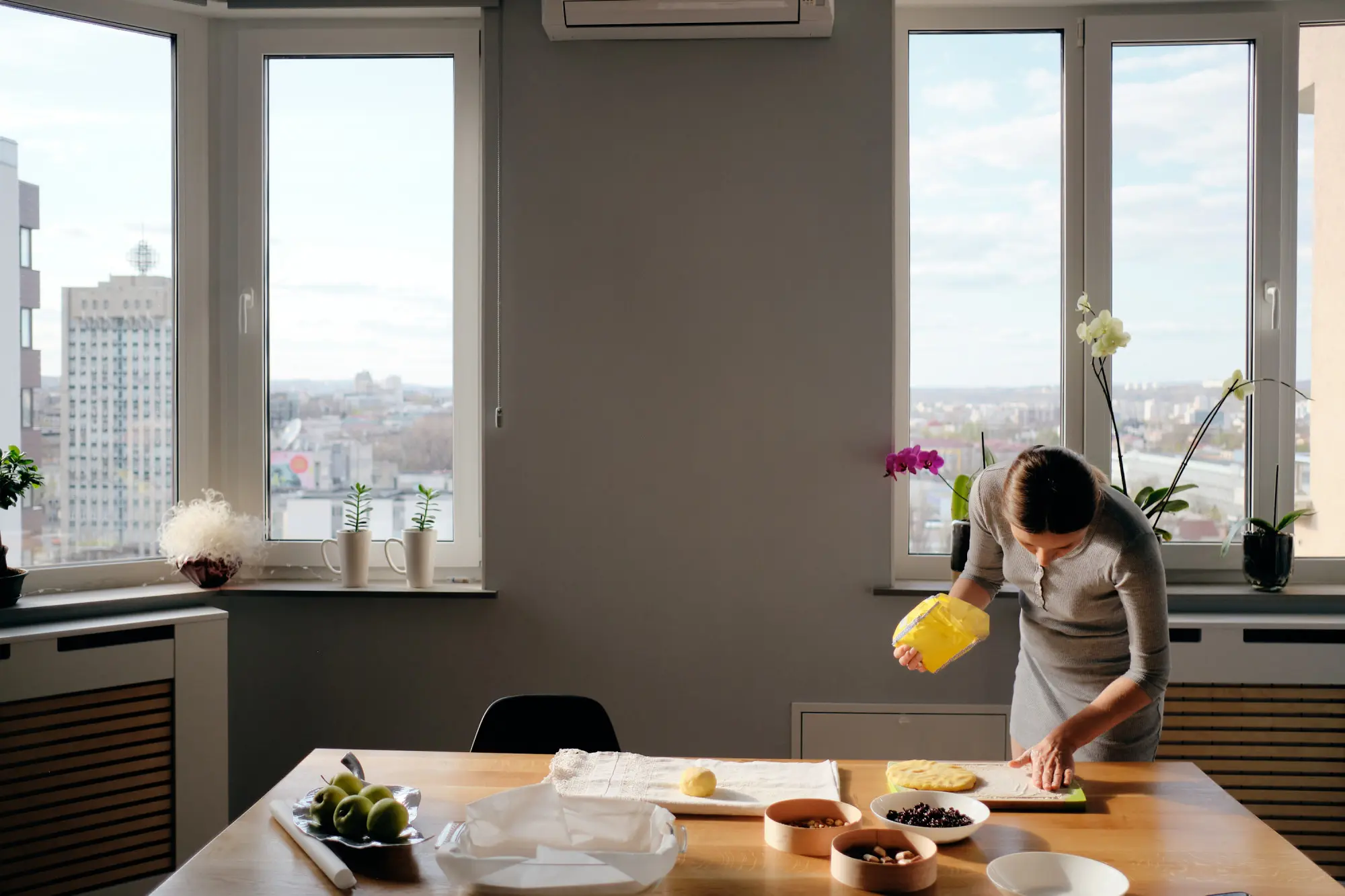
Bay and bow windows extend outward from the wall to create extra interior space and wider outdoor views.
Typical dimensions vary depending on design configuration, but common widths include:
- Bay windows: 42–126 inches
- Bow windows: 80–160 inches
These window systems combine multiple glass panels into one structure. Because they project outward, homeowners must also consider wall depth, roof overhangs, and structural support during installation.
Bay and bow windows are popular in living rooms, dining rooms, and luxury homes where natural light and architectural style are important.