Compare blinds vs shades for light control, privacy, style, insulation, maintenance, and cost to choose the best window treatment.
Table of Contents
What Are Blinds?
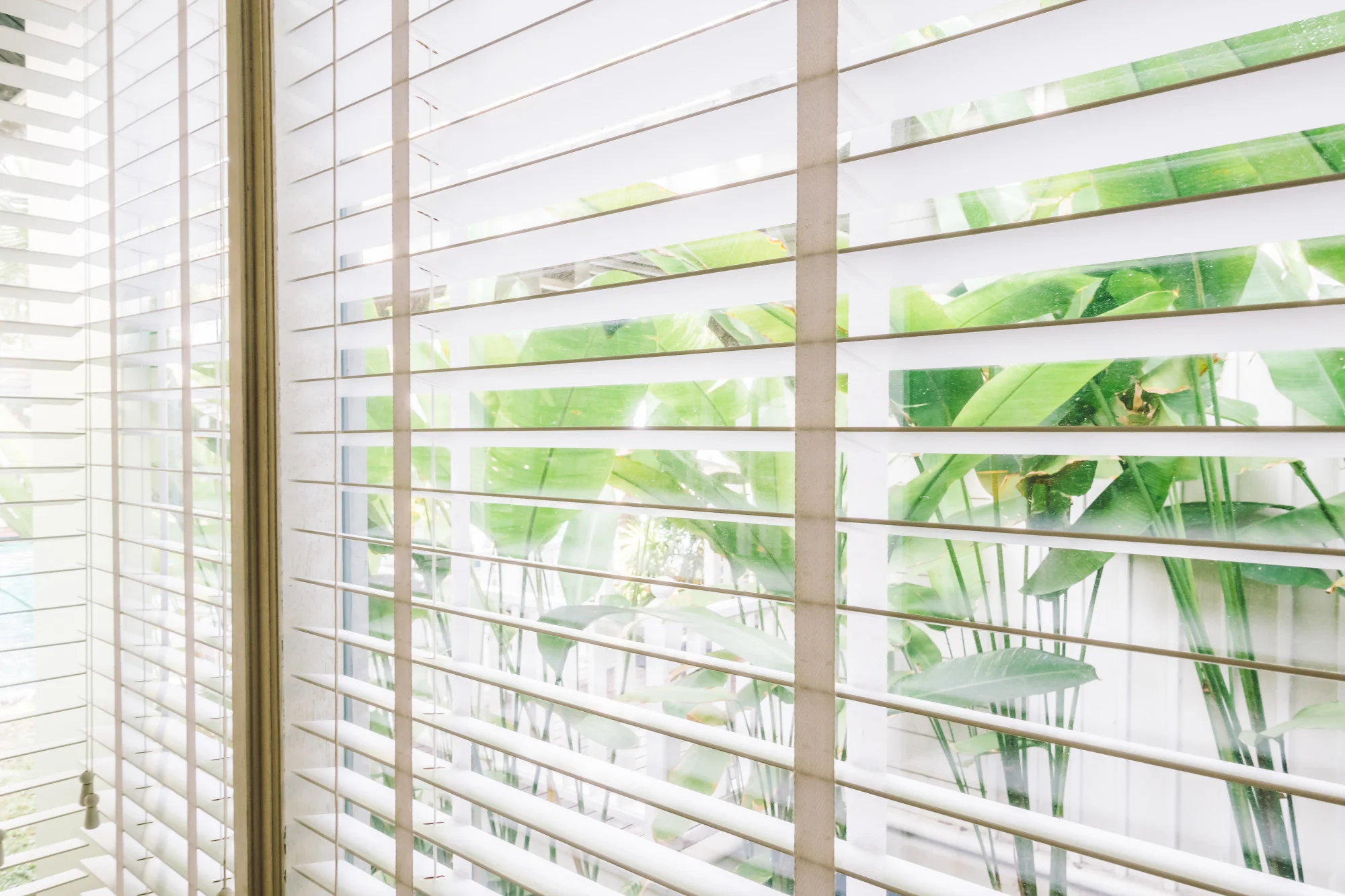
White horizontal blinds filtering bright tropical sunlight
Blinds are window coverings made with hard slats that can tilt, raise, or lower to control light and privacy. The slats are usually made from materials like wood, faux wood, aluminum, or vinyl.
One of the biggest advantages of blinds is flexible light control. Homeowners can partially tilt the slats to let in sunlight while still maintaining privacy. Blinds are also durable, easy to clean, and available in many styles for both modern and traditional homes.
Common types of blinds include:
Venetian blinds
Vertical blinds
Wood blinds
Faux wood blinds
Aluminum blinds
Because of their practicality and affordability, blinds are widely used in bedrooms, kitchens, offices, and living rooms.
What Are Shades?
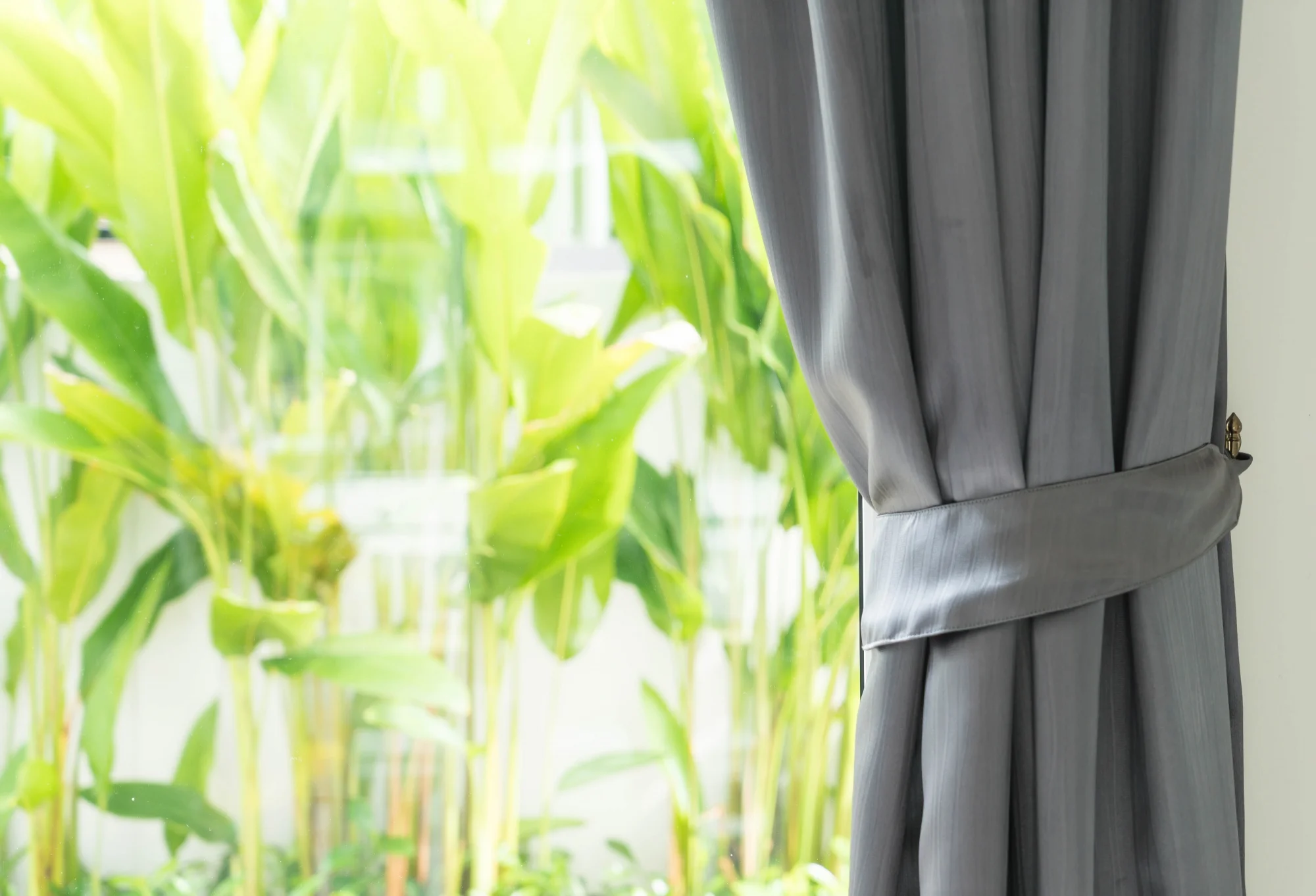
Soft gray curtains beside bright green outdoor window view
Shades are soft window coverings made from a single piece of fabric or fabric-like material. Unlike blinds, shades do not use adjustable slats. Instead, they roll, fold, or stack when raised.
Shades are popular because they create a softer and more decorative appearance while also improving insulation and light filtering. Many homeowners choose shades for bedrooms, living rooms, and modern interiors where comfort and style are priorities.
Popular shade styles include:
Roller shades
Roman shades
Cellular shades
Solar shades
Woven shades
Some shades also offer blackout features, helping block sunlight and improve sleep quality or room darkening.
Blinds vs Shades: Main Differences
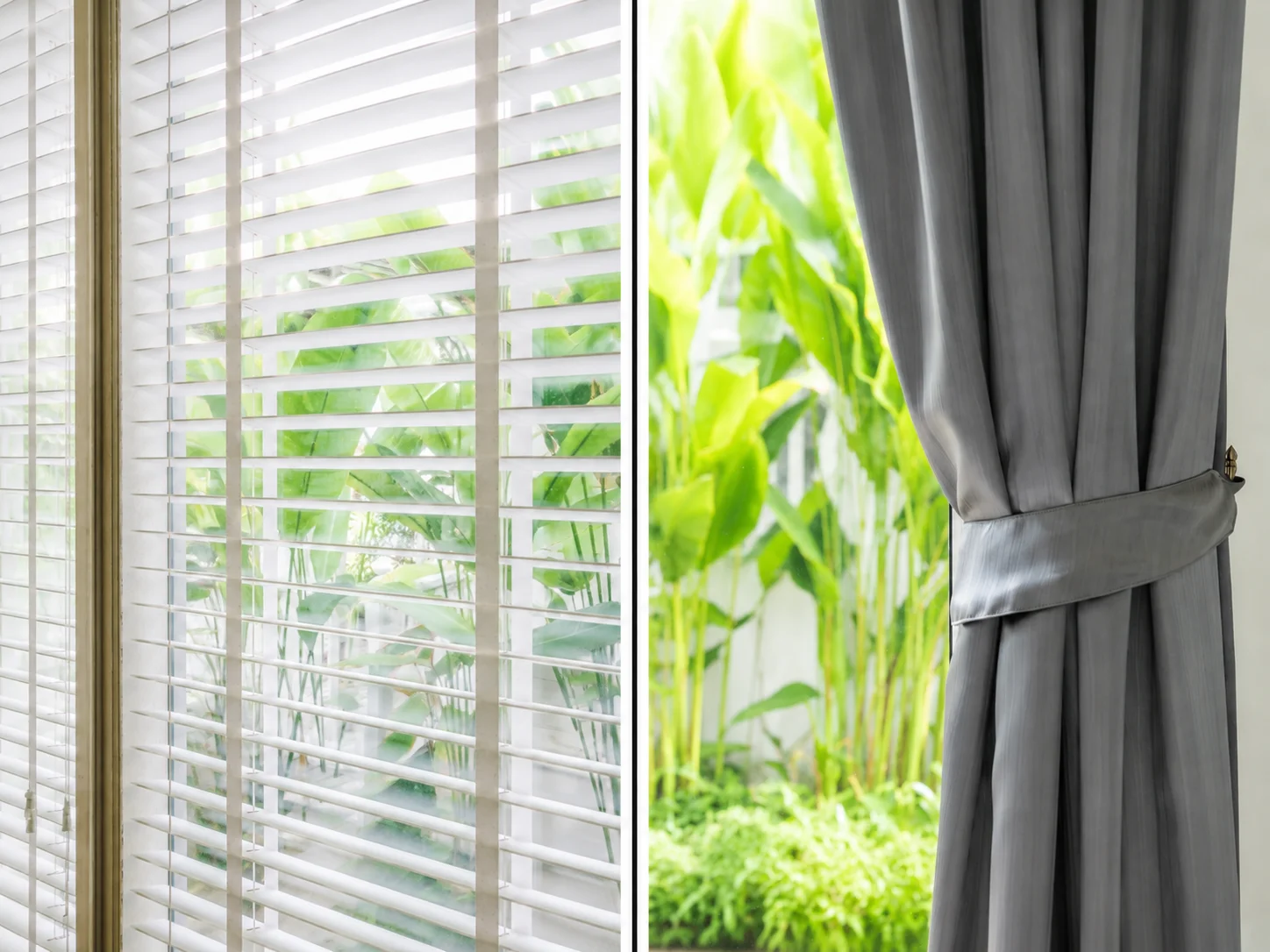
Gray curtains and white blinds beside large bright window
Blinds and shades both improve privacy, light control, and interior style, but they work very differently. Understanding their main differences helps homeowners choose the best option for comfort, function, and appearance.
Feature
Blinds
Shades
Material
Hard slats made from wood, faux wood, aluminum, or vinyl
Soft fabric or fabric-like materials
Light Control
Adjustable slats allow precise light control
Full coverage with light-filtering or blackout options
Insulation
Moderate insulation performance
Better insulation, especially cellular shades
Maintenance
Easy to dust and wipe clean
Fabric may require more careful cleaning
Style
Structured and practical appearance
Soft, decorative, and modern appearance
Best Rooms
Kitchens, offices, bathrooms
Bedrooms, living rooms, media rooms
Cost Range
Usually more budget-friendly
Can range from affordable to premium custom styles
Light Control
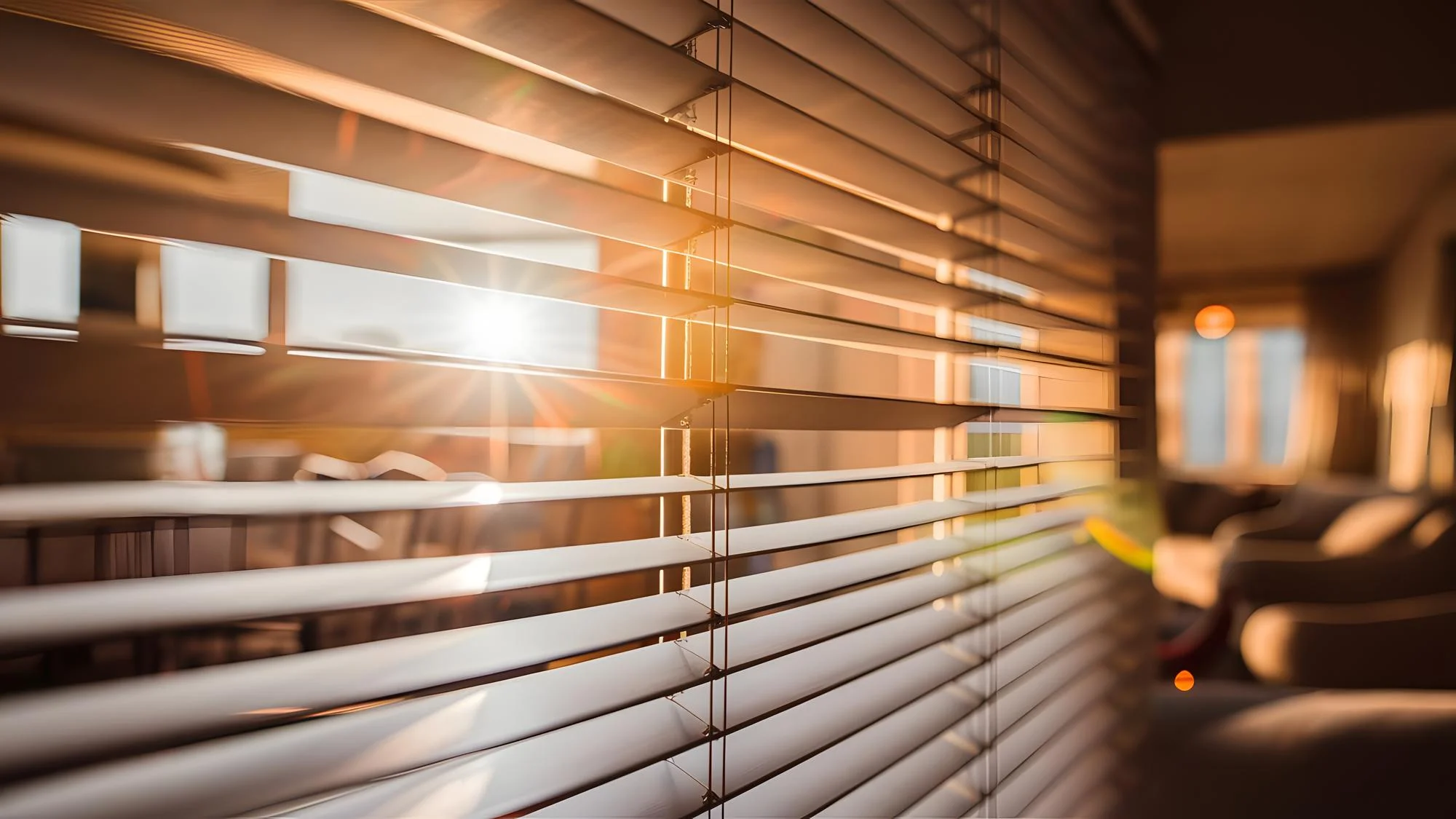
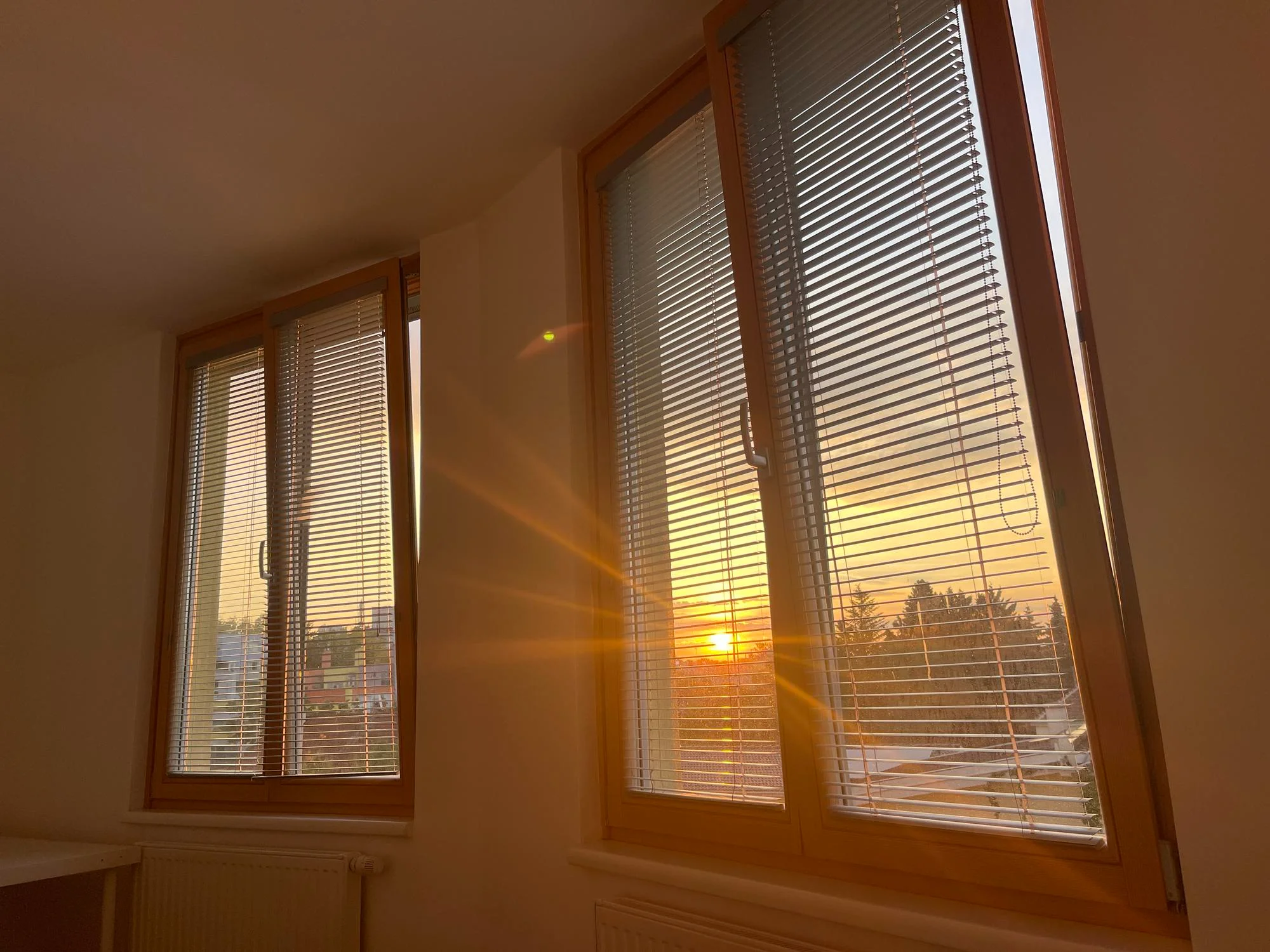
Sunlight passing through modern horizontal window blinds
Blinds use adjustable slats that can tilt open or closed, giving homeowners more precise control over sunlight and visibility. You can partially block light while still allowing some daylight into the room.
Shades use full fabric coverage instead of slats. They are excellent for filtering or blocking light completely, especially blackout shades used in bedrooms and media rooms.
Privacy
Smart motorized window shades controlled by remote device
Blinds provide flexible privacy because slats can be angled to limit outside visibility while still allowing light inside.
Shades usually offer stronger full-window coverage. Room-darkening and blackout shades are especially effective for bedrooms and spaces needing maximum privacy.
Energy Efficiency
Shades generally provide better insulation than blinds, especially cellular shades with honeycomb-style air pockets that help reduce heat transfer.
Blinds can block sunlight effectively, but they usually allow more airflow between slats, which may reduce insulation performance.
Appearance & Style
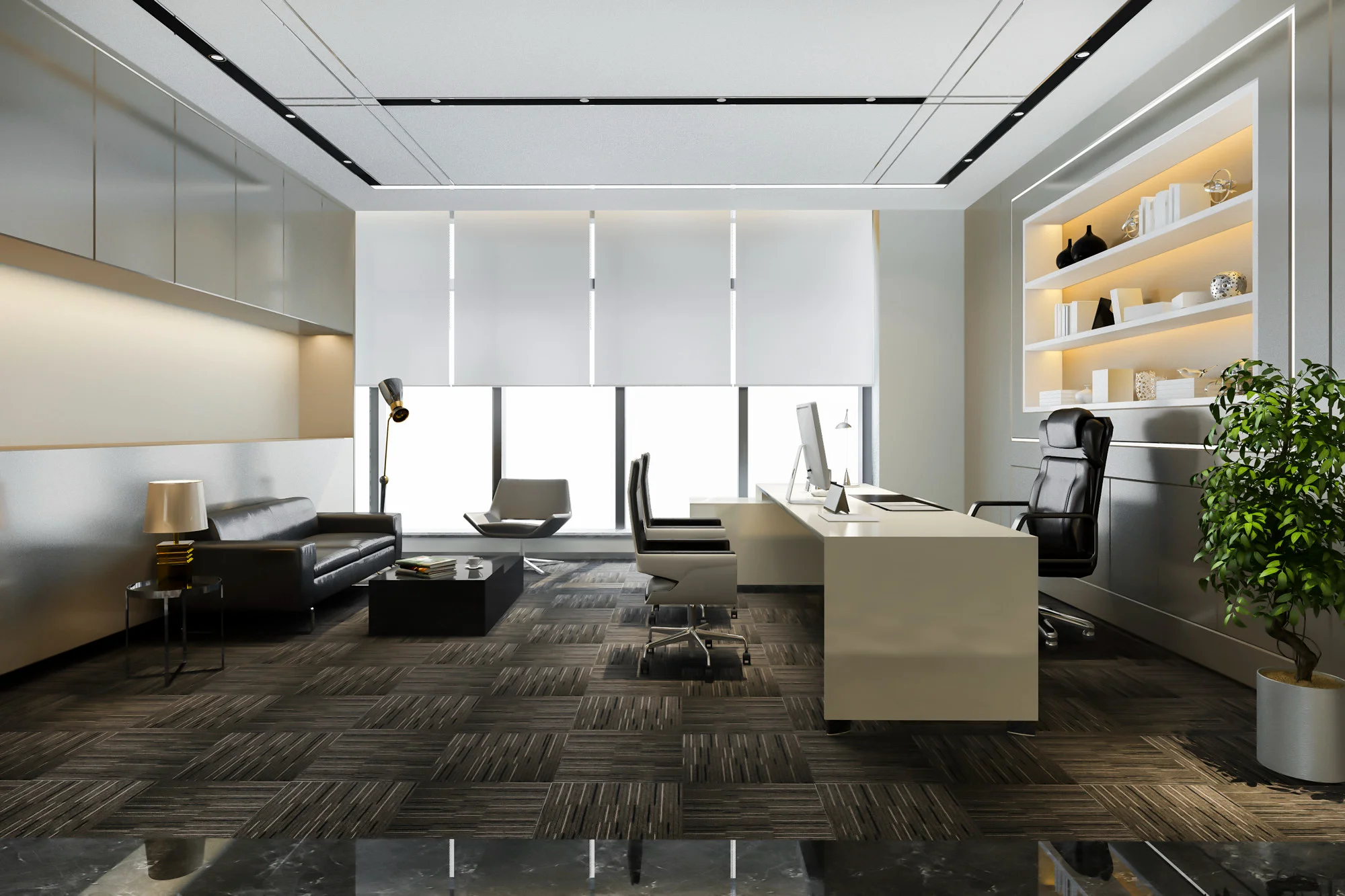
Modern office with roller shades and large window walls
Blinds create a more structured and practical appearance. Wood and faux wood blinds work well in traditional and transitional homes.
Shades offer a softer and more decorative look. Roller shades and Roman shades are especially popular in modern and minimalist interiors.
Durability
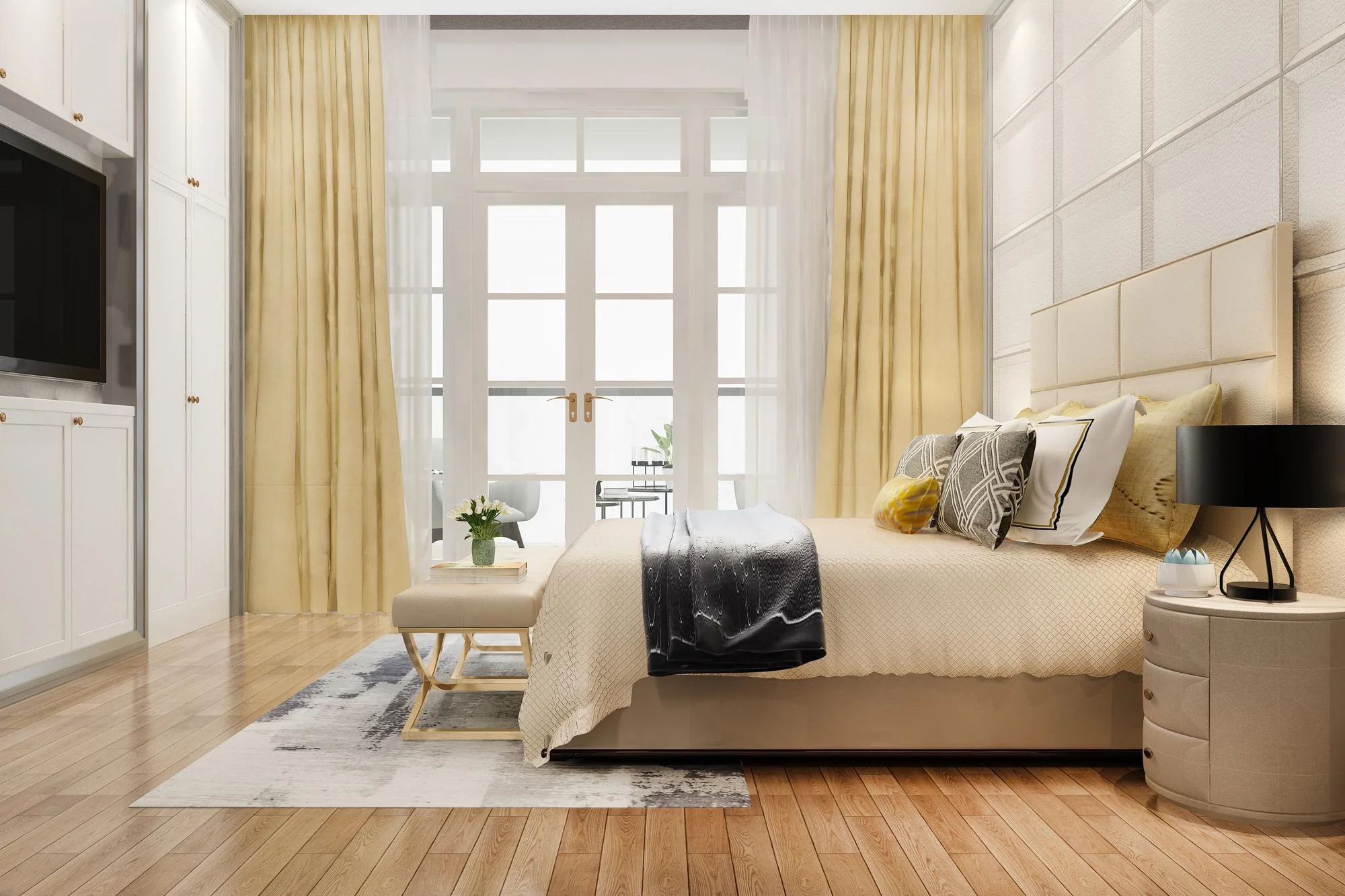
Elegant bedroom window treatments with layered curtains
Blinds are usually made from harder materials like aluminum, vinyl, or wood, making them more durable for daily use.
Shades use fabric materials that may wear or fade over time, especially in rooms with strong sunlight exposure.
Moisture resistance is also important. Faux wood blinds and vinyl blinds typically perform better in bathrooms and kitchens.
Cleaning & Maintenance
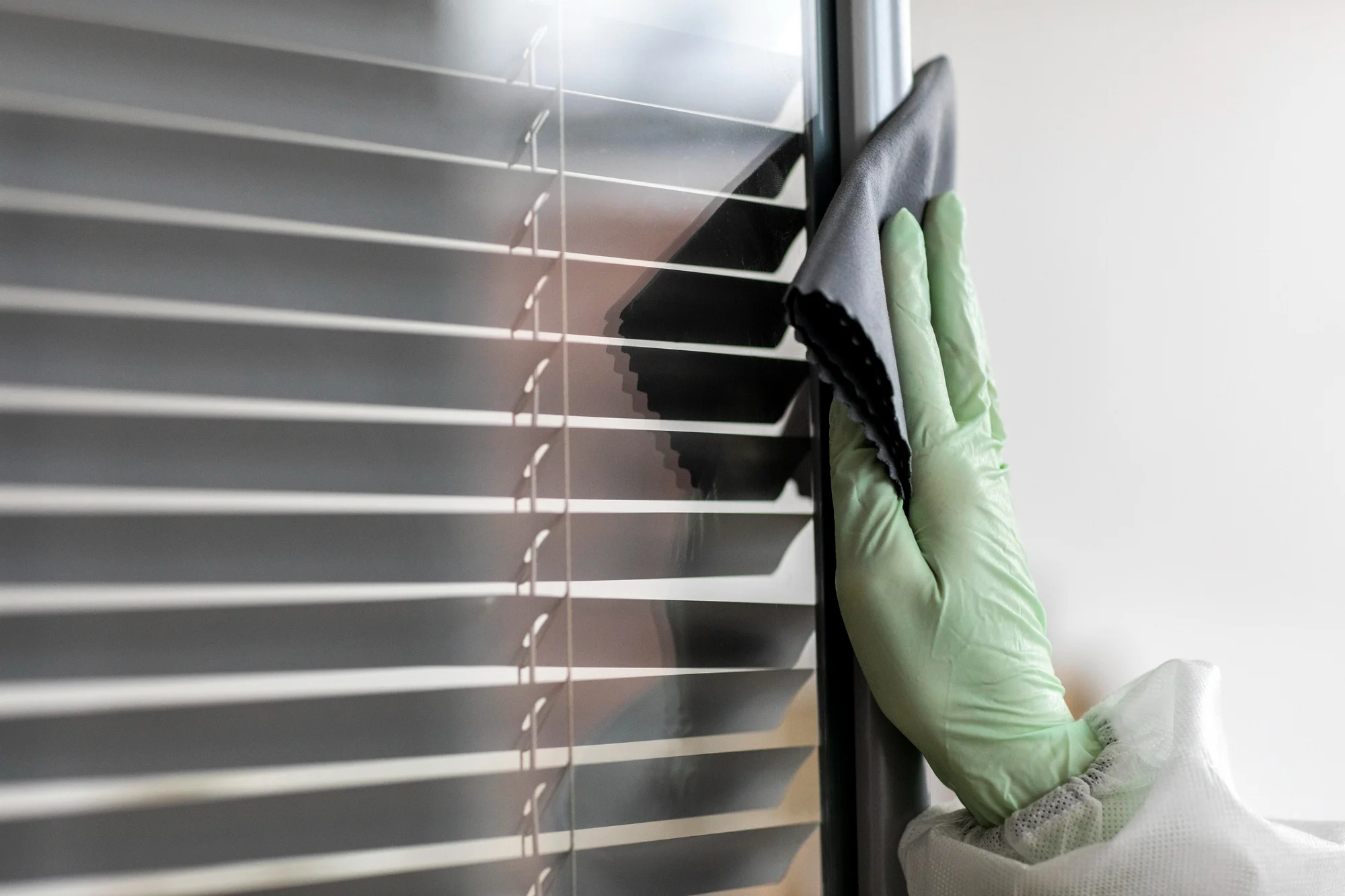
Cleaning black window blinds with microfiber cloth gloves
Blinds are relatively easy to clean with regular dusting or wiping.
Shades may require more careful maintenance because fabric materials can collect dust and stains. Some fabric shades may need vacuuming or professional cleaning.
Cost Comparison
Basic blinds are often more budget-friendly and widely available in standard sizes.
Shades can range from affordable roller shades to premium custom Roman or motorized shades. Installation costs may also increase with larger windows or smart-home features.
Child & Pet Safety
Modern blinds and shades increasingly use cordless designs to improve child and pet safety.
Many homeowners also choose motorized blinds and shades that operate through remote controls, smartphone apps, or smart-home systems for added convenience and safety.
Best Blinds and Shades by Room
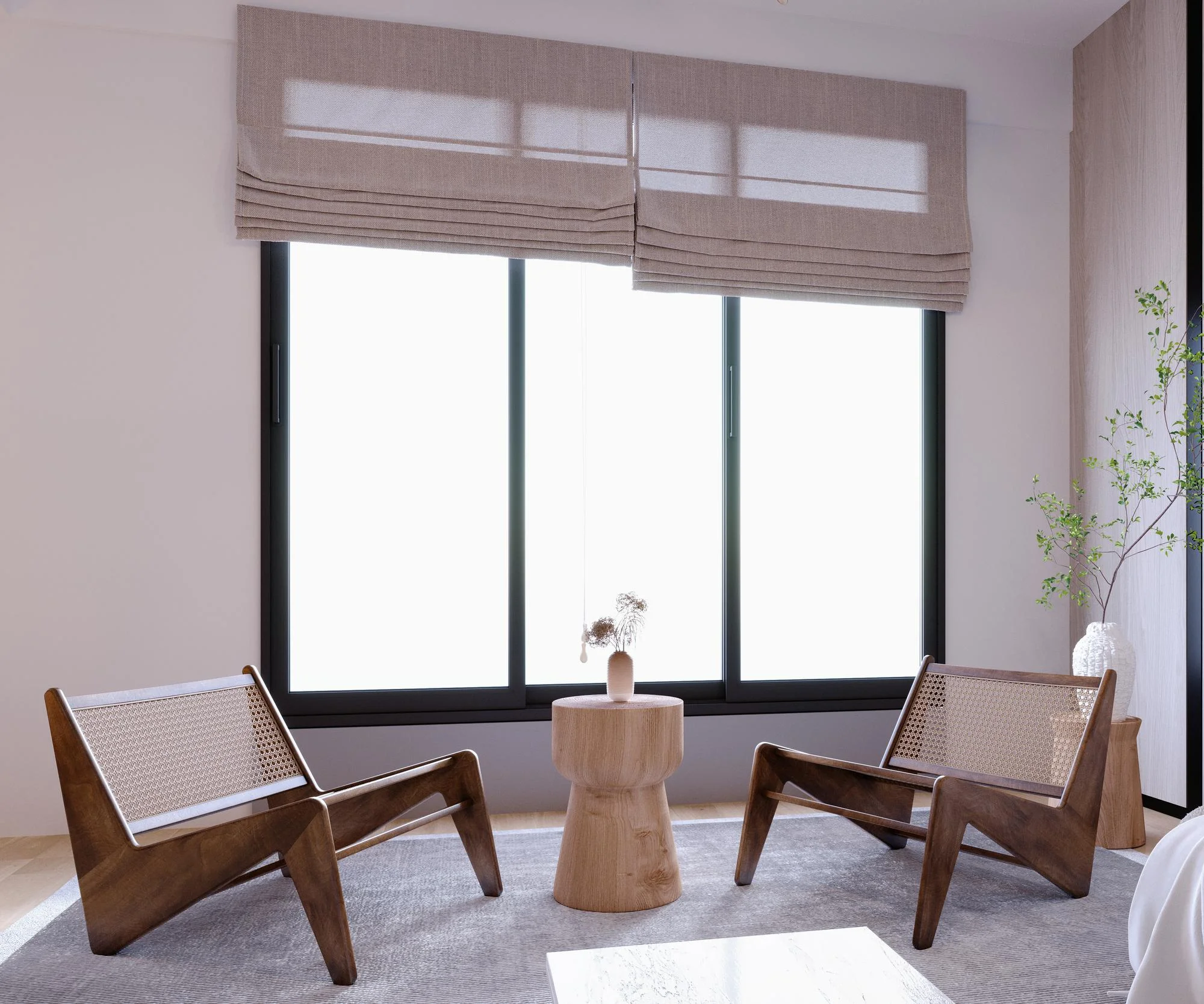
Modern beige Roman shades in bright minimalist living room
Room
Window Treatment Option
Living Room
Light-filtering shades, Roman shades, or wood blinds
Bedroom
Blackout shades, cellular shades, or cordless blinds
Kitchen
Faux wood blinds, vinyl blinds, or roller shades
Bathroom
Moisture-resistant faux wood blinds or vinyl shades
Home Office
Solar shades, vertical blinds, or light-control roller shades
Media Room
Blackout roller shades or room-darkening cellular shades
Best Window Treatments by Need
Sunlight through energy efficient bedroom window blinds
Need
Window Treatment Option
Energy Efficiency
Cellular shades or layered window treatments
Modern Home Style
Roller shades or minimalist blinds
Traditional Home Style
Wood blinds or Roman shades
Large Windows
Vertical blinds or panel shades
Privacy & Blackout
Blackout roller shades or room-darkening shades
Smart Home Integration
Motorized blinds or smart shades
Moisture Resistance
Faux wood blinds or vinyl shades
Glare Reduction
Solar shades or light-filtering roller shades
How to Choose Between Blinds and Shades
Choosing between blinds and shades depends on your room needs, privacy goals, maintenance preferences, and interior style. Both options offer different advantages, so the best choice often comes down to function and personal preference.
Think About Light Control Blinds provide more flexible daylight control because adjustable slats can tilt at different angles. Shades usually offer full light filtering or blackout coverage.
Consider Privacy Needs Blackout and room-darkening shades are ideal for bedrooms, while blinds allow partial visibility and adjustable privacy.
Evaluate Energy Efficiency Cellular shades usually provide better insulation and can help reduce heating and cooling costs.
Match Your Interior Style Blinds create a cleaner and more structured look, while shades provide a softer and more decorative appearance.
Check Moisture Resistance Bathrooms and kitchens often work better with faux wood or vinyl blinds because they resist moisture more effectively.
Consider Cleaning & Maintenance Blinds are generally easier to dust and wipe clean, while fabric shades may require more careful maintenance.
Set Your Budget Basic blinds are often more affordable, while custom shades and motorized systems may increase project costs.
Think About Child & Pet Safety Cordless and motorized window treatments improve safety and create a cleaner modern appearance.
FAQs
Is it shades or blinds?
Blinds use adjustable slats, while shades use a single piece of fabric or material. Both are window coverings, but they work differently.
Are shades cheaper than blinds?
Usually, blinds are more affordable than shades. Custom fabrics, insulation features, and motorized options can make shades more expensive.
Do I want blinds or shades?
Choose blinds if you want flexible light control and easy cleaning. Choose shades if you prefer a softer appearance, better insulation, or blackout coverage.
Are blinds or shades more stylish?
Shades are often considered more stylish because they offer softer fabrics, cleaner lines, and more decorative options. Blinds usually create a more structured and practical look.