
What Is Frosted Glass?
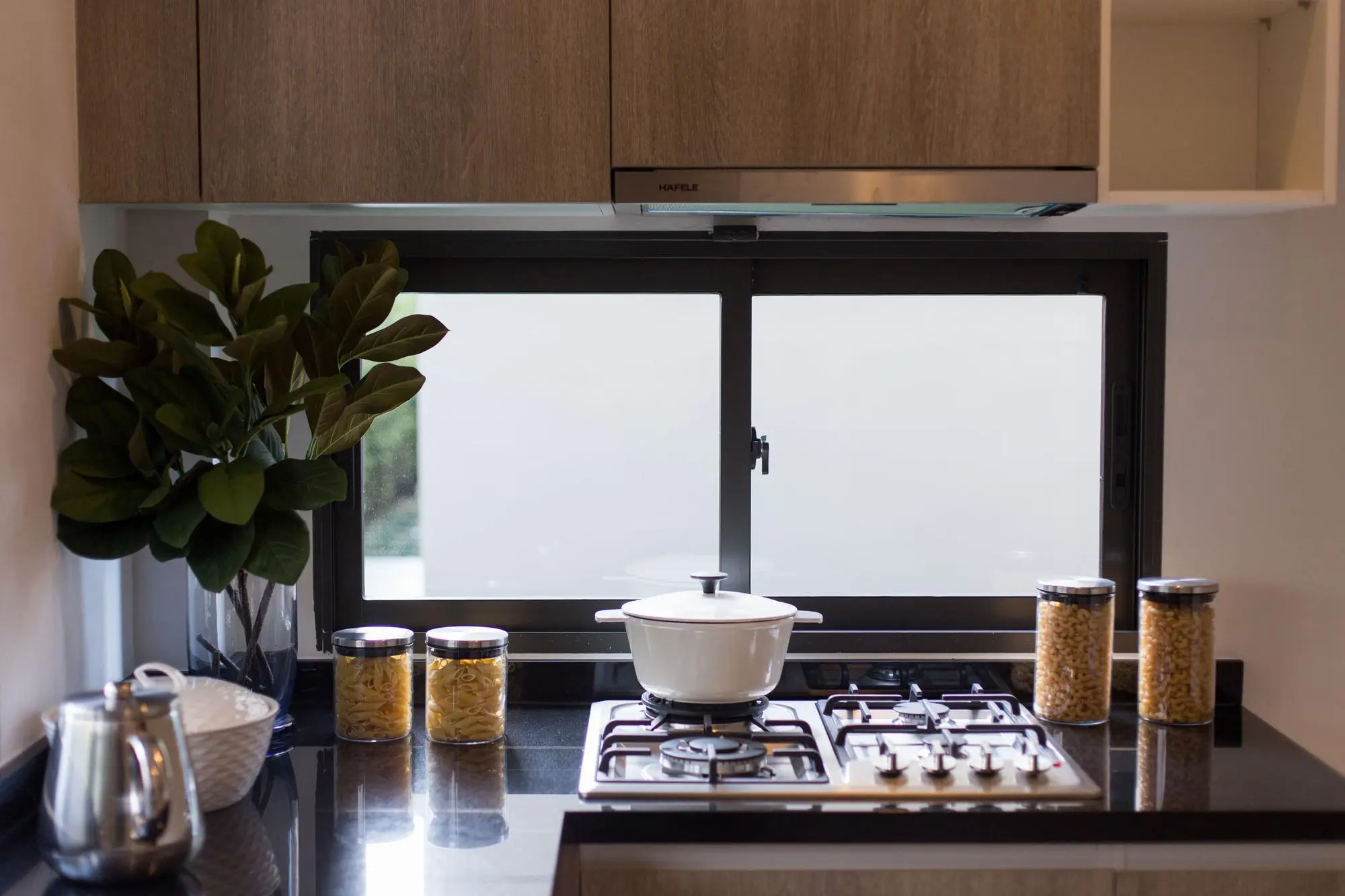
Frosted glass is a type of privacy glass that has a smooth, matte surface finish designed to blur visibility while still allowing natural light to pass through. It is created through processes such as acid etching or sandblasting, which permanently change the surface of the glass.
The result is a soft, cloudy appearance that prevents clear views from both sides. This makes frosted glass a popular choice in spaces where privacy is important but daylight is still needed.
Common features of frosted glass include:
- Smooth, uniform matte finish
- High level of privacy
- Soft light diffusion without harsh glare
- Modern, clean aesthetic
Frosted glass is widely used in bathrooms, office partitions, shower enclosures, and interior doors. It offers a simple and effective balance between privacy and natural lighting.
What Is Obscure Glass?
Obscure glass is a general term used to describe any type of glass that reduces visibility while still allowing light to pass through. Unlike frosted glass, which refers to a specific surface treatment, obscure glass includes a wide range of privacy glass styles and textures.
This category can include frosted, patterned, textured, ribbed, or etched designs. Each type creates different levels of distortion and privacy depending on its surface pattern and light diffusion properties.
Key characteristics of obscure glass include:
- Broad category of privacy glass types
- Varying levels of opacity and distortion
- Decorative patterns and textures available
- Allows natural light while limiting clear visibility
Obscure glass is commonly used in residential and commercial settings such as bathroom windows, front doors, sidelights, and decorative panels. It offers more design flexibility compared to standard frosted glass while still maintaining privacy and light flow.
Frosted Glass vs Obscure Glass: Key Difference
Although frosted glass and obscure glass are often used interchangeably, they are not the same. Understanding the differences helps you choose the right option for privacy, light control, and design style.
Definition
The main difference lies in scope and classification.
- Frosted glass is a specific type of privacy glass created through etching or sandblasting.
- Obscure glass is a broader category that includes all types of privacy glass, including frosted, textured, patterned, and ribbed designs.
In simple terms, frosted glass is one form of obscure glass.
Appearance
The visual finish is another clear distinction.
- Frosted glass: Smooth, uniform, and matte in appearance. It creates a consistent cloudy surface.
- Obscure glass: Varies widely depending on design. It may include patterns, waves, ripples, or textured distortions.
Because of this, obscure glass offers more visual variety, while frosted glass delivers a clean and minimal look.
Privacy Level
Both options are designed to improve privacy, but performance can differ.
- Frosted glass: Provides strong and consistent privacy across the entire surface.
- Obscure glass: Privacy levels vary based on texture and pattern, ranging from light distortion to near-total opacity.
Frosted glass is often preferred when uniform privacy is the priority.
Light Transmission
Both frosted and obscure glass allow natural light into a space, but they handle it differently.
- Frosted glass: Diffuses light evenly, creating a soft and balanced glow.
- Obscure glass: Light transmission depends on the pattern, which can create varying effects such as ripples, shadows, or partial clarity.
This makes frosted glass more predictable in lighting performance.
Design Flexibility
Design versatility is where obscure glass stands out.
- Frosted glass: Offers a simple, modern, and minimal aesthetic that fits most interiors.
- Obscure glass: Provides a wide range of decorative styles, patterns, and textures for more customized design options.
If you want creative visual impact, obscure glass offers more flexibility. If you prefer clean simplicity, frosted glass is often the better choice.
Types of Obscure Glass
Obscure glass comes in many different styles, all designed to balance privacy and natural light while adding visual interest. Unlike frosted glass, which has a uniform matte finish, obscure glass includes a wide range of decorative and functional patterns.
Common types of obscure glass include:
- Frosted glass: Acid-etched or sandblasted for a smooth, blurred finish
- Reeded glass: Vertical or horizontal linear ridges that distort visibility
- Patterned glass: Decorative surface designs such as geometric or floral textures
- Fluted glass: Deep grooves that create strong light distortion
- Rain glass: A water-droplet effect that provides partial privacy with style
Each type offers a different level of opacity, light diffusion, and design appeal, making obscure glass highly flexible for both modern and traditional interiors.
How to Choose Between Frosted and Obscure Glass
Choosing between frosted glass and obscure glass depends on your privacy needs, design preference, and where the glass will be installed.
Choose frosted glass if you want simple privacy
Frosted glass is ideal when you need a clean, minimal solution that provides consistent privacy. It works well in bathrooms, office spaces, and interior doors where you want to block visibility without adding visual complexity.
Choose frosted glass if you prefer:
- A smooth, modern look
- High and consistent privacy
- Soft, even light diffusion
- Simple, timeless design
Choose obscure glass if you want design variety
Obscure glass is the better option when you want more decorative impact and flexibility. With many textures and patterns available, it allows you to match different architectural and interior styles.
Choose obscure glass if you prefer:
- Decorative or patterned designs
- Custom visual effects
- Varying levels of privacy
- More stylistic and architectural expression
In short, frosted glass focuses on simplicity and uniform privacy, while obscure glass offers greater variety and design creativity.
FAQs
Are opaque and frosted glass the same?
Not exactly. Frosted glass is a type of opaque glass, but not all opaque glass is frosted. Opaque glass is a broader term that includes any glass that blocks visibility, while frosted glass specifically has a smooth, etched or sandblasted finish that still allows light through.
What is an obscure glass?
Obscure glass is a type of privacy glass designed to blur visibility while still letting natural light pass through. It includes many styles such as frosted, patterned, textured, and reeded glass, depending on the design and level of privacy needed.
What is another name for obscure glass?
Obscure glass is also commonly called:
- Privacy glass
- Patterned glass (in many product contexts)
- Textured glass (depending on the finish)
These terms are often used interchangeably in the window and door industry.
Is obscure glass more expensive?
It depends on the type and design. Basic obscure glass can cost slightly more than standard clear glass, while decorative or custom patterned versions may be significantly more expensive due to manufacturing complexity and design options.