
Most Popular Types of Windows
Choosing the right window type can completely change how a home looks and feels. Some windows focus on airflow, while others are designed for natural light, outdoor views, or architectural style. Understanding the most popular window styles can help homeowners choose the best option for each room and lifestyle need.
Double-Hung Windows
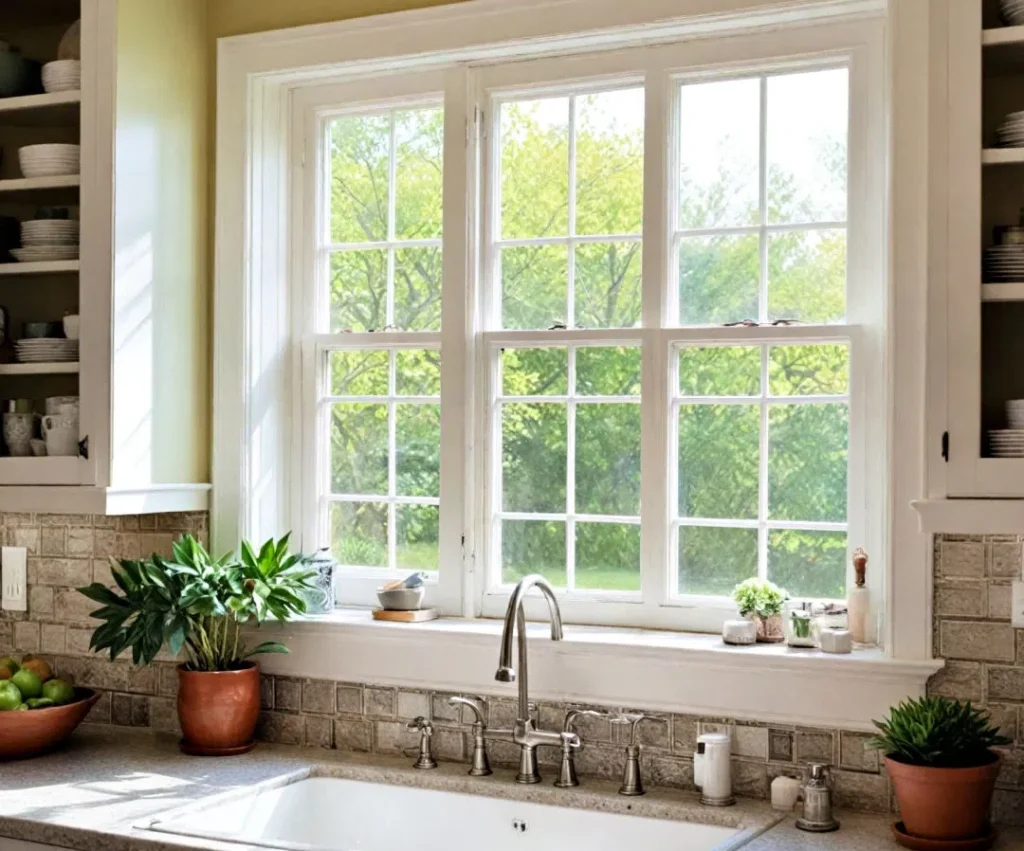
Double-hung windows are one of the most common window styles in traditional homes. They feature two movable sashes that slide vertically for flexible ventilation.
These windows are popular because they are easy to clean, especially models with tilt-in sashes. Homeowners also like their classic appearance, which works well with many architectural styles. Double-hung windows provide good airflow because both the upper and lower sash can open independently.
Single-Hung Windows
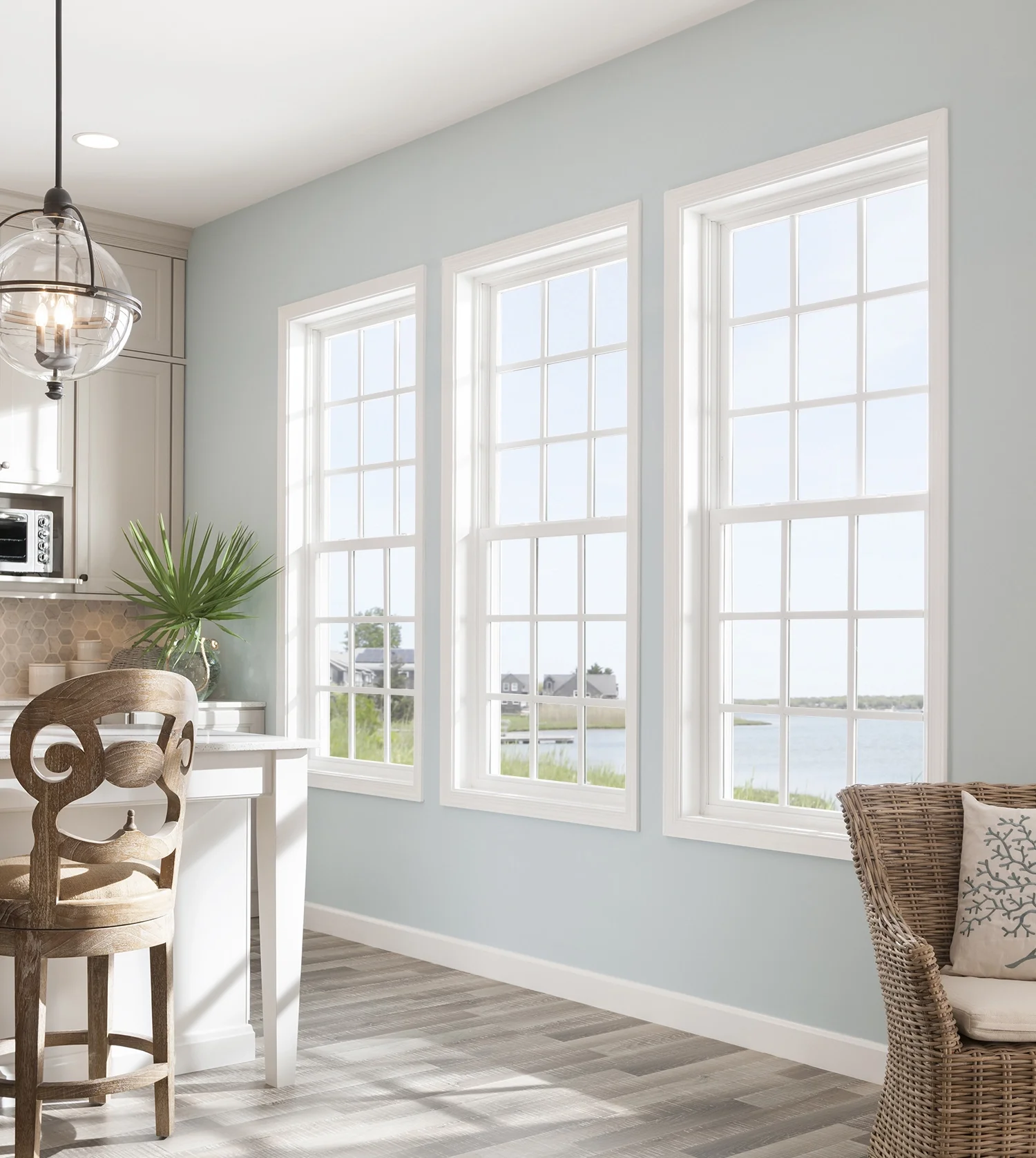
Single-hung windows look similar to double-hung windows, but only the bottom sash moves while the upper sash stays fixed.
Because they have fewer moving parts, single-hung windows are usually more affordable and slightly more energy efficient. They are commonly used in bedrooms, hallways, and budget-friendly home projects.
Casement Windows
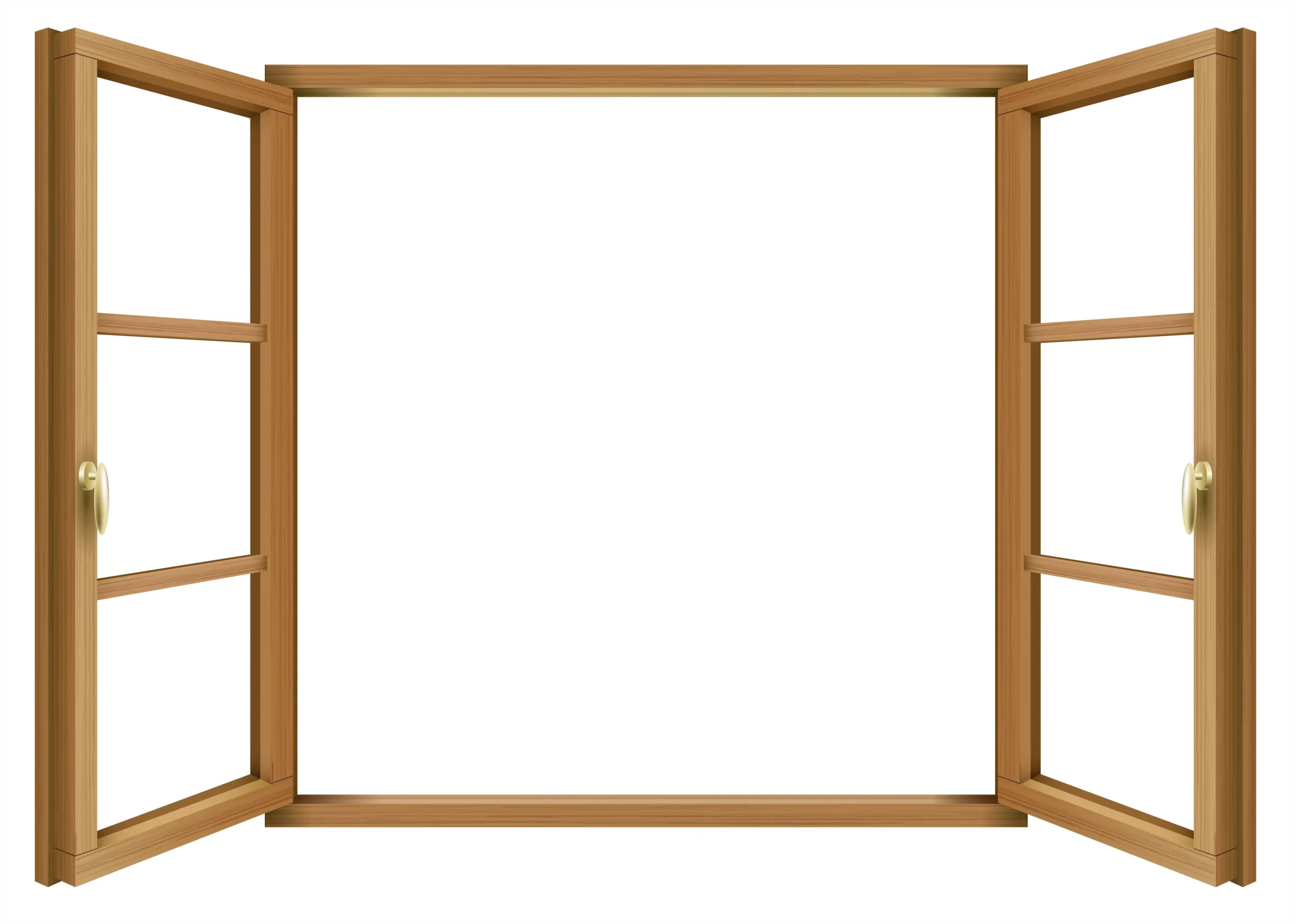
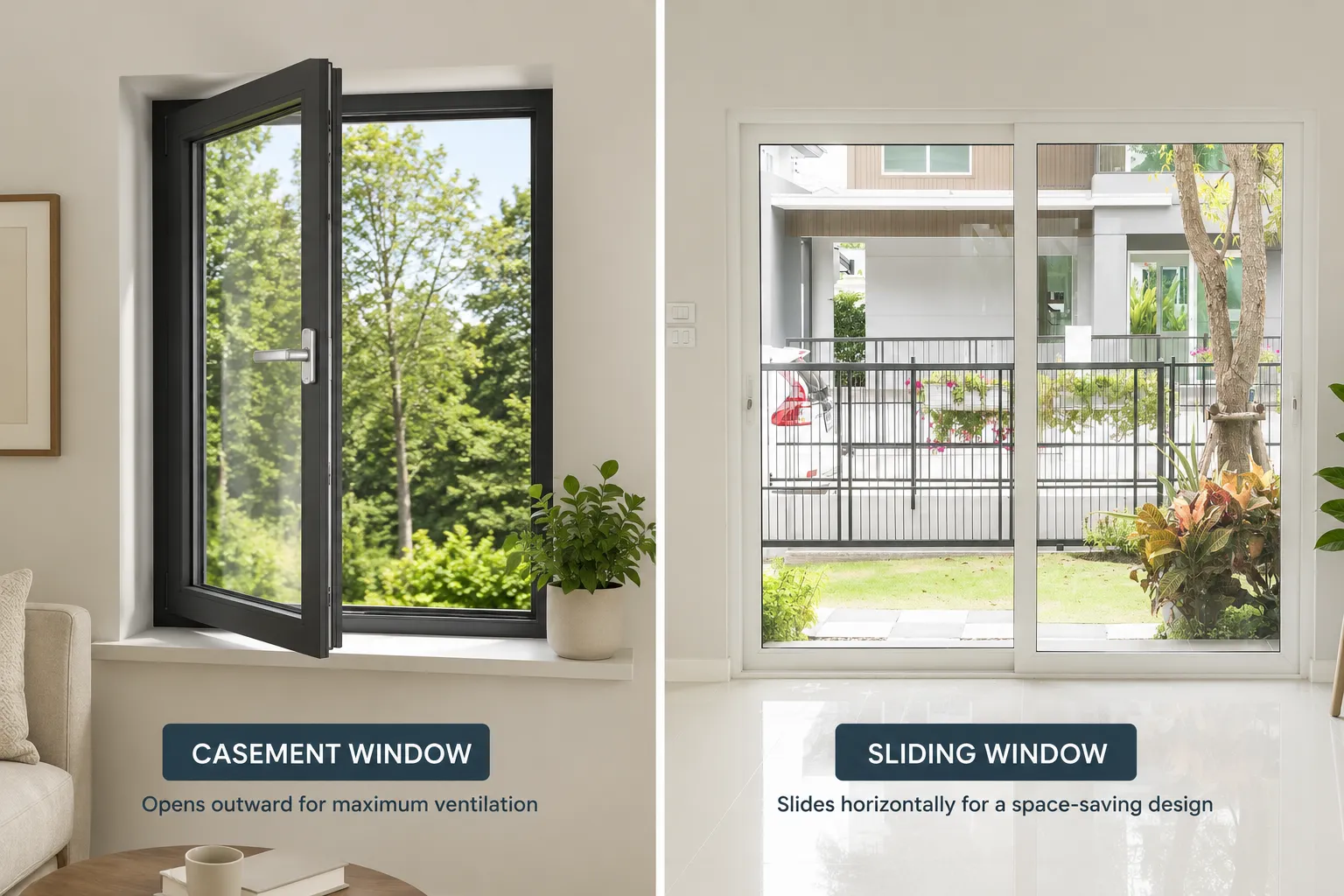
Casement windows are side-hinged windows that open outward using a crank handle. They provide excellent airflow because the entire window opening can be used for ventilation.
These windows also create a very tight seal when closed, making them highly energy efficient. Casement windows are especially popular above kitchen sinks because the crank operator is easy to reach and use.
Sliding Windows
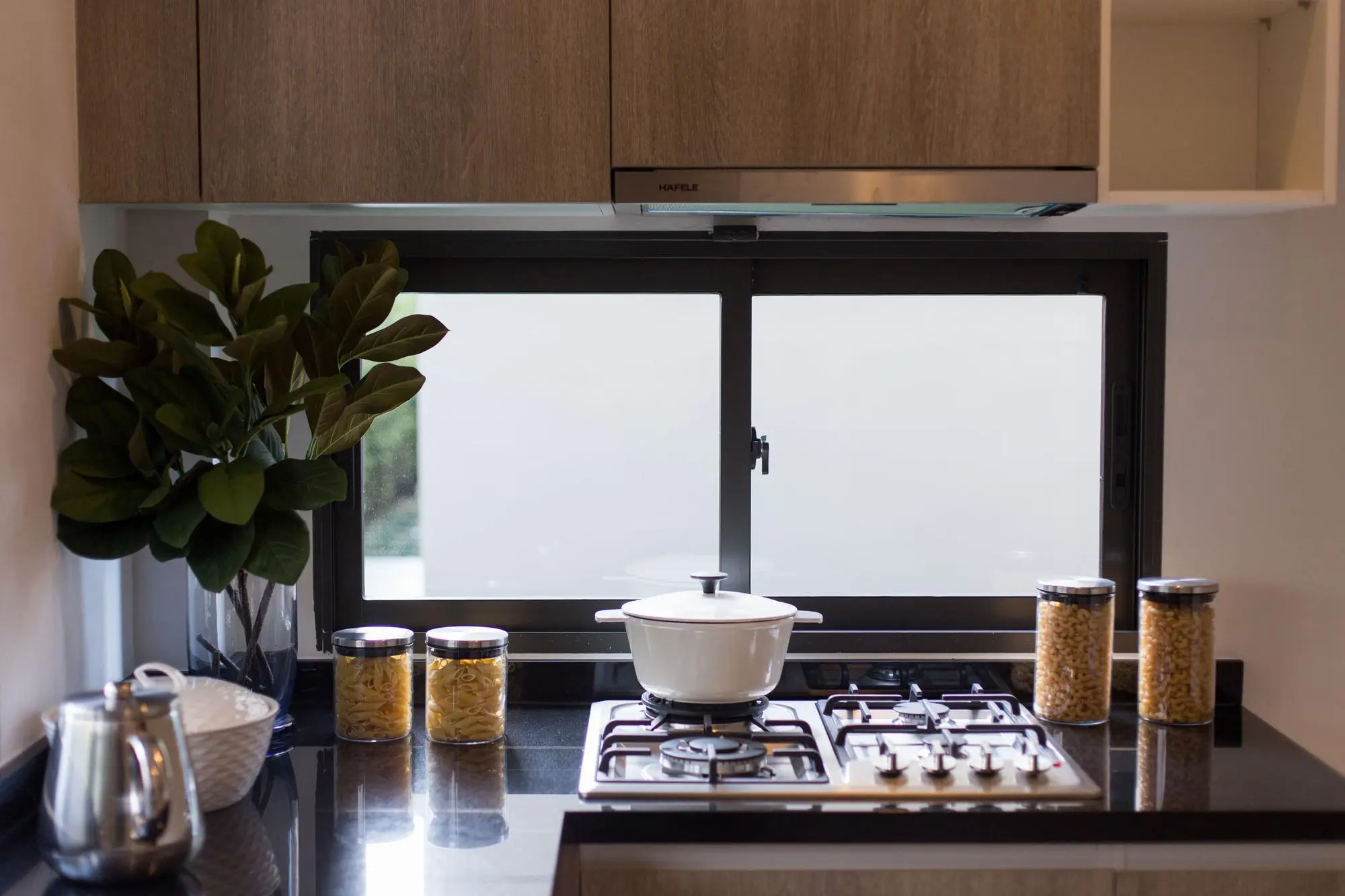
Sliding windows open horizontally along a track system. They have a clean, modern appearance and are ideal for wide wall openings.
Because they do not swing inward or outward, sliding windows work well in areas with limited outdoor space. They are commonly used in living rooms, patios, and modern home designs.
Awning Windows
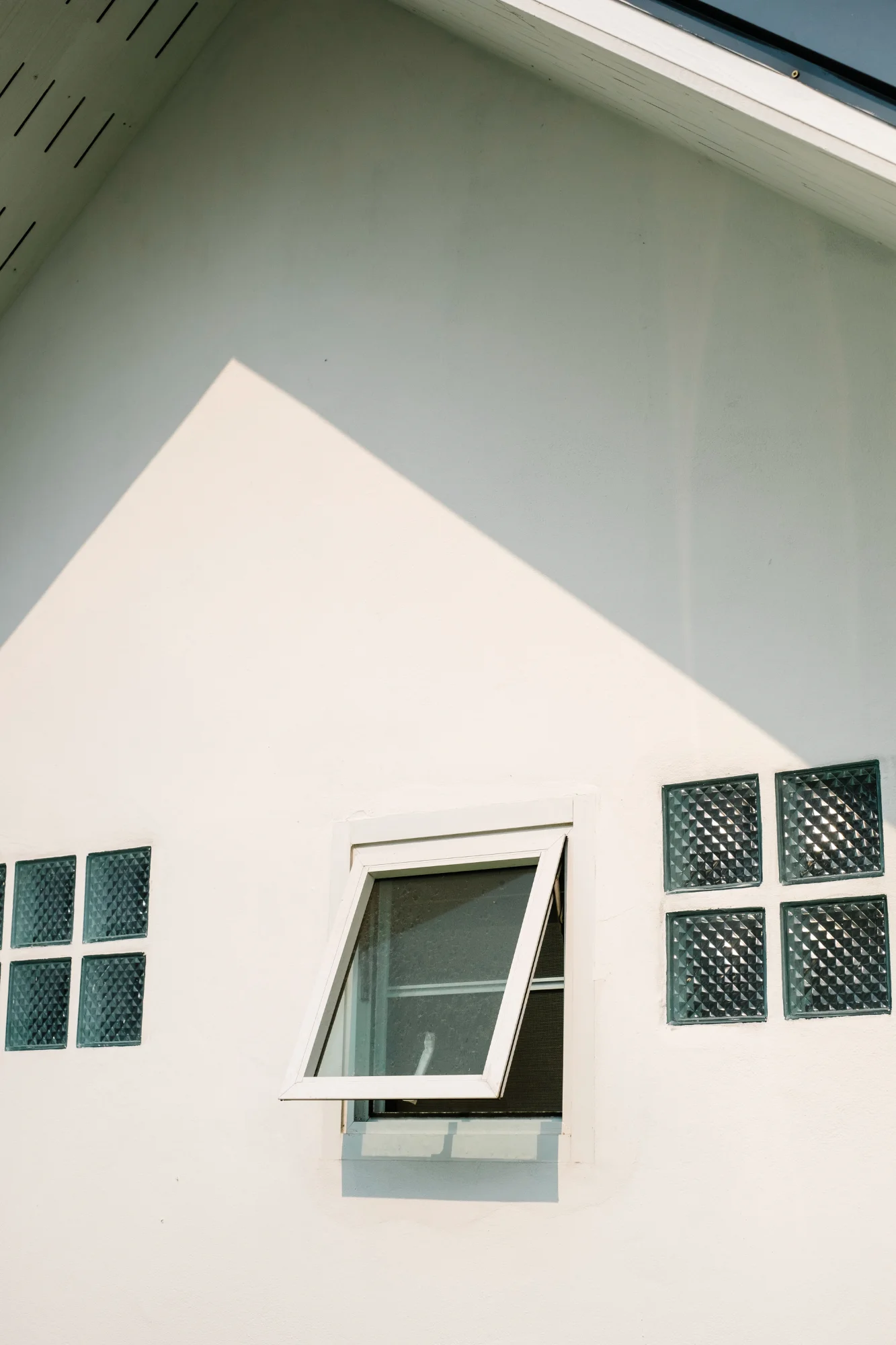
Awning windows are hinged at the top and open outward from the bottom. This design allows ventilation even during light rain because the glass helps shield the opening from water.
These windows are often installed in bathrooms, basements, and smaller rooms where airflow and privacy are both important. Their compact design also works well when placed above larger fixed windows.
Picture Windows
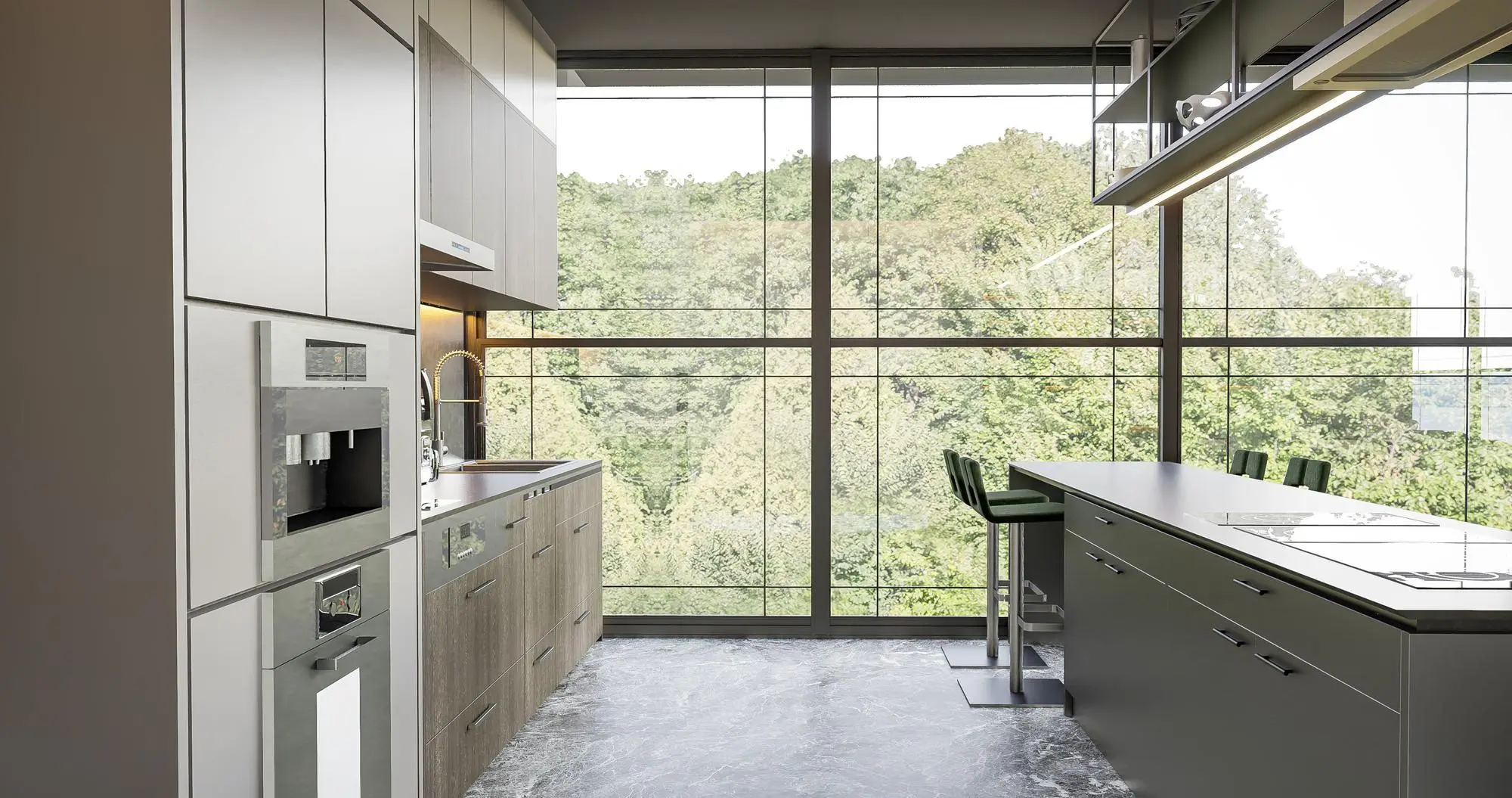
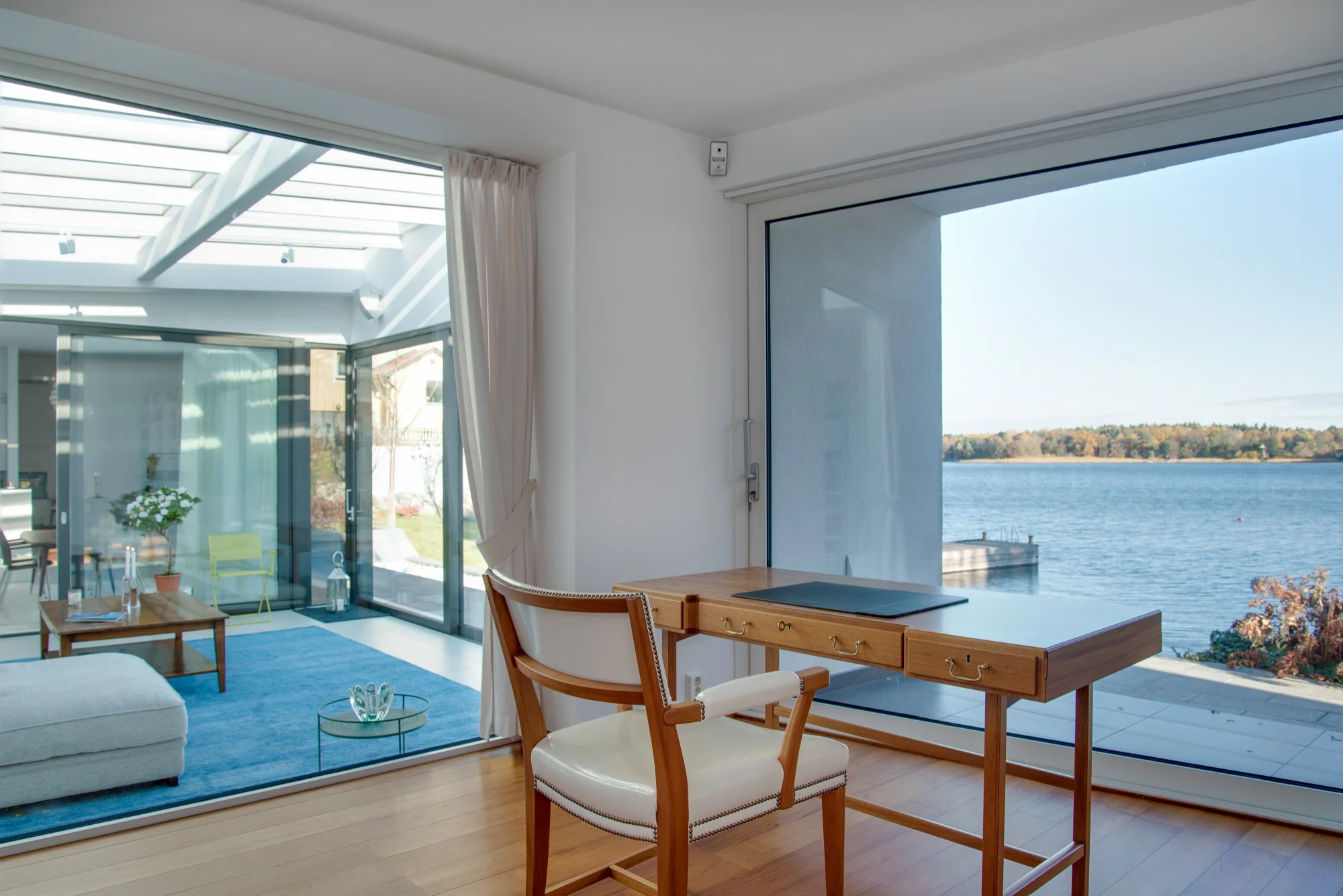
Picture windows are large fixed-glass windows that do not open. Their main purpose is to maximize natural light and provide wide outdoor views.
Because they have no moving parts, picture windows are highly energy efficient and require minimal maintenance. They are commonly installed in living rooms, dining areas, and scenic-view spaces.
Bay & Bow Windows
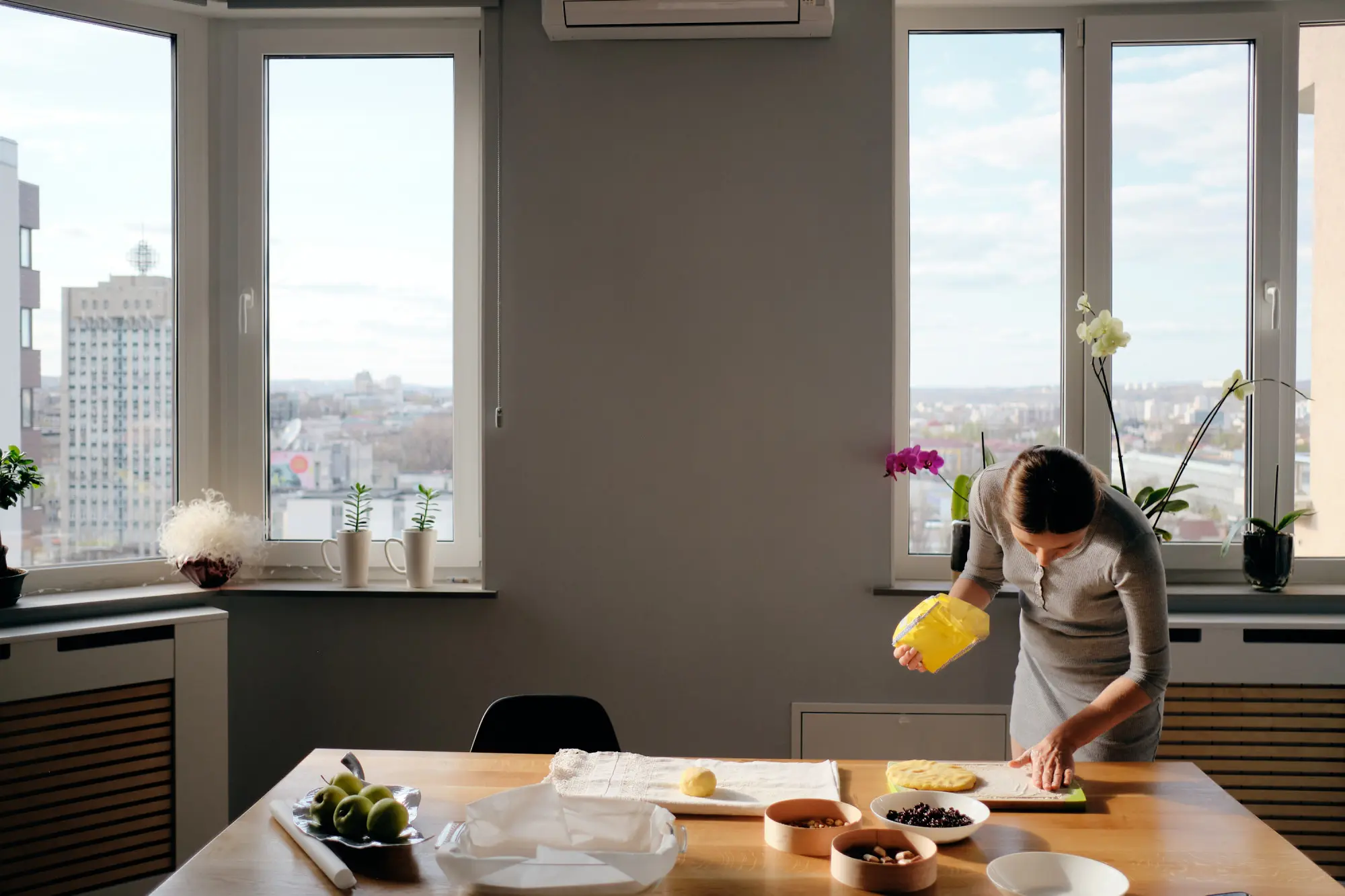
Bay and bow windows extend outward from the home using multiple connected window panels. They create extra interior space while increasing natural light and improving exterior appearance.
Bay windows usually use three panels
Bow windows typically use four or more panels for a curved appearance
These windows are often used in living rooms, dining rooms, and front-facing home designs for added architectural appeal.
Hopper Windows
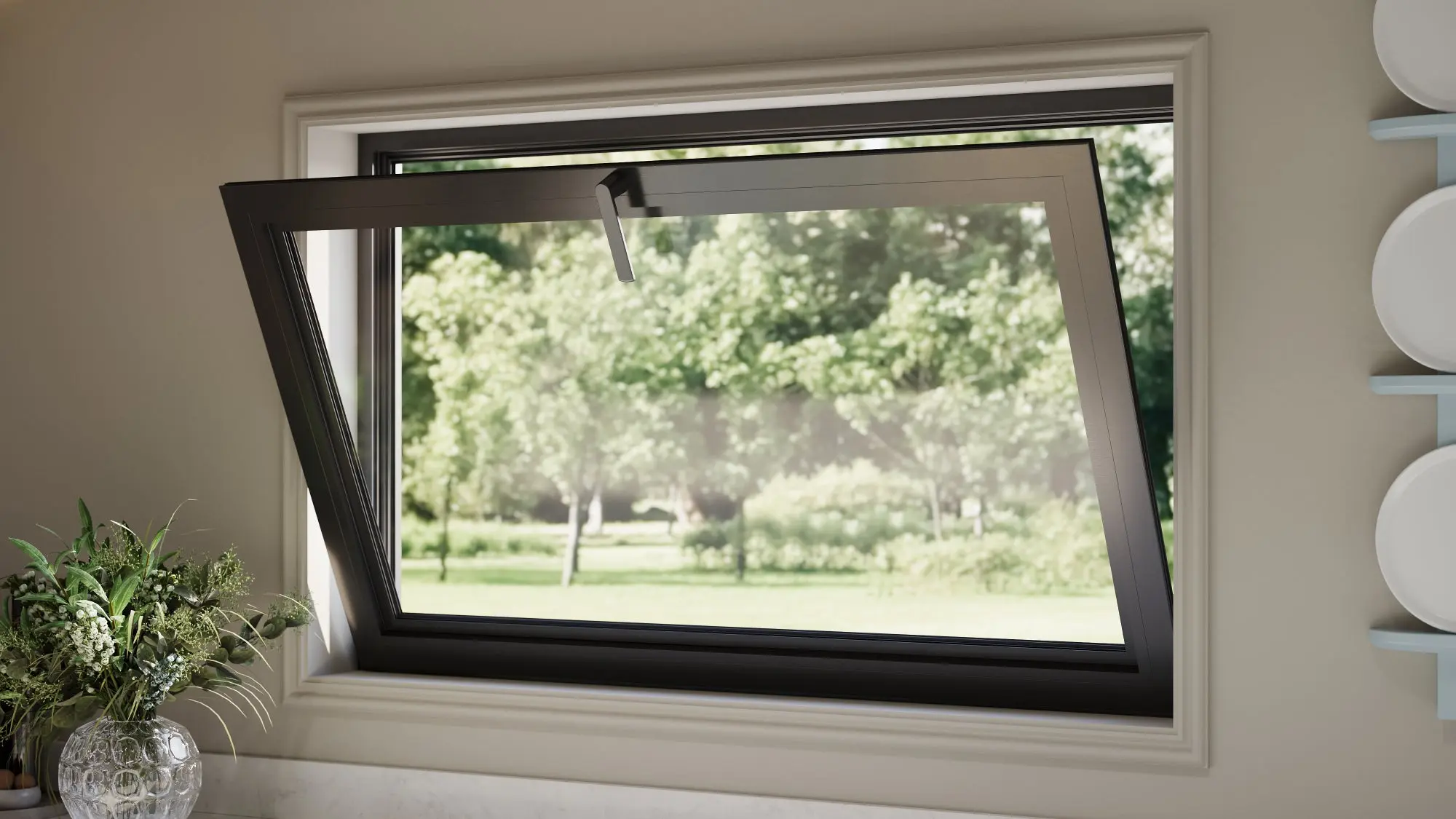
Hopper windows are compact windows that open inward from the top. They are most commonly used in basements and small utility areas.
Their inward-opening design provides ventilation while helping block dirt, debris, and rainwater from entering. Hopper windows are a practical solution for small spaces with limited wall area.
Specialty Shape Windows

Specialty shape windows include arched, round, triangular, and geometric window designs. These windows are mainly used for decorative and architectural purposes.
They help add character, visual interest, and custom design elements to both modern and traditional homes. Many specialty windows are fixed and designed to bring more natural light into unique wall spaces.
Window Types by Function
Different window types are designed for different purposes. Some windows focus on airflow, while others maximize natural light, improve energy efficiency, or save space. Choosing windows based on function can help improve comfort, ventilation, and overall home performance.
Best Windows for Ventilation

Proper airflow helps improve indoor comfort, reduce moisture buildup, and bring fresh air into the home. Some window styles provide much better ventilation than others.
Casement windows open fully outward, allowing maximum airflow and excellent directional ventilation.
Double-hung windows allow both the top and bottom sash to open, creating better air circulation.
Awning windows can remain open during light rain, making them ideal for continuous ventilation.
These window types are commonly used in kitchens, bathrooms, and bedrooms where airflow is especially important.
Best Windows for Natural Light
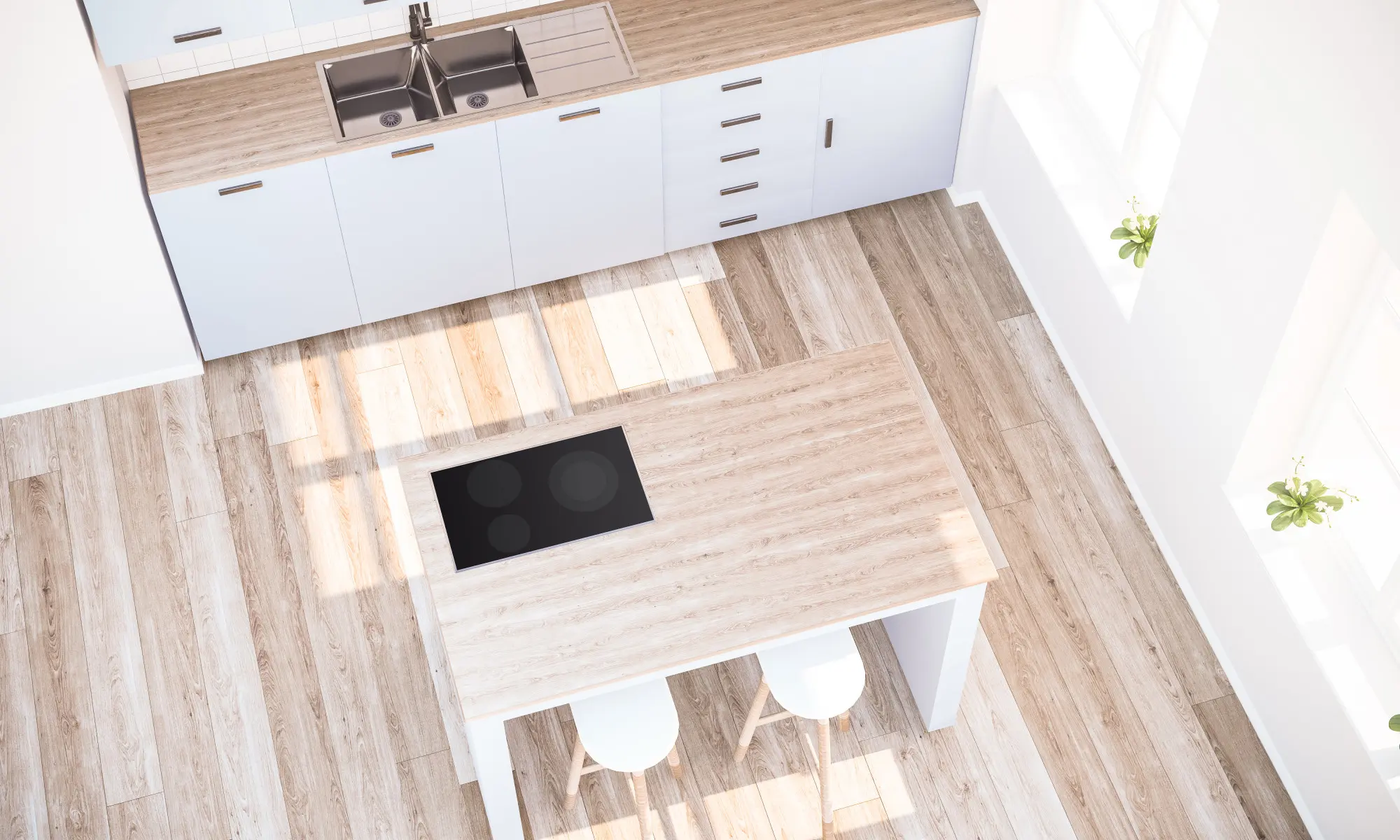
Large glass areas help brighten interiors and make rooms feel more open and spacious.
Picture windows provide unobstructed outdoor views and maximum sunlight because they use large fixed glass panels.
Floor-to-ceiling windows create dramatic natural lighting and modern architectural appeal.
Bay windows extend outward and allow sunlight to enter from multiple angles.
These windows are often installed in living rooms, dining areas, and scenic-view spaces.
Best Windows for Small Spaces
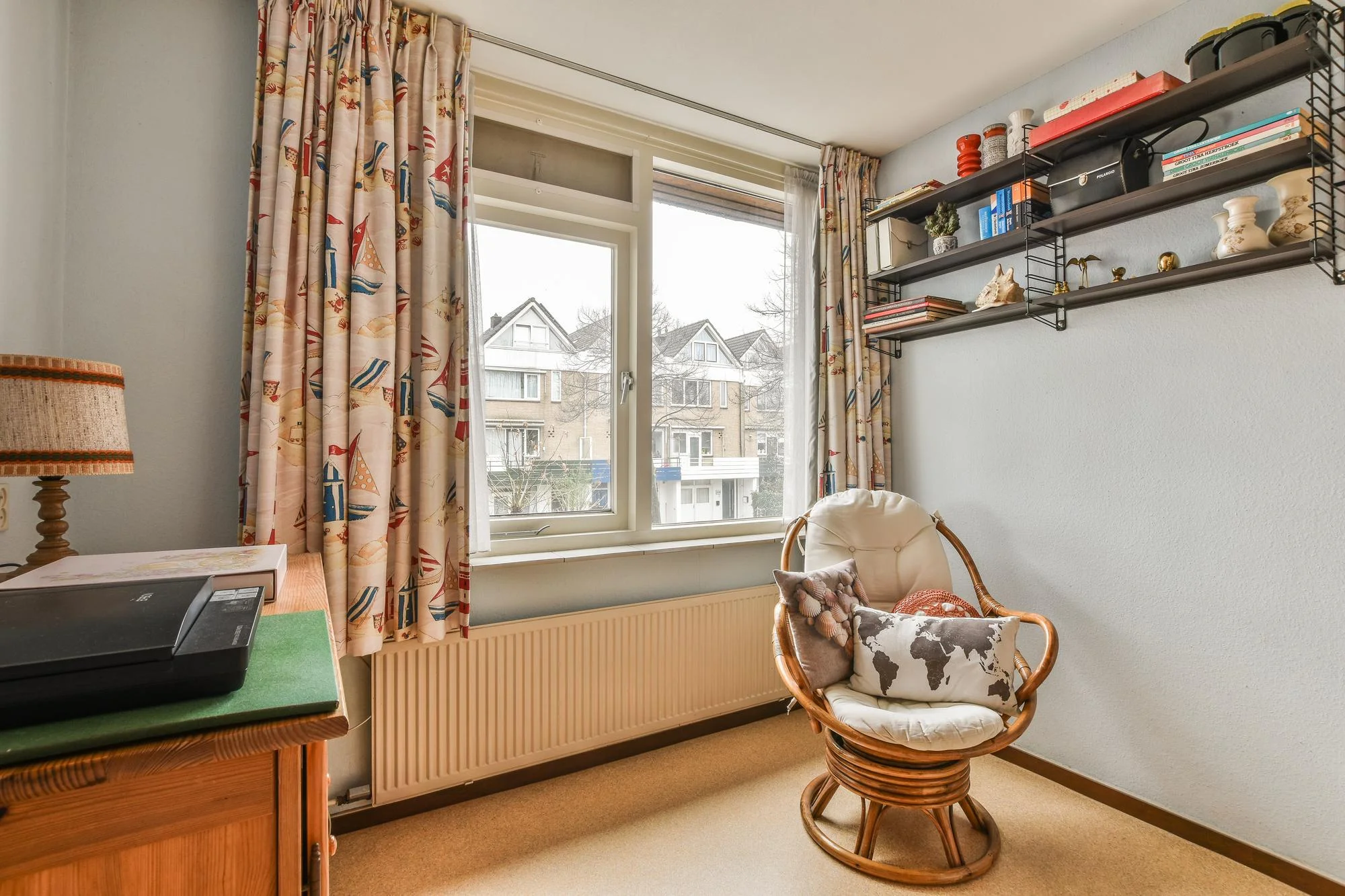
Compact spaces need windows that operate efficiently without taking up extra room.
Sliding windows move horizontally and do not require extra clearance space.
Hopper windows work well in basements, laundry rooms, and tight wall areas.
Awning windows provide ventilation while maintaining a compact footprint.
These window styles are practical for bathrooms, hallways, basements, and small bedrooms.
Best Windows for Energy Efficiency

Energy-efficient windows help reduce heating and cooling costs while improving indoor comfort year-round.
Casement windows create very tight seals when closed, helping reduce air leaks.
Fixed picture windows are highly energy efficient because they have no moving parts or opening gaps.
Triple-pane windows provide stronger insulation and better temperature control than single- or double-pane options.
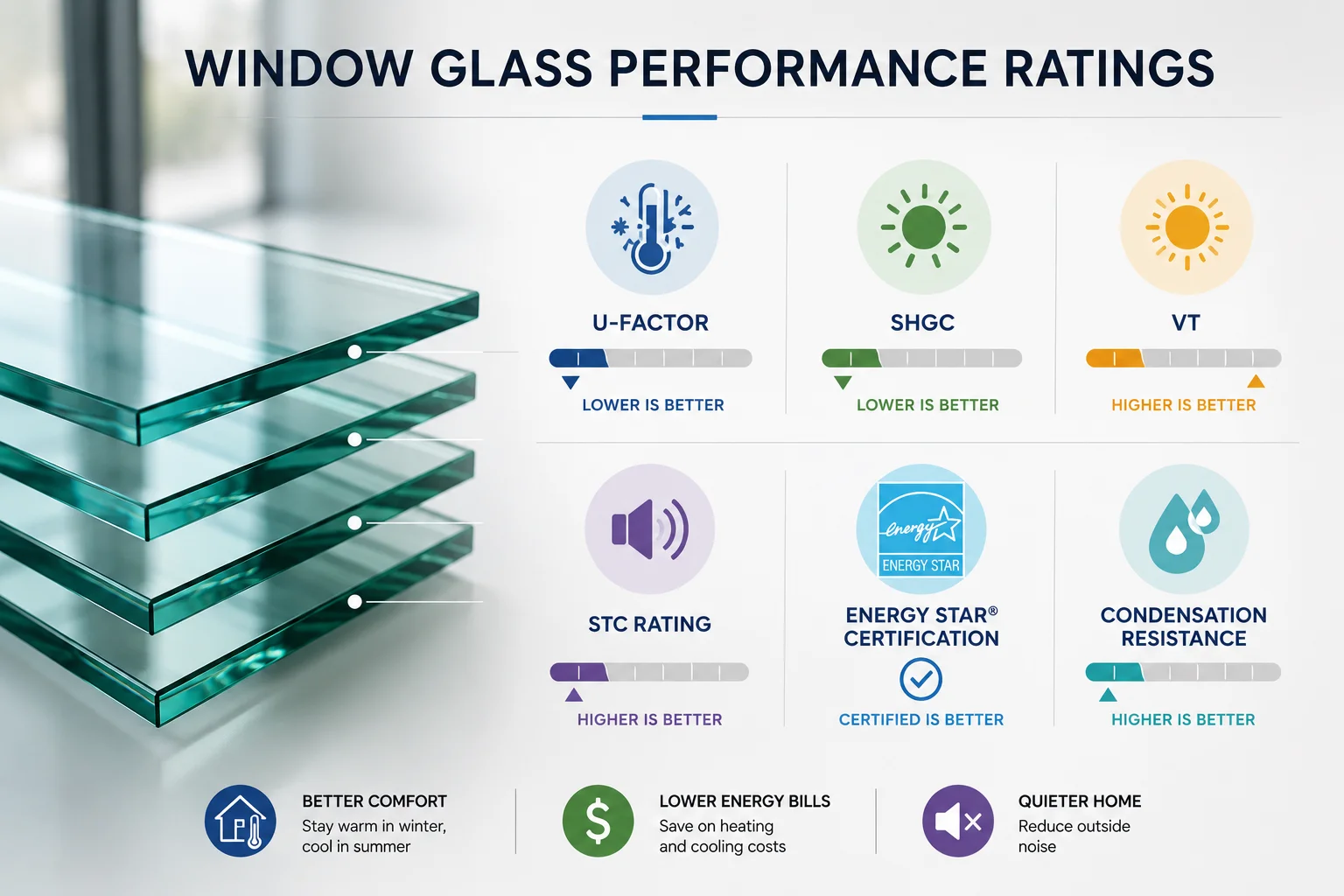
Adding Low-E glass coatings and insulated frames can further improve window energy performance.
Window Types by Room
Different rooms have different lighting, ventilation, privacy, and safety needs. Choosing the right window type for each space can improve comfort, energy efficiency, and overall home design.
Bedroom Windows
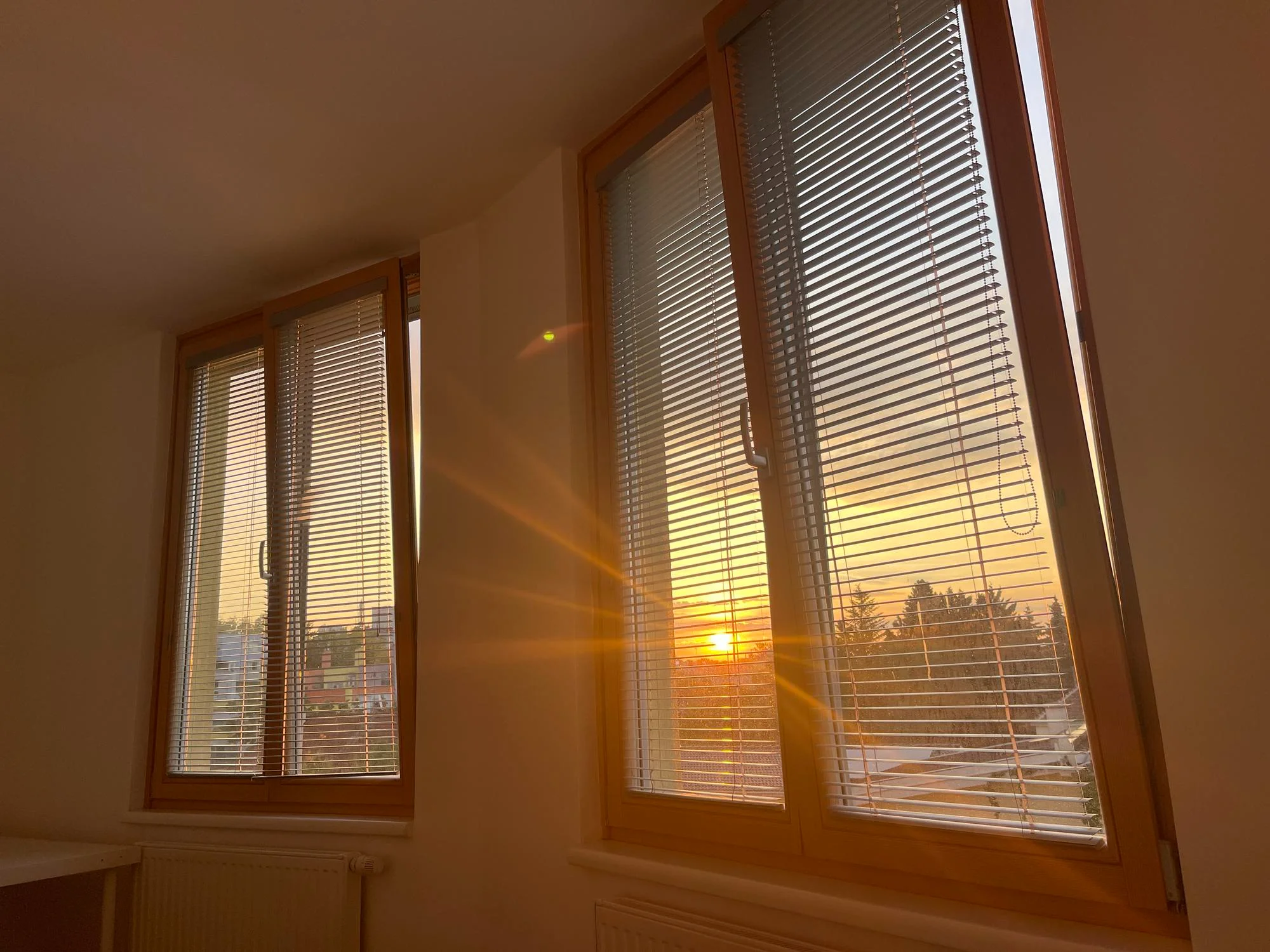
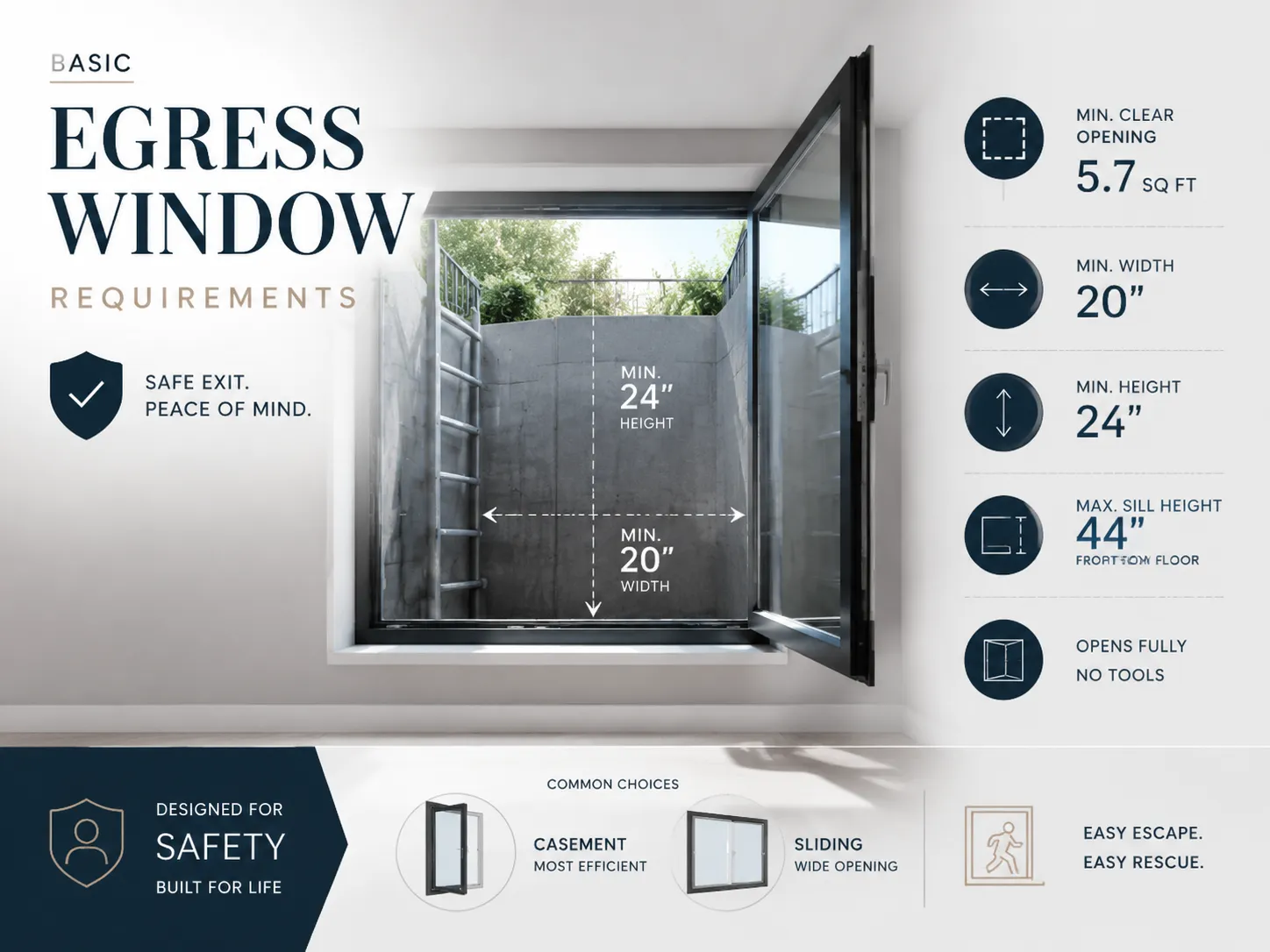
Bedroom windows should provide good ventilation, natural light, and emergency escape access when required by local building codes. Double-hung and casement windows are popular choices because they allow airflow while maintaining energy efficiency.
Many homeowners also prefer larger bedroom windows to create a brighter and more relaxing space. Windows with sound-reducing glass can help improve sleep quality in noisy areas.
Kitchen Windows
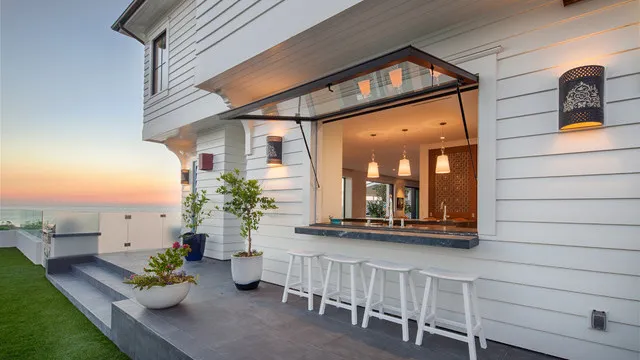
Kitchen windows need strong ventilation to help remove heat, smoke, and cooking odors. Casement and sliding windows are commonly installed above sinks because they are easy to open and clean.
Many kitchens also use larger windows to bring in natural light and make cooking spaces feel more open and comfortable. Easy-to-clean materials are especially important in kitchen environments.
Bathroom Windows
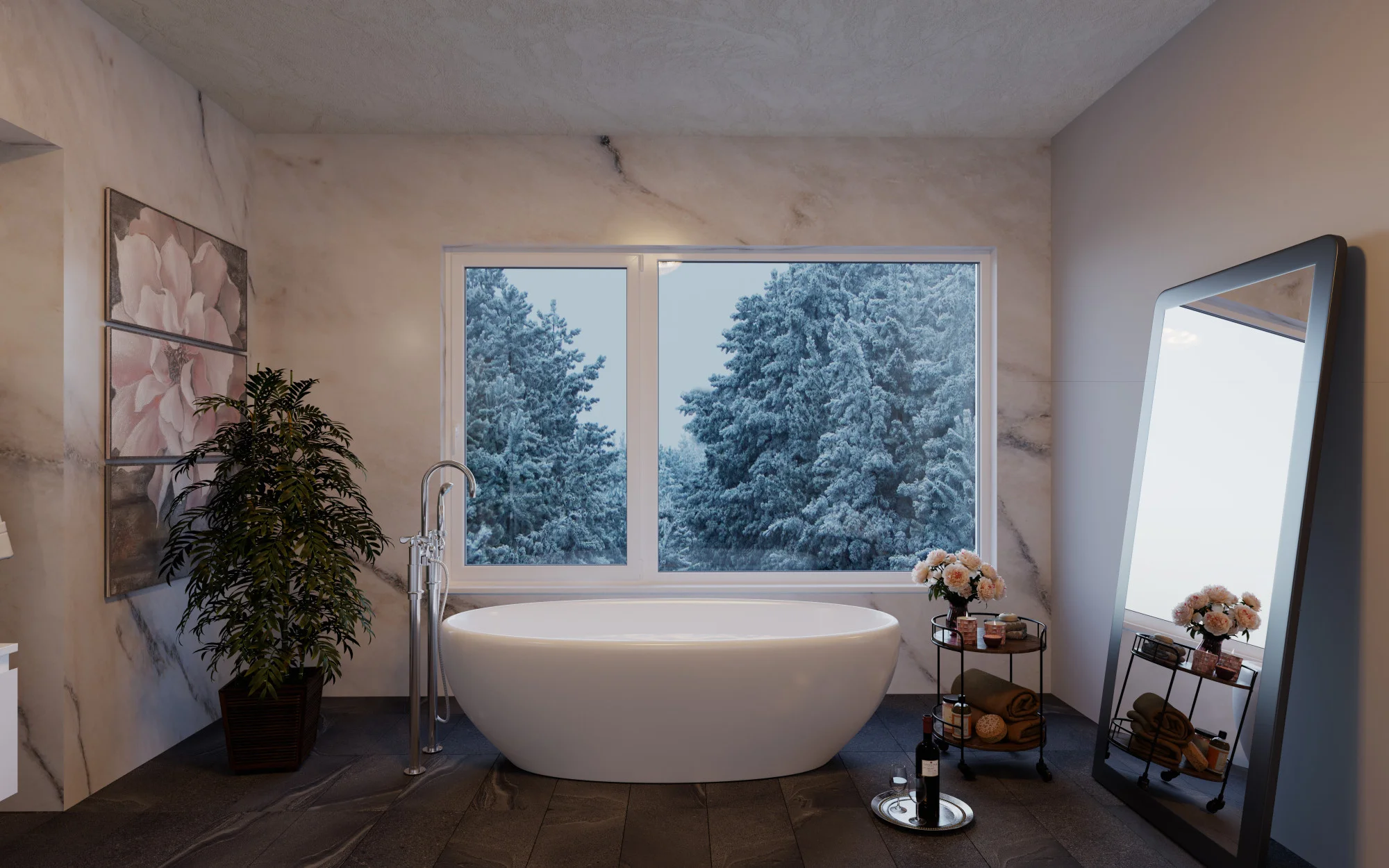
Bathroom windows should balance privacy, airflow, and moisture resistance. Awning and frosted-glass windows are popular because they allow ventilation while maintaining privacy.
Smaller window sizes are often used in bathrooms, especially in homes with limited wall space. Moisture-resistant frames and insulated glass can help reduce humidity-related damage over time.
Living Room Windows
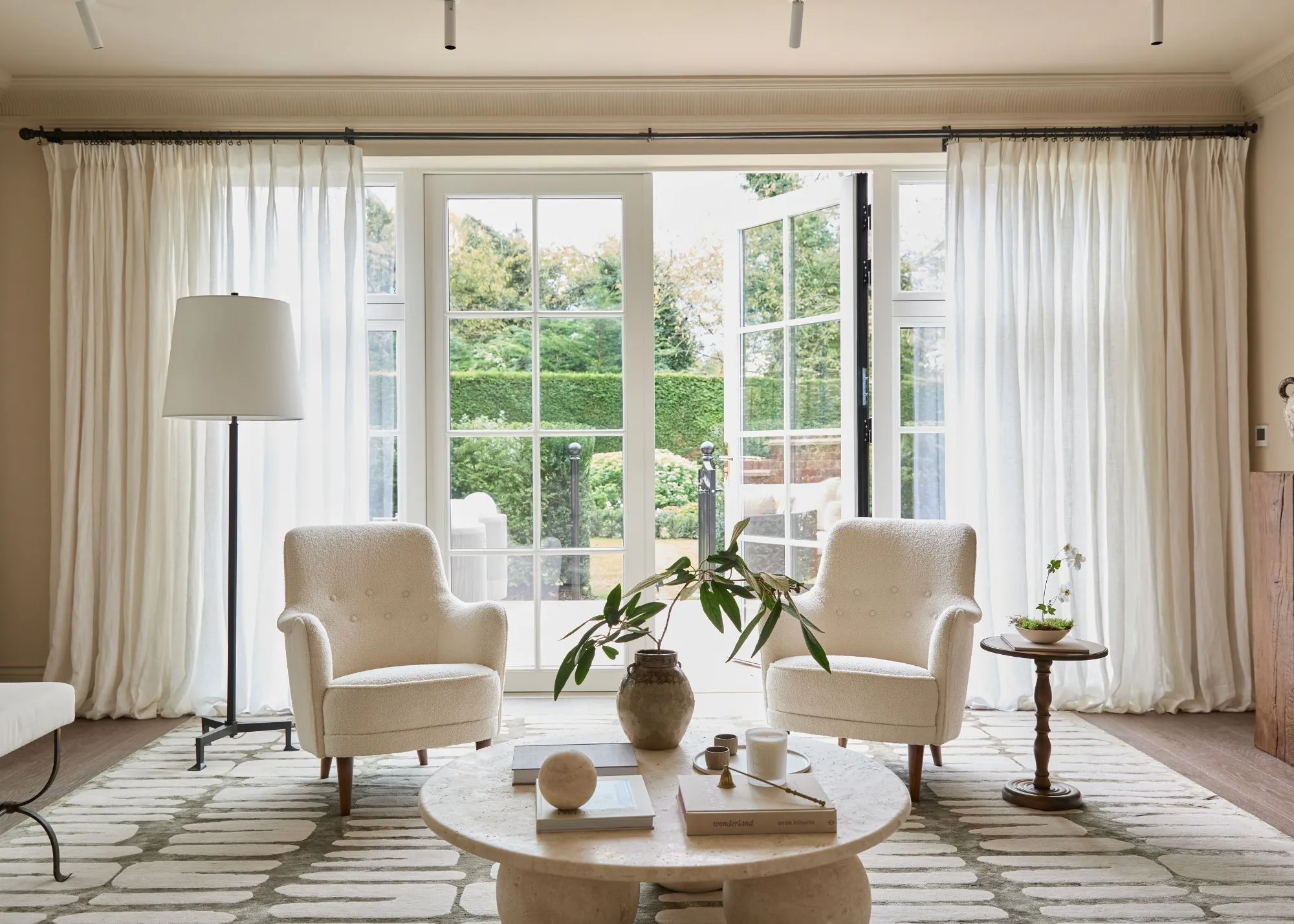
Living room windows are usually larger to maximize natural light and outdoor views. Picture windows, bay windows, and sliding windows are common choices for modern living spaces.
Large windows can make a room feel brighter, larger, and more connected to outdoor areas. Many homeowners combine fixed and operable windows to balance visibility with ventilation.
Basement Windows
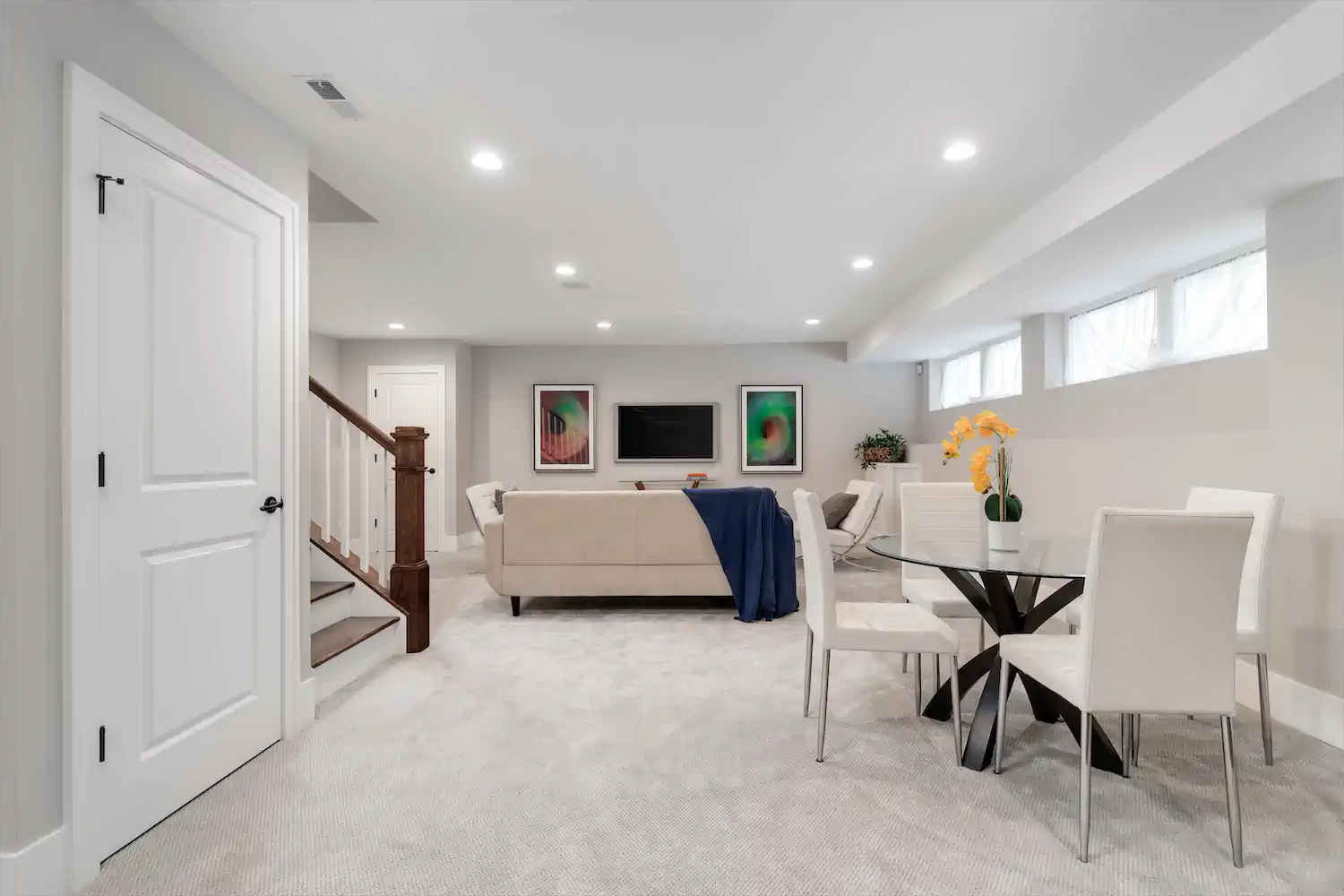
Basement windows are typically smaller and designed to improve airflow, safety, and moisture control. Hopper and sliding windows are common choices because they fit compact wall spaces well.
Many basements also require egress windows for emergency escape and building code compliance. Energy-efficient basement windows can help reduce drafts and improve insulation in below-ground areas.
Window Frame Material Options
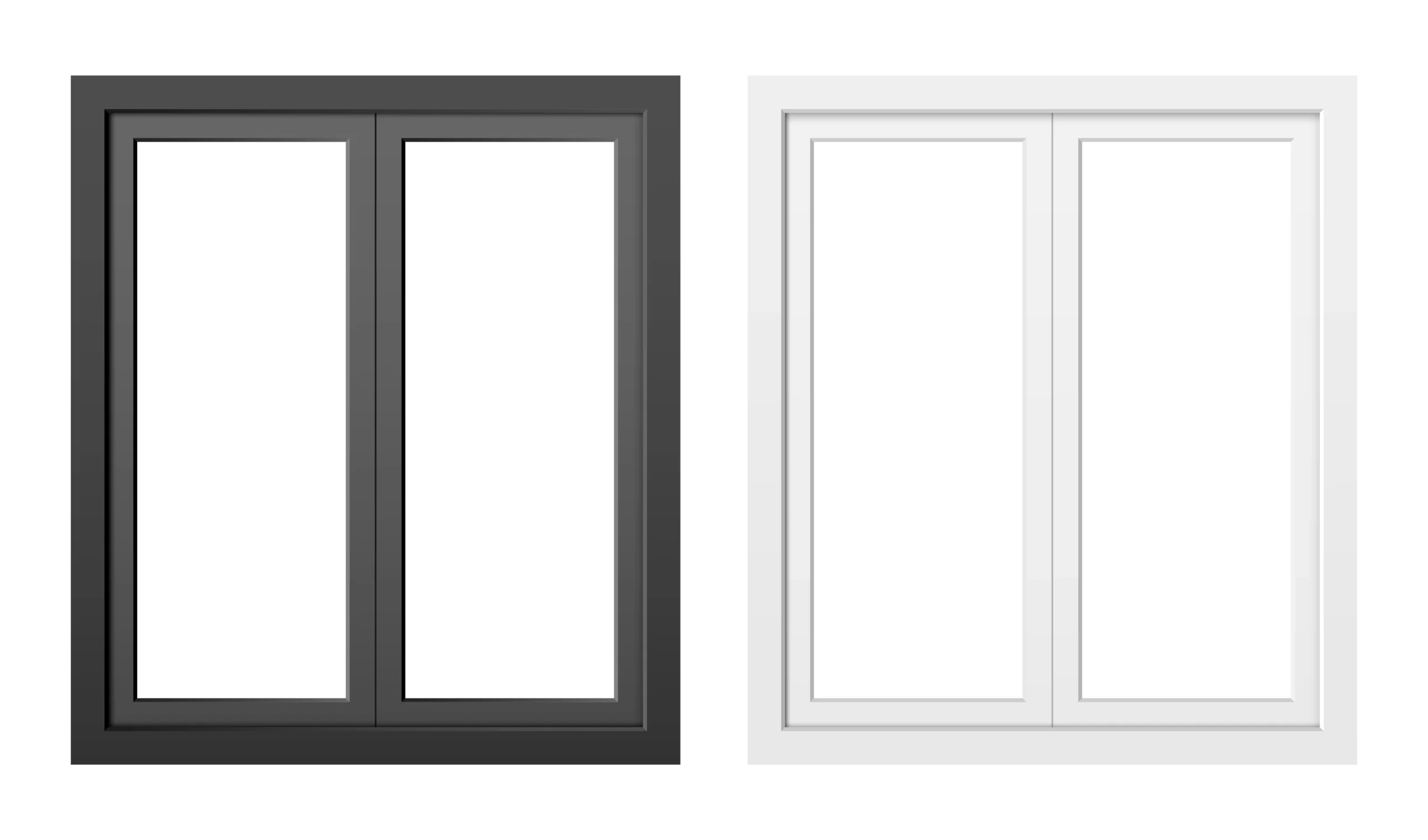
Choosing the right window frame material is just as important as choosing the window style. Different materials affect durability, energy efficiency, maintenance needs, and overall appearance. Here are the most common window frame options homeowners use today.
Vinyl Windows
Vinyl window frames are one of the most popular and affordable choices. They are low maintenance, energy efficient, and resistant to moisture and corrosion. Vinyl windows work well in many climates and do not require painting.Wood Windows
Wood frames offer a classic and natural appearance that many homeowners love. They provide excellent insulation and can be painted or stained in different colors. However, wood windows require regular maintenance to prevent rot, warping, and moisture damage.Aluminum Windows
Aluminum frames are strong, lightweight, and commonly used in modern home designs. They support larger glass panels and slimmer frame profiles. While durable, aluminum is less energy efficient than vinyl or wood unless thermal breaks are added.Fiberglass Windows
Fiberglass frames are highly durable and resistant to weather changes. They provide excellent insulation and expand less in extreme temperatures. Fiberglass windows are often considered a premium long-lasting option.Composite Windows
Composite frames combine materials like wood fibers and polymers to improve strength and energy efficiency. They offer the appearance of wood with lower maintenance requirements and strong resistance to moisture and weather damage.