
What Is a Bay Window?
A bay window is a window structure that projects outward from the exterior wall of a building, creating additional interior space and a wider view. Most bay windows consist of three panels: a large fixed center window and two angled side windows.
Because of their angular design, bay windows create a noticeable architectural feature both inside and outside the home. They are commonly used in living rooms, dining rooms, and bedrooms where homeowners want more natural light and extra floor space.
Key benefits of bay windows include:
- Increased interior space for seating or storage
- Wider outdoor views
- More natural daylight
- Improved curb appeal
- Strong architectural character
Bay windows are often preferred when homeowners want a practical combination of style, functionality, and added room space.
What Is a Bow Window?
A bow window is a curved window structure made up of four, five, or more connected window panels that extend outward from the wall. Unlike the sharp angles of a bay window, a bow window creates a smooth, rounded appearance.
The additional glass panels allow bow windows to capture more natural light and provide a broader panoramic view. Their elegant shape makes them a popular choice for traditional, luxury, and custom-designed homes.
Key benefits of bow windows include:
- Expansive panoramic views
- Increased natural light from multiple angles
- Softer, more elegant exterior appearance
- Enhanced sense of openness indoors
- Ideal for large wall openings
Bow windows are often chosen by homeowners who prioritize aesthetics, natural light, and a spacious visual effect over maximizing usable floor space.
Bay Window vs Bow Window: Key Differences Explained
While bay and bow windows both extend outward from a home’s exterior wall, they differ in design, appearance, performance, and cost. Understanding these differences can help you choose the right option for your space and budget.
| Feature | Bay Window | Bow Window |
|---|---|---|
| Shape and Design | Angular design with usually 3 panels | Curved design with typically 4–6 panels |
| Natural Light | Provides strong daylight with fewer panels | Allows more light from multiple angles |
| Views | Wide view with defined angled sightlines | Broader panoramic view with softer sightlines |
| Interior Space | Creates more usable space for seating or storage | Adds openness but usually less usable floor space |
| Ventilation | Strong airflow with operable side windows | Good airflow if operable panels are included |
| Structural Needs | Usually simpler installation with less support needed | Often needs more structural support and framing |
| Energy Efficiency | Efficient with quality glass and insulated frames | May lose more heat if glass performance is lower |
Shape and Design
The most noticeable difference is their overall shape.
A bay window typically consists of three window panels arranged at sharp angles. It creates a more geometric and modern appearance.
A bow window uses four to six or more connected panels to form a gentle curve. This creates a softer, more elegant look that blends smoothly with the home’s exterior.
Bay Window:
- Angular design
- Usually 3 panels
- Strong architectural statement
Bow Window:
- Curved design
- Typically 4–6 panels
- More traditional and elegant appearance
Natural Light
Both window styles increase natural light, but bow windows generally allow more sunlight into a room.
Because bow windows use more glass panels and cover a wider area, they can capture sunlight from multiple directions throughout the day. Bay windows still provide excellent daylight but typically have a smaller glass surface.
Views and Sightlines
If maximizing outdoor views is important, bow windows usually have the advantage.
Their curved design creates a broader viewing angle and a more panoramic effect. Bay windows provide wide views as well, but the angled side panels create a more defined viewing frame.
Interior Space
Bay windows typically create more usable interior space.
The center section projects farther outward, often forming a practical nook that can be used for seating, storage, or decorative displays.
Bow windows also extend the room outward, but their curved design generally creates less functional floor space.
Ventilation Performance
Ventilation depends on the operable window panels included in the design.
Bay windows often use casement or double-hung side windows that provide strong airflow. Bow windows can also include operable sections, but not all panels are designed to open.
In most cases, both styles can deliver excellent ventilation when properly configured.
Structural Requirements
Bow windows usually require more structural support than bay windows.
Their larger size, additional glass panels, and wider projection can increase installation complexity. Some projects may require extra framing or reinforcement.
Bay windows are generally simpler to install and may involve fewer structural modifications.
Energy Efficiency
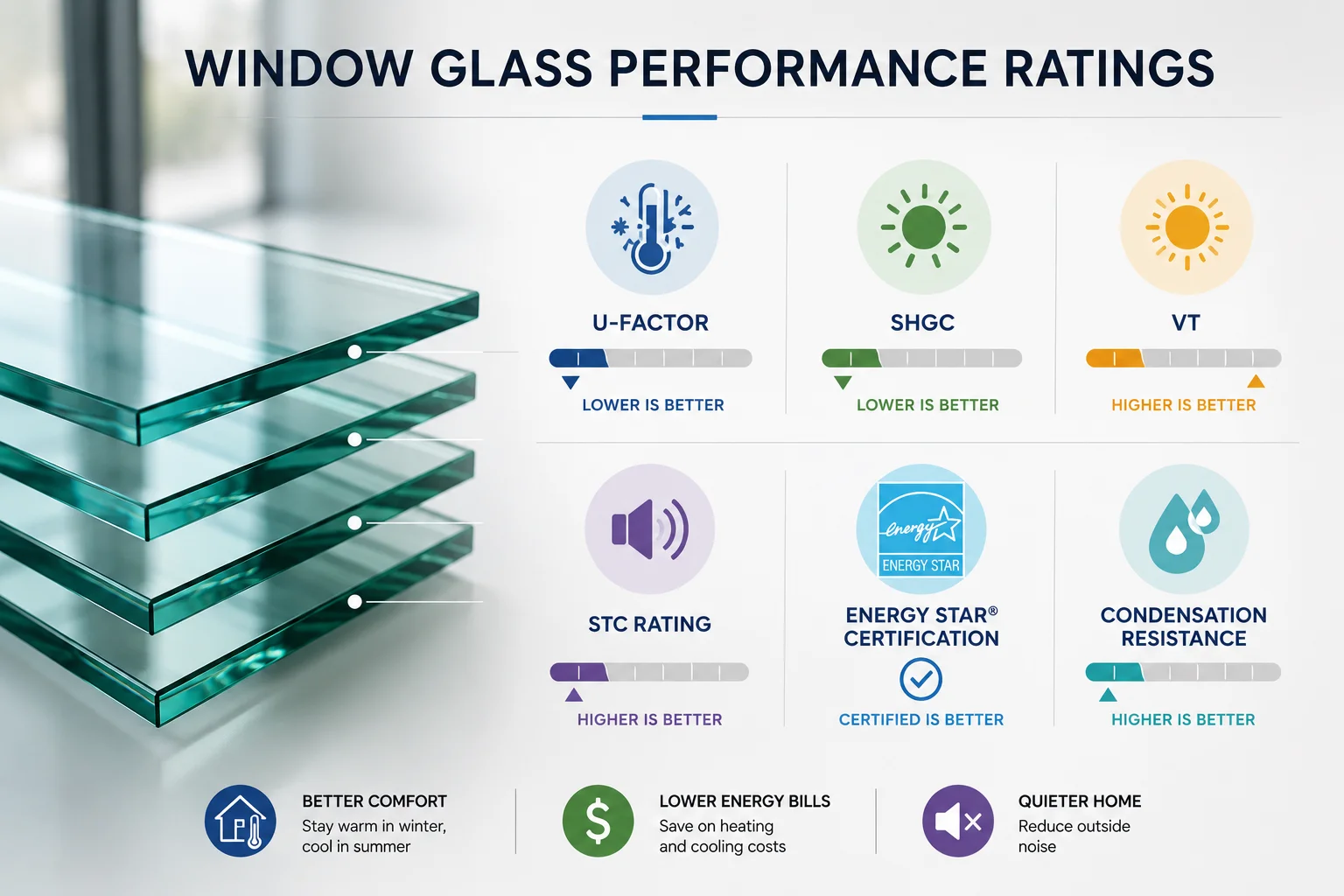
Energy efficiency depends more on the glass package and frame materials than on the window style itself.
Both bay and bow windows can achieve excellent thermal performance when equipped with:
- Double- or triple-pane glass
- Low-E coatings
- Argon or krypton gas fills
- Insulated frames
- Warm-edge spacers
Because bow windows contain more glass area, they may experience slightly greater heat transfer if lower-performance glazing is used. Choosing high-quality energy-efficient glass is important for both window styles.
Bay vs Bow Windows for Different Homeowners
Both bay and bow windows can add beauty, natural light, and value to a home. The best choice depends on your goals, budget, and design preferences.
Choose Bay Windows If…
Bay windows are often the better option for homeowners who want a practical balance of style, function, and cost.
- You want extra floor space for a window seat, reading nook, or storage area.
- Budget matters and you want a more affordable installation.
- You prefer a modern geometric look with clean lines and bold architectural features.
- You want easier installation with fewer structural modifications.
- You need a strong focal point for living rooms, dining rooms, or home offices.
Choose Bow Windows If…
Bow windows are ideal for homeowners who prioritize elegance, natural light, and expansive views.
- You want a luxury appearance with a smooth, curved design.
- Panoramic views are important and you want a wider viewing angle.
- Your home has a traditional or classic style that complements curved architecture.
- You want maximum natural light from multiple glass panels.
- You have a larger budget for a premium window upgrade.
In general, bay windows are often chosen for practicality and added space, while bow windows are preferred for their elegant appearance, panoramic views, and high-end curb appeal.
FAQs
Which is better, a bow or a bay window?
Neither is universally better—it depends on your priorities.
- Choose a bay window if you want extra usable floor space, lower cost, and a more modern, angular look.
- Choose a bow window if you want panoramic views, more natural light, and a softer, more elegant appearance.
Are bay or bow windows more expensive?
Bow windows are usually more expensive. They typically use more window panels and often require more complex installation and structural support. Many industry sources estimate bow windows can cost noticeably more than comparable bay windows.
What is a bow window?
A bow window is a curved window structure made from four to six or more connected window panels. Unlike a bay window’s angled design, a bow window creates a smooth, rounded appearance that extends outward from the home. It is often chosen for its elegant look, panoramic views, and ability to bring in abundant natural light.
Can I replace my bow window with a bay window?
Yes. A bow window can usually be replaced with a bay window, but the opening and structural support may need modification because the two designs have different shapes, sizes, and support requirements. A professional window contractor should evaluate the wall structure before replacement.