

2026 Countertop Cost Overview
Thinking about a kitchen makeover? One of the biggest costs—and decisions—you’ll face is your countertops. In 2026, kitchen countertop costs vary widely depending on material, size, and installation complexity.
Here’s a quick snapshot:
- Budget-friendly options like laminate typically cost around $20–$50 per square foot.
- Mid-range choices, such as quartz or solid surface countertops, range between $50–$100 per square foot.
- Premium natural stones like granite, marble, or exotic quartzite can run $100–$250+ per square foot, especially with custom edges or complex layouts.
Other factors that can influence costs include kitchen size, number of islands, sinks, and cutouts, as well as your location and contractor availability. Knowing what drives the cost can help you plan your remodel without surprises.
How Countertop Costs Are Calculated
Understanding how countertop prices are calculated makes it easier to budget accurately. Here are the main components:
- Material Costs
The type of material you choose is the biggest factor. Laminate is cheaper, natural stones are more expensive, and engineered quartz sits in between. - Fabrication & Labor
Cutting, polishing, and installing your countertop requires skilled labor. Labor costs vary by region and kitchen complexity. - Templating, Edge Profiles, Cutouts
Custom shapes, intricate edge designs, and sink or appliance cutouts increase fabrication time and costs. - Removal of Old Counters & Fixed Fees
If your kitchen already has countertops, contractors may charge for removal and disposal, plus any fixed setup fees for installation. - Markups & Contractor Pricing Practices
Contractors may add markups to materials or include extra charges for project management. Always request a detailed quote to see exactly what’s included.
Cost by Popular Countertop Materials
Choosing the right countertop is more than just picking a color or pattern—it’s about balancing budget, durability, and style. In 2026, each material has its own cost range, maintenance needs, and lifespan. Here’s a breakdown of the most popular options.
| Countertop Material | Cost per sq ft | Pros | Cons | Maintenance |
|---|---|---|---|---|
| Laminate | $20–$50 | Affordable, easy to clean, lightweight | Prone to scratches, burns, short lifespan | Wipe with mild soap; avoid hot pans/cutting |
| Tile & Porcelain | $30–$70 | Variety of patterns, heat & stain resistant | Grout lines may stain, uneven surface | Clean regularly, seal grout annually |
| Solid Surface (Acrylic/Corian) | $50–$100 | Seamless, customizable, scratches can be sanded | Not heat resistant, more expensive than laminate | Wipe with mild soap; sand scratches; avoid hot pans |
| Quartz (Engineered Stone) | $60–$120 | Non-porous, durable, low maintenance | Sensitive to heat, expensive | Wipe with damp cloth; avoid hot items |
| Granite | $50–$200 | Durable, heat resistant, unique slabs | Requires sealing, can chip, higher cost | Seal annually, clean with mild soap |
| Marble | $70–$250 | Elegant, heat resistant, baking-friendly | Prone to staining & scratches, expensive | Seal regularly, clean spills immediately |
| Quartzite & Exotic Stone | $90–$250+ | Durable, scratch-resistant, luxurious | Expensive, limited availability | Seal yearly, clean with mild soap |
| Concrete & Specialty Materials | $70–$150 | Customizable, heat resistant, artistic | Can crack, high installation cost | Seal every 1–2 years, clean with mild soap |
Laminate – Most Budget Friendly
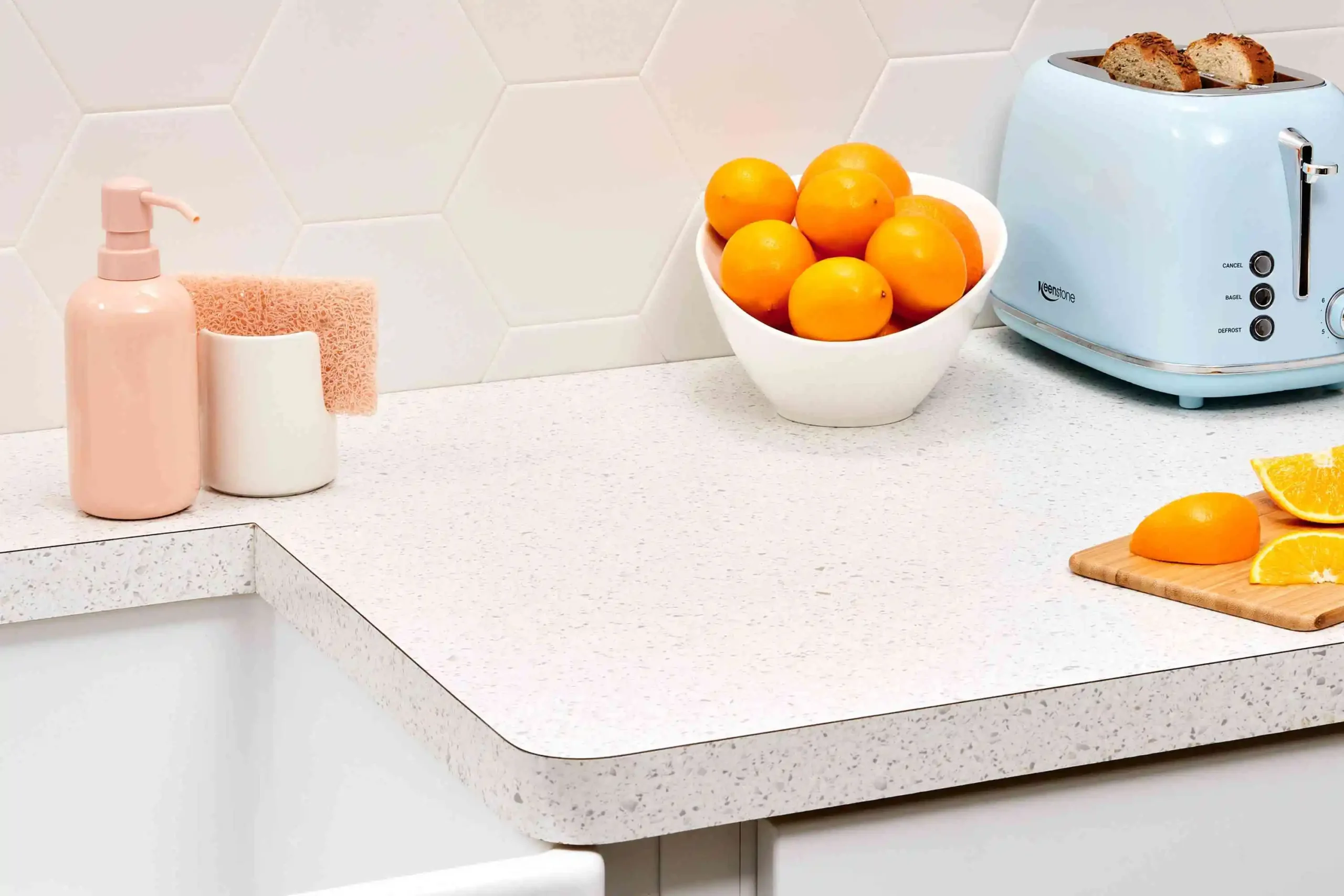
Cost: $20–$50 per square foot
Laminate countertops are a great choice if you want a fresh look without breaking the bank. They come in a wide variety of colors and patterns, some even mimicking stone or wood.
Pros:
- Affordable and widely available
- Easy to clean and maintain
- Lightweight, simple installation
Cons:
- Susceptible to scratches, burns, and chipping
- Can’t be repaired easily if damaged
- Shorter lifespan compared to natural stone
Durability & Maintenance: Laminate is low maintenance—wipe with mild soap and water. Avoid cutting directly on the surface or placing hot pans on it.
Tile & Porcelain
Cost: $30–$70 per square foot
Tile and porcelain countertops offer versatility and durability. Porcelain tiles are non-porous, making them resistant to stains and heat, while ceramic tiles allow for intricate designs.
Pros:
- Wide variety of colors, patterns, and textures
- Heat and stain resistant
- Can replace individual tiles if damaged
Cons:
- Grout lines can stain or harbor bacteria
- Installation can be labor-intensive
- Surface may feel uneven depending on tile size
Durability & Maintenance: Clean regularly, seal grout annually for longevity. Porcelain is more resistant to chipping than ceramic.
Solid Surface (Acrylic / Corian)
Cost: $50–$100 per square foot
Solid surface countertops, like Corian, are seamless, smooth, and easy to customize. They’re popular for modern kitchens with integrated sinks and backsplash designs.
Pros:
- Seamless appearance, easy to clean
- Can be shaped for curves and integrated sinks
- Minor scratches can be sanded out
Cons:
- Not heat-resistant—hot pans can cause damage
- Can scratch more easily than stone
- Slightly higher cost than laminate or tile
Durability & Maintenance: Regular wiping with mild soap keeps them clean; sanding restores minor scratches. Avoid placing hot cookware directly on the surface.
Quartz (Engineered Stone)
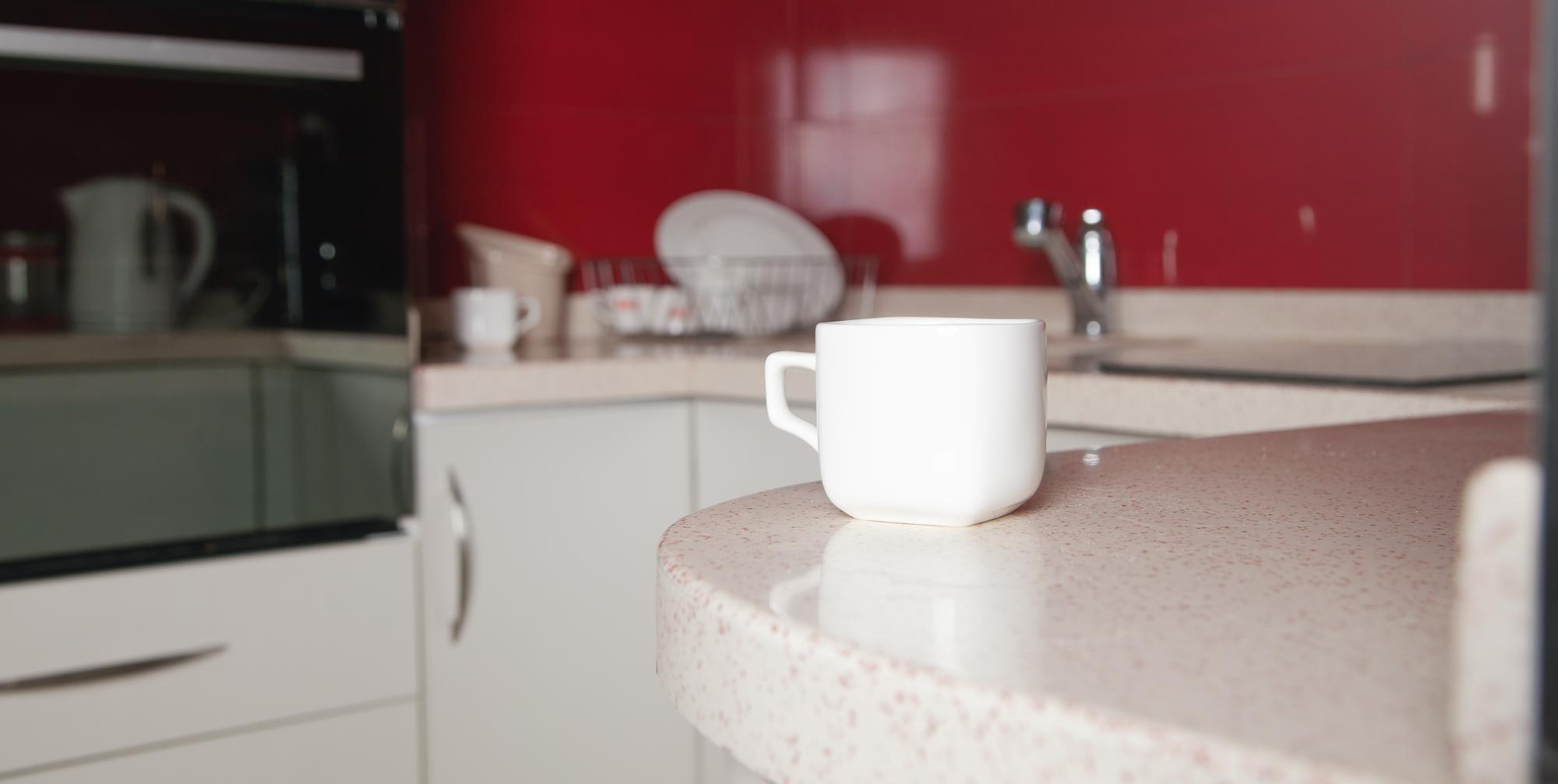
Cost: $60–$120 per square foot
Quartz countertops combine natural stone and resin to create a durable, non-porous surface. It’s low-maintenance and comes in consistent colors and patterns.
Pros:
- Non-porous—resists stains and bacteria
- Highly durable, no sealing required
- Wide range of colors and patterns
Cons:
- Can be expensive
- Sensitive to heat—hot pans may cause damage
- Limited outdoor suitability
Durability & Maintenance: Simply wipe with a damp cloth and mild detergent. Avoid cutting or placing hot items directly on the surface.
Granite
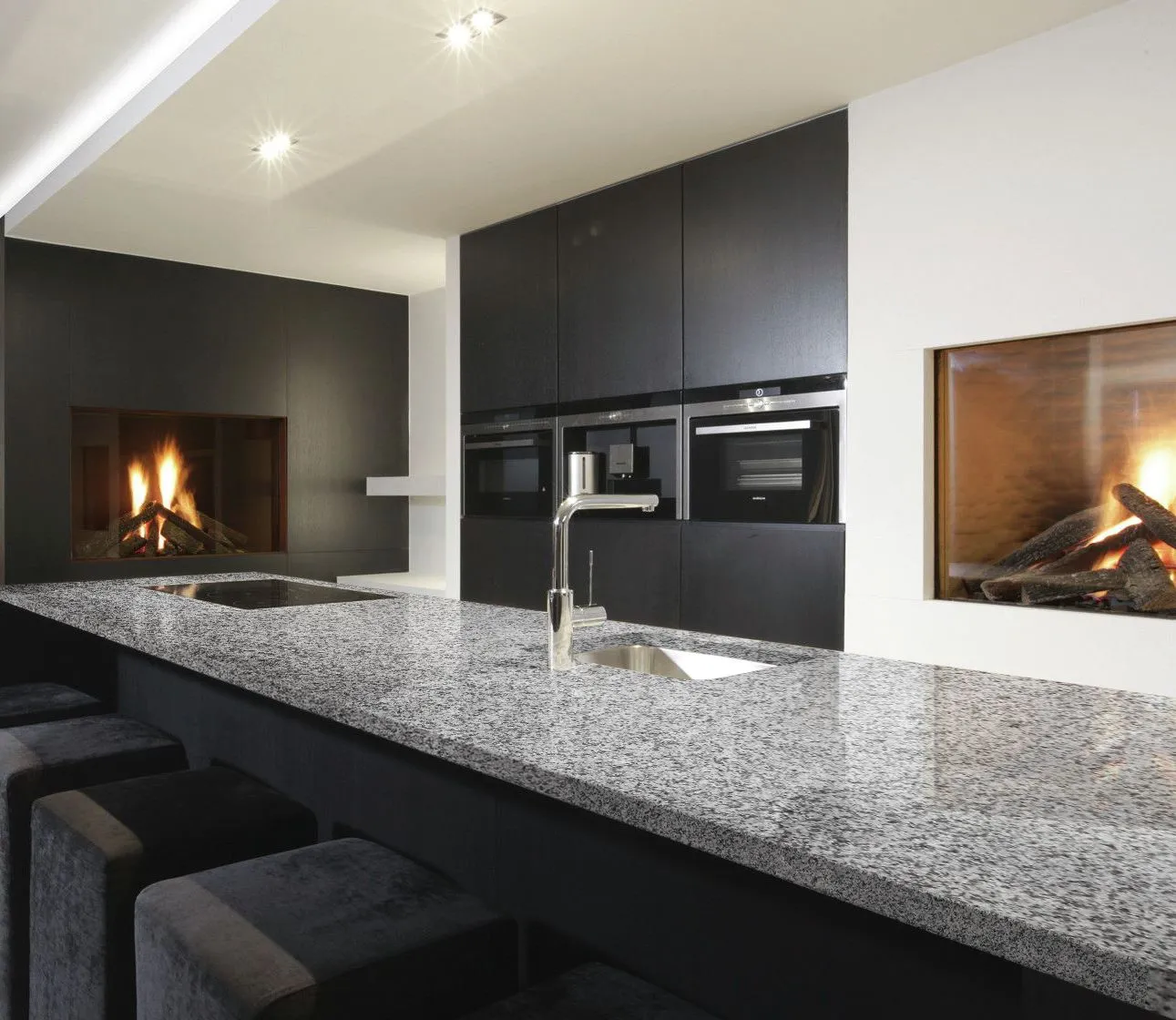
Cost: $50–$200 per square foot
Granite is a classic natural stone with unique veining. Its luxurious appearance can instantly elevate a kitchen.
Pros:
- Extremely durable and heat resistant
- Adds value to your home
- Each slab is unique
Cons:
- Requires periodic sealing
- Can chip or crack if heavy items fall
- Higher upfront cost
Durability & Maintenance: Seal once a year. Daily cleaning with mild soap is enough to maintain its finish. Avoid harsh chemicals.
Marble
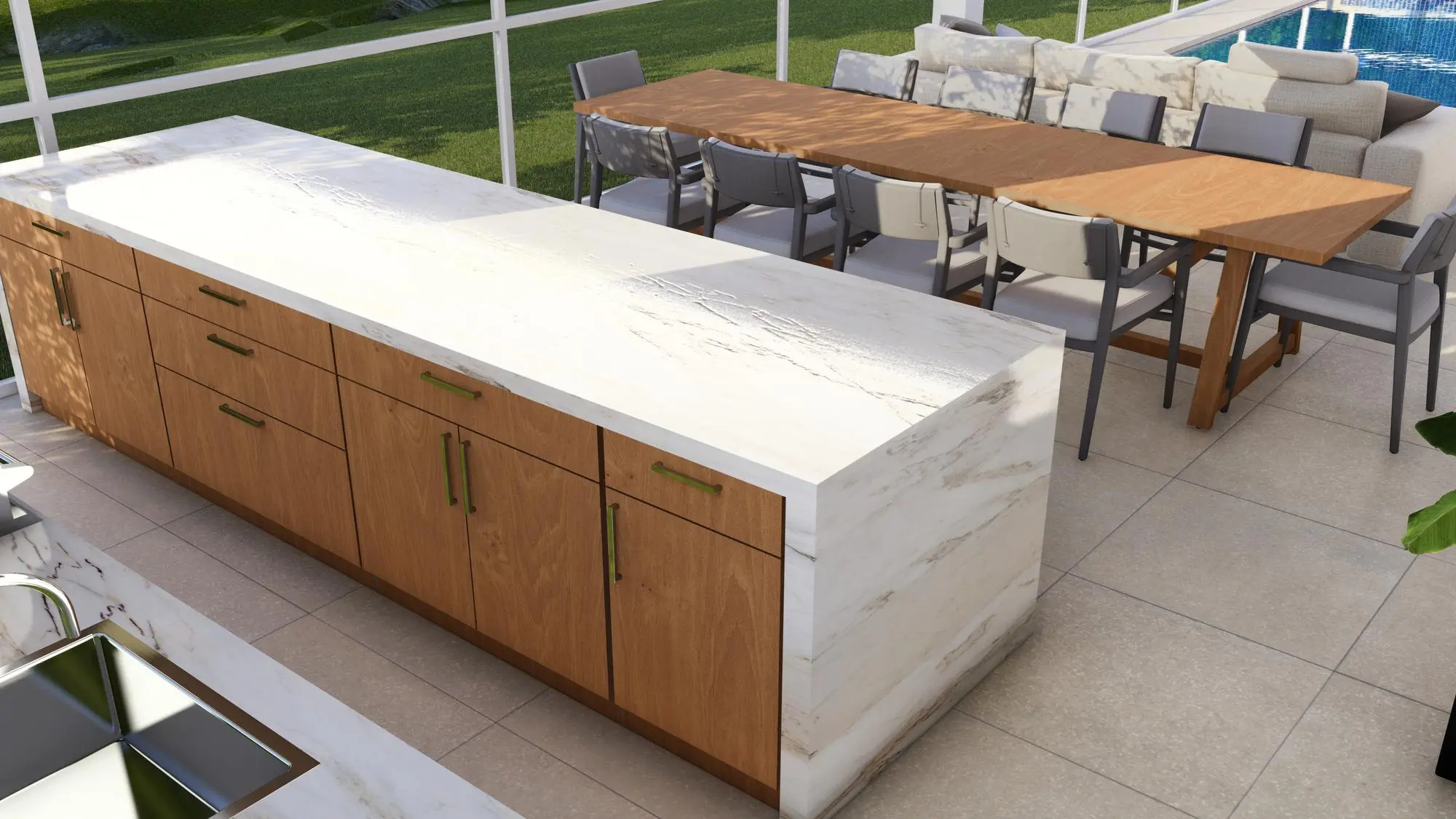
Cost: $70–$250 per square foot
Marble offers elegance and a timeless aesthetic. It’s softer than granite, which makes it more prone to scratches and stains.
Pros:
- Elegant, high-end appearance
- Heat resistant
- Cool surface ideal for baking
Cons:
- High maintenance—prone to staining and etching
- Softer, can scratch or chip easily
- More expensive than most materials
Durability & Maintenance: Seal regularly, clean spills immediately. Use cutting boards and trivets to protect the surface.
Quartzite & Exotic Natural Stone
Cost: $90–$250+ per square foot
Quartzite is a natural stone that combines the beauty of marble with the durability of granite. Exotic stones can include onyx, soapstone, and rare granites.
Pros:
- Unique and luxurious appearance
- Highly durable and scratch-resistant
- Heat resistant
Cons:
- Expensive, especially exotic varieties
- Requires professional fabrication
- Limited availability
Durability & Maintenance: Seal once a year. Clean with mild soap; avoid harsh chemicals. High durability makes it ideal for busy kitchens.
Concrete & Other Specialty Materials
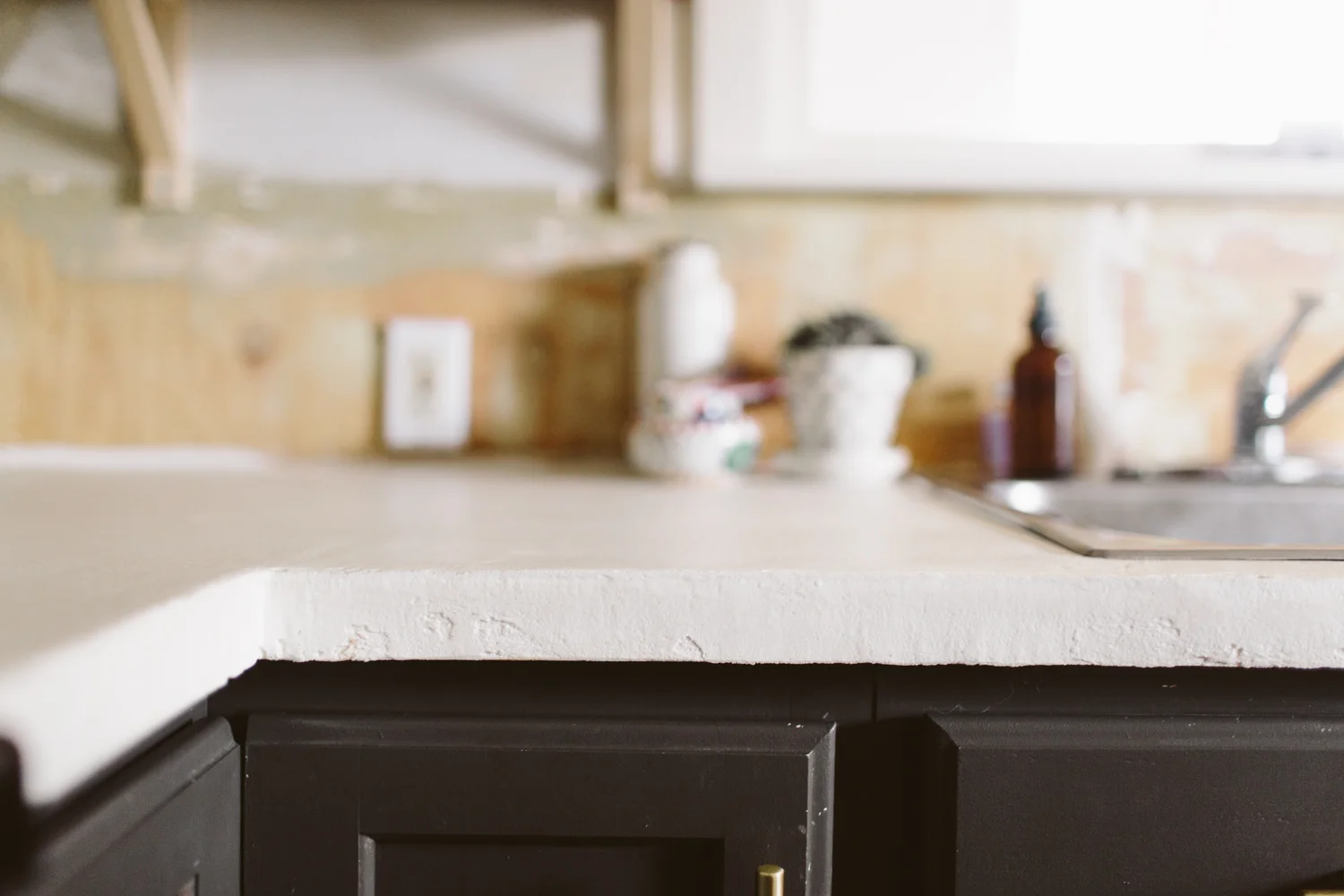
Cost: $70–$150 per square foot
Concrete countertops are customizable and modern, with options for textures, colors, and embedded materials. Specialty materials can include recycled glass or stainless steel.
Pros:
- Fully customizable shapes and finishes
- Heat resistant and durable
- Can incorporate artistic elements
Cons:
- Requires regular sealing
- Can crack over time if not installed properly
- High installation cost
Durability & Maintenance: Seal every 1–2 years. Clean with mild soap and water; avoid abrasive cleaners.
Other Cost Influencers & Design Choices
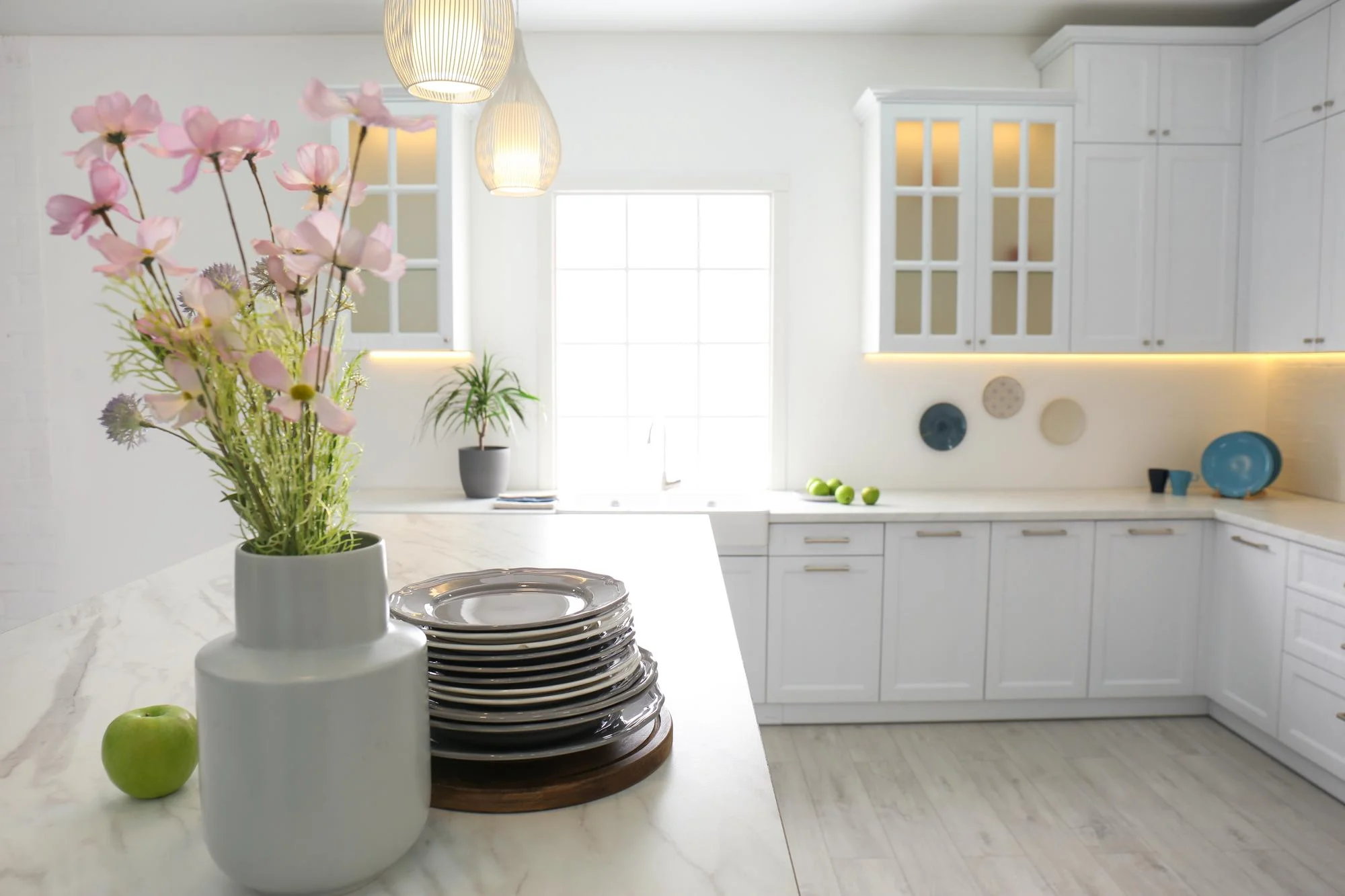
When planning your kitchen countertop, several factors beyond the material itself can significantly influence the final cost. Understanding these will help you budget more accurately.
- Kitchen Size & Layout – Larger kitchens naturally require more material, which drives up costs. Islands, waterfall edges, and irregular angles add complexity and increase labor. More corners and custom cuts mean longer fabrication time.
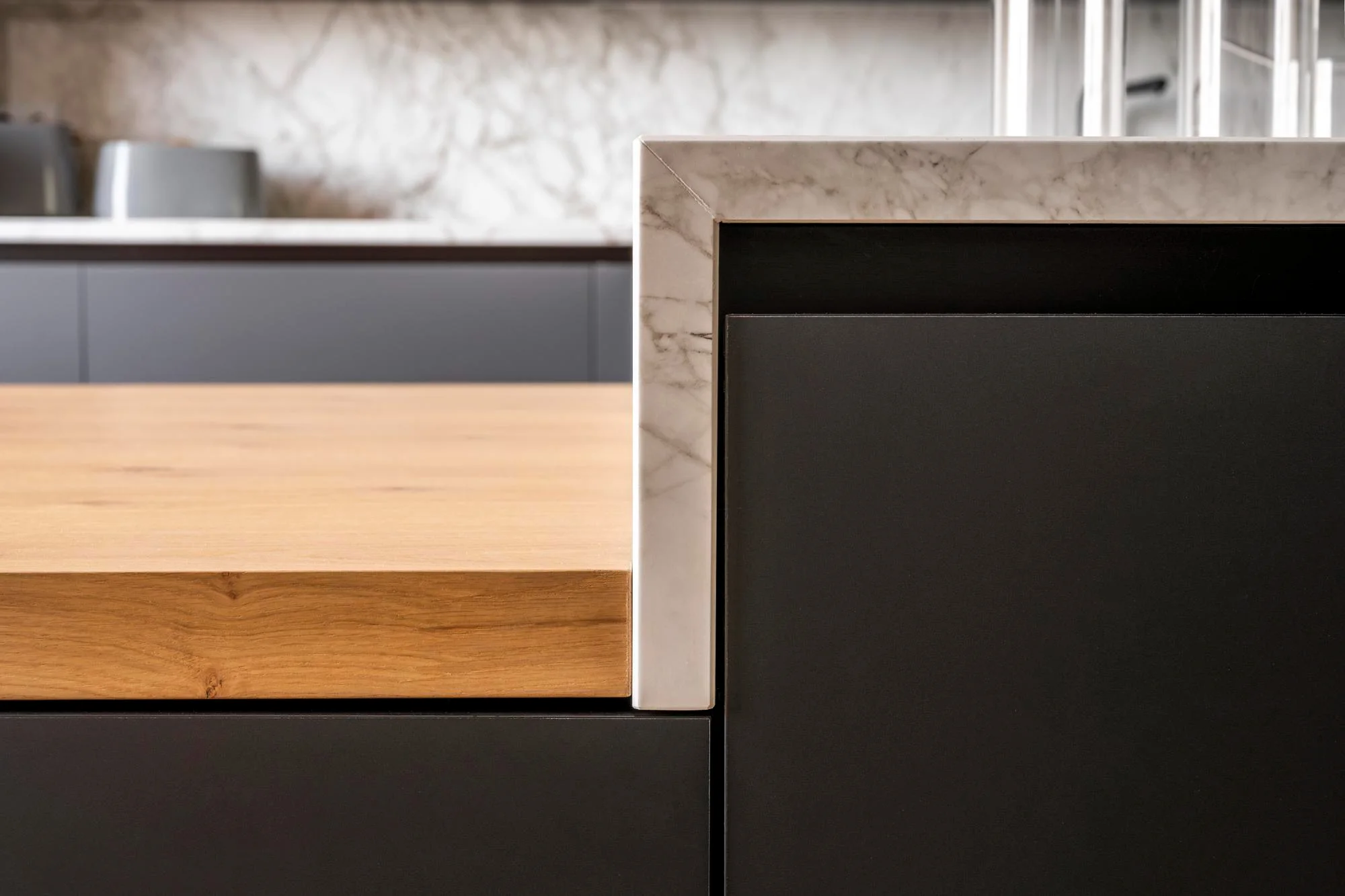
- Edge Profiles & Custom Finishes – Simple edges like straight or beveled are cheaper. Complex edges like ogee or waterfall designs require additional cutting and polishing, adding to the total price.
- Sink Cutouts, Appliances, & Backsplash Integration – Installing sinks, cooktops, or integrated backsplash panels can add to fabrication and installation costs. Each cutout or custom fit requires precise labor.
- Local Labor Rates & Regional Trends – Prices vary by location. Urban areas typically have higher installation rates, while rural areas may face added travel fees.
- Material Waste & Slab Minimums – Some materials have minimum slab sizes. Waste from cutting irregular shapes can increase material costs.
How to Save Money Without Sacrificing Quality
Smart planning can help you enjoy beautiful countertops while keeping costs under control.
- Prioritize Value Materials – Choose durable materials that provide the look you want without premium markups. For example, quartz or solid surface may offer similar aesthetics to marble but at lower cost.
- Shop Slabs vs Precut Remnants – Buying leftover slabs from previous projects can reduce material costs while offering unique patterns. Precut remnants are perfect for small islands or partial counters.
- Simplify Edge Profiles – Complex edges significantly increase labor and fabrication costs. Opting for straight or beveled edges can save hundreds without sacrificing style.
- Negotiate Installation Quotes – Get multiple estimates and ask for itemized quotes. Understanding the breakdown helps you identify unnecessary markups and negotiate better pricing.
- Plan Cutouts Efficiently – Group sinks, cooktops, and other cutouts logically to minimize fabrication waste. This reduces both labor and material costs while maintaining a polished look.
FAQs
How much would it cost to replace a kitchen countertop?
Replacing a kitchen countertop in 2026 usually runs about $1,500 to $6,500 total for a typical kitchen. This depends on your material choice, kitchen size, and how much demolition and installation work is needed. Higher‑end surfaces like quartz or premium stone can push costs toward the upper end of that range.
How much does it cost to build a kitchen countertop?
If you’re installing a new kitchen countertop from scratch, expect the total price to fall roughly between $3,500 and $6,500 when factoring in materials, fabrication, and installation. Simple materials like laminate are cheaper, while natural stone and engineered stone cost more.
Which is cheaper, quartz or granite?
In general, granite tends to be slightly cheaper at its most basic levels, while quartz often costs a bit more. Quartz usually ranges about $50–$150 per square foot installed, and granite about $40–$175 per square foot installed in 2026. Ultimately, individual slab choices and finishes can shift those numbers either way.
What is the most cost‑effective kitchen countertop?
The most cost‑effective option for many homeowners is laminate countertops, which can be as low as $10–$40 per square foot installed. They offer excellent value if you want a fresh look on a tight budget. Among stone and solid materials, basic granite often provides good durability and aesthetics for the price.

 English
  Arabic
  Spanish
  Japanese
  Russian
  Korean
  French
  Italian