

Most Popular Kitchen Countertop Materials
Choosing the right kitchen countertop material comes down to how you use your kitchen. Some materials are built for heavy daily use, while others focus more on style. Below are the most popular options, each with clear strengths and trade-offs.
Quartz Countertops
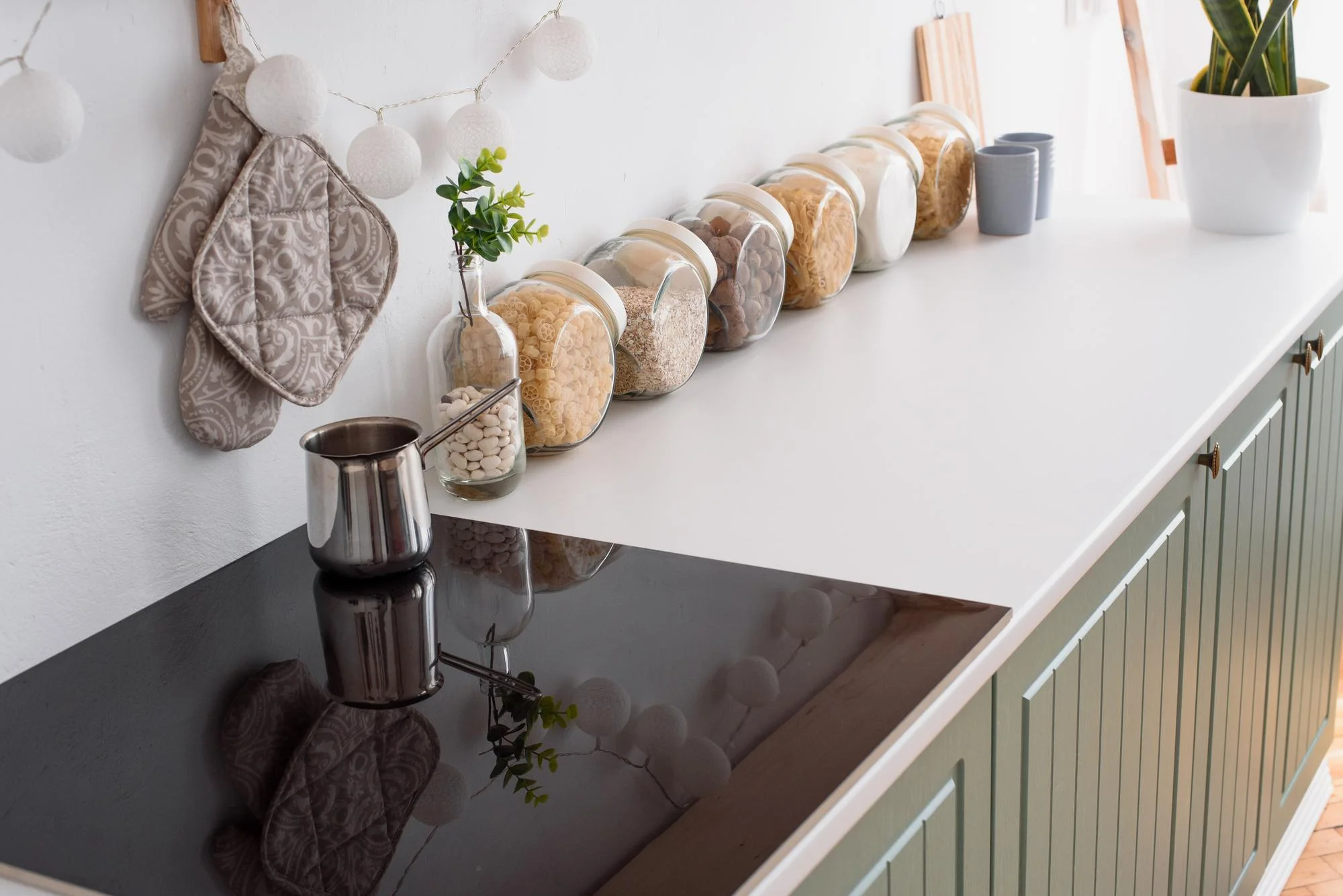
Quartz is one of the most popular choices today—and for good reason.
It’s an engineered stone, which means it’s non-porous and very easy to maintain. You don’t need to seal it, and it resists stains, scratches, and spills better than most materials.
Quartz also comes in many colors and patterns, making it easy to match any kitchen style.
👉 Best for: Busy kitchens that need durability with low maintenance.
Granite Countertops
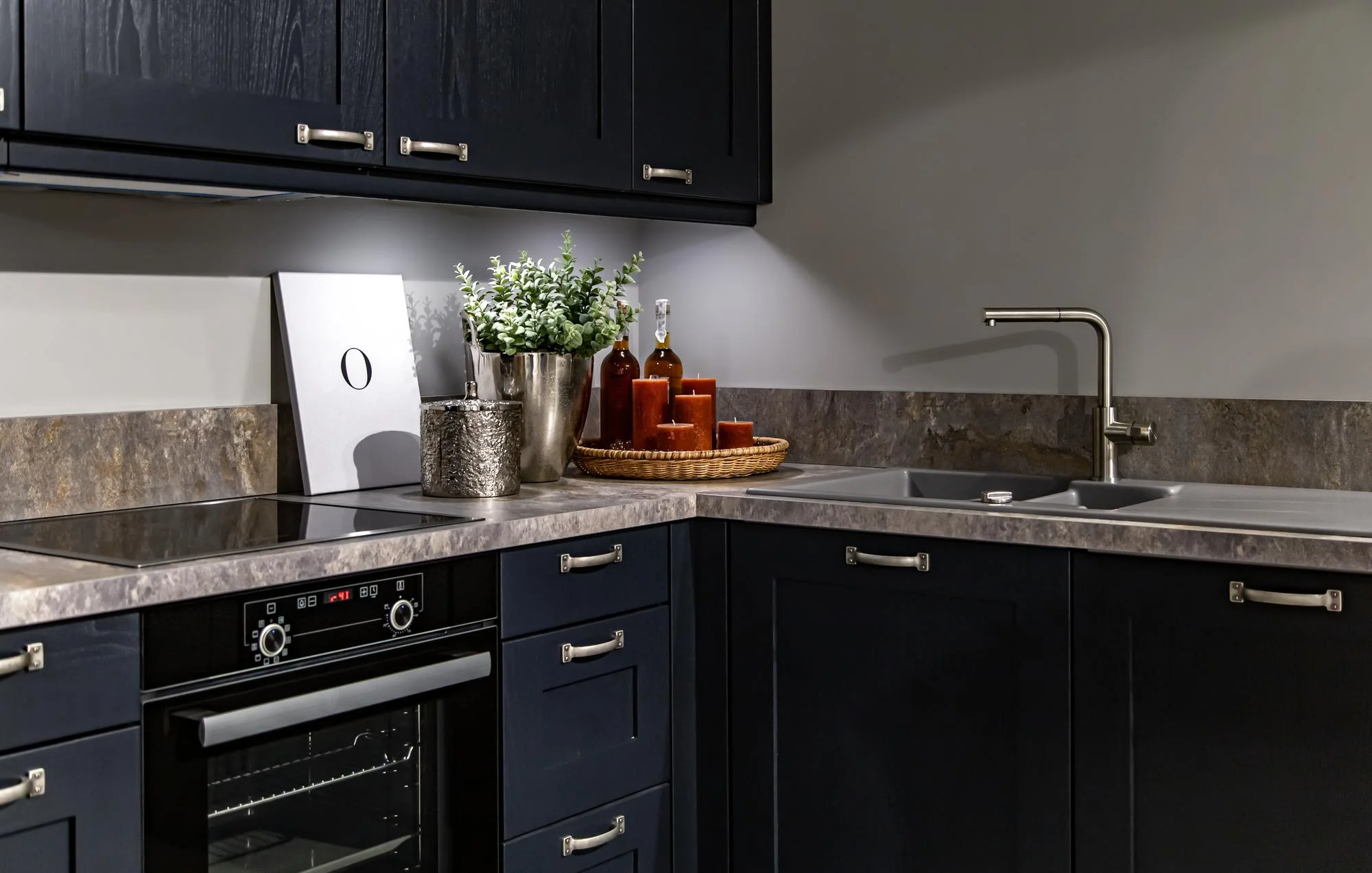
Granite is a natural stone known for its strength and unique look.
Each slab has its own pattern, so no two countertops are the same. It handles heat very well and is highly durable, making it great for cooking-heavy kitchens.
However, granite needs regular sealing to protect against stains and moisture.
👉 Best for: Homeowners who want a natural, long-lasting surface.
Marble Countertops
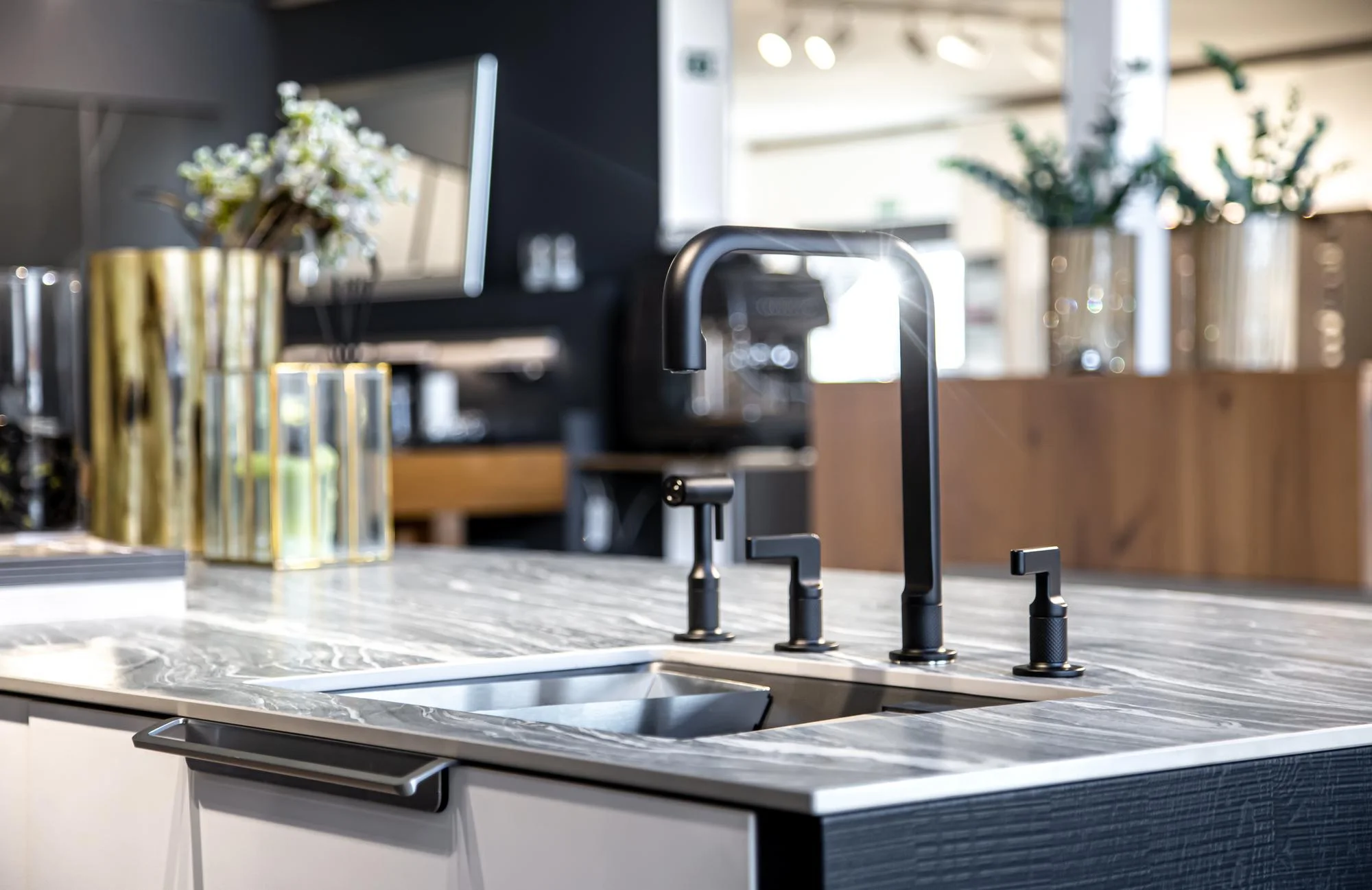
Marble is all about elegance.
It has a soft, luxurious look that instantly upgrades a kitchen. It’s also naturally cool, which makes it ideal for baking tasks like rolling dough.
The downside is that marble is softer than other stones. It can scratch, stain, and etch more easily, so it requires careful use and maintenance.
👉 Best for: Low-traffic kitchens or design-focused spaces.
Laminate Countertops
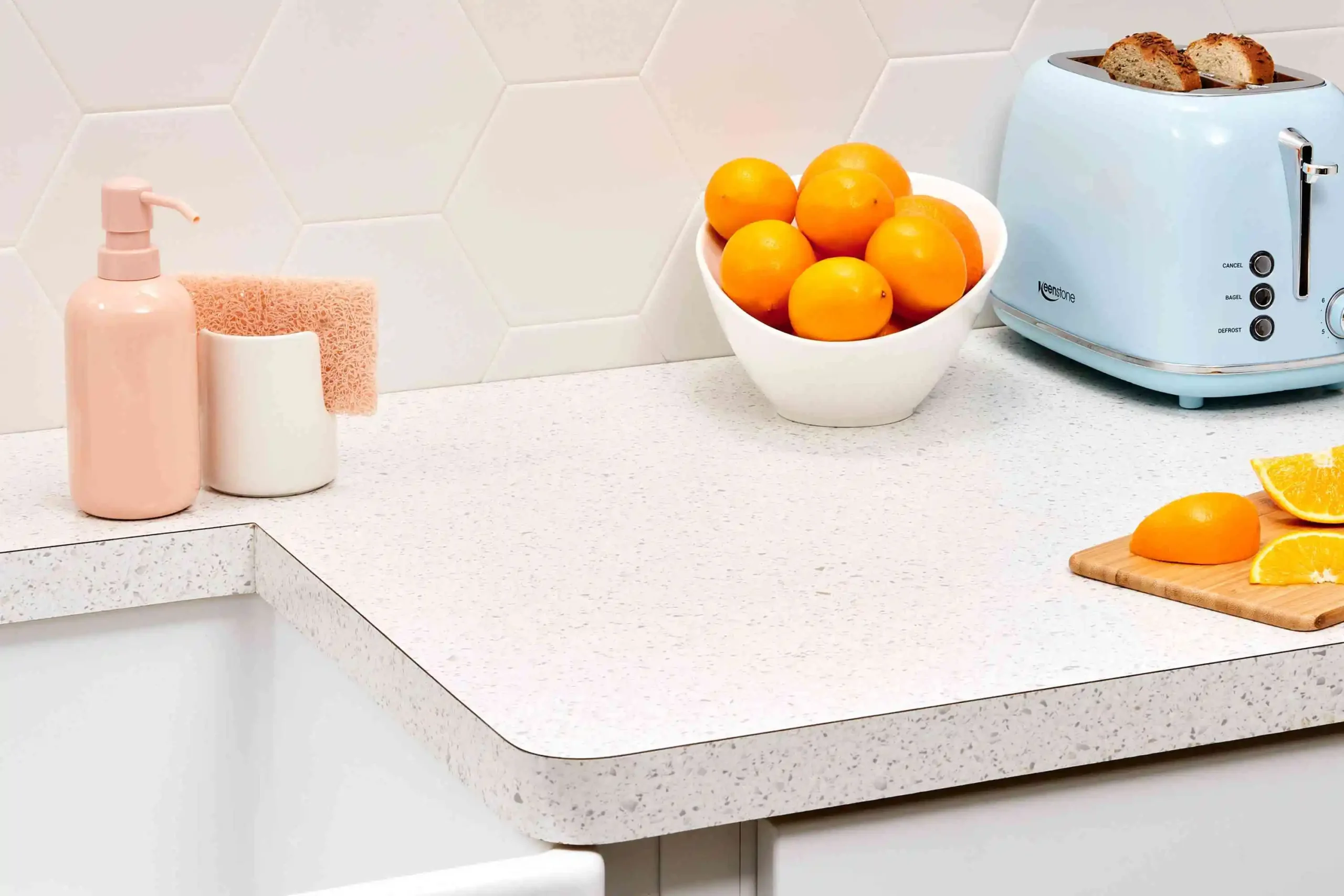
Laminate is the most budget-friendly option.
It’s lightweight, easy to install, and available in a wide range of colors and patterns—even styles that mimic stone or wood. It’s also simple to clean.
However, laminate is less durable. It can scratch, chip, or be damaged by heat over time.
👉 Best for: Budget projects or quick kitchen updates.
Butcher Block (Wood)
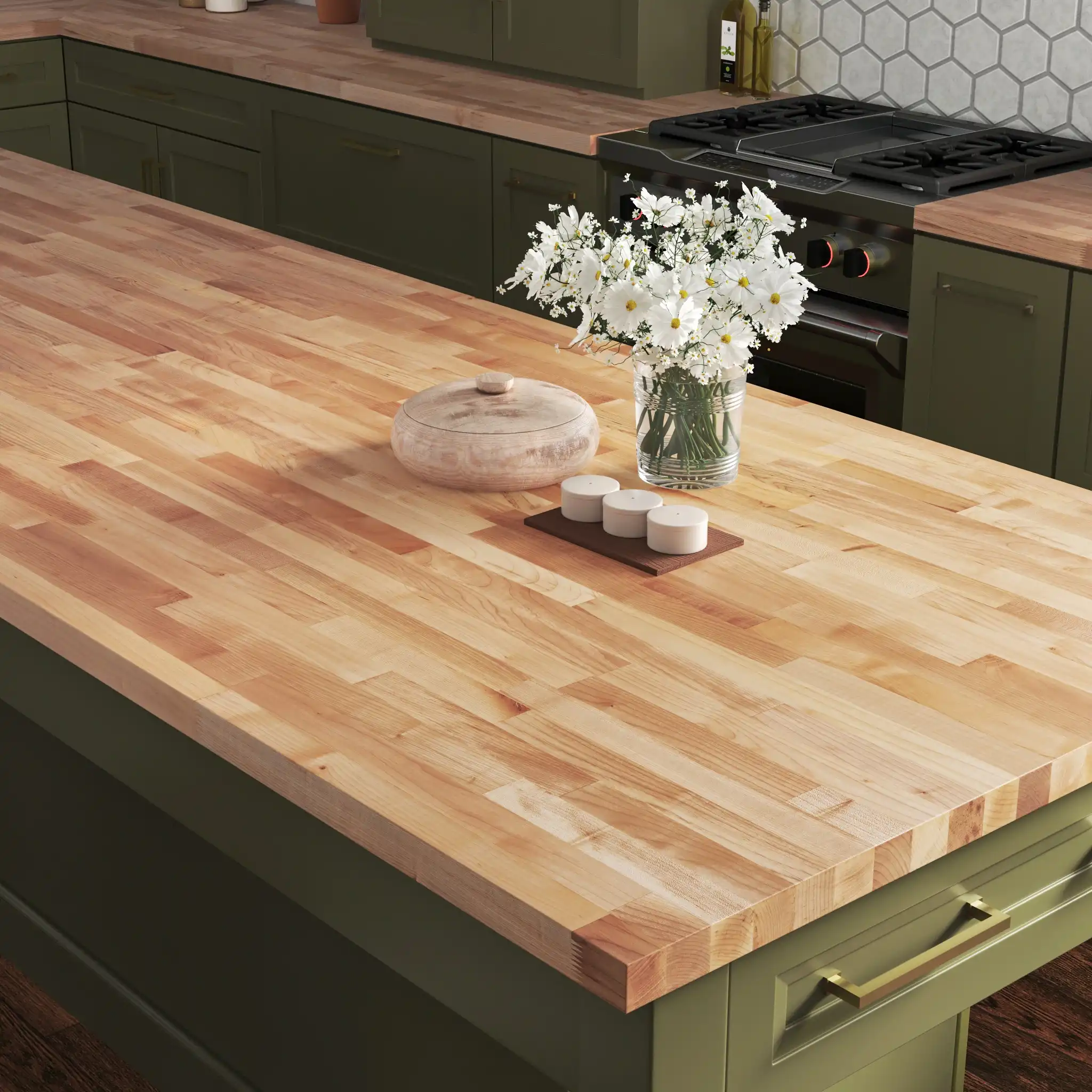
Butcher block brings warmth and a natural feel to the kitchen.
Wood surfaces are great for food prep and can be sanded down to remove scratches, making them renewable over time. They work especially well in cozy or rustic designs.
The trade-off is maintenance. Wood needs regular oiling and care to prevent water damage and wear.
👉 Best for: Warm, natural-style kitchens with regular upkeep.
Other Countertop Materials Worth Considering
If you want something a bit different, there are several countertop materials that offer unique looks and benefits. These options may not be as common, but they can add strong character and function to your kitchen.
Solid Surface (Corian)
Solid surface countertops offer a clean and seamless look.
They are made from synthetic materials, which means joints are nearly invisible. This creates a smooth surface that’s easy to clean. Small scratches or damage can also be repaired by sanding.
However, they are not as hard as stone, so they can be scratched or damaged by heat.
👉 Best for: Modern kitchens that need a smooth, low-maintenance surface.
Concrete Countertops
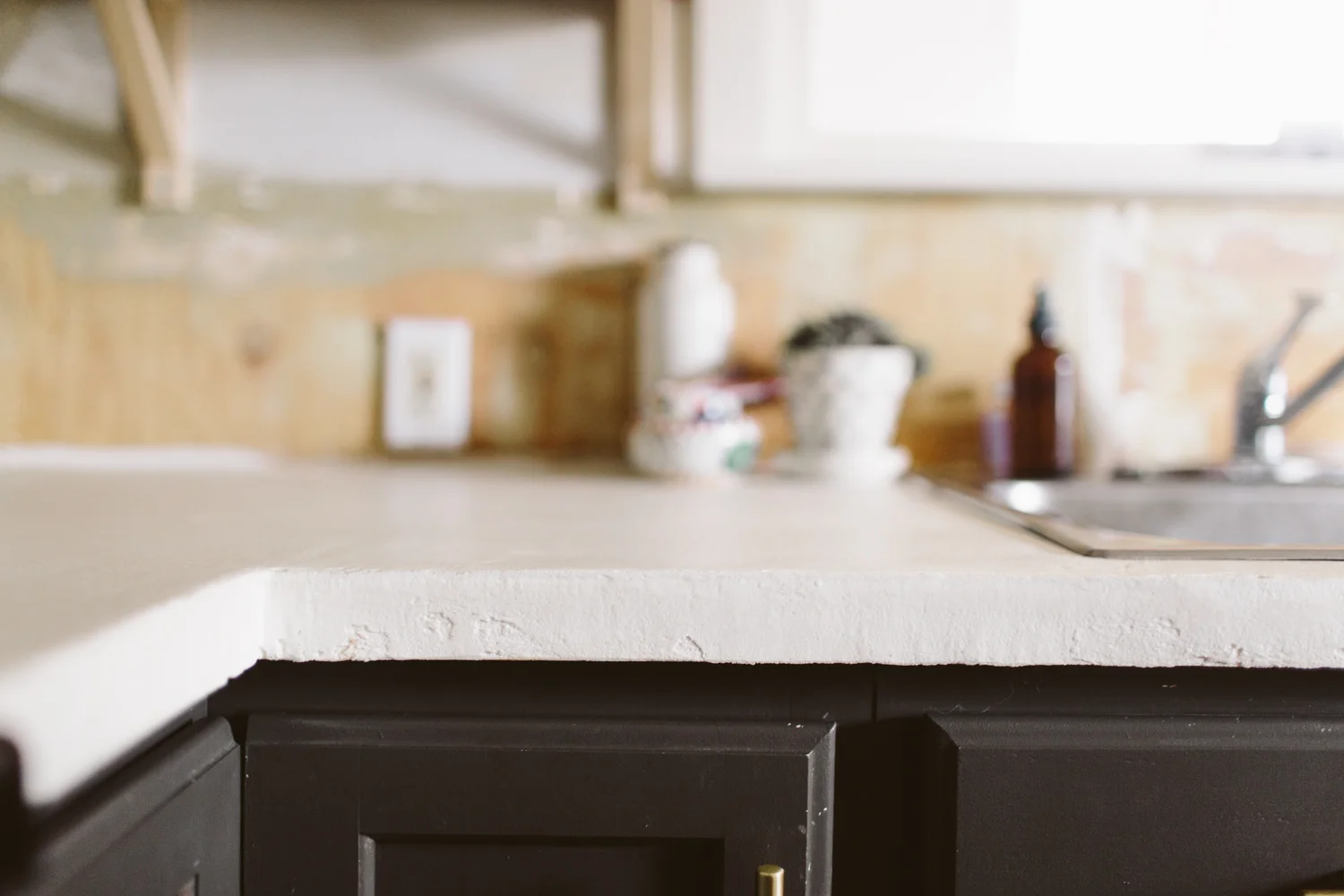
Concrete gives your kitchen a bold, custom look.
It can be shaped, colored, and finished in many ways, making it highly customizable. This makes it a great choice if you want a unique design.
Concrete is strong but can crack over time. It also needs sealing to prevent stains.
👉 Best for: Industrial or modern kitchens with a custom design focus.
Stainless Steel Countertops
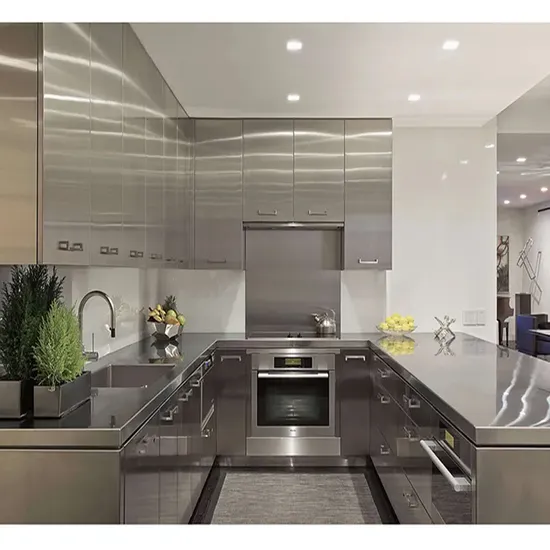
Stainless steel is often used in professional kitchens.
It is heat-resistant, hygienic, and very easy to clean. It also gives a sleek, modern, and slightly industrial look.
The downside is that it can scratch easily and show fingerprints.
👉 Best for: High-use kitchens where durability and cleanliness matter most.
Quartzite & Natural Stone Variants
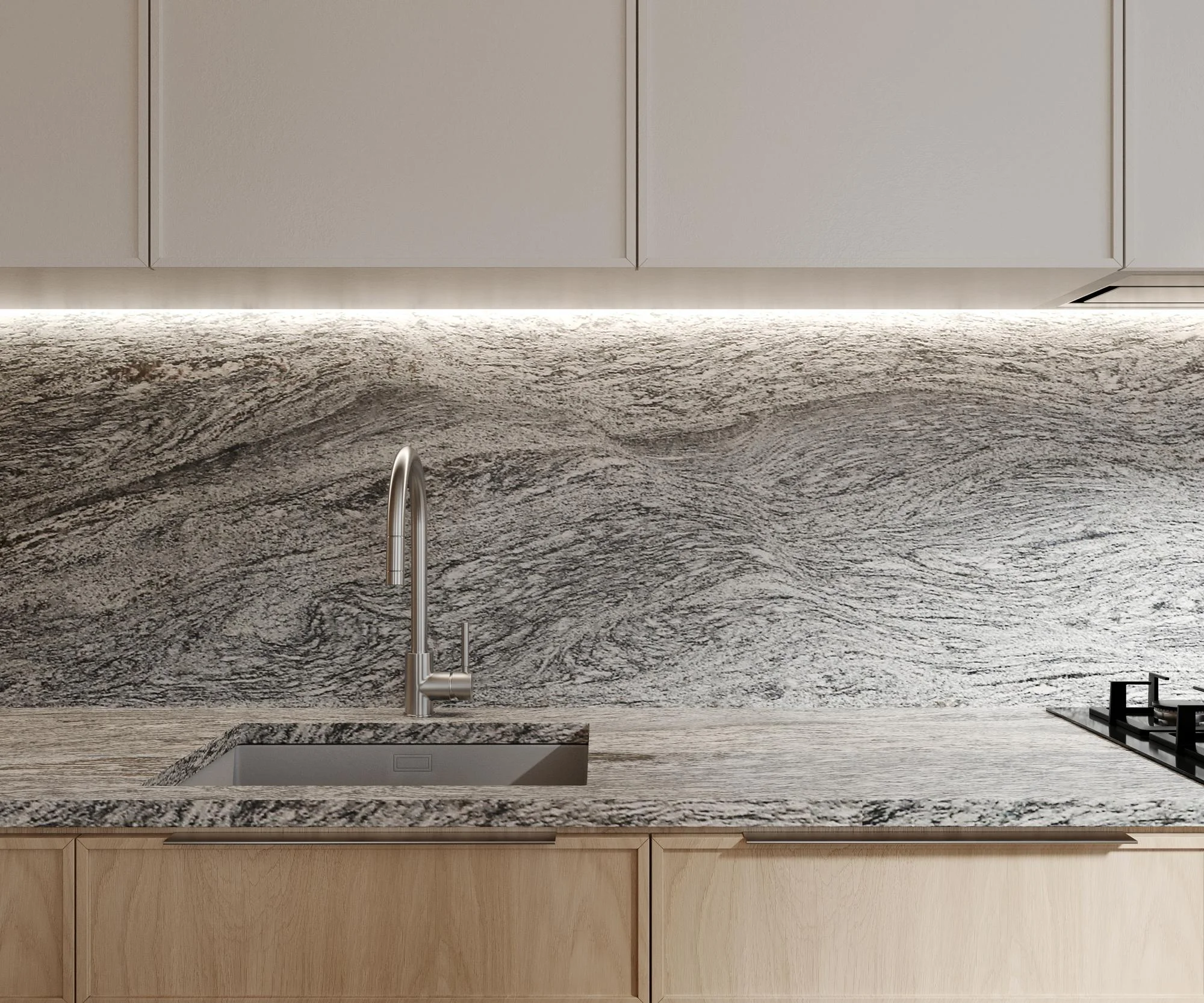
Quartzite is a natural stone that looks similar to marble but is much stronger.
It offers unique patterns and a high-end appearance, with better resistance to scratches and heat than marble. However, like most natural stones, it needs sealing to protect the surface.
👉 Best for: Homeowners who want a natural stone look with better durability.
Comparison of Kitchen Countertop Materials
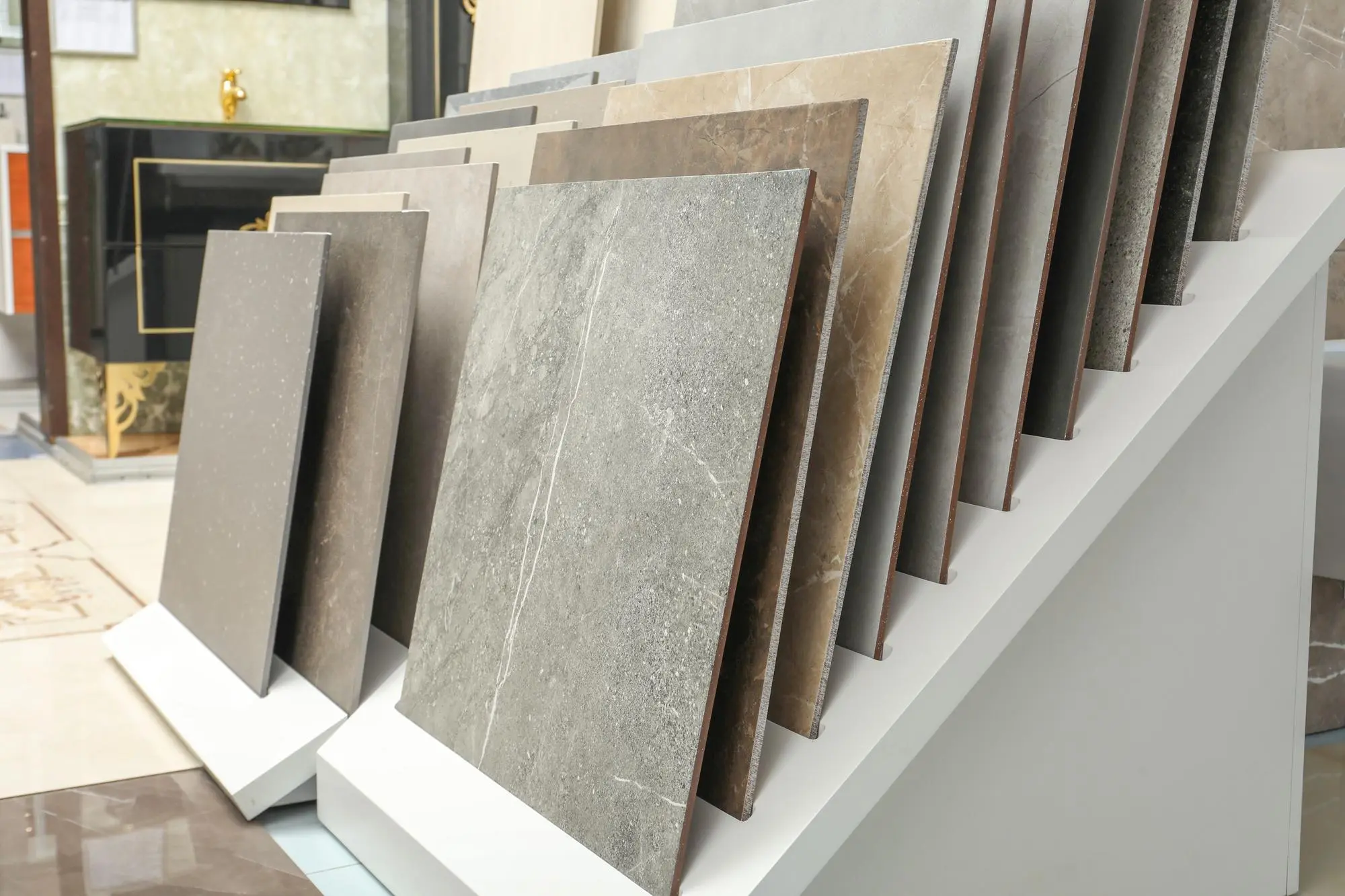
| Material | Type | Key Advantages | Key Drawbacks | Maintenance | Best For |
|---|---|---|---|---|---|
| Quartz | Engineered stone | Low maintenance, non-porous, resists stains and scratches | Usually costs more than budget options | Very low | Busy kitchens and everyday family use |
| Granite | Natural stone | Strong, heat-resistant, unique natural patterns | Needs sealing to resist stains and moisture | Medium | Homeowners wanting a durable natural surface |
| Marble | Natural stone | Elegant, high-end look, naturally cool for baking | Prone to scratches, stains, and etching | High | Low-impact or design-focused kitchens |
| Laminate | Synthetic layered surface | Budget-friendly, easy to clean, many colors and styles | Less durable, can scratch, chip, or suffer heat damage | Low | Budget remodels and quick updates |
| Butcher Block | Wood | Warm, natural look, can be sanded and restored | Needs regular oiling and protection from water | High | Cozy, rustic, or natural-style kitchens |
| Solid Surface (Corian) | Synthetic surface | Seamless appearance, easy to repair, easy to clean | Moderate durability, can scratch and suffer heat damage | Low to medium | Modern kitchens needing a smooth, clean look |
| Concrete | Custom cast surface | Highly customizable, bold appearance, modern industrial style | Can crack and needs sealing | Medium to high | Custom kitchens with a design-forward look |
| Stainless Steel | Metal | Heat-resistant, hygienic, easy to clean, professional look | Shows fingerprints and scratches easily | Low | High-use kitchens and modern industrial spaces |
| Quartzite | Natural stone | Stronger than marble, natural beauty, good heat and scratch resistance | Needs sealing and can be costly | Medium | Luxury kitchens wanting natural stone with better durability |
How to Choose the Right Countertop Material
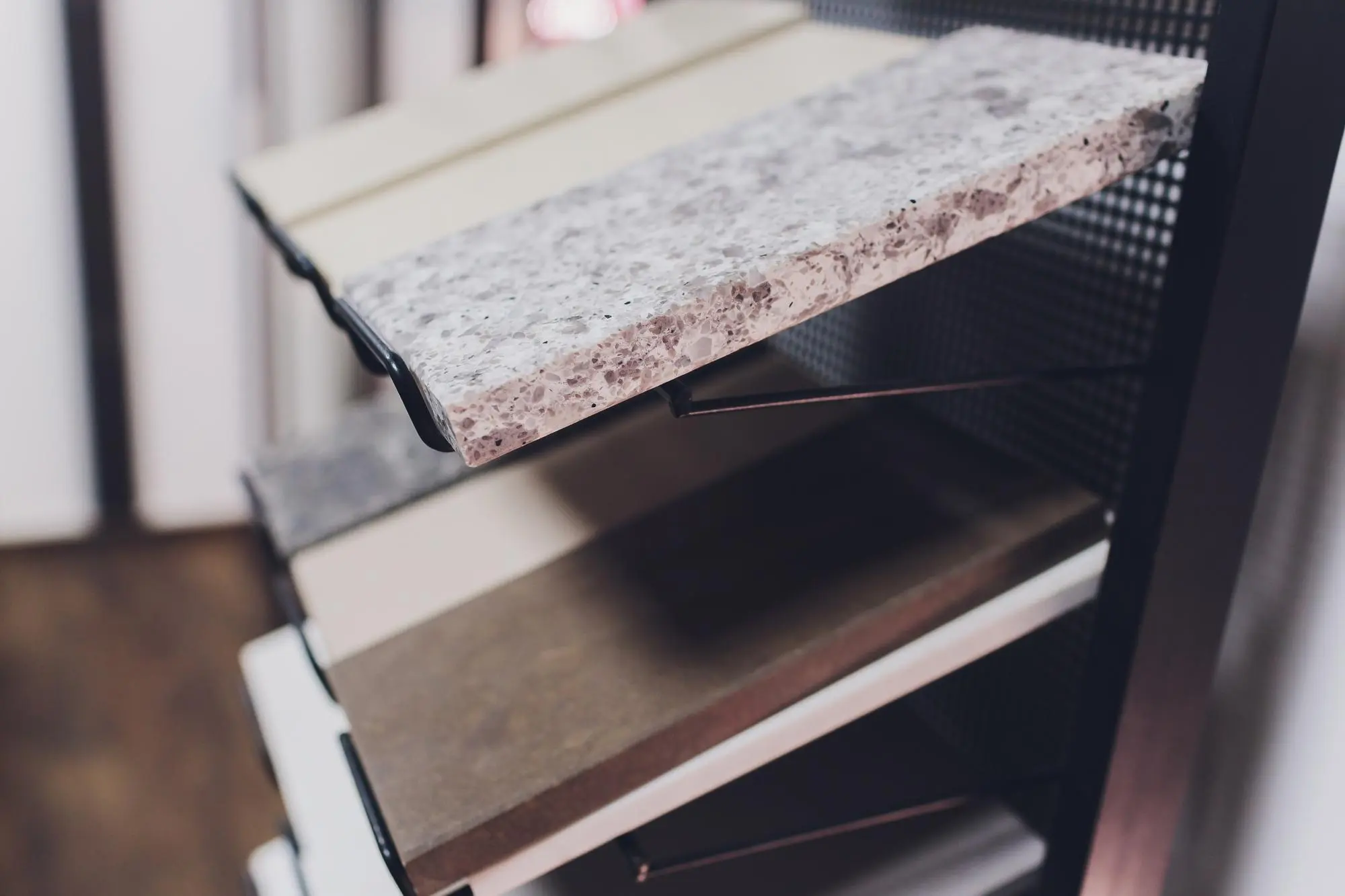
Choosing the right countertop is about balancing style, durability, and daily use. Think about how your kitchen works before making a decision.
- Consider your daily use: Busy kitchens need durable materials like quartz or granite
- Think about maintenance: Want easy care? Choose non-porous surfaces like quartz
- Set your budget first: Laminate is affordable, while stone costs more
- Match your kitchen style: Marble = luxury, wood = warm, quartz = modern
- Check heat and scratch resistance: Important for heavy cooking use
- Plan for long-term use: Choose materials that age well over time
- Balance looks and function: Don’t pick style alone—performance matters too
The best countertop is the one that fits your lifestyle, not just your design.
FAQs
What is the best material for kitchen countertops?
There is no single “best” material—it depends on your needs. For most homes, quartz is the best overall choice because it is durable, low maintenance, and resistant to stains and bacteria . Granite is also a strong option if you prefer natural stone and don’t mind some maintenance.
Which is safer, quartz or granite?
Quartz is generally safer for food prep because it is non-porous and resists bacteria without sealing . Granite can also be safe, but only if it is properly sealed and maintained.
Is Corian or quartz better?
Quartz is better for durability, scratch resistance, and long-term performance. Corian is easier to repair and has a seamless look, but it is less heat-resistant and more prone to scratches .
What are the best low maintenance countertops?
The best low-maintenance options are:
- Quartz (non-porous, no sealing needed)
- Solid surface (Corian) (easy to clean, repairable)
- Laminate (simple care, budget-friendly)
Quartz is the top choice because it combines low maintenance with high durability


 English
  Arabic
  Spanish
  Japanese
  Russian
  Korean
  French
  Italian