

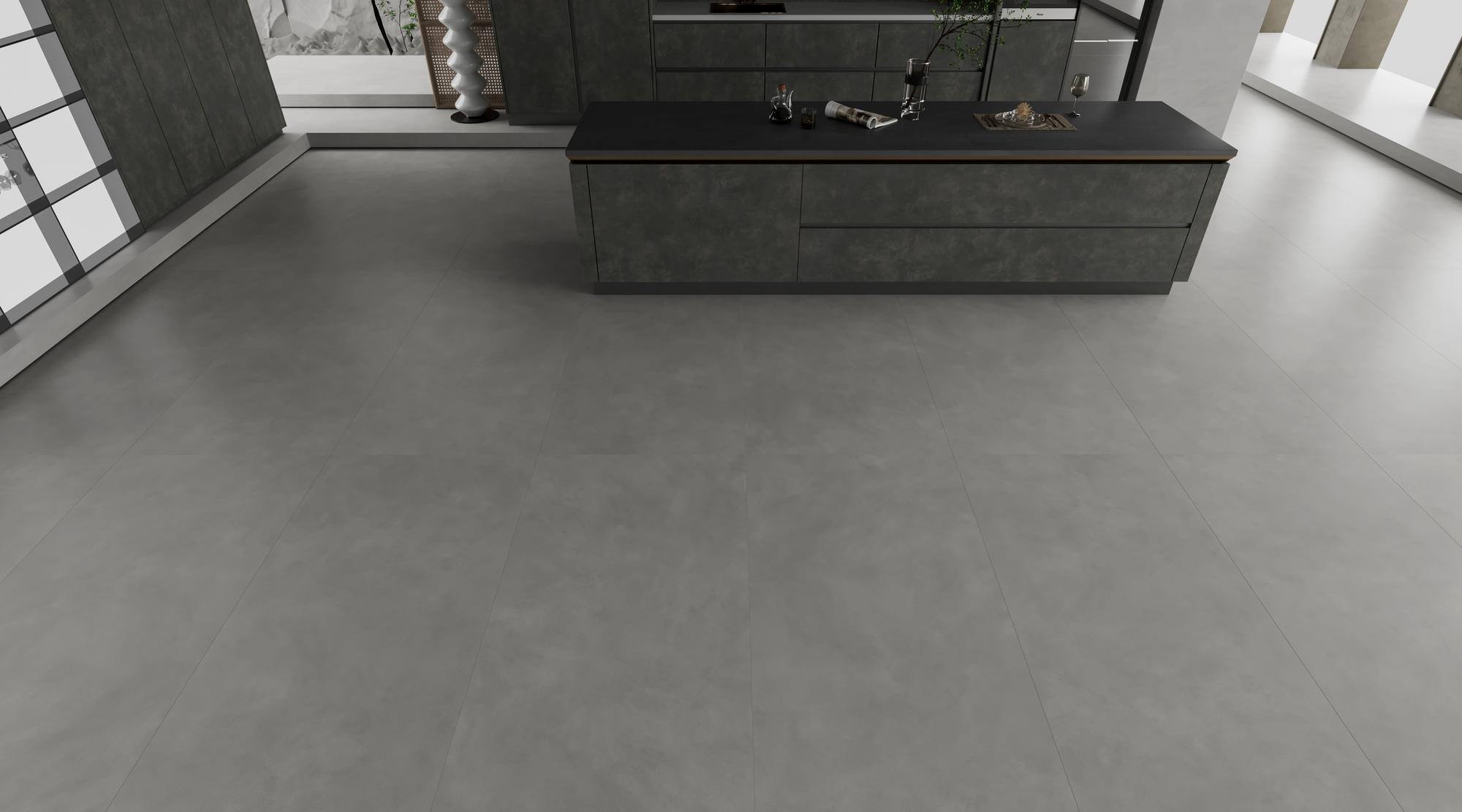
| Flooring Material | Best For | Main Benefits | Main Drawbacks |
|---|---|---|---|
| Luxury Vinyl | Busy kitchens, pets, and moisture-prone homes | Water-resistant, comfortable, easy to clean, budget-friendly | May dent under heavy furniture or fade over time |
| Tile | High-traffic kitchens and long-term durability | Very durable, water-resistant, easy to clean | Hard, cold, and grout needs maintenance |
| Hardwood | Warm, classic, and resale-focused kitchens | Natural look, adds value, can be refinished | Sensitive to moisture and higher in cost |
| Laminate | Budget-friendly wood-look kitchens | Affordable, scratch-resistant, DIY-friendly | Can swell with standing water |
| Natural Stone | Luxury kitchens and upscale renovations | Unique, durable, premium appearance | Expensive, cold, and needs sealing |
| Linoleum | Eco-friendly kitchen projects | Sustainable, comfortable, naturally antimicrobial | Fewer style options and may need sealing |
| Cork | Comfort-focused kitchens | Soft, warm, quiet, and eco-friendly | Can dent and needs moisture protection |
| Bamboo | Sustainable wood-look kitchens | Renewable, stylish, and wood-like | Quality varies and moisture can affect it |
| Concrete | Modern and industrial kitchens | Extremely durable and low maintenance | Hard, cold, and may crack over time |
Luxury Vinyl Flooring
Luxury vinyl flooring (LVP and LVT) has become one of the most popular choices for modern kitchens. It is designed to mimic the look of hardwood, stone, or tile while offering excellent water resistance and durability.
Pros
- Waterproof or highly water-resistant
- Comfortable and softer underfoot
- Easy to clean and maintain
- Wide range of colors and styles
- Budget-friendly compared to hardwood
Cons
- Can dent under heavy furniture
- Lower-end products may fade over time
- Not as valuable as real wood flooring
Best For
Luxury vinyl is ideal for busy family kitchens, homes with pets, and areas where moisture resistance is a top priority.
Tile Flooring
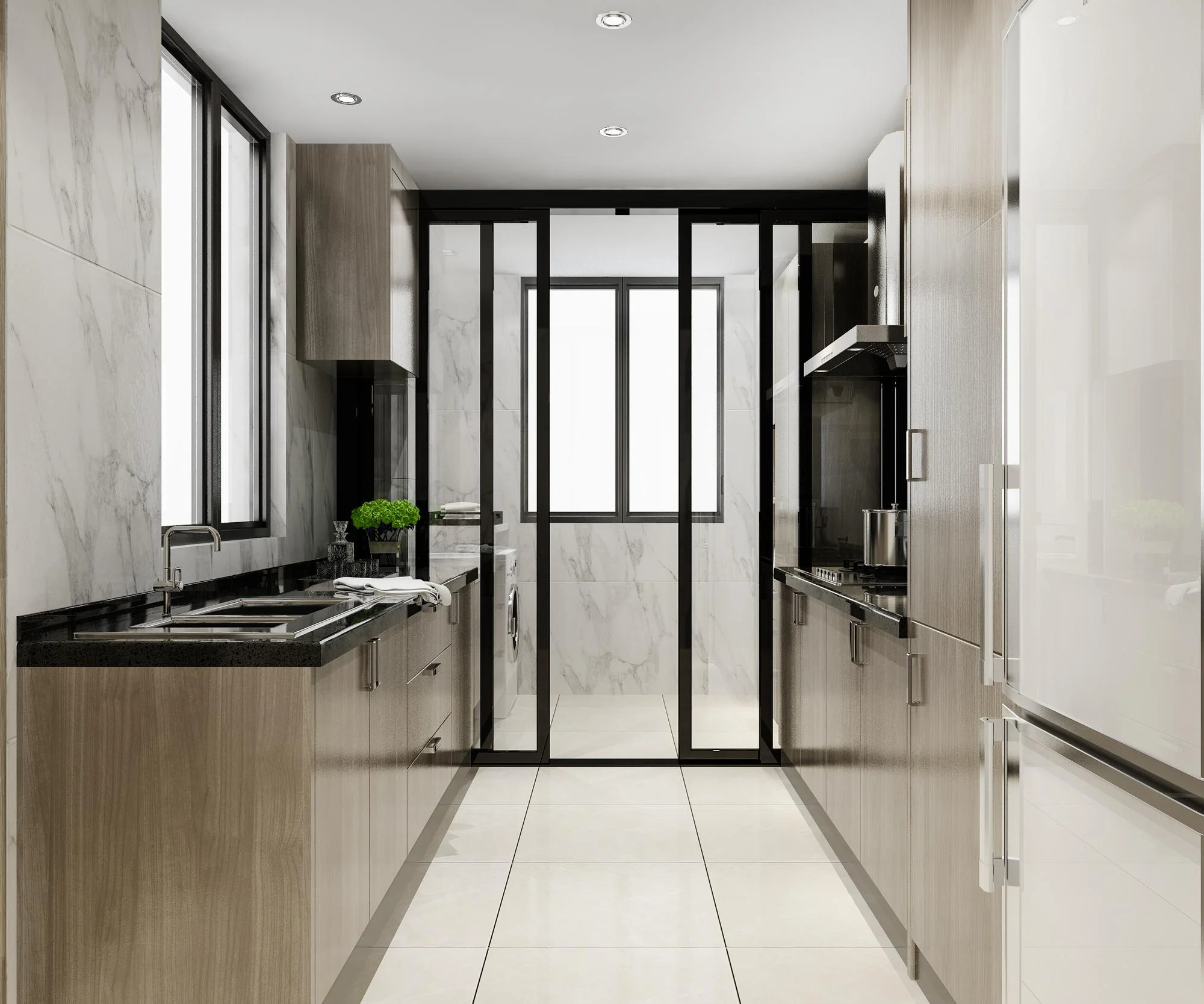
Tile flooring has long been a favorite for kitchens because of its outstanding durability and water resistance. Ceramic and porcelain tiles are the most common options.
Pros
- Extremely durable and long-lasting
- Highly water-resistant
- Available in countless colors and patterns
- Easy to clean
Cons
- Hard surface can be uncomfortable to stand on
- Cold underfoot in winter
- Grout may require periodic maintenance
Best For
Tile flooring works well in high-traffic kitchens and homes where durability matters most.
Hardwood Flooring
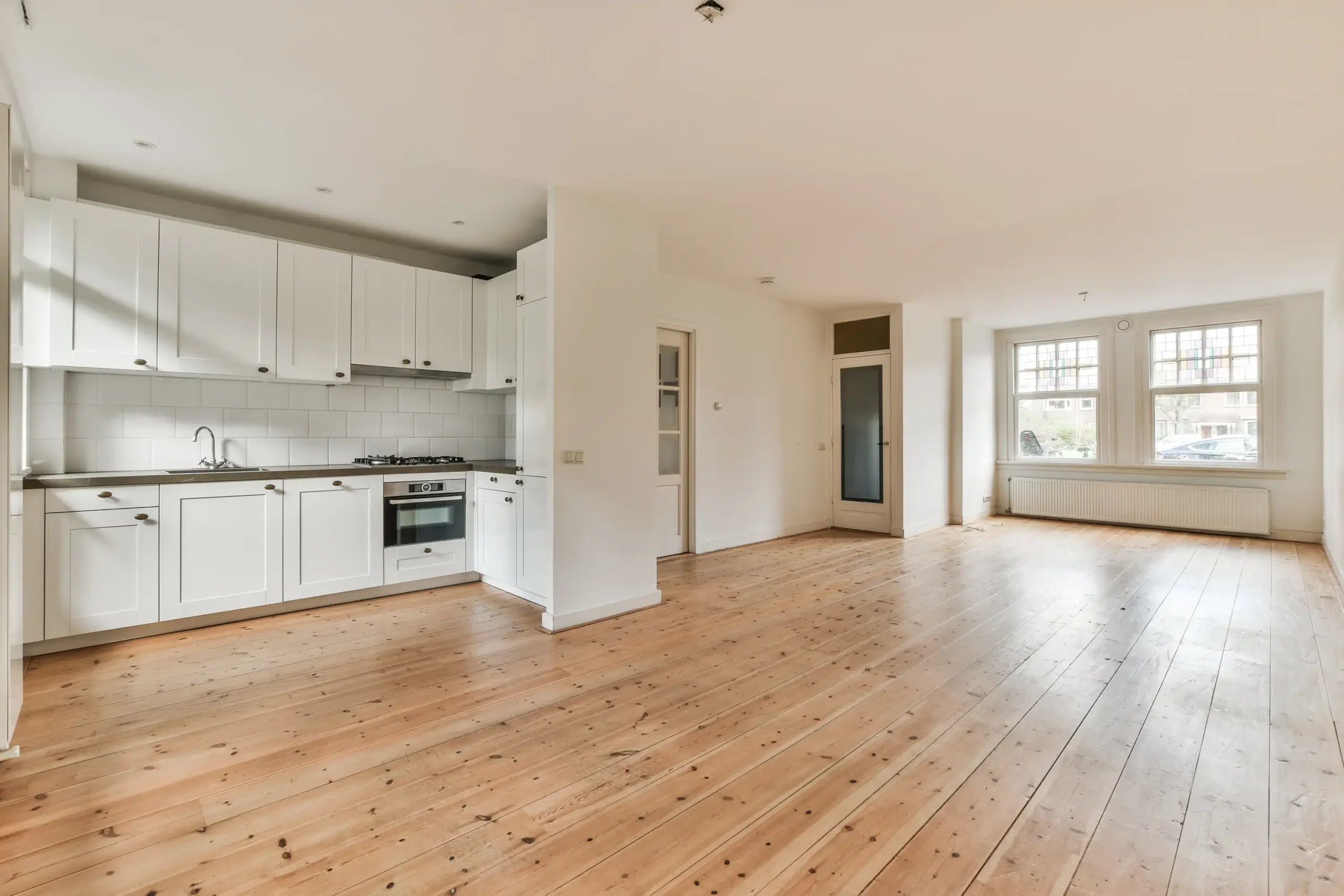
Hardwood flooring brings warmth, character, and timeless beauty to a kitchen. Both solid hardwood and engineered hardwood are commonly used.
Pros
- Premium natural appearance
- Adds home value
- Can be refinished multiple times
- Matches many kitchen styles
Cons
- Sensitive to moisture and spills
- Higher material cost
- Requires more maintenance
Best For
Hardwood is ideal for homeowners who prioritize appearance, resale value, and a cohesive flooring design throughout the home.
Laminate Flooring
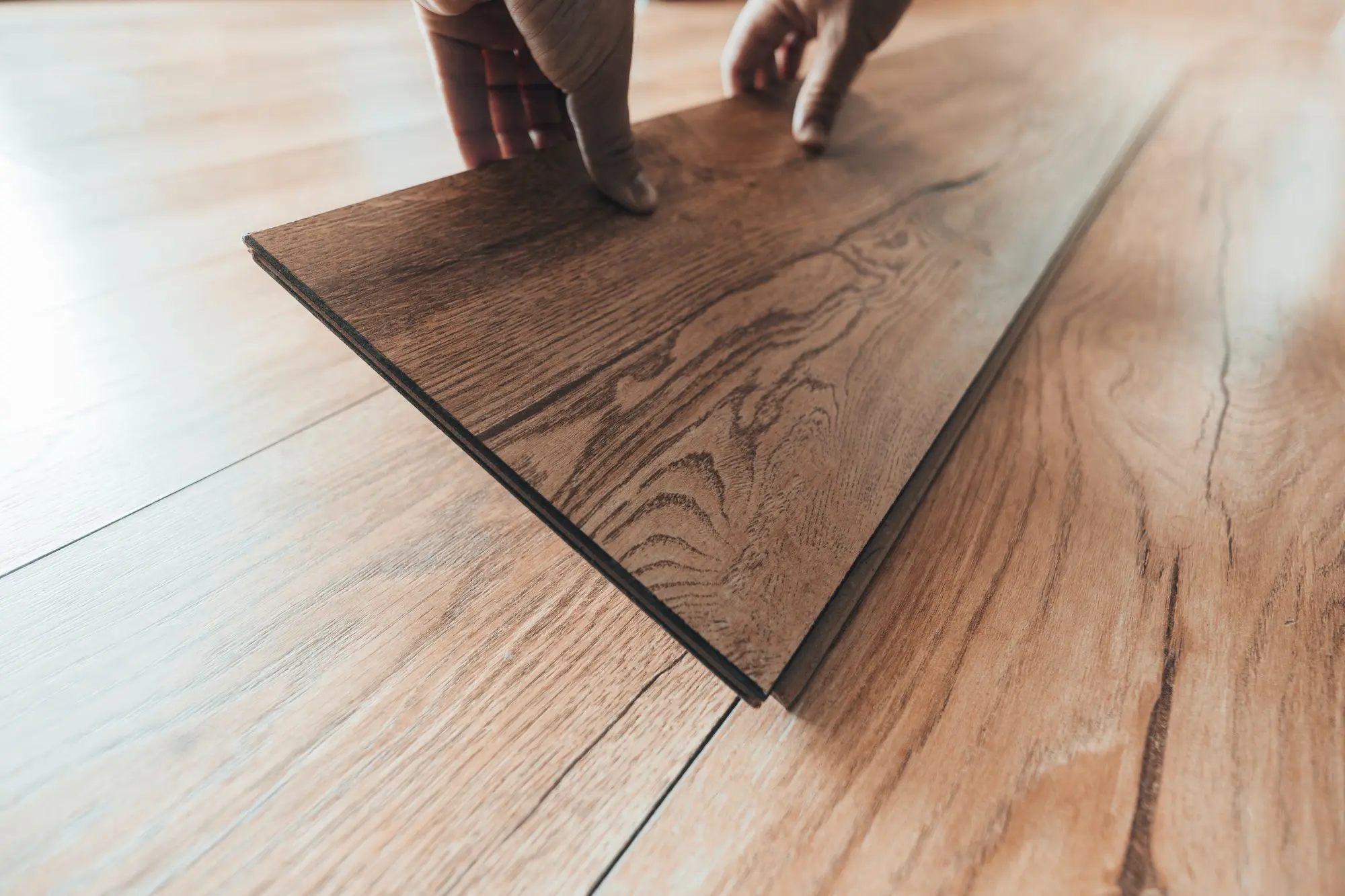
Laminate flooring offers the appearance of wood at a lower cost. Modern laminate products feature realistic textures and improved durability.
Pros
- Affordable option
- Attractive wood-look designs
- Scratch-resistant surface
- DIY-friendly installation
Cons
- Less water-resistant than vinyl
- Cannot be refinished
- May swell if exposed to standing water
Best For
Laminate is a good choice for budget-conscious homeowners seeking a stylish wood appearance.
Natural Stone Flooring
Natural stone flooring creates a luxurious, high-end kitchen appearance. Popular options include slate, marble, granite, and travertine.
Pros
- Unique natural beauty
- Extremely durable
- Excellent resale value
- Premium luxury appeal
Cons
- Higher installation costs
- Requires sealing and maintenance
- Hard and cold underfoot
Best For
Natural stone is best suited for luxury kitchens and upscale home renovations.
Other Kitchen Flooring Materials Worth Considering
If the major flooring options above do not fit your needs, several alternative materials are worth exploring.
Linoleum Flooring
Made from natural materials such as linseed oil and cork dust, linoleum is an eco-friendly flooring option.
Pros
- Sustainable and biodegradable
- Comfortable underfoot
- Naturally antimicrobial
Cons
- Requires sealing in some cases
- Fewer style options than vinyl
Cork Flooring
Cork flooring provides a soft, comfortable surface that helps reduce fatigue during long cooking sessions.
Pros
- Comfortable and warm
- Sound-absorbing
- Eco-friendly material
Cons
- Can dent under heavy furniture
- Requires protection from excess moisture
Bamboo Flooring
Bamboo offers a sustainable alternative to hardwood while maintaining a similar appearance.
Pros
- Renewable material
- Attractive wood-like look
- Stronger than some hardwood species
Cons
- Quality varies by manufacturer
- Sensitive to moisture fluctuations
Concrete Flooring
Concrete flooring has become increasingly popular in modern and industrial-style kitchens.
Pros
- Extremely durable
- Modern appearance
- Low maintenance
Cons
- Hard and cold surface
- May require sealing
- Can crack over time
Concrete works best in contemporary homes that prioritize durability and minimalist design.
Best Kitchen Flooring for Different Households

| Household Type | Recommended Flooring | Why It Works |
|---|---|---|
| Families with Children | Luxury Vinyl Flooring | Water-resistant, durable, comfortable, and easy to clean. |
| Homes with Pets | Luxury Vinyl Flooring | Resists scratches, spills, and everyday pet accidents. |
| Busy Home Cooks | Porcelain Tile | Handles heavy traffic, moisture, and frequent cleaning. |
| Luxury Homeowners | Natural Stone | Premium appearance, unique patterns, and long-term value. |
| Budget-Conscious Families | Laminate Flooring | Affordable with realistic wood-look designs. |
| Rental Property Owners | Luxury Vinyl Flooring | Cost-effective, durable, and low maintenance. |
| Eco-Conscious Homeowners | Bamboo or Cork Flooring | Renewable materials with a lower environmental impact. |
| Seniors | Cork Flooring | Softer surface provides better comfort underfoot. |
| Modern Industrial Homes | Concrete Flooring | Minimalist appearance with exceptional durability. |
| Whole-Home Open Layouts | Engineered Hardwood | Creates a seamless look throughout connected spaces. |
Best Kitchen Flooring by Budget
| Budget Range | Recommended Flooring | Why It’s a Good Choice |
|---|---|---|
| Under $3 per sq. ft. | Laminate Flooring | Affordable, attractive wood-look appearance, and easy installation. |
| Under $3 per sq. ft. | Sheet Vinyl | Budget-friendly, water-resistant, and low maintenance. |
| $3–$5 per sq. ft. | Luxury Vinyl Plank (LVP) | Excellent balance of durability, comfort, and waterproof performance. |
| $3–$5 per sq. ft. | Ceramic Tile | Durable, water-resistant, and available in many styles. |
| $5–$8 per sq. ft. | Porcelain Tile | Superior durability and excellent moisture resistance. |
| $5–$8 per sq. ft. | Engineered Hardwood | Real wood appearance with improved stability and value. |
| $8+ per sq. ft. | Natural Stone | Luxury appearance, unique patterns, and premium home value. |
| $8+ per sq. ft. | Solid Hardwood | Timeless beauty, long lifespan, and strong resale appeal. |
How to Choose the Right Kitchen Flooring
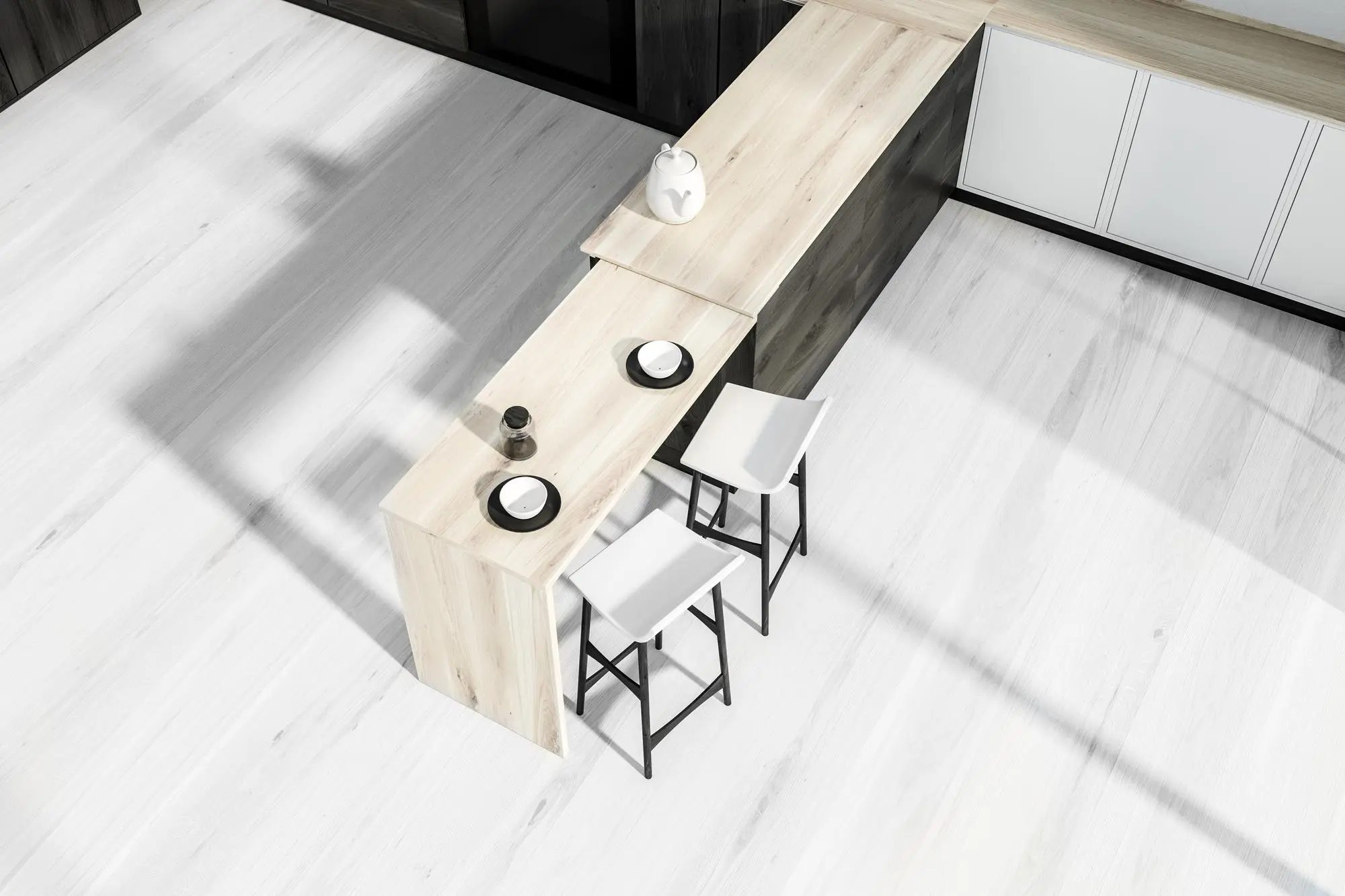
Choosing the best kitchen flooring comes down to your lifestyle, budget, and design goals. Before making a decision, consider these key factors:
- Prioritize water resistance if your kitchen experiences frequent spills or high humidity. Vinyl and tile are excellent choices.
- Consider durability for busy households with children, pets, or heavy foot traffic. Porcelain tile and luxury vinyl perform particularly well.
- Think about comfort if you spend a lot of time cooking. Cork and luxury vinyl provide a softer feel underfoot than tile or stone.
- Match your home’s style by selecting a material that complements your cabinets, countertops, and overall design theme.
- Evaluate maintenance needs before buying. Some materials require sealing, refinishing, or extra care over time.
- Set a realistic budget that includes both material and installation costs.
- Consider long-term value, not just the upfront price. More durable flooring often reduces replacement and maintenance expenses.
- Choose quality over the cheapest option to ensure better performance, appearance, and lifespan.
The best kitchen flooring is the one that balances durability, moisture resistance, comfort, style, and cost for your specific household needs.
FAQs
What is the best material for a kitchen floor?
Luxury vinyl flooring is often considered the best overall kitchen flooring because it is waterproof, durable, comfortable to walk on, and relatively affordable. Porcelain tile is another top choice for maximum durability.
What is the best flooring for asthma sufferers?
Hard-surface flooring such as luxury vinyl, tile, hardwood, or laminate is generally best for asthma sufferers because it does not trap dust, pet dander, and allergens like carpet can. Tile is often considered one of the easiest options to keep allergen-free.
Which floor is good for arthritis?
Cork flooring and luxury vinyl flooring are often recommended for people with arthritis because they provide a softer, more cushioned surface that reduces stress on joints during long periods of standing.
What flooring is suitable for a kitchen?
The most suitable kitchen flooring options include:
- Luxury vinyl flooring
- Porcelain or ceramic tile
- Engineered hardwood
- Laminate flooring
- Natural stone
For most homeowners, waterproof luxury vinyl and porcelain tile offer the best balance of durability, moisture resistance, and maintenance.

 English
  Arabic
  Spanish
  Japanese
  Russian
  Korean
  French
  Italian