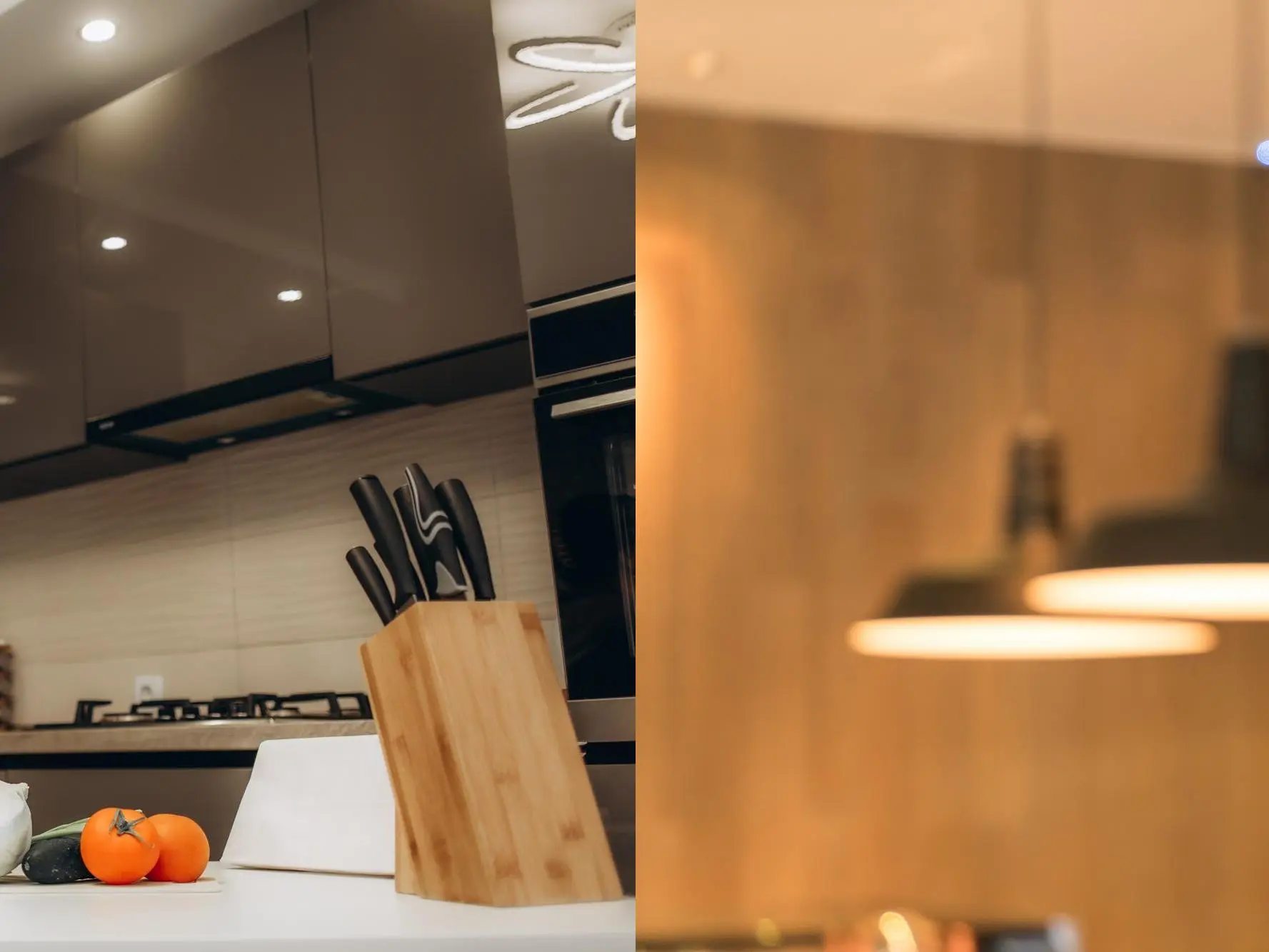
What Is Bright White Lighting?
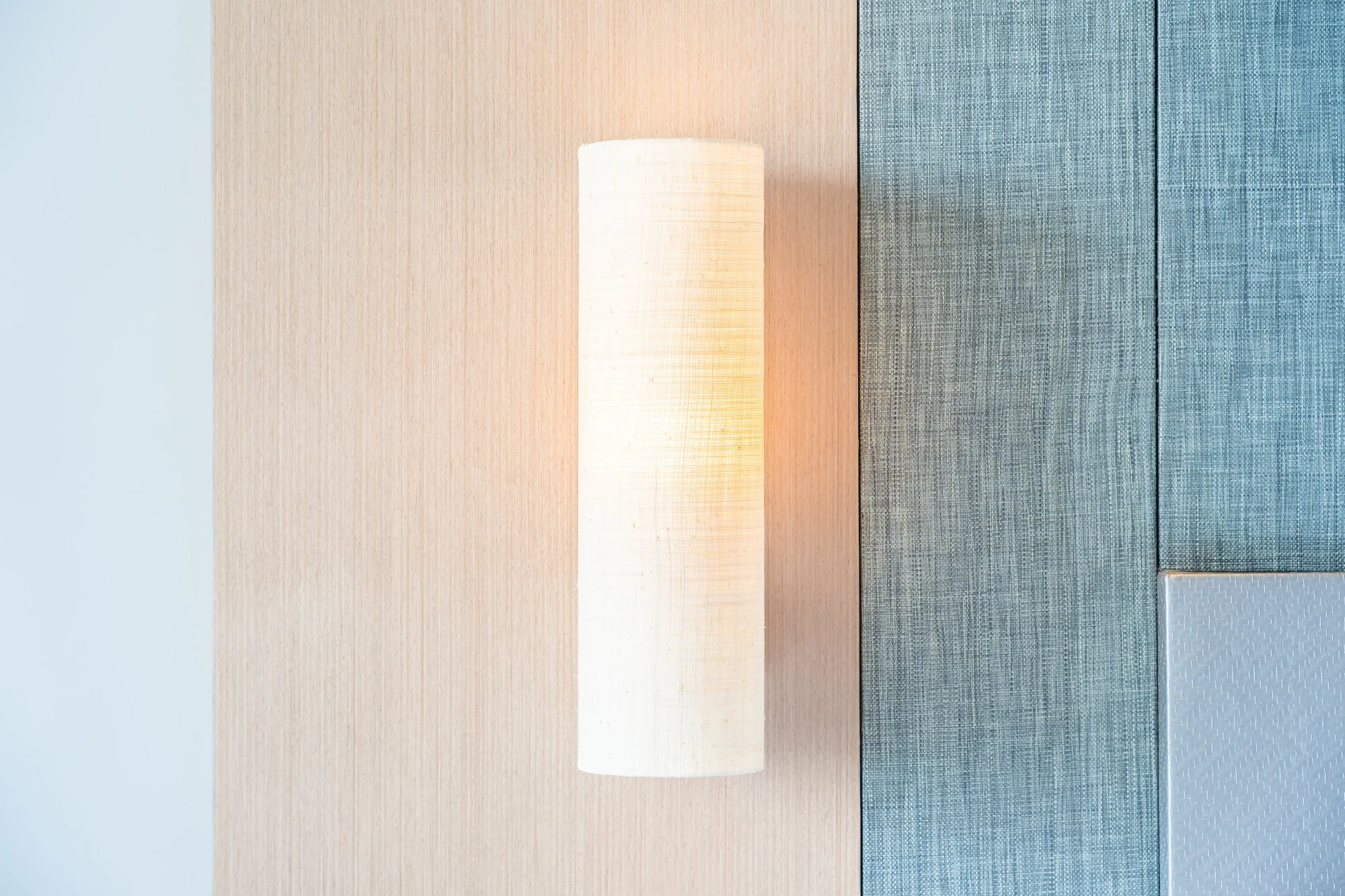
Bright white lighting falls in the 3500–4100K range and offers a neutral, balanced white tone. It sits comfortably between warm white and cooler daylight, making it a popular choice for kitchens.
This light looks clean and crisp without harsh blue tones, so it brightens the space while still feeling comfortable. Bright white works well for general kitchen lighting because it supports cooking tasks and everyday activities without making the room feel cold.
Why homeowners like bright white:
Clear visibility for daily cooking
Soft, neutral tone that feels welcoming
Works well with most cabinet colors and finishes
What Is Daylight Lighting?

Daylight lighting ranges from 5000–6500K and closely mimics natural outdoor light. It has a cooler, slightly bluish tone that feels very bright and energizing.
This type of lighting is excellent for detailed tasks, such as food prep, chopping, or reading recipes. Daylight bulbs can make colors appear sharper and more defined, which helps with precision work.
Why choose daylight lighting:
Maximum brightness and clarity
Ideal for task-heavy kitchen zones
Great for kitchens with limited natural light
Both options work well in kitchens—the best choice depends on whether you prefer balanced comfort or maximum brightness.
Key Differences: Bright White vs Daylight Lighting
Color Temperature
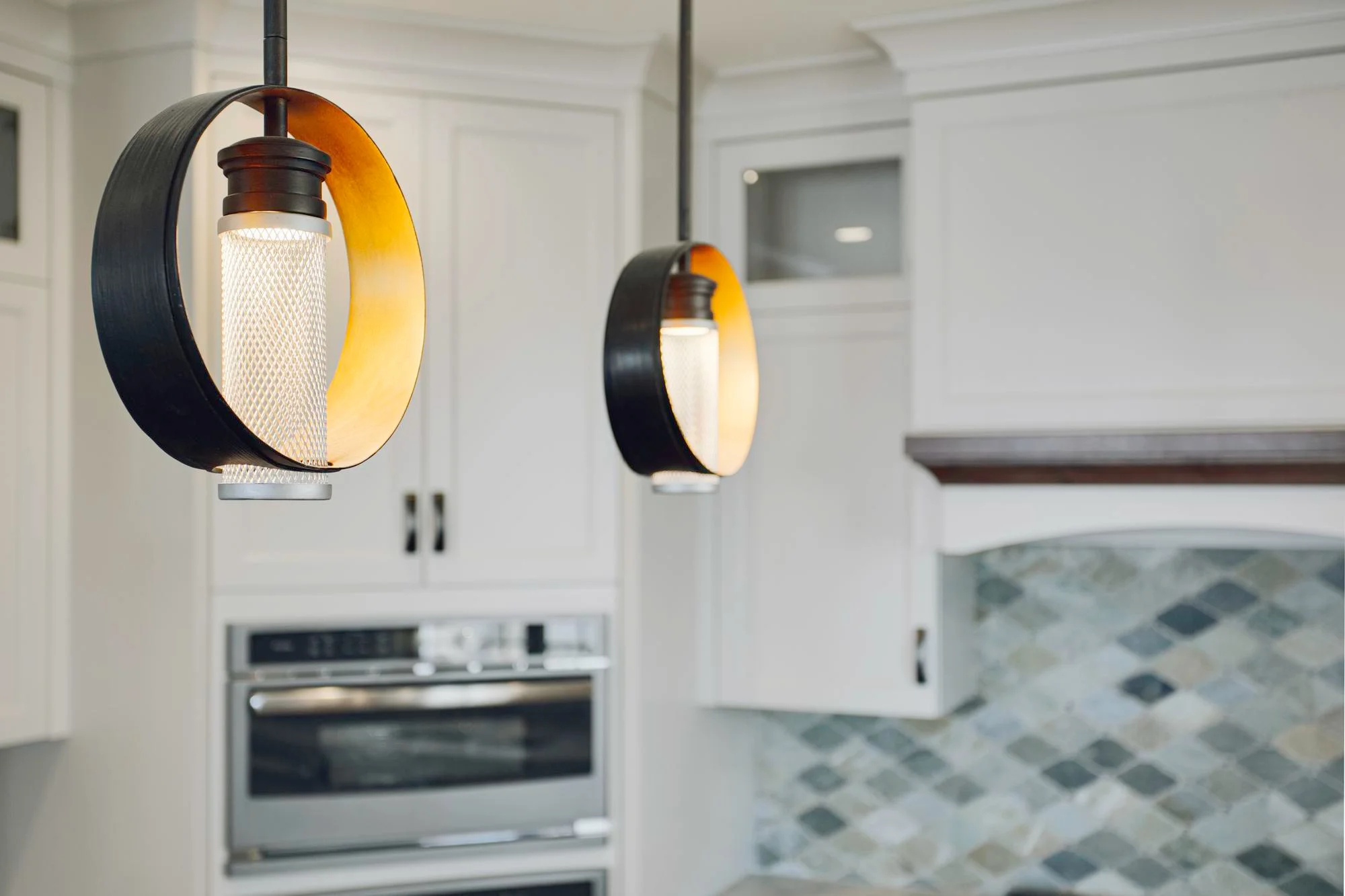
Bright White: Falls between 3500–4100K, offering a neutral white tone that feels balanced and comfortable.
Daylight: Ranges from 5000–6500K, producing a cooler, bluish light similar to natural sunlight.
Brightness & Feel
Bright White: Bright enough for cooking, but softer on the eyes for long periods.
Daylight: Very bright and energizing, ideal for detailed kitchen tasks.
Mood & Comfort
Bright White: Creates a clean yet cozy atmosphere for everyday use.
Daylight: Feels more clinical and task-focused, less warm for casual settings.
Best Use Areas
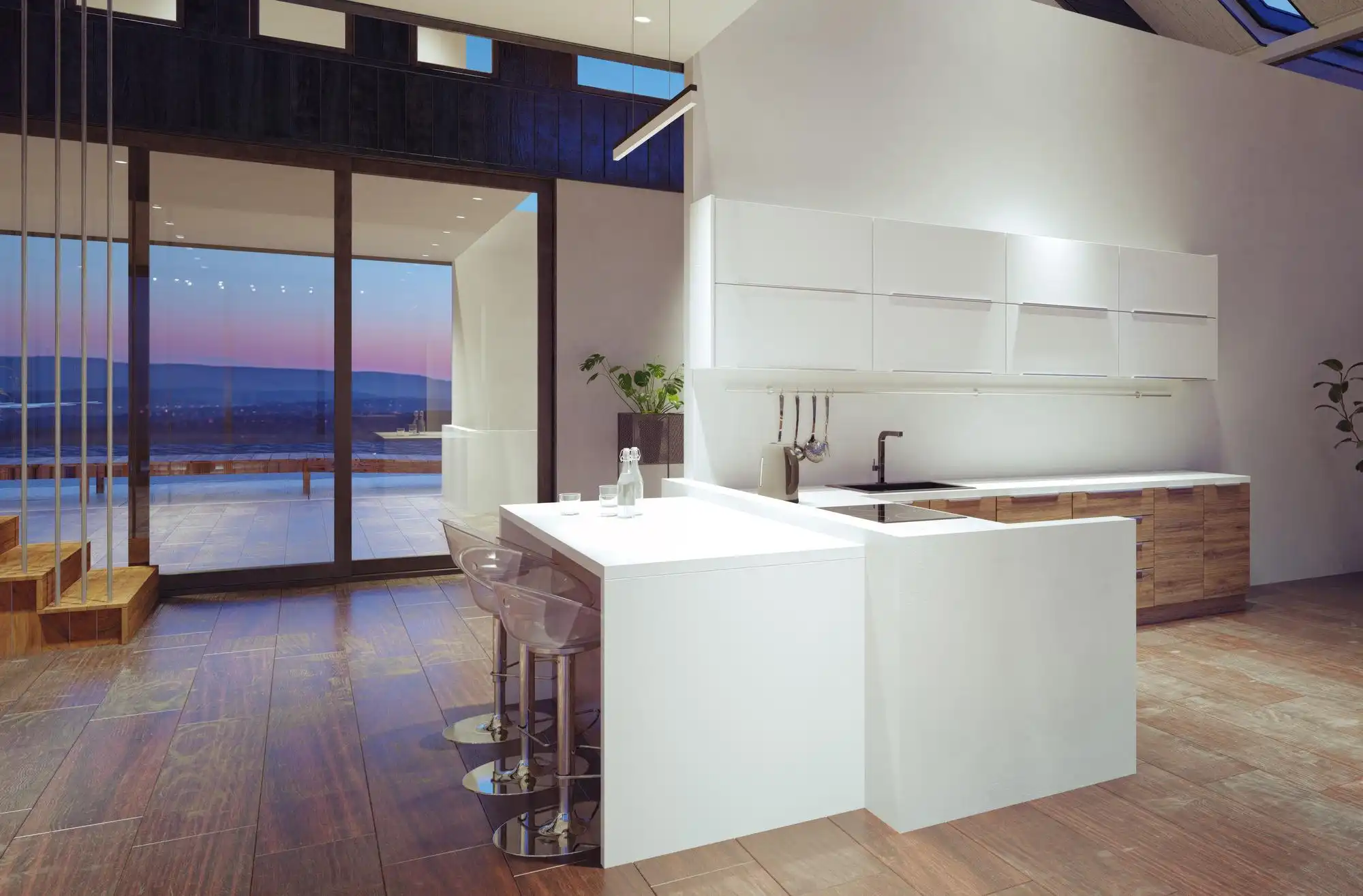
Bright White: General kitchen lighting, dining areas, and open kitchens.
Daylight: Prep zones, islands, sinks, or kitchens with little natural light.
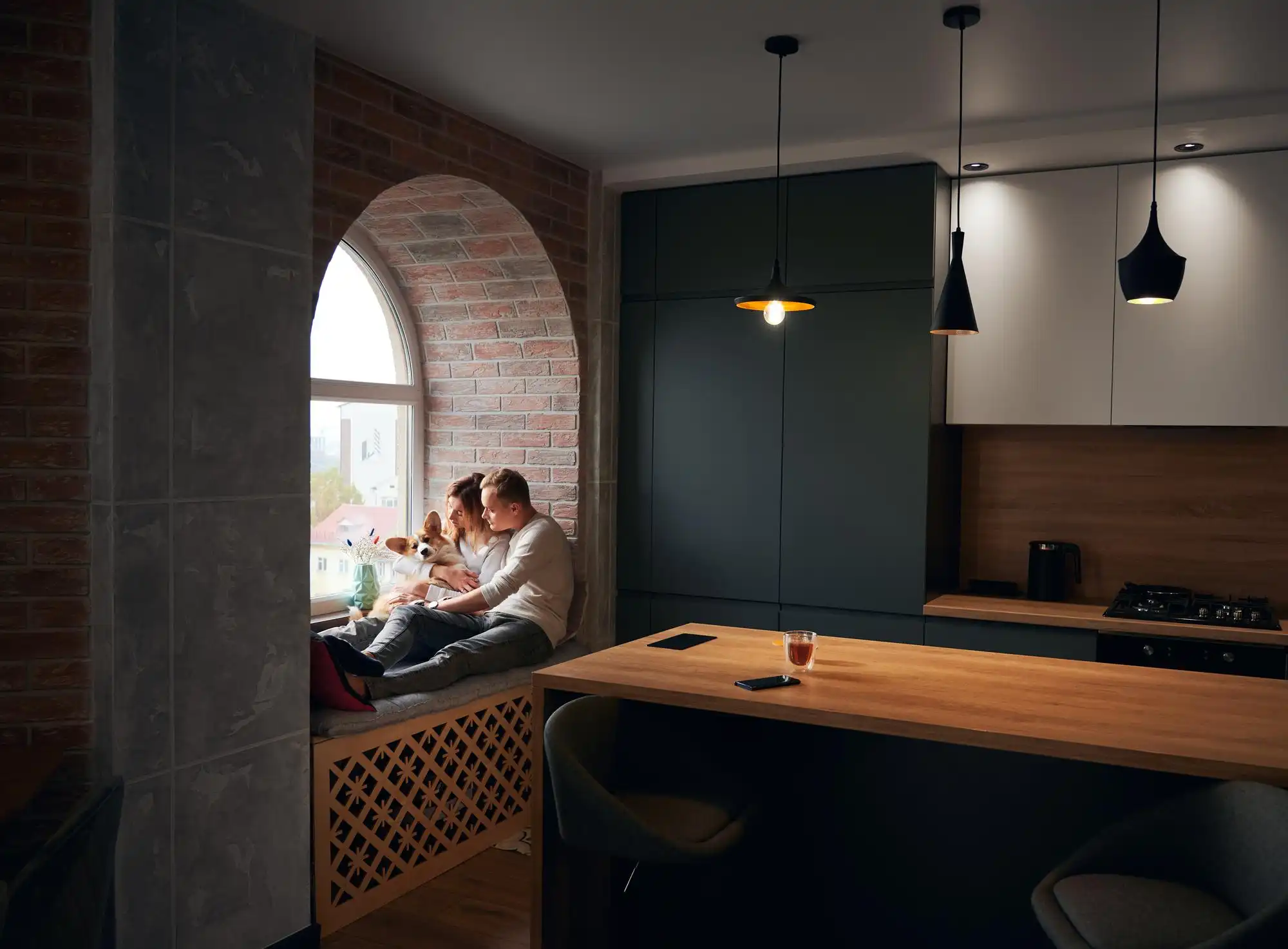
How Color Temperature Affects Kitchens
Color temperature plays a big role in how your kitchen looks and works. Higher Kelvin lighting creates brighter, sharper light, which improves visibility for food prep, cooking, and cleaning. This makes tasks safer and easier.
Neutral light, like bright white, strikes a balance. It supports both task lighting and ambient lighting, helping the kitchen feel bright without becoming harsh or uncomfortable. The right color temperature can make your kitchen feel more inviting, more functional, or both—depending on how you use the space.
When to Use Bright White in the Kitchen
Bright white lighting works best when you want a clean yet welcoming feel.
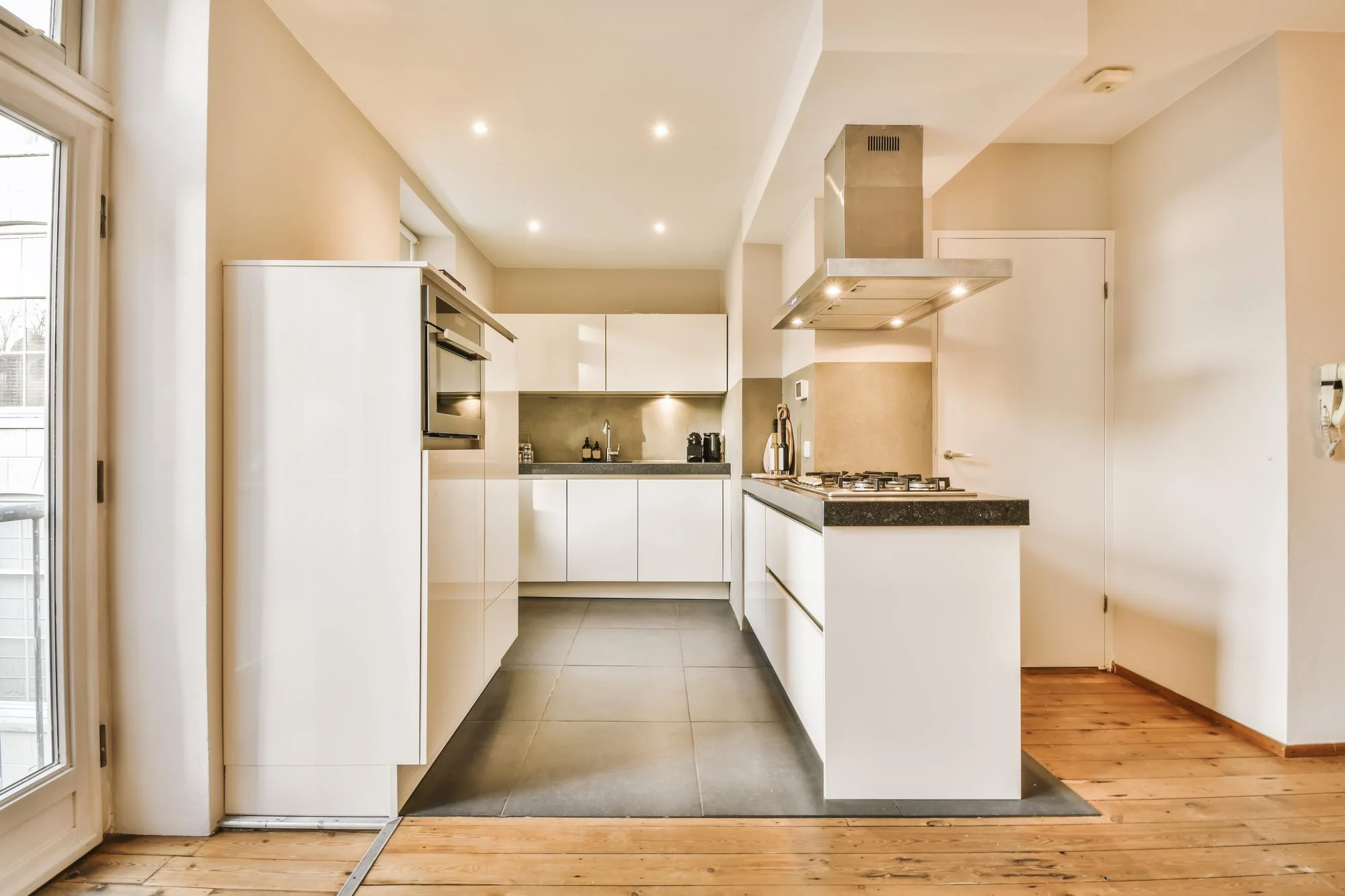
Ideal for general ambient lighting throughout the kitchen
Pairs well with warm wood tones, beige, or traditional finishes
Comfortable for long periods of cooking or family time
When to Use Daylight in the Kitchen
Daylight lighting is best for focused, task-heavy areas.
Perfect for countertops, islands, and sink areas
Helps with detailed food prep and cleaning
Great for kitchens with limited natural light where extra brightness is needed
Many kitchens use both for the best balance of comfort and performance.
Practical Tips for Choosing the Right Light
Choosing between bright white and daylight lighting doesn’t have to be complicated. A few practical checks can help you decide with confidence.
Think about your kitchen size: Smaller kitchens often benefit from brighter light, while larger spaces can mix different light temperatures for balance.
Match your color scheme: White or cool-toned cabinets look crisp under daylight, while wood tones and warm finishes pair better with bright white.
Consider how often you cook: If you cook daily, clear task lighting matters more. For casual cooking, softer light feels more comfortable.
Test before committing: Try sample bulbs at different times of day to see how each temperature looks in your kitchen.
The right choice should feel comfortable, practical, and natural in your space.
Need Help Choosing the Perfect Kitchen Lighting?
The right lighting can completely change how your kitchen looks and works. If you’re unsure whether bright white or daylight is best for your space, our experts are here to help. We’ll guide you through lighting selection, layout planning, and design decisions tailored to your kitchen.
Get personalized lighting advice and design support today.
Contact us now to create a brighter, better kitchen!
FAQs
Is bright white or daylight better for the kitchen?
Daylight (5000–6500K) offers very bright, clear light ideal for task areas, while bright white (3500–4100K) is a balanced neutral choice; daylight often works better for detailed prep.
What is the best color white light for a kitchen?
Neutral to cool white light in the 3500K–5000K range is often recommended for kitchens because it provides clear visibility while still feeling natural and inviting.
What is the best brightness for kitchen lights?
Kitchen brightness depends on lumens and spacing, but a common guideline is to aim for high overall brightness with layered lighting (task, ambient, accent) to ensure safe cooking and prep areas.
Is daylight white the same as bright white?
No — daylight is cooler with a higher Kelvin range (around 5000–6500K) and mimics outdoor light, while bright white is more neutral (about 3500–4100K).