

The 5 Core Kitchen Zones
Modern kitchens are no longer just about layout—they’re about how you move and work. Kitchen zones divide your space into task-based areas, making cooking smoother, faster, and more organized. Here are the five core zones every functional kitchen should have:
| Kitchen Zone | Main Purpose | What It Includes | Best Placement | Key Benefit |
|---|---|---|---|---|
| Consumables Zone | Food storage | Fridge, pantry, ingredients | Near prep area | Makes ingredient access faster |
| Non-Consumables Zone | Tool and dish storage | Plates, utensils, cookware | Near dishwasher or cleaning zone | Improves organization and unloading |
| Cleaning Zone | Washing and waste handling | Sink, dishwasher, trash | Close to prep and storage zones | Keeps kitchen clean and efficient |
| Preparation Zone | Food prep | Counter space, knives, mixing tools | Between sink and fridge | Supports smooth cooking workflow |
| Cooking Zone | Cooking and heating | Stove, oven, cooking utensils | Near prep zone with safe spacing | Makes cooking safer and easier |
| Coffee or Beverage Zone | Drink preparation | Coffee machine, kettle, mugs | Away from main cooking area | Keeps drink-making separate and easy |
| Baking Zone | Baking tasks | Mixers, flour, measuring tools | Near counter space and oven | Makes baking more organized |
| Snack Zone | Quick snack access | Snacks, simple foods, containers | Low and easy-to-reach area | Reduces traffic in main cooking area |
| Entertaining or Serving Zone | Serving and hosting | Serving dishes, drinks, display space | Near dining or social area | Improves hosting and guest flow |
1. Consumables Zone (Food Storage)
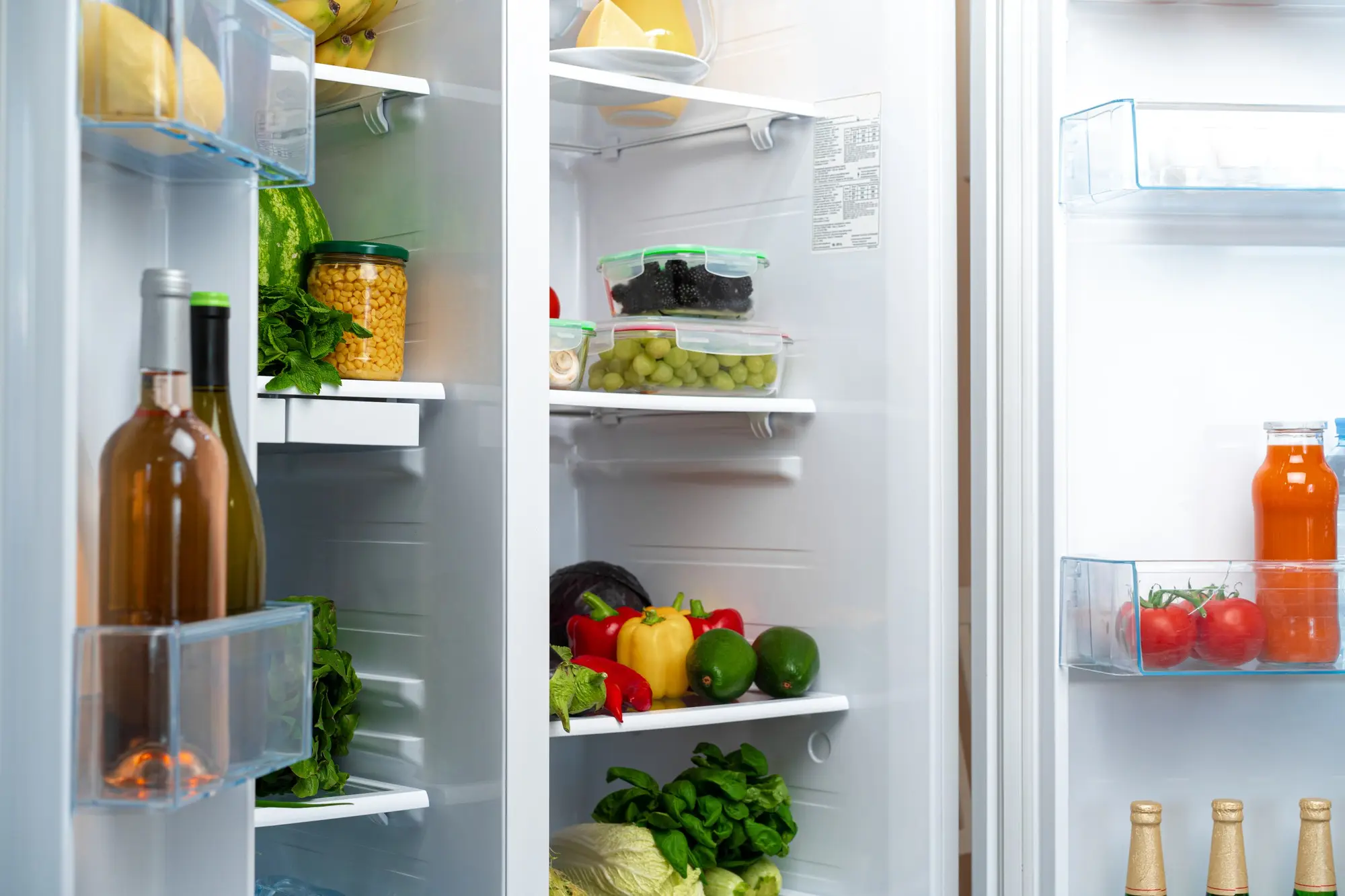
This zone includes your fridge and pantry, where all food items are stored. It should be easy to access since it’s usually the starting point for cooking. Keeping ingredients within reach helps you move quickly from storage to prep without wasting time.
2. Non-Consumables Zone
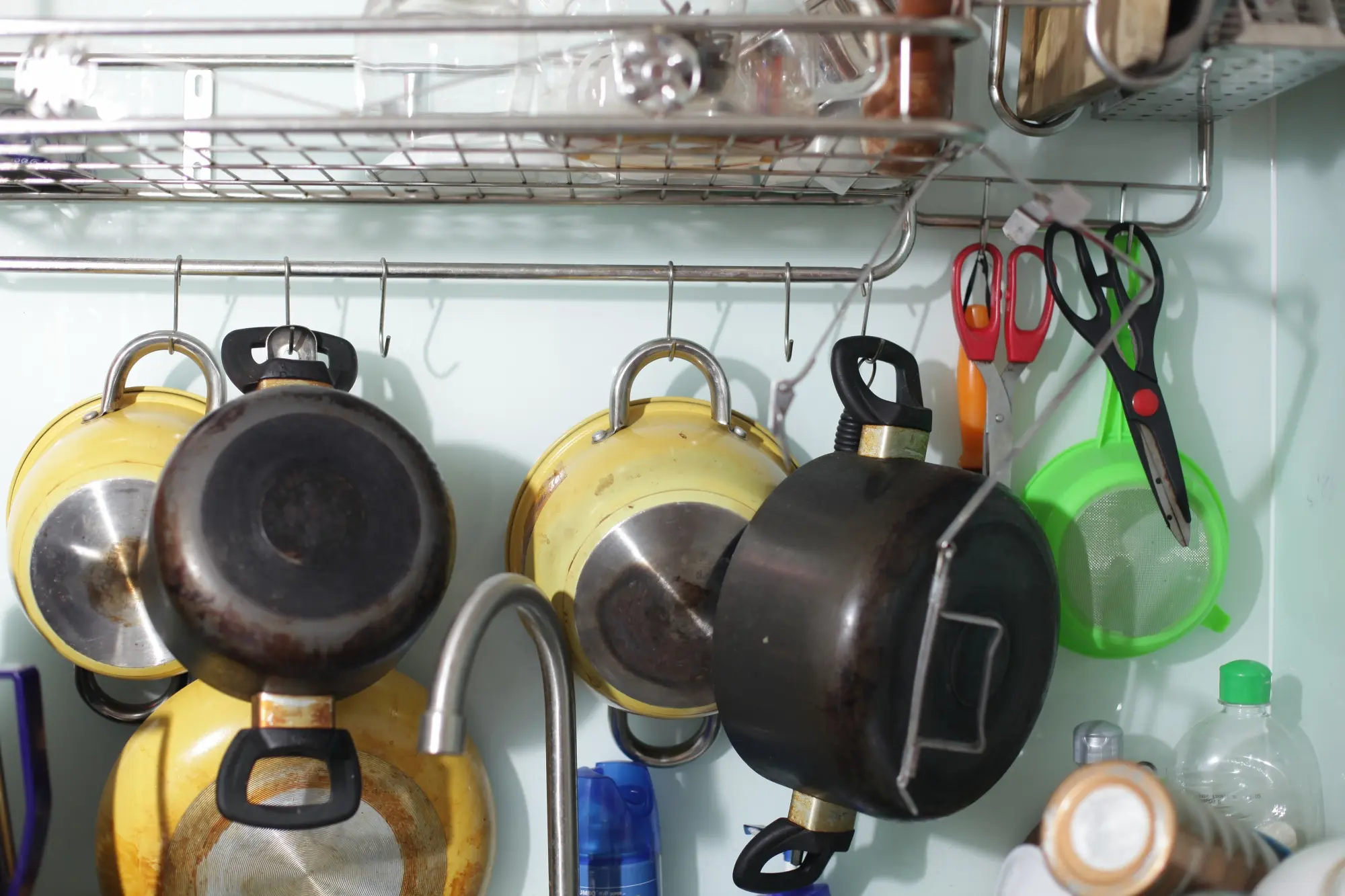
This is where you store plates, utensils, cookware, and tools. It works best when placed close to the dishwasher or cleaning zone, so unloading and organizing items becomes quick and effortless.
3. Cleaning Zone
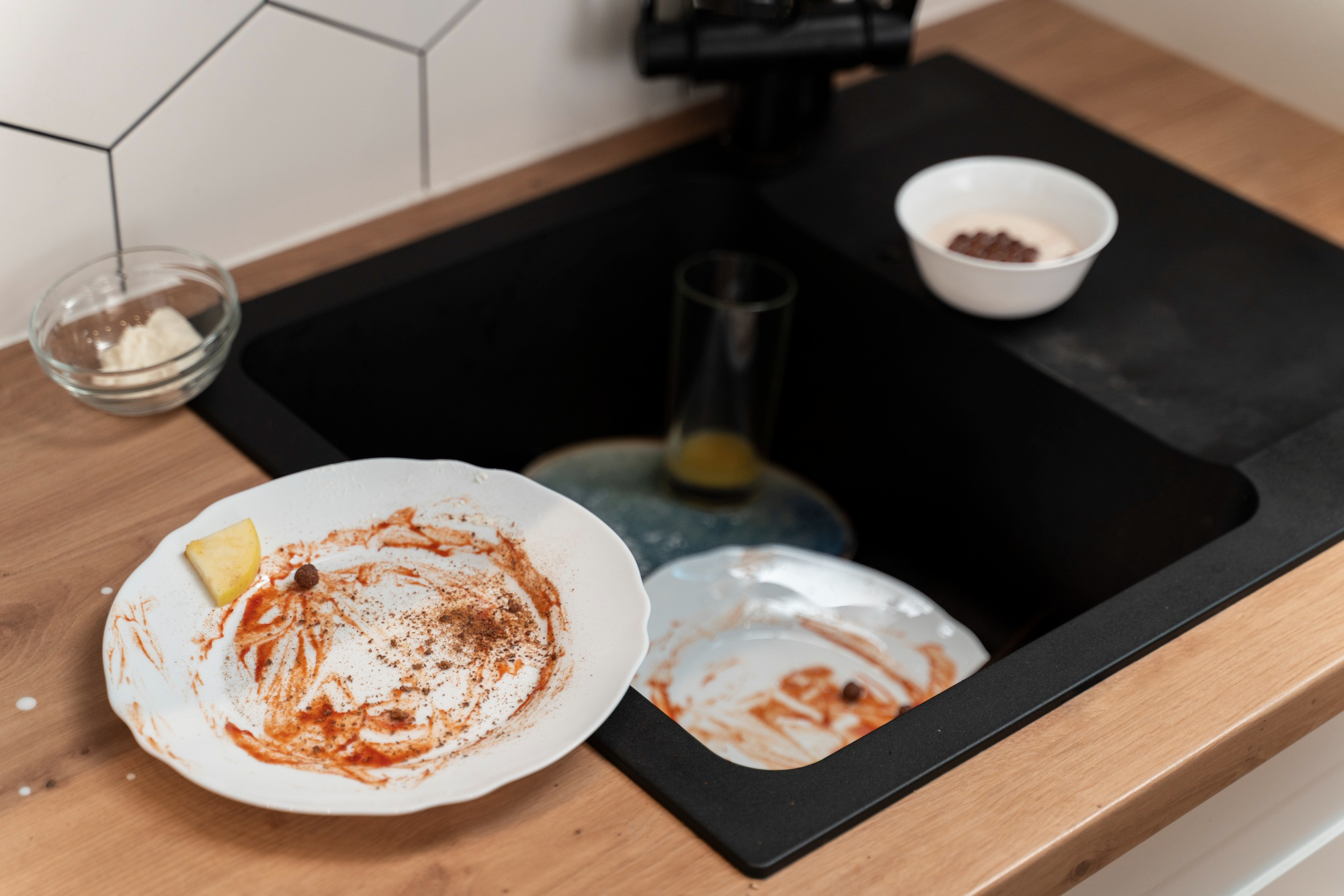
The cleaning zone centers around the sink, dishwasher, and waste area. It should have easy access to cleaning supplies and enough counter space for handling dishes. A well-planned cleaning zone keeps your kitchen tidy and efficient.
4. Preparation Zone
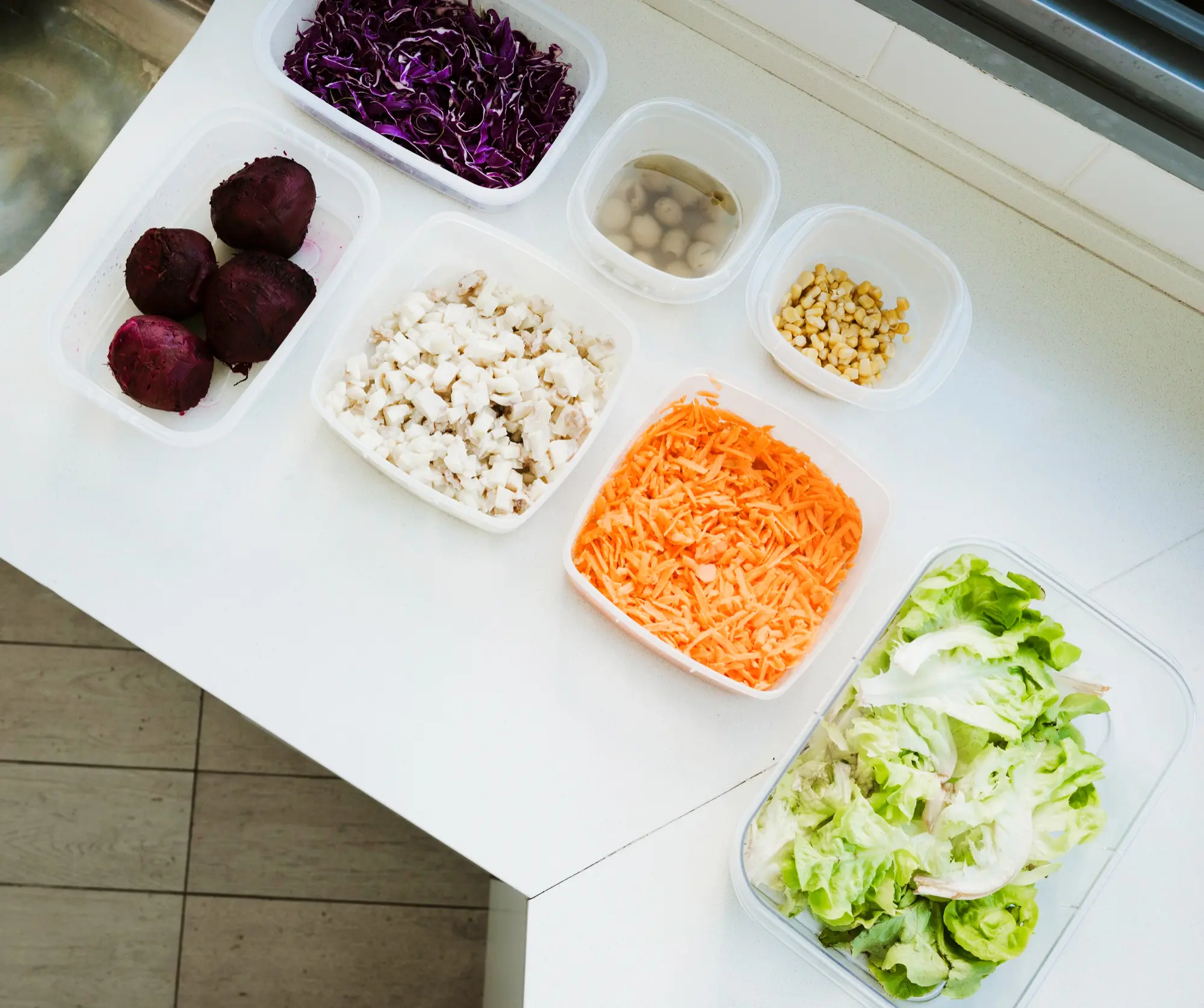
This is where most of the action happens—cutting, mixing, and assembling food. Ideally, it sits between the sink and fridge to create a smooth workflow. Having enough counter space here is key for comfortable and efficient cooking.
5. Cooking Zone

The cooking zone includes your stove, oven, and cooking tools. It should have proper spacing for safety and easy access to utensils and ingredients. A well-designed cooking area keeps everything you need within reach while maintaining a safe environment.
Additional Kitchen Zones
Today’s kitchens are more personalized than ever. Beyond the core zones, you can add specialized areas based on your lifestyle to make your kitchen even more functional and enjoyable.
Coffee or Beverage Zone
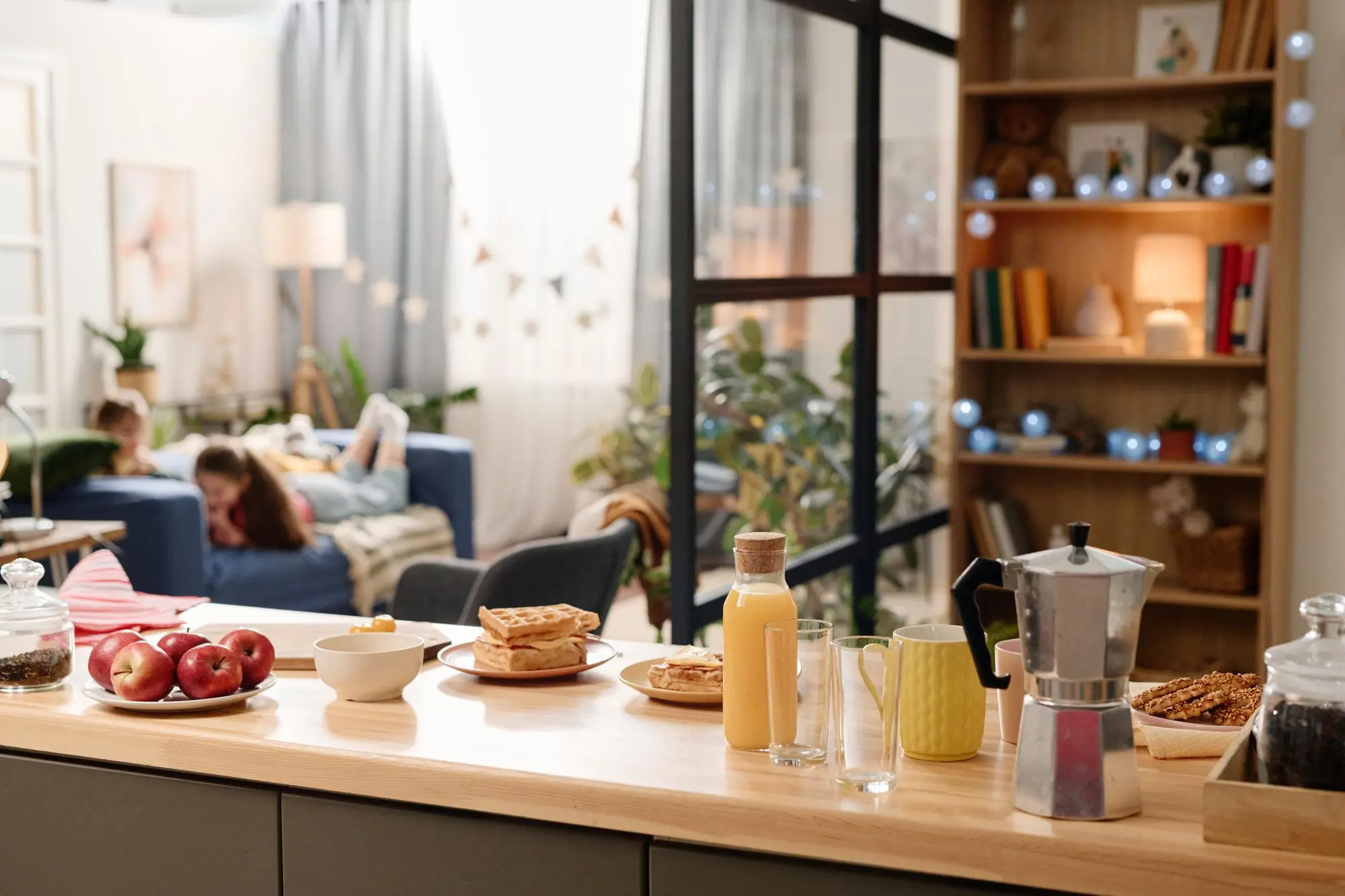
A dedicated space for coffee machines, kettles, or drink supplies. It keeps your main workspace clear and makes daily routines faster.
Baking Zone
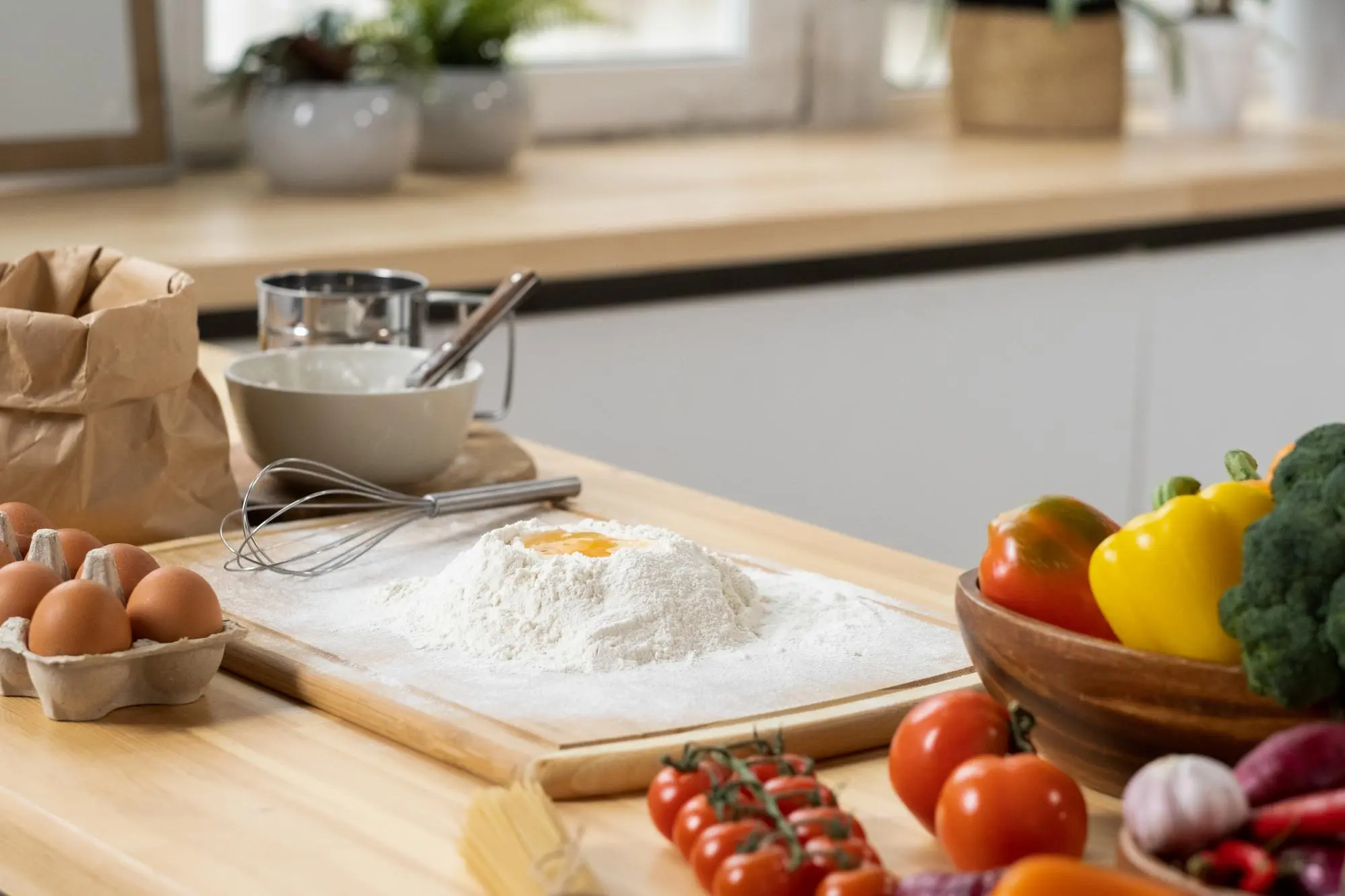
Perfect for those who bake often. This zone can include mixers, measuring tools, and storage for baking ingredients, all in one organized area.
Snack Zone (Kid-Friendly)
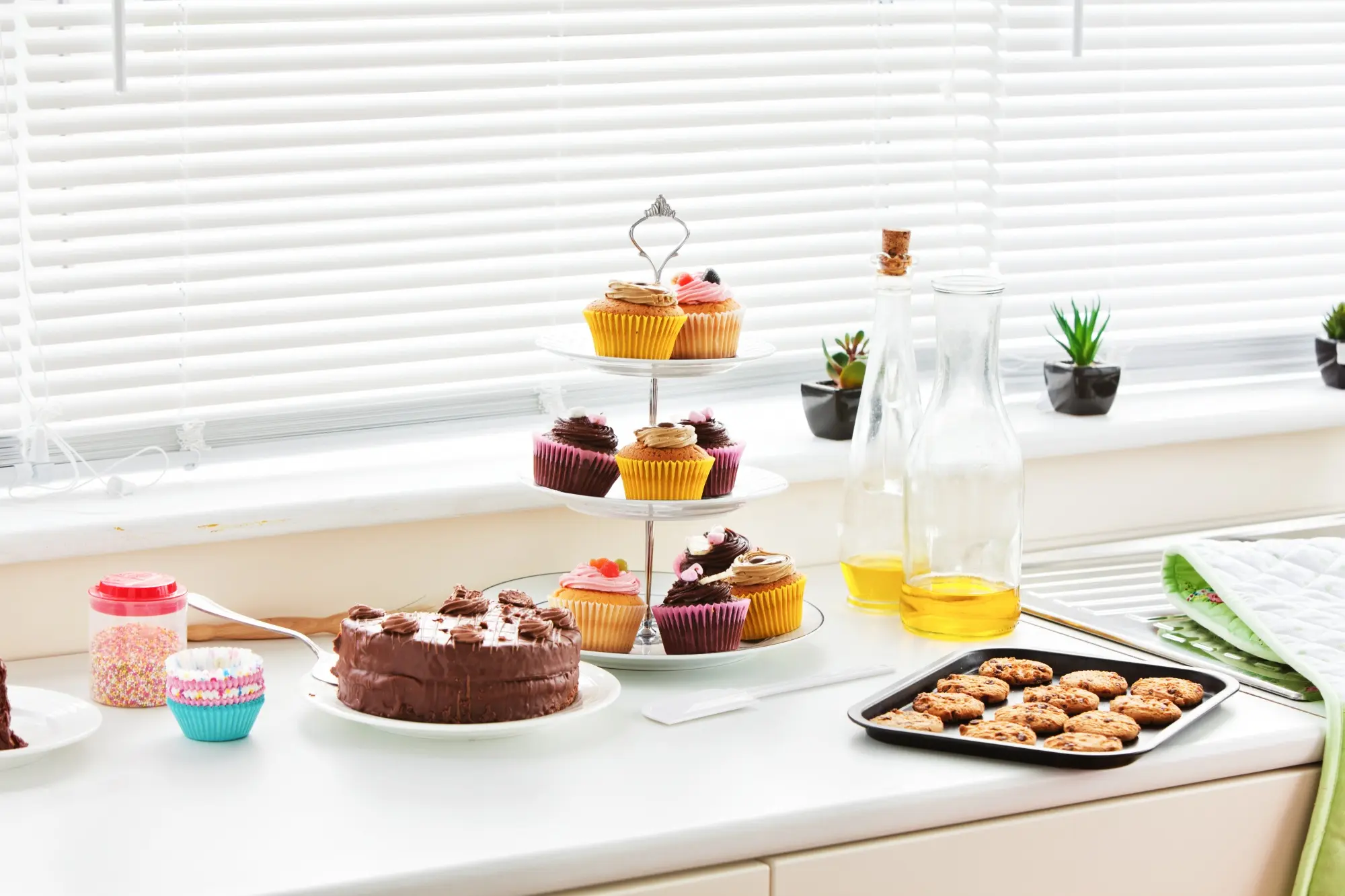
A low, easy-to-reach area for snacks and simple foods. It helps kids access what they need without disrupting the main cooking flow.
Entertaining or Serving Zone

Designed for hosting, this zone is ideal for plating, serving, or even displaying food and drinks. It keeps guests engaged without interfering with cooking.
Customizing your kitchen zones based on how you actually use the space is the key to a kitchen that feels natural, efficient, and easy to enjoy every day.
Kitchen Zones vs Work Triangle
| Aspect | Kitchen Zones | Work Triangle |
|---|---|---|
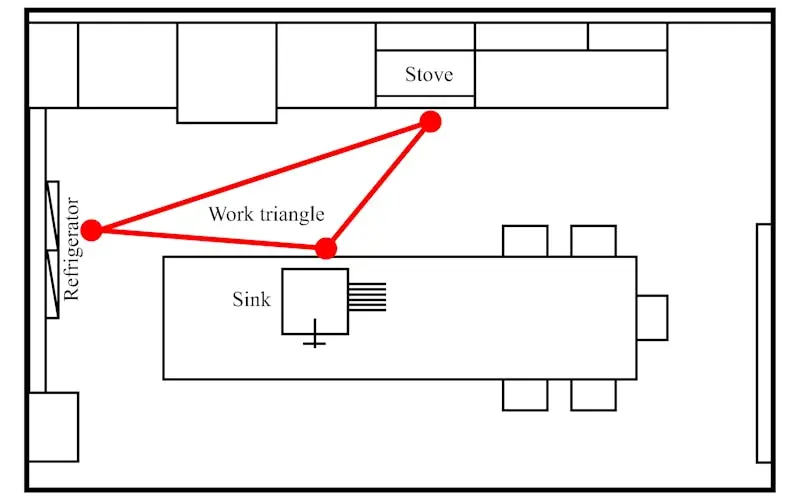
| Main Idea | Divides the kitchen into task-based areas. | Connects the sink, stove, and fridge. |
| Focus | Organizes the kitchen by daily activities. | Improves movement between 3 main points. |
| Best For | Modern, open, and multi-user kitchens. | Traditional and compact kitchen layouts. |
| Number of Areas | Usually 5 core zones, with extra lifestyle zones. | 3 fixed points only. |
| Flexibility | Highly flexible and easy to customize. | More structured and rule-based. |
| Workflow Style | Supports full-task flow and storage planning. | Supports direct movement for cooking efficiency. |
| Multi-User Use | Better for multiple people using the kitchen. | Works best for one main cook. |
| Modern Relevance | Fits modern lifestyles and personalized kitchens. | Still useful, but often adapted today. |
| Key Advantage | Creates a more organized and intuitive kitchen. | Creates fast, efficient movement while cooking. |
What Is the Kitchen Work Triangle? Explained
Common Kitchen Zoning Mistakes

Kitchen zones are meant to make your space easier to use—but when planned poorly, they can do the opposite. Here are the most common mistakes to avoid:
- Overlapping zones
When prep, cooking, and cleaning areas are too close or mixed together, it creates confusion and slows down your workflow. - Poor prep zone placement
If your prep area is far from the sink or fridge, you’ll waste time moving back and forth. The prep zone should sit between storage and cleaning for a smooth flow. - Lack of storage within each zone
Every zone should have its own tools nearby. Without proper storage, you’ll constantly move around to find what you need. - Ignoring workflow order
A good kitchen follows a natural sequence: storage → prep → cooking → cleaning. Skipping this order makes the kitchen feel inefficient. - Blocking movement paths
Islands, cabinets, or furniture placed in the wrong spot can interrupt movement between zones and make the kitchen feel crowded. - Designing without real habits in mind
A kitchen should match how you actually cook. If the layout doesn’t reflect your daily routine, even a well-designed space won’t feel practical.
A good zoning layout should feel natural and effortless. If you find yourself taking extra steps or crossing paths often, your zones may need adjustment.
FAQs
What is zoning in a kitchen?
Kitchen zoning means dividing your kitchen into task-based areas like prep, cooking, cleaning, and storage. It helps improve flow, organization, and efficiency by grouping related activities together.
How do you zone a kitchen?
You zone a kitchen by grouping tasks and placing items near where they’re used. For example, keep knives near prep space, dishes near the dishwasher, and ingredients near the fridge. The goal is to reduce movement and create a smooth workflow.
What is the 60 30 10 rule for kitchens?
The 60-30-10 rule is a color design guideline: 60% of the kitchen uses a main color, 30% a secondary color, and 10% an accent color to create balance.
What is the 3 kitchen rule?
The “3 kitchen rule” usually refers to the kitchen work triangle, which connects the sink, stove, and fridge to improve efficiency and reduce unnecessary movement.

 English
  Arabic
  Spanish
  Japanese
  Russian
  Korean
  French
  Italian