

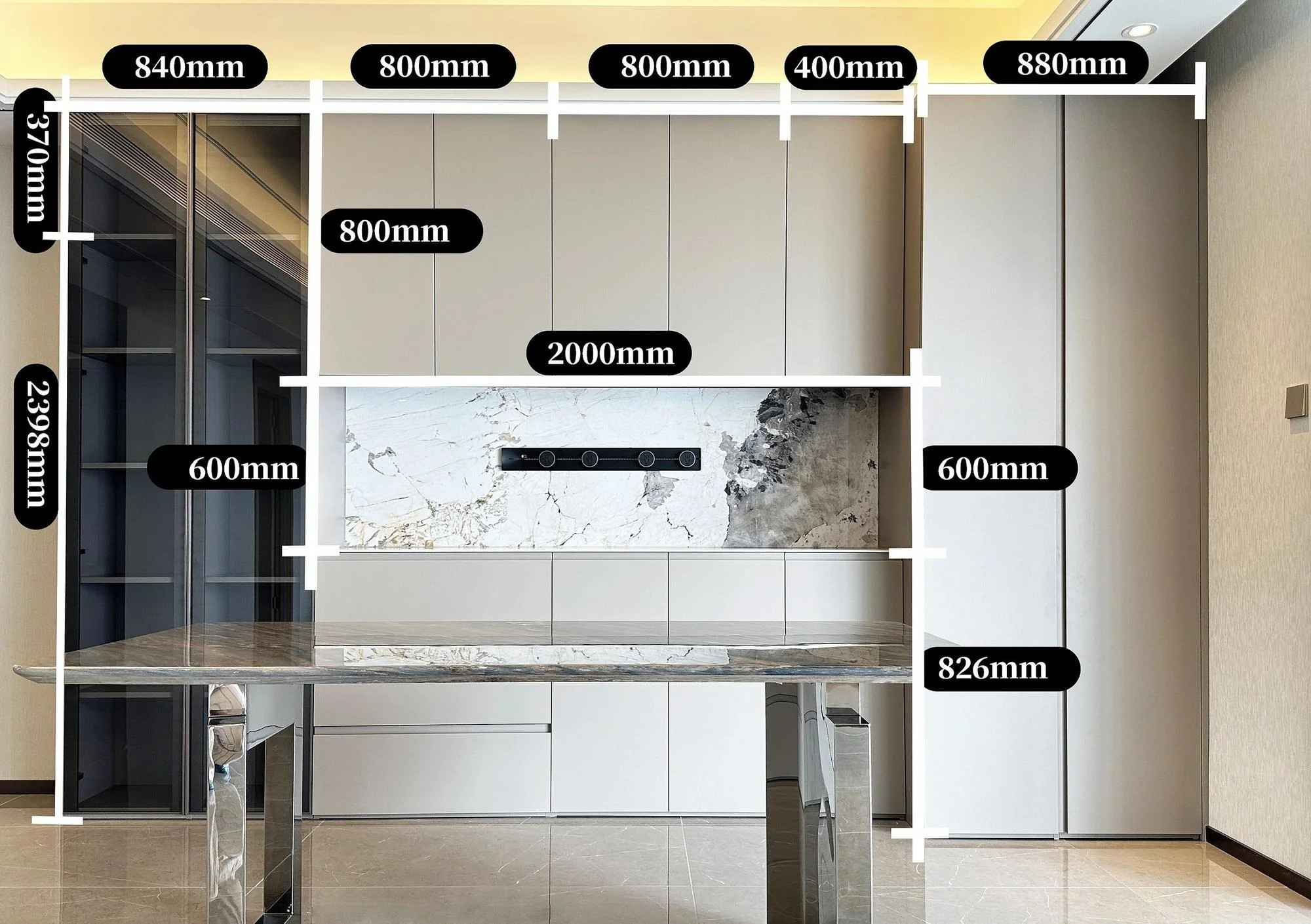
Most Popular Kitchen Layout Types
| Kitchen Layout | Structure | Best For | Main Advantage | Possible Limitation |
|---|---|---|---|---|
| L-Shaped Kitchen | Two connected walls forming an L | Most homes, open-plan spaces | Flexible, open, and easy to use | May need an island for more workspace |
| U-Shaped Kitchen | Three walls forming a U | Frequent cooking, larger kitchens | Maximum storage and efficiency | Can feel enclosed in smaller rooms |
| Galley Kitchen | Two parallel counters with a walkway | Small or narrow kitchens | Highly efficient workflow | Limited social and gathering space |
| One-Wall Kitchen | All elements placed on one wall | Apartments, studios, compact homes | Saves the most space | Less counter and storage space |
| Island Kitchen | Main layout plus a center island | Large kitchens, family homes | Adds prep space and social function | Needs enough clearance around island |
| Peninsula Kitchen | Connected extension from wall or cabinet | Smaller kitchens needing extra workspace | Island-like function in less space | Can reduce traffic flow if poorly planned |
| G-Shaped Kitchen | U-shape with an added fourth side | Large kitchens, heavy cooking needs | Maximum storage and work zones | May feel tight or closed off |
When planning a kitchen, layout is the first big decision. It shapes how you move, cook, and use the space every day. The good news? Most kitchens follow a few proven layouts that work well in different homes and lifestyles.
Let’s walk through the most popular kitchen layout types so you can quickly see what fits your space.
L-Shaped Kitchen
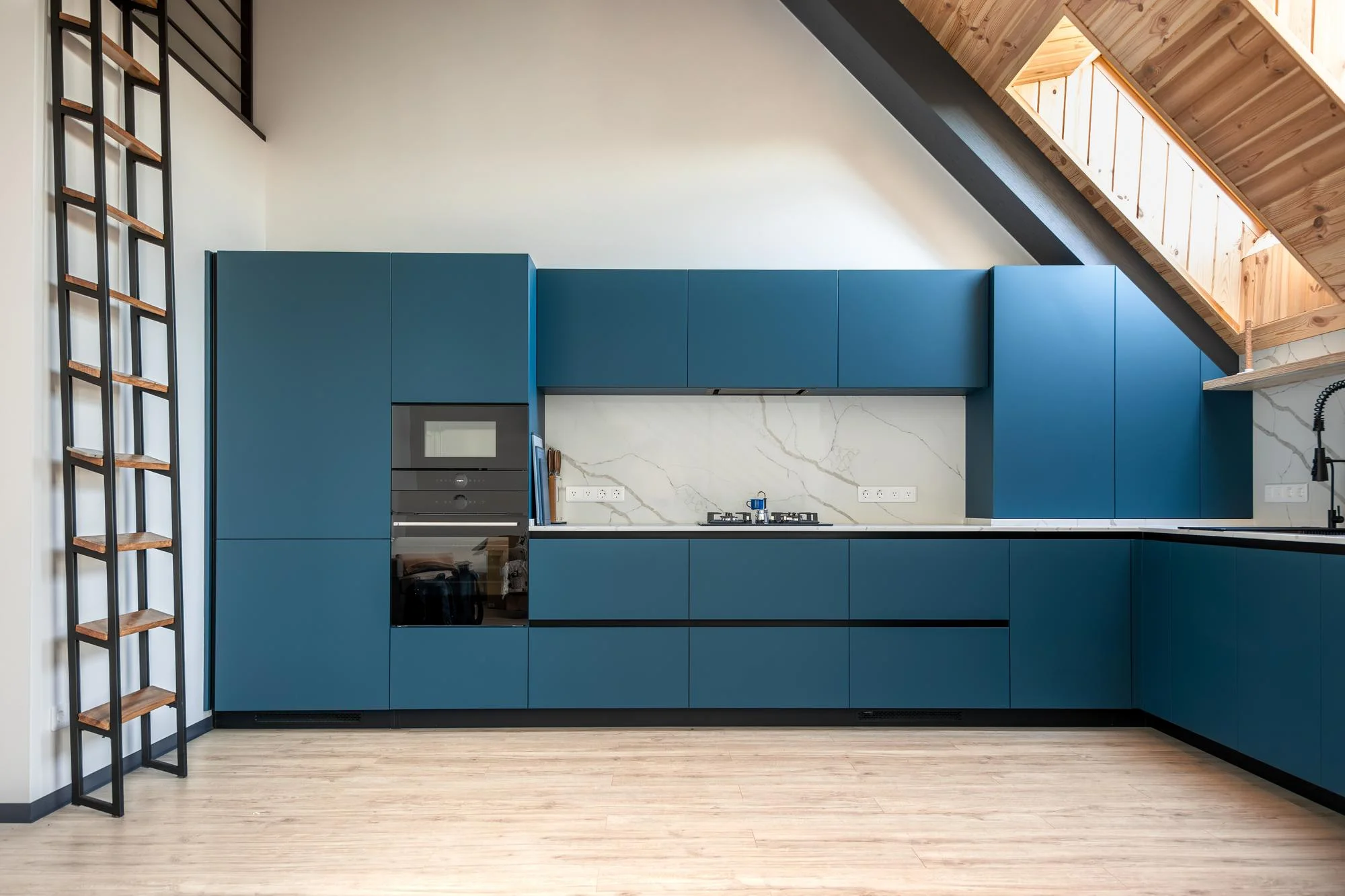
The L-shaped kitchen is one of the most common and flexible layouts. Cabinets and appliances are placed along two adjoining walls, forming an “L”.
This layout feels open and natural. It gives you enough workspace without making the kitchen feel crowded. It also leaves room for a dining table or even an island if space allows.
It works especially well in open-plan homes and is a safe choice for most households.
U-Shaped Kitchen
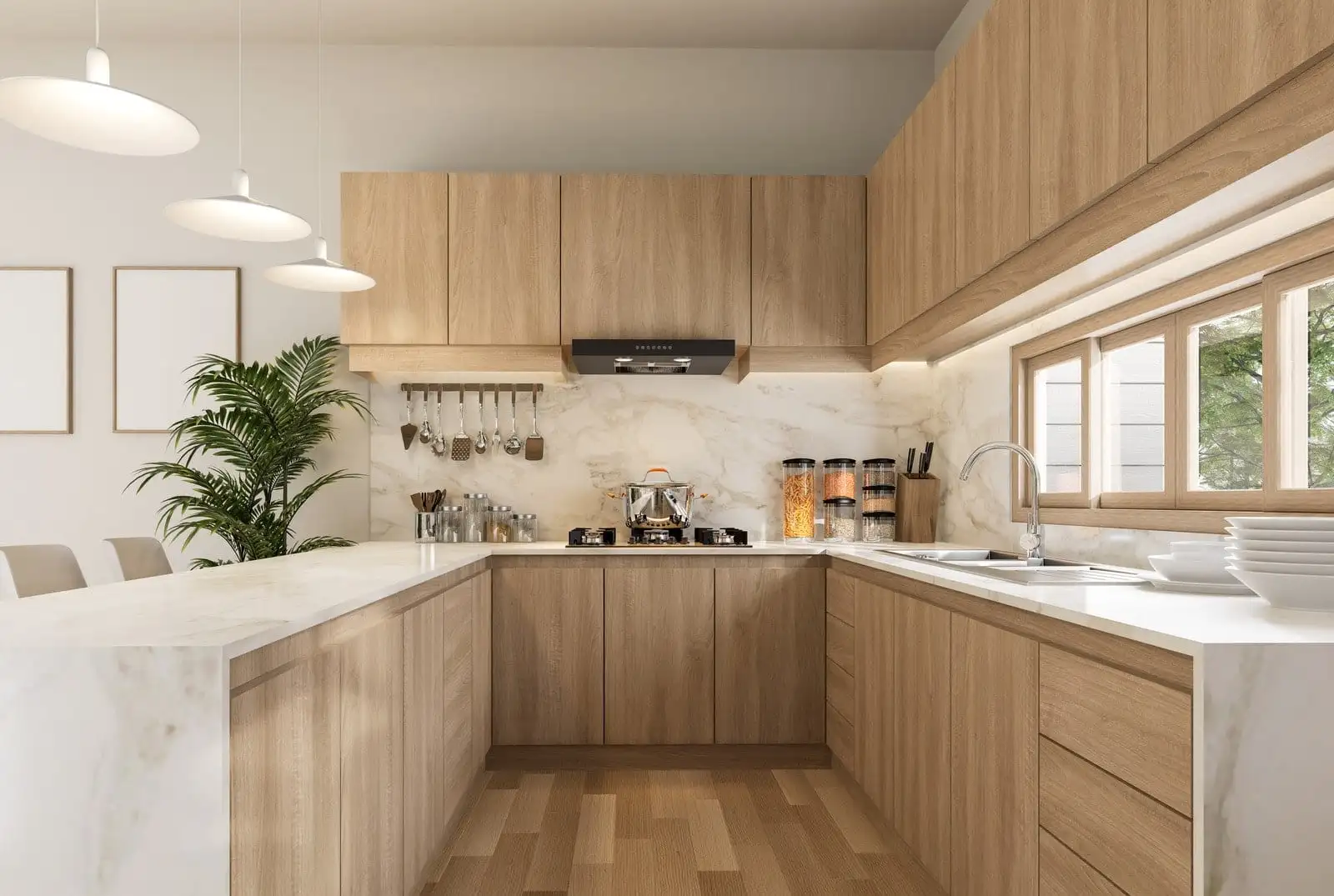
If you cook often, this layout is highly efficient. Everything is within reach, which reduces unnecessary movement. It also keeps your workflow tight and organized.
However, it needs enough space to avoid feeling enclosed. In smaller rooms, it can feel a bit tight.
Galley Kitchen
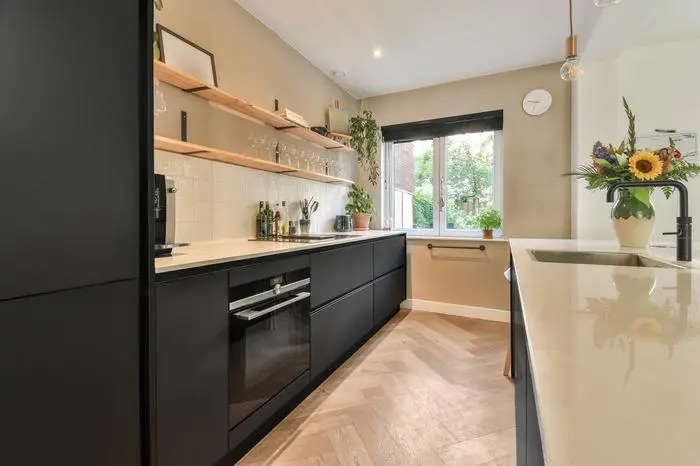
A galley kitchen features two parallel walls with a walkway in between. Think of it as a corridor-style kitchen.
This layout is ideal for small or narrow spaces. It creates a very efficient cooking zone because everything is close together.
The downside is limited social interaction. There’s usually not much room for multiple people or gathering space.
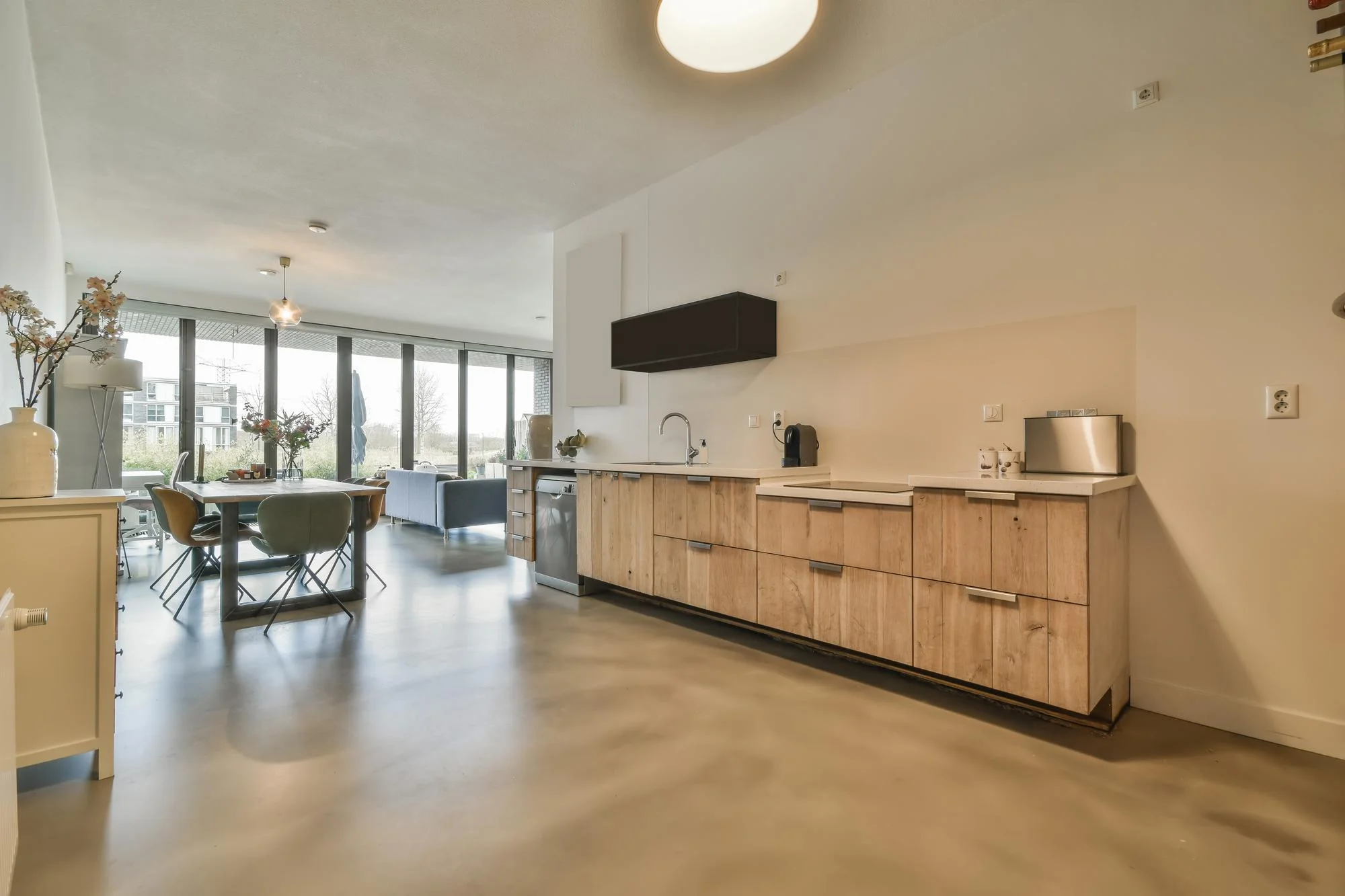
One-Wall Kitchen
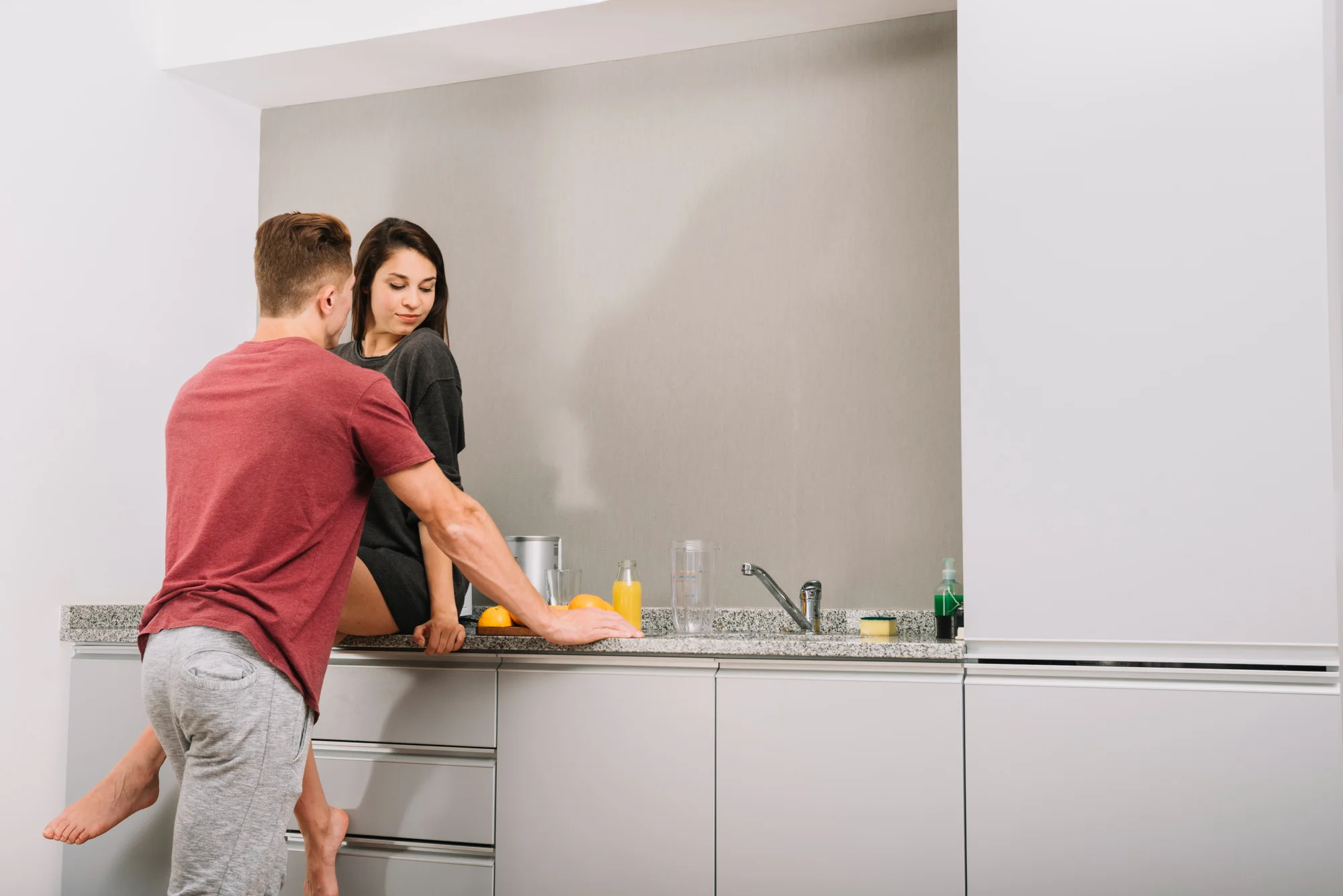
In a one-wall kitchen, all cabinets, appliances, and work areas are placed along a single wall.
This is the most space-saving option and is very common in apartments, studios, or small homes. It keeps everything simple and clean.
To make it work well, smart storage and vertical space are key. Adding an island or dining table can also improve functionality.
Island Kitchen
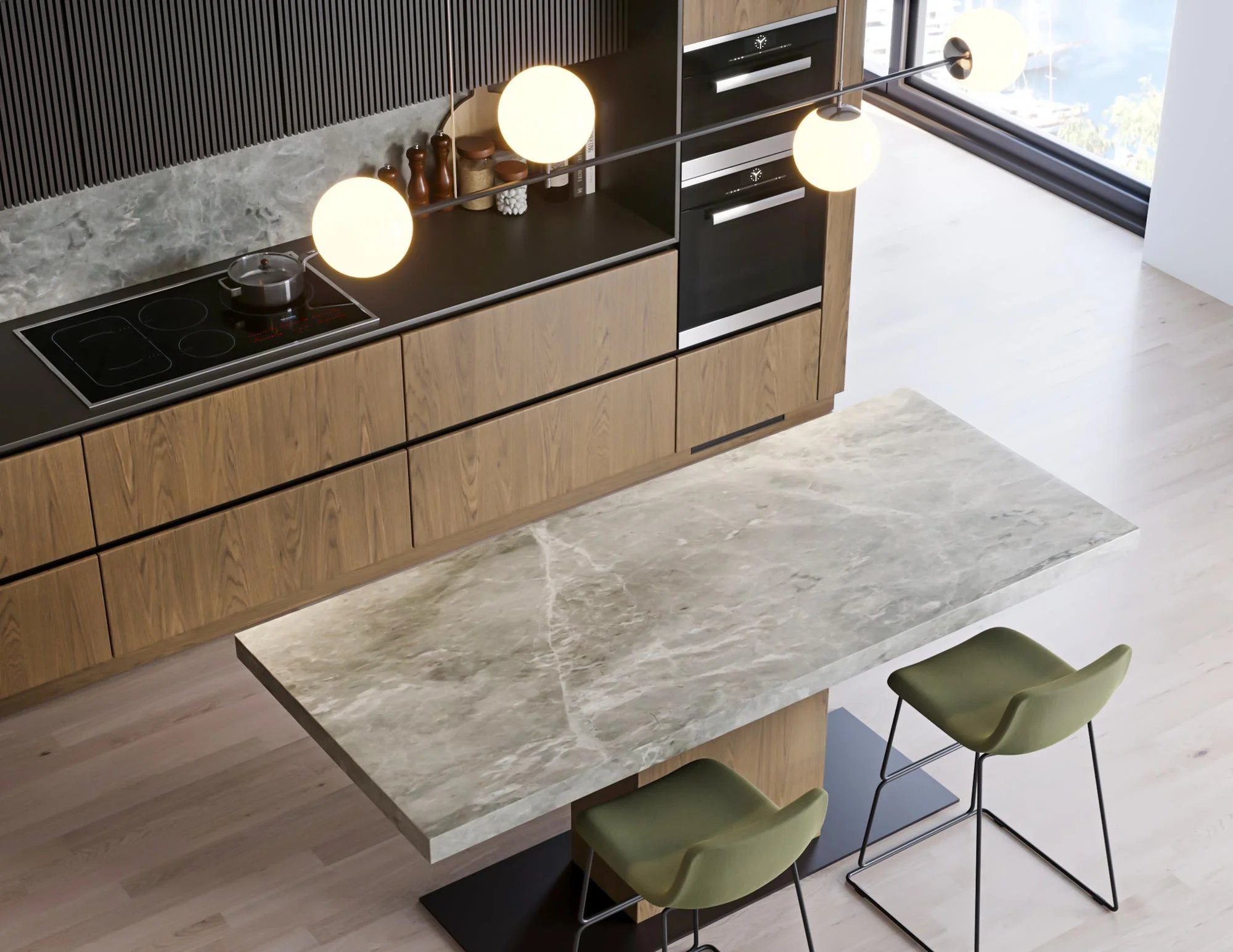
An island kitchen is not a standalone layout but an upgrade to other layouts like L-shape or U-shape. The island adds a central workspace.
It becomes the social hub of the kitchen. You can prep food, cook, and interact with family or guests at the same time.
Islands work best in larger kitchens where there is enough space for movement around all sides.
Peninsula Kitchen
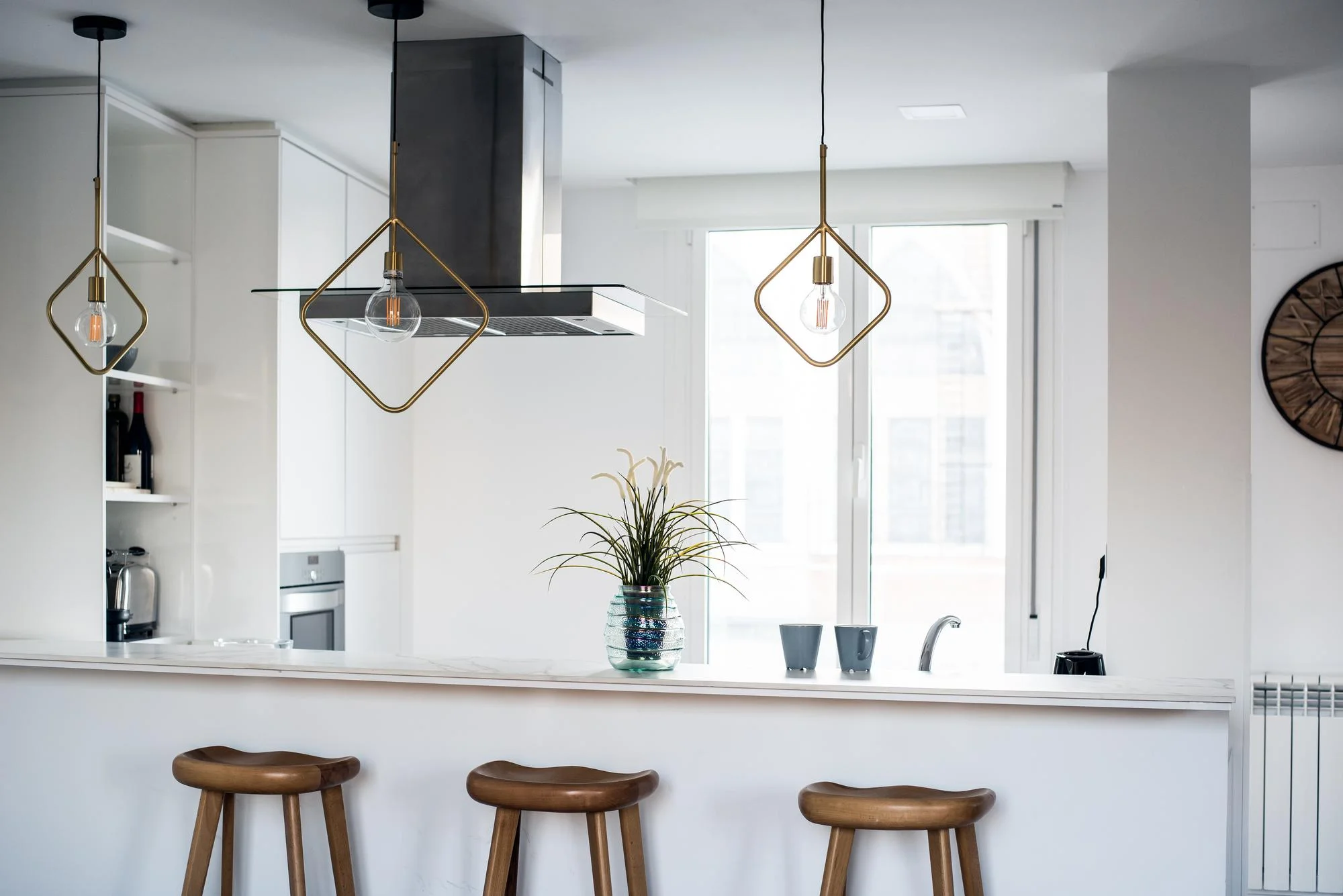
A peninsula kitchen is similar to an island but connected to a wall or cabinet. It extends into the kitchen like a “half island”.
This is a smart solution when you want the benefits of an island but have limited space. It adds extra counter space, storage, and even seating.
It also helps define the kitchen area in open-plan layouts.
G-Shaped Kitchen
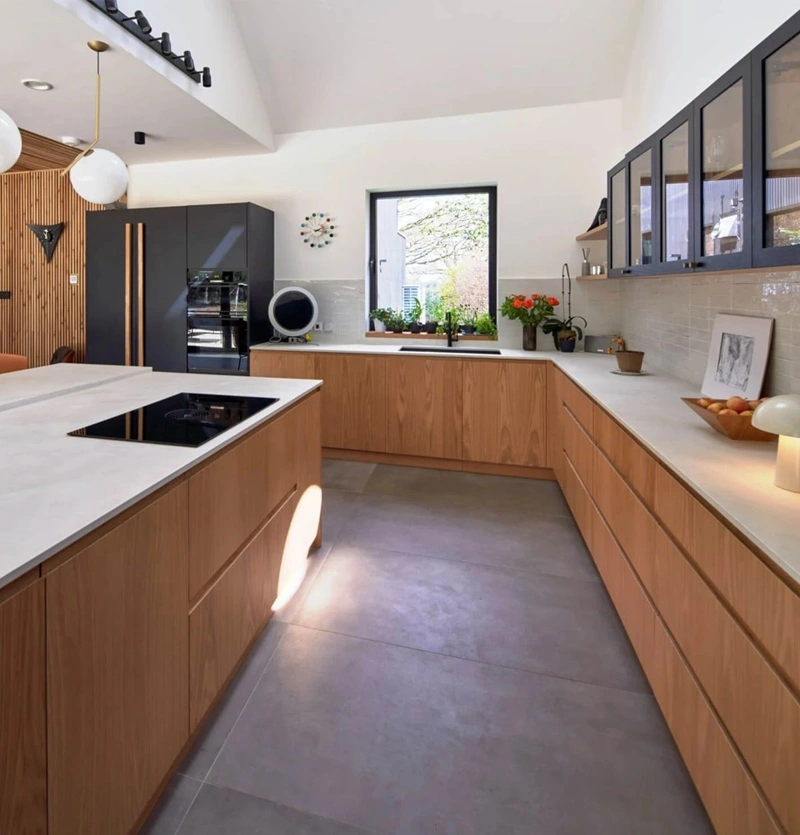
The G-shaped kitchen is an extended version of the U-shape, adding a fourth side or peninsula.
This layout offers maximum storage, counter space, and separation. It’s great for people who cook a lot and need dedicated zones.
However, it can feel more enclosed and requires careful planning to avoid tight walkways.
How to Choose the Right Kitchen Layout
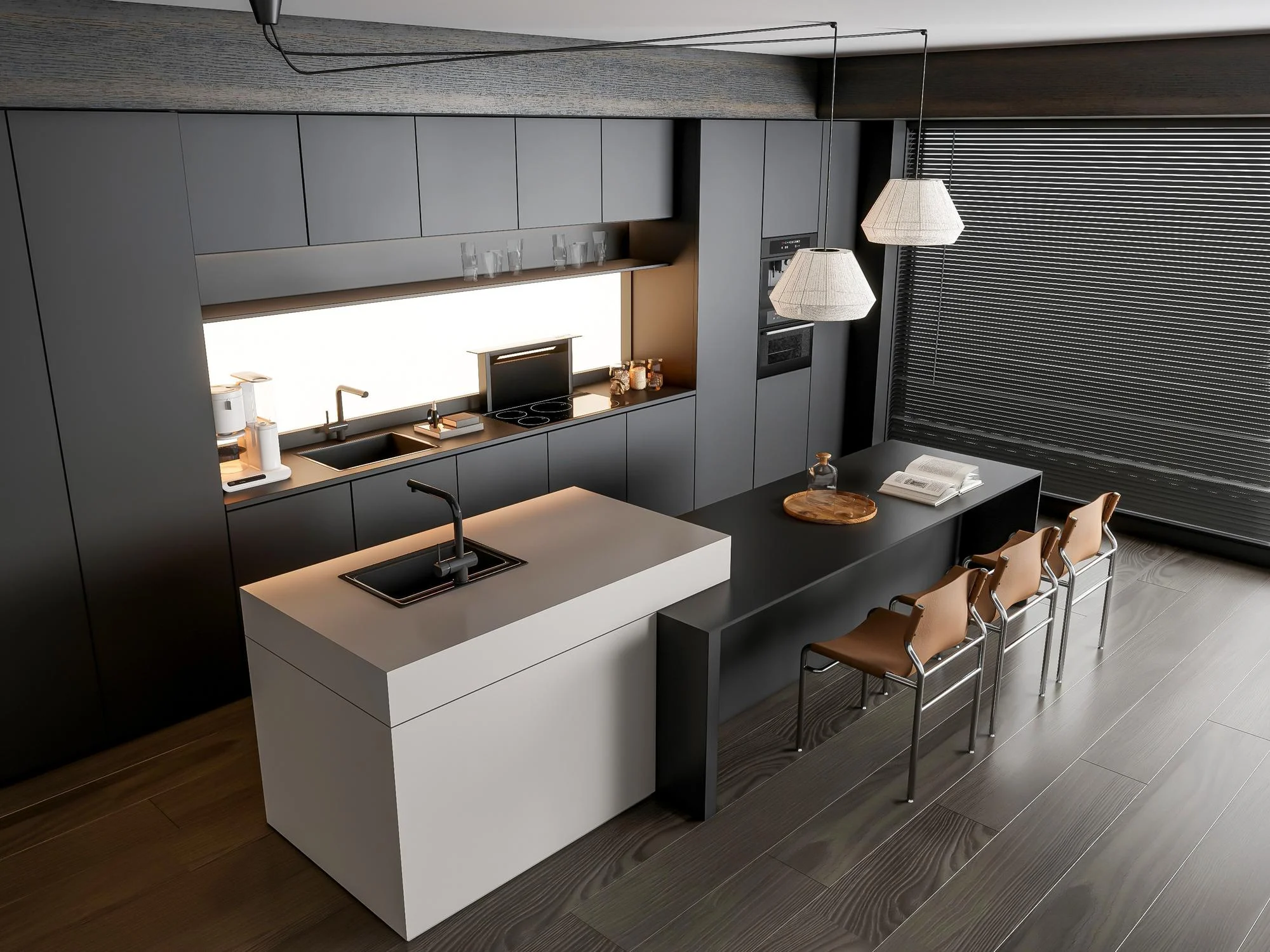
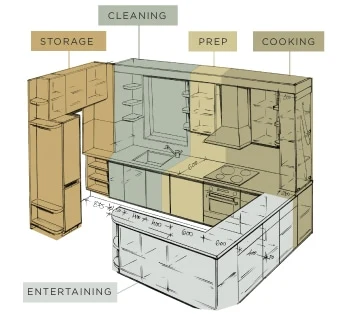
Choosing the right kitchen layout comes down to how you use your space every day. Think practical first, then style.
- Start with your kitchen size: Small kitchens work best with galley or one-wall layouts, while larger spaces can handle islands or U-shapes.
- Match your cooking habits: If you cook often, go for efficient layouts like U-shaped or galley. For light use, L-shaped or open layouts are enough.
- Consider traffic flow: Make sure people can move easily without blocking cooking areas. This is key in busy households.
- Think about storage needs: More cooking means more storage. Choose layouts with enough cabinets and workspace.
- Plan for lifestyle: If you love hosting, add an island or peninsula for social interaction.
The best layout fits your space, supports your routine, and feels natural to use every day.

 English
  Arabic
  Spanish
  Japanese
  Russian
  Korean
  French
  Italian