

10+ Small Kitchen Design Ideas
Looking to make a small kitchen feel bigger, brighter, and more functional? The right design choices can completely transform your space. Here are smart, modern ideas that actually work in real homes:
1. Use Light Colors to Open Up Space
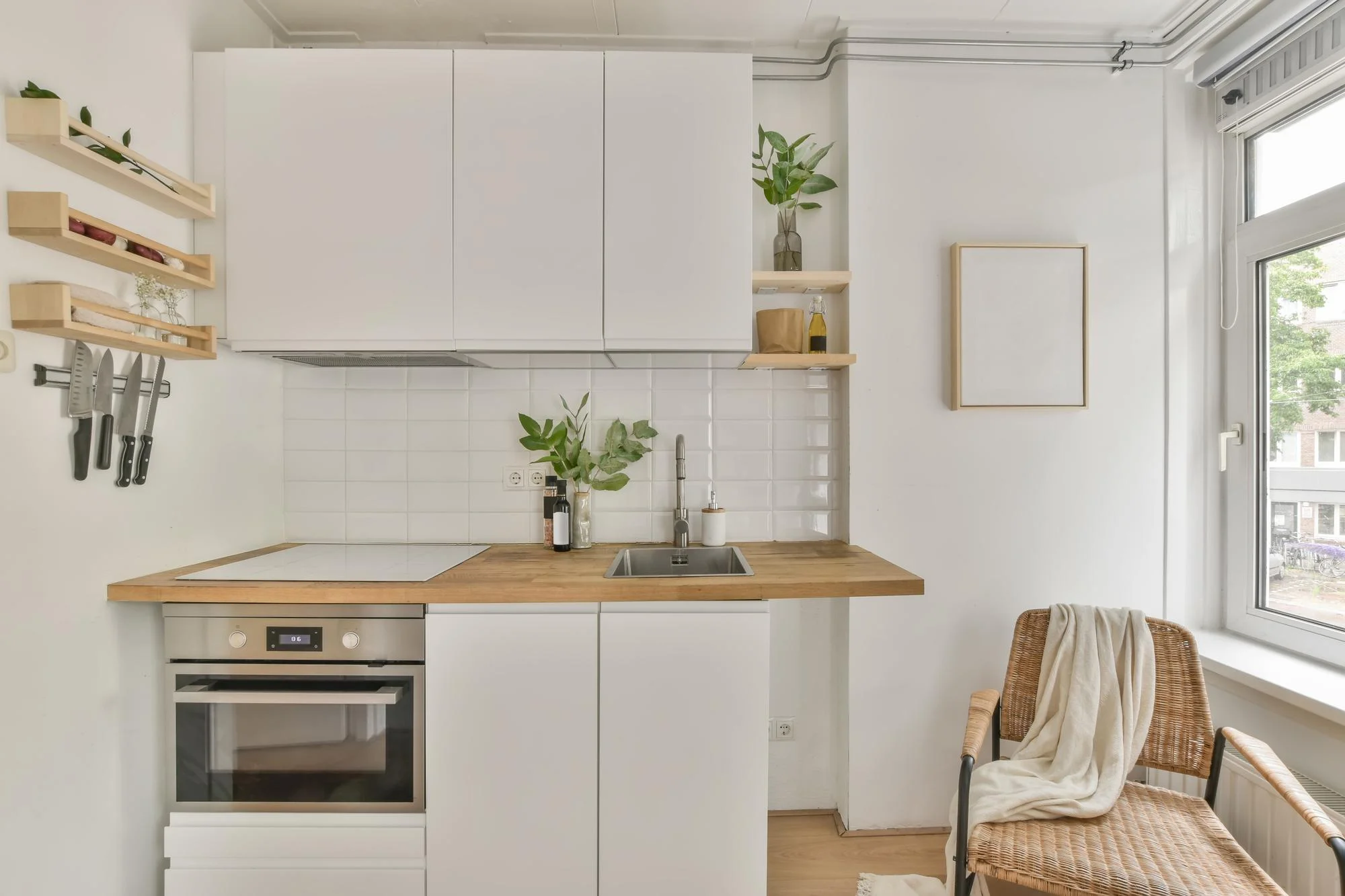
Light colors like white, cream, or soft gray help reflect natural light and make your kitchen feel larger. They create a clean, open look that reduces visual clutter. If you want a bit more style, add subtle contrast through hardware or backsplash instead of dark cabinets.
2. Maximize Vertical Storage
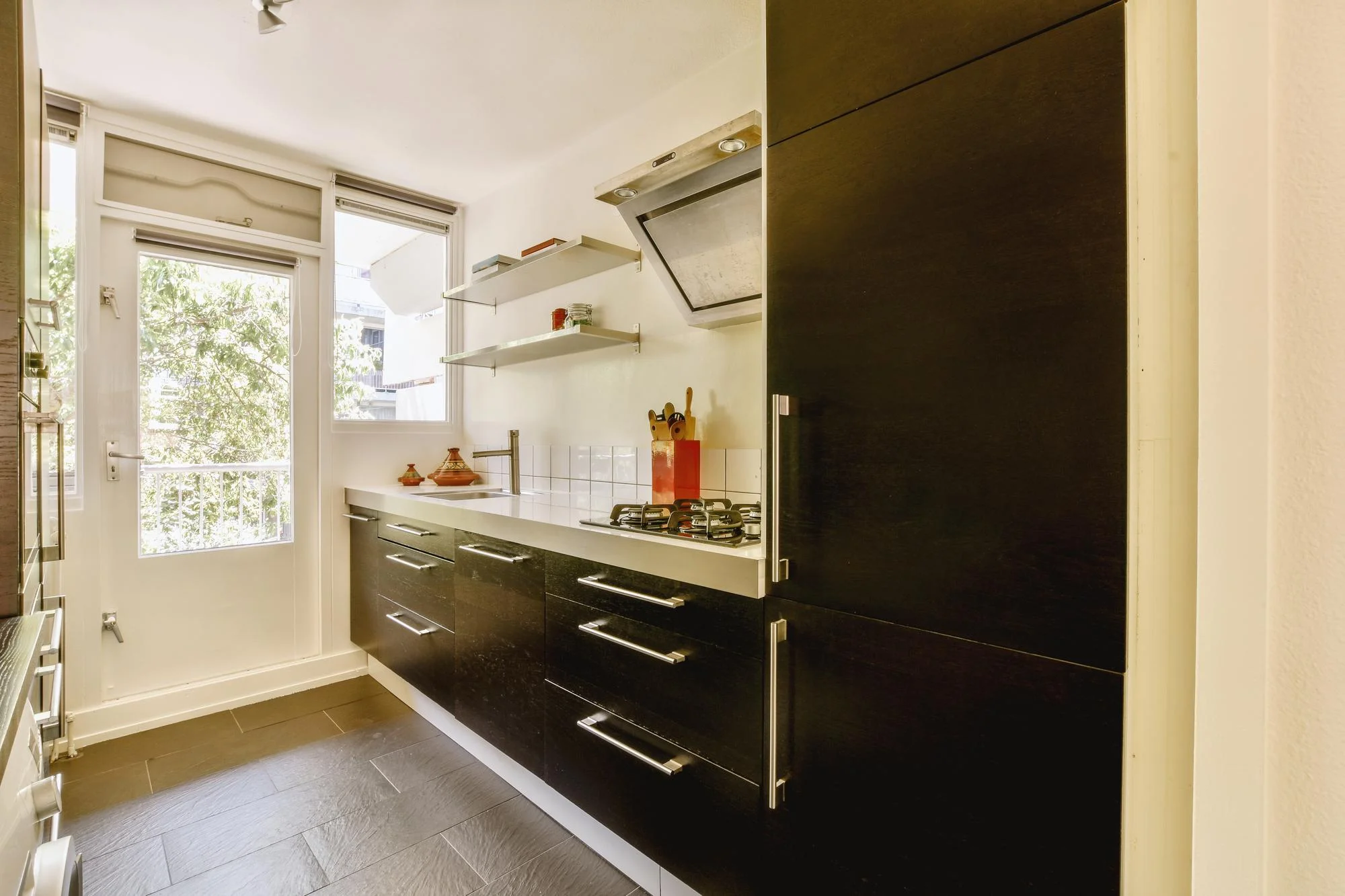
When floor space is limited, go up. Full-height cabinets, tall pantry units, and wall-mounted shelves help you use every inch efficiently. This keeps your kitchen organized while freeing up valuable counter space for daily use.
3. Choose Compact or Built-In Appliances
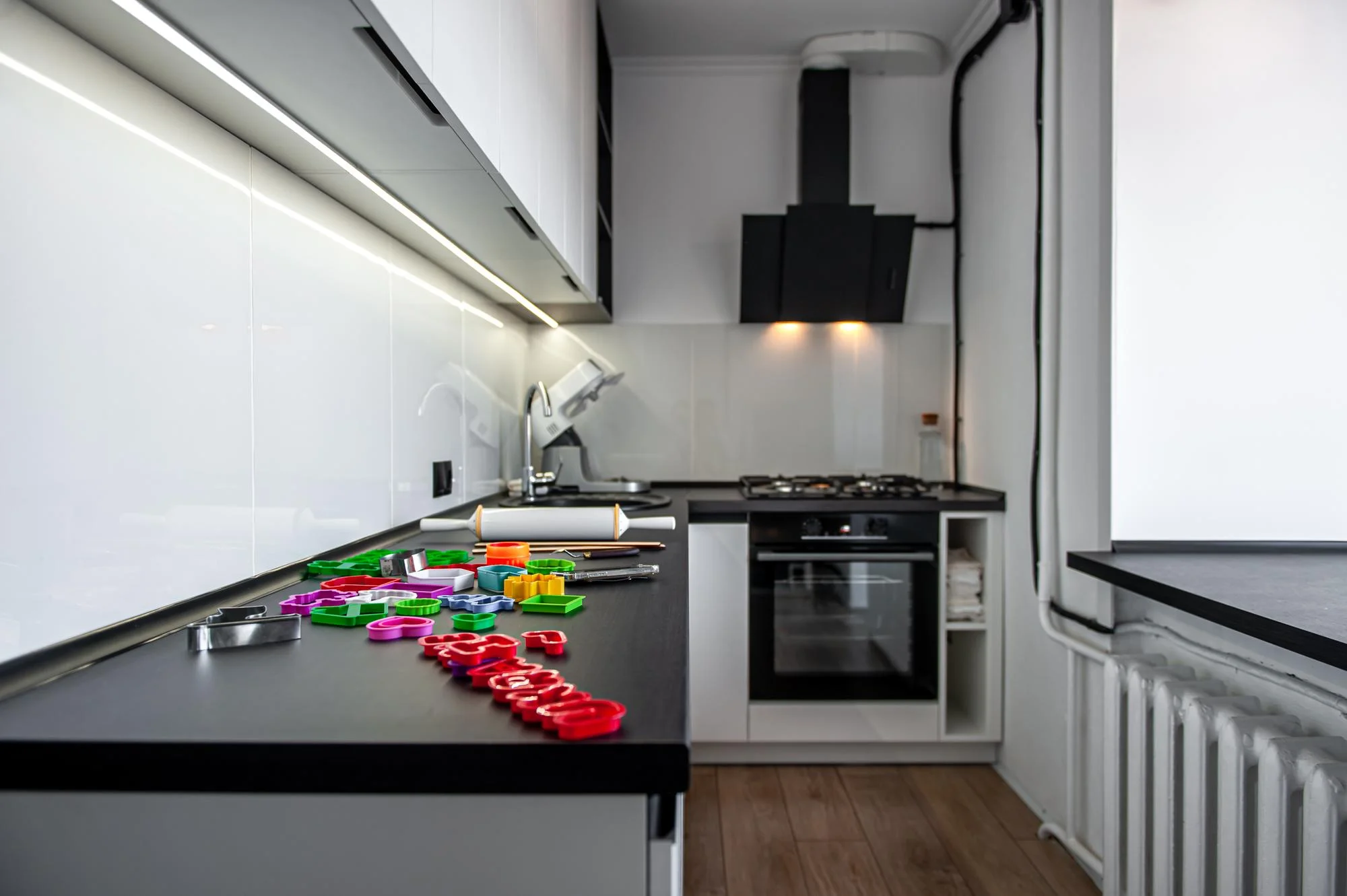
Small kitchens benefit from slim, space-saving appliances. Built-in ovens, under-counter fridges, and integrated dishwashers create a seamless look and improve workflow. Everything fits better—and feels less crowded.
4. Add a Rolling Kitchen Island
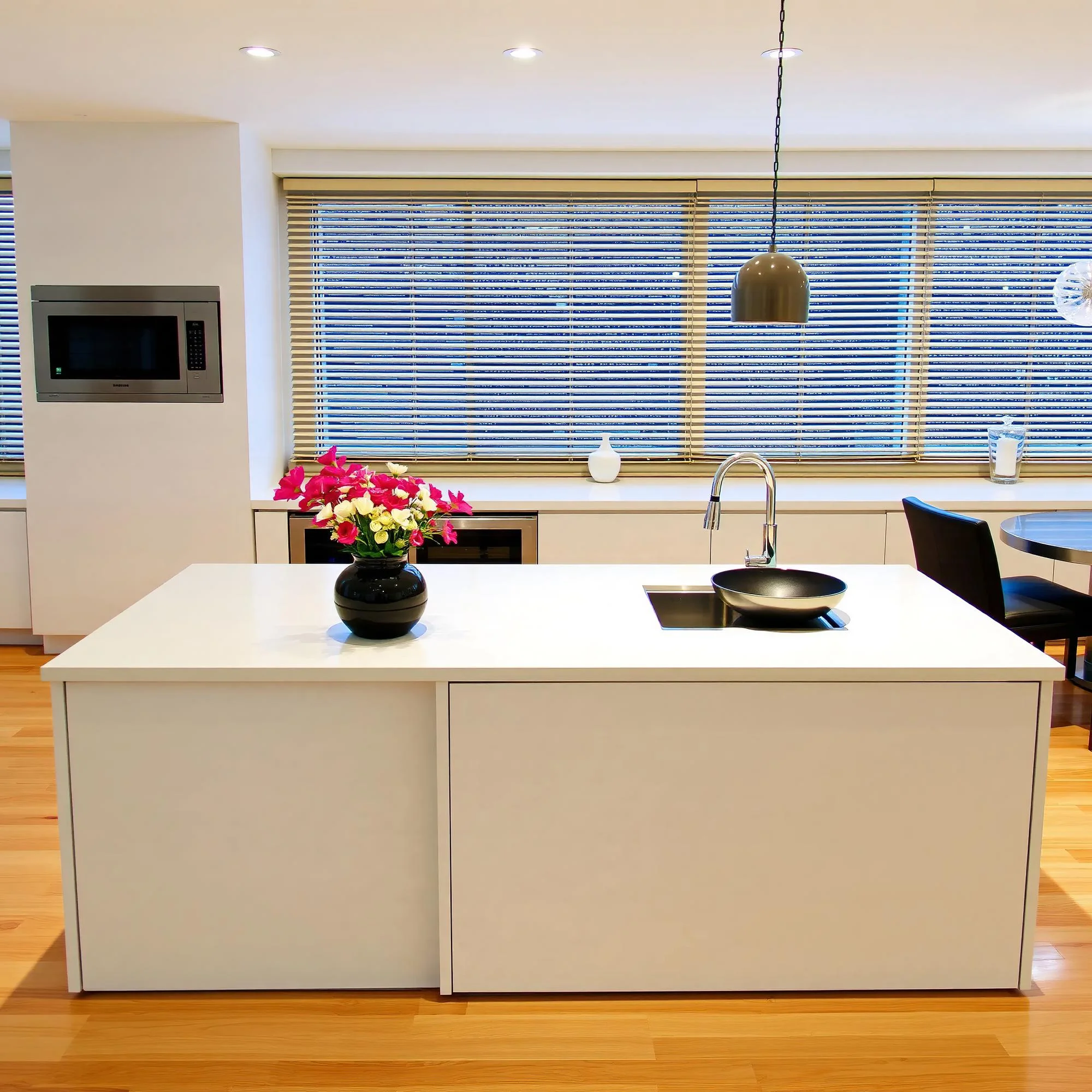
A rolling island gives you extra prep space without making the kitchen feel tight. You can move it when needed or tuck it away when not in use. It’s a flexible solution that works especially well in apartments or narrow kitchens.
5. Use Open Shelving Carefully
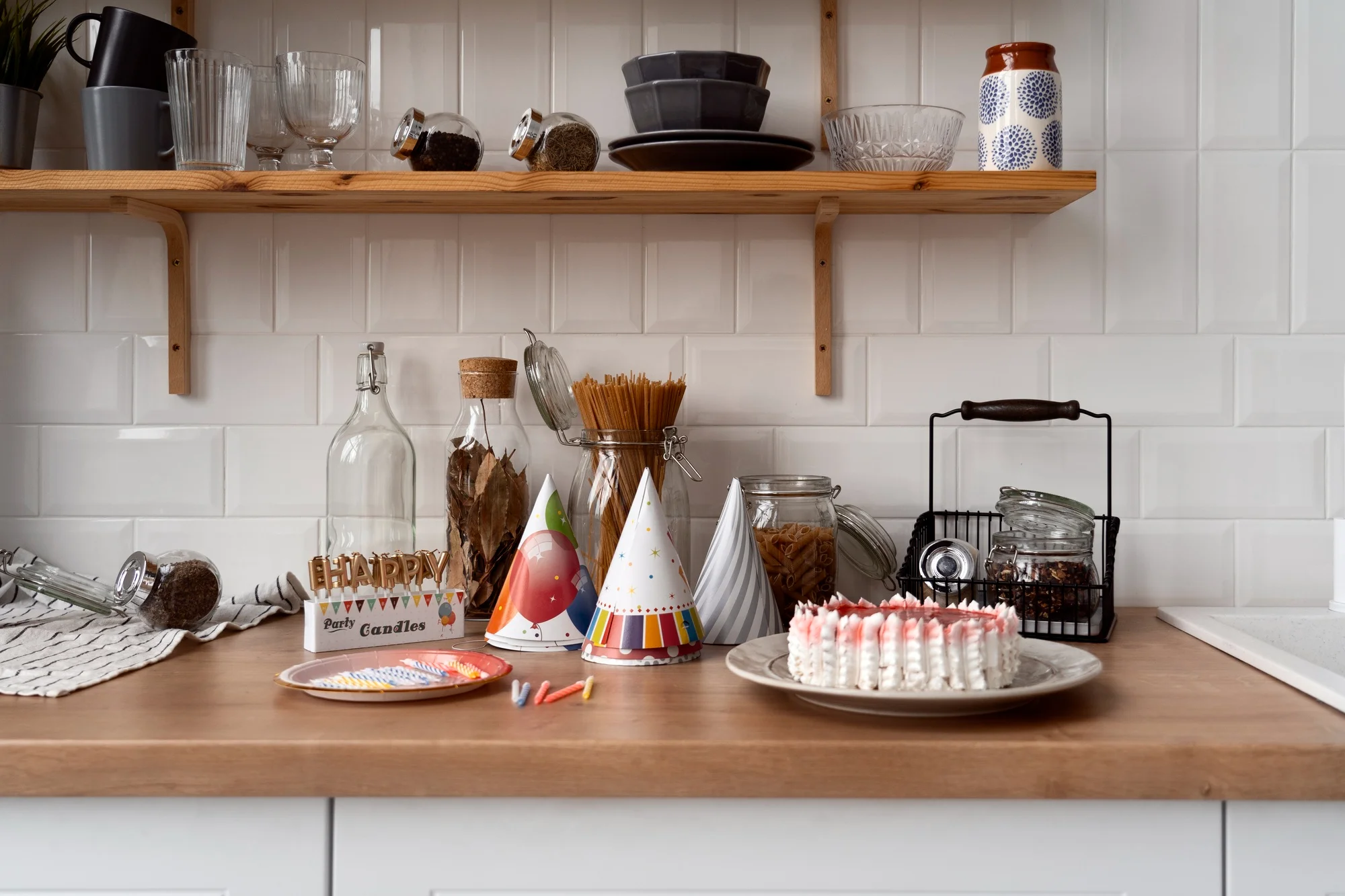
Open shelves can make a kitchen feel more airy and open—but only when styled right. Keep items minimal and organized. Display everyday essentials like plates or jars to combine function with a clean, modern look.
6. Keep a Minimalist Design
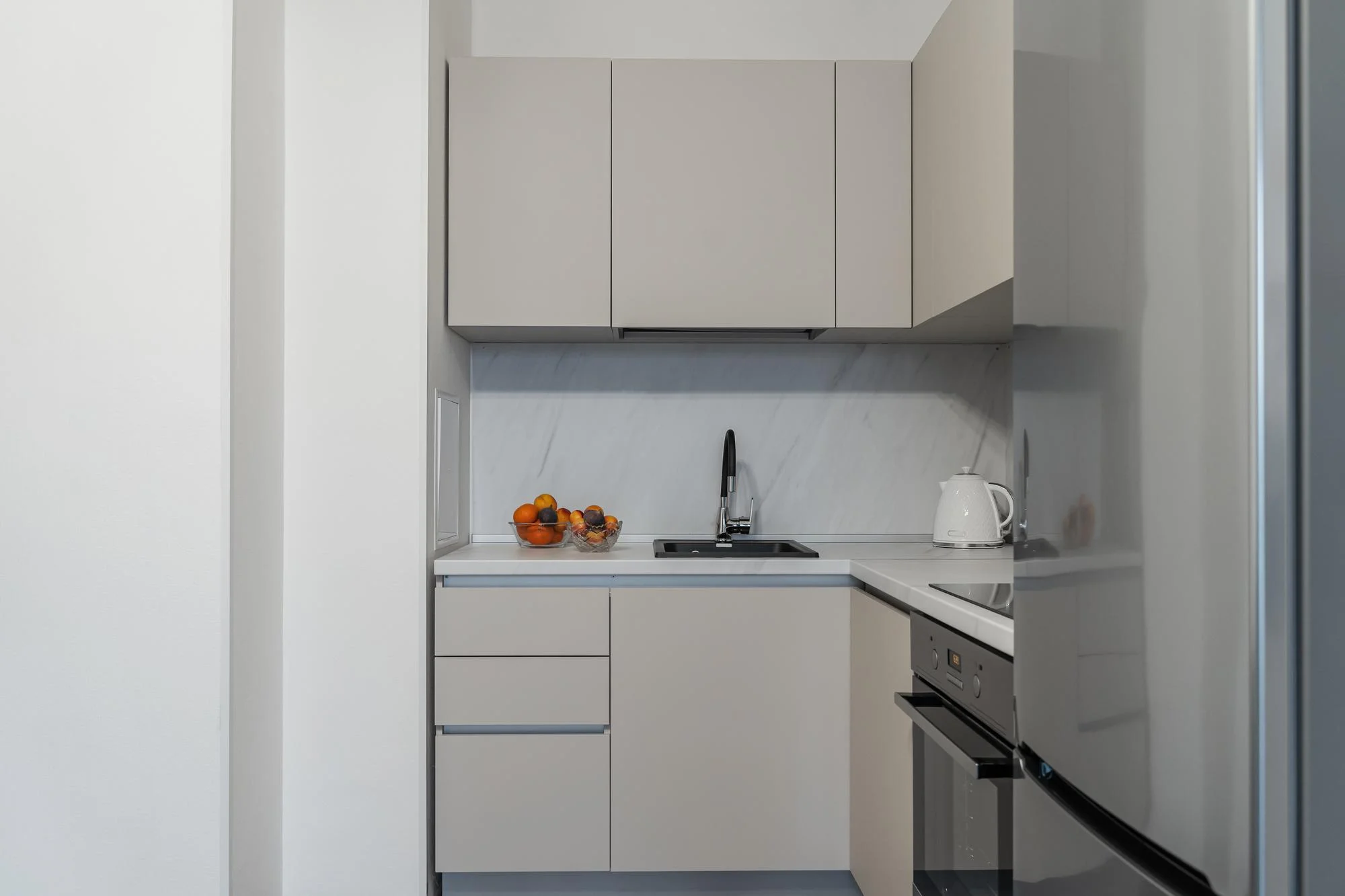
In a small kitchen, less is more. Too many items on counters or open areas can quickly make the space feel crowded. Focus on essentials only and keep surfaces clean. A simple, uncluttered design helps your kitchen feel calm, organized, and visually larger.
7. Install Under-Cabinet Lighting
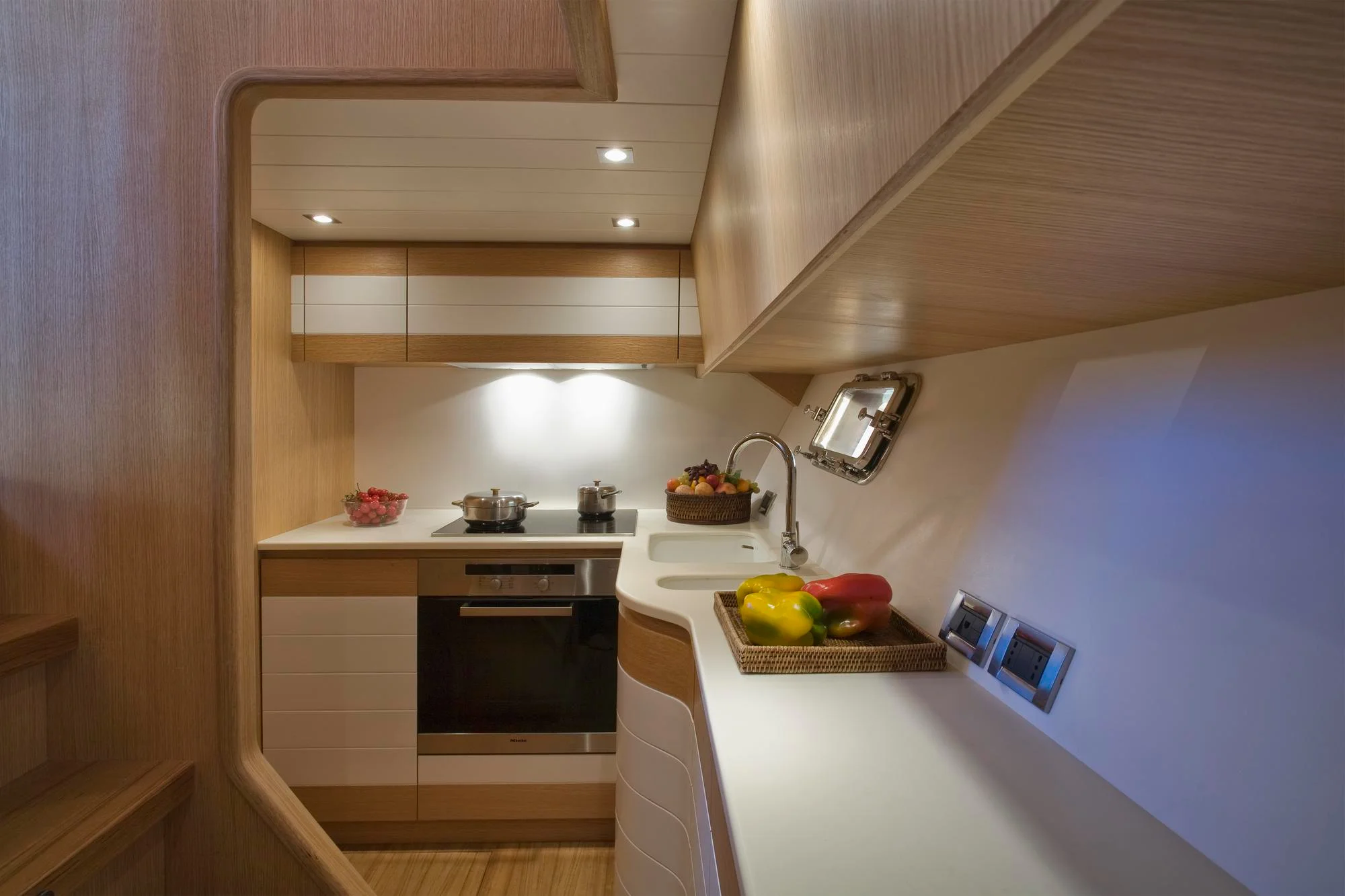
Good lighting makes a big difference. Under-cabinet lights brighten your workspace and remove shadows, making the kitchen feel more open. They also add a modern touch and improve both function and atmosphere.
8. Create a Continuous Backsplash
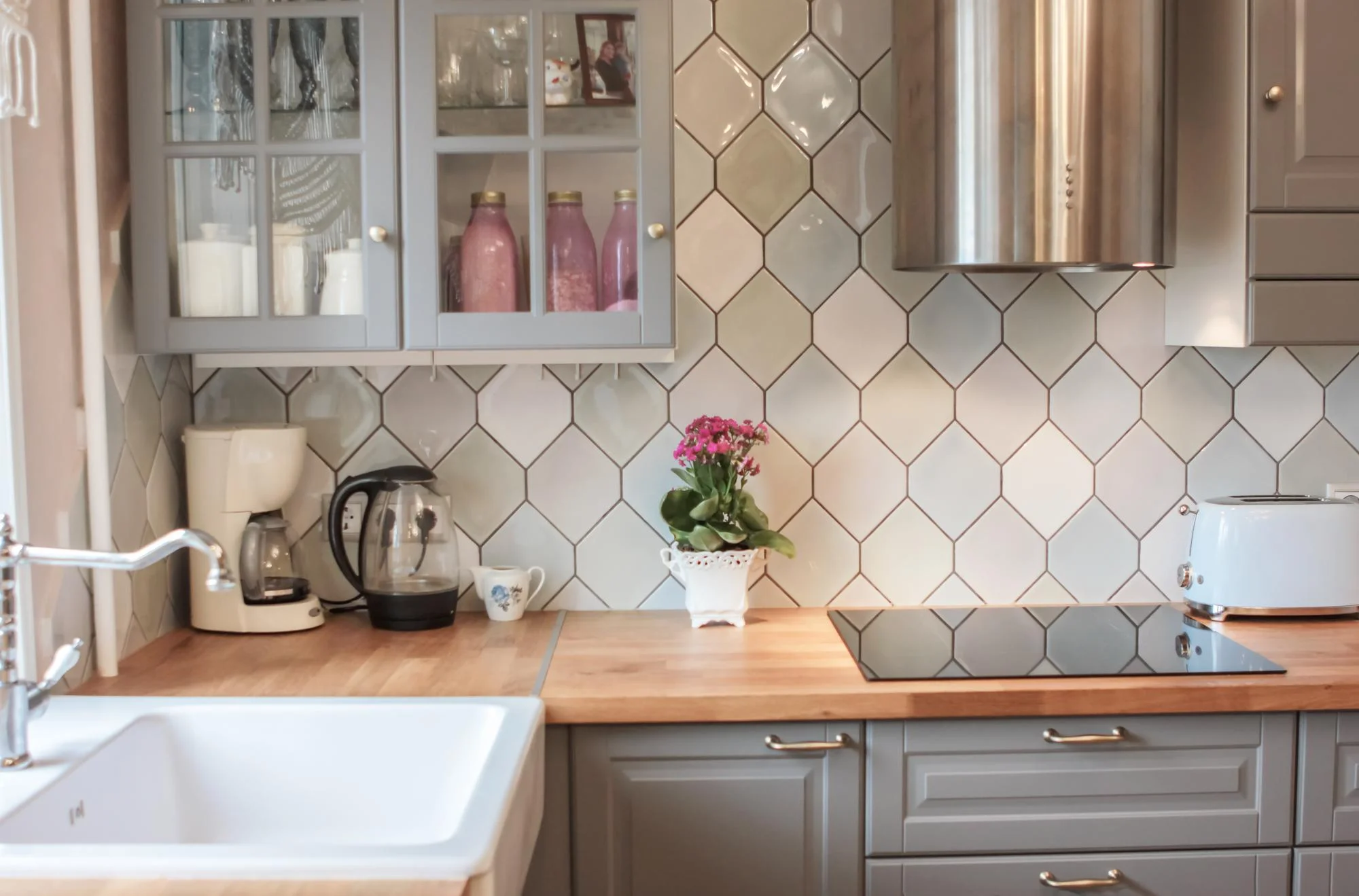
A seamless backsplash design helps the kitchen look bigger. When there are fewer visual breaks, the walls appear longer and more connected. Use large tiles or a single material for a clean, modern effect.
9. Add Reflective Surfaces
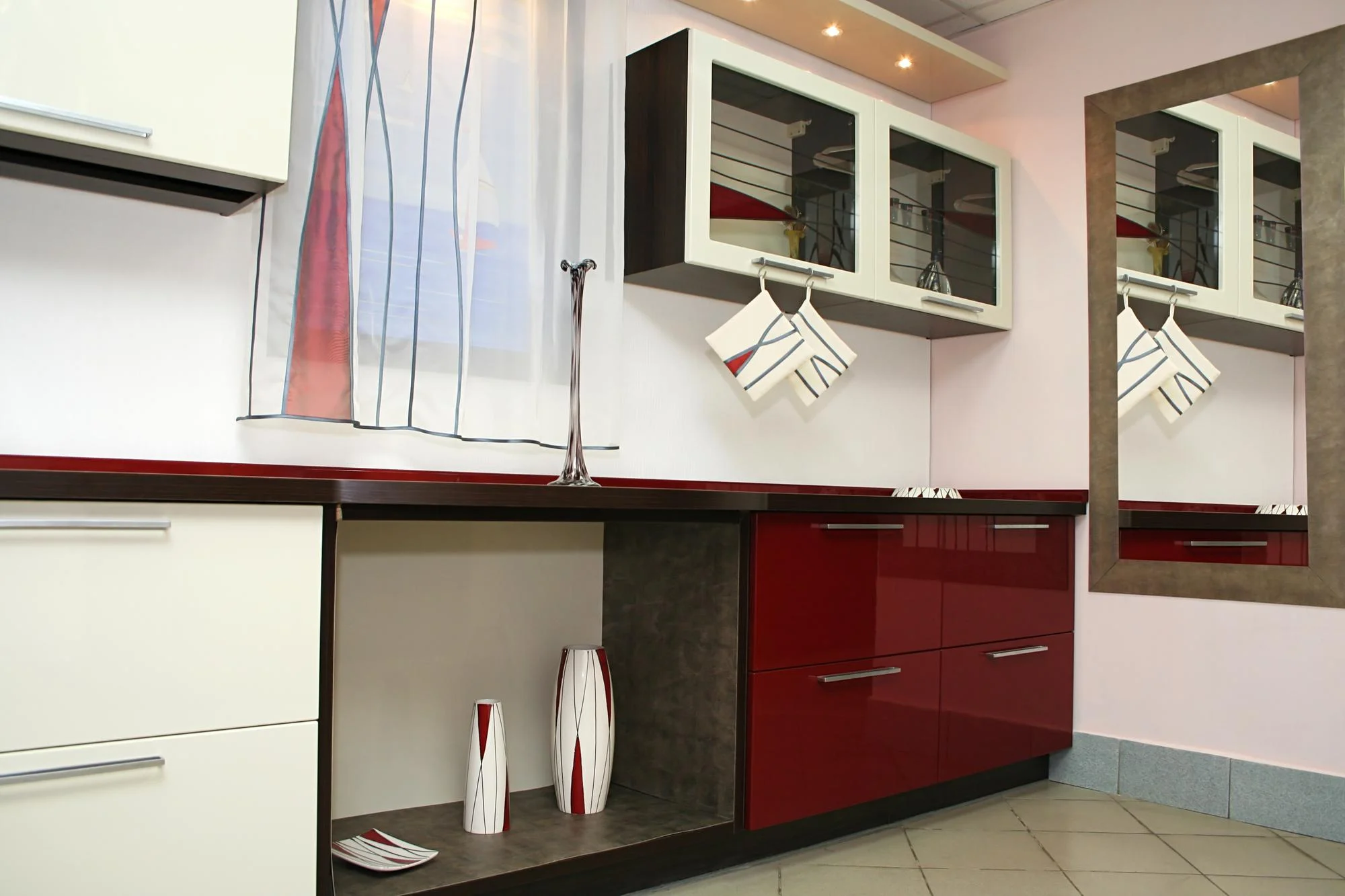
Glossy cabinets, glass fronts, and polished finishes reflect light around the room. This creates a brighter, more open feel. Even small touches—like a shiny backsplash or metallic accents—can make a noticeable difference.
10. Use Galley or One-Wall Layout
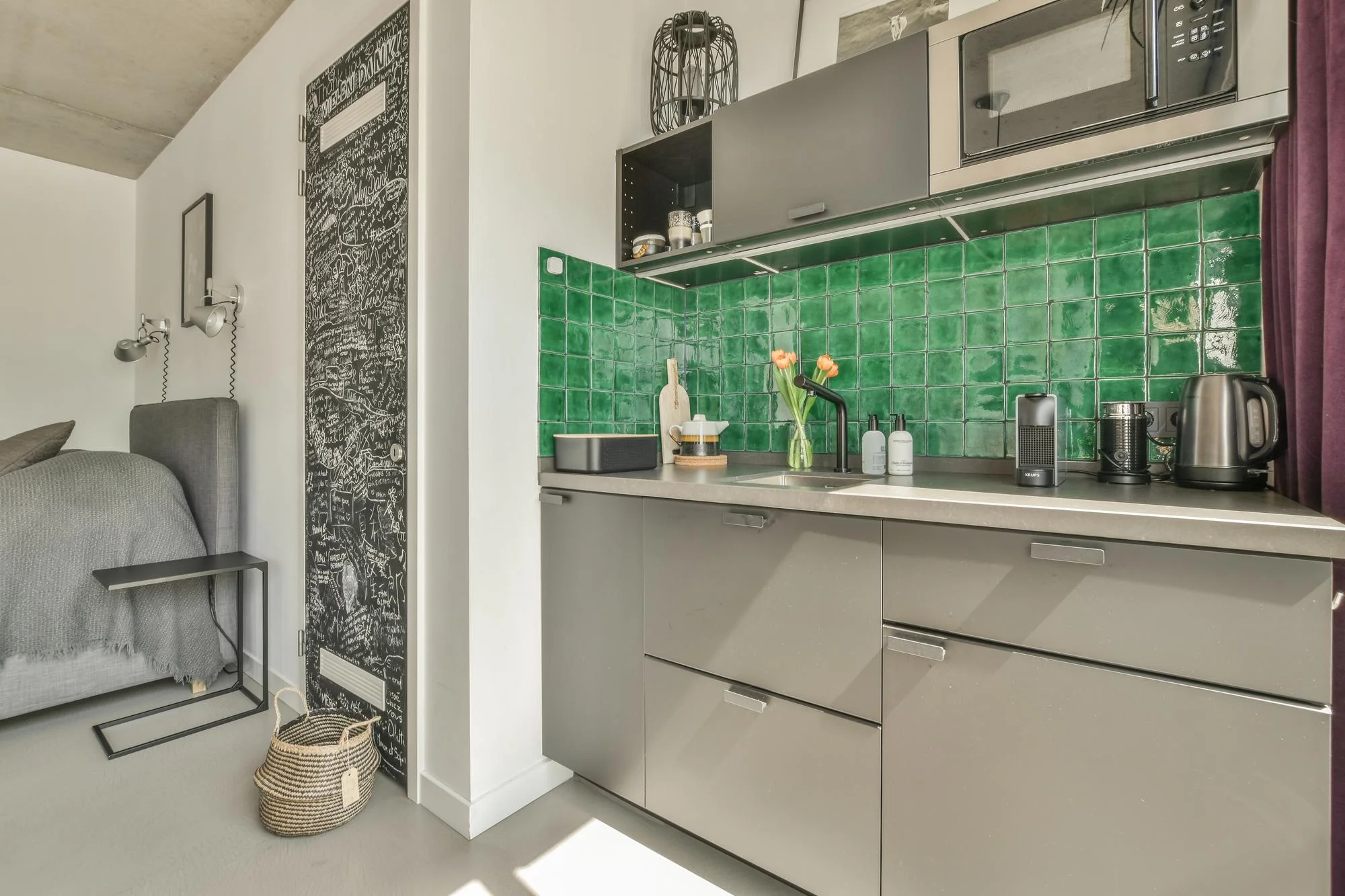
Smart layout is key in small kitchens. A galley kitchen keeps everything within easy reach, while a one-wall layout saves space and opens up the room. Both designs improve flow and make cooking more efficient.
Best Small Kitchen Layout Types
Choosing the right layout is the foundation of a functional small kitchen. A smart layout improves flow, saves space, and makes everyday cooking easier. Here are the best options to consider:
One-Wall Kitchen
A one-wall kitchen places all cabinets, appliances, and workspace along a single wall. It’s perfect for studios or very small homes where space is limited. This layout keeps everything simple, open, and easy to navigate while leaving room for dining or living areas.
Galley Kitchen
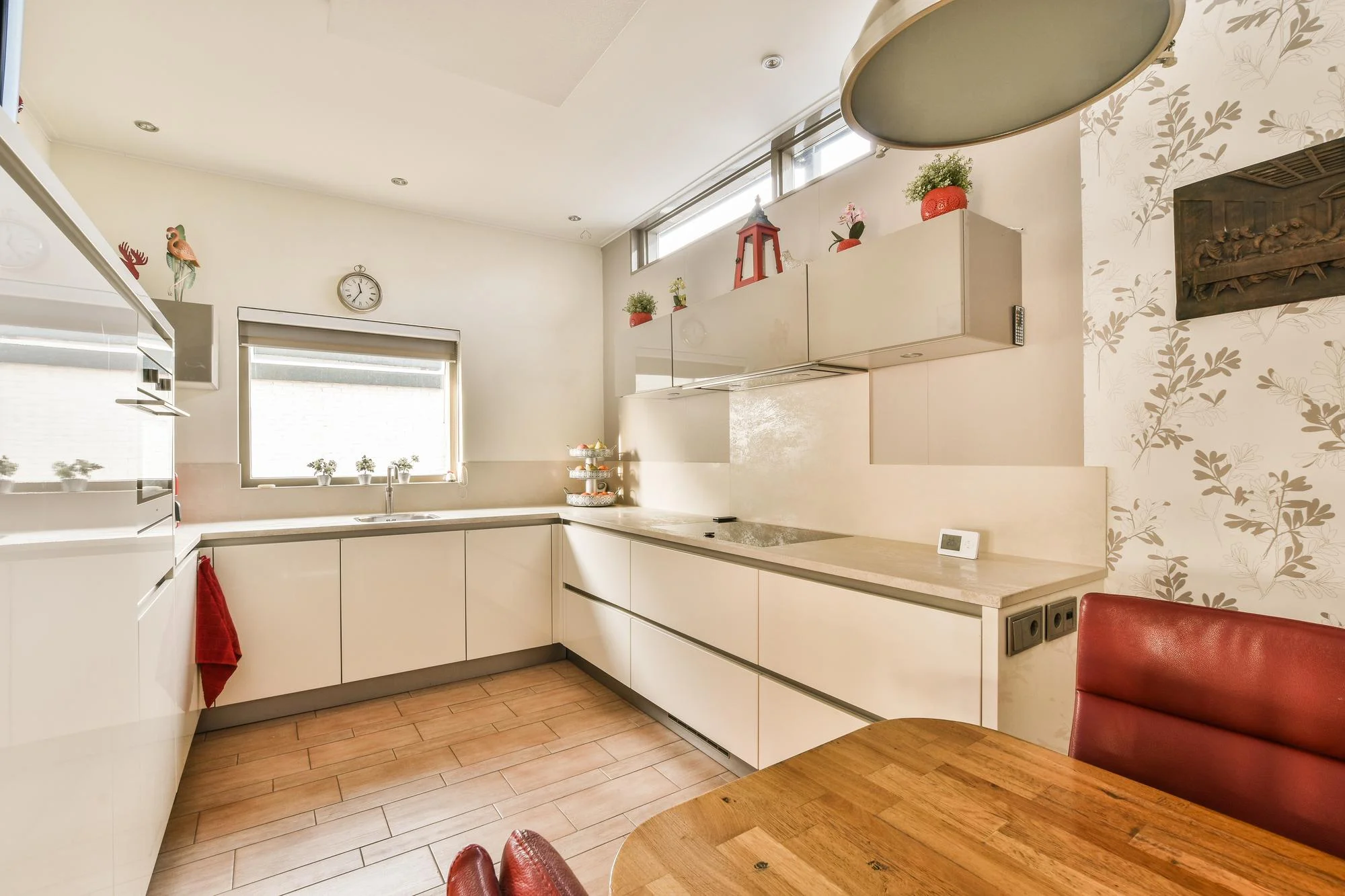
A galley kitchen uses two parallel walls, creating a compact and highly efficient workspace. It’s one of the best layouts for cooking because everything is within reach. This design maximizes workflow and is ideal for narrow spaces.
L-Shaped Kitchen
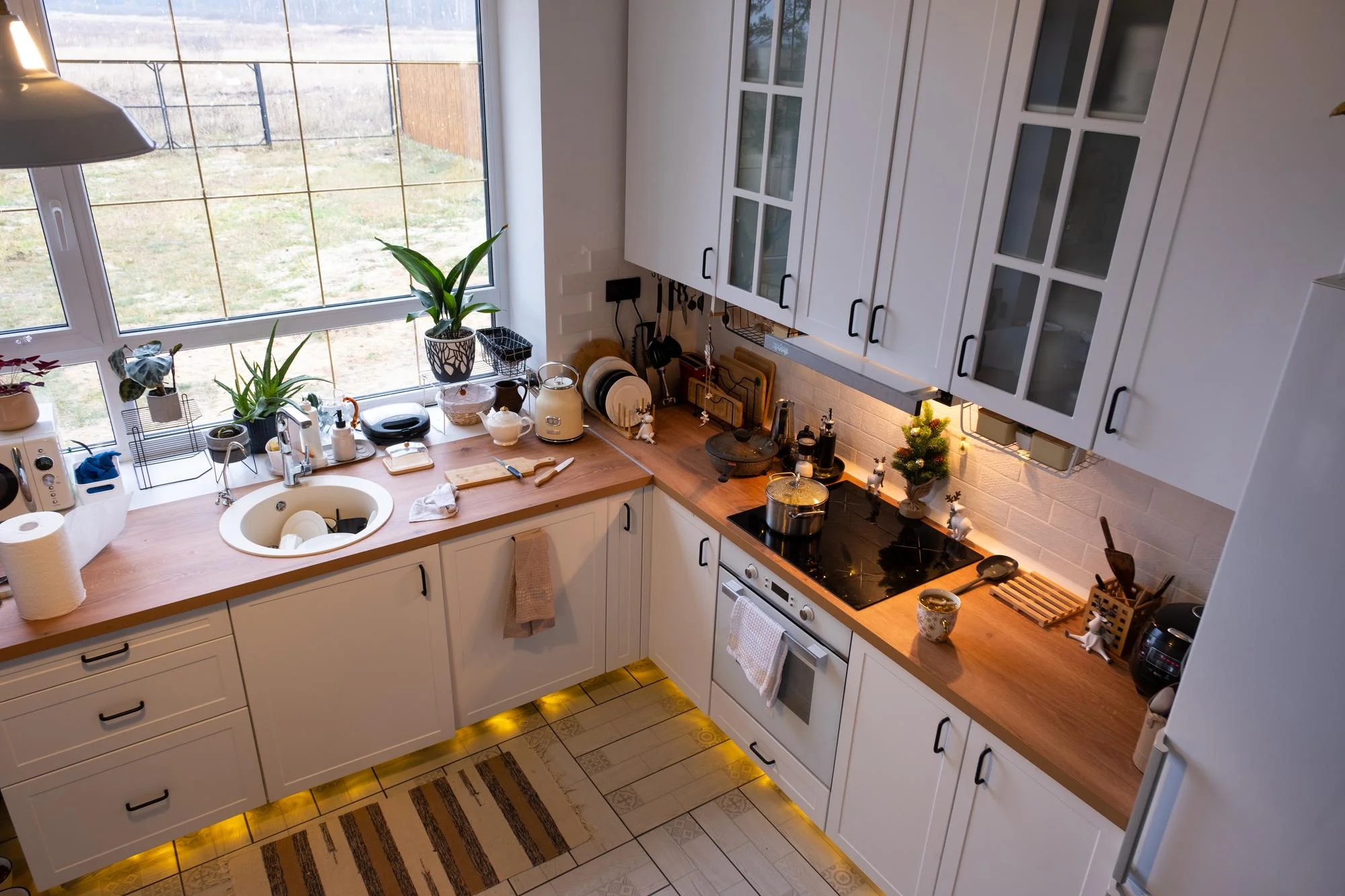
An L-shaped kitchen uses two connected walls to create more flexibility. It opens up the room while still offering enough storage and counter space. This layout is great if you want to add a small dining area or improve movement flow.
Small Kitchen Color & Lighting Tips
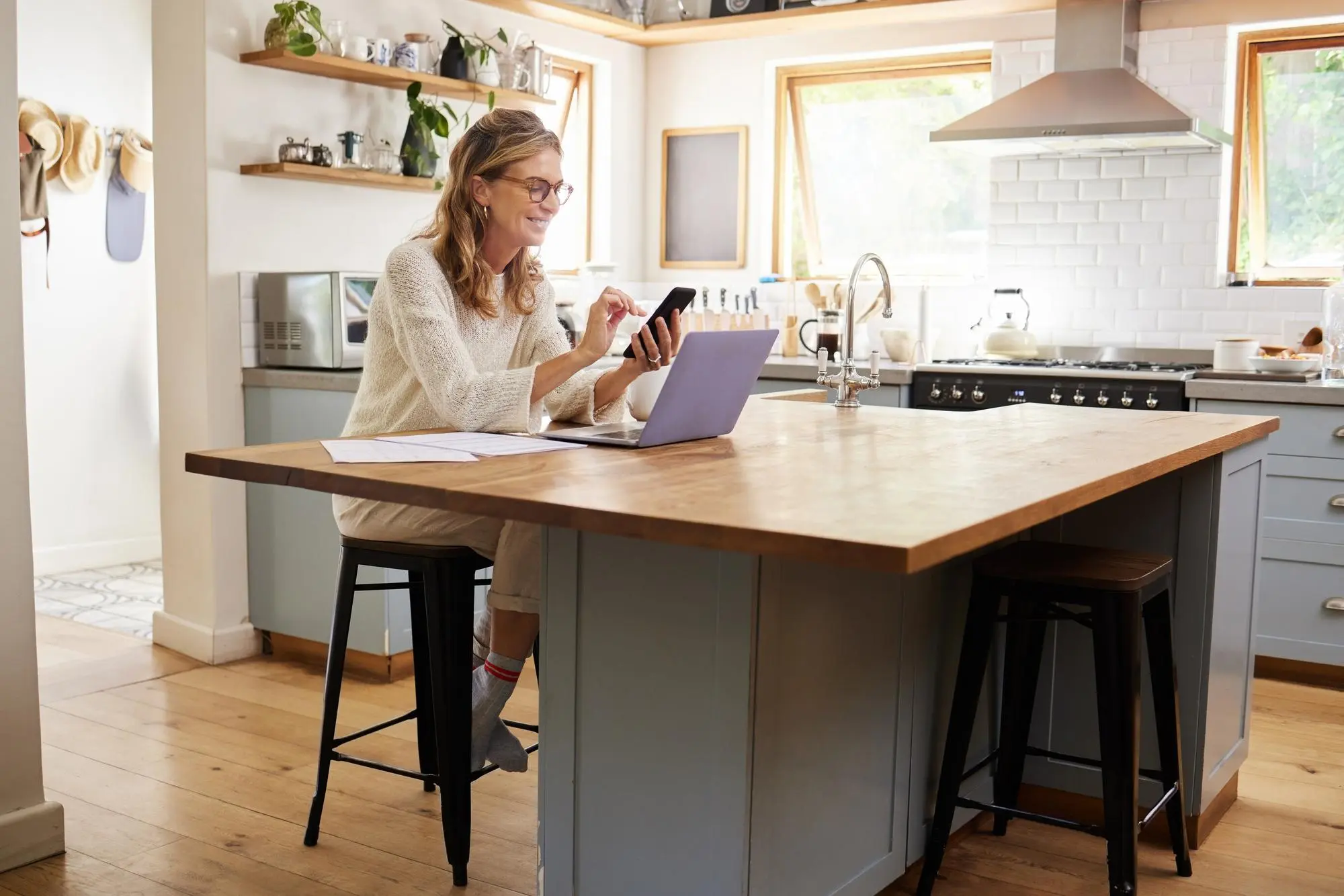
To make your small kitchen feel bigger and brighter, the right color and lighting choices matter just as much as layout. Here are some practical tips you can apply easily:
- Use light, neutral colors
Shades like white, beige, or soft gray reflect light and make the space feel more open. - Add layered lighting
Combine ceiling lights, under-cabinet lighting, and task lighting for better visibility and depth. - Stick to a consistent color palette
Too many colors can feel busy. Keeping tones consistent creates a clean, unified look. - Use glossy or reflective finishes
Shiny cabinets, tiles, or glass surfaces help bounce light around the room. - Maximize natural light
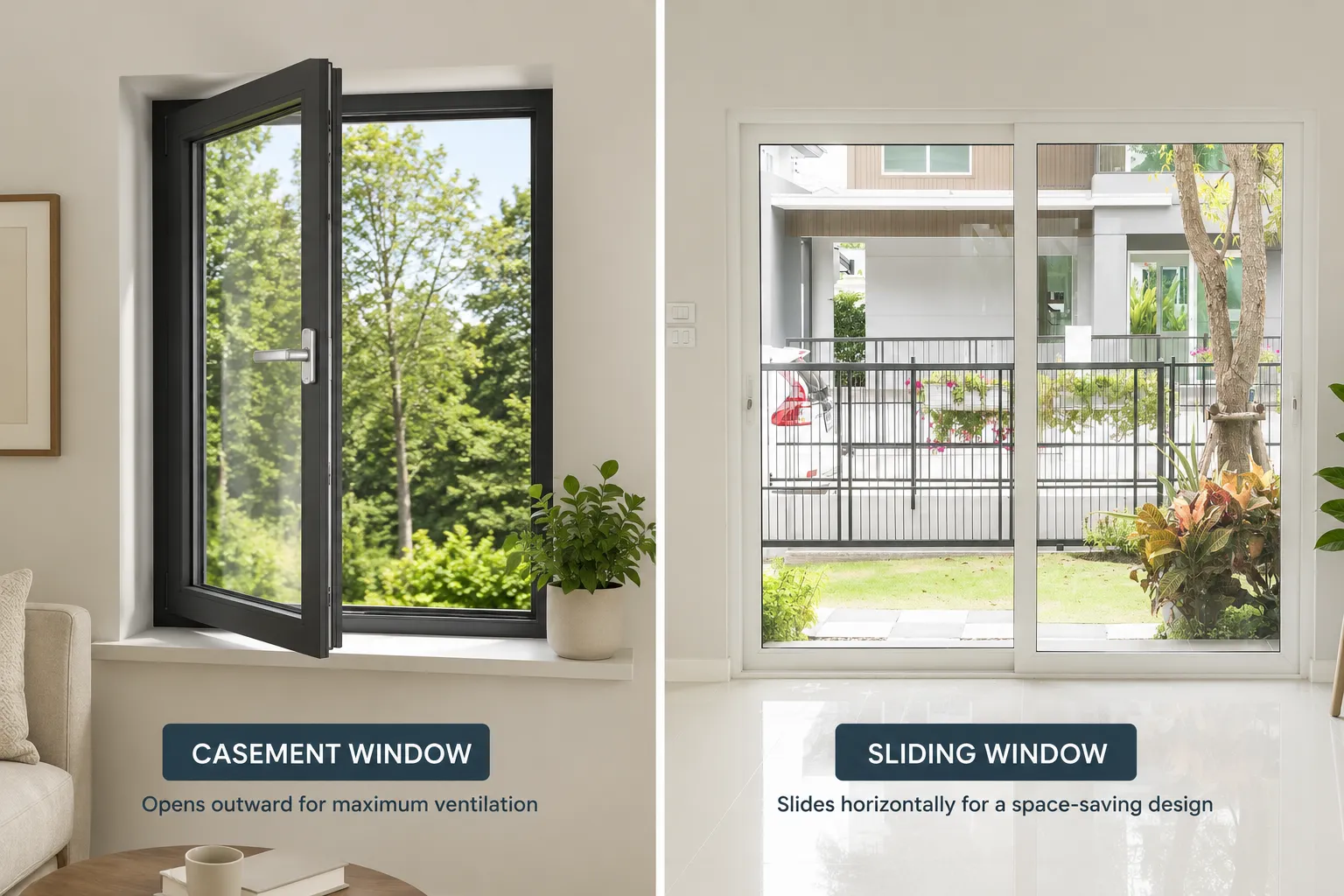
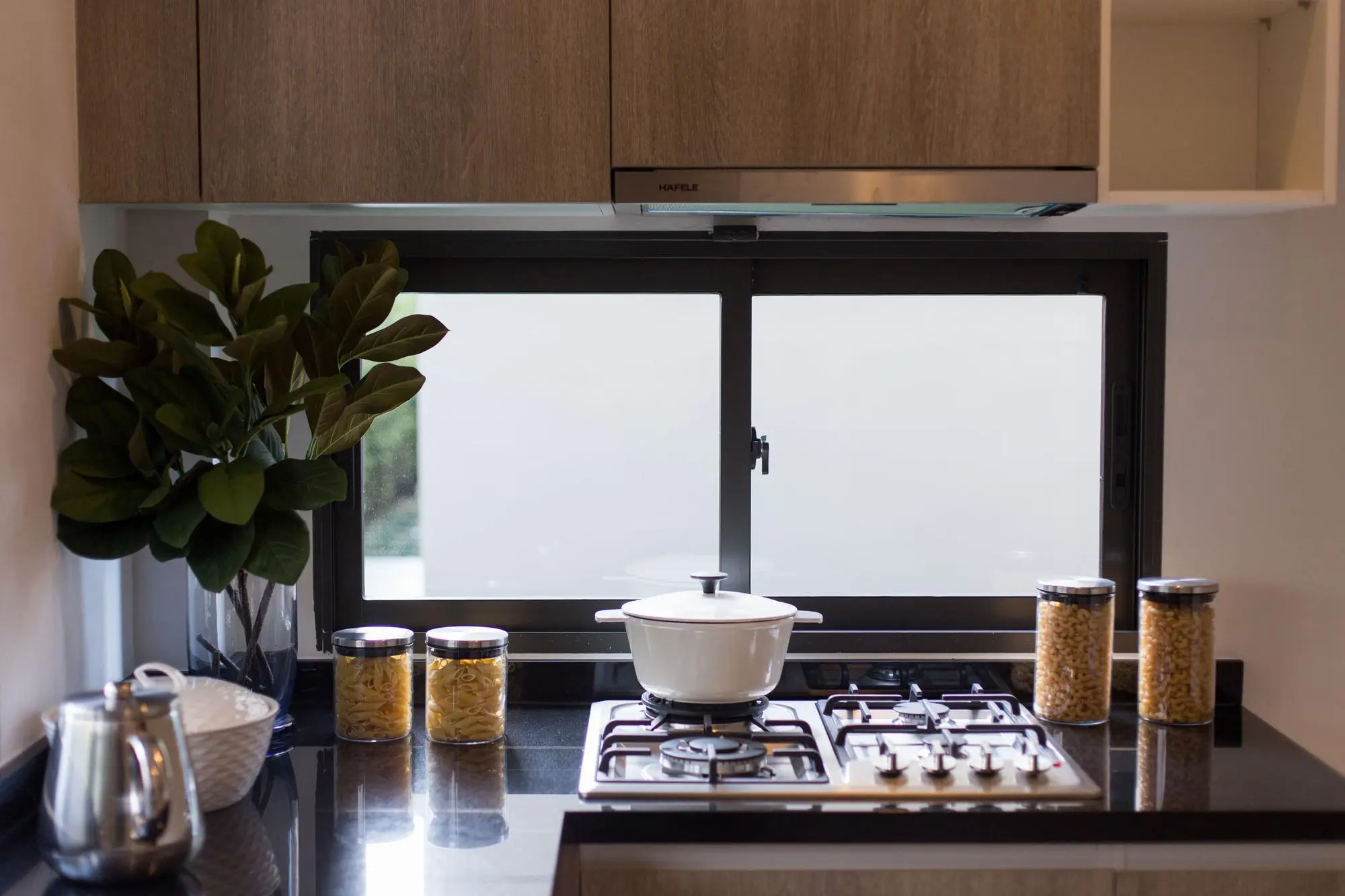
Keep windows clear and avoid heavy curtains to let in as much daylight as possible.


 English
  Arabic
  Spanish
  Japanese
  Russian
  Korean
  French
  Italian