

TV Size by Viewing Distance
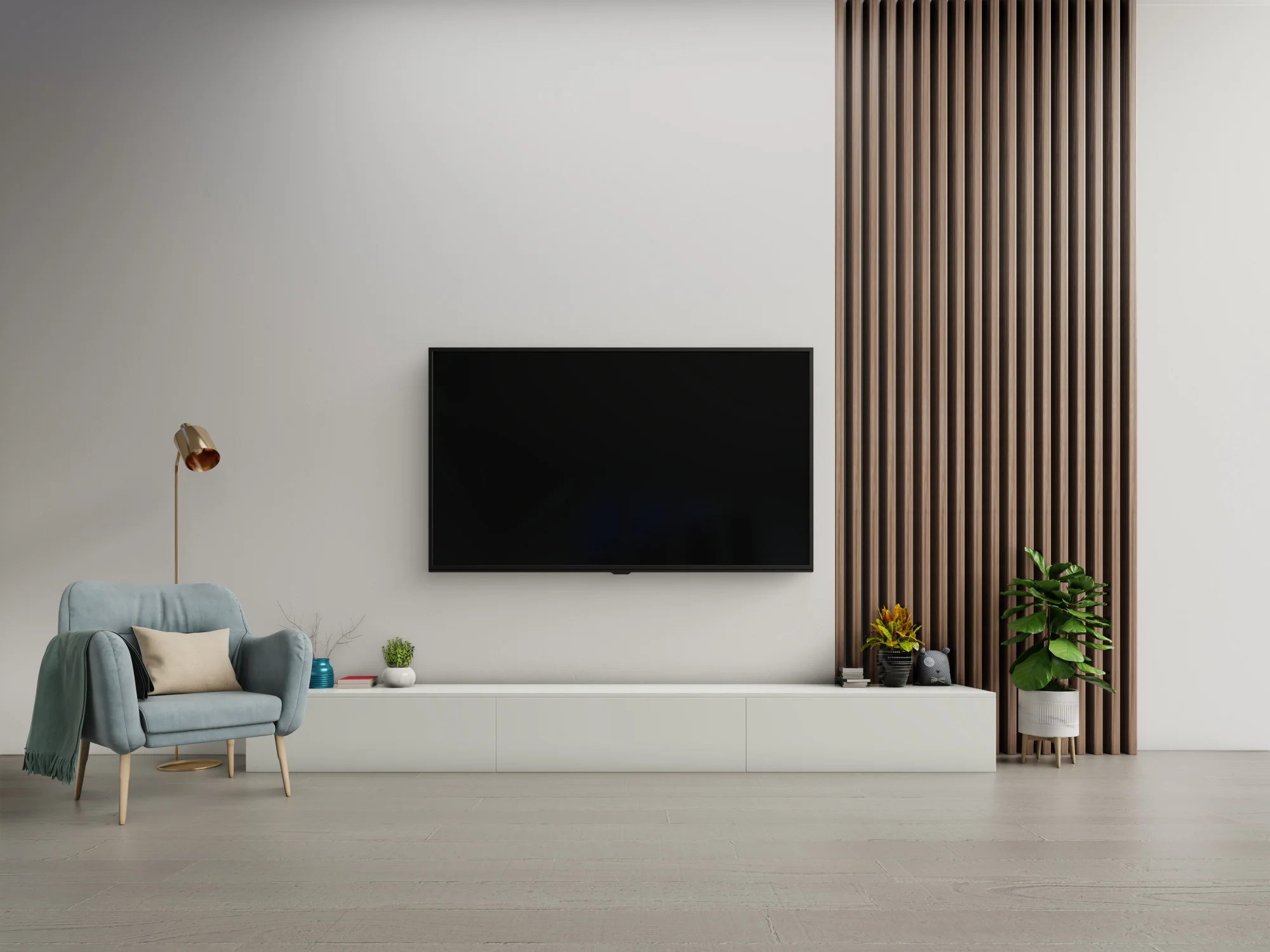
Choosing the right TV size gets much easier when you start with one simple idea: how far you sit from the screen matters more than anything else.
The Simple Formula
A quick rule used by experts:
- Use ÷ 1.5 for a more immersive, theater-like feel
- Use ÷ 2–2.5 for relaxed, everyday watching
This works especially well for modern 4K TVs, where you can sit closer without seeing pixels.
Quick TV Size Chart
| Viewing Distance | Recommended TV Size |
|---|---|
| 6 ft | 40–50 inches |
| 8 ft | 50–65 inches |
| 10 ft | 55–75 inches |
| 12 ft | 65–85 inches |
How to Calculate the Perfect TV Size (Step-by-Step)
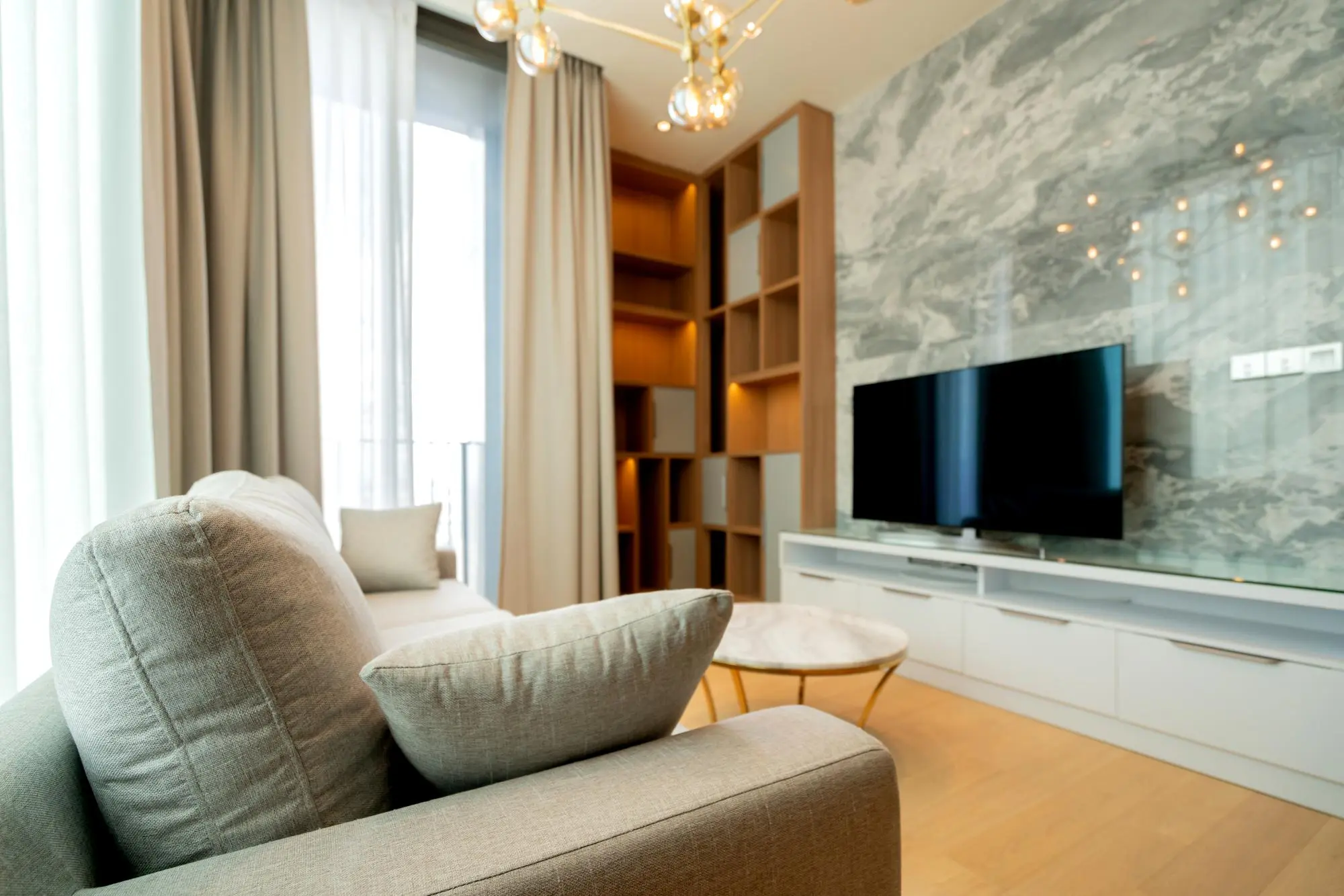
Picking the right TV size doesn’t need to be complicated. Once you know your viewing distance and how you plan to use the TV, you can narrow it down quickly with a simple method. Here’s a clear way to get it right the first time.
Step 1: Measure Your Seating Distance
Start with the basics—measure the distance from where you usually sit to where the TV will be placed. This is the most important factor in choosing the right size.
Most people fall into one of these ranges:
- Small rooms: around 5–7 feet
- Medium living rooms: around 7–10 feet
- Large rooms: 10–12 feet or more
Even a small difference in distance can change the ideal screen size more than you might expect.
Step 2: Choose Your Viewing Style
Next, think about how you’ll use your TV most of the time. This helps fine-tune the size choice beyond just distance.
- If you enjoy movies or gaming, you’ll likely prefer a more immersive setup with a larger screen that fills more of your field of view.
- If you mainly watch news, TV shows, or casual content, a slightly smaller or more comfortable viewing setup may feel better for daily use.
This step is about comfort and experience—not just numbers.
Step 3: Apply the Right Formula
Now you can use a simple formula, but it changes depending on your TV’s resolution. This is where many people get better results when they understand the difference.
For 4K TVs, you can sit closer because the picture is much sharper: Viewing distance ÷ 1.5 = ideal TV size
For 1080p HD TVs, you’ll want a bit more distance to avoid seeing pixels: Viewing distance ÷ 2 to 2.5 = ideal TV size
Best TV Sizes by Room Type
Choosing the right TV size gets much easier when you match it to the room you’re actually using. Different spaces naturally have different viewing distances, and that changes what feels comfortable and enjoyable.
| Room Type | Typical Viewing Distance | Recommended TV Size |
|---|---|---|
| Living Room | 8–12 ft | 55–75 inches (75”+ for large rooms) |
| Bedroom | 5–8 ft | 32–55 inches |
| Small Room / Apartment | Under 6 ft | 32–43 inches |
Living Room TV Size
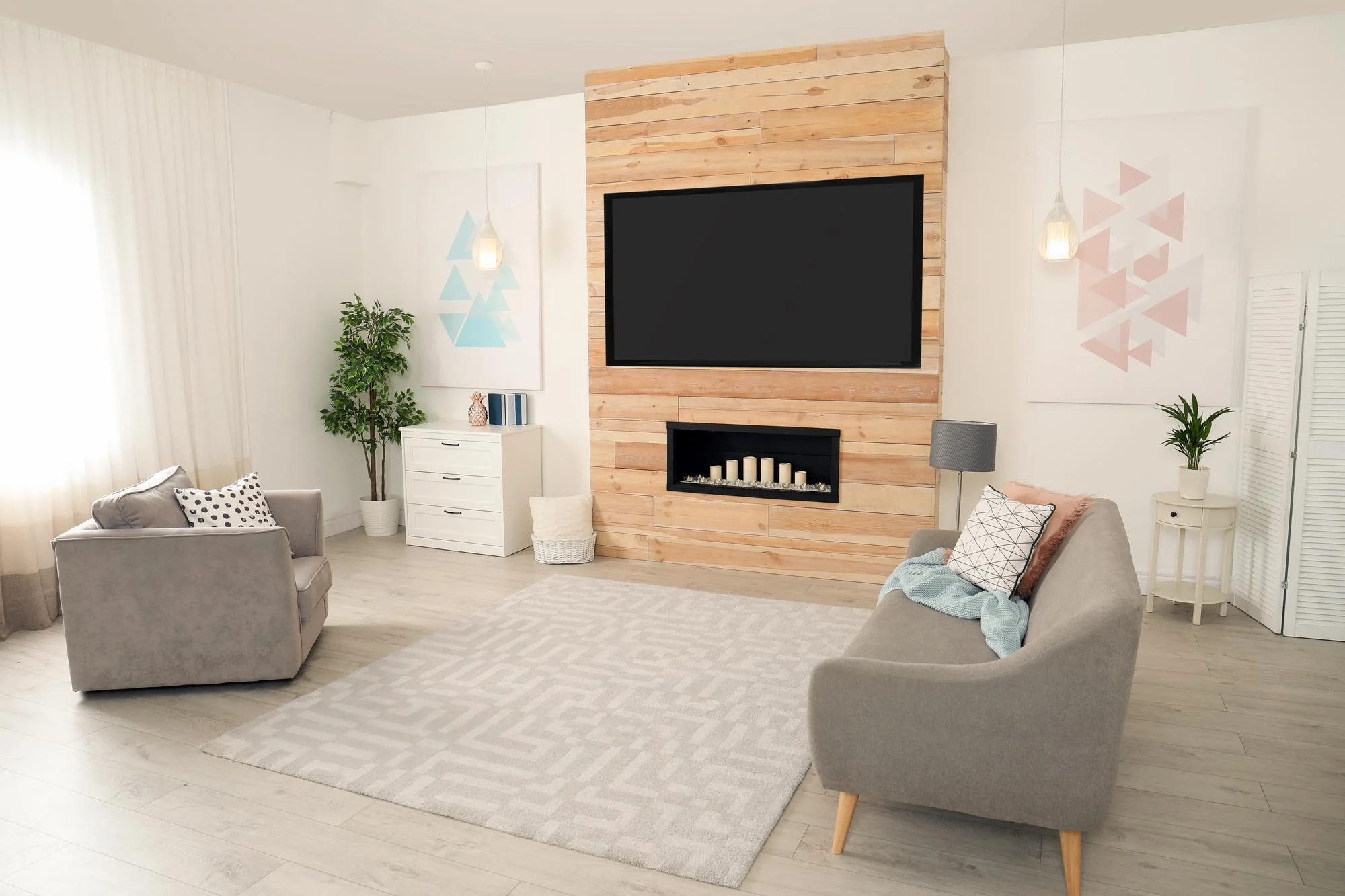
Living rooms usually have the most flexible seating distance, which is why this is where people tend to go a bit bigger.
- Typical viewing distance: 8–12 ft
- Recommended TV size: 55–75 inches
- Large living rooms or open layouts: 75 inches or more
In most cases, a 65-inch TV is the “safe middle choice” for living rooms. It feels immersive without overwhelming the space, especially if you’re watching movies, sports, or gaming.
Bedroom TV Size
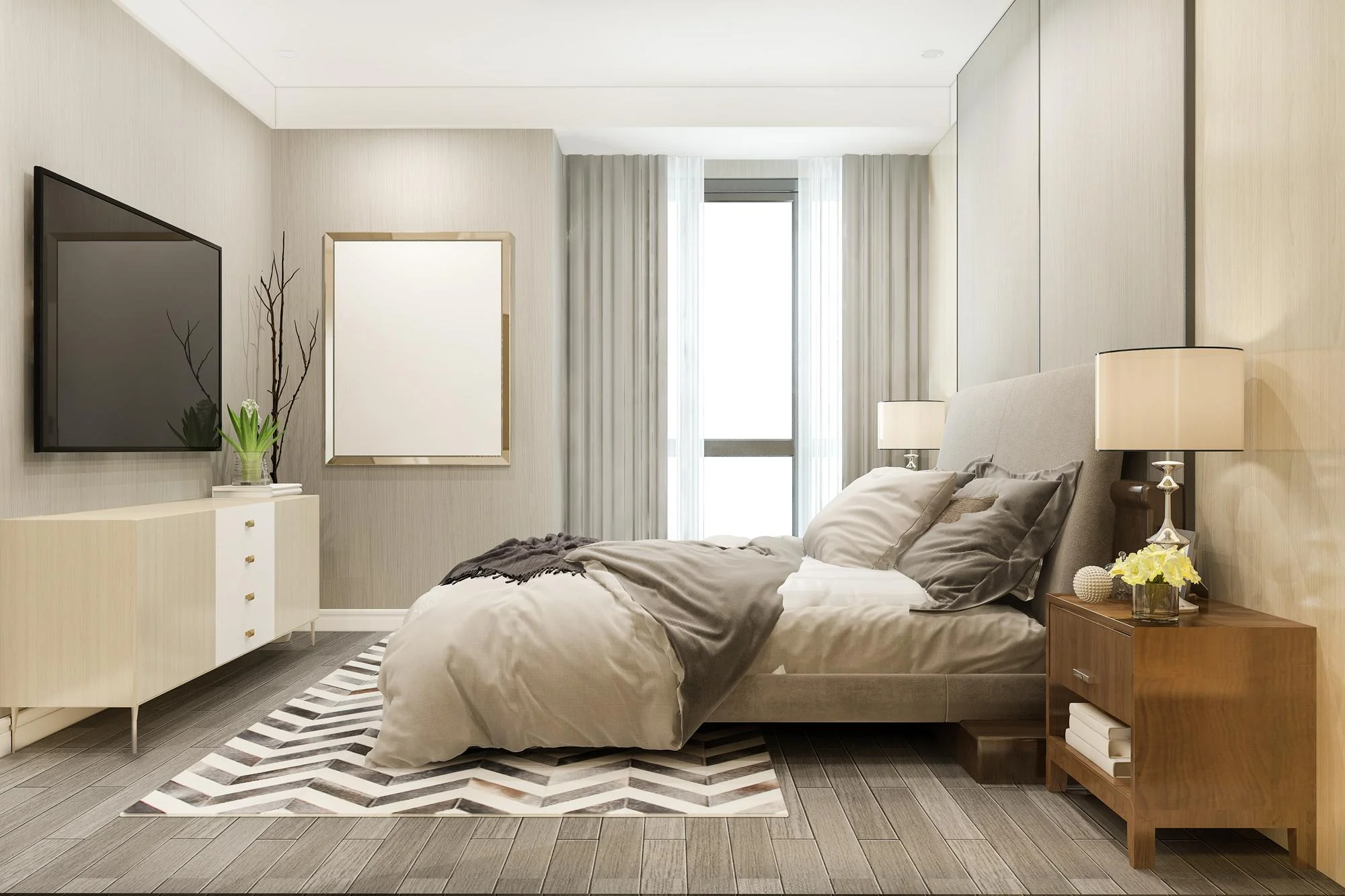
Bedrooms are closer viewing environments, so a large screen can feel too intense if you’re sitting right in front of it.
- Typical viewing distance: 5–8 ft
- Recommended TV size: 32–55 inches
A 43–50 inch TV often works well for most bedrooms. It’s large enough to enjoy content comfortably, but still easy on the eyes when you’re watching from bed.
Small Room / Apartment TV Size
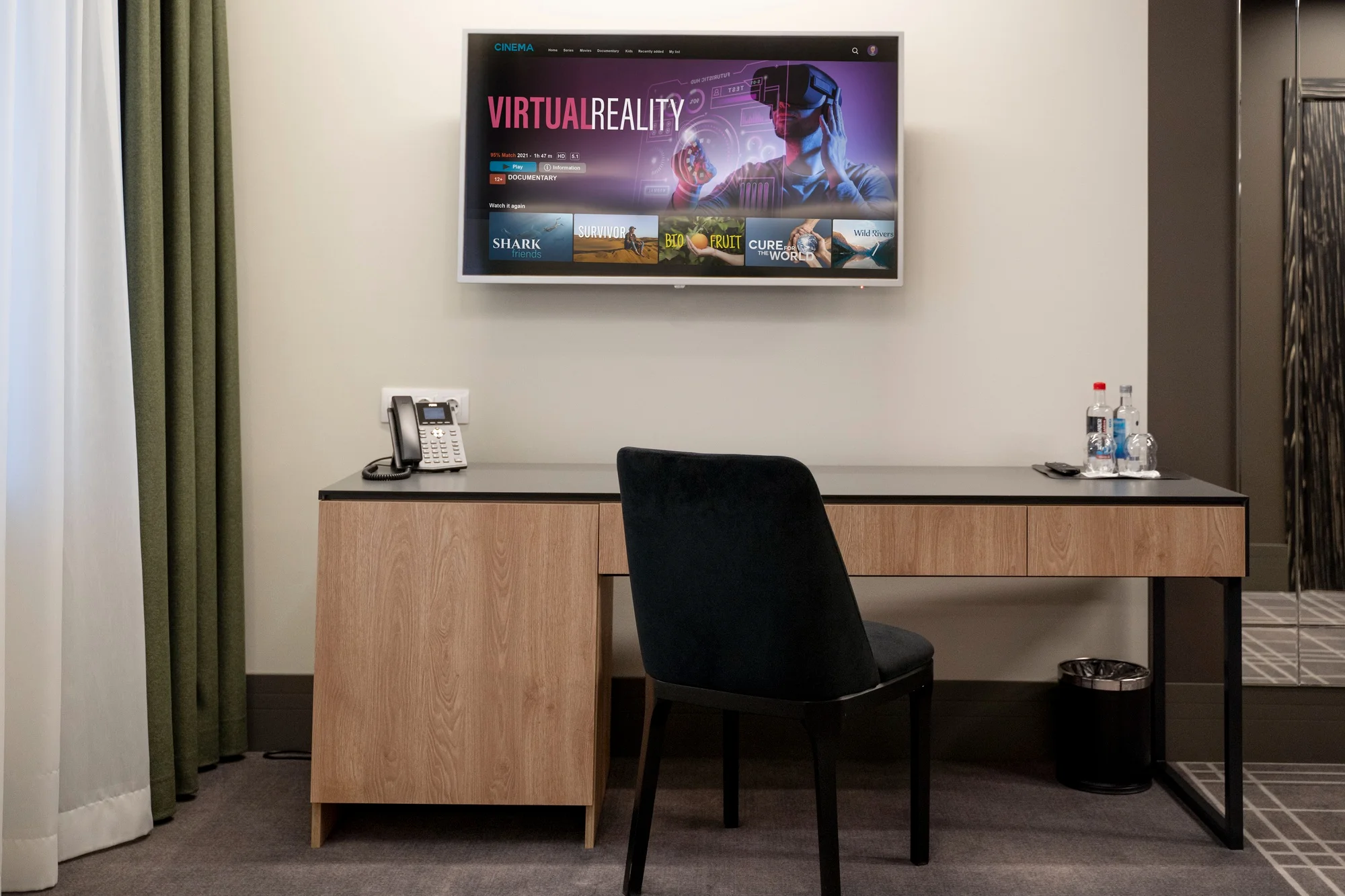
Smaller spaces need a more balanced approach. You want a screen that feels useful without taking over the entire room.
- Typical viewing distance: under 6 ft
- Recommended TV size: 32–43 inches
In these setups, a 32 or 40-inch TV is usually ideal. It keeps the viewing experience clear and comfortable while fitting naturally into compact layouts like dorms, studios, or small apartments.
4 Key Factors That Change Your Ideal TV Size

Even if two people have the same room size, they might still choose different TV sizes. That’s because a few practical factors can shift what “feels right” in real life. Here are the four most important ones to keep in mind.
- Resolution (4K vs 1080p): A 4K TV shows much sharper detail, so you can sit closer without seeing pixels. This often means you can comfortably go bigger compared to an HD TV.
- Room layout: The shape of your room matters. A straight sofa-to-TV setup allows more flexibility, while corner seating or angled layouts can make a slightly smaller screen feel more comfortable.
- TV placement: Wall-mounted TVs usually feel larger because they sit higher and more open in the room. A stand-mounted TV can feel slightly smaller depending on furniture height and distance.
- Personal preference: Some people prefer a cinematic, immersive experience, while others prioritize comfort for everyday viewing like news or shows.


 English
  Arabic
  Spanish
  Japanese
  Russian
  Korean
  French
  Italian