
What Are Egress Windows?
Egress windows are specially designed windows that provide a safe emergency escape route from a home. They are most commonly required in bedrooms, basements, and other livable spaces to ensure occupants can exit quickly during emergencies such as fires or other hazards.
Unlike standard windows, egress windows must meet specific building code requirements for size, opening method, and accessibility. This ensures that a person can easily climb through the opening without tools or special assistance.
In simple terms, an egress window is a life-safety window that also brings in natural light and fresh air while serving as an emergency exit.
Why Egress Windows Are Important
Egress windows are not just a design feature—they are a critical home safety requirement.
They provide an alternative escape route if doors are blocked during emergencies. This can save lives, especially in basement bedrooms or lower-level living spaces where exits are limited.
Beyond safety, egress windows also improve everyday living conditions:
- Increase natural light in dark basement areas
- Improve ventilation and indoor air quality
- Make basement rooms legally usable as bedrooms or living spaces
- Add value and functionality to a home
For homeowners finishing a basement or adding a bedroom, installing egress windows is often required by law and always recommended for safety.
Basic Egress Window Requirements
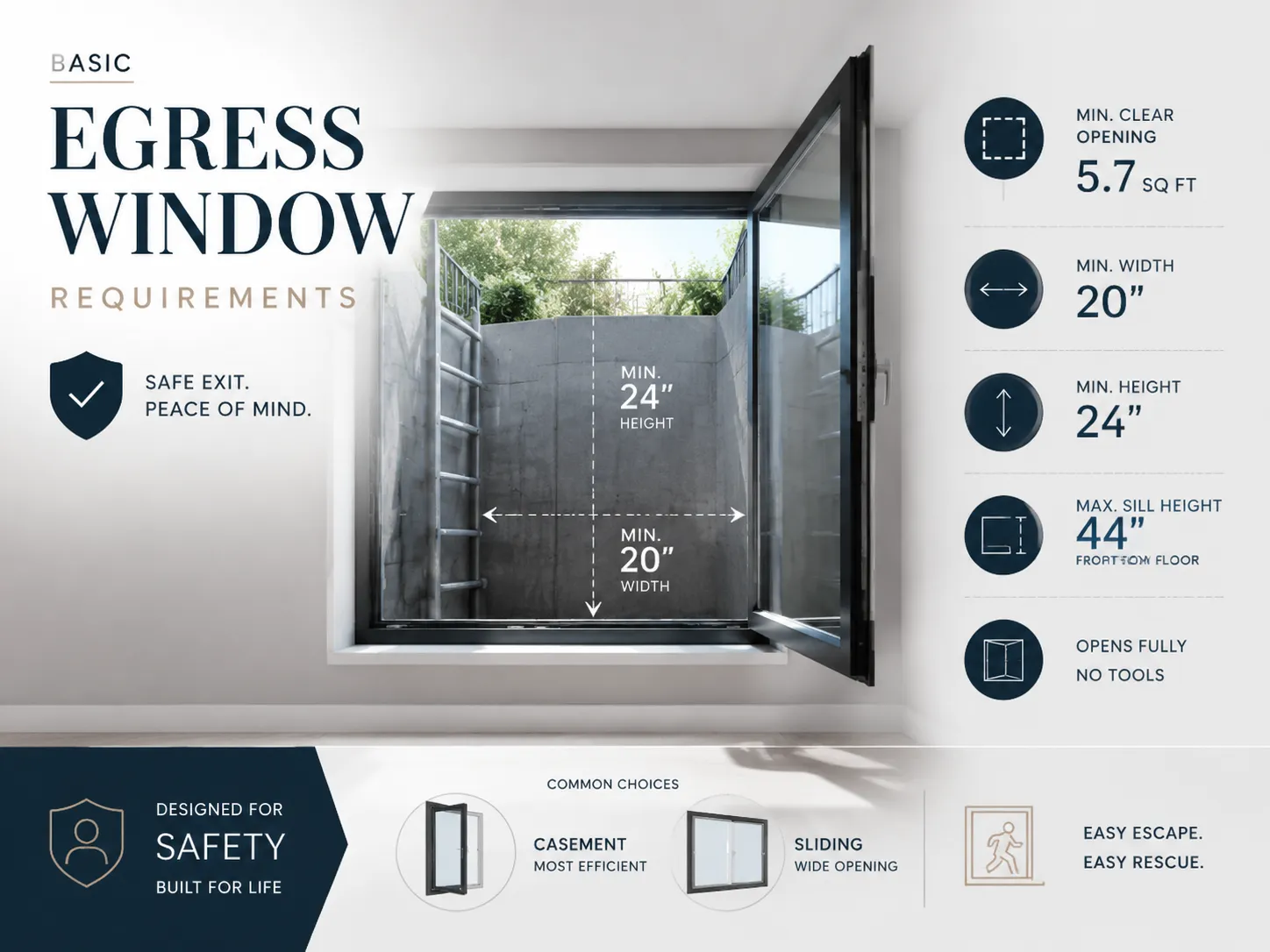
Although exact building codes may vary by region, most egress windows must meet minimum standards to ensure safe exit and entry.
Typical requirements include:
- A minimum clear opening of about 5.7 square feet
- At least 20 inches wide for escape access
- At least 24 inches high for easy passage
- A maximum sill height of around 44 inches from the floor
- The window must open fully without special tools or keys
These measurements are designed so that an adult can exit safely and emergency responders can enter if needed.
In most cases, casement windows and large sliding windows are commonly used because they can achieve the required open area more easily than fixed designs.
Where Egress Windows Are Required
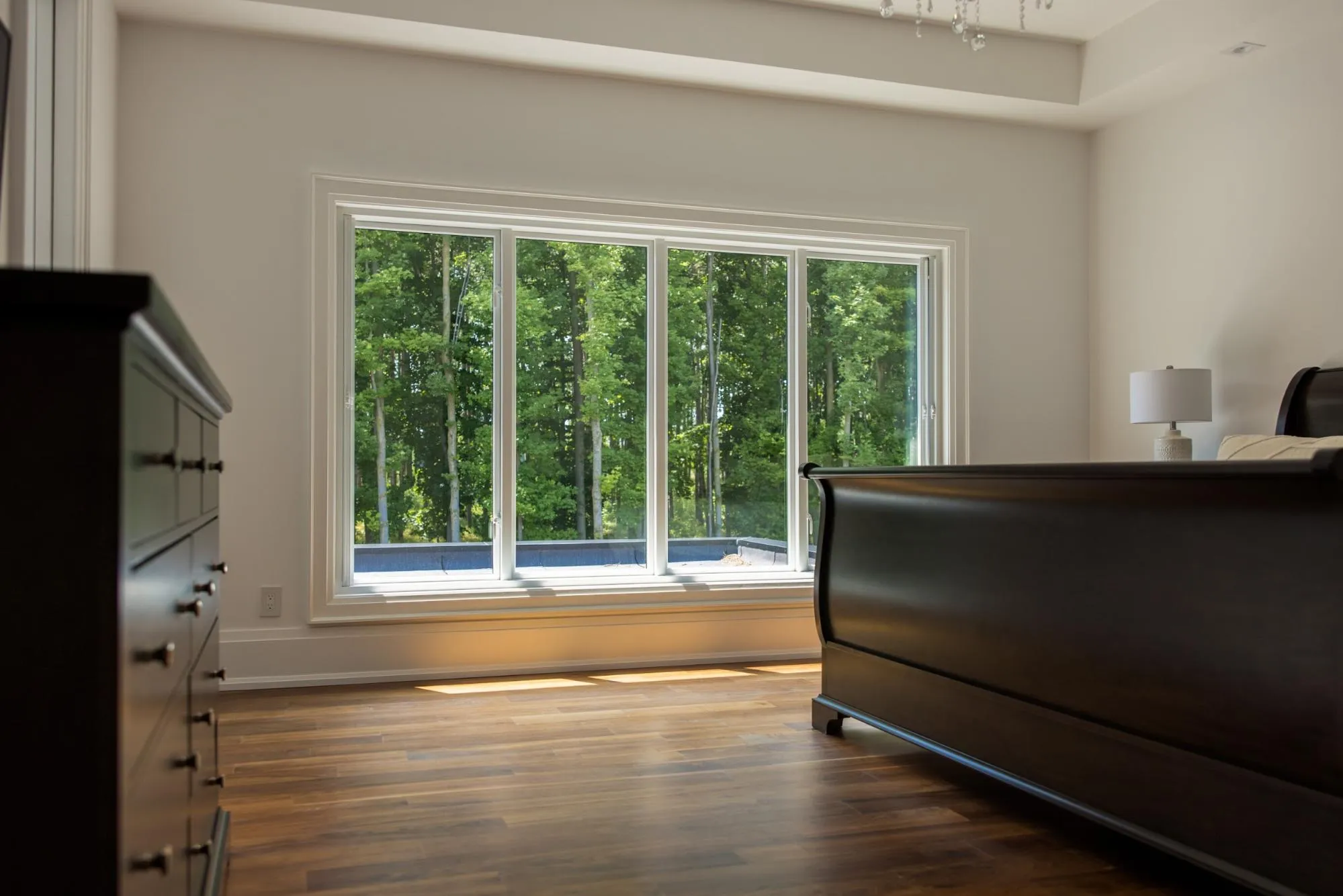
Egress windows are not optional in many parts of a home—they are required by building codes to ensure safe emergency escape routes. They are especially important in areas where people sleep or spend extended time.
Egress windows are typically required in:
- Bedrooms (on all levels of the home)
- Finished basements used as living spaces
- Basement bedrooms
- Attic conversions used for sleeping rooms
- Any habitable room without a direct door exit
These requirements ensure that every sleeping space has at least one safe and accessible way to exit in case of fire or emergency. In most residential building codes, each bedroom must have at least one compliant emergency escape and rescue opening.
This makes egress windows a critical part of both home safety and legal compliance, especially in finished lower-level spaces.
Types of Egress Windows
Not all window styles are suitable for meeting egress requirements. The key factor is whether the window can provide a large enough clear opening for safe escape and rescue access.
The most common types include:
Casement Windows (Most Efficient Option)
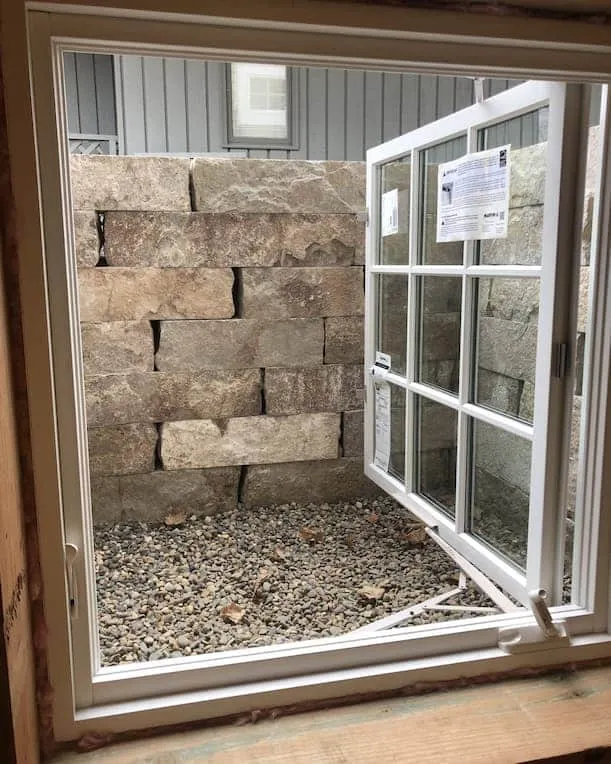
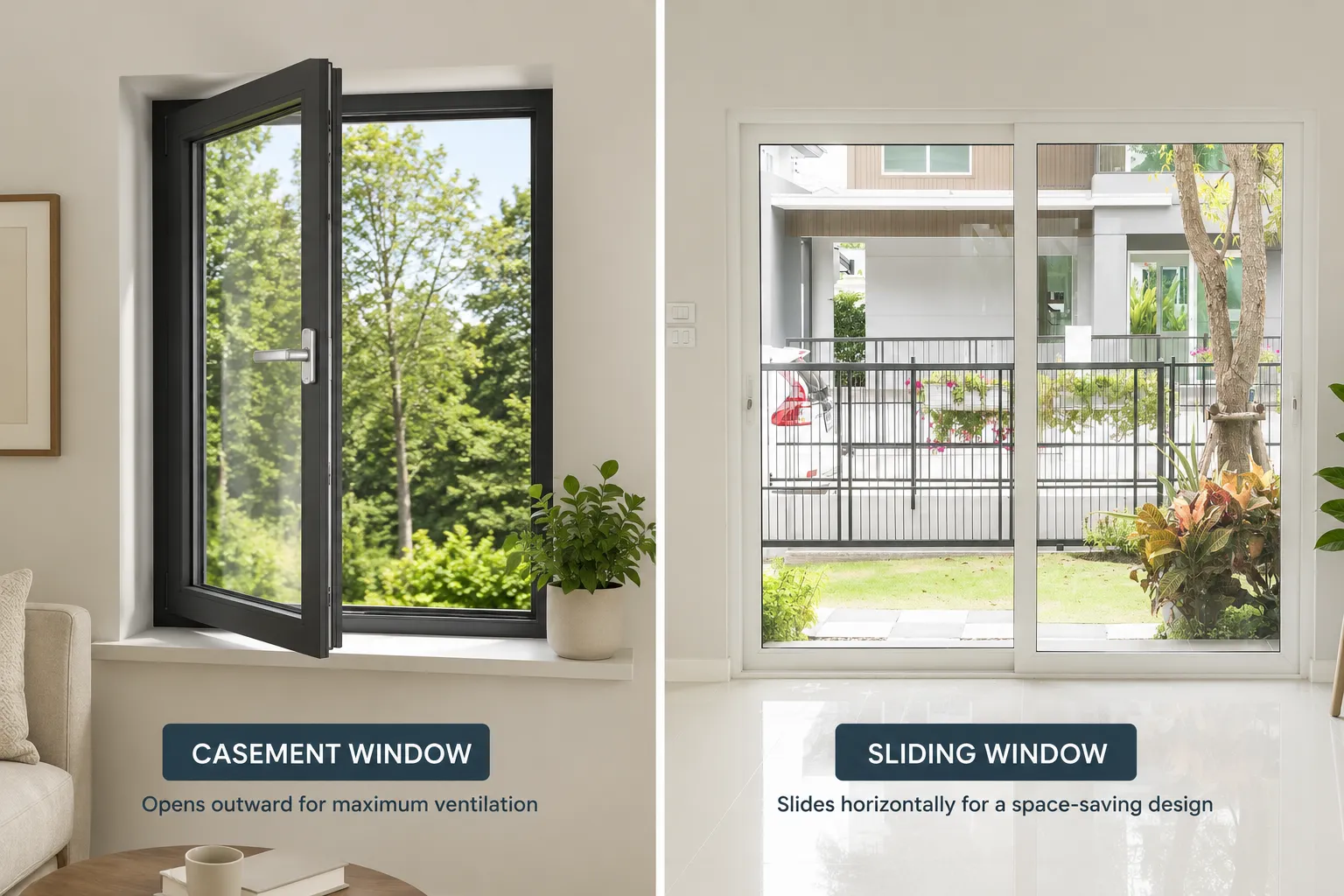
Casement windows are often the best choice for egress use. Because they swing fully open like a door, they can easily meet the required clear opening size even in smaller wall spaces.
Sliding Windows (Good for Wide Openings)
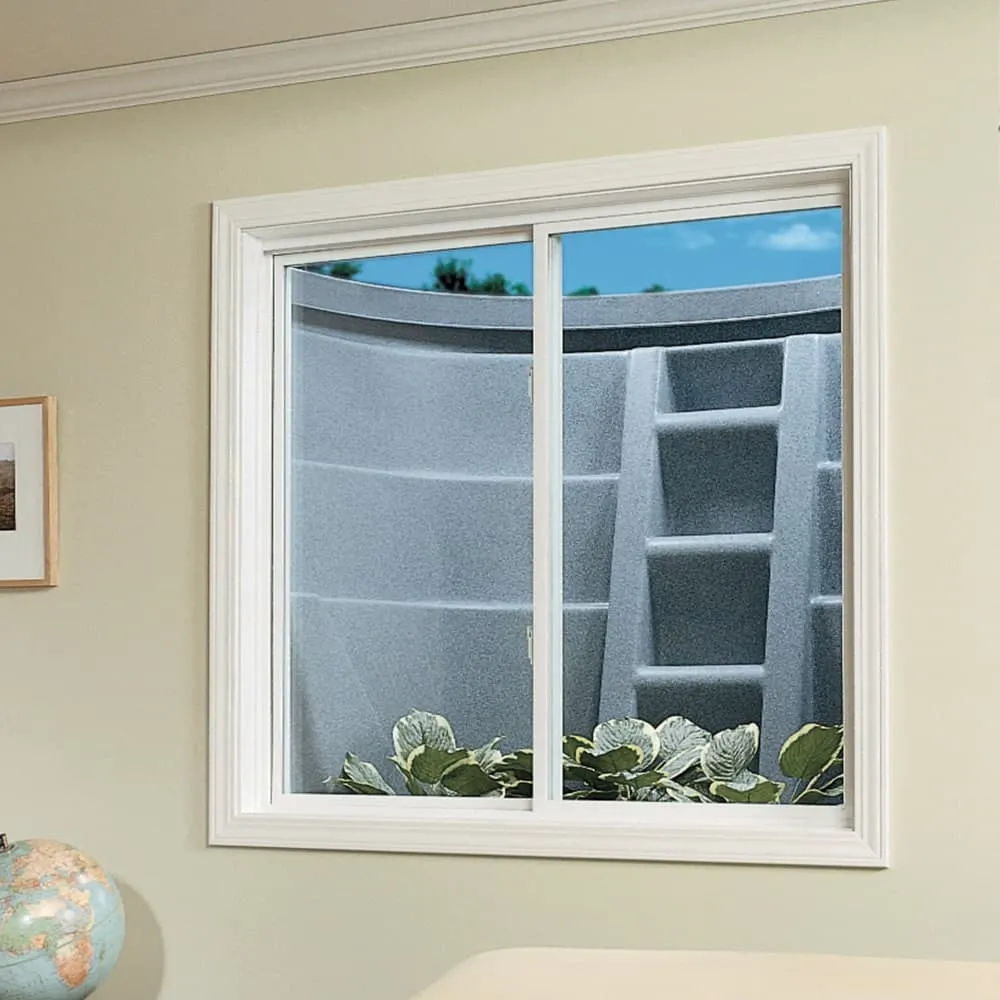
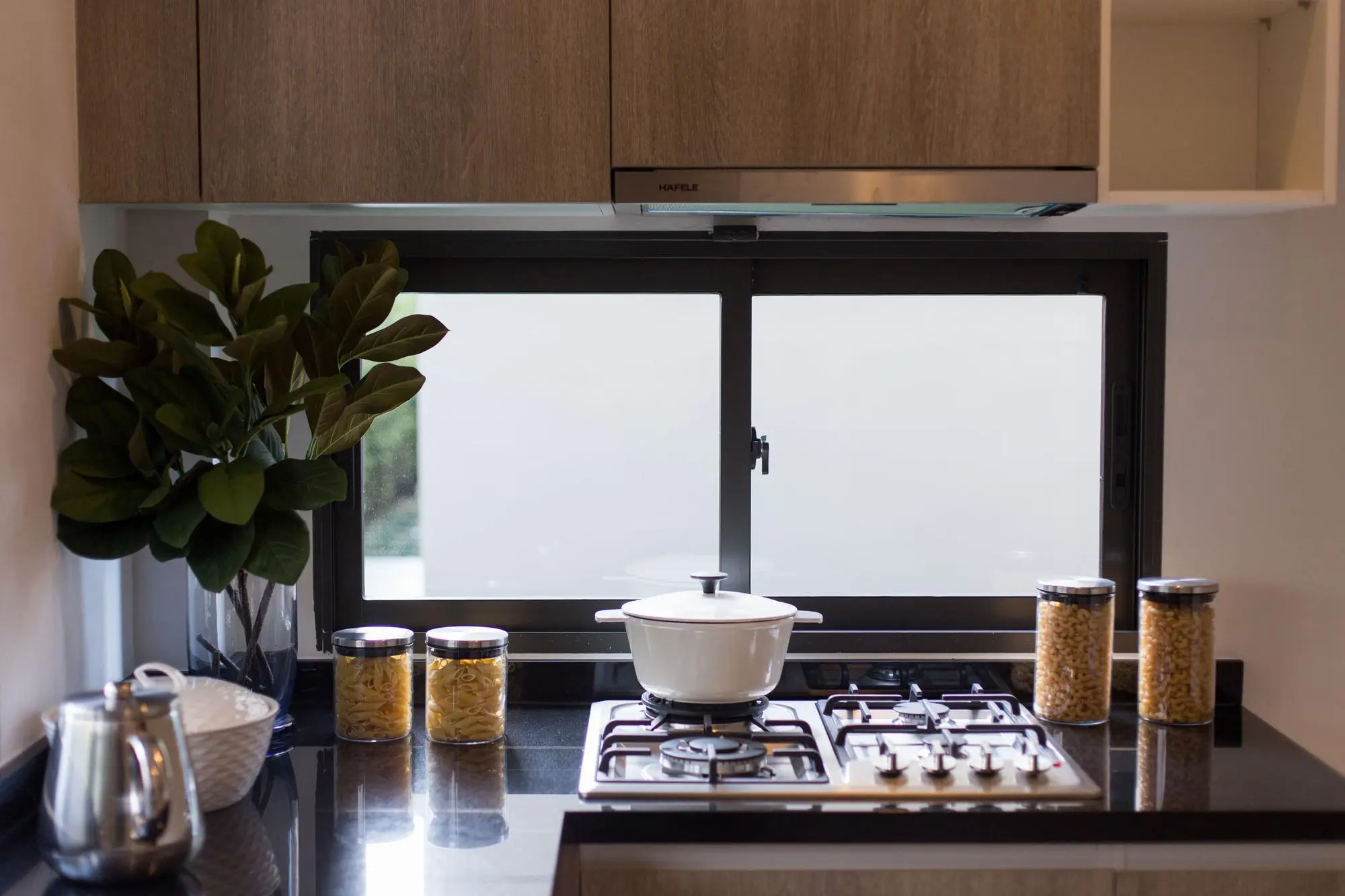
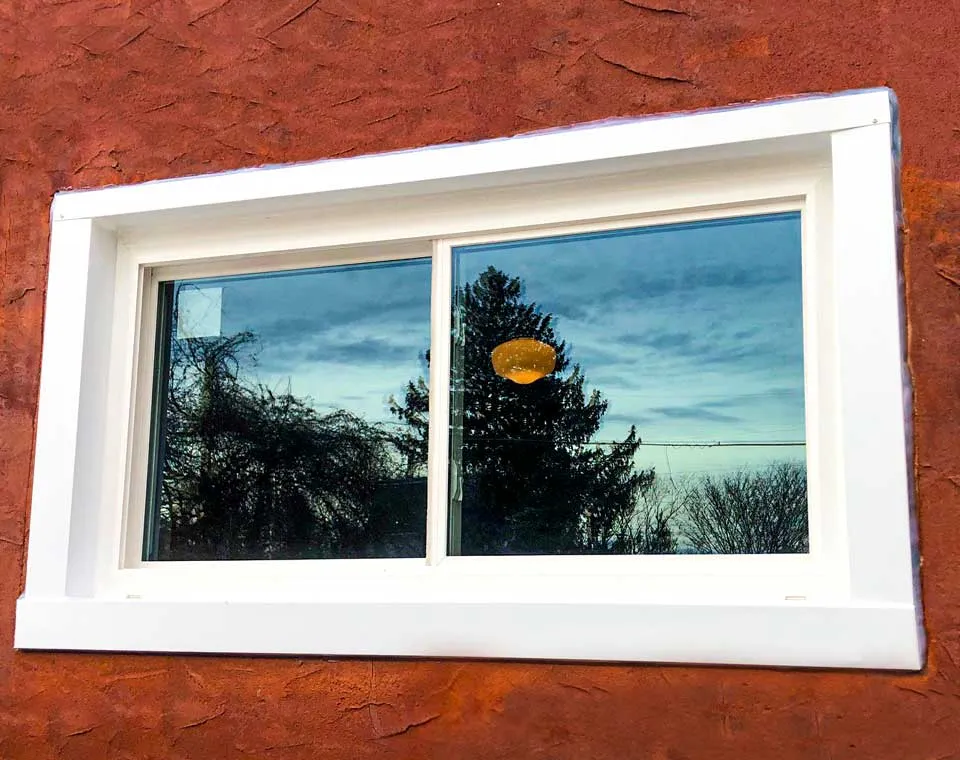
Sliding windows can also work well, especially in wider wall openings. However, only one side opens, so the usable escape area is limited to half the window width.
Double-Hung Windows (Traditional but Limited)
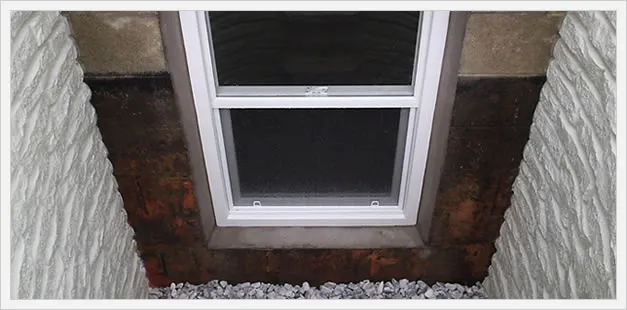
Double-hung windows are commonly used in older homes. They open vertically, but the smaller opening space can make it harder to meet modern egress size requirements.
Awning Windows (Less Common for Egress Use)
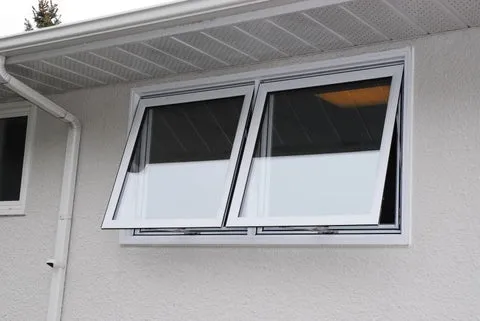
Awning windows open outward from the top. While they provide ventilation, their opening shape often makes it difficult to achieve full egress compliance.
Regardless of style, every egress window must still meet the same minimum clear opening standards to qualify as a safe emergency exit.
FAQs
What is the difference between egress windows and regular windows?
Egress windows are designed for emergency escape and rescue access, so they must meet strict size and opening requirements. Regular windows are mainly for light, ventilation, and design, and do not need to meet safety exit codes.
What exactly is an egress window?
An egress window is a code-required emergency exit window installed in bedrooms and basements. It must be large enough for a person to climb through safely and allow firefighters to enter if needed.
Can you sleep in a room without an egress window?
In most areas, no. Building codes typically require every sleeping room to have at least one egress window or approved emergency exit to be legally used as a bedroom.
Why do people get egress windows?
People install egress windows to:
- Meet building code requirements
- Improve home safety during emergencies
- Make basements or rooms legally livable
- Increase natural light and ventilation
- Add value to the home