
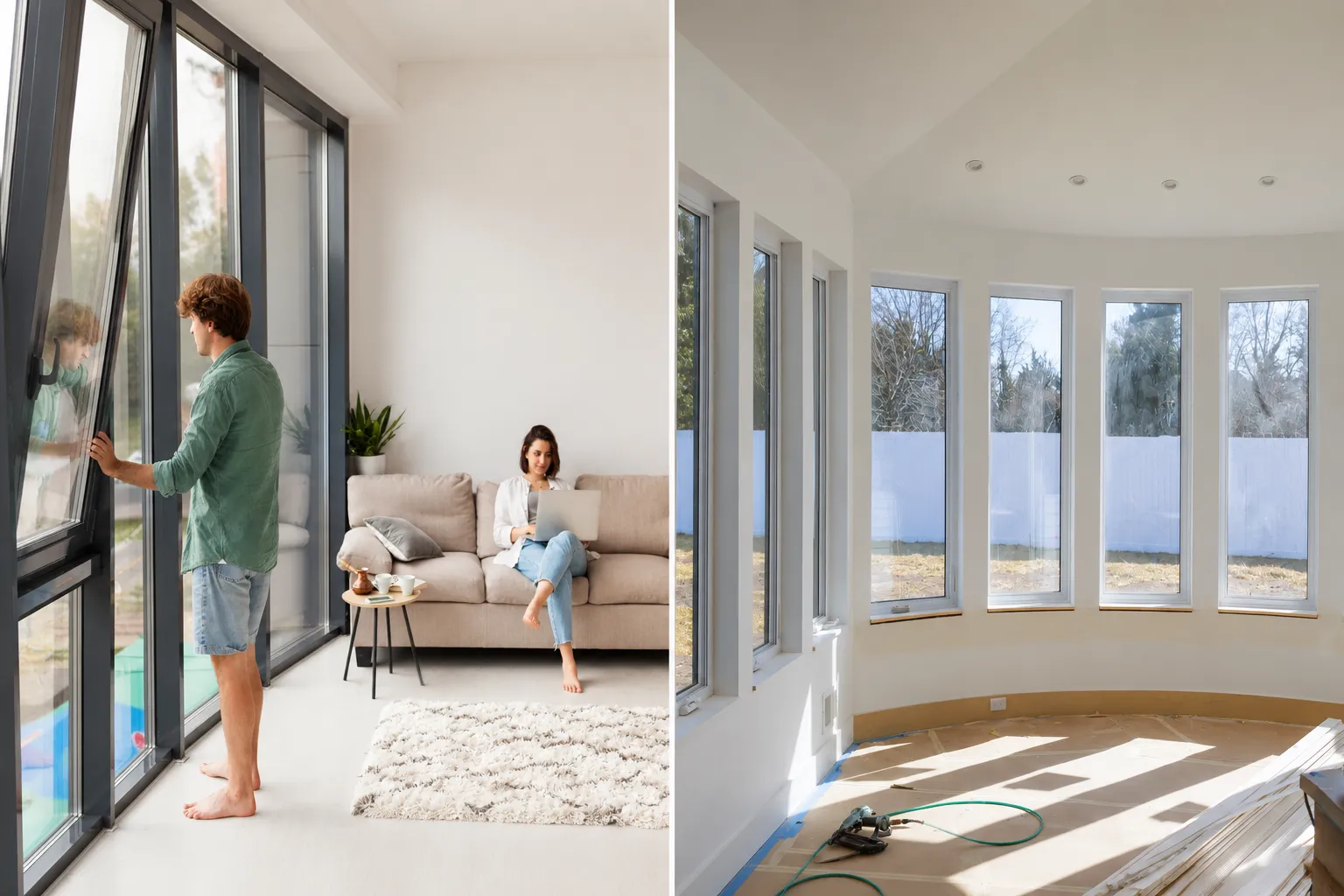
What Are Fixed Windows?
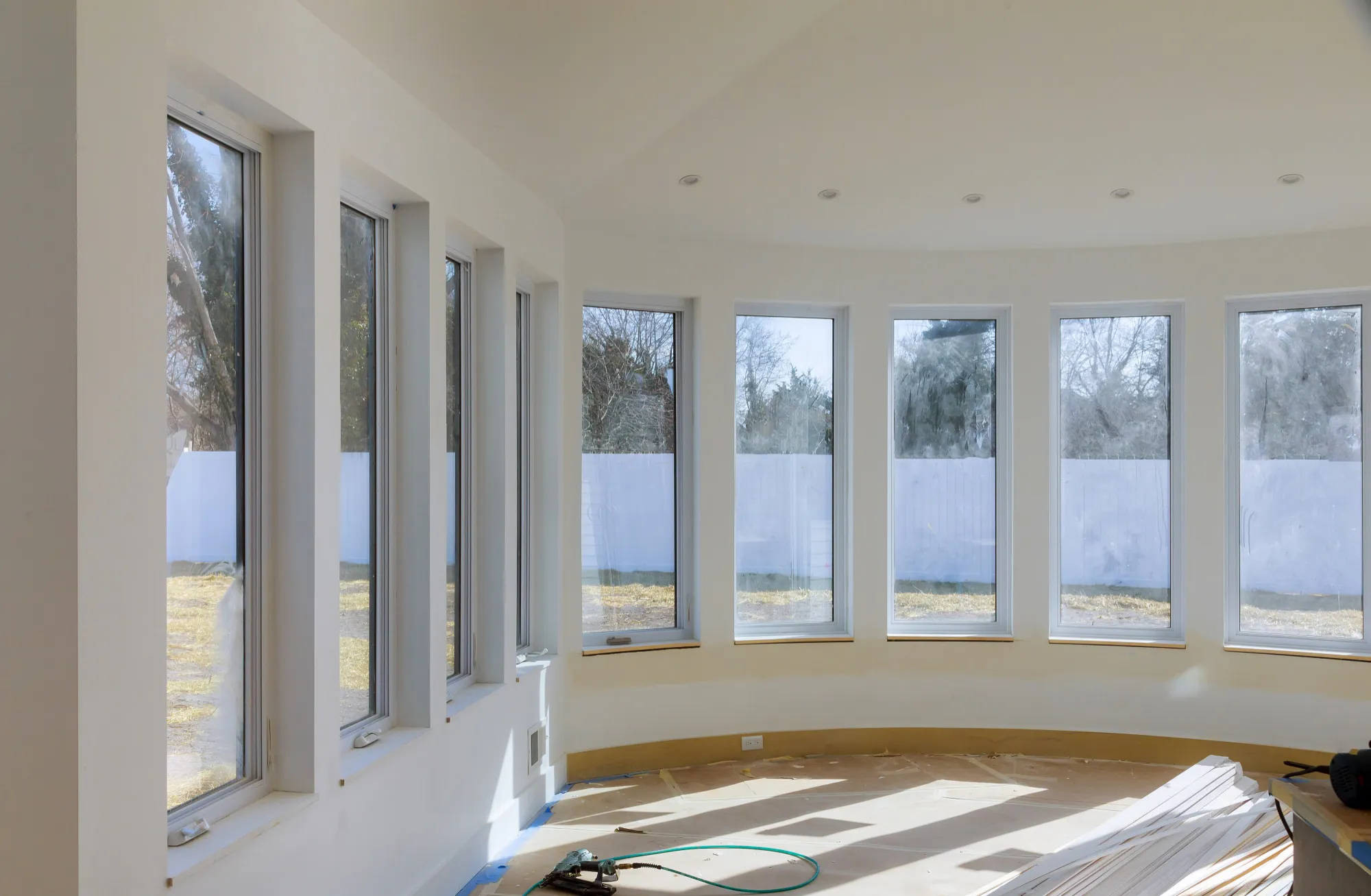
Fixed windows are windows that cannot open or close. They are designed mainly to provide natural light, outdoor views, and better energy efficiency. Because fixed windows stay permanently sealed, they usually have lower air leakage and better insulation performance than operable windows.
Picture windows are one of the most common types of fixed windows. These windows are popular in living rooms, stairwells, and modern homes where homeowners want large glass areas and unobstructed views.
Main benefits of fixed windows include:
- Better energy efficiency
- Larger uninterrupted glass designs
- Lower maintenance needs
- Stronger airtight sealing
- Modern architectural appearance
However, fixed windows do not provide ventilation, so they are often combined with operable windows nearby.
What Are Operable Windows?
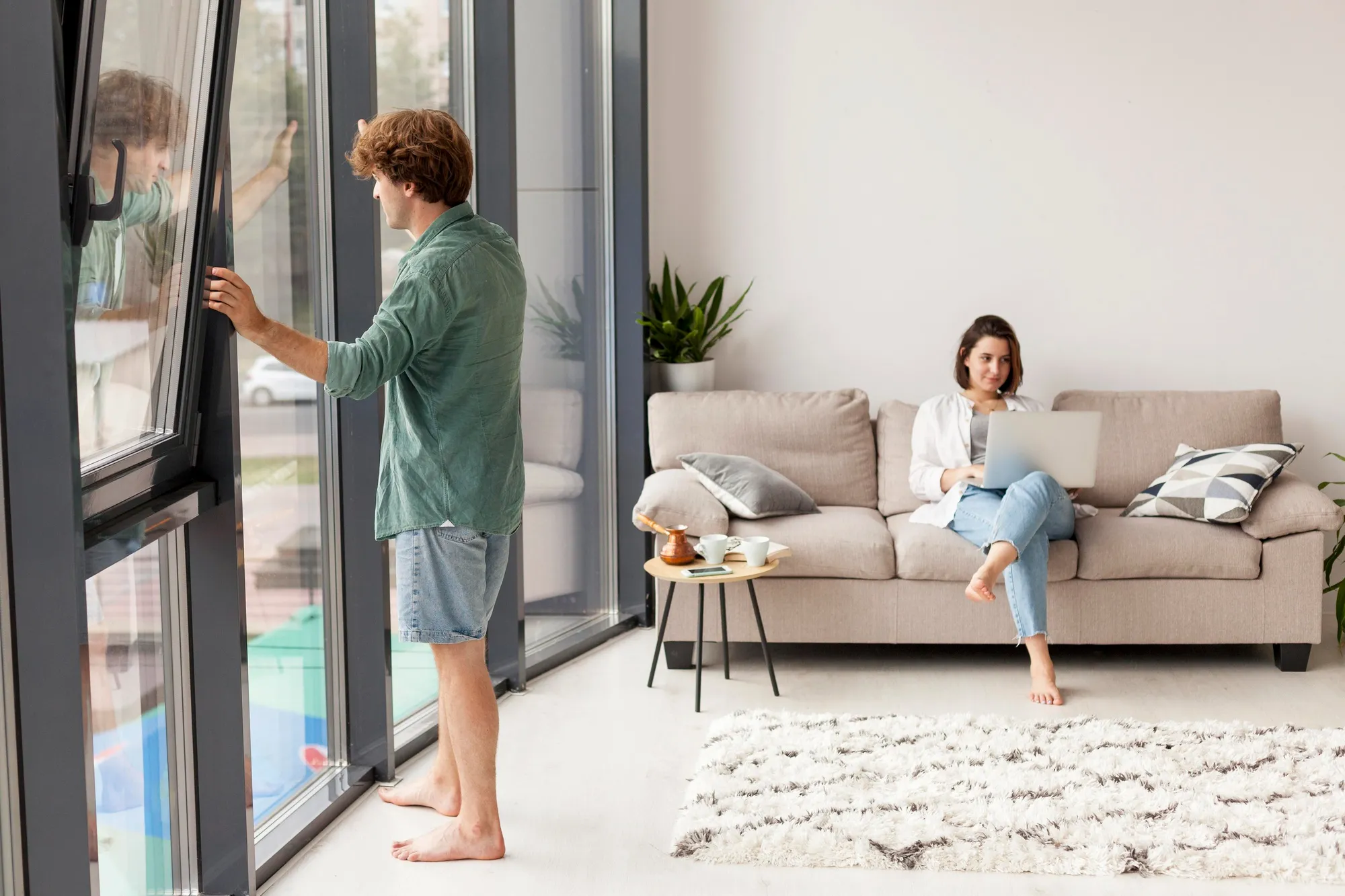
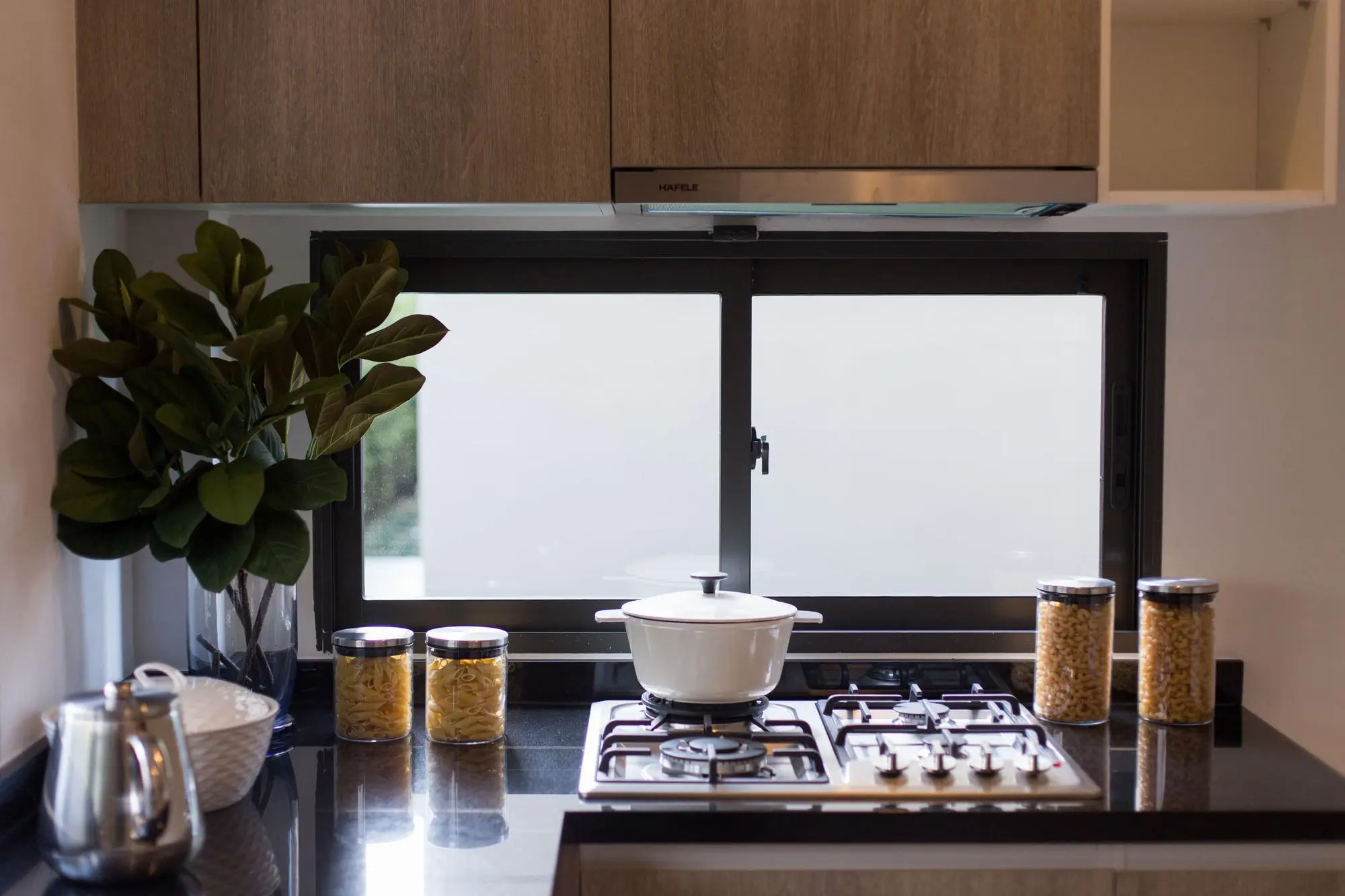
Operable windows are windows that can open and close for ventilation and airflow. They are commonly used in bedrooms, kitchens, bathrooms, and other spaces where fresh air is important.
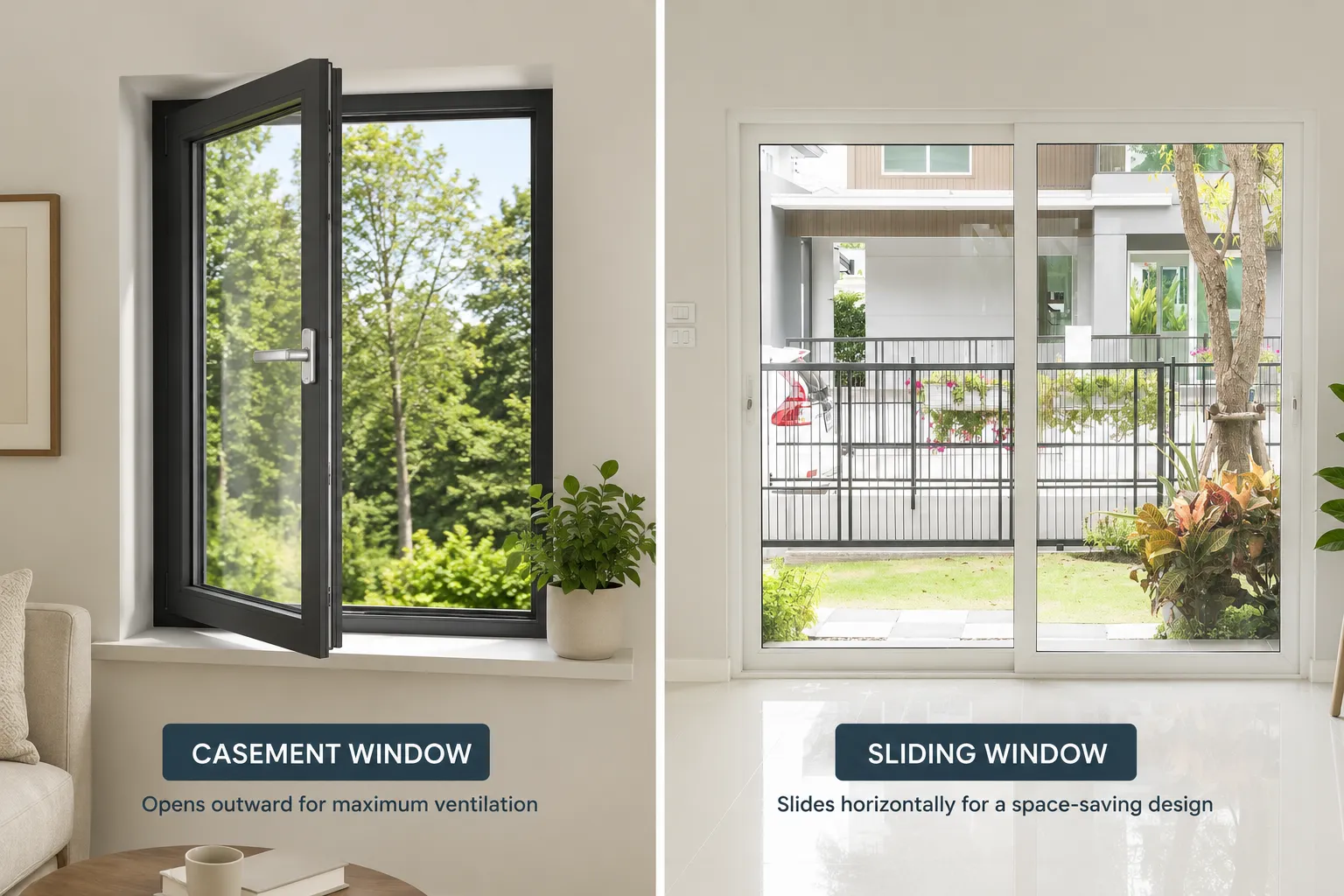
Popular operable window types include casement, sliding, double-hung, awning, and single-hung windows. Some open vertically, while others slide or swing outward depending on the design.
Main advantages of operable windows include:
- Better airflow and ventilation
- Easier moisture and odor control
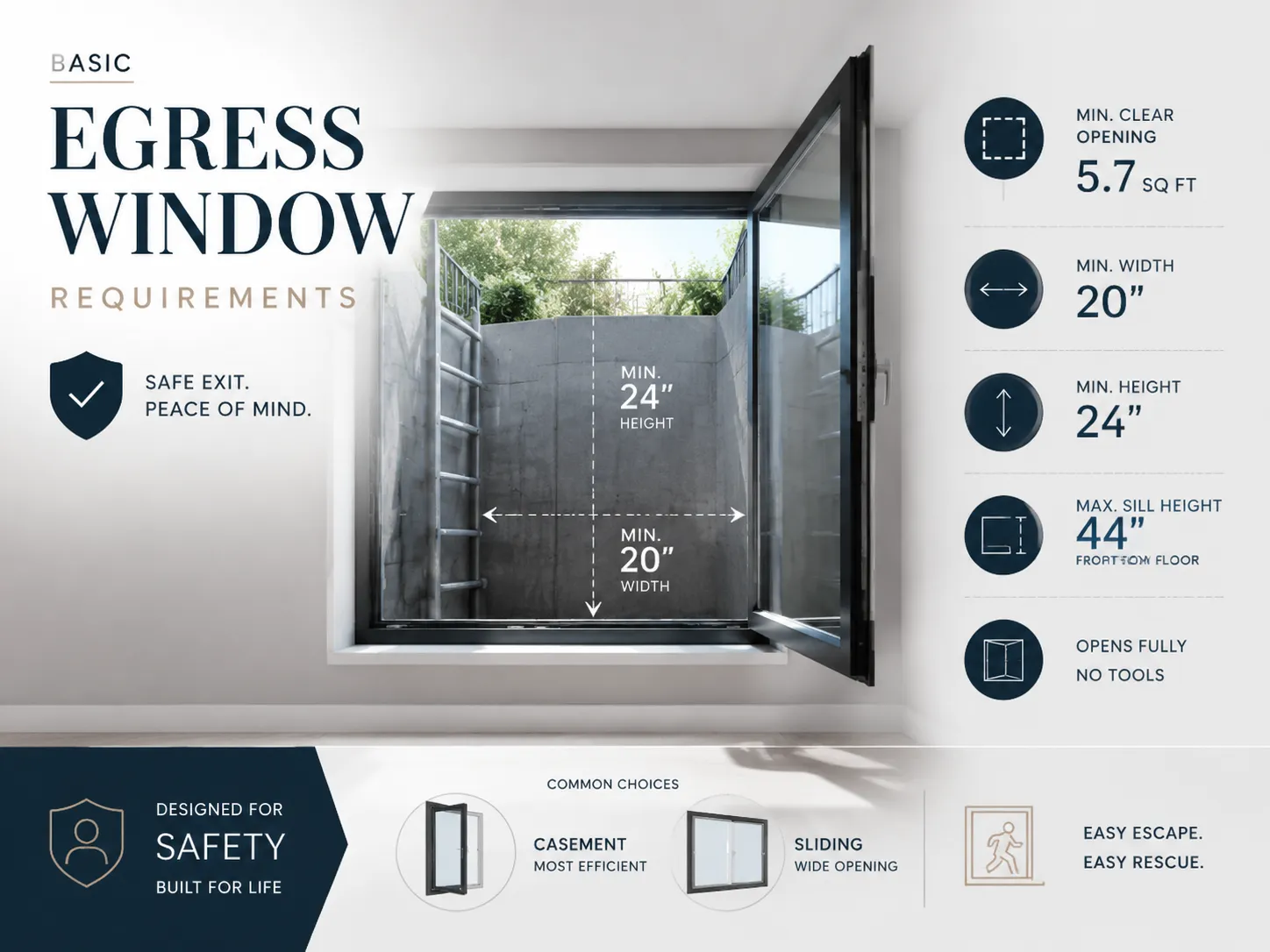
- Emergency escape access in some rooms
- More flexible comfort control
Modern operable windows also use advanced seals, insulated glass, and locking systems to improve energy efficiency and security.
Fixed vs Operable Windows: Main Differences
Fixed and operable windows may look similar, but they work very differently in daily use. The best choice depends on your goals for ventilation, energy efficiency, views, and budget.
| Feature | Fixed Windows | Operable Windows |
|---|---|---|
| Ventilation | Do not open; no airflow | Open for fresh air and ventilation |
| Energy Efficiency | Usually more airtight and efficient | Efficient, but may allow more air leakage |
| Natural Light & Views | Larger uninterrupted glass views | Good light, but more frame lines |
| Maintenance | Low maintenance; no moving parts | Needs hardware and seal maintenance |
| Security & Safety | More secure but no emergency exit | Can support ventilation and egress needs |
| Cost | Often lower cost | Usually higher due to hardware |
| Noise Reduction | Better sound blocking from tight seals | Good, but small gaps may allow noise |
| Cleaning | May be harder on upper floors | Some styles tilt or open for easier cleaning |
Ventilation and Airflow
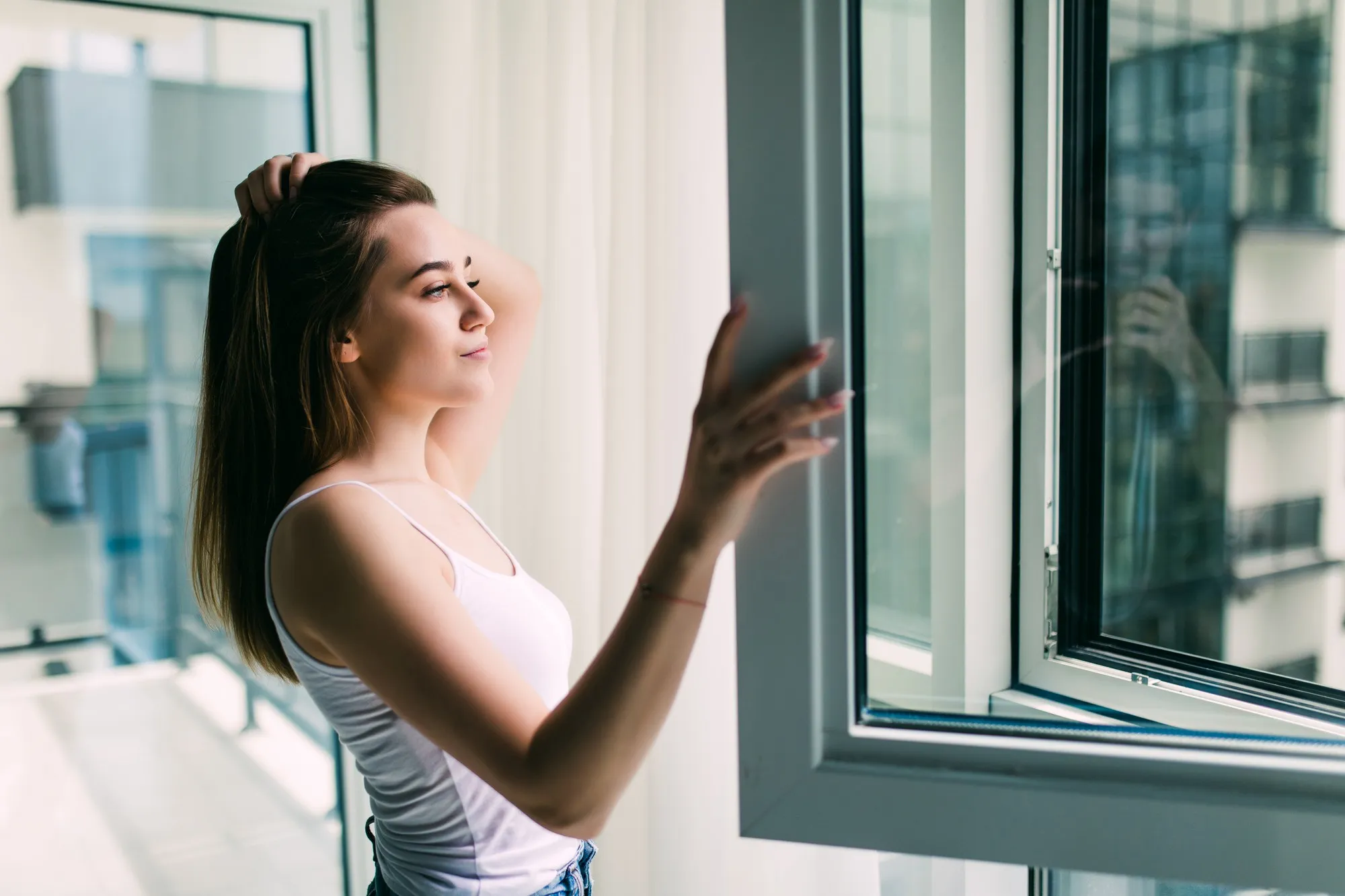
The biggest difference is airflow. Operable windows can open and close, allowing fresh air to enter the home. This makes them ideal for bedrooms, kitchens, bathrooms, and basements.
Fixed windows stay permanently sealed and do not provide ventilation. They are often used in spaces where airflow is less important but natural light and views matter more.
Energy Efficiency

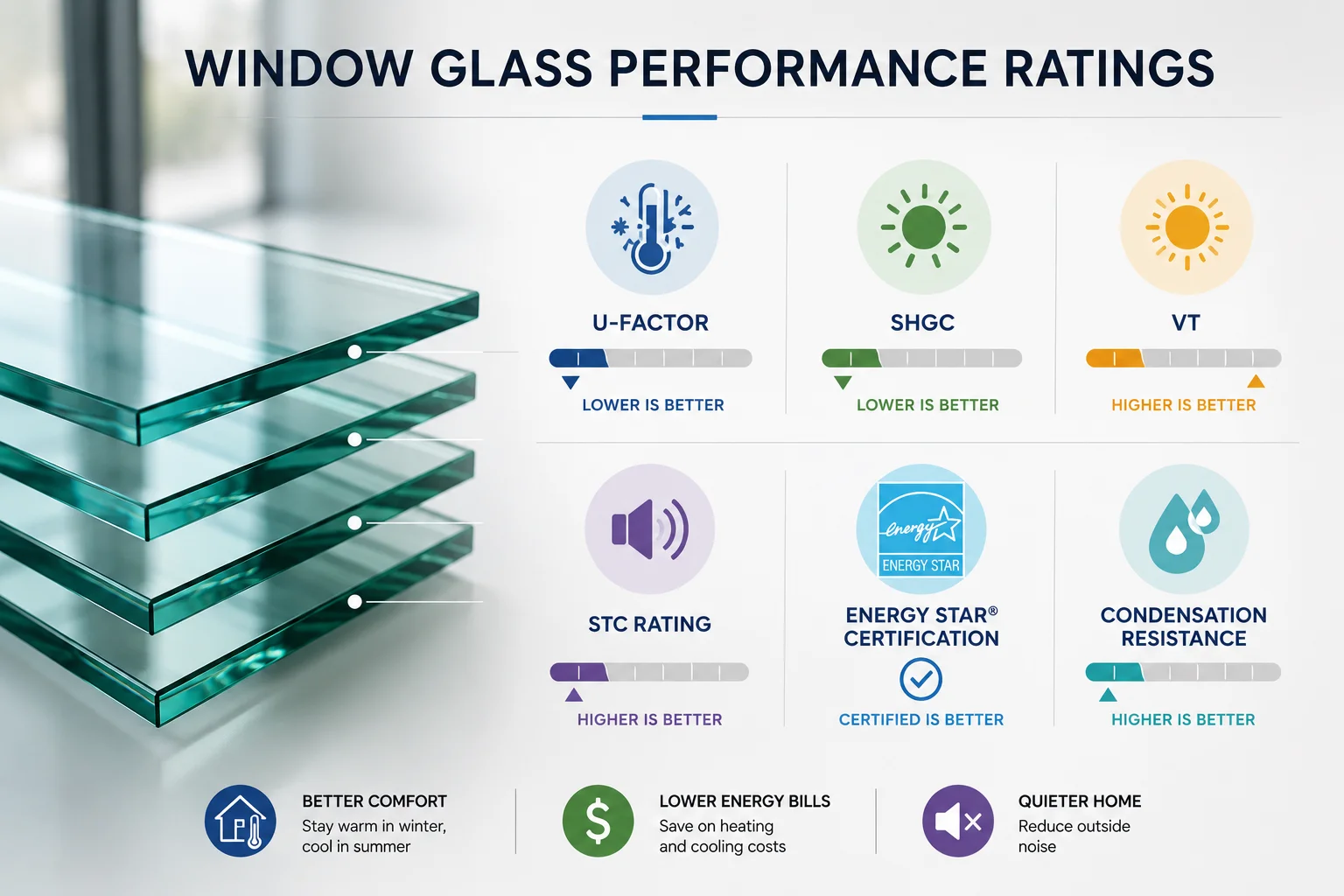
Fixed windows are usually more energy efficient because they have fewer moving parts and tighter seals. The permanently closed design reduces air leakage and drafts.
Operable windows can still be highly efficient, especially with modern weatherstripping and insulated glass, but they typically allow slightly more air infiltration over time.
Natural Light and Views

Fixed windows often use larger uninterrupted glass panels, creating wider outdoor views and bringing in more daylight. Picture windows are a common example.
Operable windows may have frames, sliders, or sashes that slightly reduce the viewing area, but they still provide excellent natural light in most homes.
Maintenance Requirements
Fixed windows usually require less maintenance because they do not have hinges, tracks, locks, or moving hardware.
Operable windows need occasional maintenance to keep opening systems, seals, and locking mechanisms working smoothly.
Security and Safety
Fixed windows are generally more secure because they cannot be opened from the outside. Their sealed design also reduces some forced-entry risks.
Operable windows provide ventilation and emergency escape access, especially important in bedrooms where egress windows may be required by code.
Cost Differences
Fixed windows are often less expensive because they have simpler construction and fewer hardware components.
Operable windows usually cost more due to opening mechanisms, locks, hinges, and additional engineering.
Noise Reduction Performance
Fixed windows typically block outside noise better because airtight seals reduce sound transmission.
Operable windows can still provide good sound insulation, especially with double or triple-pane glass, but small gaps around movable parts may allow slightly more noise.
Cleaning Convenience

Cleaning depends on window location and design. Fixed windows on higher floors may be harder to clean from outside because they cannot open.
Some operable windows, such as double-hung tilt-in windows, are designed for easier interior cleaning and maintenance.