
Window Parts 101
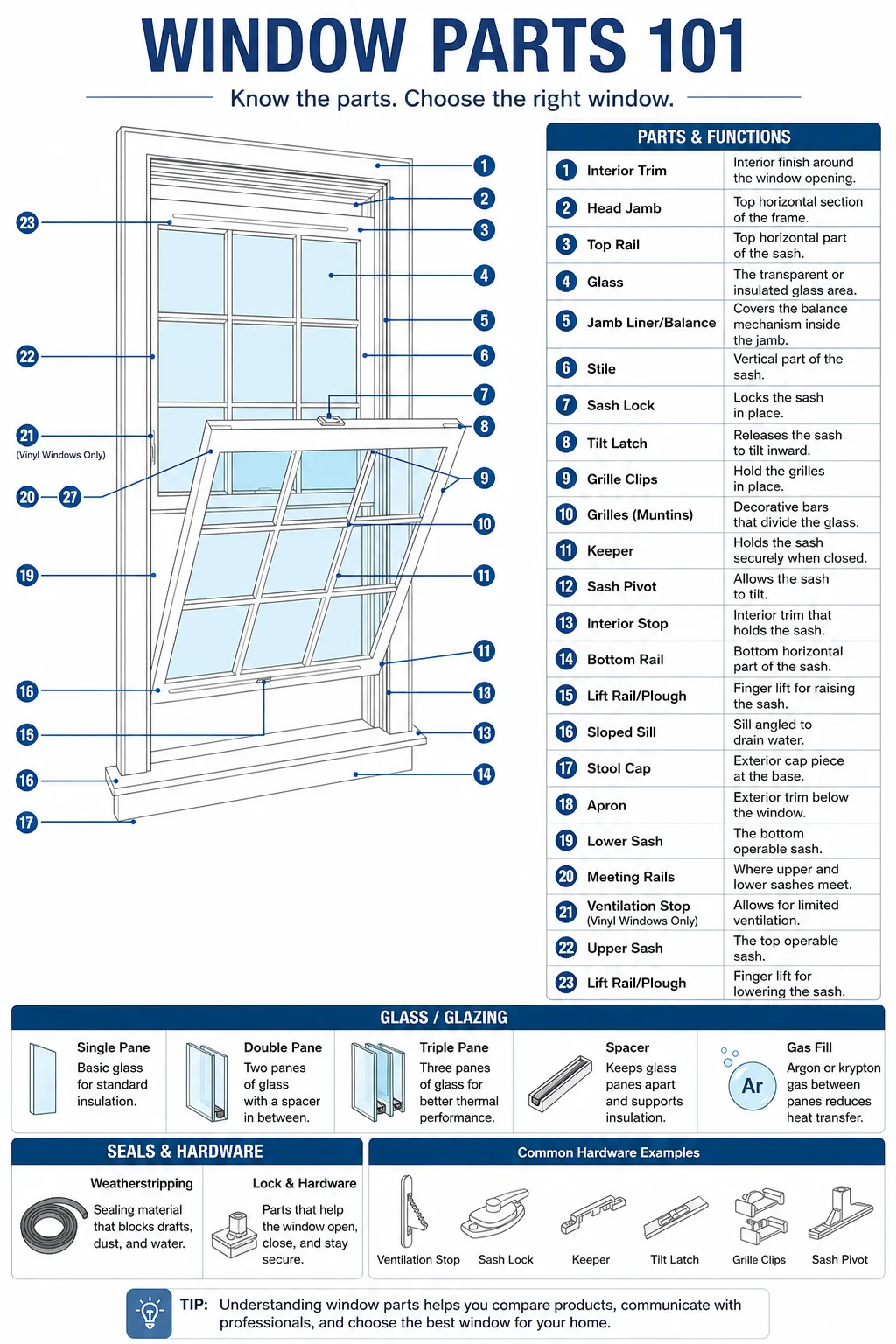
Before choosing a window, it helps to know the basic parts. These terms make it easier to compare products and talk with suppliers or installers.
- Frame: The outer structure that holds the whole window in place. It can be made from vinyl, wood, aluminum, fiberglass, or composite.
- Sash: The part that holds the glass. In some windows, the sash moves up, down, or sideways.
- Glass / Glazing: The glass area of the window. It may be single, double, or triple pane.
- Spacer: A small part between glass panes that helps keep the panes apart and supports insulation.
- Gas Fill: Some double or triple-pane windows use argon or krypton gas to reduce heat transfer.
- Weatherstripping: A sealing material that helps block drafts, dust, and water.
- Lock and Hardware: Parts that help the window open, close, and stay secure.
Parts of a Window Explained: Complete Guide
Main Types of Windows and Where to Use Them
Choosing the right window type depends on the room, the view, the airflow you need, and your budget. Some windows are better for ventilation. Others are better for light, style, or easy cleaning. Here are the most common window types and where they work best.
Single-Hung Windows
Single-hung windows are one of the most common and budget-friendly window types. They have two sashes, but usually only the bottom sash moves. The top sash stays fixed.
These windows are a good choice for simple rooms, rental homes, and projects where cost control matters. They offer a clean look and basic ventilation without a high price. However, they may be harder to clean from inside than double-hung windows, especially on upper floors.
Best for: bedrooms, small rooms, rental units, and budget projects.
Double-Hung Windows
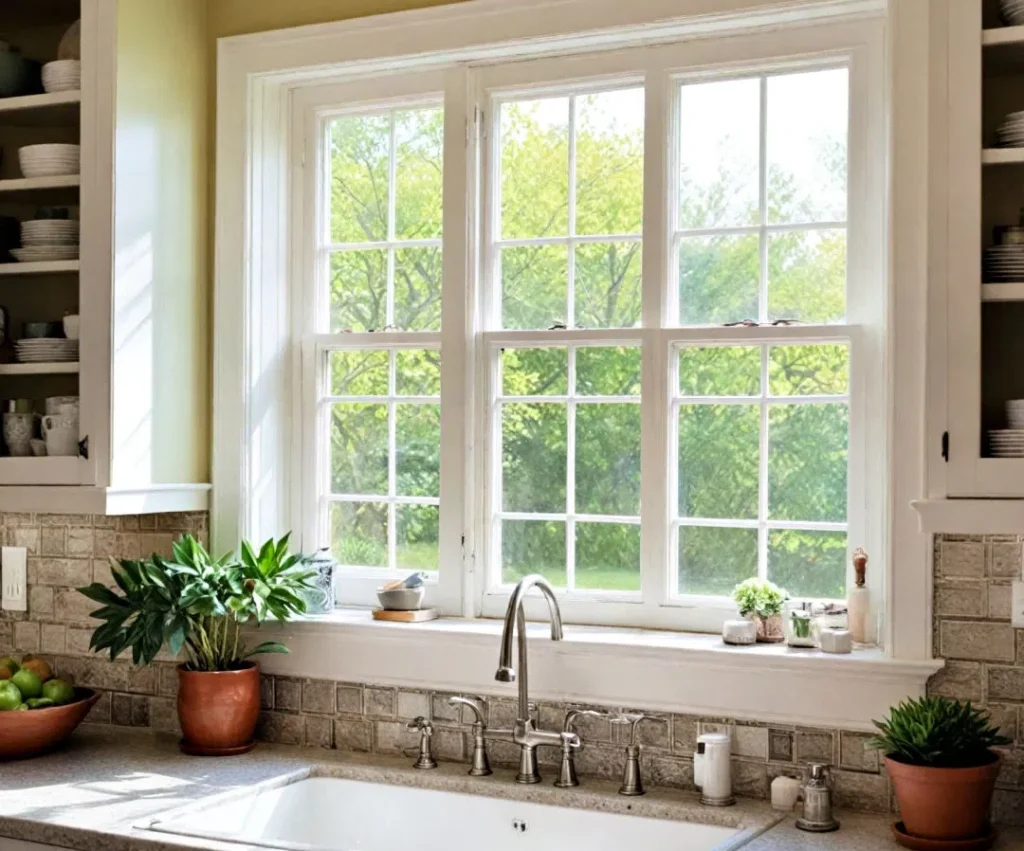
Double-hung windows look similar to single-hung windows, but both the top and bottom sashes can move. This gives you better airflow and makes cleaning easier.
They are popular in traditional homes because they fit many house styles. You can open the top sash to let warm air out or open the bottom sash to bring fresh air in. Many double-hung windows also tilt inward, which helps with cleaning.
Best for: bedrooms, living rooms, traditional homes, and upper-floor rooms.
Casement Windows
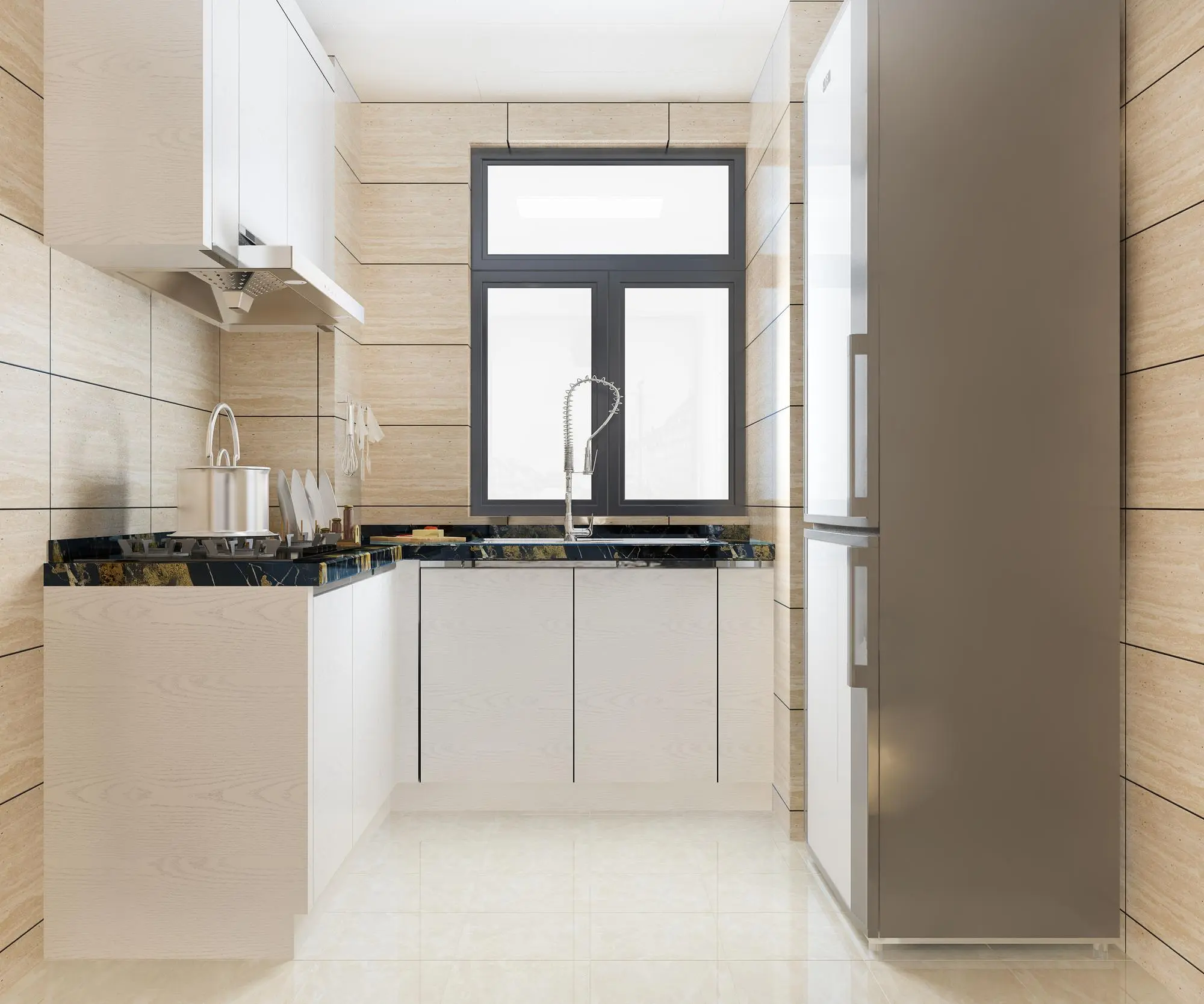
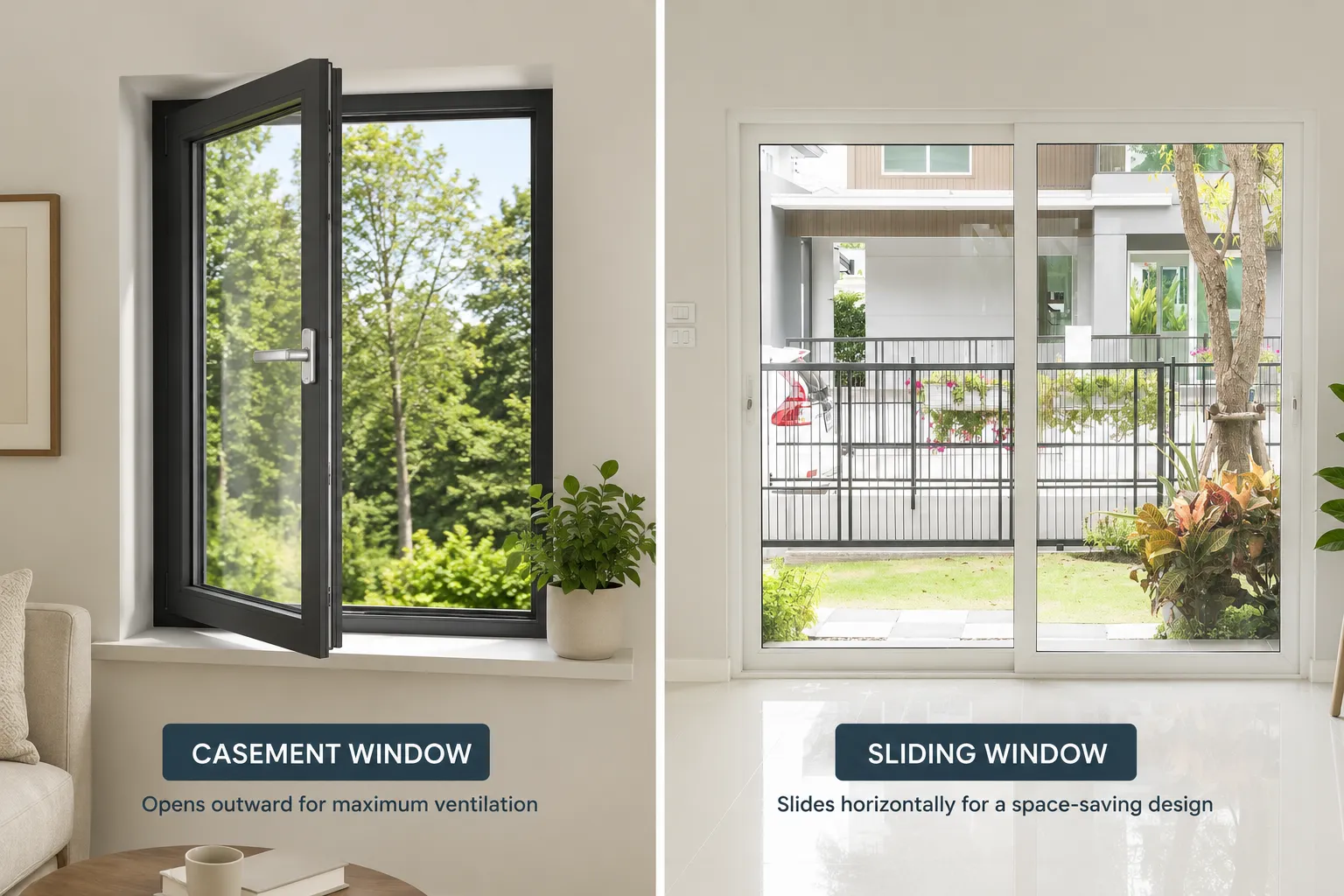
Casement windows open outward from the side, usually with a crank handle. When fully open, they can catch side breezes and bring more fresh air into the room.
They also seal tightly when closed, which can help reduce drafts. This makes them a strong option for energy-conscious buyers. Casement windows are also useful in hard-to-reach places, such as above a kitchen sink.
Best for: kitchens, bathrooms, narrow wall spaces, and rooms that need strong ventilation.
Sliding Windows
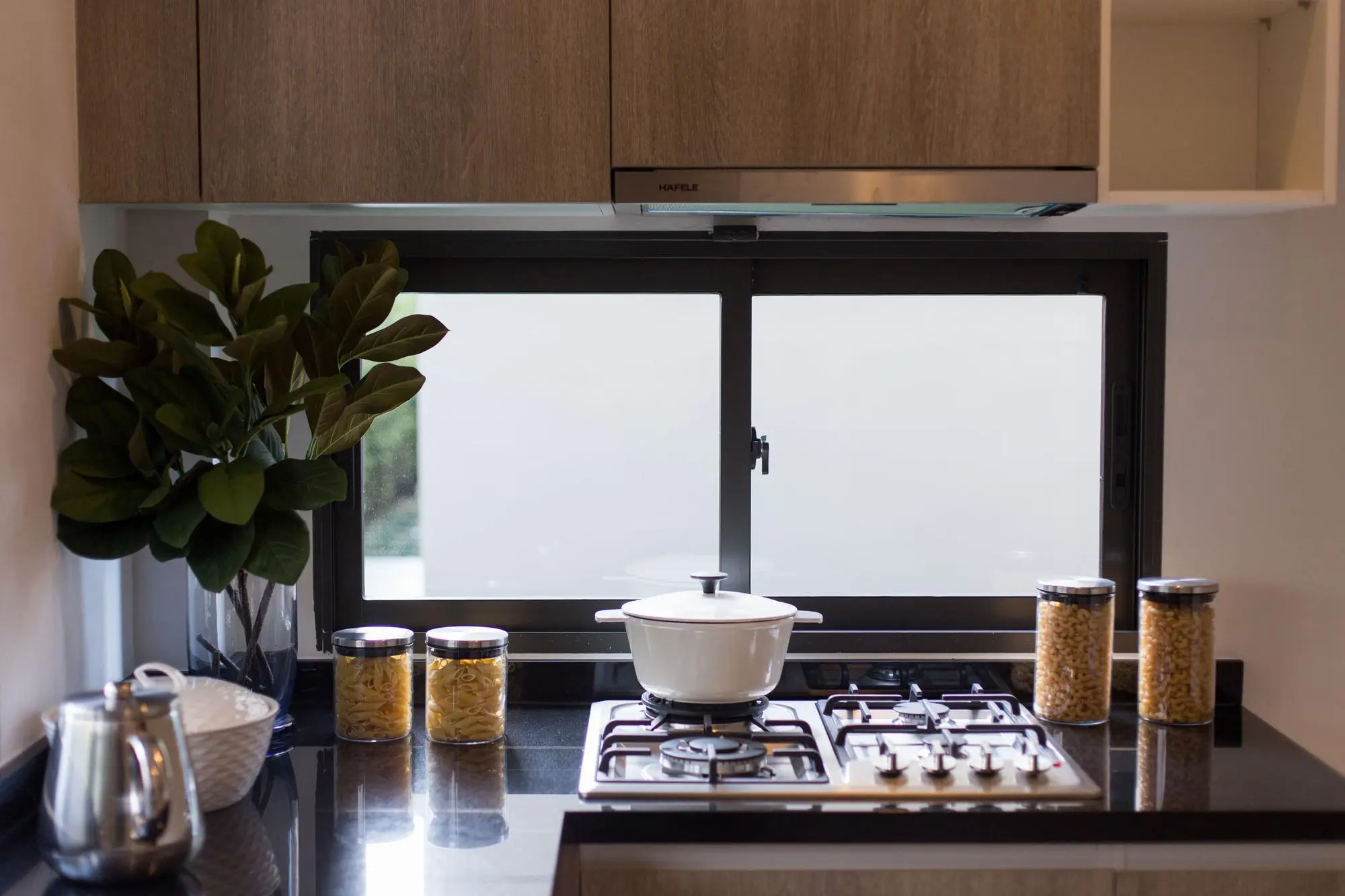
Sliding windows open horizontally along a track. They are simple to use and work well in wide wall openings.
Because they do not swing inward or outward, they are great for spaces where you want easy operation without taking up extra room. They also suit modern home designs because of their wide, clean shape.
Best for: living rooms, modern homes, wide openings, and rooms facing patios or walkways.
Awning Windows
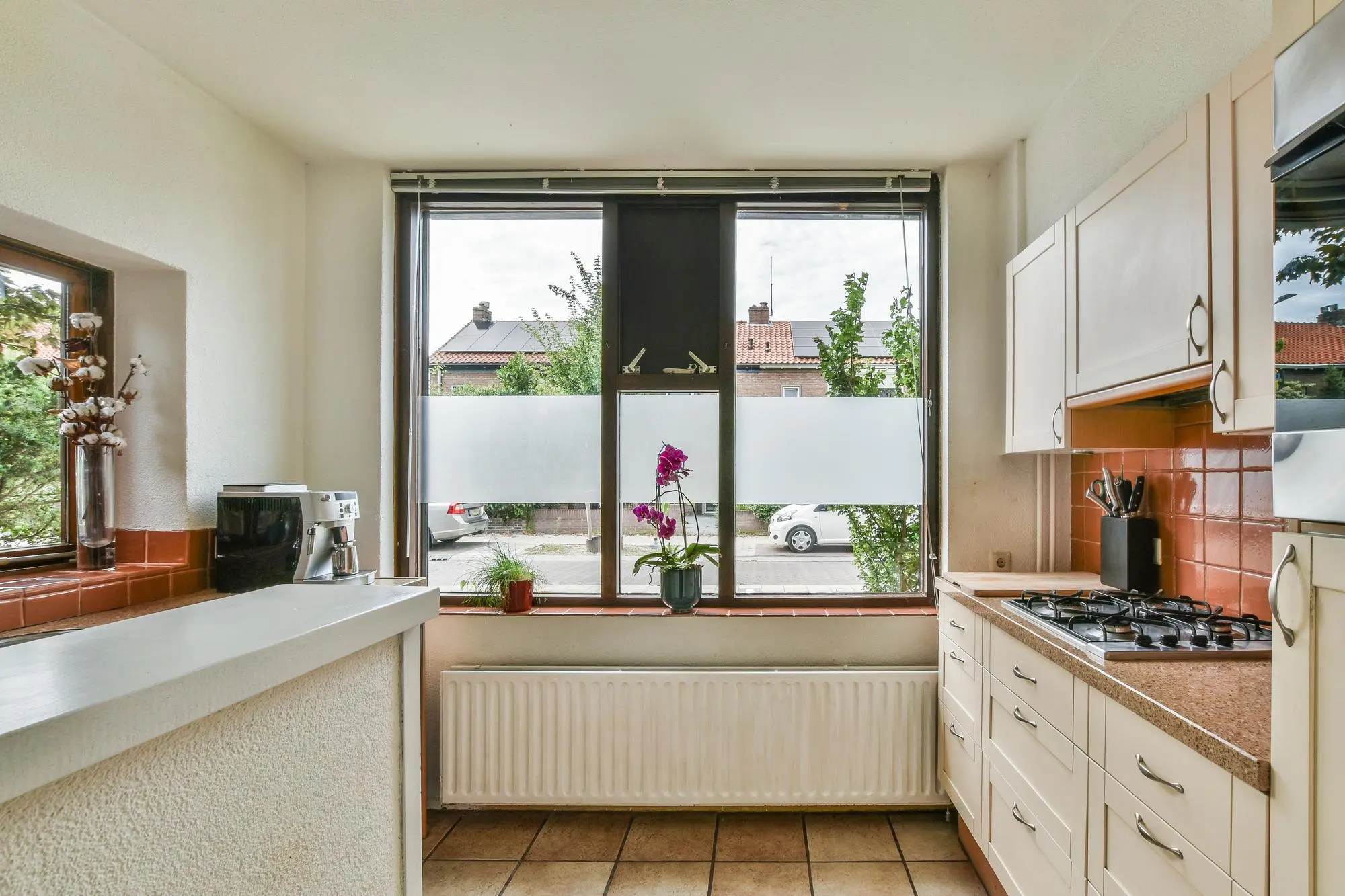
Awning windows are hinged at the top and open outward from the bottom. Their design helps keep light rain out while still allowing airflow.
This makes them useful in bathrooms, basements, and humid areas. They are often placed higher on the wall for privacy while still bringing in fresh air. Awning windows can also be paired with fixed windows to add ventilation.
Best for: bathrooms, basements, laundry rooms, and rainy climates.
Picture Windows
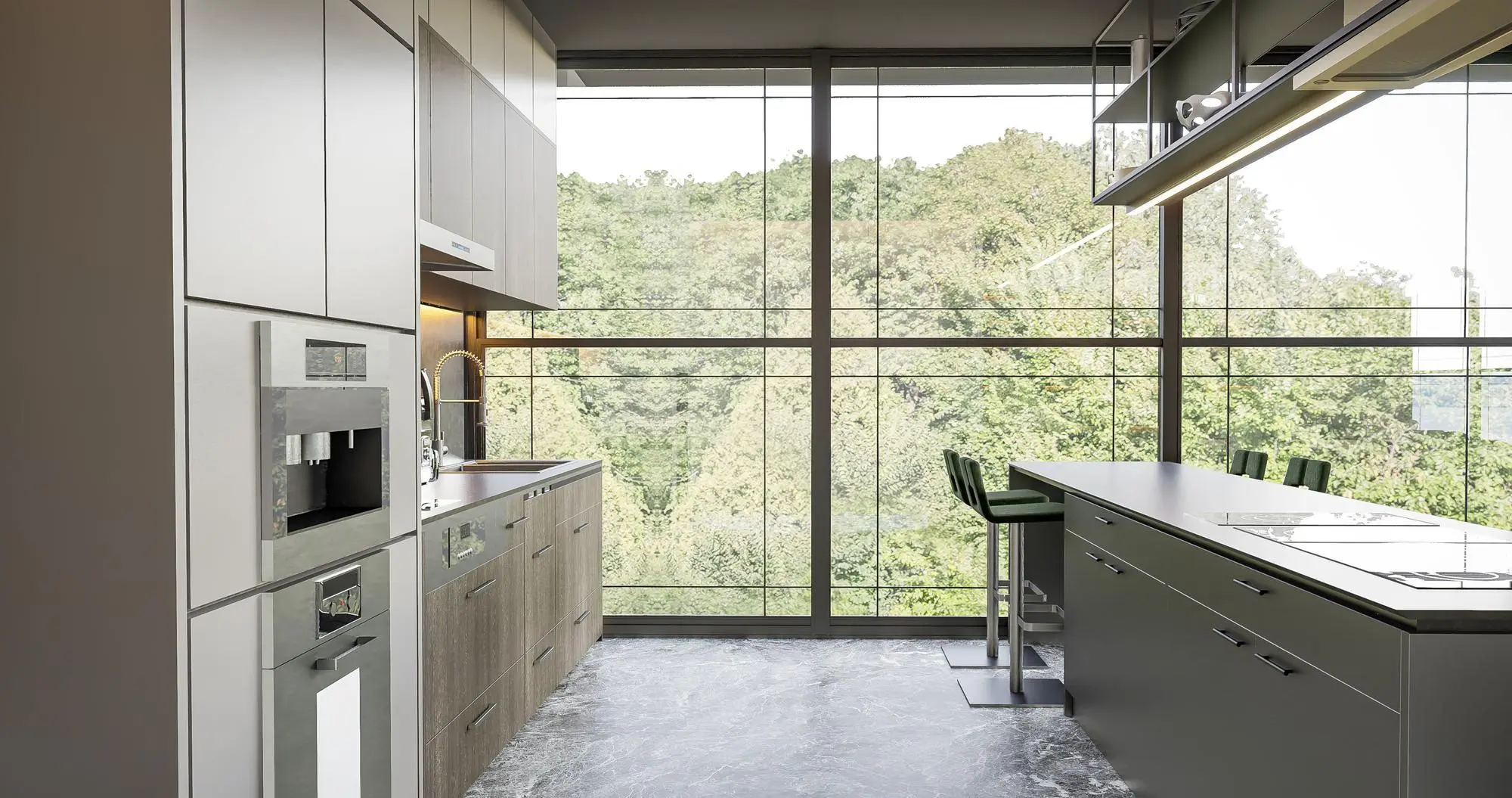
Picture windows are fixed windows that do not open. Their main purpose is to bring in natural light and show a clear outdoor view.
Because they have no moving parts, they can be very energy efficient when built and installed well. However, they do not provide ventilation. They work best in rooms where you already have other windows or doors for airflow.
Best for: living rooms, dining rooms, stairways, and rooms with a nice view.
Bay and Bow Windows

Bay and bow windows project outward from the wall, creating extra space and a wider view. A bay window usually has three panels, while a bow window often has four or more curved panels.
These windows can make a room feel larger and brighter. They also improve curb appeal from the outside. Some designs include a small seating area or display shelf inside.
Best for: living rooms, front rooms, reading corners, and homes that need more character.
Skylights and Roof Windows

Skylights and roof windows bring natural light from above. They are useful in rooms where wall windows are limited or where extra daylight is needed.
They can make dark spaces feel open and fresh. Some models are fixed, while others can open for ventilation. Good installation is very important because roof windows must prevent leaks and handle weather exposure.
Best for: lofts, attics, bathrooms, hallways, and dark rooms.
Window Frame Materials: Pros and Cons
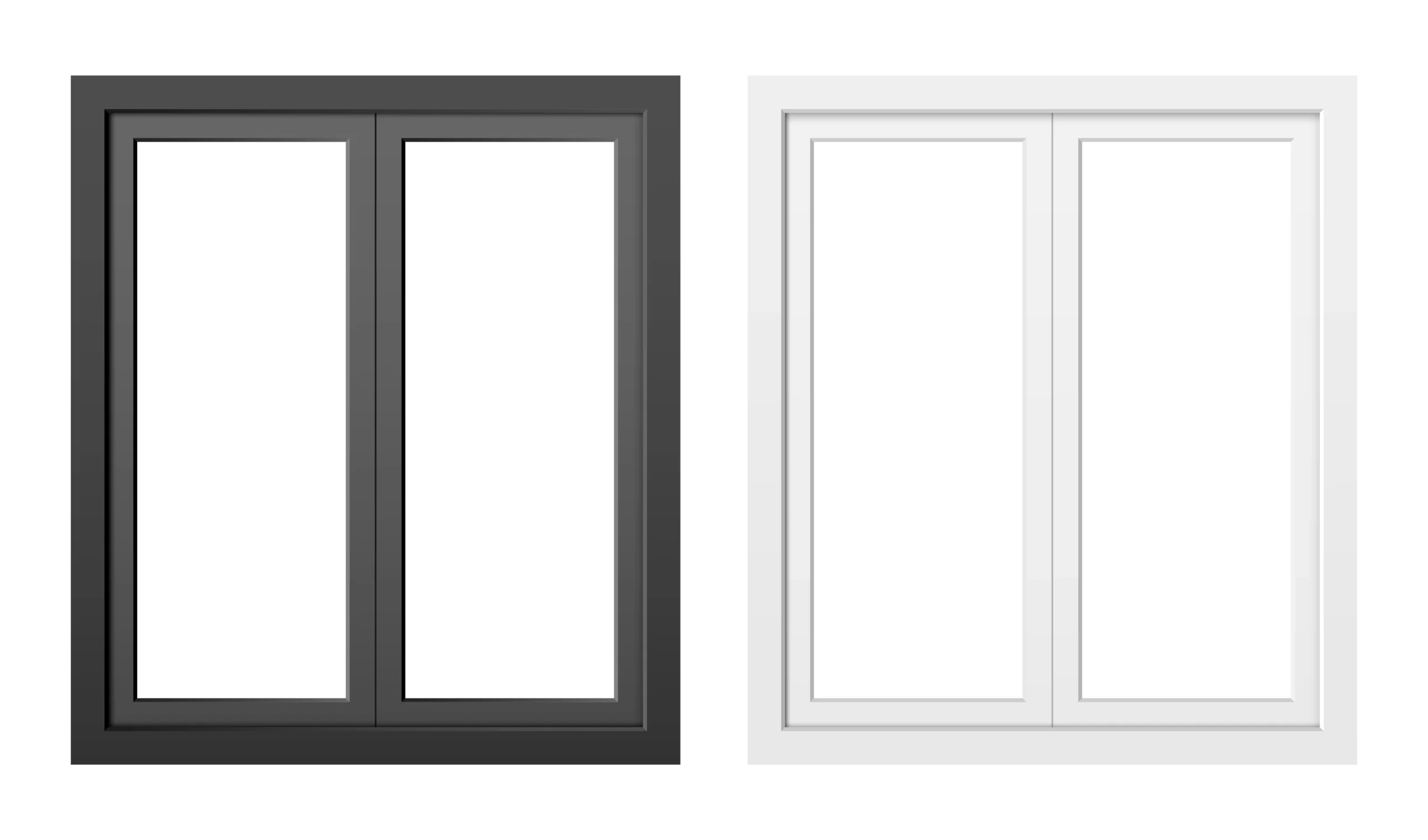
Window frames affect price, insulation, strength, and maintenance. The best material depends on your budget, climate, home style, and how much care you want to do later.
Vinyl / uPVC Windows
Vinyl, also called uPVC in many markets, is one of the most popular window frame materials. It is affordable, easy to maintain, and offers good insulation.
Pros:
- Budget-friendly
- Low maintenance
- Good thermal insulation
- Does not need painting
- Resists moisture well
Cons:
- Less premium look than wood
- Limited color options in some markets
- Lower-quality vinyl may warp in strong heat
Vinyl/uPVC windows are a smart choice for buyers who want good performance without a high price.
Wood Windows
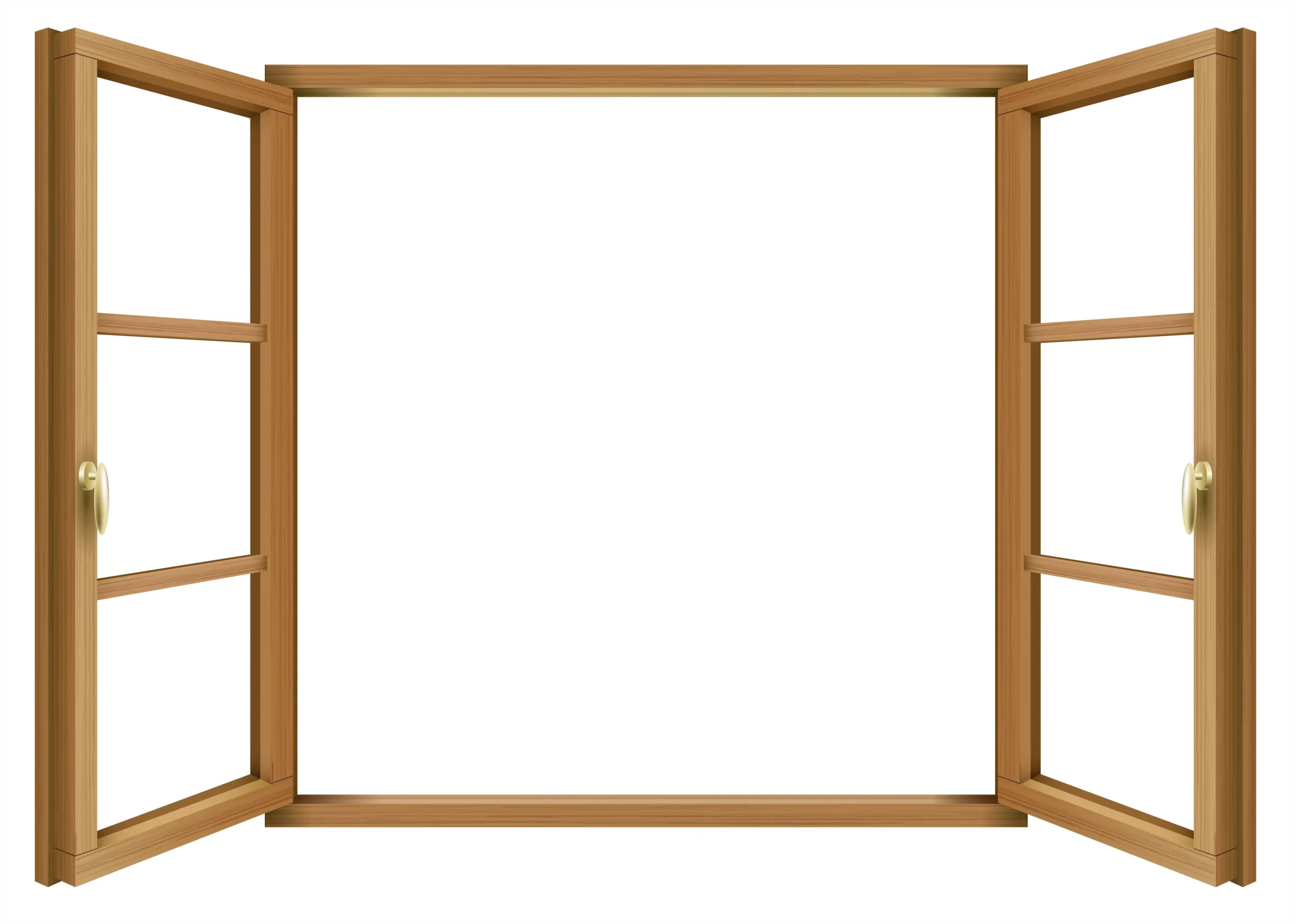
Wood windows have a warm, natural look that many homeowners love. They are often used in traditional, luxury, or custom homes.
Pros:
- Classic and beautiful appearance
- Good natural insulation
- Can be painted or stained
- Adds a premium feel to the home
Cons:
- Needs regular maintenance
- Can rot, swell, or crack if not protected
- Usually more expensive than vinyl
- Not ideal for very wet areas without proper treatment
Wood is best if appearance matters most and you are ready for long-term care.
Aluminum Windows
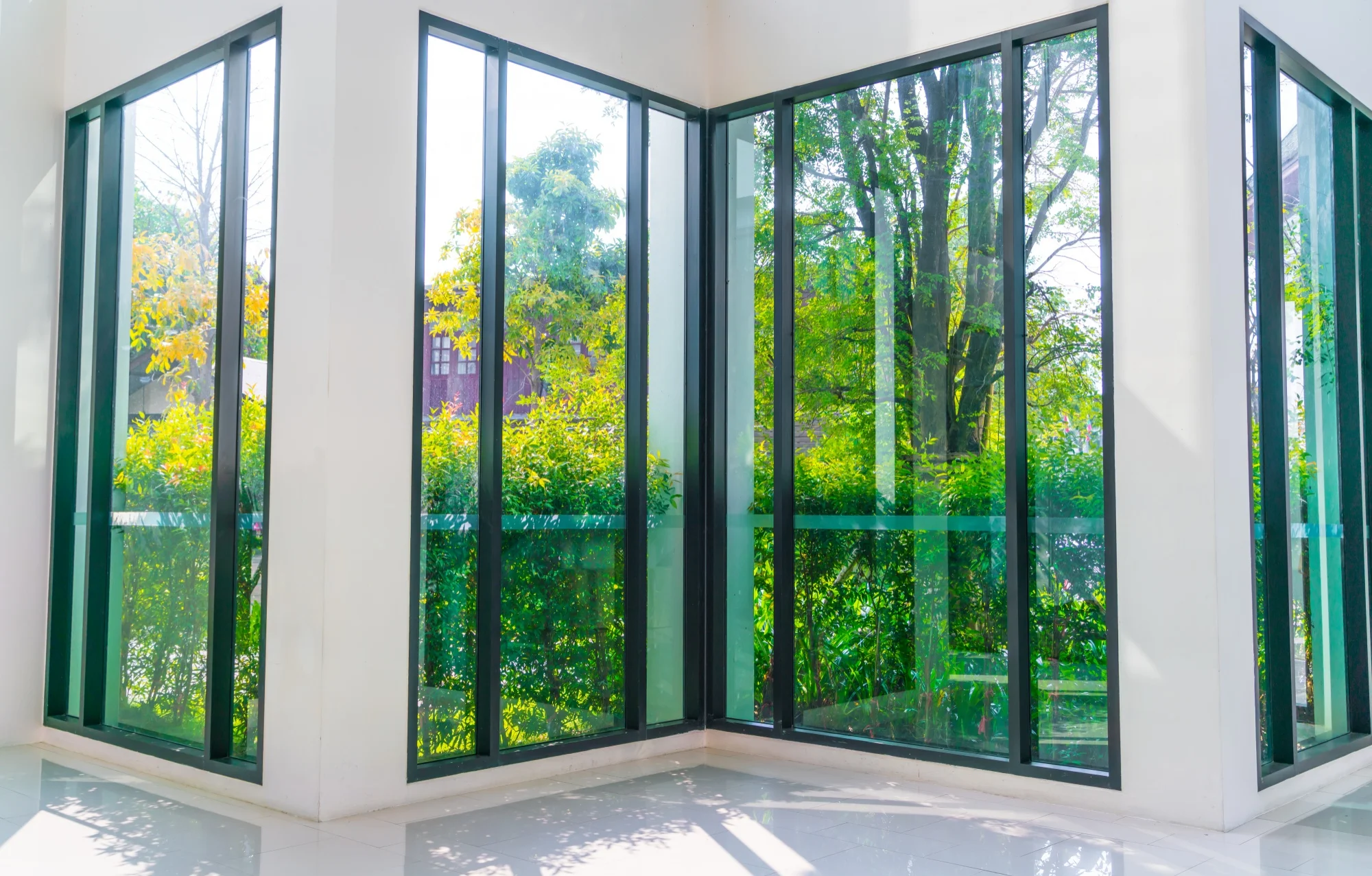
Aluminum frames are strong, slim, and modern. They are often used in large windows, commercial buildings, and contemporary homes.
Pros:
- Strong and durable
- Slim frame design
- Good for large glass areas
- Low maintenance
- Modern appearance
Cons:
- Conducts heat easily
- Less insulating without thermal breaks
- May cause condensation in cold climates
- Can feel less warm than wood or composite
Choose aluminum when you want strength and a clean modern look. For better energy performance, look for aluminum frames with a thermal break.
Fiberglass Windows
Fiberglass windows are strong, stable, and energy efficient. They handle temperature changes better than many other materials.
Pros:
- Very durable
- Good insulation
- Resists warping and swelling
- Low maintenance
- Long service life
Cons:
- Higher upfront cost
- Fewer budget options
- May have limited availability in some markets
Fiberglass is a good choice for buyers who want long-term value and strong performance.
Composite Windows
Composite windows are made from a mix of materials, often designed to improve strength, insulation, and moisture resistance.
Pros:
- Good balance of strength and insulation
- More stable than basic vinyl
- Lower maintenance than wood
- Better moisture resistance
- Can offer a wood-like look
Cons:
- More expensive than vinyl
- Quality varies by brand
- Not always as natural-looking as real wood
Composite windows are a practical middle option if you want better performance than basic vinyl but less maintenance than wood.
Window Materials Guide for Modern Homeowners
How to Choose Windows by Climate
Your climate should guide your window choice. A good window in a cold area may not be the best choice for a hot, sunny, or humid place. Focus on the window ratings and materials that match your weather.
Cold Climates

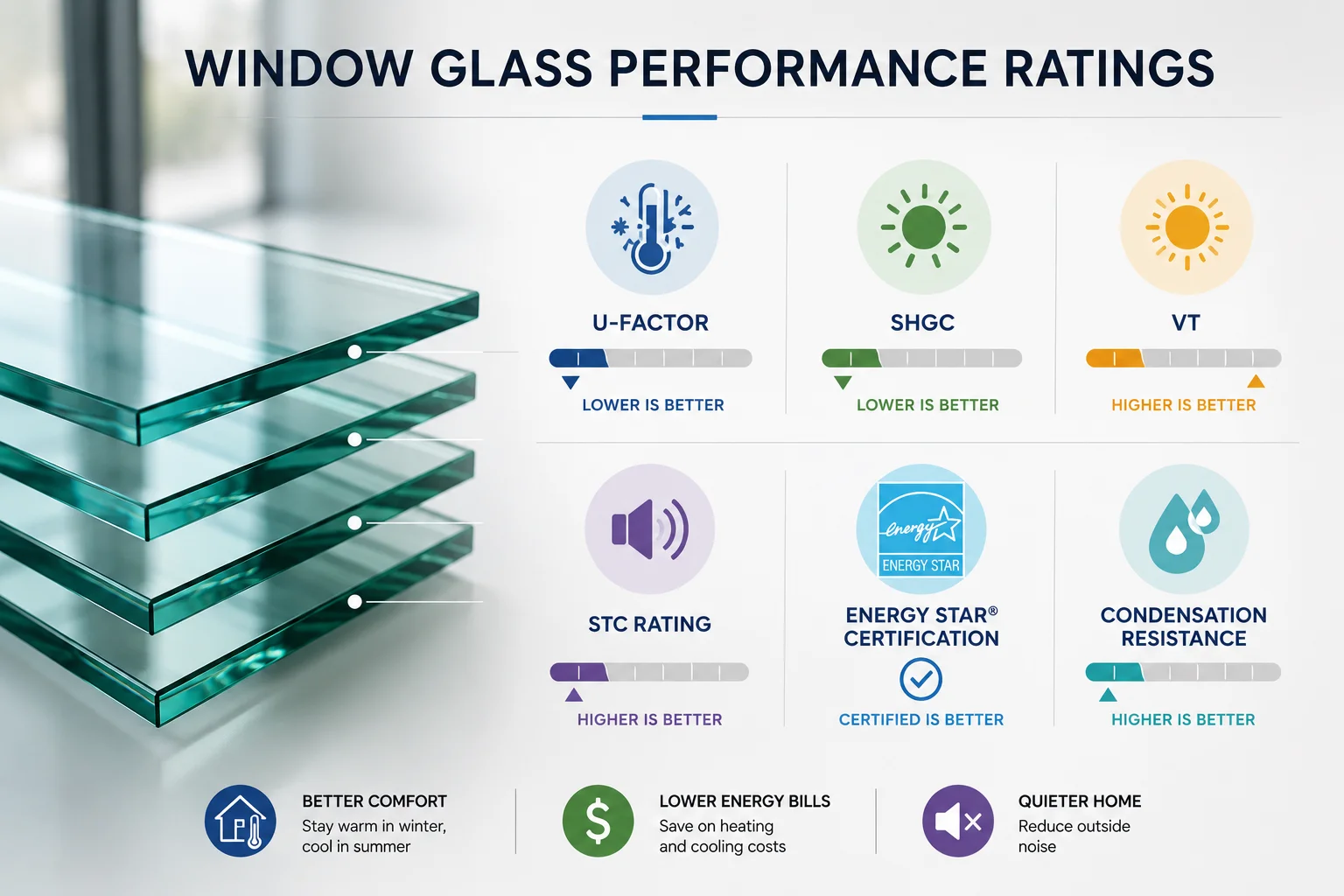
In cold areas, choose windows that help keep warm air inside. Look for a low U-factor, insulated glass, warm-edge spacers, and strong weather seals.
Double-pane or triple-pane glass can improve comfort and reduce heat loss. Airtight installation is also very important. Even a high-quality window can feel drafty if it is not sealed well.
Best choice: insulated windows with low U-factor and tight installation.
Hot Climates
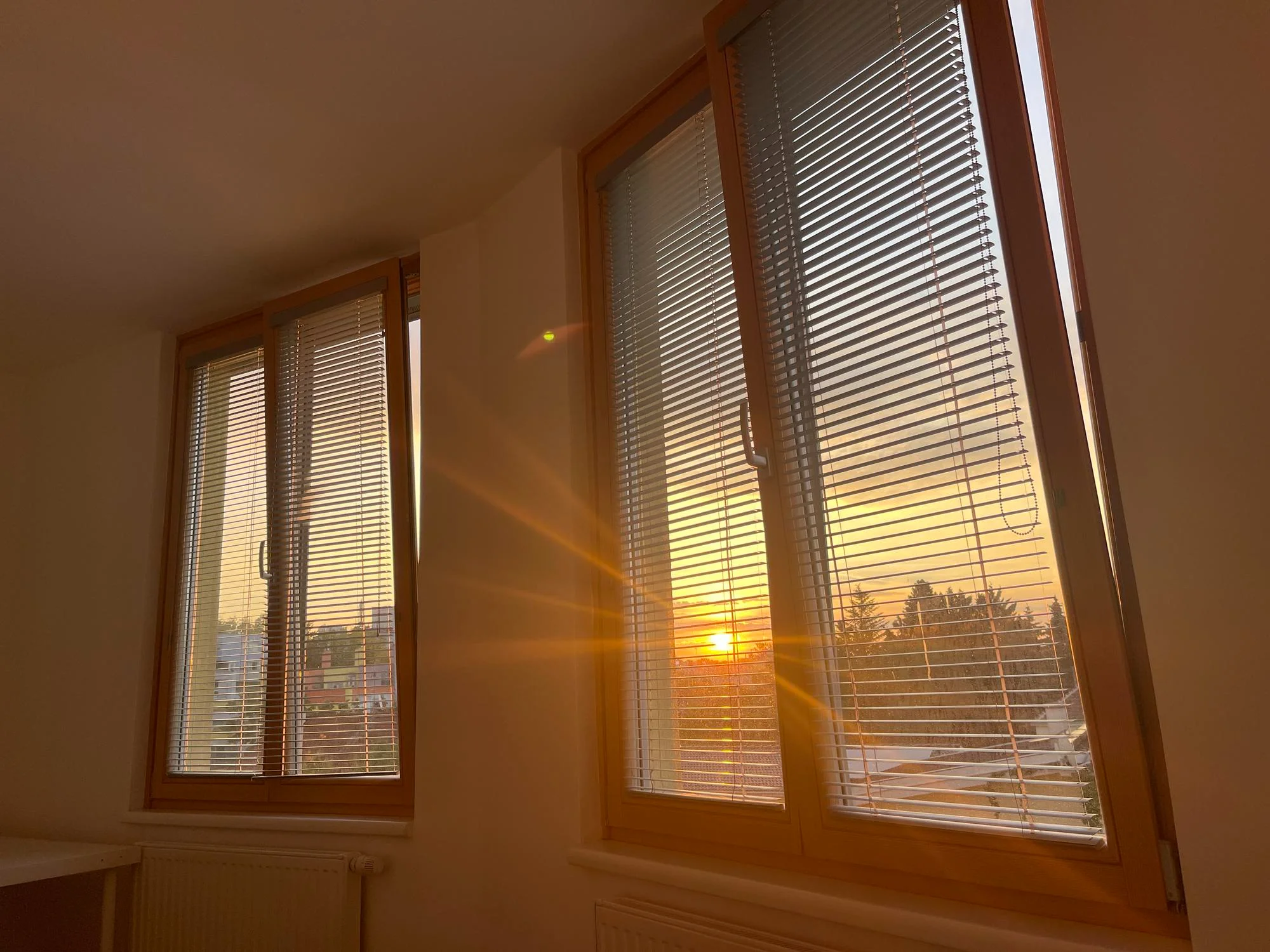
In hot climates, the goal is to block heat from the sun. Look for windows with low SHGC, low-e glass, UV protection, and good shading.
These features help keep indoor rooms cooler and reduce pressure on air conditioning. For sunny walls, tinted or coated glass can also help reduce glare and fading on furniture.
Best choice: low-e windows with low SHGC and strong solar control.
Mixed Climates
Mixed climates need balance. You may need insulation in winter and heat control in summer, so do not focus on only one rating.
Choose windows with a good balance of U-factor and SHGC. This helps reduce heat loss in cold months while still controlling solar heat in warm months.
Best choice: balanced energy-efficient windows for year-round comfort.
Coastal or Humid Areas
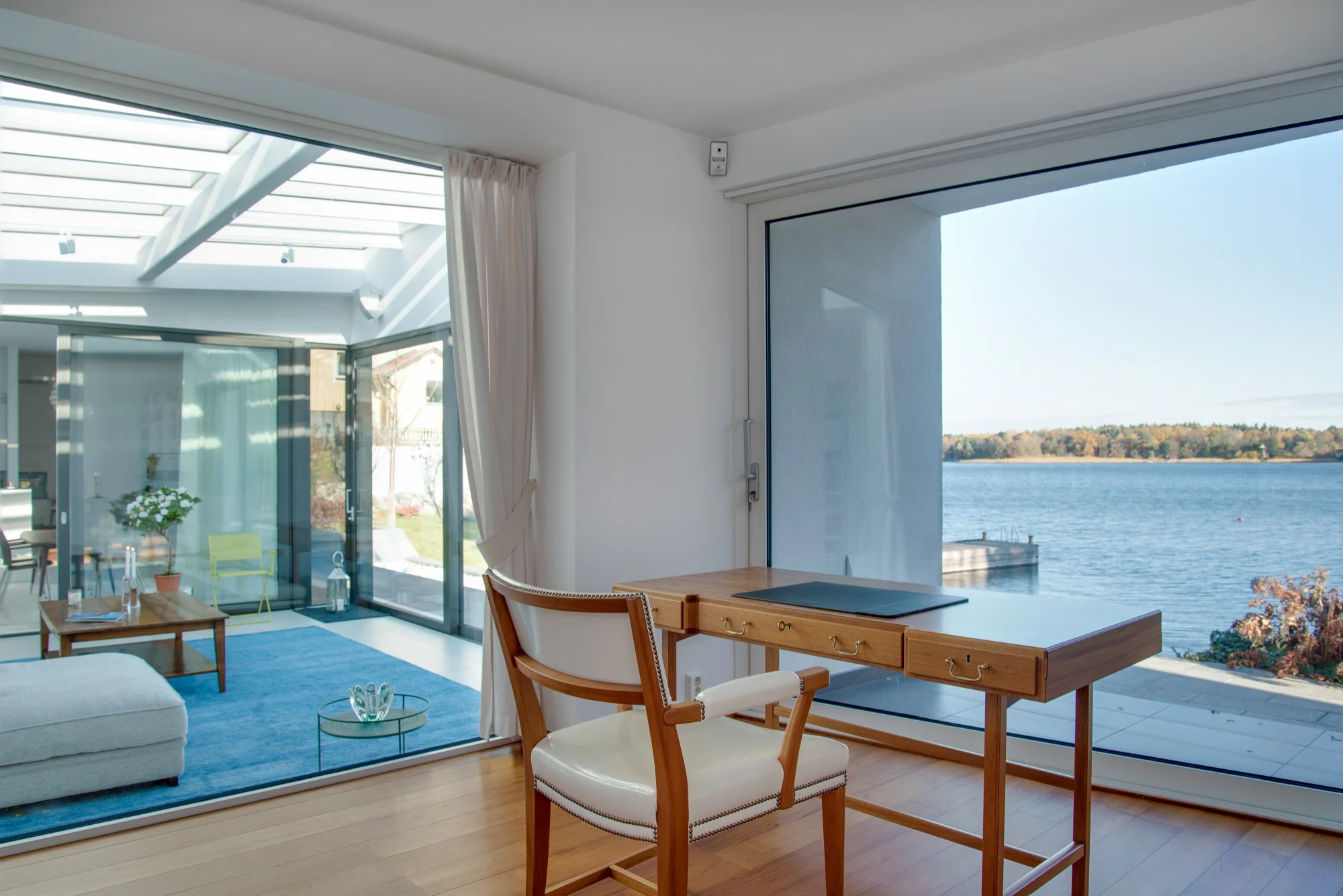
Coastal and humid areas need windows that can handle moisture, salt air, and strong weather. Choose corrosion-resistant hardware, strong seals, and frame materials that resist swelling or rust.
Vinyl/uPVC, fiberglass, and some composite frames often work well in wet climates. If you choose aluminum, look for quality coating and thermal breaks.
Best choice: moisture-resistant frames, durable hardware, and tight weather seals.
New Windows vs Replacement Windows
| Comparison Point | New Windows | Replacement Windows |
|---|---|---|
| Best For | New homes, room additions, major renovations, or changing window size and style. | Upgrading old or damaged windows without changing the wall opening. |
| Installation Scope | Usually requires full-frame installation, wall work, flashing, and exterior finishing. | Often installed into the existing frame if the frame is still in good condition. |
| Design Flexibility | More flexible. You can change size, shape, placement, and window type. | More limited. Usually keeps the same window size and basic opening. |
| Cost | Usually higher because labor, framing, and finishing work may be needed. | Usually lower and faster if the existing frame does not need repair. |
| When to Choose | Choose new windows when building, remodeling, or fixing serious frame damage. | Choose replacement windows for drafts, poor insulation, foggy glass, or old windows. |
New vs Replacement Windows: Which Is Better?
Window Cost Factors Buyers Should Understand
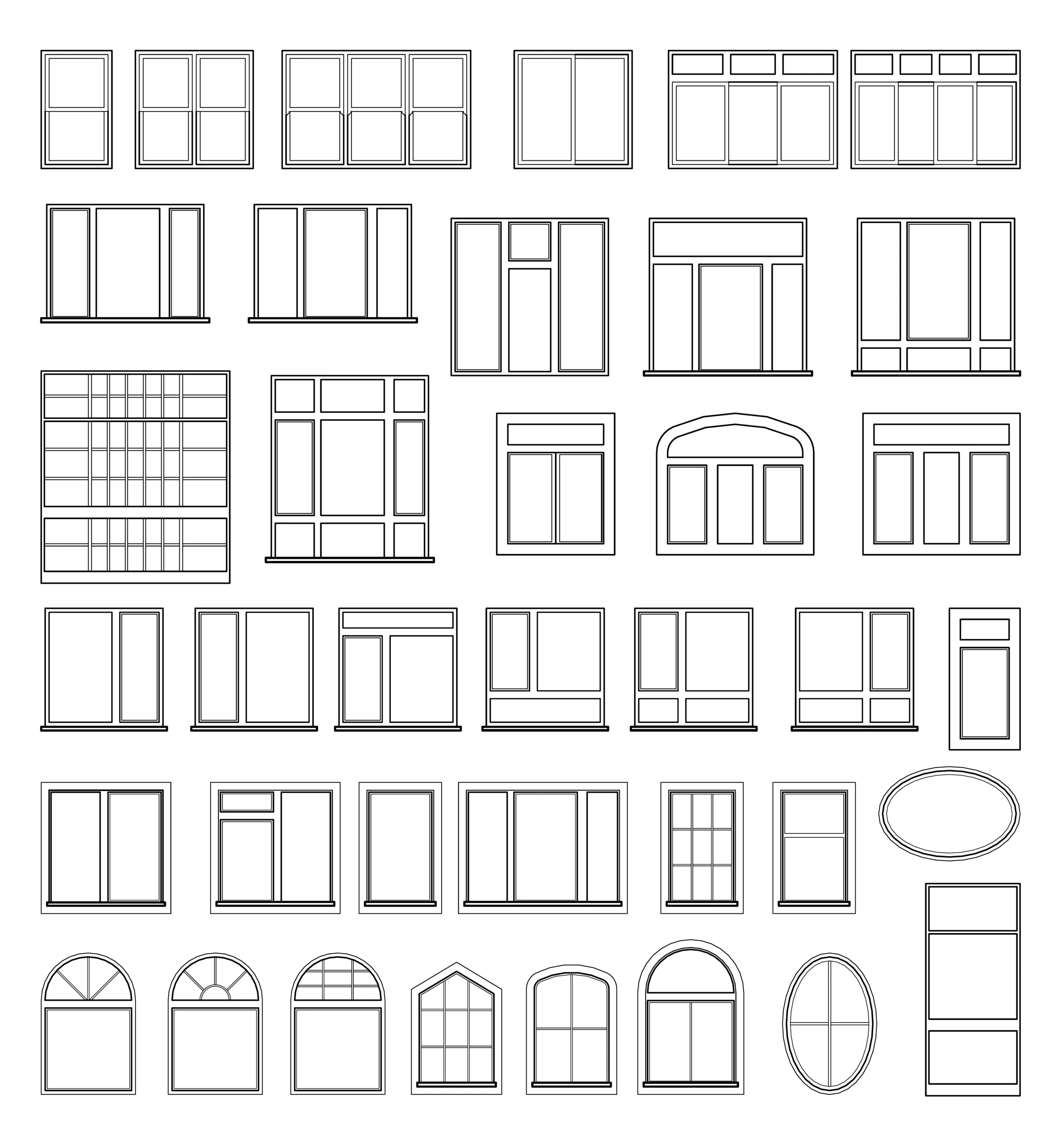
Window prices can vary a lot, so it helps to know what affects the final cost before you buy.
- Window size: Larger windows usually cost more because they need more glass, stronger frames, and extra labor.
- Window type: Picture and single-hung windows are often more budget-friendly. Bay, bow, skylight, and custom windows usually cost more.
- Frame material: Vinyl/uPVC is usually affordable. Wood, fiberglass, and composite frames often cost more but may offer better style or durability.
- Glass package: Double-pane, triple-pane, low-E, laminated, or gas-filled glass can raise the price but improve comfort and energy savings.
- Installation work: Costs increase if the wall opening needs repair, resizing, flashing, or trim replacement.
- Energy performance: Higher-efficiency windows may cost more upfront but can reduce drafts and improve long-term comfort.
- Warranty and brand quality: A cheaper window is not always better if the warranty, hardware, or seal quality is weak.
Window Installation 101
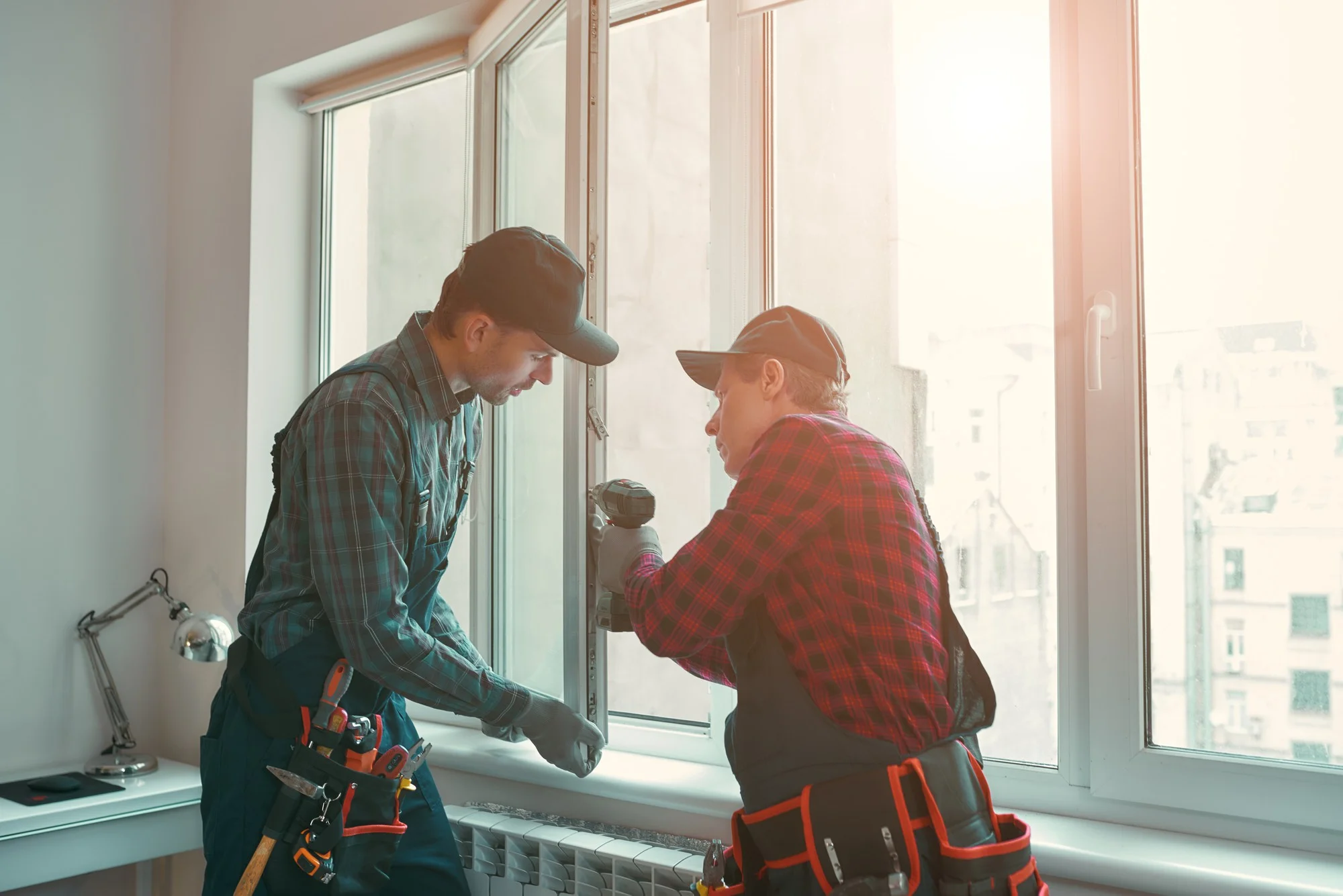
Good window installation matters as much as the window itself. Even a high-quality window can leak air or water if it is not fitted, sealed, and flashed correctly.
Before installation, check the window size, wall opening, frame condition, drainage path, and insulation gap. If the old frame has rot, cracks, or water damage, repair it first. Installing a new window over a weak frame can cause future leaks and poor energy performance.
A proper installer should:
- Measure the opening carefully before ordering
- Keep the window level, square, and secure
- Add flashing to guide water away
- Seal gaps to reduce drafts
- Insulate around the frame without overfilling
- Check smooth opening and closing
- Finish interior and exterior trim neatly
For replacement windows, installation is usually faster if the existing frame is still solid. For new windows or full-frame replacement, more wall and trim work may be needed.
Simple tip: Do not choose an installer by price only. A cheaper installation can cost more later if it causes drafts, water damage, or early window failure.
Window Maintenance Tips

Good window care helps prevent drafts, leaks, stuck sashes, and early damage. A few simple checks each season can keep your windows working well for years.
- Clean the glass and frames: Use mild soap and water. Avoid harsh cleaners that may damage coatings or frame finishes.
- Clear tracks and weep holes: Remove dust, leaves, and debris so water can drain properly.
- Check seals and caulk: Look for cracks, gaps, or loose sealant around the frame.
- Inspect weatherstripping: Replace worn or flattened strips to reduce drafts and improve comfort.
- Lubricate moving parts: Add light lubricant to hinges, locks, and tracks if the window feels stiff.
- Watch for condensation: Fog between glass panes may mean the insulated glass seal has failed.
- Repair small problems early: Fix loose locks, cracked glass, or water stains before they become costly.
FAQs About Window Installation and Replacement
How to install a window guide?
Measure the opening, remove the old window, repair any damaged frame, fit the new window level and square, then flash, insulate, seal, trim, and test it. Poor installation can cause leaks and drafts, so complex or structural work is best done by a qualified installer.
Can I fit windows without FENSA?
Yes, but in England and Wales the work still needs Building Regulations compliance; you can use a registered competent person scheme installer or apply through local Building Control. GOV.UK says registered installers can self-certify and give you a certificate as evidence of compliance.
What is the cheapest time of year to replace windows?
Winter is often the best time to ask for lower prices because demand can be slower, but spring and autumn usually offer better weather for smoother installation. Always compare quotes, as the cheapest season can vary by installer and location.
What is a window face guide?
A window face guide is a small hardware part that helps keep the sash aligned as it slides or moves, reducing rattling and improving smooth operation. It is usually used on specific window systems, so buyers should match it to the exact window brand or model.