

The Core Principles of Kitchen Safety
Kitchen safety is built on four simple rules used worldwide. Follow them every day to reduce risks and keep food safe.
- Clean: Keep everything hygienic
Wash your hands before and after handling food. Clean countertops, cutting boards, and tools often. This helps remove bacteria and keeps your kitchen safe. - Separate: Prevent cross-contamination
Keep raw meat, seafood, and eggs away from ready-to-eat food. Use separate cutting boards and utensils. This stops harmful bacteria from spreading. - Cook: Use the right temperature
Cook food thoroughly to kill bacteria. Avoid undercooked meat or eggs. When in doubt, cook a little longer to ensure safety. - Chill: Store food properly
Refrigerate food quickly and keep it at safe temperatures. Don’t leave food out too long, as bacteria grow fast at room temperature.
Personal Safety Rules in the Kitchen
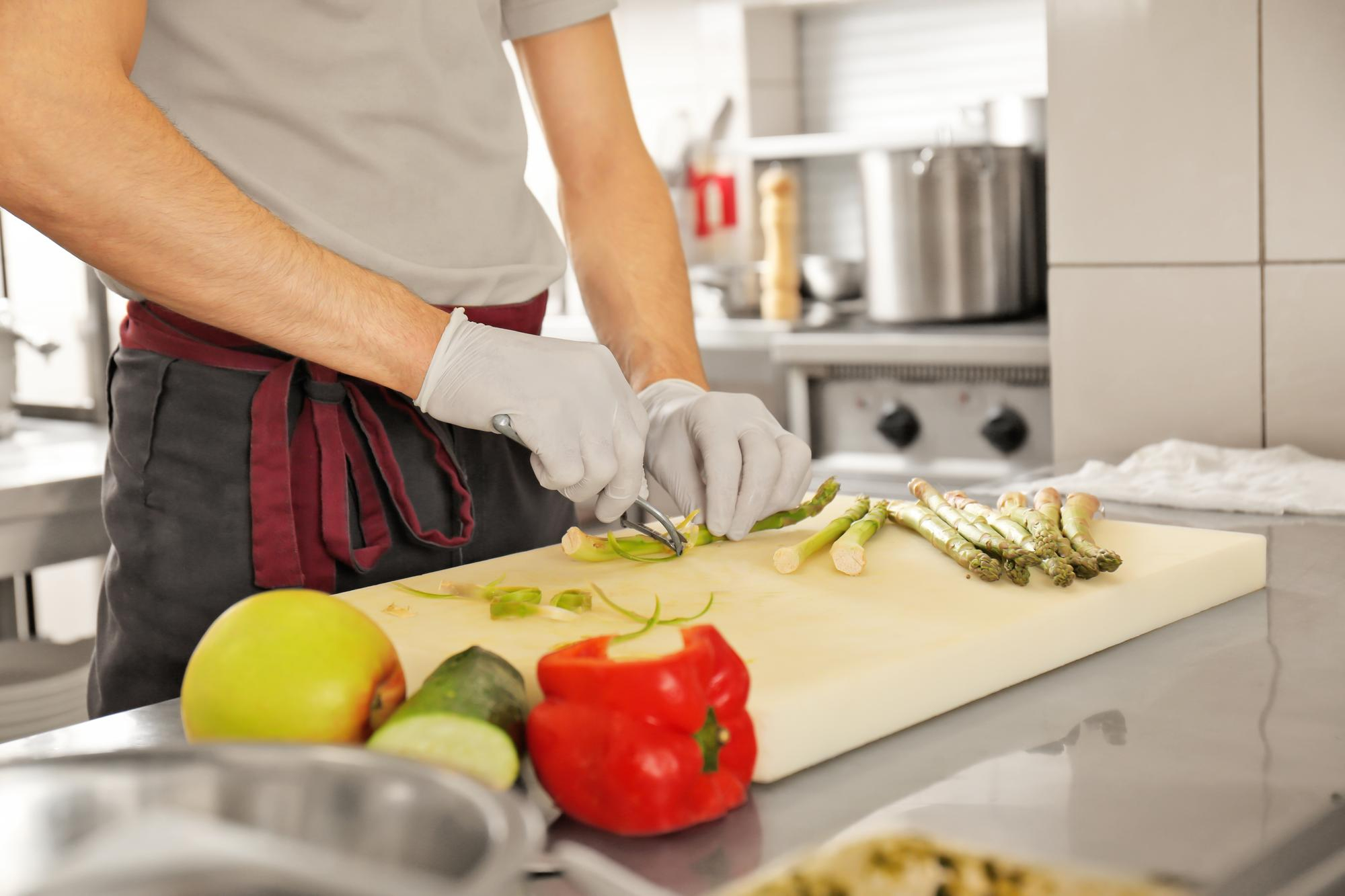
Kitchen safety starts with you. Wear fitted clothes and closed shoes to avoid burns or slips. Tie back long hair and remove loose jewelry. Stay focused—most accidents happen when people rush or get distracted. Keep your workspace clear and organized so you can move safely. If you’re cooking with others, communicate to avoid collisions. Also, keep children and pets away from hot surfaces and sharp tools.
Food Safety & Hygiene Rules
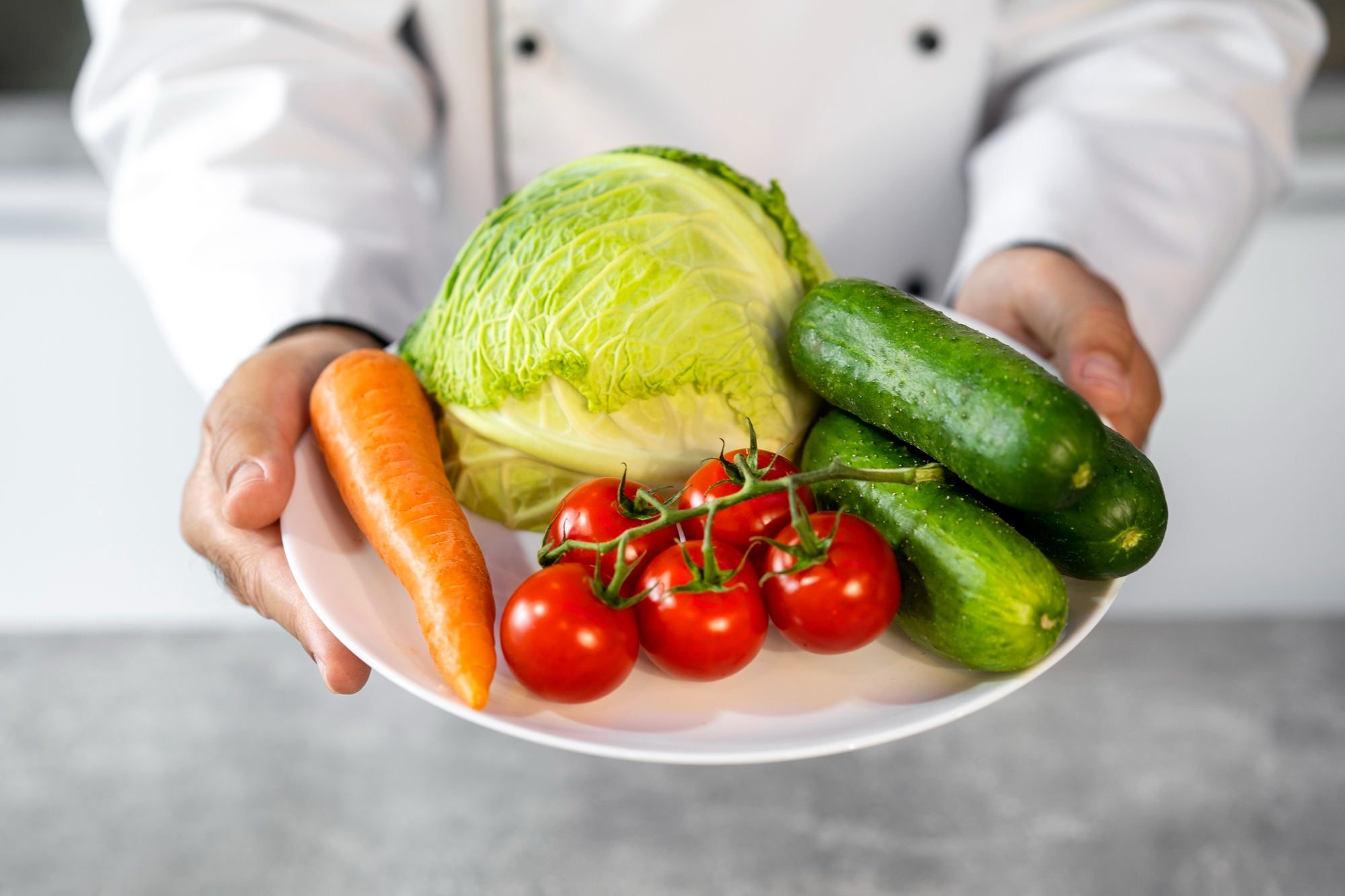
Clean habits protect your health. Wash your hands before and after handling food, especially raw meat. Use separate cutting boards for raw and cooked items to prevent cross-contamination. Wipe and sanitize surfaces regularly. Store food at proper temperatures—keep cold food cold and hot food hot. Don’t leave food out too long, and always check expiry dates before use.
Equipment & Fire Safety Guidelines
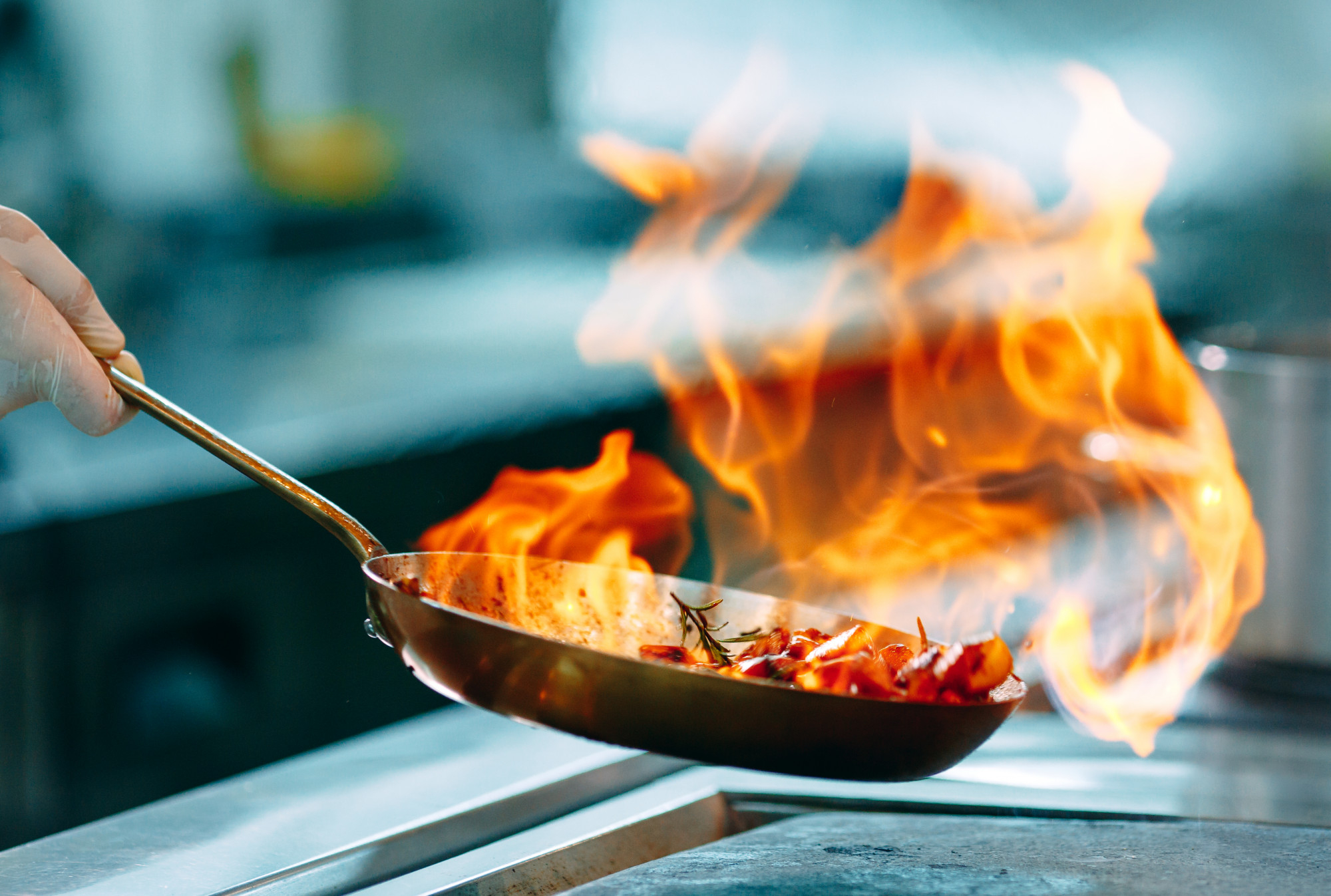
Use tools the right way. Keep knives sharp and store them safely to avoid accidents. Turn pot handles inward so they can’t be knocked over. Never leave cooking unattended, especially when frying. Keep flammable items away from heat sources. Unplug appliances after use and check cords for damage. A fire extinguisher or lid nearby can help control small fires quickly.
Preventing Common Kitchen Hazards
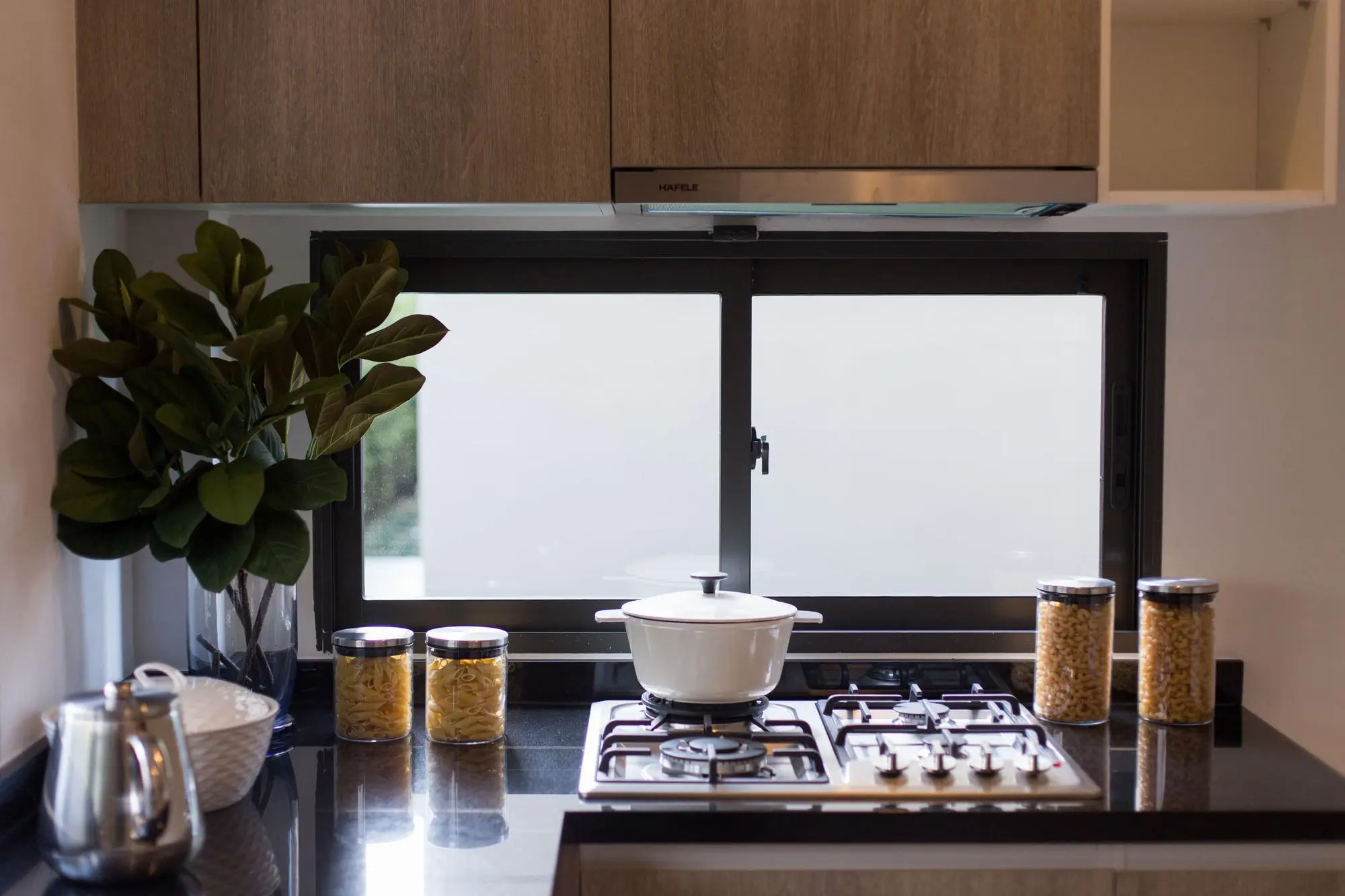
Most risks are easy to avoid with simple habits. Clean spills immediately to prevent slipping. Keep floors dry and free of clutter. Use proper tools instead of forcing the wrong ones. Make sure your kitchen is well-lit so you can see clearly while cutting or cooking. Good ventilation also helps reduce smoke and heat buildup, keeping the space safe and comfortable.
Kitchen Safety Rules by Scenario
Not all kitchens work the same way. The right safety rules depend on your space and how you use it. Here’s how to stay safe in different kitchen setups:
Home Kitchens

Home kitchens should be simple, clean, and well-organized. Start with basic hygiene—wash hands often and keep surfaces clean. Store knives, cleaning products, and hot appliances out of reach of children. Use safety locks if needed. Keep daily tools in easy-to-reach spots to avoid unnecessary movement. A tidy kitchen reduces stress and lowers the risk of accidents.
Commercial Kitchens
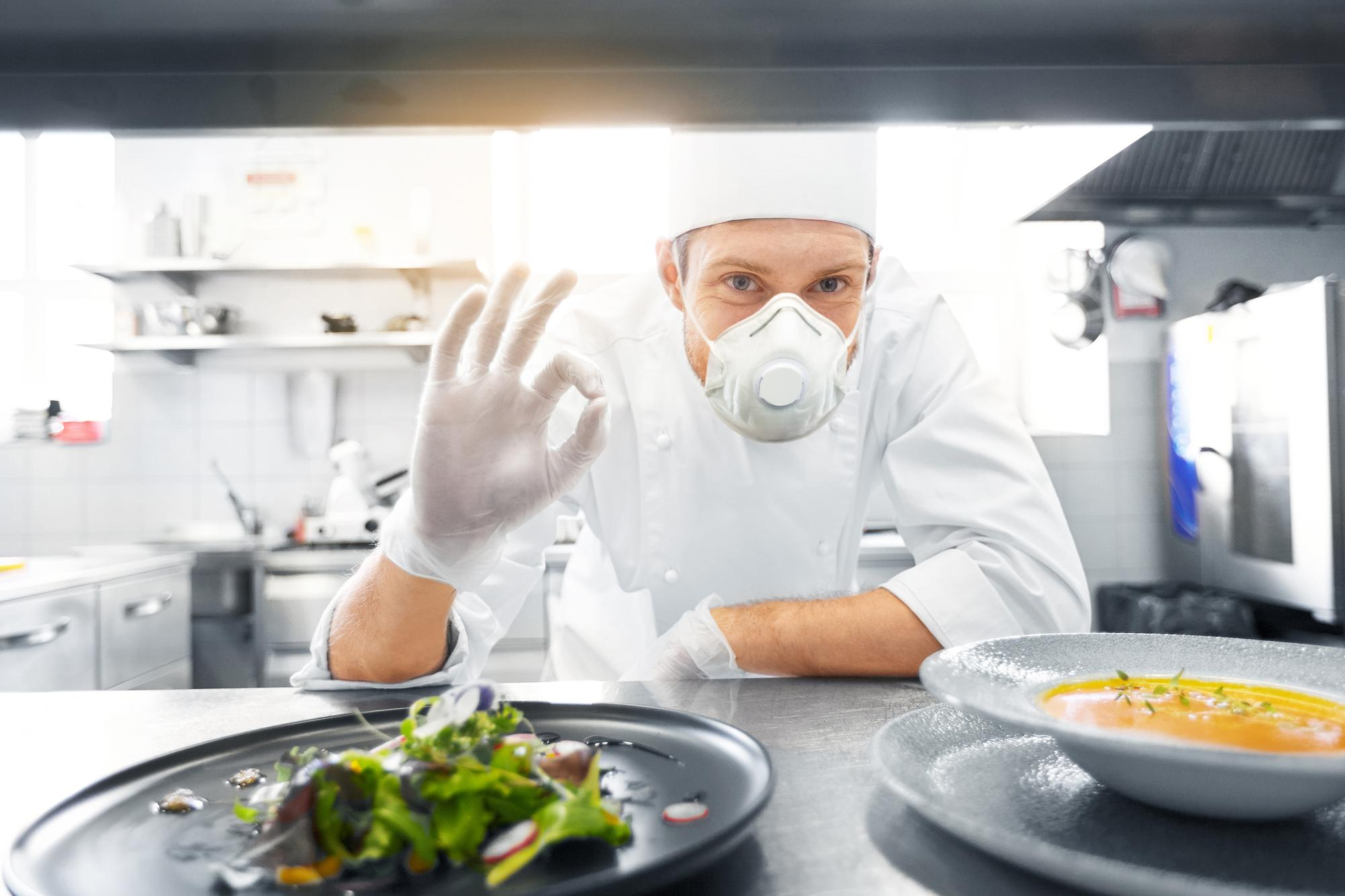
In commercial kitchens, safety is about systems and discipline. Follow HACCP guidelines to control food risks at every step. Staff should wear proper PPE like gloves, aprons, and non-slip shoes. Keep clear workflows to avoid collisions and delays. Label, store, and rotate food properly. Regular training and strict routines help maintain both safety and efficiency in fast-paced environments.
Small Kitchens / Apartments

Small kitchens need smart use of space. Avoid overcrowding countertops with tools or ingredients. Use vertical storage to keep surfaces clear. Plan your cooking steps to reduce movement and prevent spills. Choose compact, multi-functional appliances when possible. A clean, uncluttered layout makes even a small kitchen safer and easier to use.
Daily Kitchen Safety Checklist

Build safe habits with a quick daily routine:
- Wash hands before and after food prep
- Clean and sanitize surfaces regularly
- Keep raw and cooked foods separate
- Check food storage temperatures
- Store knives and tools safely after use
- Wipe spills immediately to prevent slips
- Turn off appliances after cooking
- Keep walkways clear and clutter-free
Following this simple checklist every day helps prevent accidents, improves hygiene, and keeps your kitchen running smoothly.
Common Kitchen Safety Mistakes to Avoid

Even a clean kitchen can be unsafe if small mistakes add up. Here are the most common issues—and how to avoid them:
- Skipping hand washing
Not washing hands spreads bacteria fast. Always wash before and after handling food, especially raw meat. - Cross-contamination
Using the same board or knife for raw and cooked food can cause illness. Keep them separate. - Leaving cooking unattended
Walking away from the stove is a top cause of kitchen fires. Stay nearby, especially when frying. - Overcrowded workspace
Too many items on the counter increase the risk of spills, cuts, and burns. Keep it clear and organized. - Using dull or wrong tools
Dull knives require more force and can slip easily. Use sharp, proper tools for each task. - Ignoring spills and wet floors
Small spills can quickly lead to slips and falls. Clean them immediately. - Improper food storage
Leaving food out too long or storing it incorrectly can lead to spoilage and bacteria growth. - Placing flammable items near heat
Towels, paper, or oil near burners can ignite easily. Keep heat zones clear. - Poor ventilation
Lack of airflow causes smoke and heat buildup, making the kitchen uncomfortable and unsafe.
Avoiding these simple mistakes helps you create a safer, cleaner, and more efficient kitchen every day.
FAQs
What are 10 safety rules in the kitchen?
- Wash hands before handling food
- Keep surfaces clean
- Separate raw and cooked foods
- Cook food thoroughly
- Store food at safe temperatures
- Use sharp tools safely
- Keep flammable items away from heat
- Never leave cooking unattended
- Clean spills immediately
- Use safe water and ingredients
What are 10 basic safety rules?
- Maintain personal hygiene
- Keep workspace organized
- Use equipment properly
- Avoid distractions while cooking
- Wear proper clothing
- Handle knives carefully
- Store food correctly
- Prevent cross-contamination
- Keep floors dry
- Ensure proper ventilation
What are the 5 basic food safety rules?
- Keep clean
- Separate raw and cooked food
- Cook thoroughly
- Store at safe temperatures
- Use safe water and ingredients
What is the kitchen safety?
Kitchen safety means following rules and habits to prevent accidents, injuries, and foodborne illness while cooking, handling food, and using equipment.



 English
  Arabic
  Spanish
  Japanese
  Russian
  Korean
  French
  Italian