

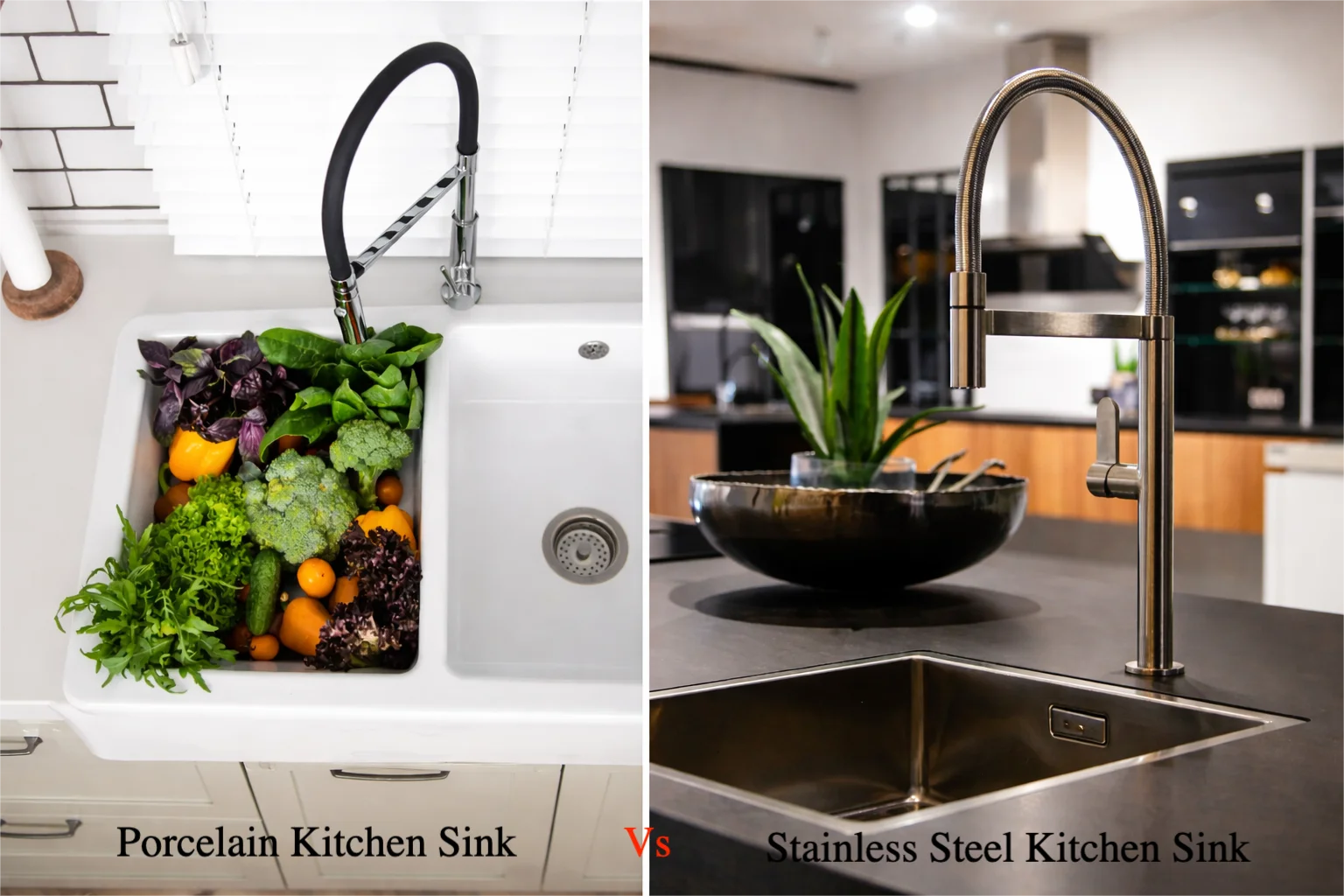
What Is a Stainless Steel Kitchen Sink?
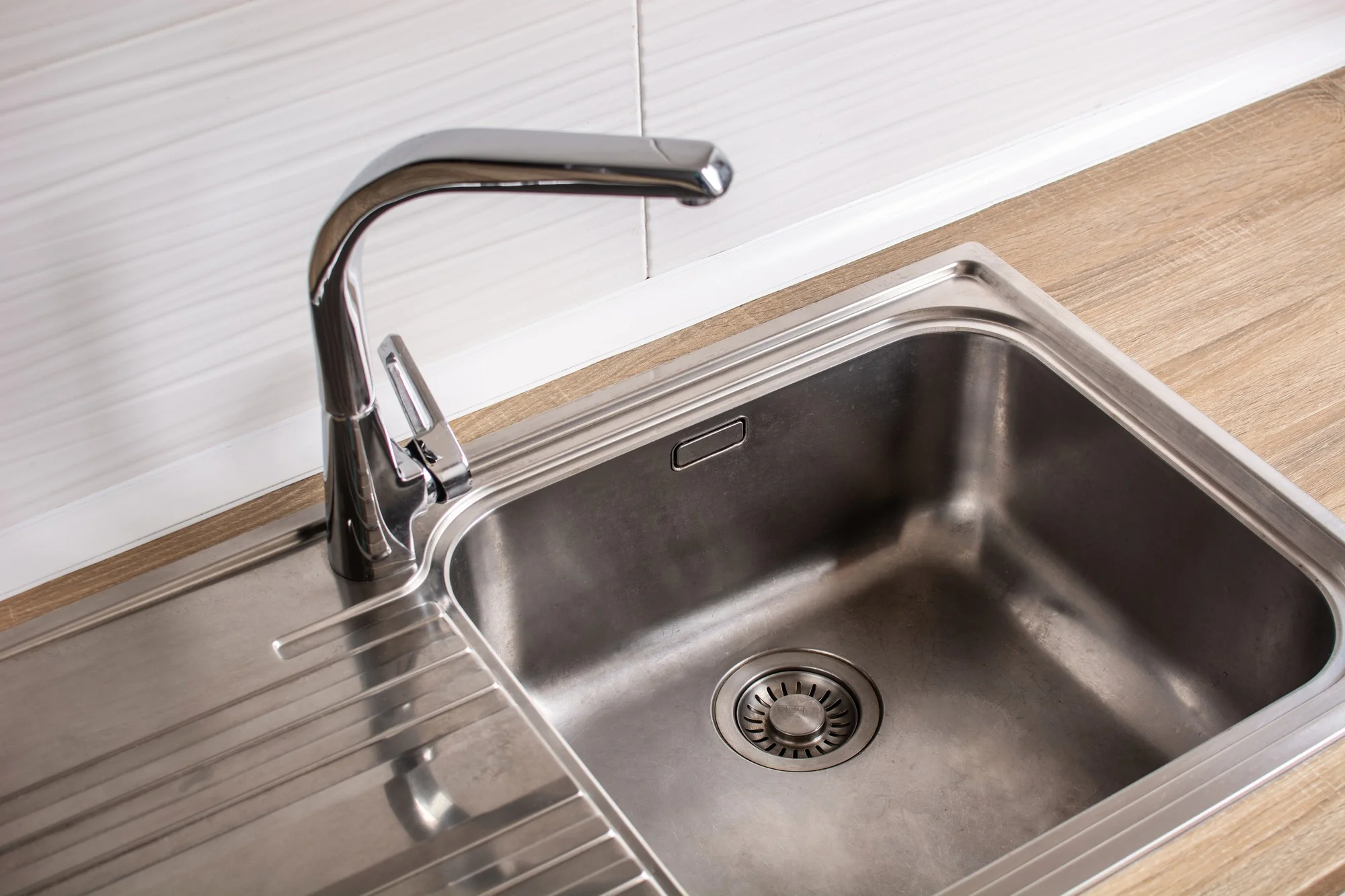
A stainless steel kitchen sink is made from a mix of steel, chromium, and nickel, which gives it strong resistance to rust and corrosion. This is why it’s one of the most popular choices in modern kitchens.
You’ll often see stainless steel sinks in a range of finishes, from brushed to polished, making them easy to match with different kitchen styles.
Pros
- Highly durable: Handles daily use, impacts, and heat without cracking
- Rust-resistant: Built to last even in wet environments
- Affordable: One of the most budget-friendly sink options
- Easy to maintain: Simple cleaning with basic household products
Cons
- Can scratch or dent: Over time, marks may appear with heavy use
- Noisy: Water and dishes can make more sound without insulation
- Shows water spots: Needs regular wiping to keep a clean look
What Is a Porcelain Kitchen Sink?
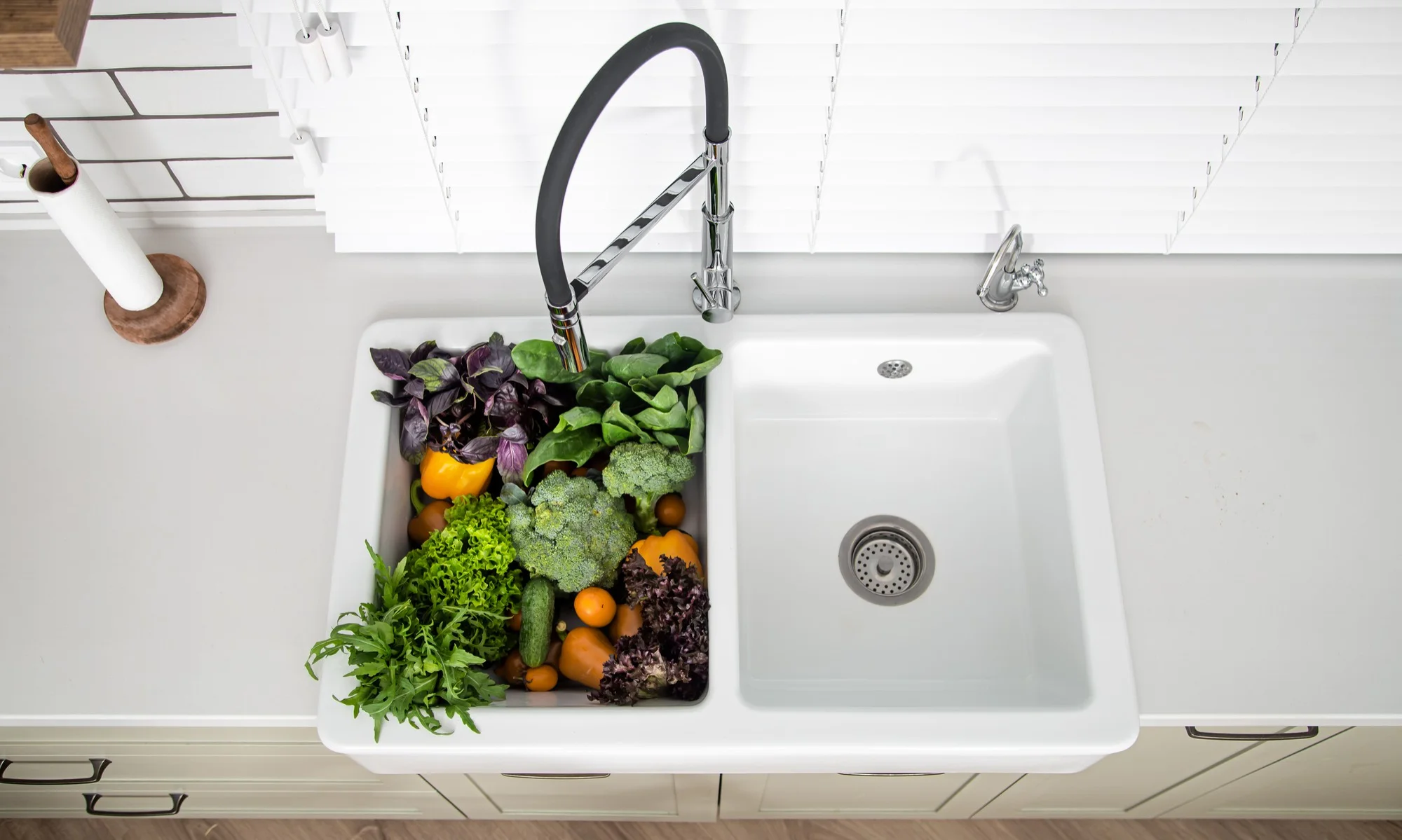
A porcelain kitchen sink is typically made from ceramic or cast iron coated with porcelain enamel. It’s known for its smooth, glossy surface and classic style.
This type of sink is often used in traditional or farmhouse kitchens where appearance plays a big role.
Pros
- Elegant design: Timeless look that enhances kitchen style
- Quiet use: Absorbs sound better than metal sinks
- Smooth surface: Resists stains and is easy to wipe clean
Cons
- Can chip or crack: Heavy impacts may damage the surface
- Heavier: Requires stronger support and careful installation
- More expensive: Higher upfront cost compared to stainless steel
Stainless Steel vs Porcelain Sink: Key Differences
Choosing between stainless steel and porcelain comes down to how you use your kitchen every day. Here’s a clear look at the key differences that matter most.
| Feature | Stainless Steel Sink | Porcelain Sink |
|---|---|---|
| Durability | Impact-resistant, won’t crack | Long-lasting but can chip |
| Maintenance | Easy, but shows water spots | Easy, may stain if neglected |
| Style | Modern and sleek | Classic, farmhouse look |
| Noise | Louder | Quieter |
| Cost | Budget-friendly | Higher upfront cost |
Durability & Lifespan
Stainless steel sinks are built for heavy use. They resist impact and won’t crack, even if you drop pots or pans. This makes them a strong choice for busy kitchens.
Porcelain sinks can last for many years, but they are more delicate. They can chip or crack if hit with heavy objects, which may affect both look and function over time.
Maintenance & Cleaning

Stainless steel is easy to clean and low effort. A quick wipe keeps it in good shape, but it can show water spots and fingerprints, especially in hard water areas.
Porcelain has a smooth surface that’s easy to wipe down. However, it can stain if not cleaned regularly, especially from coffee, tea, or food residue.
Appearance & Style
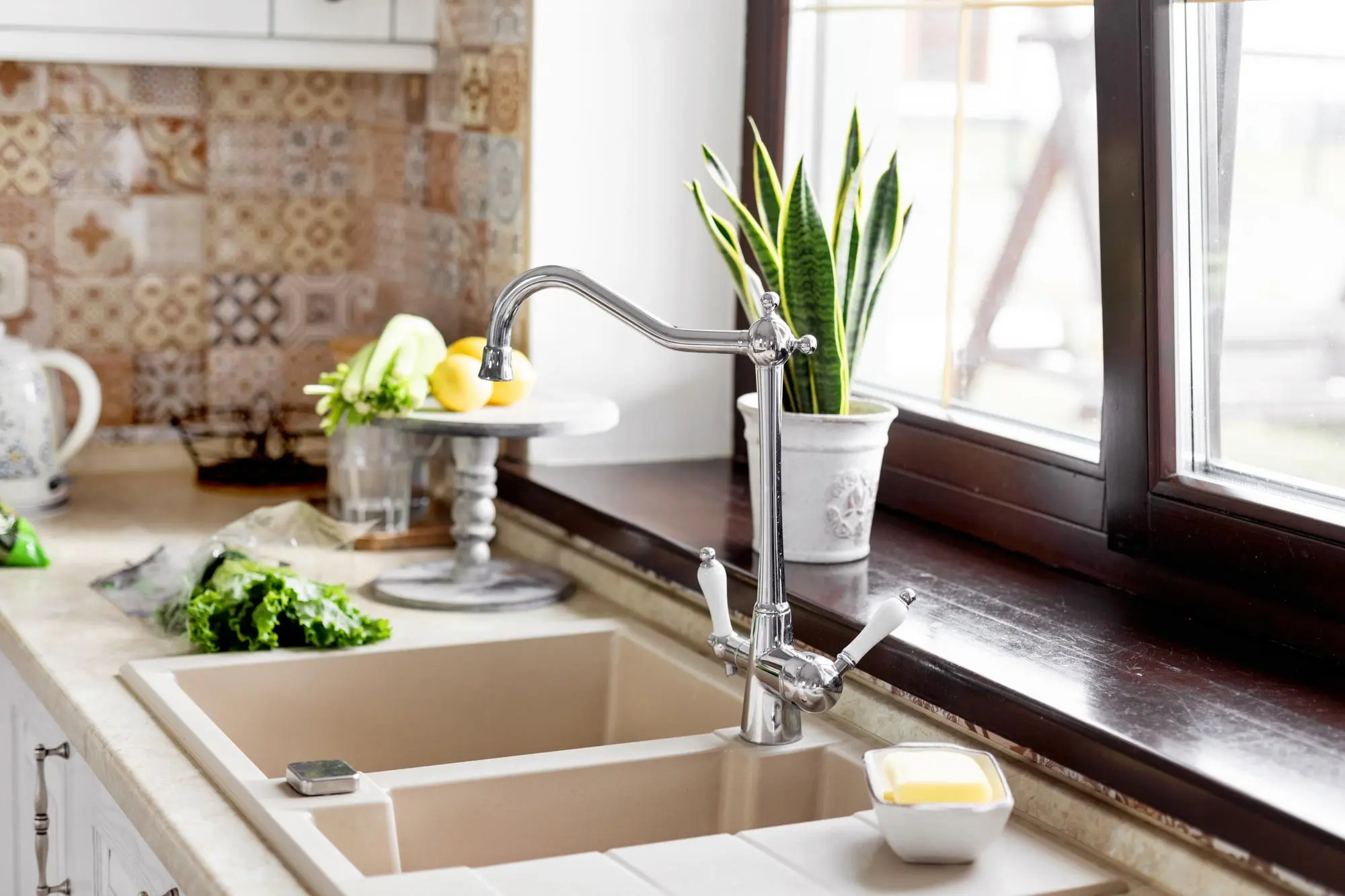
Stainless steel offers a modern, clean, and professional look. It fits well in contemporary kitchens and pairs easily with most appliances.
Porcelain stands out for its classic and timeless style, often seen in farmhouse or traditional kitchens. It adds warmth and character to the space.
Noise Level
Stainless steel sinks tend to be louder, especially when water hits the surface or dishes are placed inside. Some models include sound padding to reduce noise.
Porcelain sinks are naturally quieter because the material absorbs sound better during use.
Cost Comparison
Stainless steel is usually the more budget-friendly option, with a wide range of prices to fit different needs.
Porcelain sinks typically have a higher upfront cost, especially for high-quality or cast iron models.
Which Sink Is Better for Your Kitchen?
There’s no one-size-fits-all answer here. The better sink is the one that matches how you cook, clean, and design your space. Use this quick guide to decide with confidence.
Choose Stainless Steel If You:
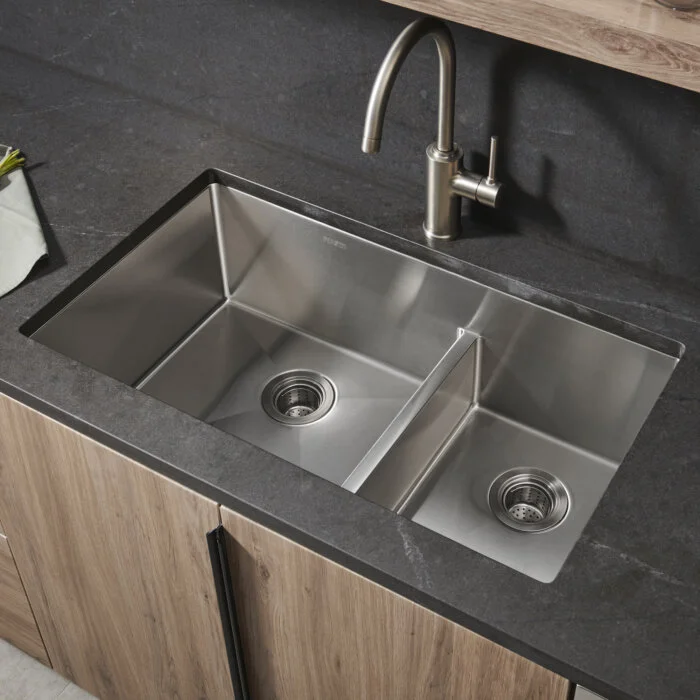
- Cook often and need durability
Stainless steel handles daily use, heat, and heavy pots without cracking. It’s built for busy kitchens. - Want a low-cost option
It’s one of the most budget-friendly choices, with many sizes and styles available. - Prefer a modern kitchen design
The clean, metallic look fits well with contemporary cabinets and appliances.
Choose Porcelain If You:
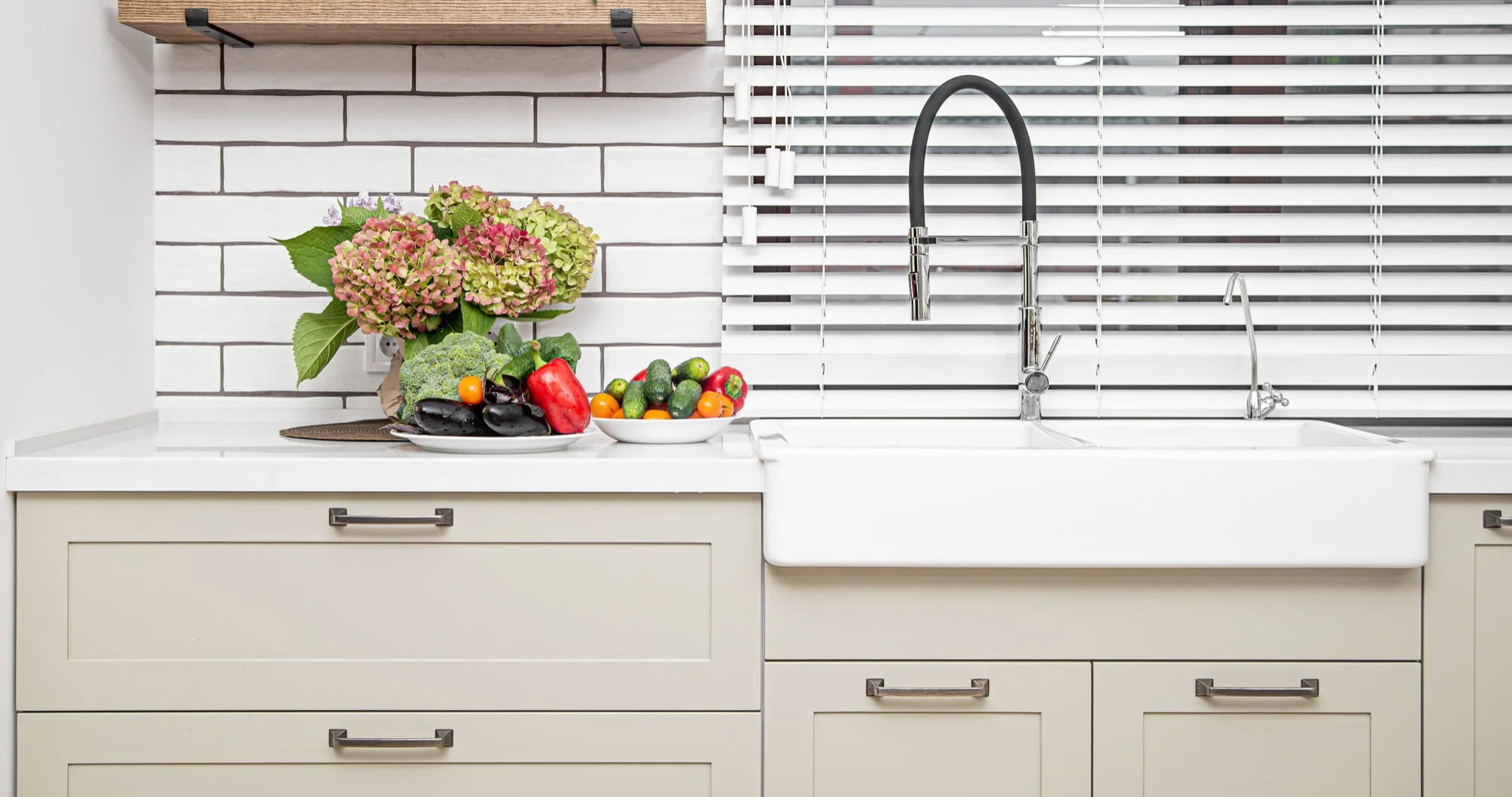
- Care about aesthetics and style
Porcelain offers a classic, polished look that stands out, especially in farmhouse or traditional kitchens. - Want a quieter sink
The material absorbs sound, so washing dishes feels calmer and less noisy. - Prefer a warm, timeless feel
It adds character and softness to the space, making the kitchen feel more inviting.
FAQ: Stainless Steel vs Porcelain Sink
What is better, a porcelain or stainless steel sink?
Neither is “better” for everyone—it depends on your needs. Stainless steel is better for durability and daily use, while porcelain is better for style and a quieter experience. Most households choose stainless steel for practicality.
Can you pour boiling water into a porcelain sink?
Yes, you can. Porcelain sinks are heat-resistant, so boiling water won’t damage them. However, sudden extreme temperature changes or heavy impacts at the same time can increase the risk of chipping.
What is the best material for a kitchen sink in the UK?
For most UK homes, stainless steel is the best all-around choice. It’s affordable, durable, easy to maintain, and widely used. Other materials may look better, but stainless steel offers the best balance of cost and performance.
What are the disadvantages of a porcelain sink?
Porcelain sinks have a few drawbacks:
- Can chip or crack if heavy items are dropped
- Heavier, requiring stronger cabinet support
- More expensive than stainless steel
- Can stain over time if not cleaned regularly



 English
  Arabic
  Spanish
  Japanese
  Russian
  Korean
  French
  Italian