


Standard Kitchen Countertop Depth Explained
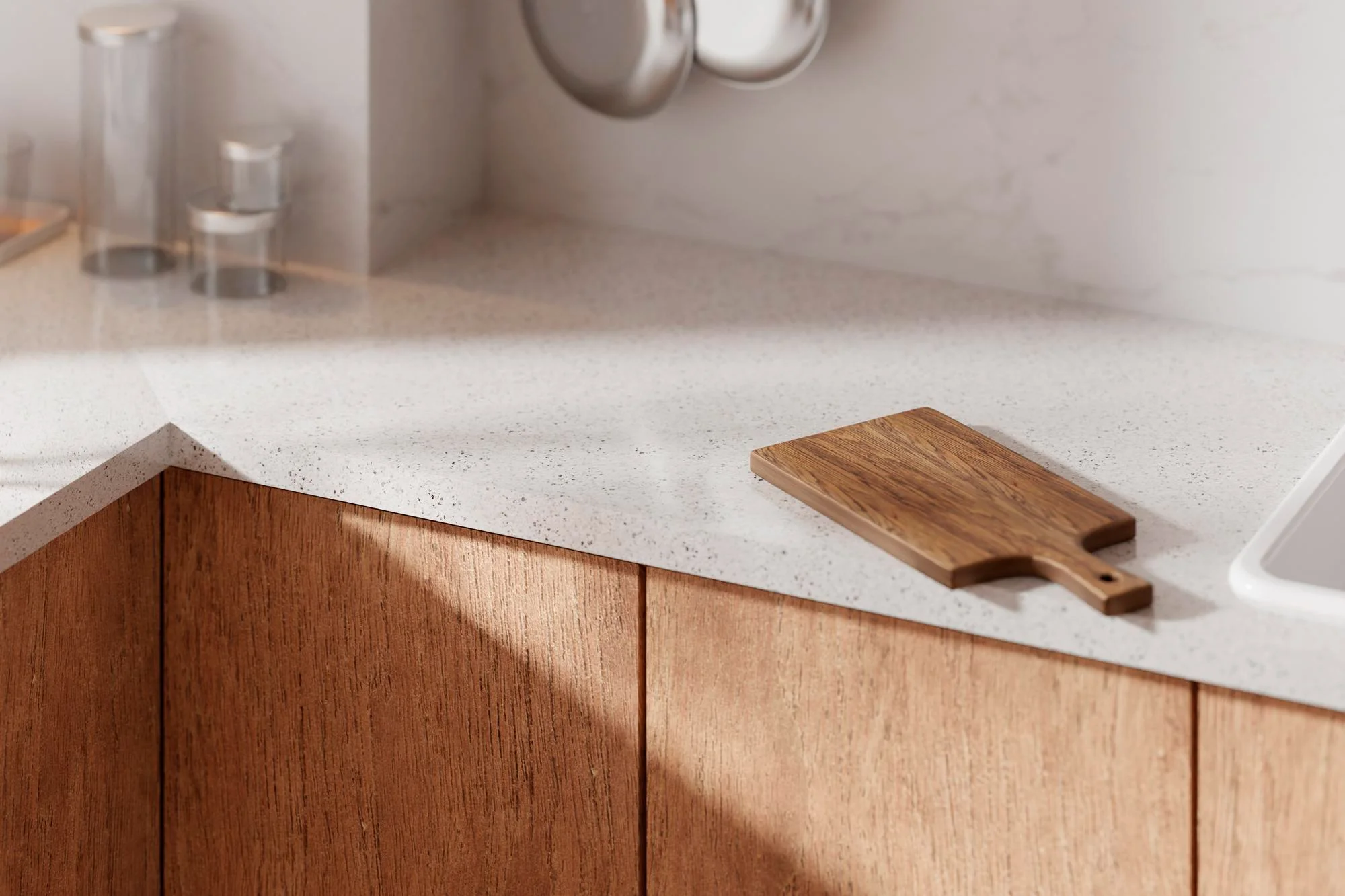
Most kitchen countertops follow a simple rule: they are designed to fit standard cabinets and make daily tasks easy. In most homes, countertop depth falls within a narrow and practical range.
- Typical depth: 24–25.5 inches
- Most common standard: 25.5 inches (industry benchmark)
- What it includes:
- 24-inch base cabinet
- 1–1.5 inch front overhang
This extra overhang may seem small, but it makes a big difference. It protects cabinet fronts from spills and gives you a more comfortable working edge. Overall, this depth balances space, comfort, and functionality, which is why it’s widely used in modern kitchens.
Why 25–25.5 Inches Became the Standard
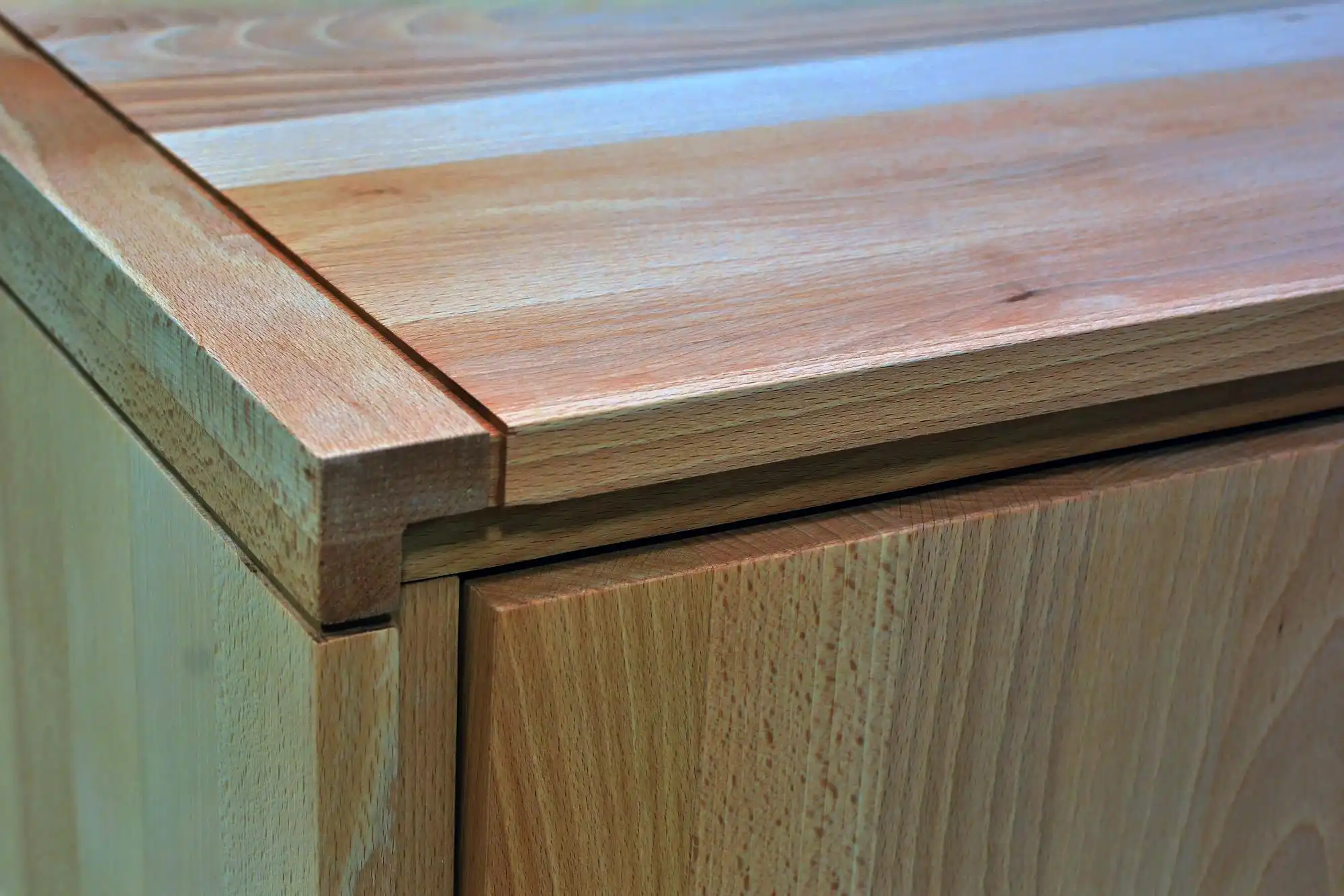
This standard didn’t happen by chance. It comes from years of design practice focused on usability and efficiency.
- Fits standard cabinets perfectly
Most base cabinets are 24 inches deep, so adding a small overhang creates a natural fit. - Improves daily comfort
The slight overhang gives your hands and body more room while cooking or prepping. - Supports efficient workflow
The depth keeps everything within easy reach without overextending. - Works with standard appliances
Most kitchen appliances are designed to align with this depth for a clean, seamless look. - Balances space and movement
Deep enough for prep work, but not so deep that it reduces walking space.
In short, 25–25.5 inches is the “sweet spot” that works for most kitchens—practical, comfortable, and easy to design around.
Standard Depth vs Custom Depth Options
| Countertop Depth | Typical Size | Best For | Main Advantage | Possible Drawback |
|---|---|---|---|---|
| Shallow Depth | 22–24 inches | Small kitchens or narrow layouts | Saves walking space and improves movement | Less prep and storage space |
| Standard Depth | 25–25.5 inches | Most home kitchens | Balances comfort, function, and appliance fit | May not suit very small or custom kitchens |
| Deep Custom Depth | 27–30+ inches | Large kitchens or heavy prep areas | Adds more workspace and storage depth | Can reduce reach comfort and walking space |
Kitchen Island Countertop Depth
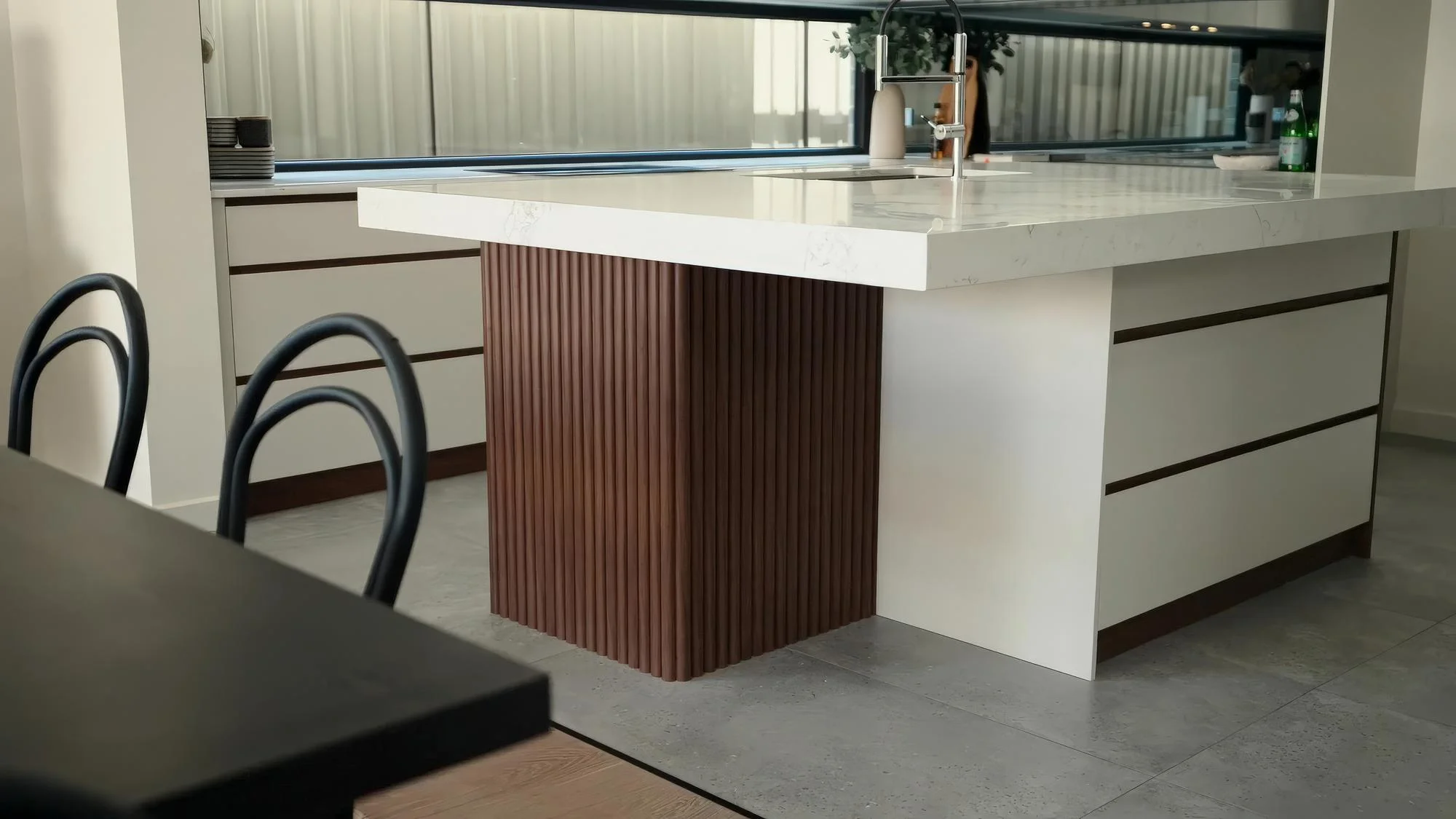
Kitchen islands are different from standard countertops. They are often deeper because they serve more purposes—prep, storage, and even seating.
- Typical island depth: 27–28 inches
- With seating: 30+ inches to allow comfortable legroom
- Flexible design: Depth can vary based on how you use the island
If your island is mainly for prep, a moderate depth works well. But if you plan to add stools or use it as a dining spot, going deeper makes it much more comfortable. The key is to balance workspace, seating, and movement around the island.
Key Factors That Affect Countertop Depth
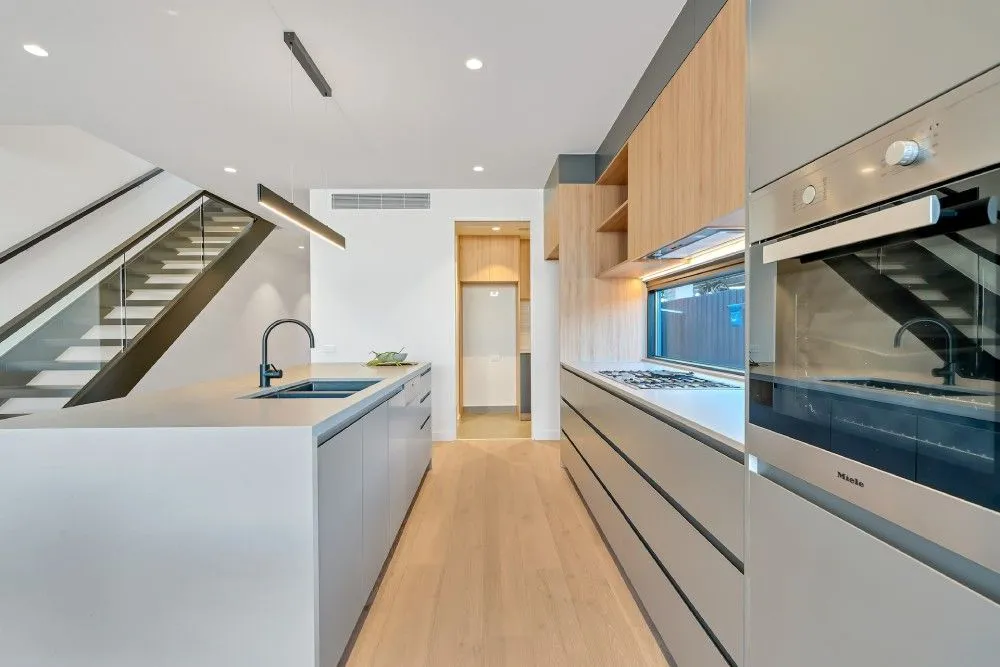
Not every kitchen should follow the same depth. The right size depends on how your space works and how you use it every day.
- Kitchen size and layout
Narrow kitchens (like galley layouts) benefit from shallower counters, while open kitchens can handle deeper surfaces. - Appliance depth
Built-in or flush appliances work best with standard depth, while protruding appliances may require adjustments. - User comfort and reach
Counters that are too deep can make it harder to reach the back, especially for daily tasks. - Storage and prep needs
More depth means more workspace, but it should not come at the cost of usability.
Choosing the right depth is about finding the sweet spot between comfort, function, and available space.
Countertop Overhang Basics
Overhang is a small detail, but it plays a big role in both function and comfort.
- Standard overhang: 1–1.5 inches
- Purpose:
- Protects cabinet fronts from spills
- Improves comfort when standing at the counter
- Allows easier opening of drawers and doors
- For seating areas:
- 10–12 inches overhang for basic seating
- 12–15+ inches for more comfortable legroom
A proper overhang makes your countertop feel more user-friendly. It’s a simple design choice that improves both ergonomics and durability.
When You Should NOT Follow Standard Depth
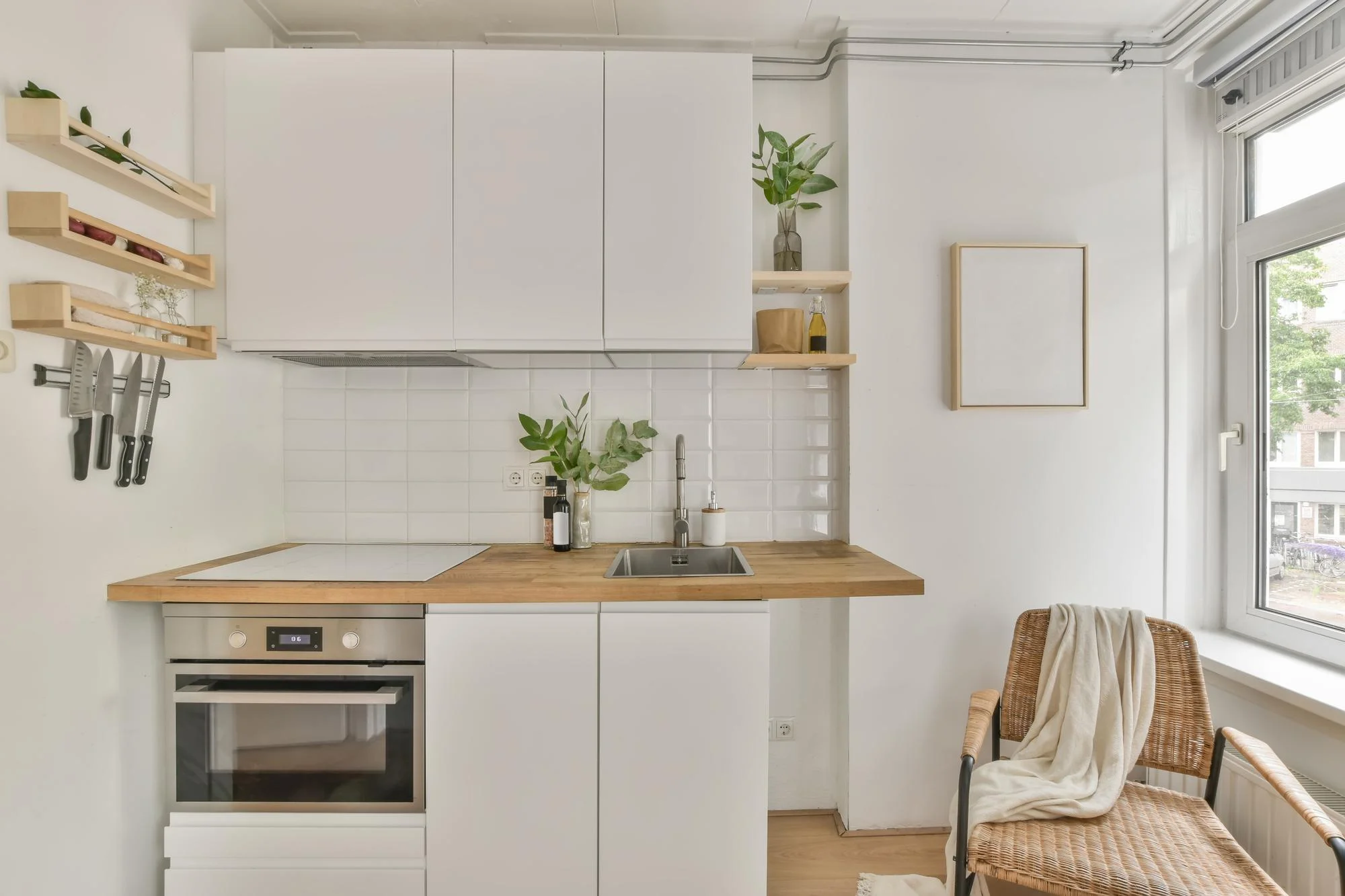
Standard depth works for most kitchens, but not every space is the same. In some cases, going custom will give you a better result.
- Small or narrow kitchens
Shallower countertops (22–24 inches) can improve walking space and make the layout feel less crowded - Large kitchens needing more workspace
Deeper counters (27–30+ inches) provide more prep area and storage, especially for heavy cooking - Kitchens with seating areas
If you plan to add stools, you’ll need extra depth to allow comfortable legroom - Custom appliance setups
Non-standard or protruding appliances may require adjusting countertop depth for a clean fit - Accessibility or ergonomic needs
Custom depth can make the kitchen easier to use based on height and reach - Modern design preferences
Some layouts prioritize aesthetics or unique proportions over standard measurements
The goal is not to follow a rule—it’s to choose a depth that fits your space, your workflow, and how you use your kitchen every day.
FAQs
How deep is a normal kitchen countertop?
A normal kitchen countertop is about 25–25.5 inches deep, including a 24-inch cabinet and a small front overhang for comfort and protection.
What is the 3×4 kitchen rule?
The 3×4 rule means your kitchen should have three work zones (prep, cooking, cleaning), each with about 4 feet of counter space for better workflow.
What is the newest trend in kitchen countertops?
Recent trends focus on deeper countertops, integrated islands, and multi-functional surfaces, with more space for prep, seating, and modern layouts.
How deep is countertop depth?
Countertop depth typically ranges from 24 to 25.5 inches standard, but can extend to 27–30+ inches in larger or custom kitchens.

 English
  Arabic
  Spanish
  Japanese
  Russian
  Korean
  French
  Italian