

Most Common Types of Window Materials
Choosing the right window material can affect your home’s energy efficiency, appearance, maintenance needs, and long-term durability. Some materials focus on affordability, while others prioritize insulation, strength, or modern design. Understanding the differences can help homeowners choose windows that fit both their climate and budget.
| Material Type | Energy Efficiency | Durability | Maintenance | Cost Range | Best For |
|---|---|---|---|---|---|
| Vinyl | Good | Good moisture resistance | Low | Budget-friendly | Affordable home replacement windows |
| Wood | Excellent | Strong but moisture-sensitive | High | Mid to premium | Traditional and luxury home styles |
| Aluminum | Low to moderate | Strong and lightweight | Low | Mid-range | Modern slim-frame window designs |
| Fiberglass | Excellent | Very durable and weather resistant | Low | Premium | Long-term energy-efficient upgrades |
| Composite | Very good | Strong and moisture resistant | Low to moderate | Mid to premium | Wood-look windows with less upkeep |
Vinyl Windows
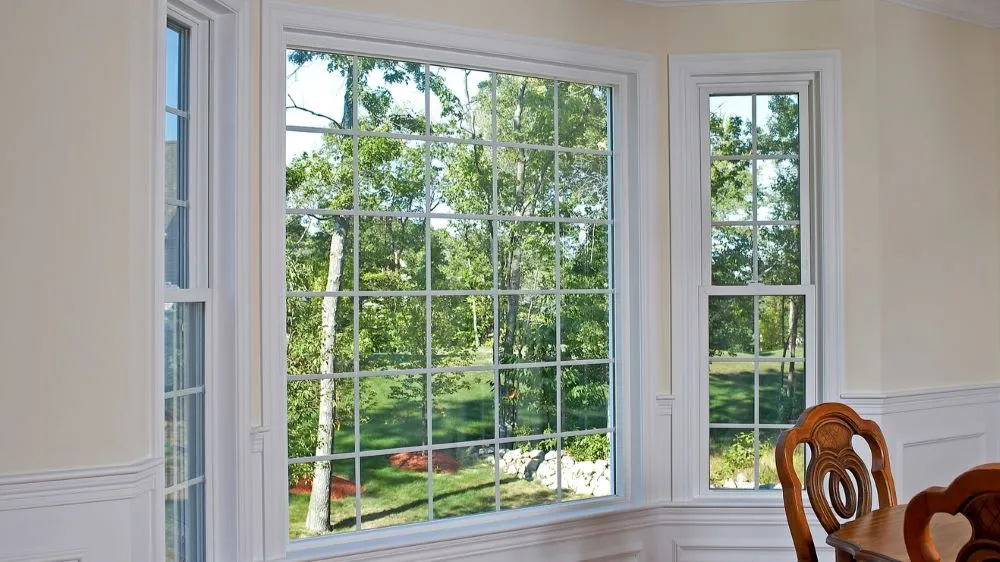
Vinyl windows are one of the most popular choices for residential homes because they are affordable, energy efficient, and easy to maintain. The frames resist moisture, corrosion, and fading without needing regular painting.
Vinyl also provides good insulation performance, helping reduce heating and cooling costs. Because of their low maintenance and budget-friendly pricing, vinyl windows are commonly used in both new homes and replacement projects.
Wood Windows
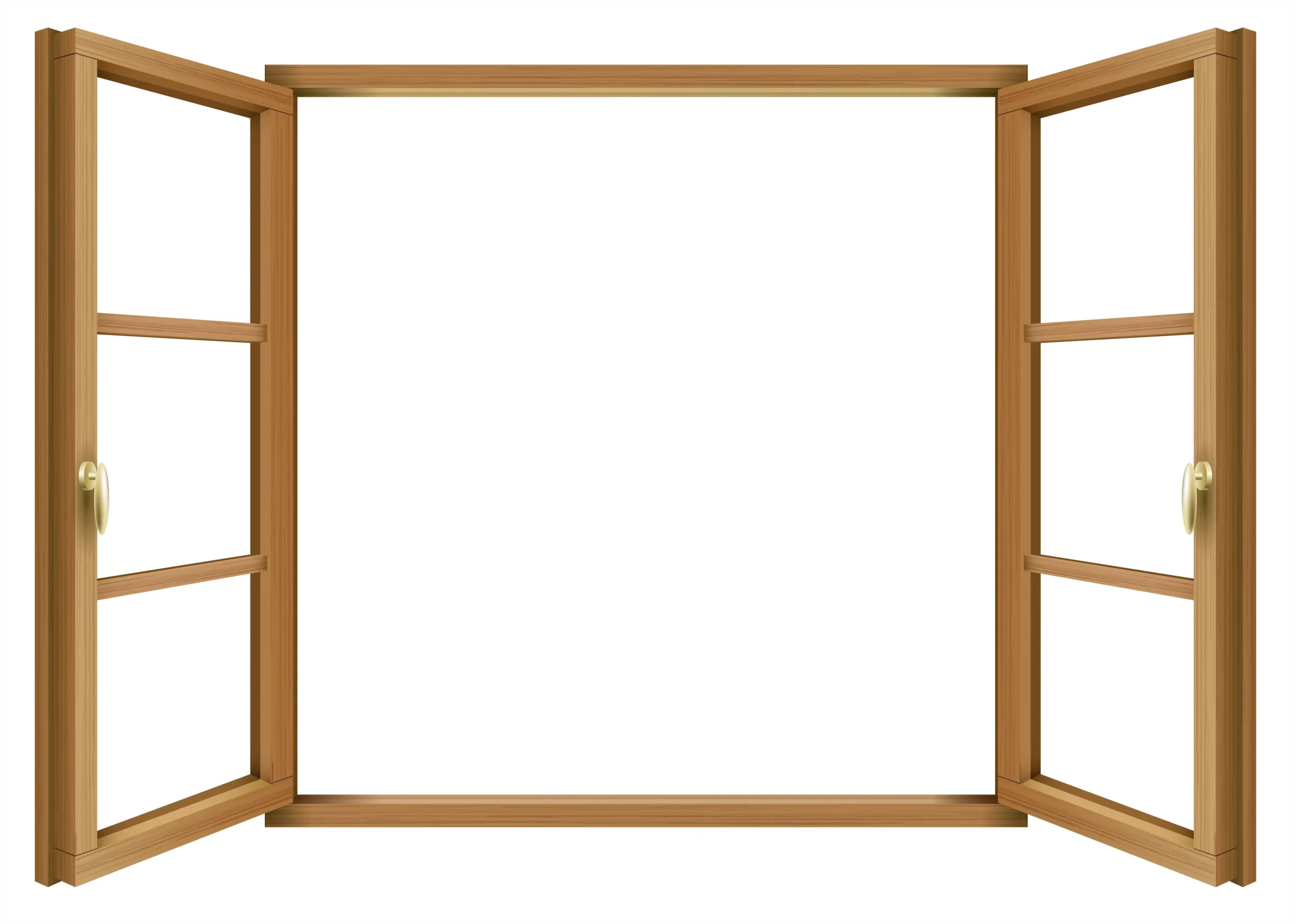
Wood windows offer a classic natural appearance that works especially well in traditional and luxury homes. They provide excellent insulation and can create a warm, high-end architectural look.
However, wood frames require more maintenance than other materials. Regular painting, sealing, or staining is often necessary to protect against moisture, rot, and weather damage. Despite the extra care, many homeowners still choose wood for its timeless beauty and strong insulation performance.
Aluminum Windows
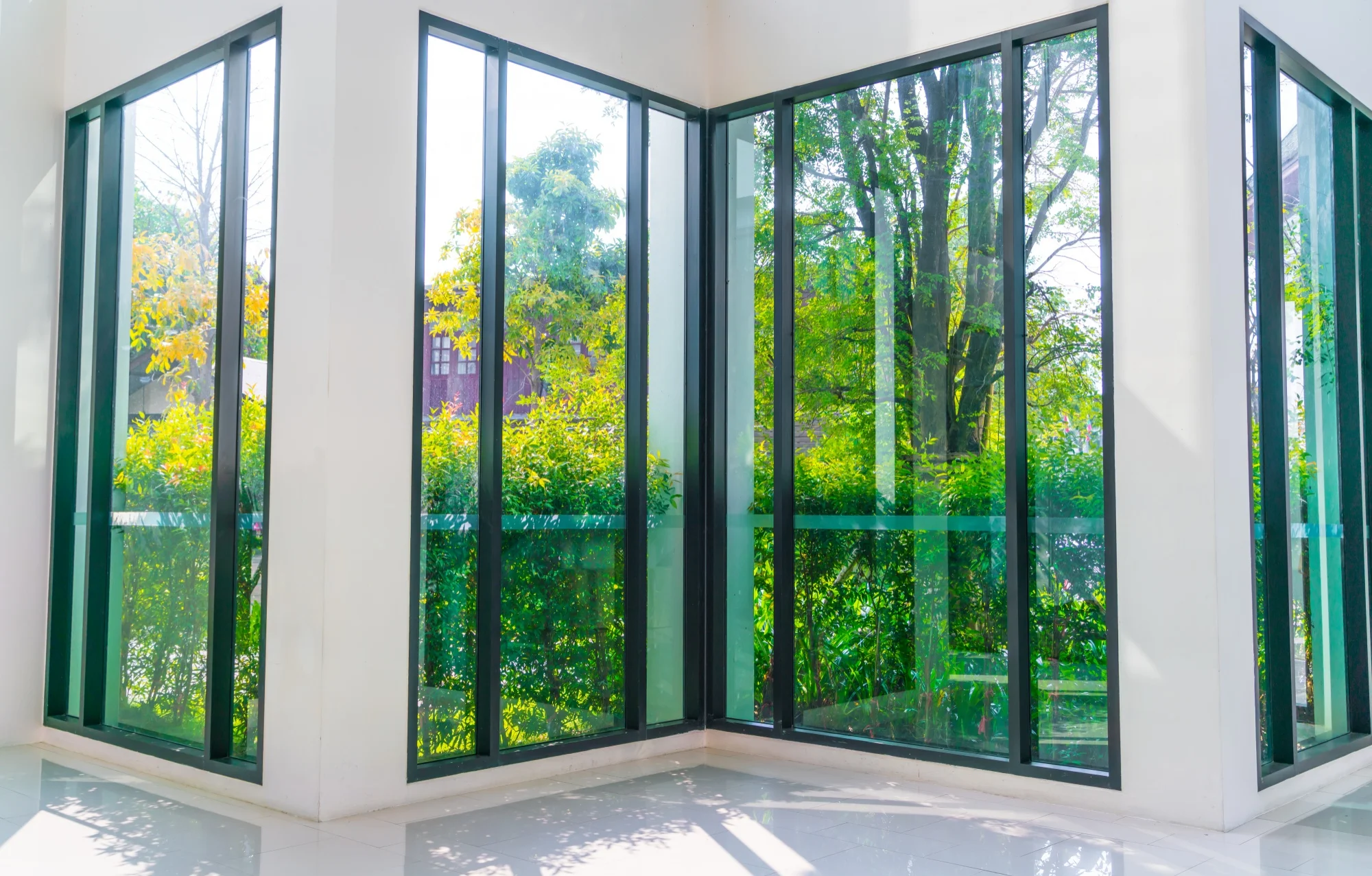
Aluminum windows are strong, lightweight, and commonly used in modern architectural designs. Their slim frame profiles allow for larger glass areas and cleaner contemporary styling.
Although aluminum is highly durable, standard aluminum frames conduct heat more easily than vinyl or fiberglass, which can reduce insulation performance. Many newer aluminum windows now include thermal breaks to improve energy efficiency.
Fiberglass Windows
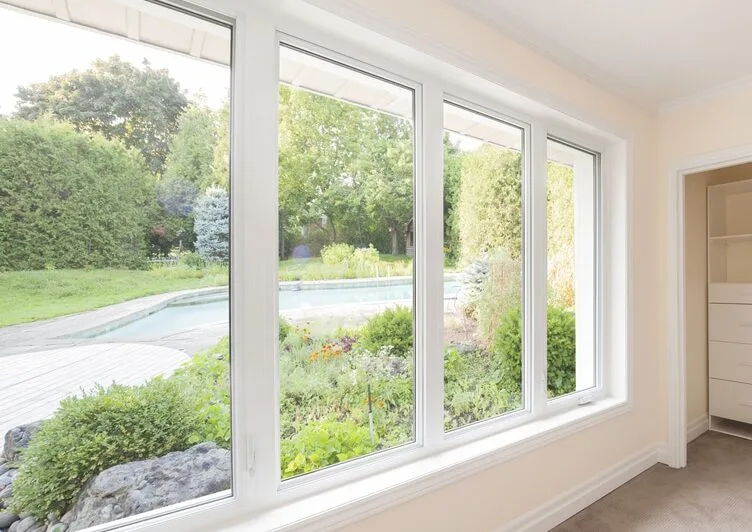
Fiberglass windows are known for their durability, weather resistance, and excellent energy efficiency. They expand and contract less during temperature changes, helping maintain strong seals over time.
Fiberglass frames are also resistant to warping, moisture, and corrosion, making them a long-lasting option for many climates. While they usually cost more upfront, many homeowners view fiberglass as a premium long-term investment because of its strength and efficiency.
Composite Windows
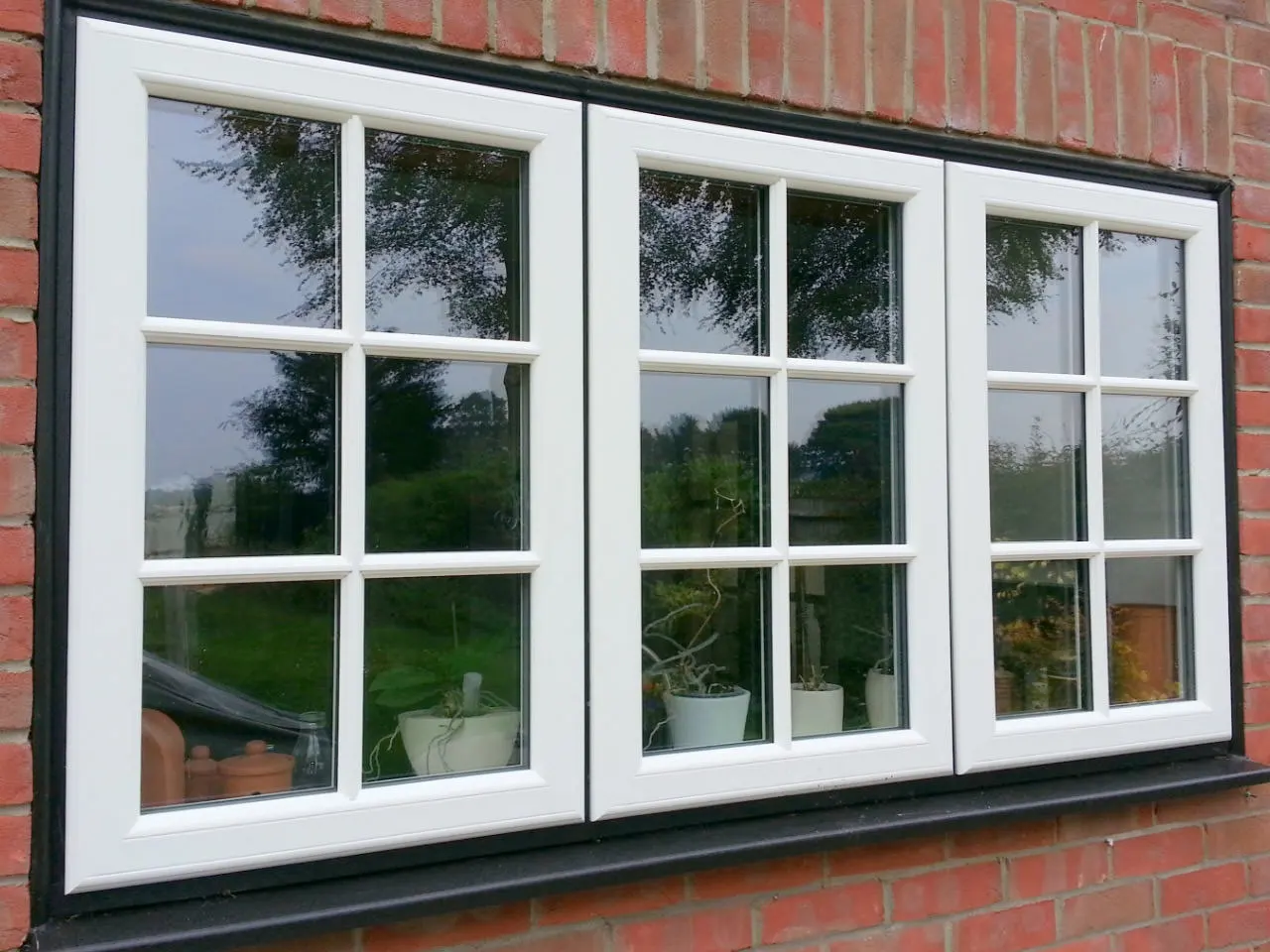
Composite windows combine multiple materials, such as wood fibers and polymers, to improve durability and insulation performance. They are designed to offer the appearance of wood with lower maintenance requirements.
Composite frames are strong, moisture resistant, and energy efficient. Many homeowners choose composite windows because they balance durability, insulation, and long-term performance while requiring less upkeep than traditional wood windows.
Energy Efficiency by Window Material
Different window materials affect insulation performance and energy savings. Fiberglass, wood, and composite frames usually provide the best insulation, while standard aluminum frames transfer heat more easily. Vinyl windows also offer good energy efficiency at a more affordable price, making them one of the most popular choices for residential homes.
Window Materials by Home Style
Choosing the right window material is not only about performance. The material should also match your home’s design, climate, and maintenance expectations. Different home styles often benefit from different frame materials.
Best Materials for Modern Homes
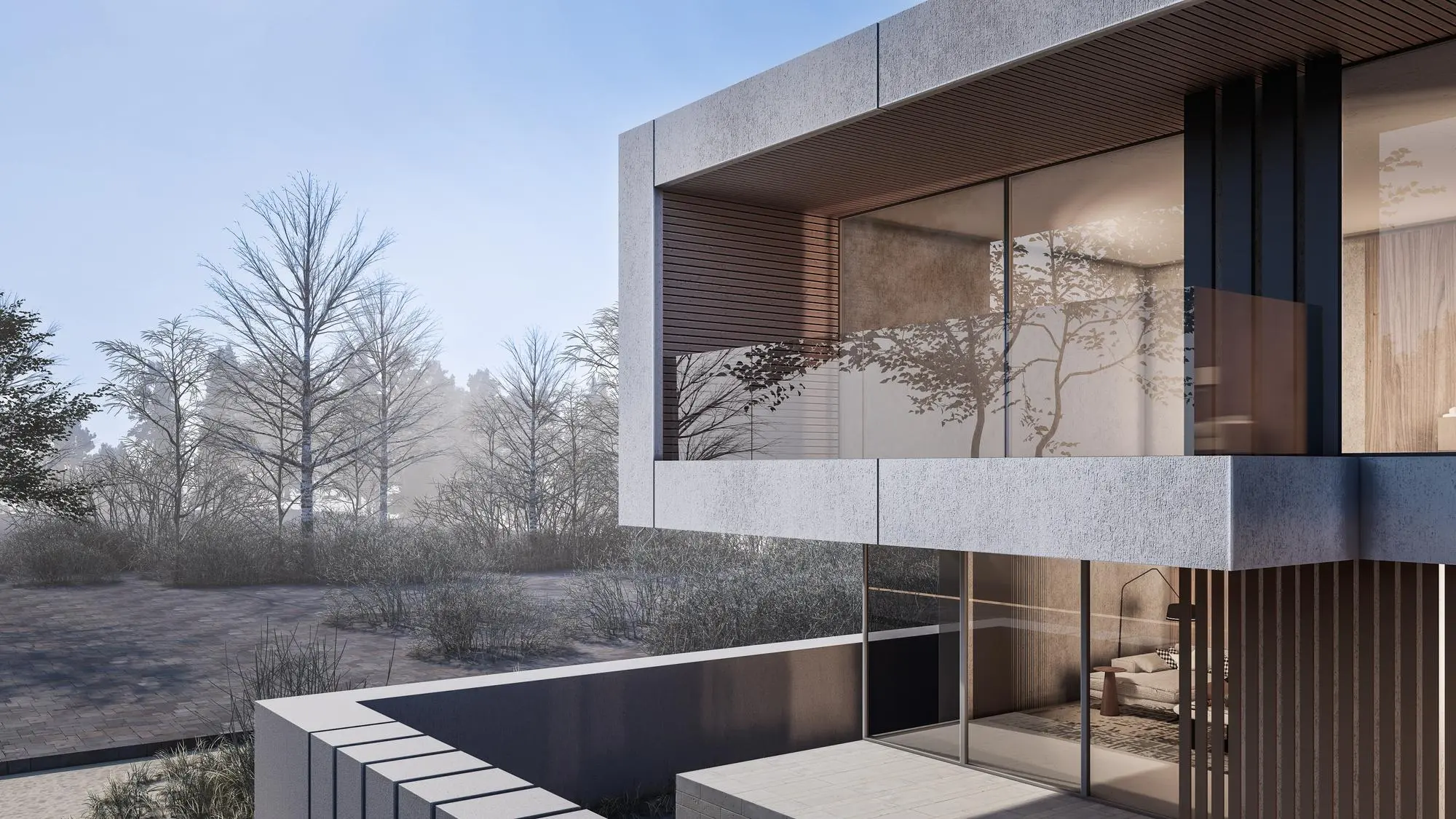
Modern homes often use aluminum and fiberglass windows because of their slim frames and clean contemporary appearance. Black aluminum frames are especially popular in minimalist and large-glass architectural designs.
Best Materials for Traditional Homes
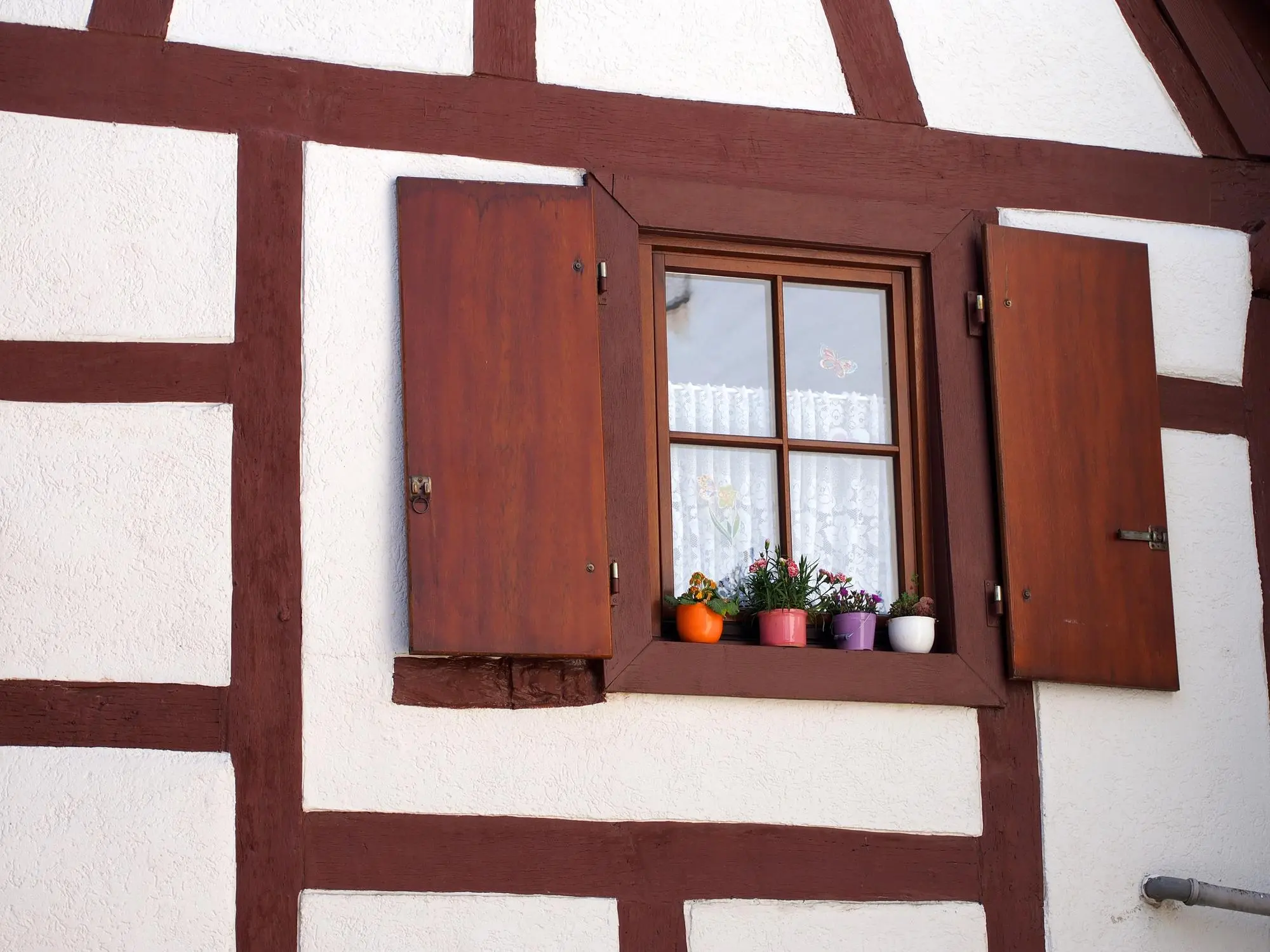
Wood windows remain a classic choice for traditional homes because of their natural appearance and timeless style. Many homeowners also choose wood-clad or composite windows to achieve a traditional look with lower maintenance needs.
Best Materials for Luxury Homes
Luxury homes commonly use premium fiberglass, wood, or composite windows. These materials provide high-end appearance, strong insulation performance, and long-term durability while supporting custom architectural designs.
Best Materials for Coastal Areas

Coastal homes need materials that resist moisture, salt air, and corrosion. Vinyl and fiberglass windows are often recommended because they hold up well in humid and salty environments with minimal maintenance.
Best Materials for Cold Climates

Cold-climate homes usually benefit from fiberglass, wood, or composite frames because they provide stronger insulation and reduce heat loss. Triple-pane glass combined with insulated frames can further improve winter energy efficiency.
How to Choose the Right Window Material
The best window material depends on your budget, climate, home style, and maintenance preferences. Before choosing windows, homeowners should compare long-term performance instead of focusing only on upfront cost.
Important factors to consider include:
Energy efficiency and insulation
Weather resistance in your climate
Maintenance requirements
Desired architectural style
Budget and long-term value
Durability and expected lifespan
For many homeowners, the ideal choice balances appearance, energy savings, durability, and maintenance needs over the long term.