

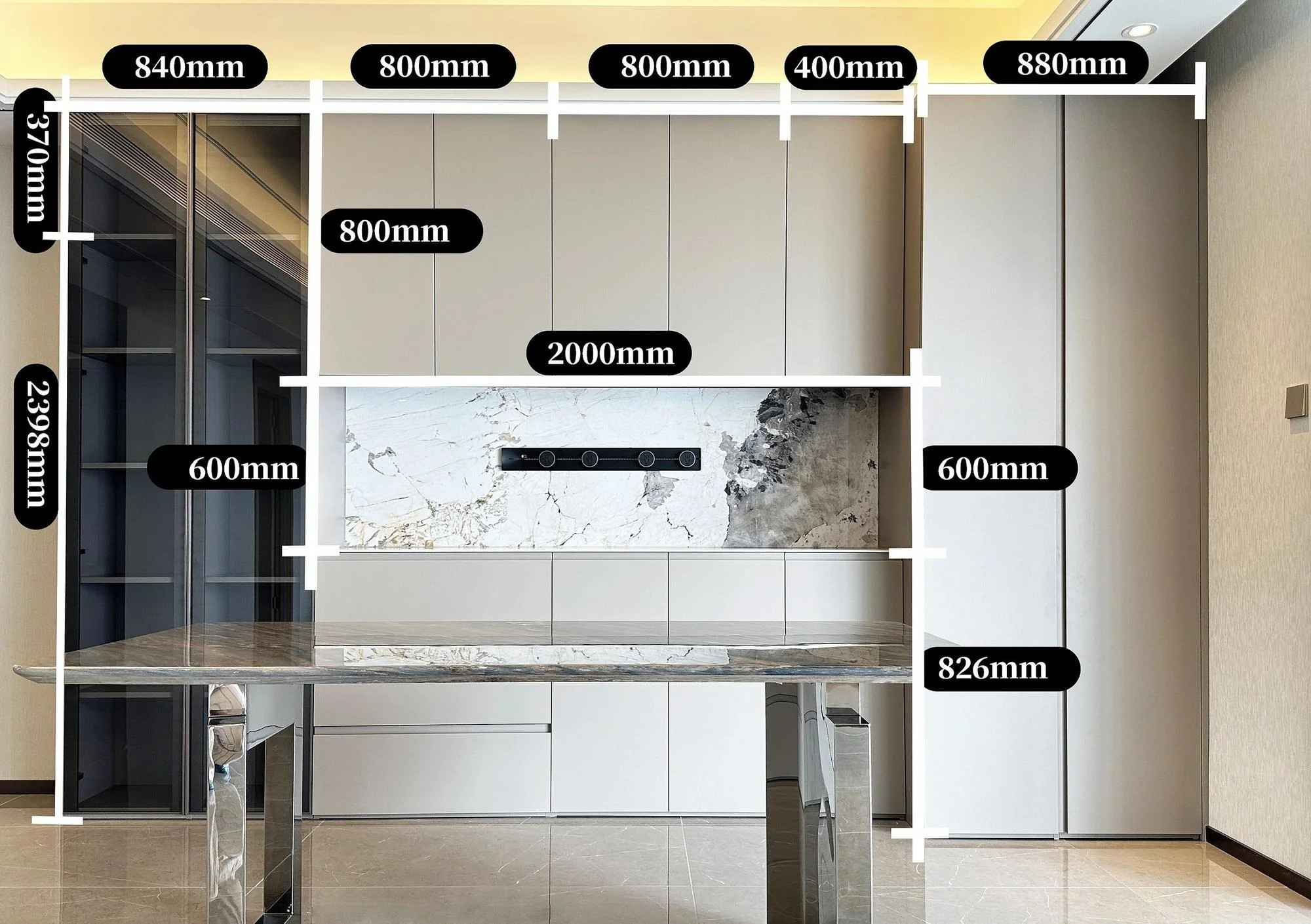
Standard Base Cabinet Dimensions
Base cabinets are the foundation of your kitchen. They support your countertop, hold heavy items, and are used every day for cooking and prep.
The good news? Most kitchens follow the same standard sizes, which makes planning much easier.
Typical base cabinet dimensions:
- Height: 34.5 inches (36 inches with countertop)
- Depth: 24 inches
- Width: 9 to 42 inches (in 3-inch increments)
These sizes are designed for comfort. A 36-inch working height fits most people, so you don’t have to bend too much while cooking.
Why this matters:
- Fits standard appliances like dishwashers and ovens
- Works with most countertop materials
- Keeps your cooking area ergonomic and efficient
Simple tip: store heavy items like pots and pans in base cabinets to keep them easy to reach.
Standard Wall Cabinet Dimensions
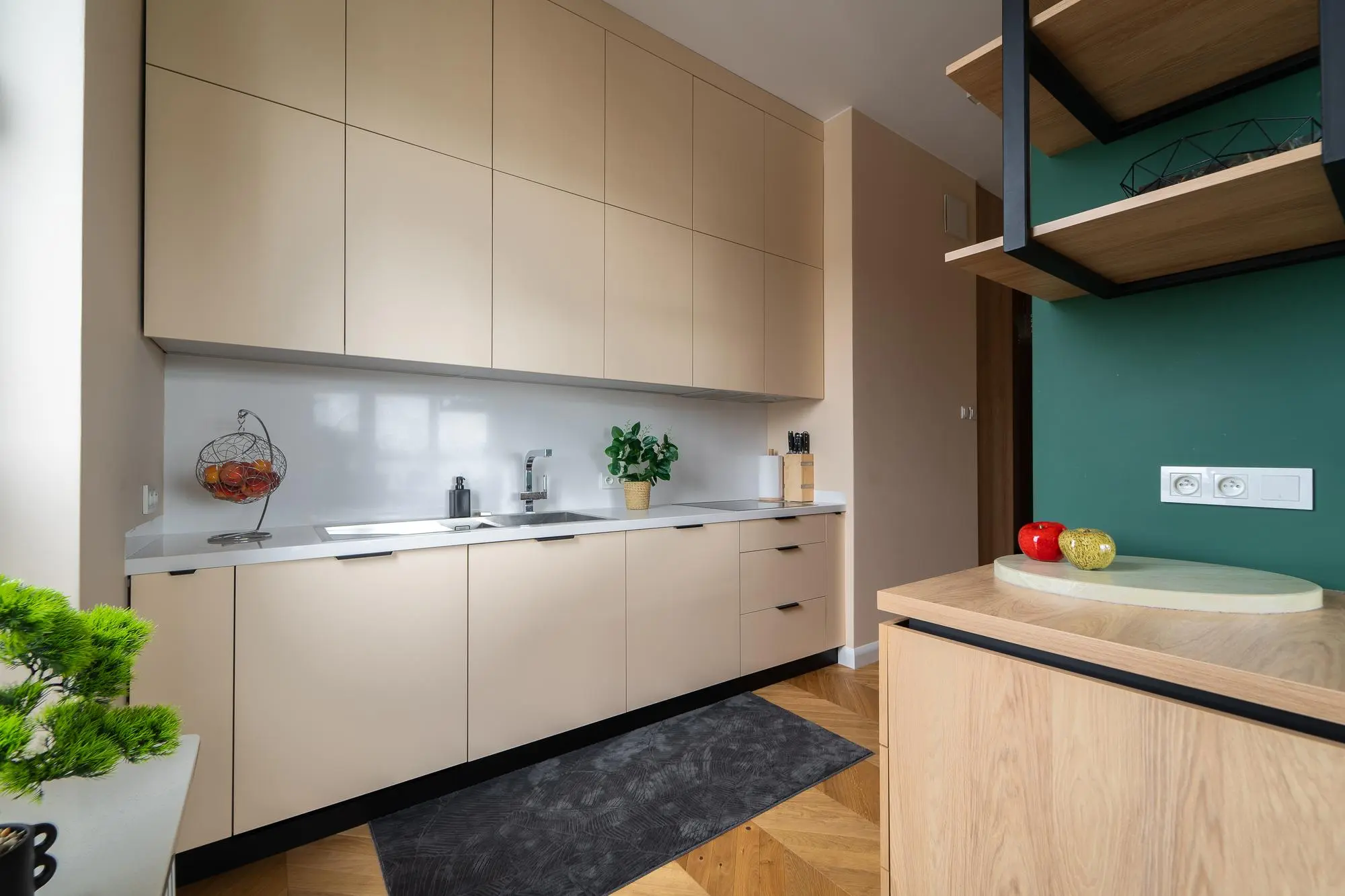
Wall cabinets help you use vertical space without taking up floor area. They are perfect for storing dishes, glasses, and everyday items.
Typical wall cabinet dimensions:
- Height: 12 to 42 inches
- Depth: 12 inches (standard), up to 24 inches (for special designs)
- Width: 12 to 36 inches
One key rule most kitchens follow is spacing.
Standard installation rule:
- Leave about 18 inches between the countertop and the bottom of wall cabinets
This space gives you enough room to work comfortably on the counter without feeling cramped.
Why this matters:
- Keeps items at eye level for easy access
- Prevents cabinets from blocking your workspace
- Improves kitchen safety and visibility
Practical tip: place frequently used items like plates and cups in lower wall cabinets for quick access.
Standard Tall Cabinet (Pantry) Dimensions
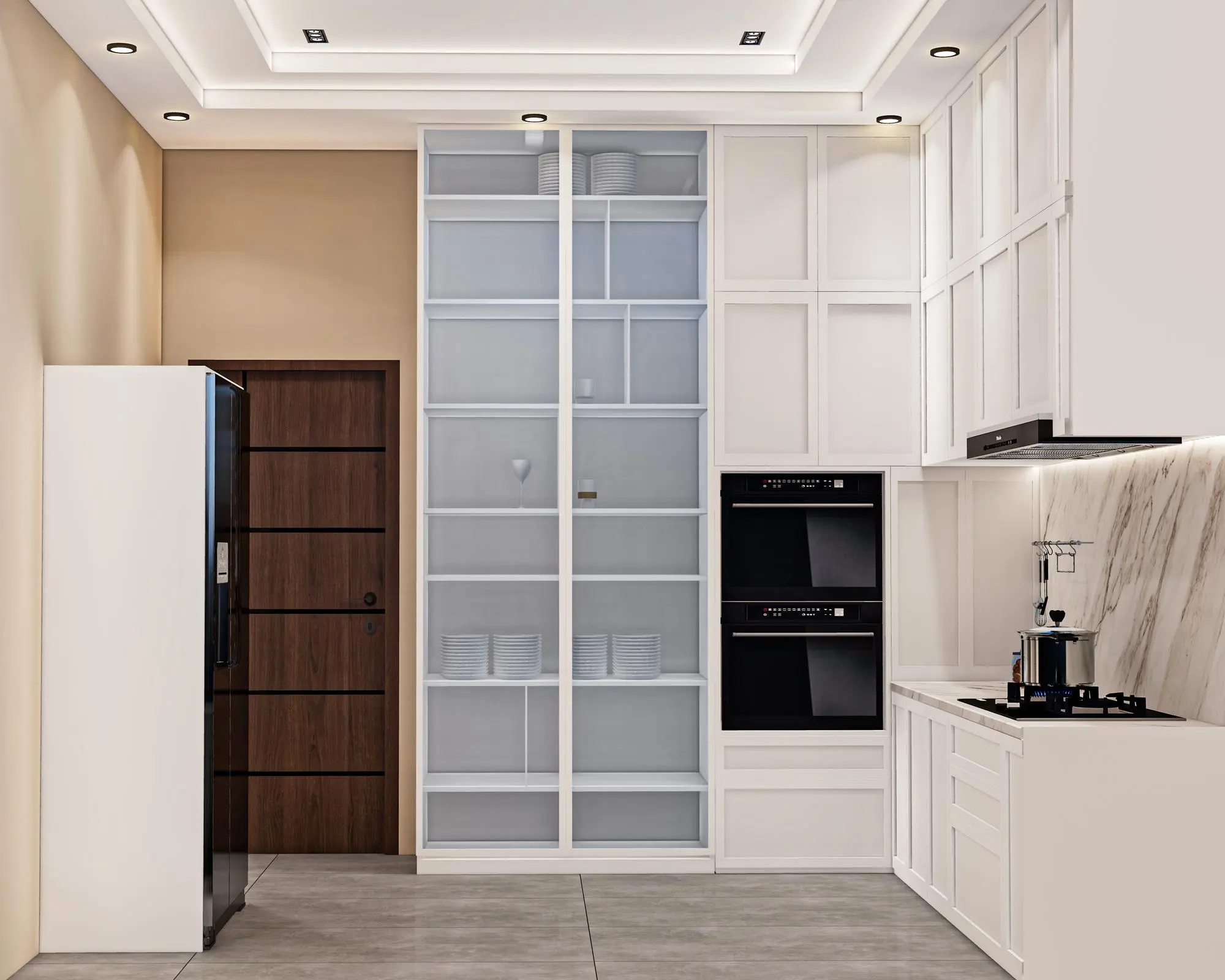
Tall cabinets, also called pantry cabinets, are used for storage and built-in appliances. They make full use of your kitchen height.
Typical tall cabinet dimensions:
- Height: 84, 90, or 96 inches
- Depth: 12 or 24 inches
- Width: 12 to 36 inches
These cabinets often go from floor to near the ceiling, giving you a lot of storage in one place.
Best uses for tall cabinets:
- Dry food and pantry storage
- Built-in ovens or microwaves
- Cleaning supplies or bulk items
Why this matters:
- Maximizes vertical space
- Keeps your kitchen organized
- Reduces clutter on countertops
Smart tip: store less-used or bulk items on higher shelves, and keep daily essentials at eye level.
Kitchen Cabinet Dimensions Chart
| Cabinet Type | Height | Depth | Width | Brief Notes |
|---|---|---|---|---|
| Base Cabinet | 34.5″ (36″ with countertop) | 24″ | 9″–42″ | Main work area, supports countertop and appliances |
| Wall Cabinet | 12″–42″ | 12″ standard, up to 24″ | 12″–36″ | Used for dishes, glasses, and daily storage |
| Tall Cabinet (Pantry) | 84″, 90″, or 96″ | 12″ or 24″ | 12″–36″ | Best for pantry storage, bulk items, or built-in appliances |
How to Choose the Right Cabinet Dimensions
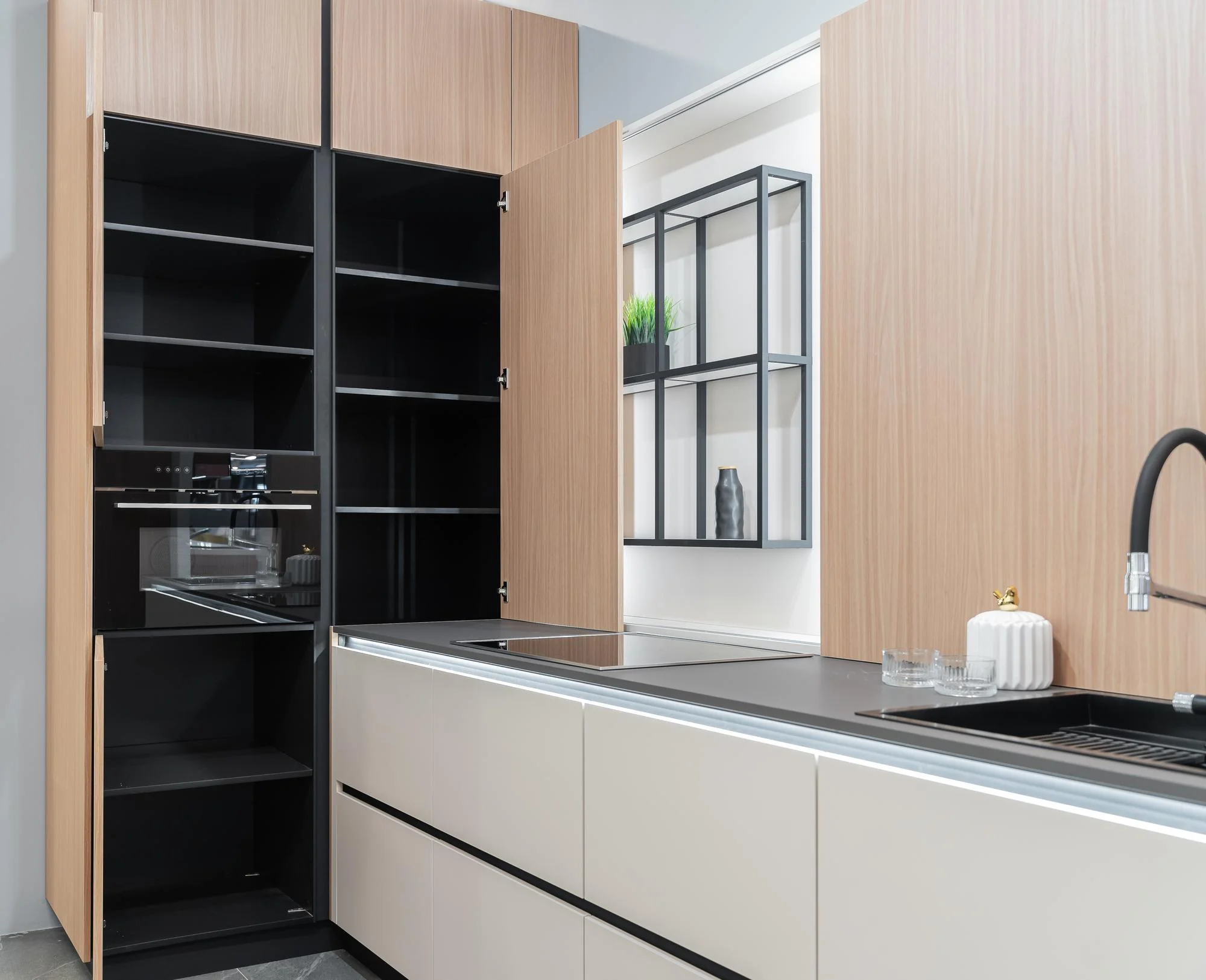
Choosing the right cabinet size is not just about following standards. It’s about making your kitchen work better for you every day.
Start by looking at your space, your habits, and how you actually use your kitchen.
Here’s how to choose the right dimensions:
- Match your kitchen size
In small kitchens, shallower or narrower cabinets can help keep the space open. In larger kitchens, you can use deeper or wider cabinets for more storage. - Consider ceiling height
If you have higher ceilings, taller wall or pantry cabinets (90″–96″) help you use vertical space and avoid wasted gaps. - Think about your height and comfort
Standard sizes work for most people, but if you are taller or shorter, small adjustments can improve comfort when cooking or reaching shelves. - Plan around appliances
Cabinets must fit dishwashers, ovens, and refrigerators. Always check appliance dimensions before finalizing cabinet sizes. - Focus on daily workflow
Place cabinets where they support your routine. For example:- Plates near the dishwasher
- Pots near the stove
- Pantry near prep areas
Simple rule: if you can reach it easily and use it often, it’s in the right place.
Common Mistakes to Avoid

Even with standard sizes, small mistakes can make your kitchen less comfortable and harder to use.
Here are the most common issues to watch out for:
- Choosing cabinets that are too deep
Deep cabinets may look good, but items in the back become hard to reach and often go unused. - Ignoring spacing between cabinets
Too little space between base and wall cabinets makes cooking uncomfortable. Too much space wastes storage. - Not planning for appliances early
If cabinet sizes don’t match appliance dimensions, you may face costly adjustments later. - Overfilling cabinets
Packing too many items reduces accessibility and creates clutter. - Wasting vertical space
Leaving large gaps above cabinets or not using tall cabinets means lost storage potential. - Poor placement of frequently used items
Everyday items stored too high or too low slow down your workflow.
Quick tip: design for convenience first, then storage. A kitchen that works well will always feel more organized.
Ready to Plan Your Kitchen with the Right Dimensions?
Choosing the right cabinet sizes can make a big difference in how your kitchen looks and works. If you want expert guidance tailored to your space, contact us today. Our team can help you design a practical, efficient kitchen layout with cabinet solutions that fit your needs perfectly.

 English
  Arabic
  Spanish
  Japanese
  Russian
  Korean
  French
  Italian