

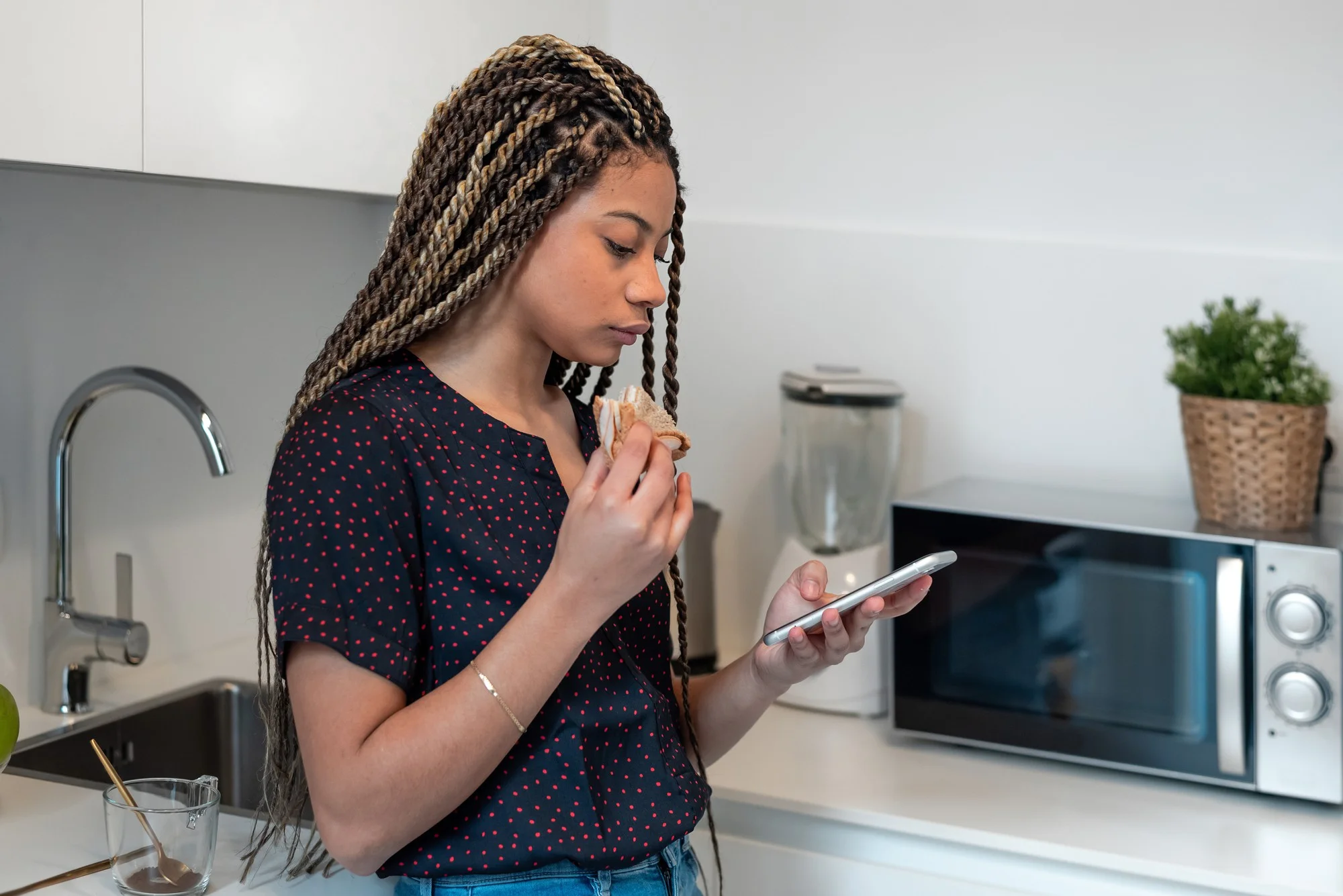
Microwave Safe Materials List
| Material | Microwave Safety | Key Feature | Best Use | Important Note |
|---|---|---|---|---|
| Glass | Safe | Heat-resistant and non-reactive | Reheating, cooking, and food storage | Use tempered or microwave-labeled glass |
| Ceramic | Safe | Durable and heats evenly | Daily reheating and serving | Avoid metallic trim or decoration |
| Microwave-Safe Plastic | Safe | Designed to withstand heat | Quick reheating and food containers | Only use labeled plastics such as PP #5 |
| Silicone | Safe | Flexible, reusable, and heat-resistant | Baking molds and microwave containers | Choose food-grade silicone products |
| Paper Products | Conditionally Safe | Lightweight and convenient | Short heating and food covering | Use only wax paper, parchment, or approved paper containers |
| Wood | Conditionally Safe | Natural and suitable for brief reheating | Short microwave use only | Avoid long heating, soaking, or metal parts |
Choosing the right materials for microwave use is essential for safety and performance. Microwave-safe materials allow heat to pass through without melting, sparking, or releasing harmful substances. Below are the most reliable options you can use with confidence:
Glass (Best Overall Choice)
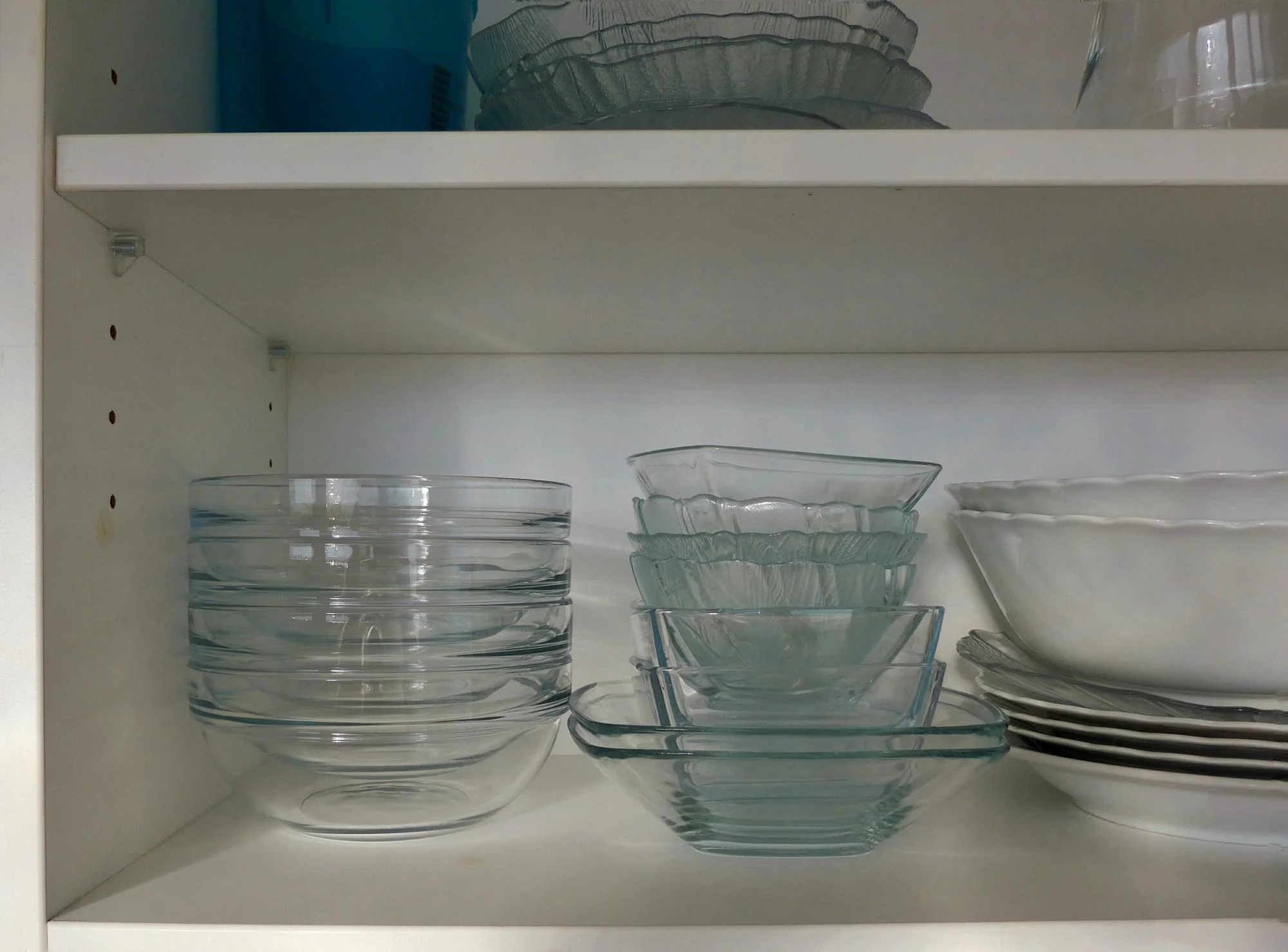
Glass is one of the safest and most versatile materials for microwave use. It is heat-resistant, non-reactive, and does not absorb odors or flavors.
It works well for reheating, cooking, and even storing food. For best results, use tempered or microwave-labeled glass to avoid cracking under sudden temperature changes.
Ceramic (Without Metal Trim)
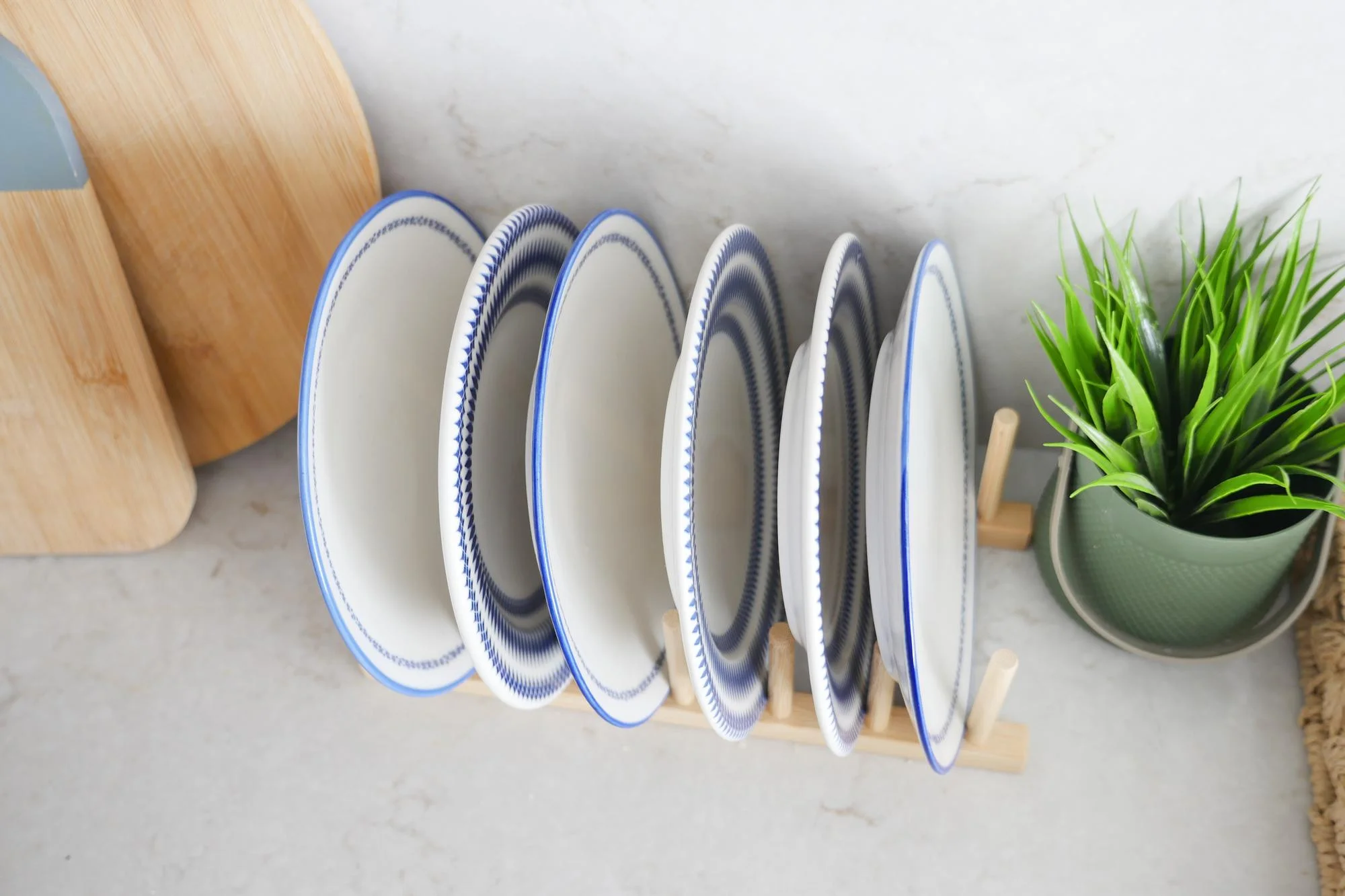
Ceramic containers are durable and commonly used in kitchens. They heat evenly and are great for everyday reheating.
However, always check that the ceramic has no metallic trim or decorative elements, as metal can cause sparks in the microwave.
Microwave-Safe Plastic
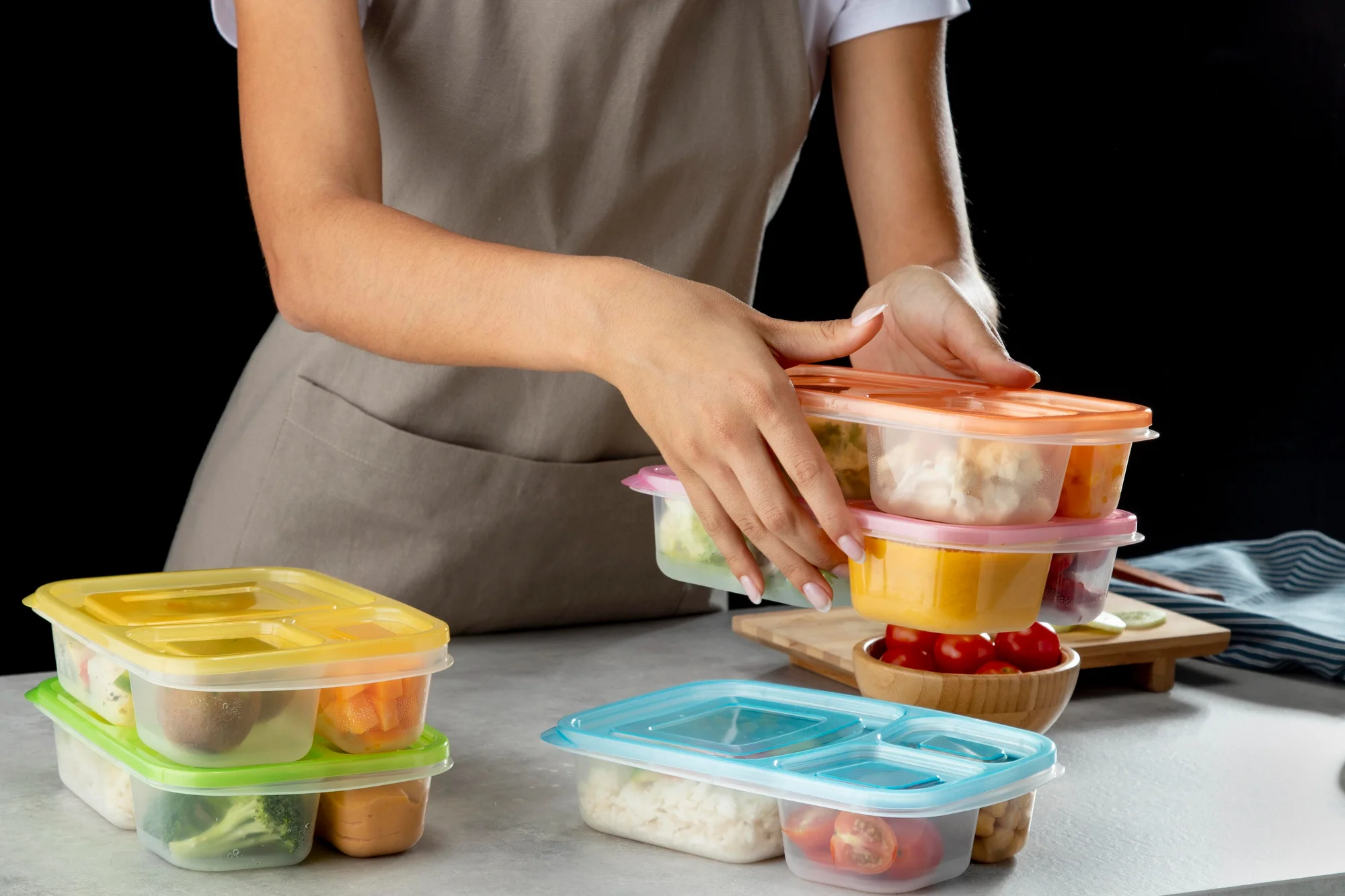
Not all plastic is safe for microwave use. Only use containers labeled “microwave-safe”, typically made from materials like PP (#5).
These plastics are designed to handle heat without melting or releasing harmful chemicals. Avoid single-use plastics or containers without proper labeling.
Silicone
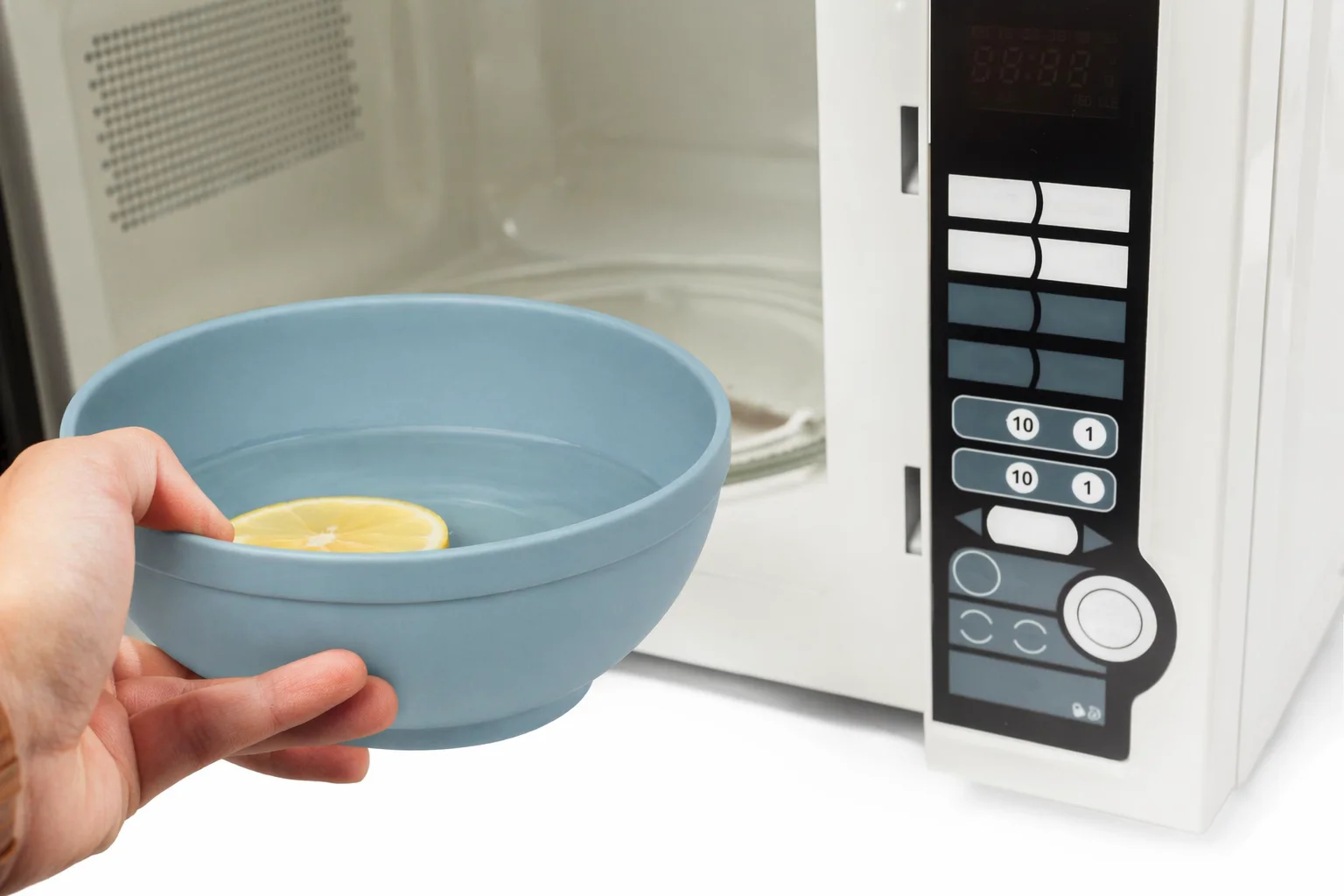
Silicone is a modern, flexible material that performs well in microwaves. It is heat-resistant, non-stick, and reusable, making it ideal for baking molds and food containers.
It’s also easy to clean and maintains its shape over time, even with frequent use.
Paper Products (Approved Only)

Certain paper products can be safely used for short heating times. These include wax paper, parchment paper, and microwave-approved paper containers.
They are useful for covering food or quick reheating, but should not be used for long cooking periods or high heat.
Wood (Limited Use)
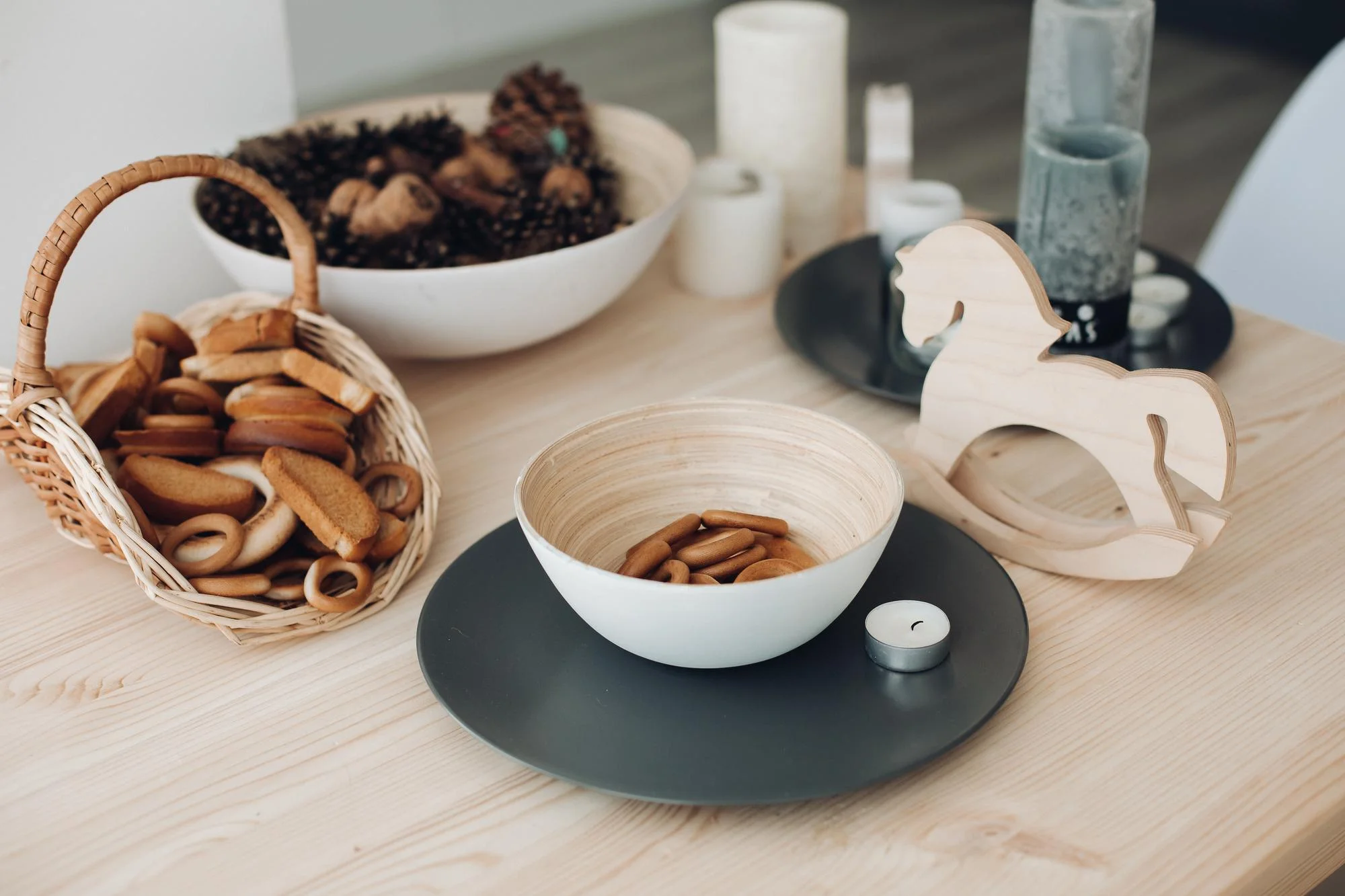
Wood can be used in the microwave for short periods, as long as it has no metal parts or coatings. It works well for brief reheating tasks.
However, avoid prolonged heating or exposure to moisture, as wood can dry out, crack, or warp over time.


 English
  Arabic
  Spanish
  Japanese
  Russian
  Korean
  French
  Italian