

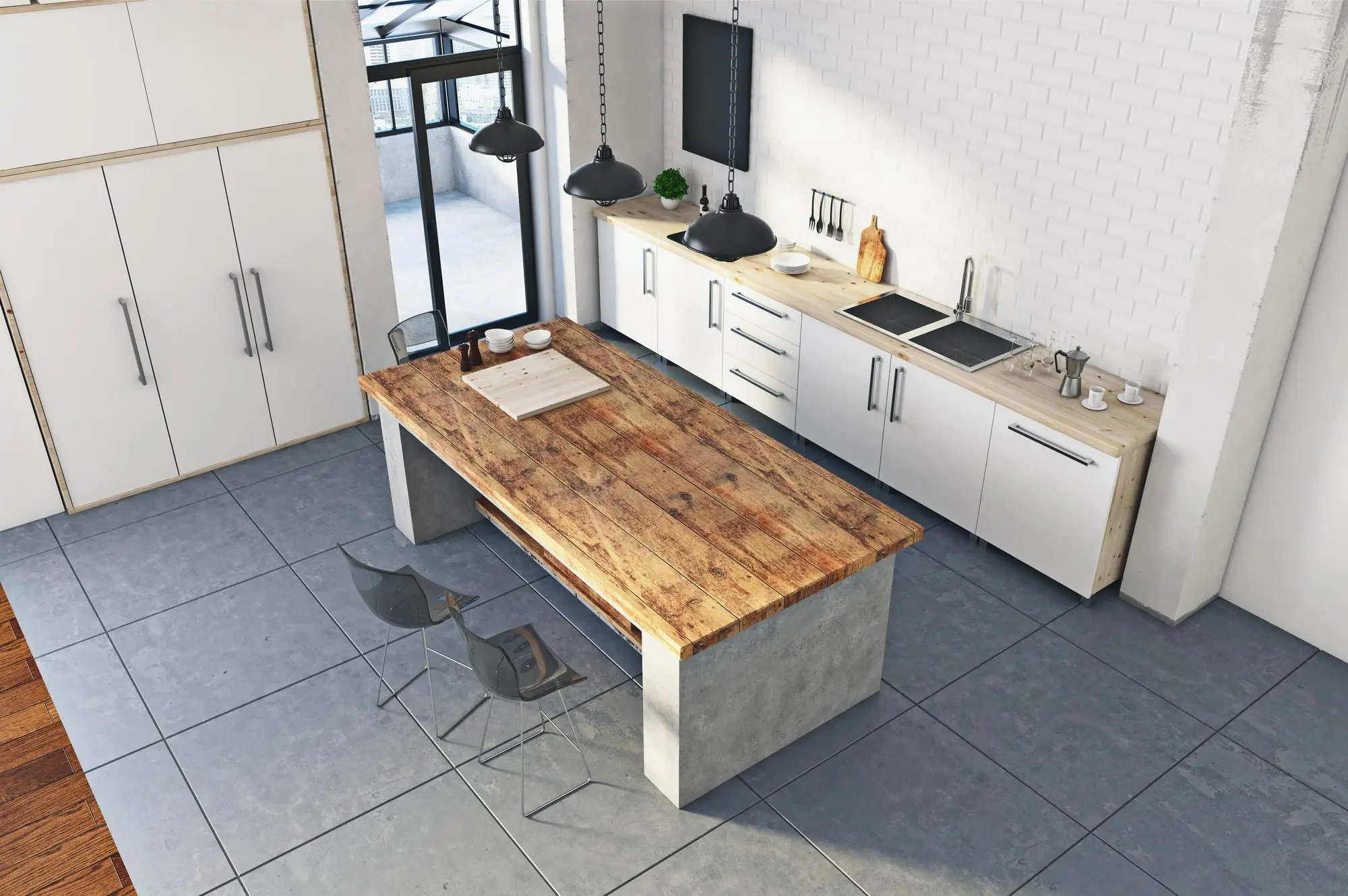
What Are Standard Kitchen Island Dimensions
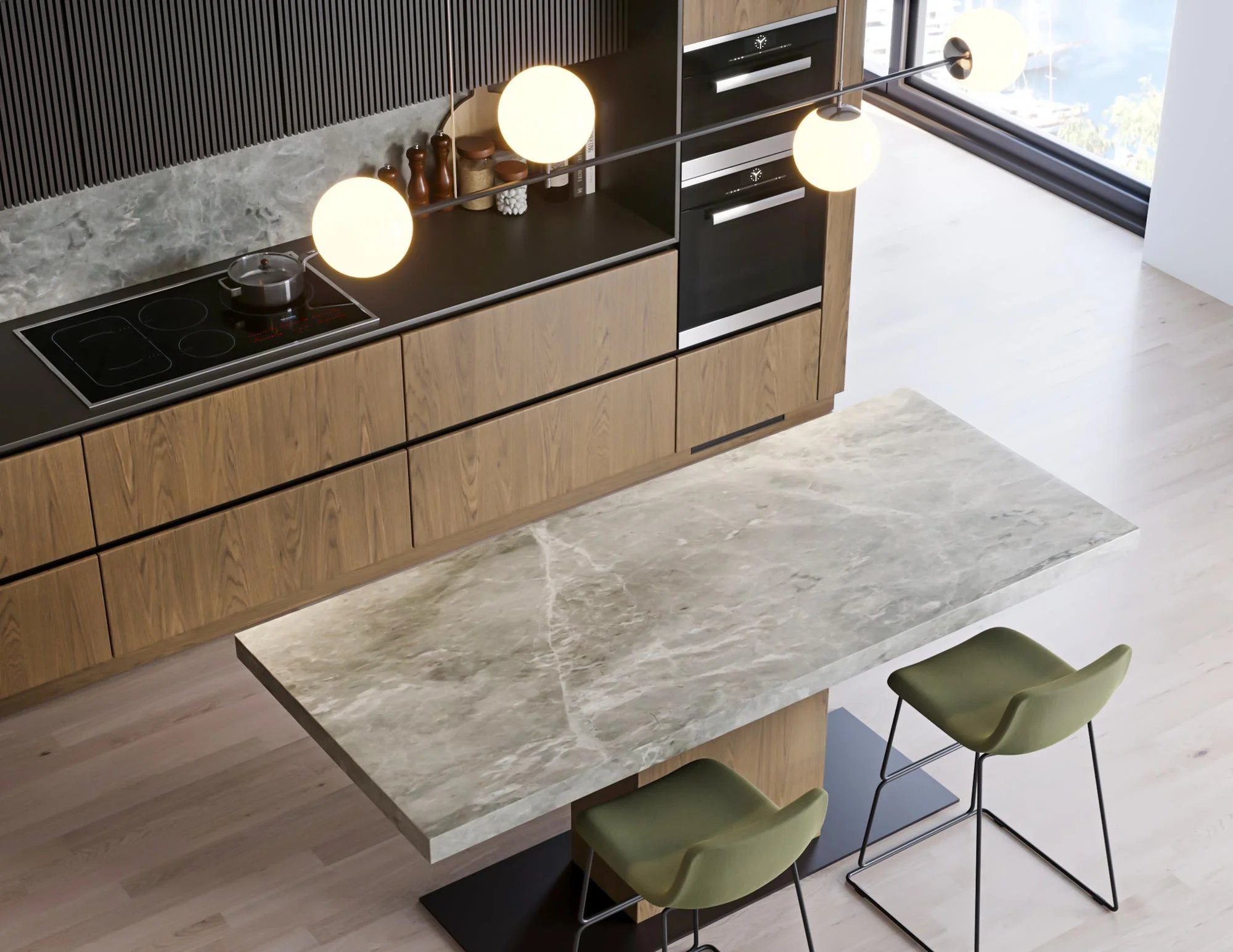
When planning a kitchen island, it’s helpful to start with the standard size ranges most designers use. These dimensions are proven to work well in real kitchens—they balance space, function, and comfort.
A typical kitchen island is 4 to 7 feet long and 24 to 48 inches wide. Smaller islands are great for prep work, while wider ones can include sinks, cooktops, or seating.
For height, there are two common options:
- 36 inches – the standard counter height, ideal for food prep
- 42 inches – bar height, perfect for casual dining or stools
Key takeaway: These are general guidelines, not strict rules. The right size always depends on your kitchen layout, traffic flow, and how you plan to use the island.
Minimum Kitchen Island Size Requirements
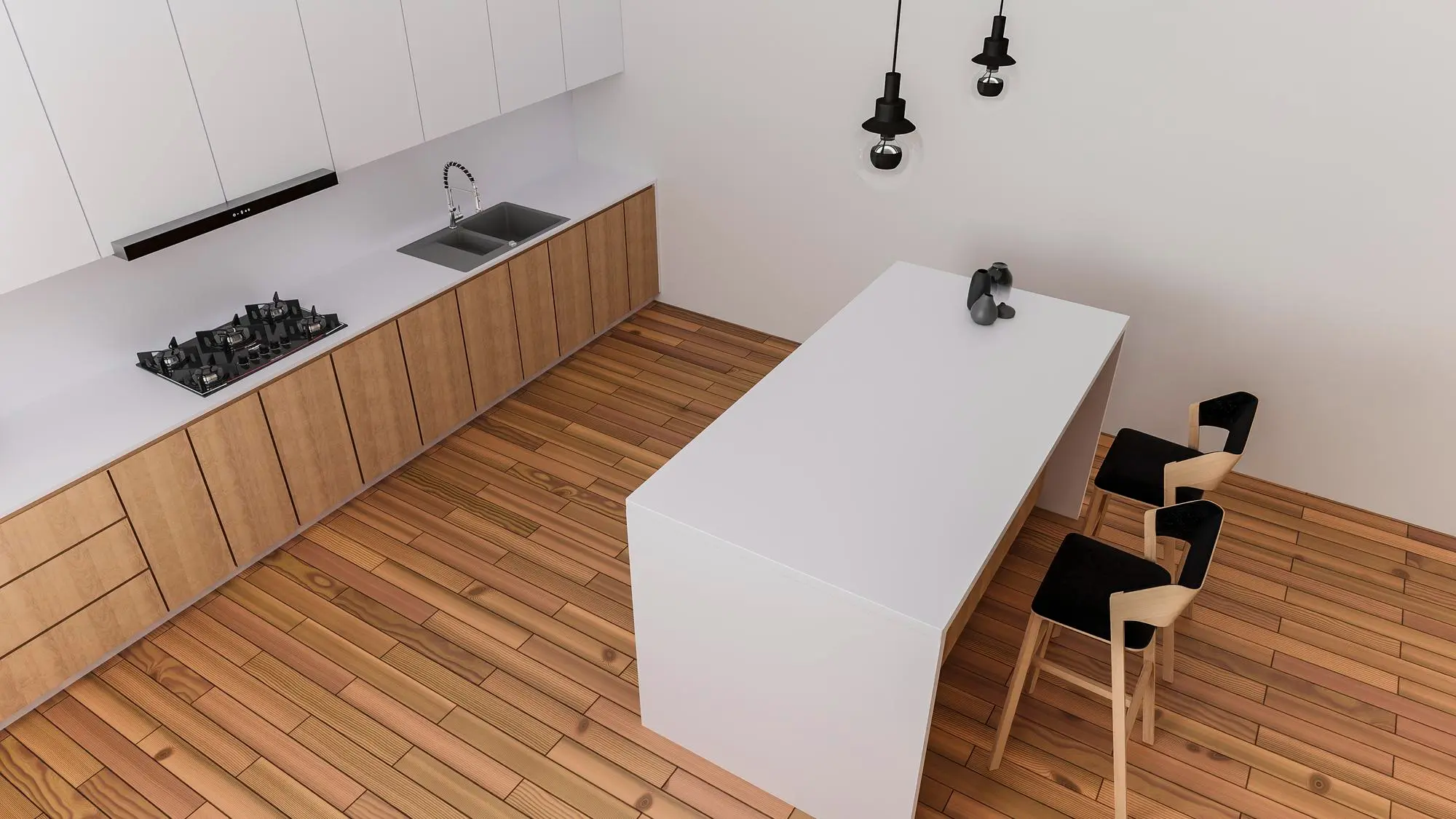
If space is tight, you might wonder how small an island can be while still being useful.
The absolute minimum size is around 2 ft × 4 ft. This works for light prep tasks but doesn’t leave room for much else.
For better usability, aim for at least 3 ft × 5 ft. This gives you enough surface area for daily cooking and small storage.
If your kitchen is very compact, consider smarter alternatives:
- A narrow island for prep only
- A movable or rolling island for flexibility
- A peninsula layout instead of a full island
This helps you avoid a common mistake: forcing an island into a space where it doesn’t fit. A cramped kitchen will feel less functional, not more.
Kitchen Island Clearance

No matter how big your island is, clearance around it matters even more.
The minimum recommended clearance is 36 inches. This allows basic movement, but it can feel tight in busy kitchens.
For better comfort and workflow, aim for:
- 42–48 inches for general use
- 42–44+ inches if your island includes seating
This extra space ensures:
- Cabinet doors and appliances can open fully
- Multiple people can move around without bumping into each other
- Cooking and prep feel smooth and efficient
Proper spacing is what makes a kitchen feel easy to use. Even a perfectly sized island won’t work if the surrounding space is too tight.
Kitchen Island Dimensions With Seating
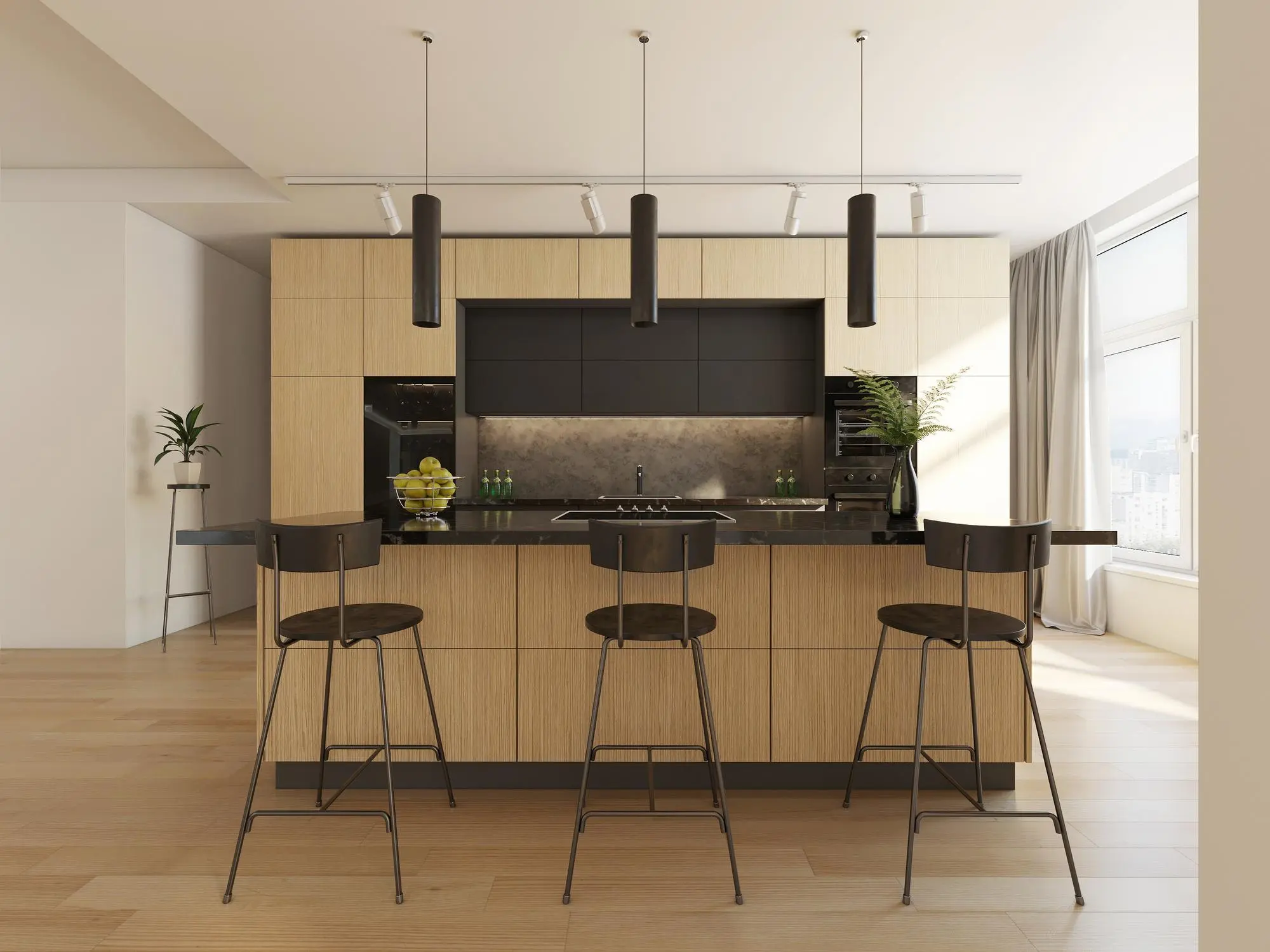
Adding seating turns your island into a social hub—but it also changes the required dimensions.
Here’s what to plan for:
- Space per person: 22–24 inches
- Overhang depth: 12–18 inches (for legroom)
- Island size for 4 seats: about 96 × 36–42 inches
For example, a 4-seat island needs enough length so everyone has personal space, plus enough depth to stay comfortable.
A simple way to think about it:
- More seats = longer island
- More comfort = deeper overhang
If seating feels cramped, people won’t use it. Always prioritize comfort over squeezing in extra stools.
Kitchen Island Height Explained

Height plays a big role in comfort and usability, especially if your island serves multiple purposes.
The two main options are:
- 36 inches (counter height)
Best for food prep, cooking, and seamless integration with countertops - 42 inches (bar height)
Ideal for seating areas and casual dining
Some kitchens combine both with a multi-level island, creating separate zones for prep and seating.
Ergonomic tip:
Choose a height that matches how you’ll use the space most. If you cook often, stick with 36 inches. If your island is more for gathering and dining, 42 inches may feel more natural.
A well-chosen height reduces strain and makes your kitchen more comfortable to use every day.
How to Choose the Right Island Size
Choosing the right kitchen island size isn’t about picking a number—it’s about matching your space, needs, and daily habits. Start by thinking about how your kitchen works and what you expect from the island.
- Measure your space first: Always plan for at least 36–48 inches of clearance around the island
- Define the main function: Prep-only islands can be smaller; cooking, sink, or seating require more space
- Consider seating needs: Add length for each person (about 24 inches per seat)
- Check appliance clearance: Make sure doors, drawers, and dishwashers can open fully
- Think about workflow: Keep smooth movement between sink, stove, and fridge
- Plan for future use: If your needs may grow, avoid choosing the smallest possible size
A well-sized island should feel natural in your kitchen—not crowded or oversized.
Kitchen Island Size by Layout Type
Small Kitchens → Compact / Rolling Islands

In small kitchens, space is limited, so flexibility matters most. A compact island—around 2–4 feet long—or a rolling island works best. These options provide extra prep space without blocking movement. If clearance is tight, a movable island can be pushed aside when needed.
Medium Kitchens → Standard 5–6 ft Island
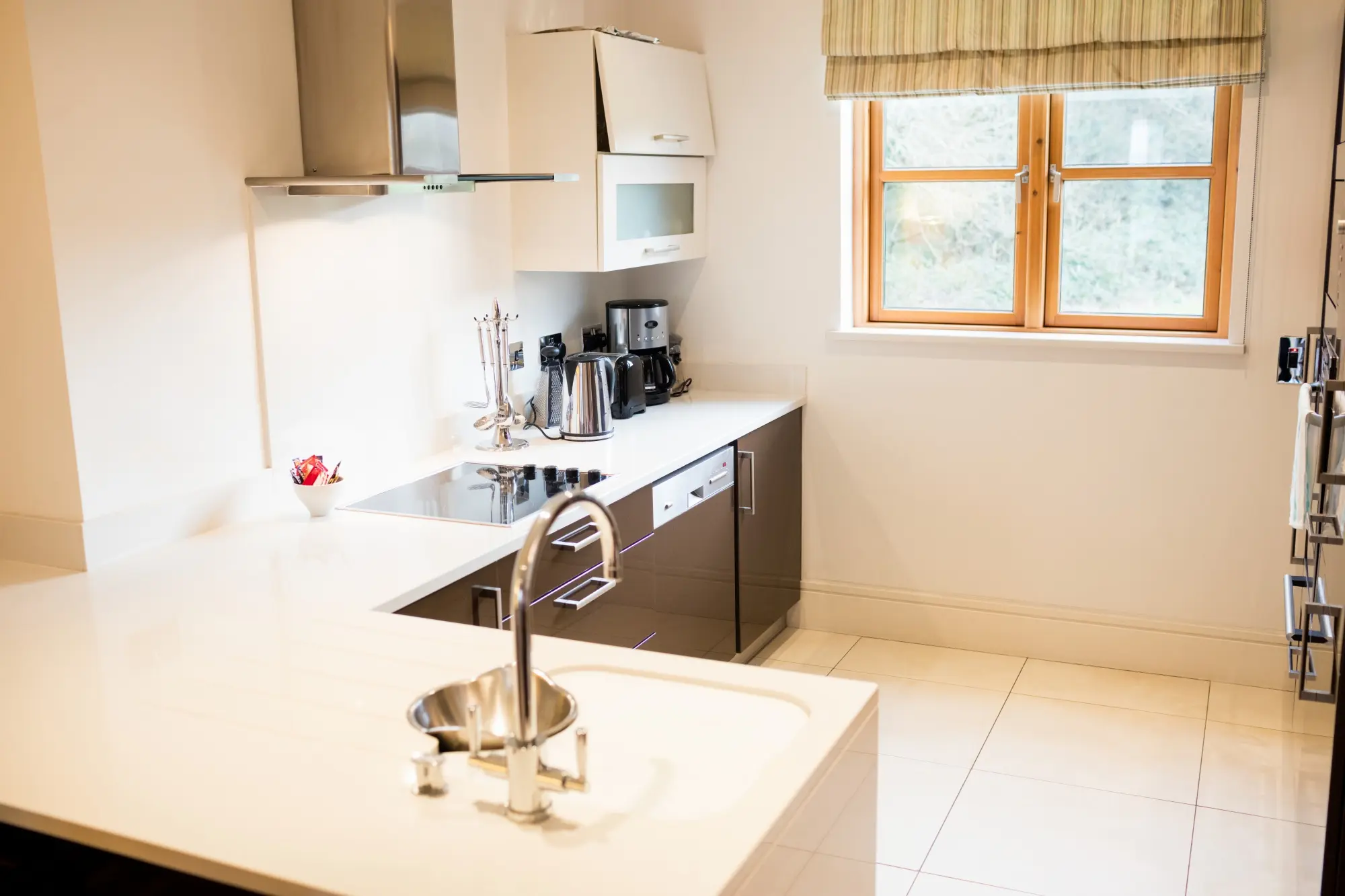
Medium-sized kitchens can support a standard island, typically 5–6 feet long. This size offers a good balance between workspace and flow. You can include storage, basic prep areas, and even limited seating while still maintaining comfortable clearance around the island.
Large Kitchens → 7+ ft with Seating & Appliances
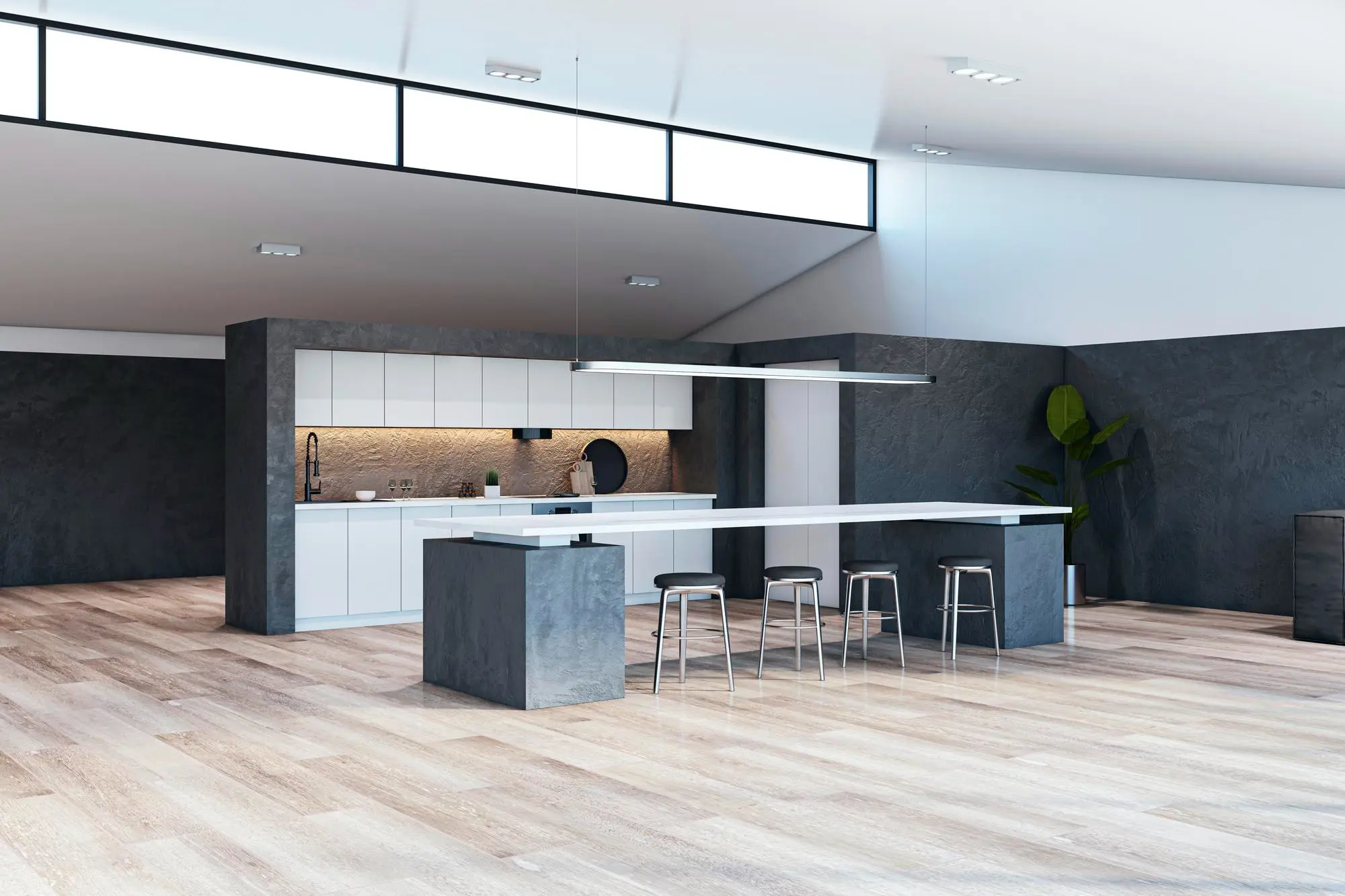
Large kitchens allow for bigger, more functional islands—usually 7 feet or longer. These islands can include sinks, cooktops, and seating for multiple people. With enough space, the island becomes a central hub for cooking, dining, and socializing without disrupting workflow.
FAQs
What is a good size for a kitchen island?
A good kitchen island size for most homes is around 4–6 feet long and 2–3 feet wide. This provides enough space for prep and storage while maintaining proper clearance around it.
The key is balance—it should fit your kitchen without making movement feel tight.
Is a 2m island big enough?
Yes, a 2-meter (about 6.5 ft) island is usually big enough for most kitchens. It can support prep work and even seating for 2–3 people if designed well.
Just make sure you still have 36–48 inches of clearance around it.
What is the 3×4 kitchen rule?
The 3×4 kitchen rule means having three separate work areas, each about 4 feet long—for cooking, cleaning, and prep.
This layout improves workflow, reduces movement, and keeps tasks organized.
What is the standard size of an island?
The standard kitchen island size is about 6 ft × 3 ft (72 × 36 inches).
However, the “right” size always depends on your kitchen space, layout, and how you plan to use the island.

 English
  Arabic
  Spanish
  Japanese
  Russian
  Korean
  French
  Italian