

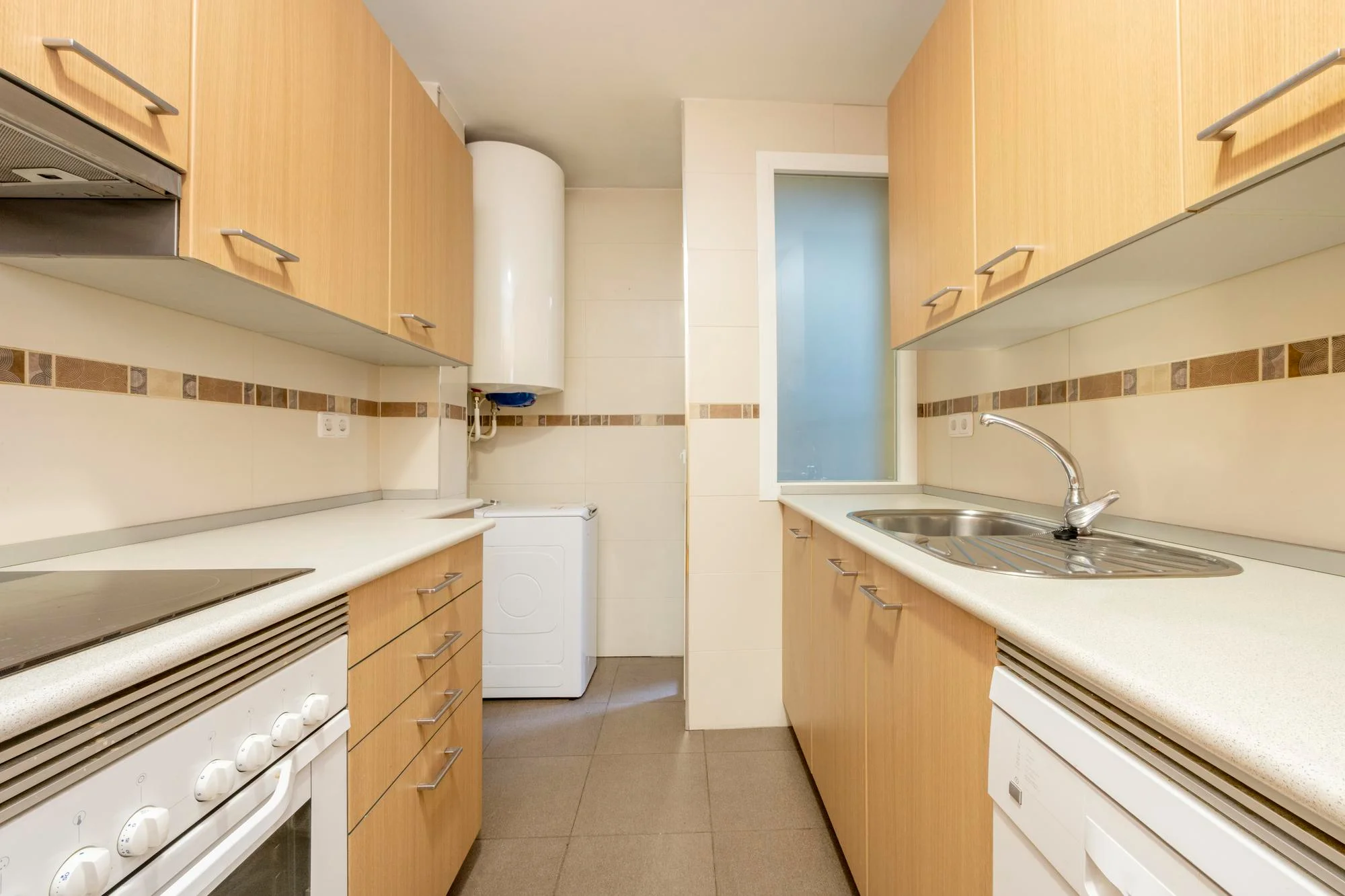
12 Smart Ways to Separate Kitchen and Living Room
1. Kitchen Island or Peninsula
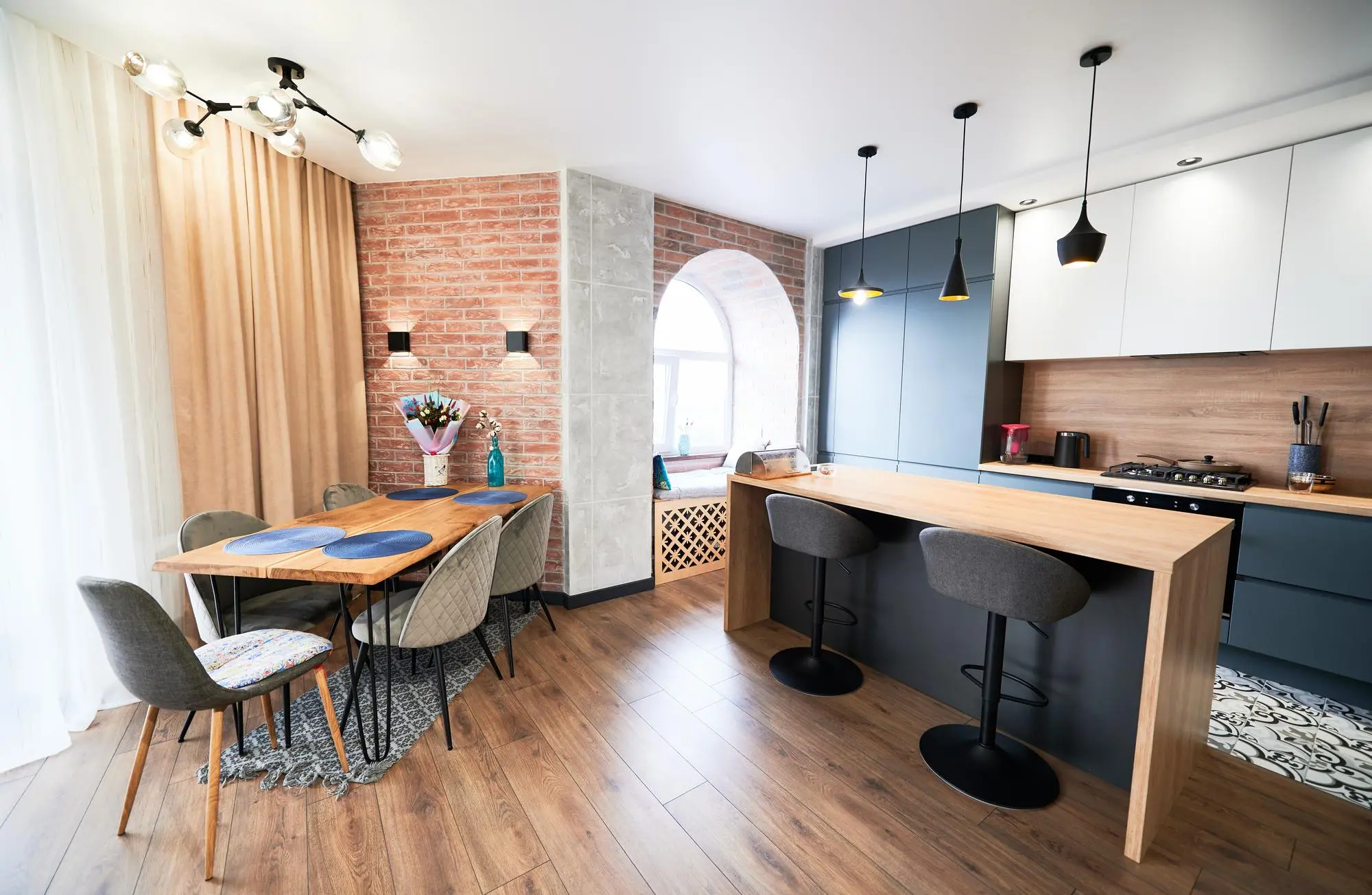
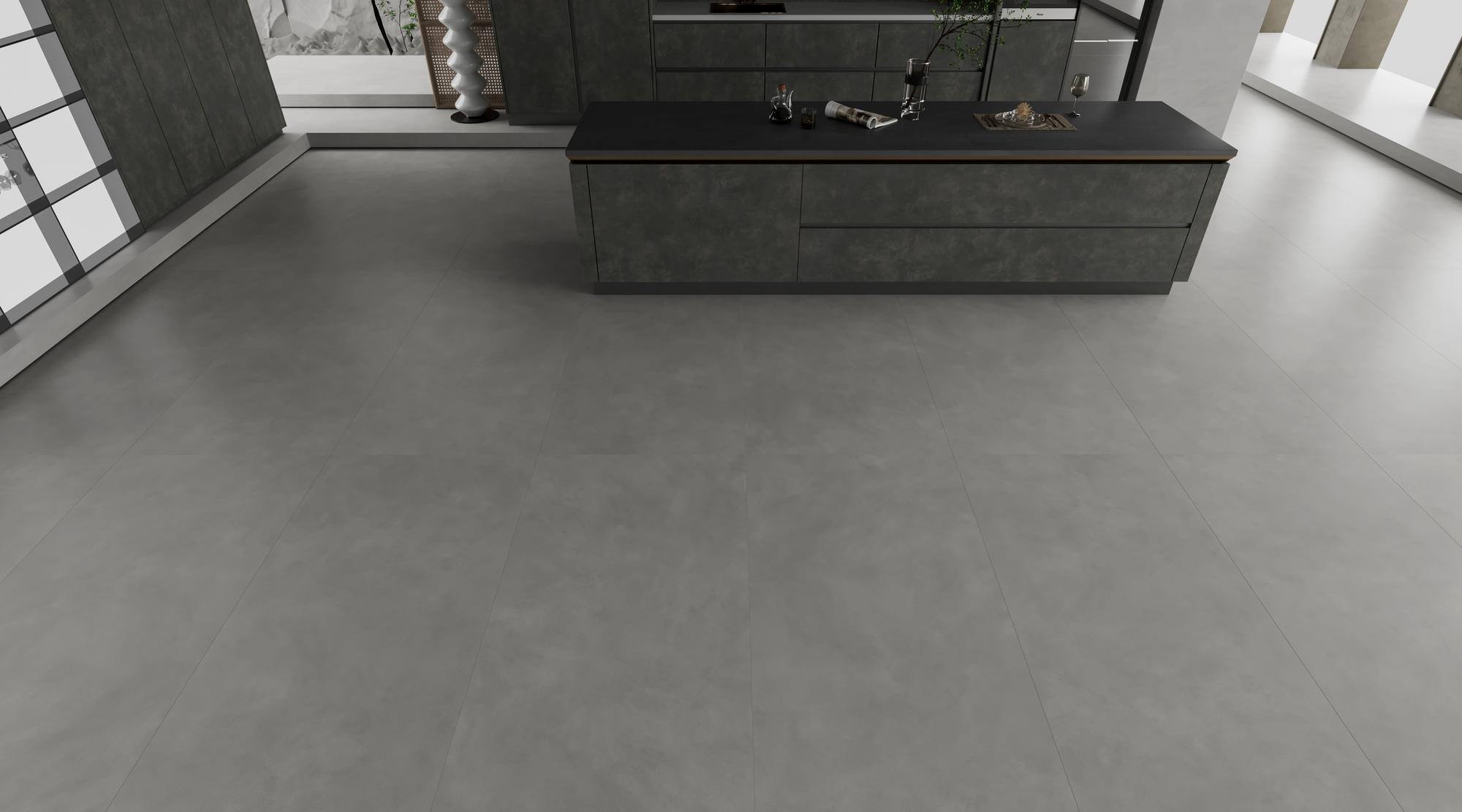
A kitchen island or peninsula is one of the easiest and most effective ways to separate spaces without closing them off. It naturally creates a boundary while still keeping everything open and connected. You get extra prep space, storage, and even seating—all in one solution.
This option works especially well in open-plan homes where you want a clear division but still enjoy a social cooking environment.
2. Open Shelving or Bookcase Divider
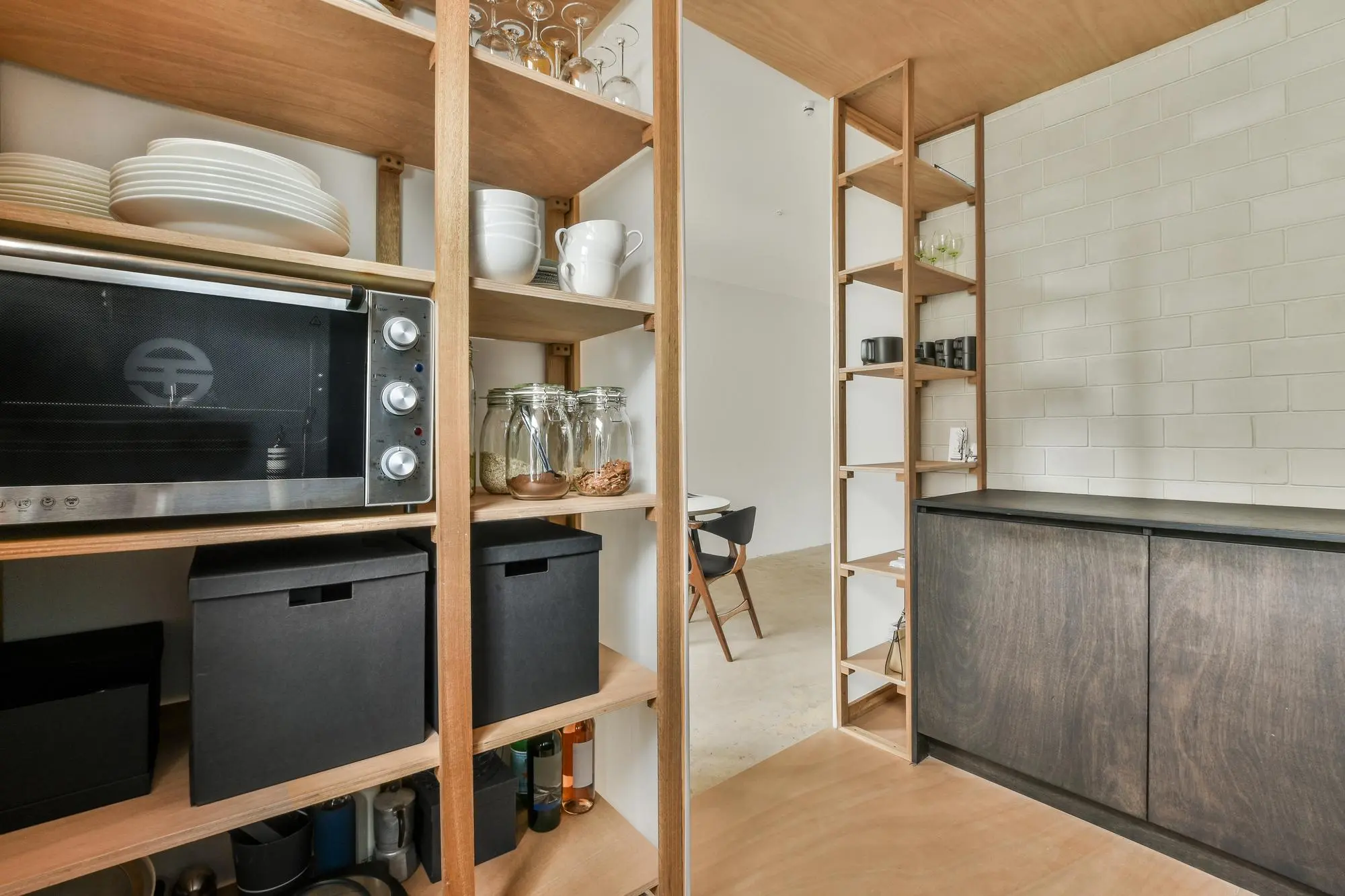
Open shelving is a smart way to divide spaces while keeping the room light and airy. Instead of blocking the view, it creates a soft separation that still allows interaction between the kitchen and living area.
You can use it to display decor, store books, or even hold kitchen items. It adds function and style at the same time, making it perfect for modern homes.
3. Glass Walls or Sliding Doors
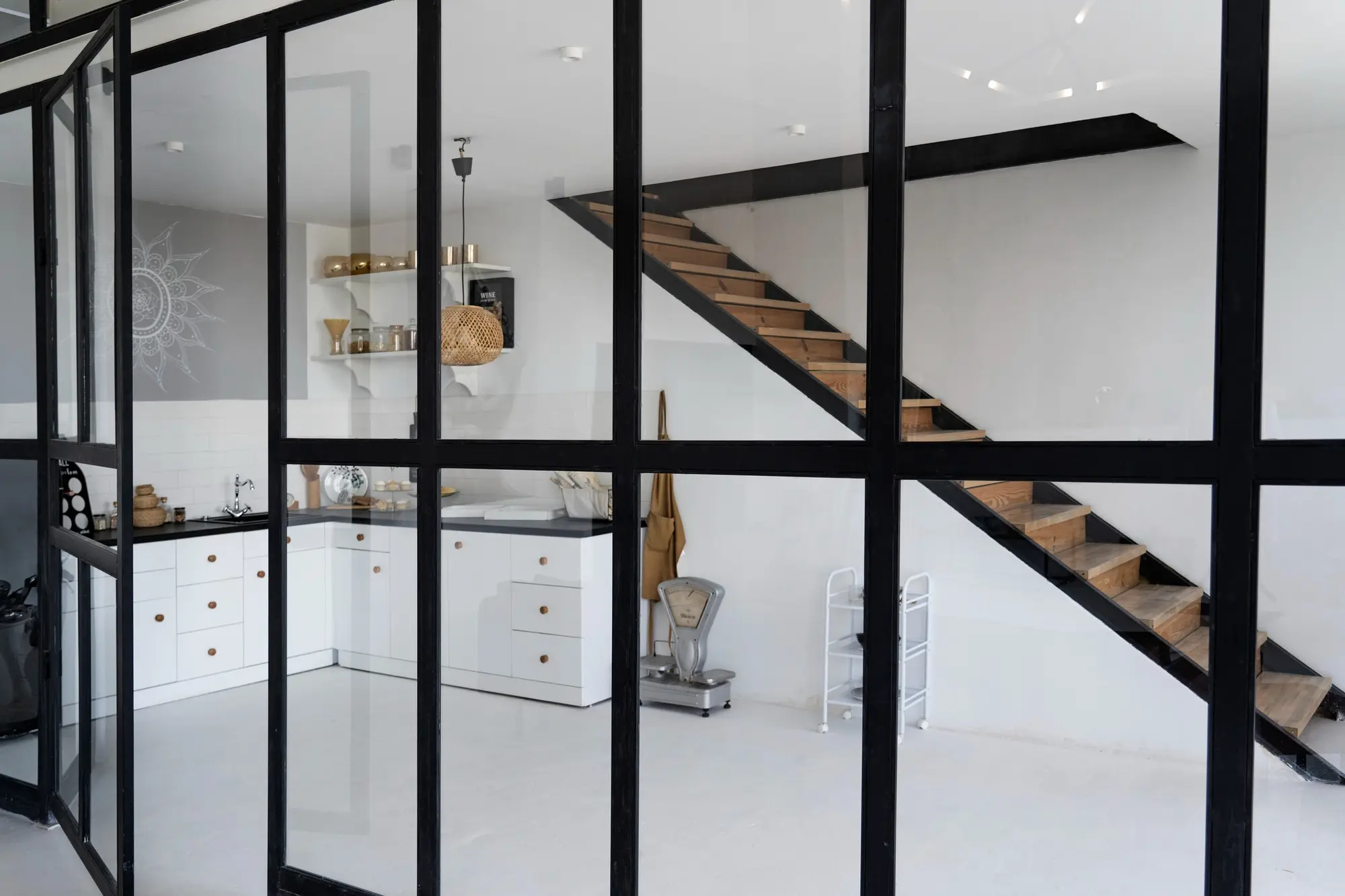
If you want separation without losing light, glass partitions are a top choice. They help control cooking smells and noise while keeping the space visually open.
Sliding glass doors are even more flexible—you can close them when needed or open them to reconnect the space. This option gives a clean, modern, and high-end feel.
4. Half Wall or Breakfast Bar
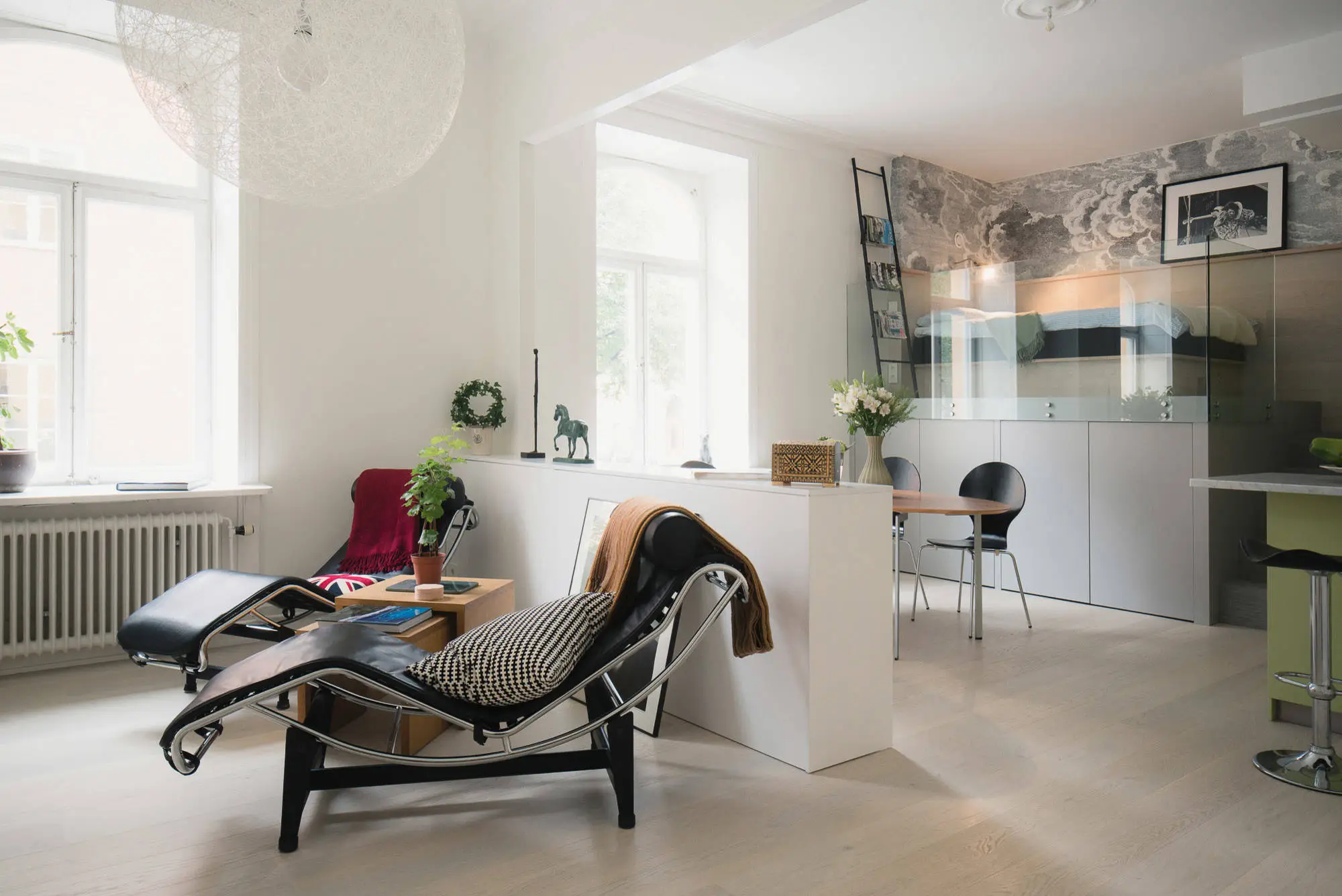
A half wall or breakfast bar creates a clear visual boundary without making the space feel small. It divides the room just enough while still allowing light and conversation to flow through.
Adding bar seating turns it into a functional dining spot, making it a practical solution for both everyday use and entertaining.
5. Sofa Placement as Divider
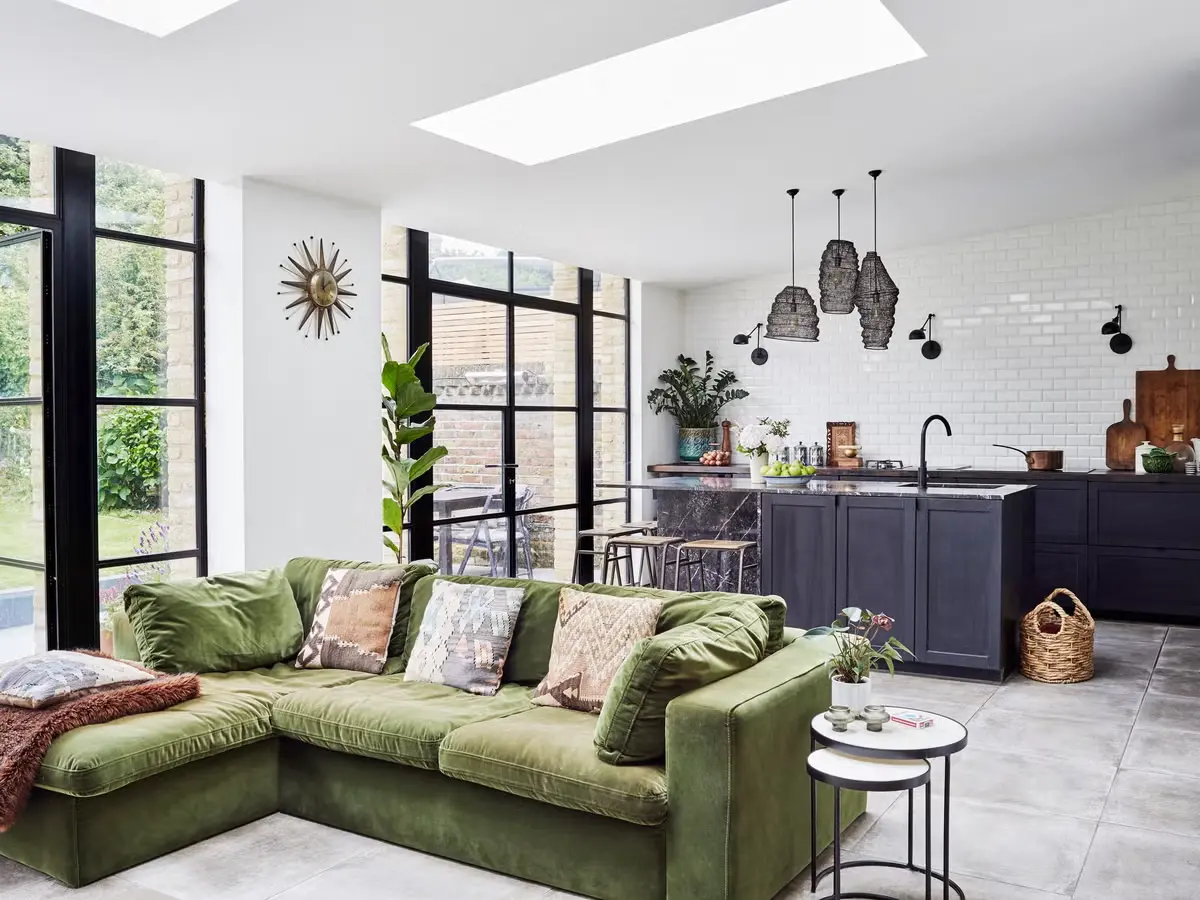
Sometimes the simplest solution is the best. Placing a sofa between the kitchen and living room instantly defines the living area without any construction.
The back of the sofa acts as a natural boundary, helping organize the layout and guide how people move through the space.
6. Curtains or Fabric Panels
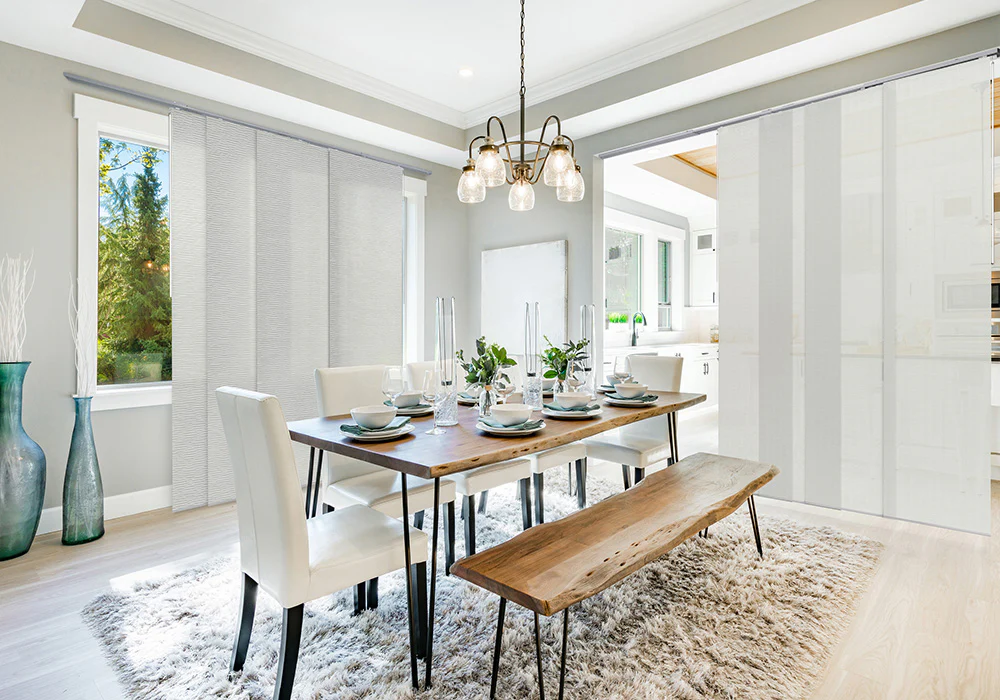
Curtains are a flexible and budget-friendly way to separate spaces. They’re easy to install, easy to change, and perfect for renters or temporary setups.
You can fully close them for privacy or keep them open to maintain an open feel. Choosing light fabrics helps keep the space bright while still creating a soft division.
7. Vertical Slats or Wood Panels
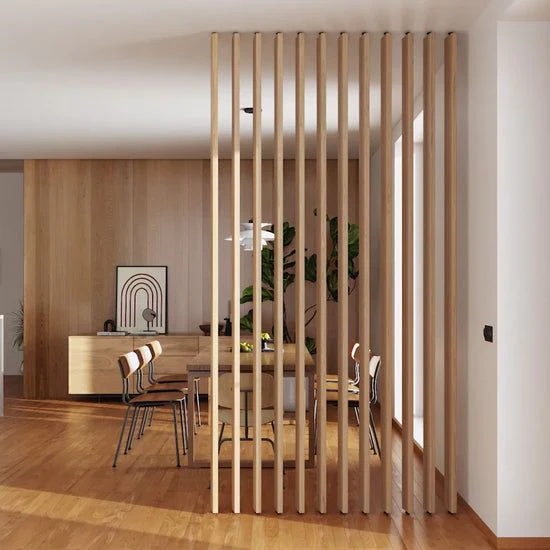
Vertical slats or wood panels are a modern way to divide spaces without fully closing them off. They create a semi-open barrier that allows light and airflow to pass through while still defining each area clearly.
This style adds warmth, texture, and a strong design element to your space. It works especially well in contemporary and Scandinavian interiors where clean lines and natural materials matter.
8. Folding Screens or Movable Dividers
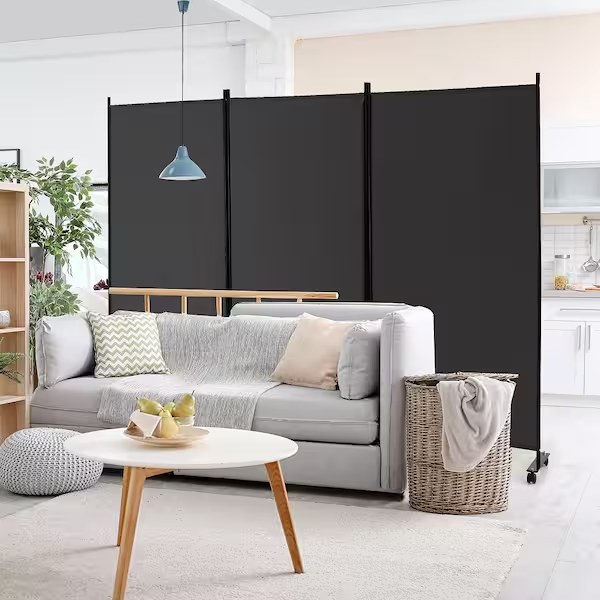
Folding screens are one of the easiest ways to separate a kitchen and living room—no renovation needed. You can move them around, fold them away, or switch styles whenever you want.
They’re perfect for small spaces or rental homes where flexibility is key. Plus, they come in many designs, so you can match them with your interior style.
9. Different Flooring Materials
Using different flooring is a subtle but powerful way to define spaces. For example, you can use tiles in the kitchen and wood or carpet in the living area.
This creates a clear visual boundary without adding walls or furniture. It also improves functionality—tiles are easier to clean in the kitchen, while wood adds warmth to the living space.
10. Lighting Zoning
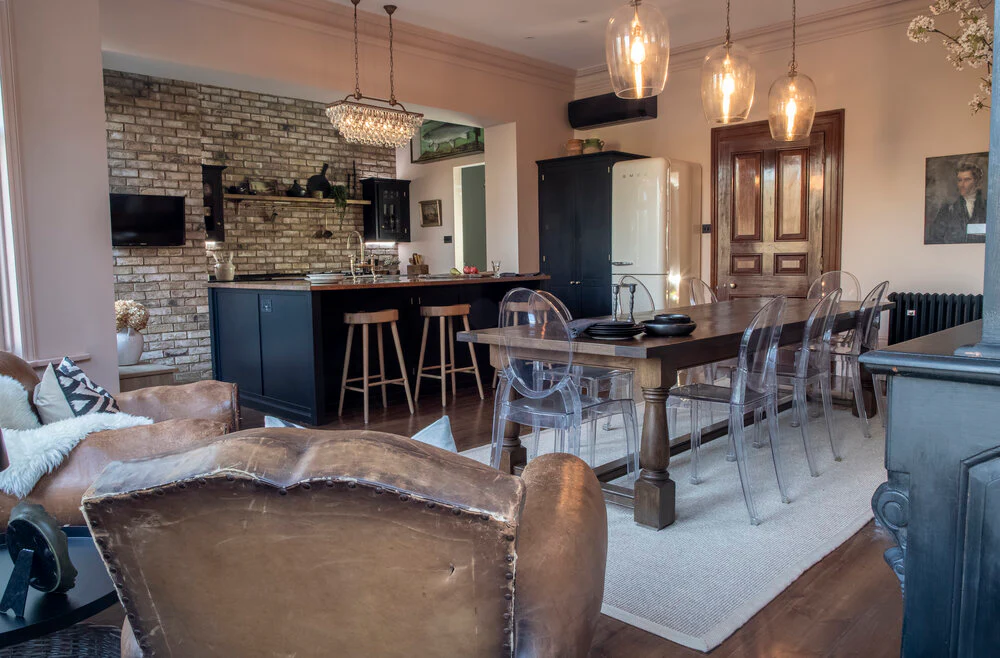
Lighting can shape how a space feels and functions. By using different types of lighting, you can visually separate the kitchen and living room.
Pendant lights over the kitchen island and soft floor lamps in the living area create two distinct zones. This method is simple but very effective, especially in open-plan layouts.
11. Rugs to Define Spaces
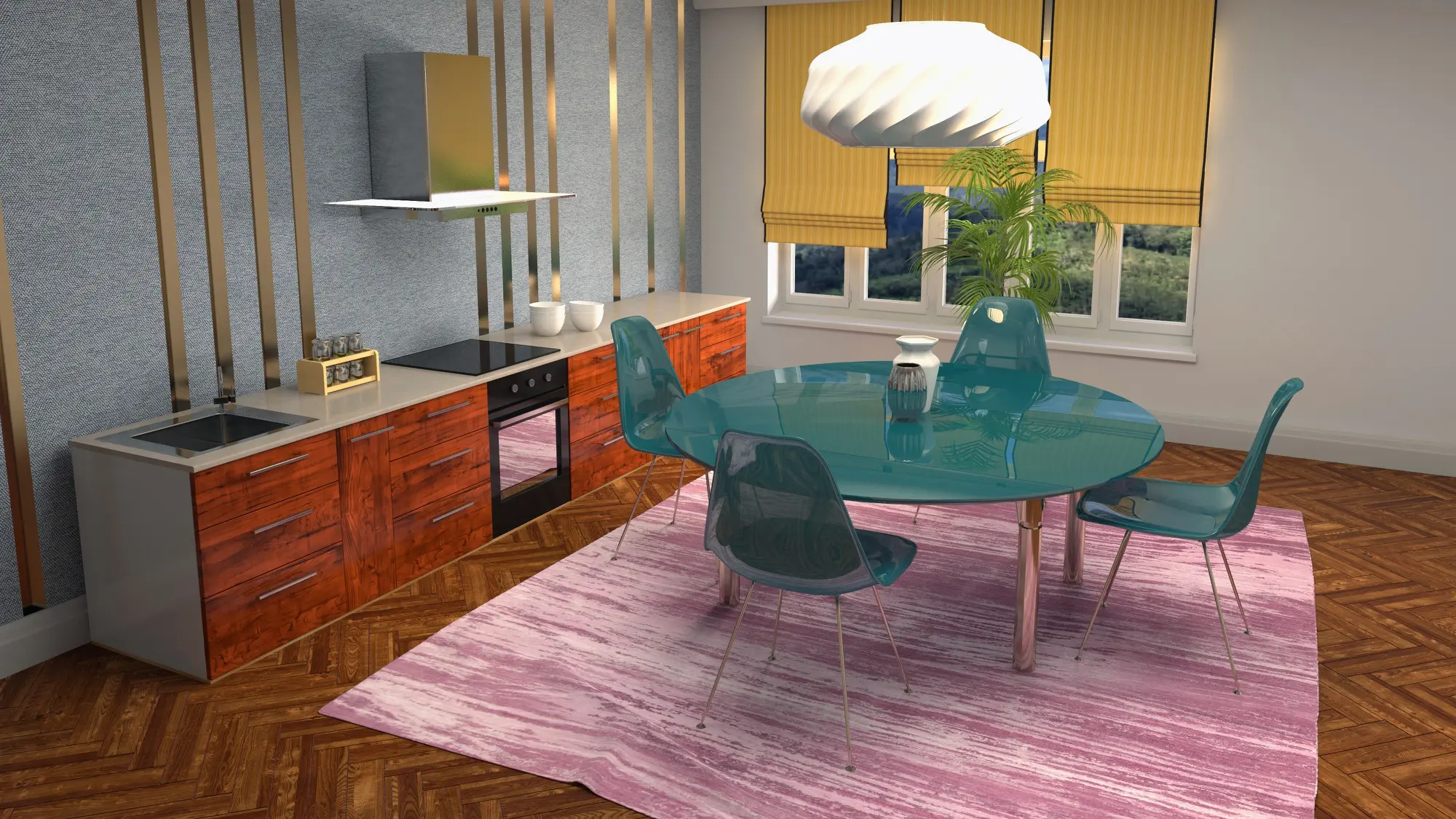
Rugs are a soft and stylish way to divide areas. Placing a rug under the sofa or coffee table clearly marks the living zone without adding any physical barriers.
It also brings comfort, color, and texture into the room, making the space feel more complete and inviting.
12. Raised Floor or Ceiling Design
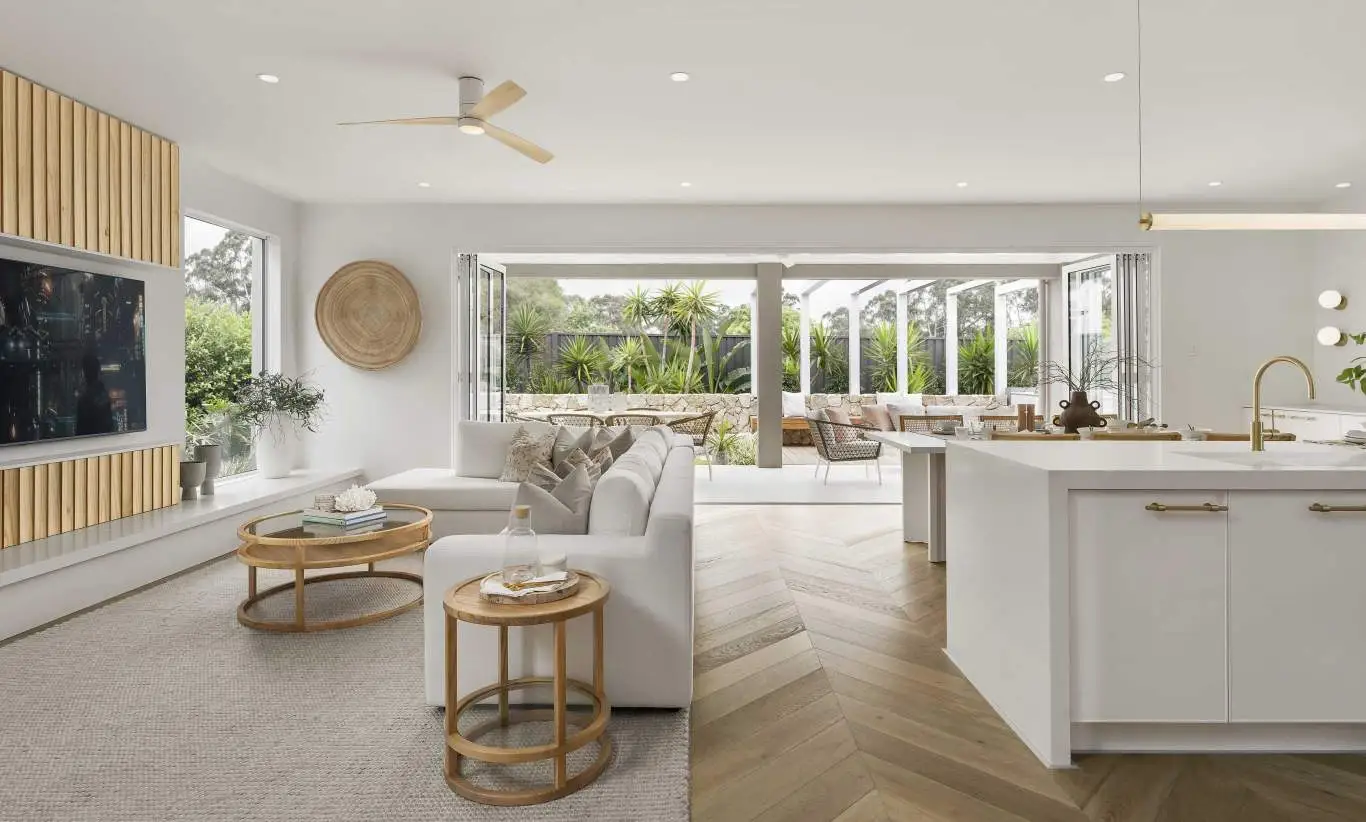
Changing floor height or ceiling design adds a subtle architectural separation. A slightly raised platform or a dropped ceiling can visually define each area without blocking the space.
This approach adds depth and a sense of hierarchy, making the layout feel more intentional and well-designed.
Common Mistakes to Avoid

When separating a kitchen and living room, small design mistakes can make the space feel cramped, dark, or uncomfortable. Here are the key ones to watch out for:
- Blocking natural light
Avoid using solid walls or bulky dividers that stop light from flowing through the space. Natural light keeps both areas bright and inviting, so choose open or transparent solutions whenever possible. - Overcrowding small spaces
Adding too many dividers, furniture pieces, or decor can quickly make the room feel tight and cluttered. Keep the layout simple and choose multi-functional elements that serve more than one purpose. - Mixing too many styles
Using different styles for each zone might seem like a good idea, but too much contrast can feel chaotic. Instead, keep a consistent color palette and design theme to maintain visual harmony. - Ignoring airflow and ventilation
Proper airflow is especially important in kitchens. Blocking ventilation can trap heat, smoke, and odors in one area. Make sure your separation method still allows air to circulate freely.

 English
  Arabic
  Spanish
  Japanese
  Russian
  Korean
  French
  Italian