Single vs Double vs Triple Pane Windows Guide

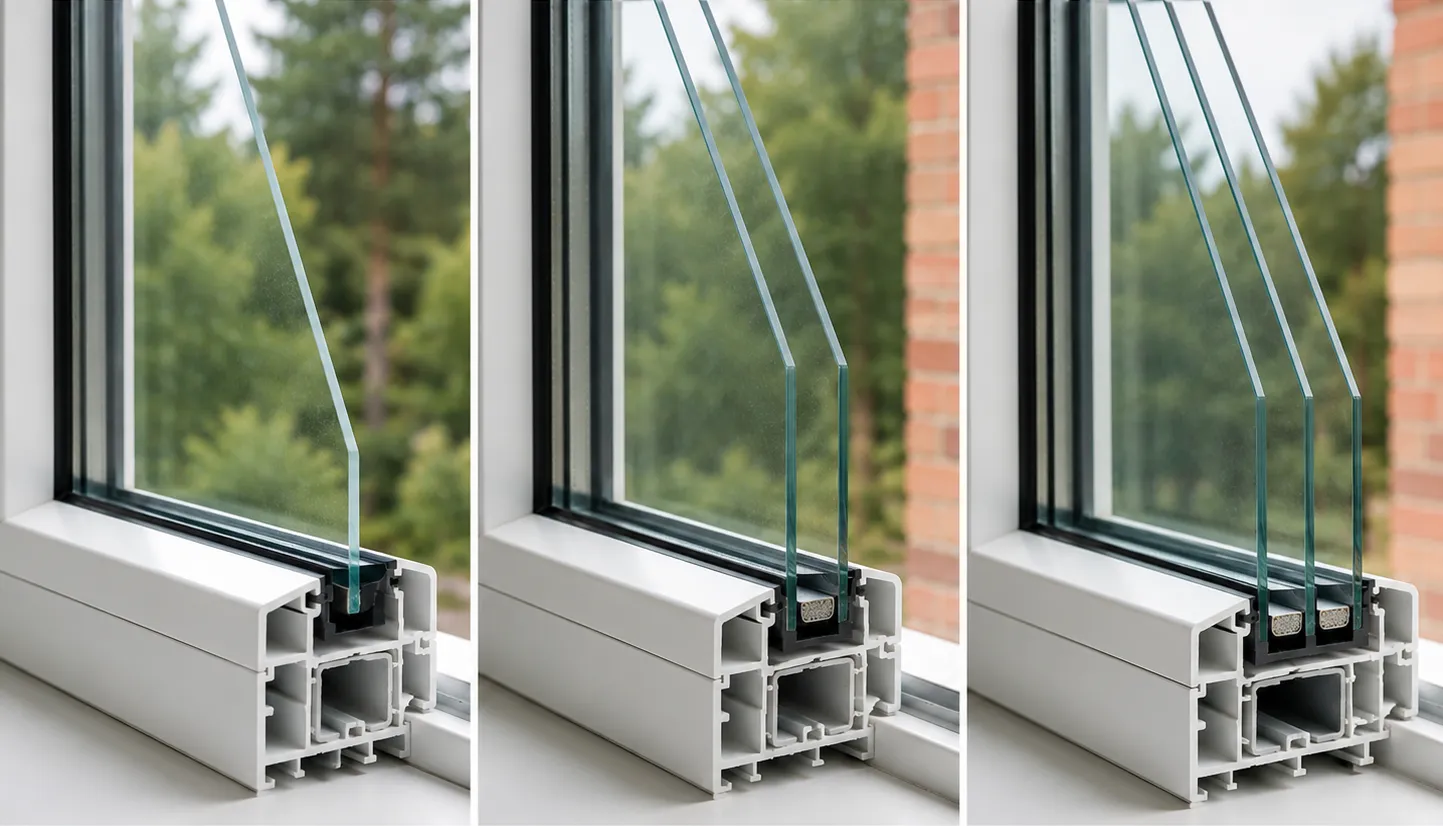
Single, double, triple pane window glass comparison photo
Learn the differences between single, double, and triple-pane windows, including energy efficiency, noise reduction, cost, and best uses.

Table of Contents

Single-Pane Windows

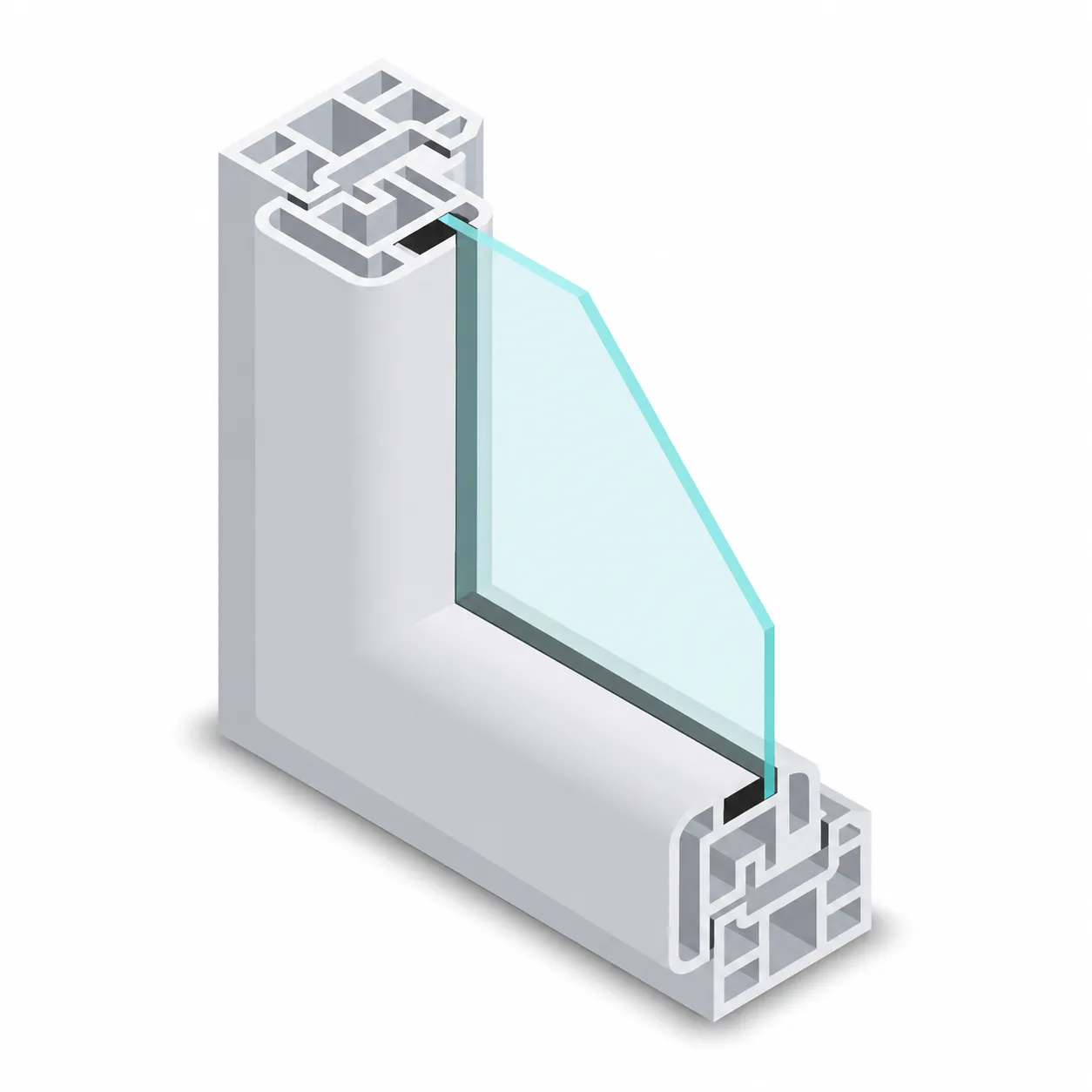
Single pane window frame cross section glass illustration

Single-pane windows use one layer of glass inside the frame. These windows were common in older homes and buildings before modern energy-efficiency standards became popular. While they are lightweight and affordable, they provide very limited insulation compared to modern multi-pane windows.

Because there is only one sheet of glass, outside temperatures can easily transfer indoors. This often leads to drafts, uneven room temperatures, and higher heating or cooling costs throughout the year.

Common Benefits of Single-Pane Windows

  • Lower upfront cost
  • Lightweight window construction
  • Easier and cheaper to replace
  • Common in historic or older homes

Common Drawbacks of Single-Pane Windows

  • Poor energy efficiency
  • Weak sound insulation
  • More indoor condensation
  • Higher long-term utility costs
  • Less comfortable during extreme weather

Single-pane windows may still work well in mild climates or non-insulated spaces like garages and sheds. However, most homeowners today upgrade to double-pane windows for better comfort and energy savings.

Double-Pane Windows
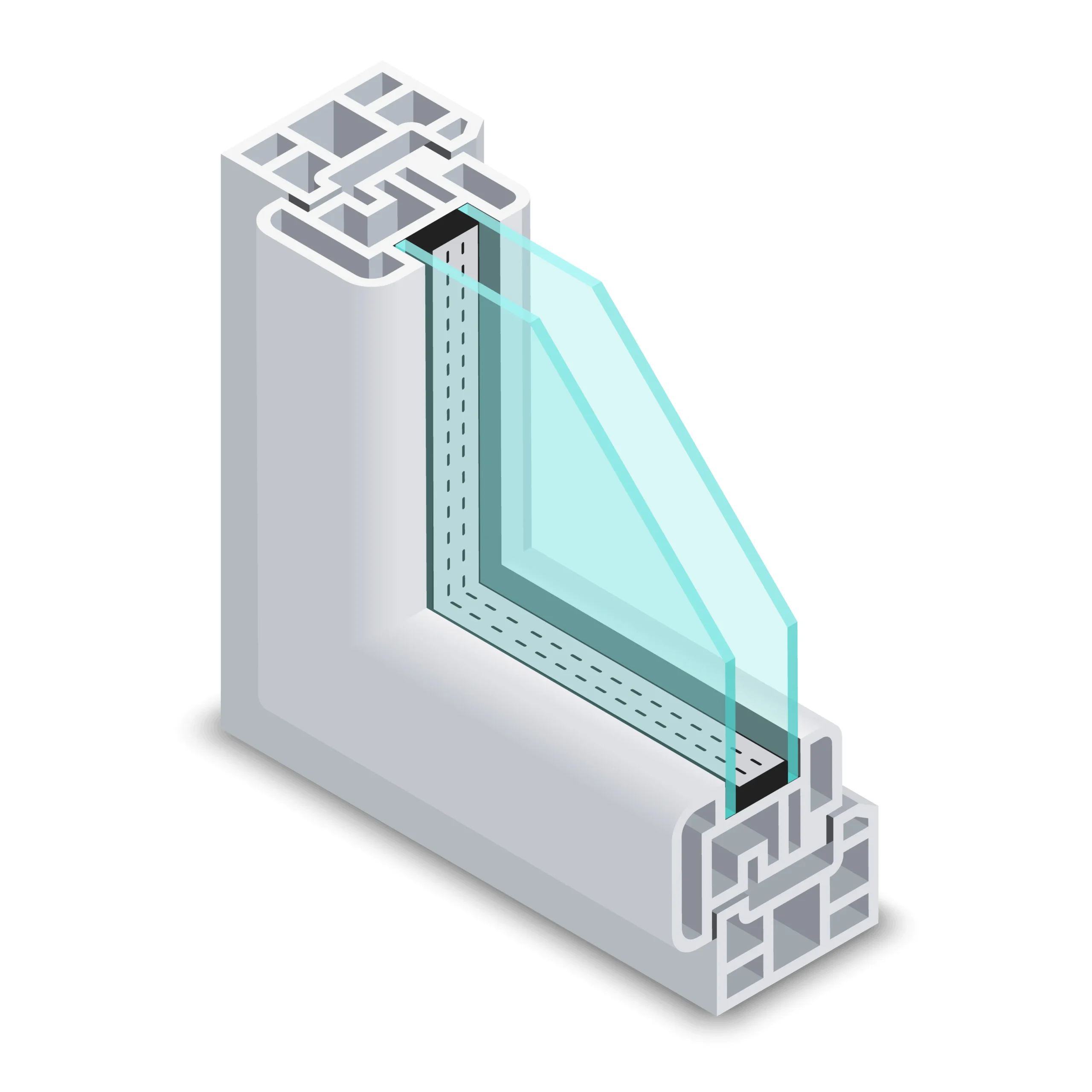
Double pane insulated window cross section energy diagram

Double-pane windows use two layers of glass separated by a sealed air or gas-filled space. This design greatly improves insulation and helps reduce heat transfer between indoor and outdoor environments.

Today, double-pane windows are the most common choice for residential homes because they offer a strong balance of energy efficiency, comfort, durability, and affordability.

The space between the glass panes is often filled with argon gas to improve thermal performance. Many double-pane windows also include Low-E coatings that help reflect heat and block harmful UV rays.

Main Advantages of Double-Pane Windows

  • Better energy efficiency than single-pane windows
  • Lower heating and cooling costs
  • Improved indoor comfort
  • Reduced outside noise
  • Less condensation buildup
  • Widely available in many styles

Potential Limitations

  • More expensive than single-pane windows
  • Seal failure may cause fog between panes
  • Moderate insulation in extremely cold climates

For most homeowners, double-pane windows provide the best overall value. They work well in both hot and cold climates while keeping installation costs reasonable.

Triple-Pane Windows
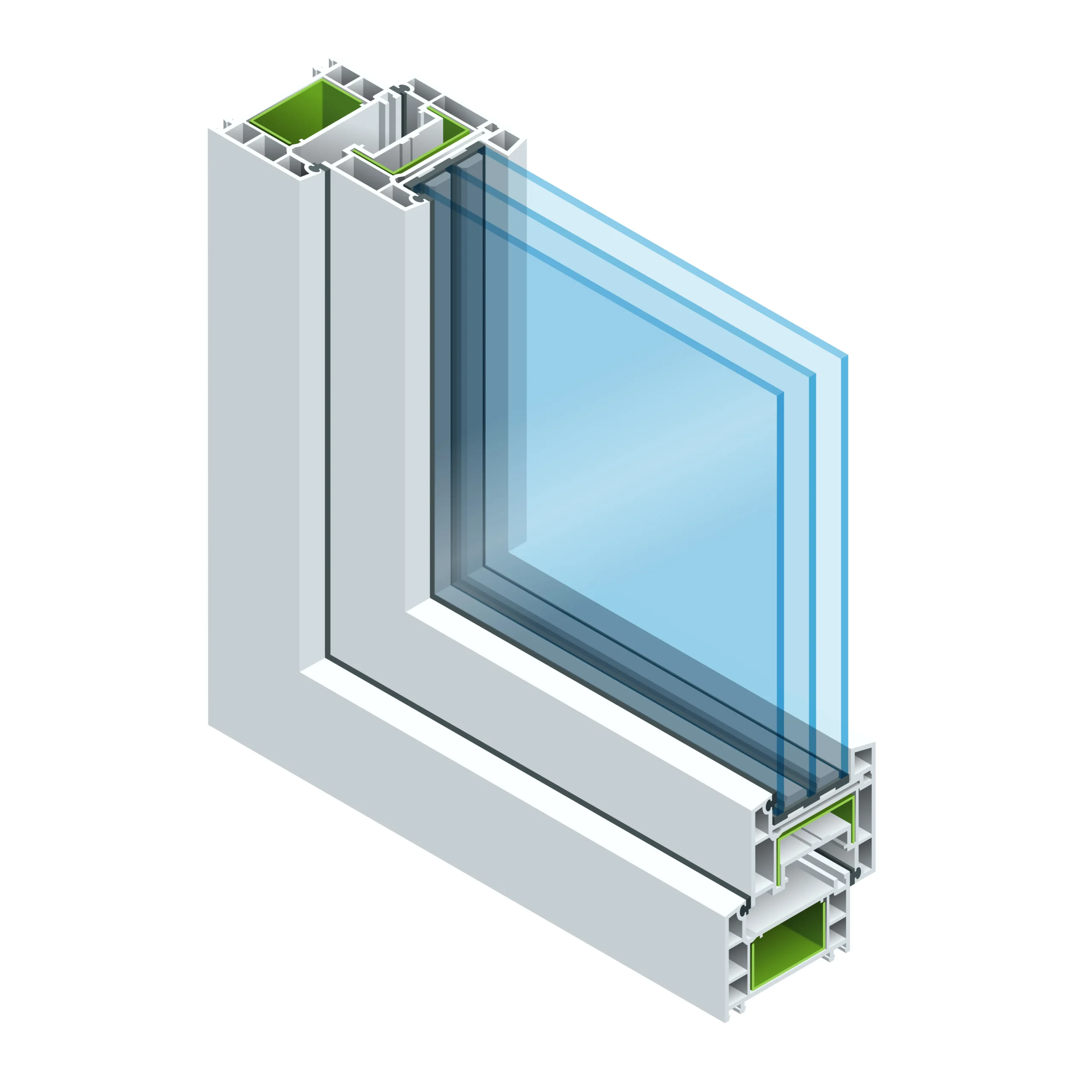
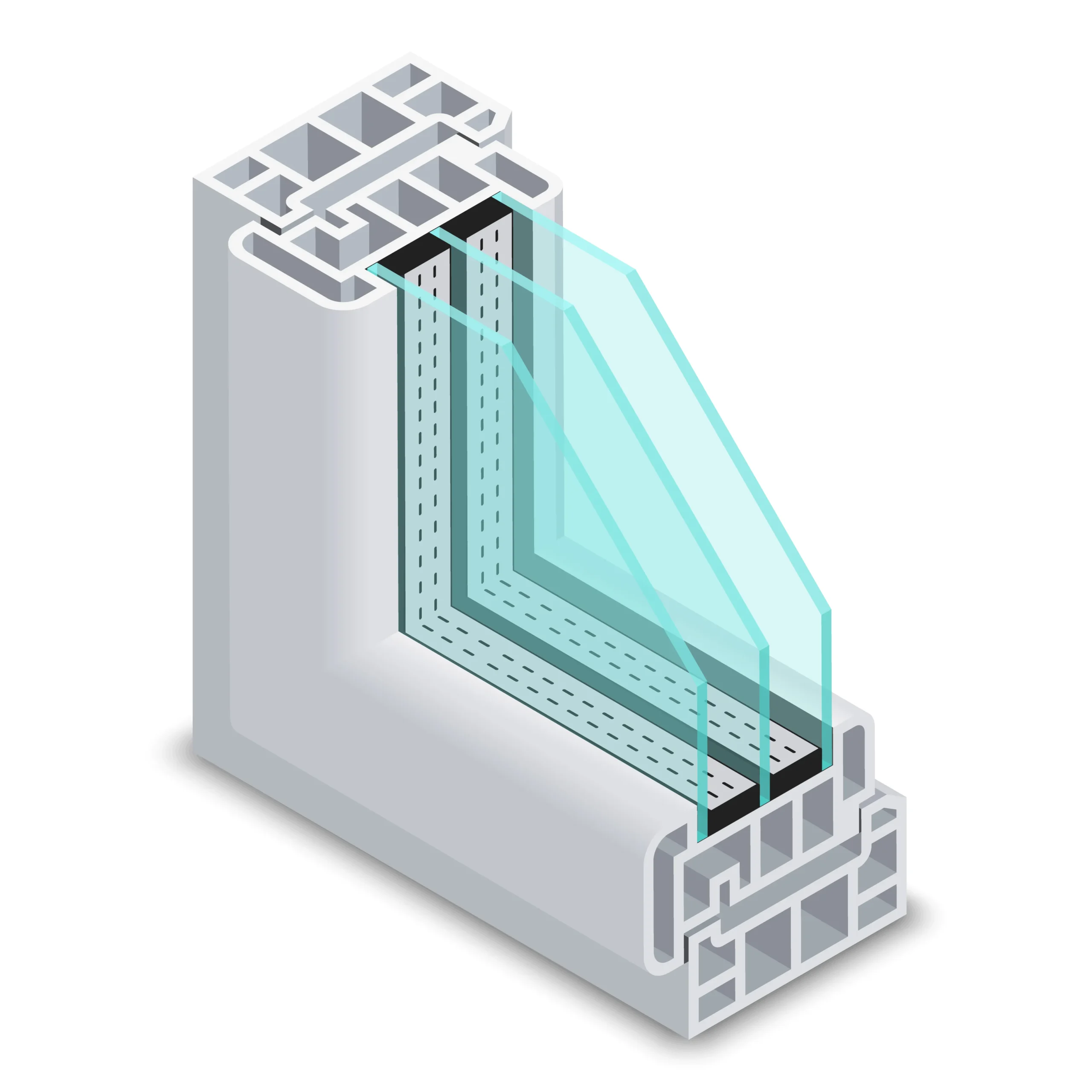
Triple glazed energy efficient vinyl window frame section

Triple-pane windows use three layers of glass with two insulated spaces between them. These extra layers create stronger thermal insulation and improved sound reduction compared to double-pane windows.

Triple-pane windows are often used in cold climates, energy-efficient homes, and locations where homeowners want maximum indoor comfort.

Because of the added insulation, interior glass surfaces stay warmer during winter. This helps reduce cold drafts and improves year-round temperature stability inside the home.

Key Benefits of Triple-Pane Windows

  • Highest energy efficiency
  • Excellent insulation performance
  • Better noise reduction
  • Reduced condensation risks
  • Improved comfort near windows
  • Strong performance in harsh climates

Things to Consider Before Buying

  • Higher upfront cost
  • Heavier window structure
  • More demanding installation requirements
  • Longer energy savings payback period

Triple-pane windows are usually best for homes in northern regions, high-noise areas, or premium energy-efficient projects. While they cost more initially, they can improve long-term comfort and reduce energy use over time.
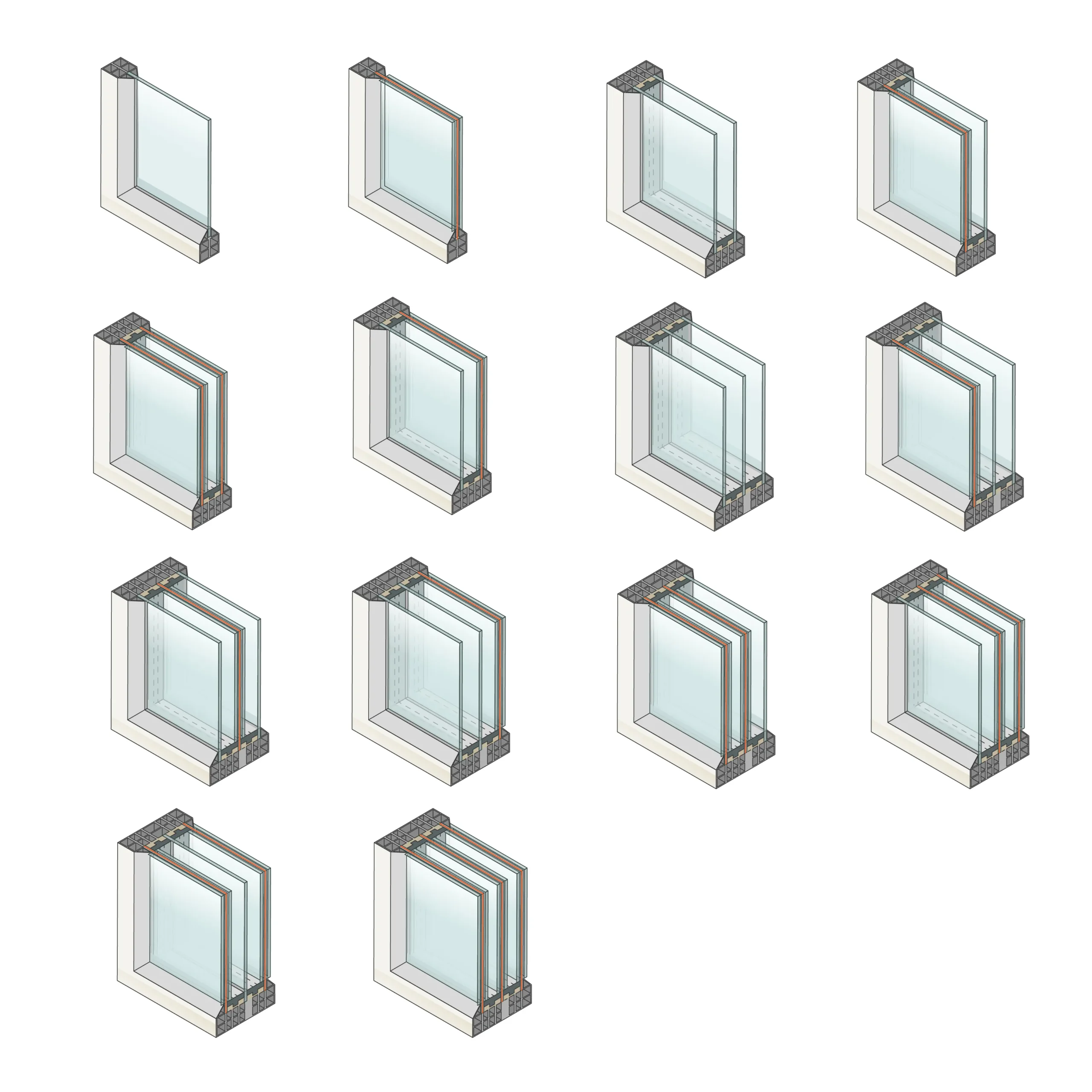
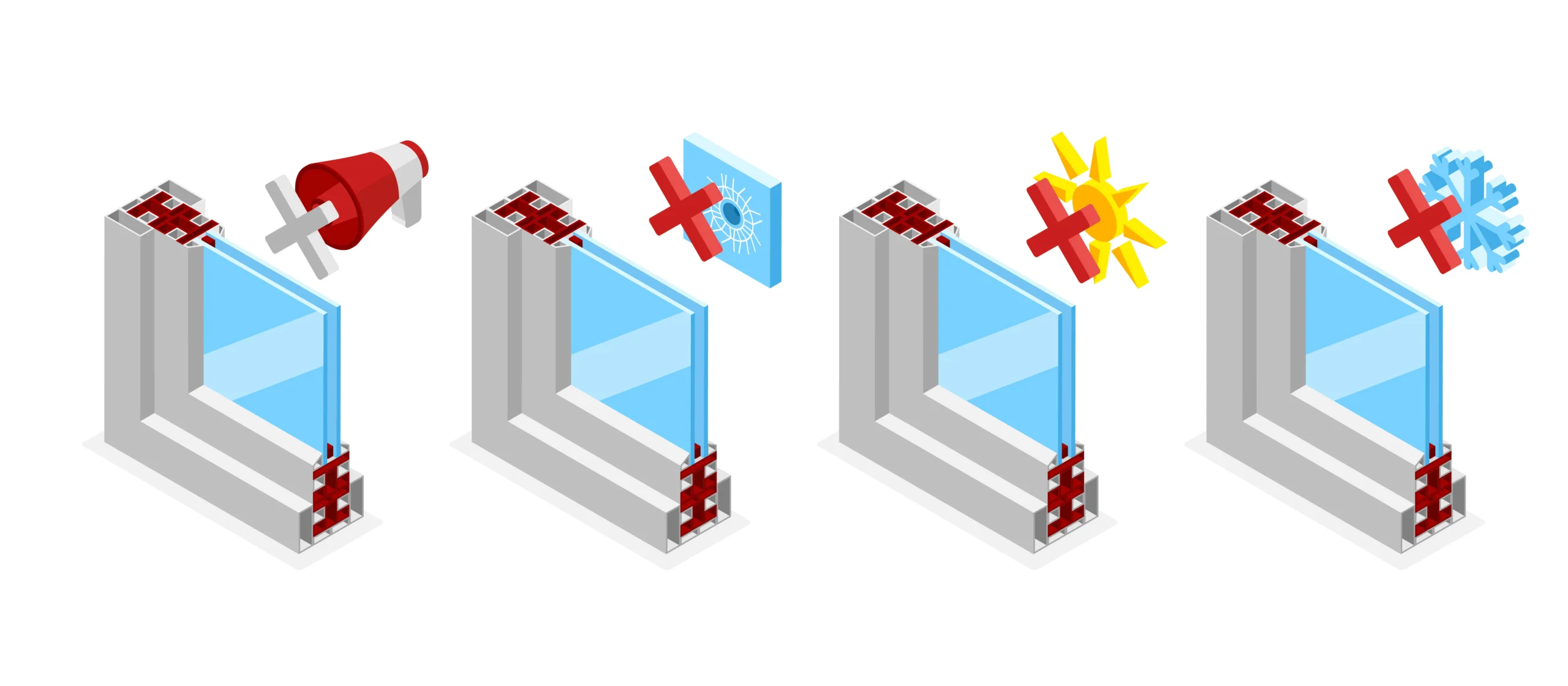
Single vs Double vs Triple-Pane Windows

Multi pane window glazing structure comparison illustration

Choosing between single, double, and triple-pane windows mainly comes down to energy efficiency, comfort, noise control, and budget. Each option performs differently depending on your climate, home design, and insulation goals.

FeatureSingle-Pane WindowsDouble-Pane WindowsTriple-Pane Windows
Number of Glass Layers1 glass layer2 glass layers3 glass layers
Energy EfficiencyLowGoodExcellent
Noise ReductionLowModerate to goodVery good
Condensation ResistanceLowGoodExcellent
WeightLightweightModerateHeavier
Average CostLowestMediumHighest
Best ClimateMild climatesMost climatesCold or extreme climates
MaintenanceSimple glass careCheck seals over timeCheck seals and hardware
Typical Lifespan15–20 years20–30 years25–40 years
Best ForOlder homes, garages, mild areasMost residential homesEnergy-efficient or cold-climate homes

Energy Efficiency Differences

Single-pane windows allow heat to transfer easily because they only use one layer of glass. Double-pane windows improve insulation by adding a sealed space between two glass panes, while triple-pane windows provide the highest thermal performance with three layers of glass.

Window efficiency is often measured using U-factor and R-value:

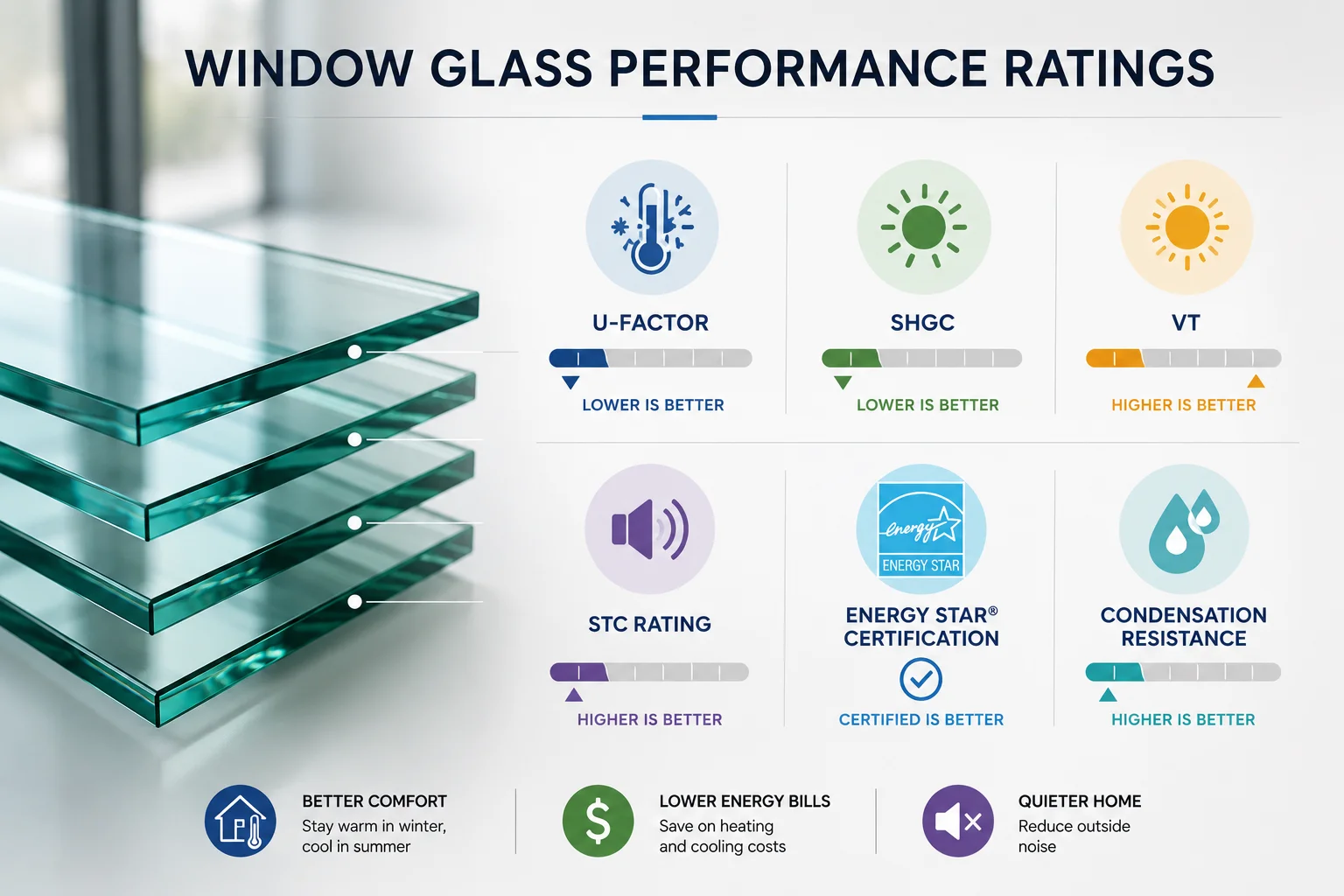
  • Lower U-factor = better insulation
  • Higher R-value = stronger thermal resistance

In winter, double and triple-pane windows help keep indoor heat inside. During summer, they reduce outdoor heat entering the home. Many ENERGY STAR-certified windows use double or triple-pane glass with Low-E coatings for better energy savings.

Noise Reduction Comparison

Extra glass layers help reduce outside noise by creating additional sound barriers. Single-pane windows offer very little sound insulation, while double-pane windows noticeably reduce traffic and neighborhood noise.

Triple-pane windows usually perform best in noisy areas near highways, airports, or busy cities. However, acoustic laminated glass may sometimes reduce sound better than standard triple-pane designs, depending on the window structure.

Condensation Resistance

Condensation forms when warm indoor air touches a cold glass surface. Single-pane windows cool down quickly, making condensation much more common during winter.

Double and triple-pane windows keep interior glass surfaces warmer, helping reduce moisture buildup. Better seals and insulated gas fills also improve moisture control and lower the risk of fogging between panes.

Comfort and Indoor Temperature

Modern multi-pane windows help create a more comfortable indoor environment throughout the year. Double and triple-pane windows reduce drafts and maintain more stable room temperatures.

They also reduce the “cold glass” effect, where people feel cold standing near windows during winter. Triple-pane windows provide the highest comfort level in extreme climates.

Natural Light Performance

Single-pane windows usually allow the most visible light because there are fewer glass layers. Triple-pane windows may appear slightly darker due to the additional glass and coatings.

However, modern Low-E coatings are designed to balance natural light with energy efficiency. Most homeowners notice only a small difference in brightness between double and triple-pane windows.

Weight and Structural Considerations

Triple-pane windows are significantly heavier than single or double-pane models. The extra weight requires stronger frames, reinforced hardware, and professional installation.

Older homes may need structural adjustments before installing heavy triple-pane units. Double-pane windows are generally easier to install and work well in most standard residential applications.

Which Window Pane Is Best for Your Climate?

Window insulation layers blocking heat and cold transfer

Window PaneBest Climate
Single-Pane WindowsMild climates or non-insulated spaces
Double-Pane WindowsMost climates, including moderate hot and cold regions
Triple-Pane WindowsCold climates, extreme weather areas, and noisy locations

Common Window Pane Terms Explained

Understanding common window glass terms can make it much easier to compare products and choose the right energy-efficient windows for your home.

Low-E Glass

Low E reflective glass exterior on commercial building

Low-E stands for “low emissivity.” This special coating reflects heat while still allowing natural light to pass through the glass. Low-E glass helps improve insulation, reduce UV damage, and lower heating and cooling costs.

Argon Gas

Argon gas is a non-toxic insulating gas commonly placed between double or triple-pane windows. It slows heat transfer better than regular air, helping improve overall energy efficiency.

U-Factor

U-factor measures how easily heat moves through a window. Lower U-factor numbers mean better insulation and stronger energy performance.

R-Value

R-value measures thermal resistance. Higher R-values indicate better insulation performance and stronger resistance to heat transfer.

Insulated Glass Unit (IGU)

An insulated glass unit, or IGU, refers to a sealed window system with multiple panes of glass separated by air or gas-filled spaces. Most modern double and triple-pane windows use IGU technology.

How to Choose the Right Window Pane Option

Triple pane window frame with thermal insulation layers

The best window pane option depends on your climate, budget, comfort expectations, and energy-efficiency goals. Different homes benefit from different glazing levels.

Choose Single-Pane Windows If:

  • You have a very limited budget
  • The building is in a mild climate
  • The space is non-insulated, like a garage or shed
  • Historic appearance matters more than efficiency

Choose Double-Pane Windows If:

  • You want the best balance of cost and performance
  • You live in a moderate climate
  • You want lower energy bills and better comfort
  • You need solid noise reduction for daily living

Choose Triple-Pane Windows If:

  • You live in a very cold climate
  • Outside noise is a major concern
  • You want maximum energy efficiency
  • You are building a high-performance or luxury home

FAQs

What’s better, double or triple pane windows?

Double-pane windows are best for most homes because they balance cost, energy efficiency, and comfort. Triple-pane windows provide even better insulation and noise reduction, especially in very cold or noisy areas.

What are the disadvantages of triple pane windows?

Triple-pane windows are more expensive, heavier, and may require stronger frames and professional installation. They can also slightly reduce natural light and may take many years to recover the added cost through energy savings.

What’s better, single or double-pane windows?

Double-pane windows are much better for insulation, energy savings, comfort, and noise reduction. Single-pane windows are cheaper upfront but usually lead to higher heating and cooling costs over time.

Why would someone want triple pane windows?

Homeowners often choose triple-pane windows for maximum energy efficiency, better indoor comfort, reduced condensation, and stronger sound insulation in cold climates or noisy locations.

Share the Post:

Leave a Reply

Your email address will not be published. Required fields are marked *