

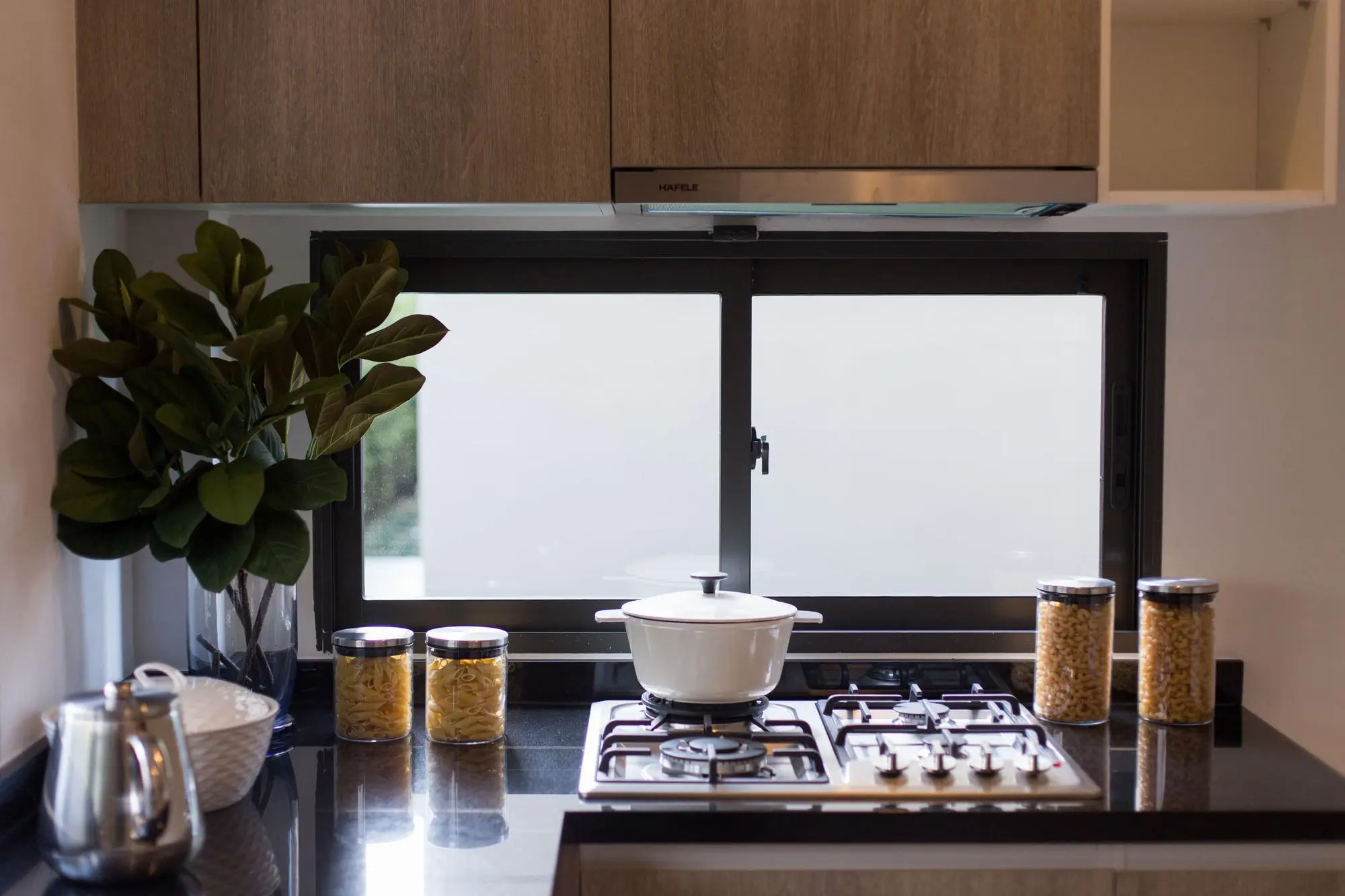
What Are Sliding Windows?
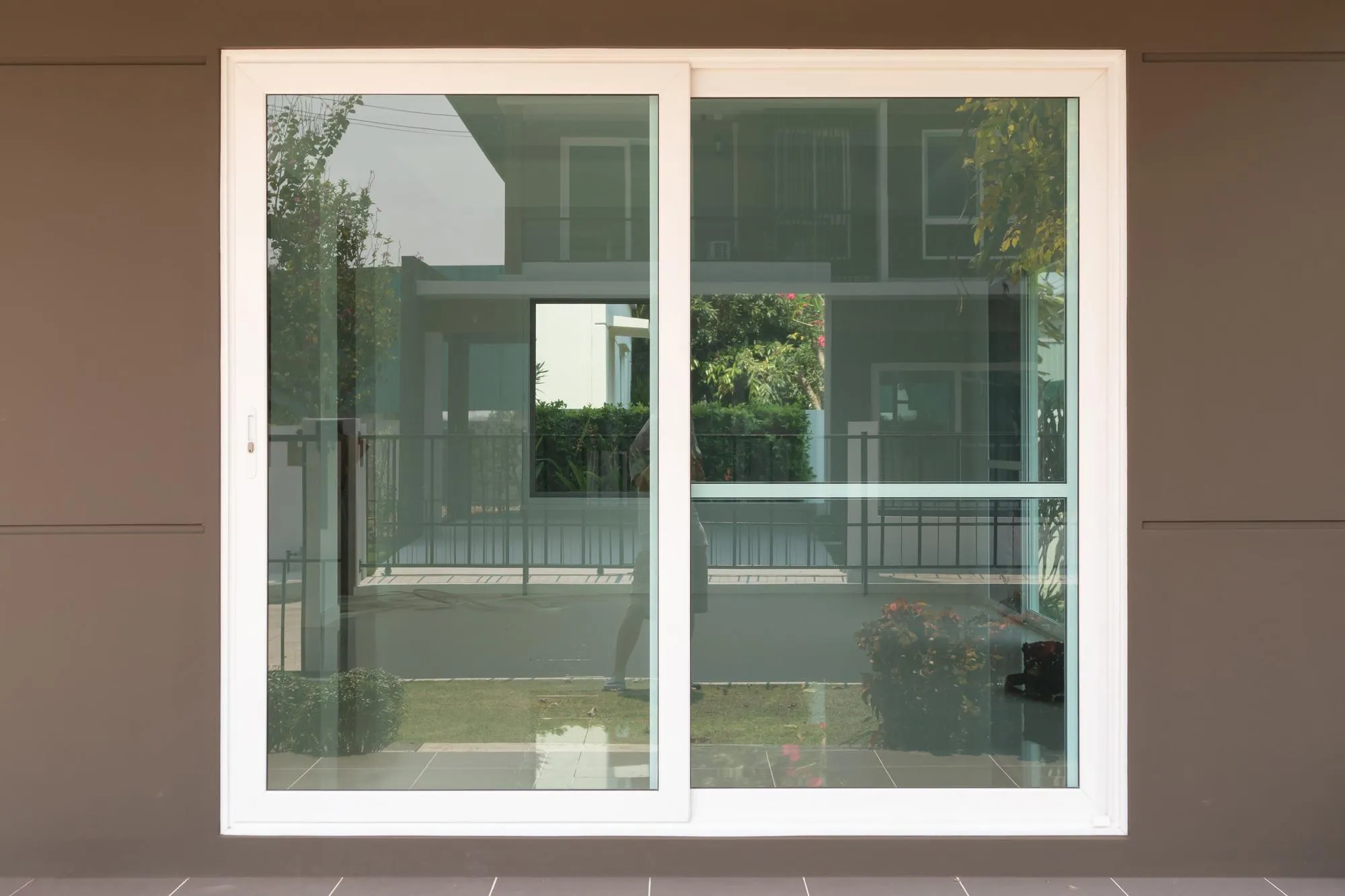
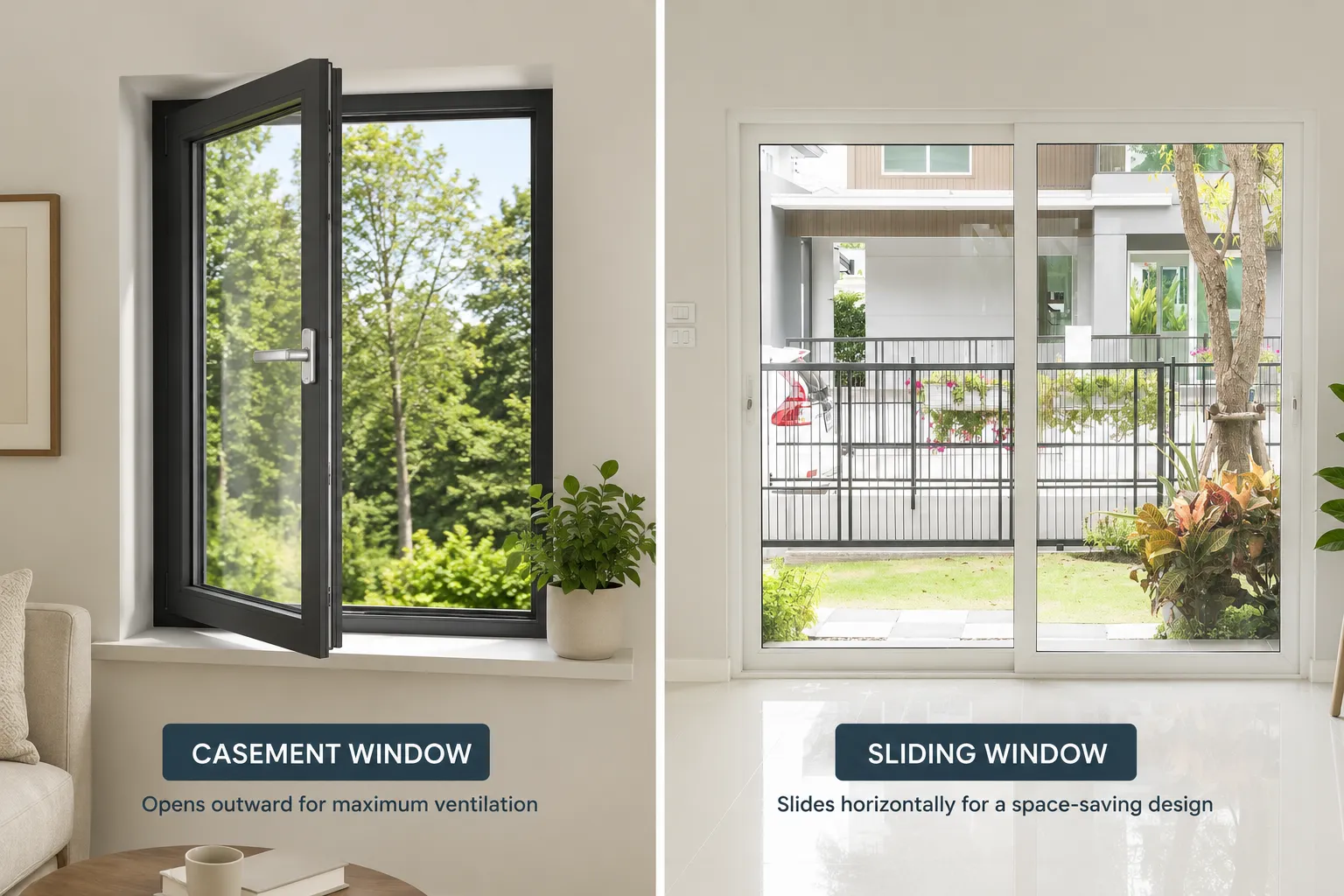
Sliding windows are windows that open horizontally by gliding along a track. Instead of swinging inward or outward like casement windows, the sash slides from side to side, making operation simple and space-efficient.
Because they do not require extra clearance to open, sliding windows are a popular choice for bedrooms, living rooms, kitchens, patios, and areas facing walkways. Their large glass panels also provide wide outdoor views and allow plenty of natural light into the home.
Sliding windows are valued for their modern appearance, smooth operation, low maintenance requirements, and ability to fit a wide range of architectural styles.
Types of Sliding Windows
Not all sliding windows operate the same way. Different designs offer varying levels of ventilation, views, and functionality. Understanding the main types can help you choose the best option for your home.
Single Sliding Windows
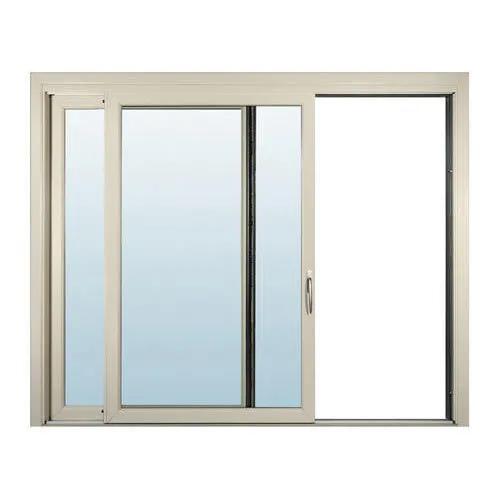
Single sliding windows have one movable sash and one fixed sash. The operable panel slides horizontally while the other remains stationary.
This design is simple, affordable, and easy to maintain, making it one of the most common choices for residential projects.
다음과 같은 경우에 가장 적합합니다:
- Budget-friendly window replacements
- Small to medium-sized openings
- Homes seeking simple operation
Double Sliding Windows
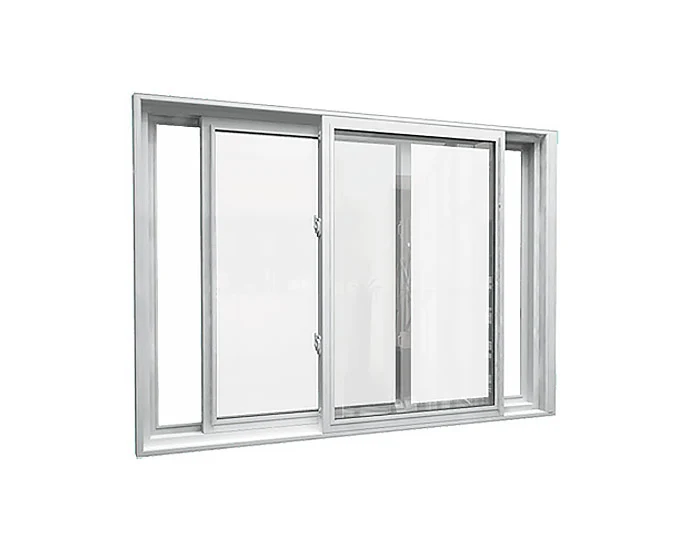
Double sliding windows feature two operable sashes that can slide from either side. This allows greater control over airflow and ventilation.
Because both panels can open, they are often easier to clean and provide better air circulation than single-slider designs.
다음과 같은 경우에 가장 적합합니다:
- Bedrooms and living rooms
- Areas requiring improved ventilation
- Homes with wider window openings
Two-Lite Sliding Windows
Two-lite sliding windows consist of two large glass sections. Typically, one panel slides while the other remains fixed, although some models allow both panels to move.
This is the most common sliding window configuration found in modern homes due to its balance of simplicity, visibility, and affordability.
다음과 같은 경우에 가장 적합합니다:
- Standard residential applications
- New construction projects
- Replacement window installations
Three-Lite Sliding Windows
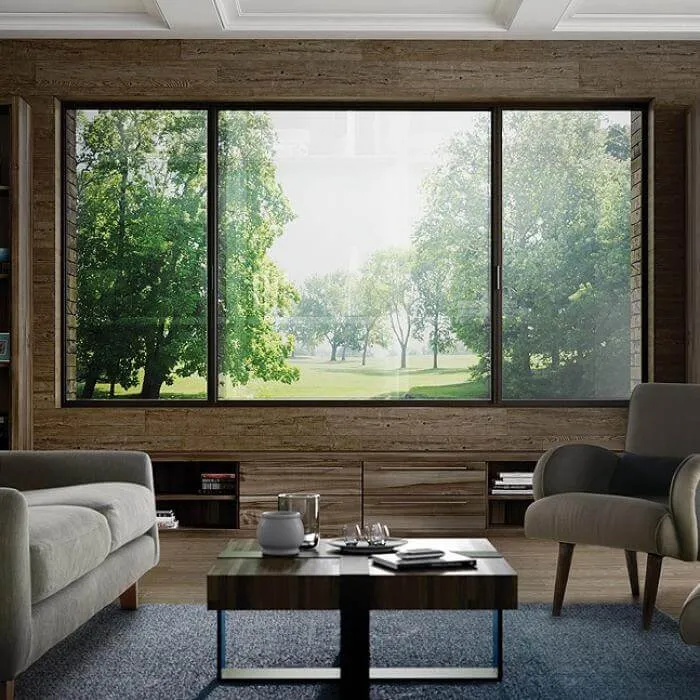
Three-lite sliding windows feature a large fixed center panel with two smaller sliding sashes on each side.
The design creates a wider viewing area while still providing excellent ventilation. These windows are often used in large living spaces where homeowners want expansive outdoor views.
다음과 같은 경우에 가장 적합합니다:
- Large wall openings
- Living rooms and family rooms
- Homes with scenic views
Lift-and-Slide Windows
Lift-and-slide windows are premium sliding systems designed for large glass panels and luxury homes. When the handle is operated, the sash slightly lifts off the frame, reducing friction and allowing smooth movement.
Once closed, the sash lowers back into position, creating a tighter seal than traditional sliding windows. This improves energy efficiency, weather resistance, and overall performance.
다음과 같은 경우에 가장 적합합니다:
- Luxury residential projects
- Large patio openings
- High-performance energy-efficient homes
Best Places to Use Sliding Windows
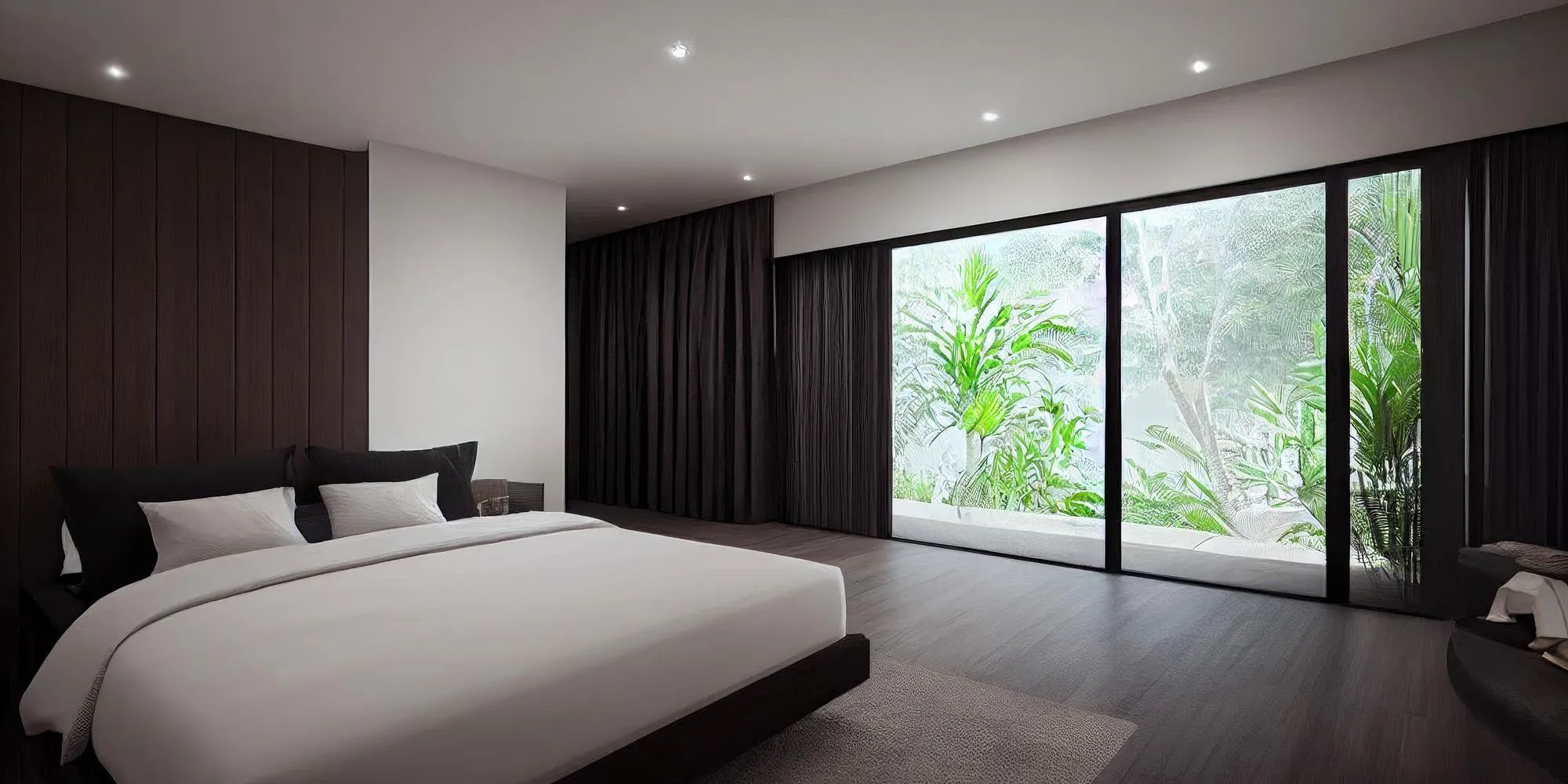
Sliding windows work best in areas where space-saving operation, natural light, and outdoor views are important. Because the sash moves horizontally instead of swinging outward, these windows are ideal for locations with limited clearance.
Common applications include:
- 거실 for wide views and abundant daylight
- Bedrooms for easy operation and ventilation
- Kitchens above sinks where outward-opening windows may be difficult to use
- Basements where space is limited
- Patios and decks where an outward-opening window could obstruct walkways
- Modern homes that favor clean lines and large glass areas
Their combination of functionality and simplicity makes sliding windows one of the most versatile window styles available.
Energy Efficiency of Sliding Windows
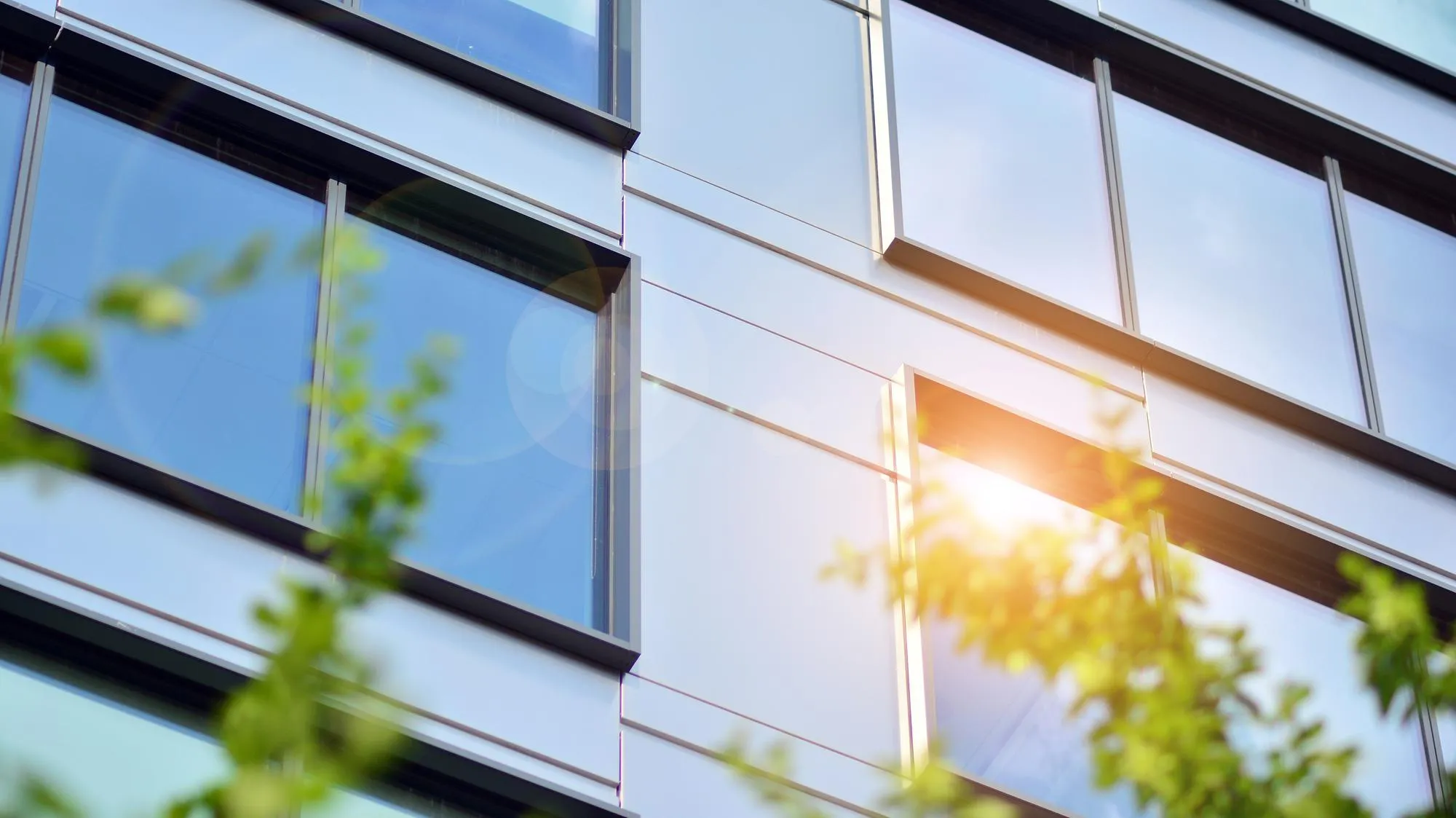
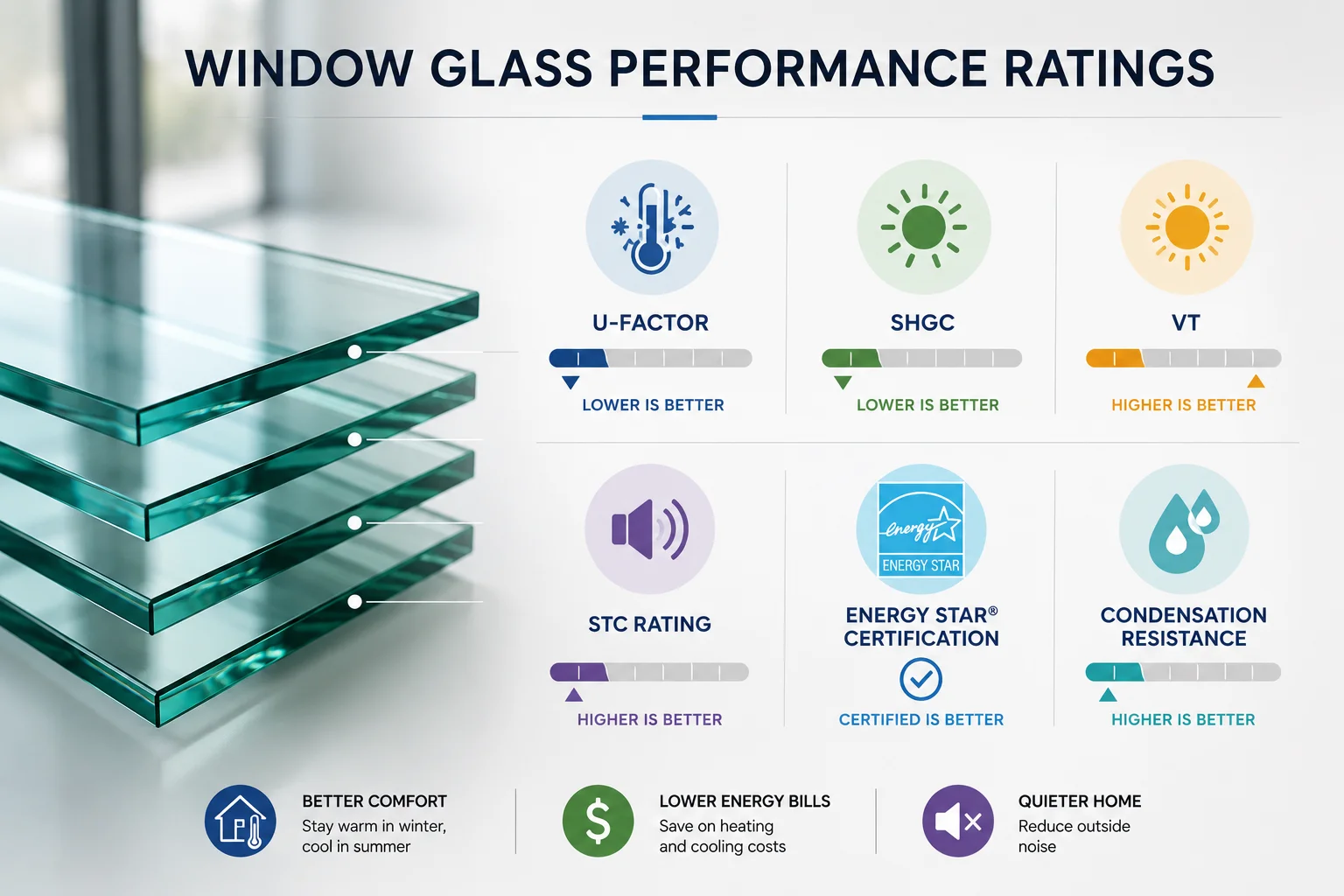
Modern sliding windows can provide excellent energy performance when designed with the right materials and glazing technologies.
Energy-efficient sliding windows often include:
- Double- or triple-pane glass
- 로우-E 코팅
- 아르곤 또는 크립톤 가스로 채워짐
- Insulated frame materials
- High-quality weatherstripping
- Warm-edge spacer systems
While traditional sliding windows may allow slightly more air leakage than premium casement windows, today’s advanced designs offer significantly improved sealing and thermal performance.
Choosing ENERGY STAR® certified sliding windows can help reduce heating and cooling costs while improving indoor comfort throughout the year.
Sliding Window Frame Materials
The frame material affects a sliding window’s energy efficiency, durability, maintenance needs, and overall appearance. Choosing the right material helps ensure long-term performance and value.
Vinyl Frames
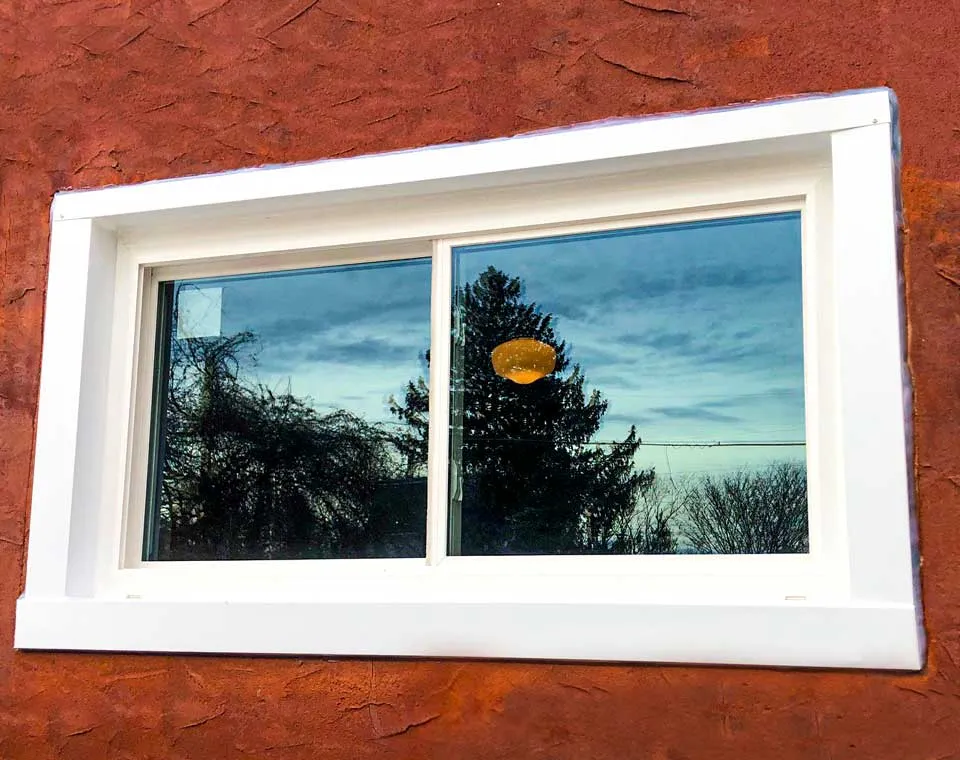
Vinyl is one of the most popular sliding window materials because it offers good insulation at an affordable price. It does not rot, corrode, or require painting, making it a low-maintenance option for many homeowners.
Aluminum Frames
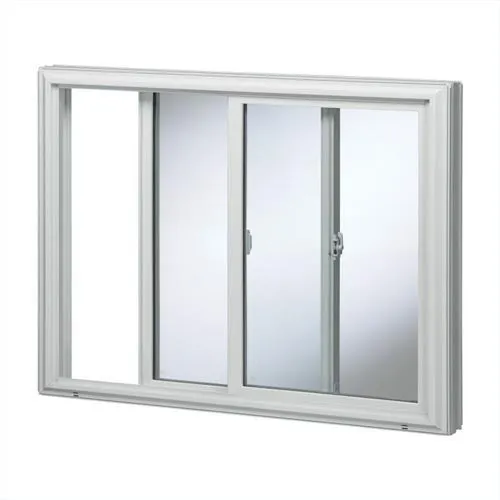
Aluminum frames are known for their strength and slim profiles. They can support larger glass panels while maintaining a modern appearance. Although durable, standard aluminum frames transfer heat more easily than other materials unless thermal breaks are included.
Fiberglass Frames
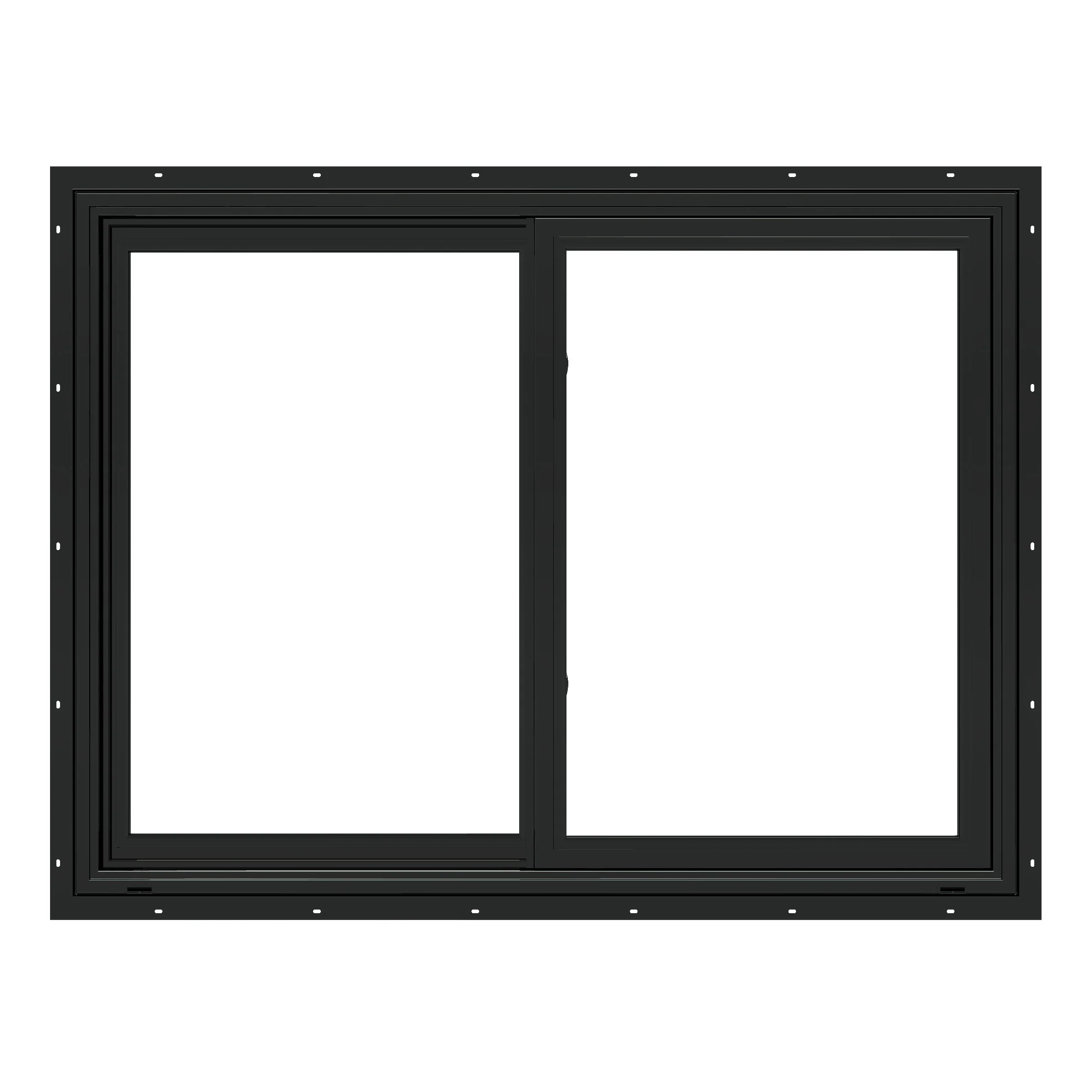
Fiberglass frames provide excellent strength, dimensional stability, and thermal performance. They resist warping, expansion, and contraction caused by temperature changes, making them suitable for a wide range of climates.
Wood Frames
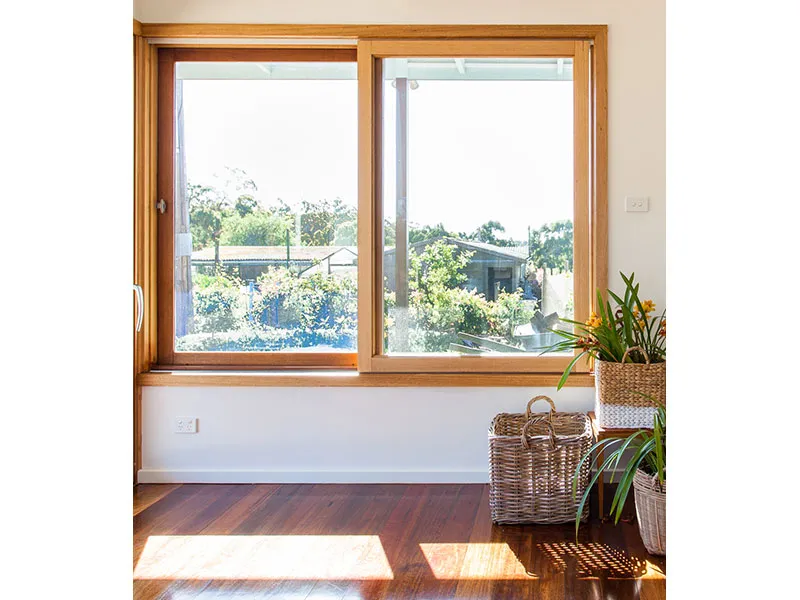
Wood frames offer a timeless appearance and natural insulation properties. They can improve interior aesthetics but require regular maintenance to protect against moisture, insects, and weather exposure.
Composite Frames
Composite frames combine materials such as wood fibers and polymers to achieve a balance of durability, energy efficiency, and low maintenance. They are often used in premium window systems designed for long-term performance.
Common Sliding Window Problems and Solutions
Sliding windows are generally reliable, but like any moving system, they can develop issues over time. Most problems can be corrected through regular maintenance or simple repairs.
Window Won’t Slide Smoothly
When a sliding window becomes difficult to open or close, debris buildup, lack of lubrication, or worn hardware is usually responsible.
To restore smooth operation, clean the tracks, remove obstructions, and inspect the rollers. Applying a manufacturer-approved lubricant can also improve movement.
Dirty or Damaged Tracks
The track system is essential for proper window operation. Dirt, dust, leaves, and small debris can accumulate over time and create resistance.
Regular cleaning helps prevent excessive wear. If the track becomes bent or damaged, replacement may be necessary to restore proper function.
Worn Rollers
Rollers carry the weight of the movable sash and allow it to glide along the track. After years of use, rollers may wear down or become misaligned.
Signs of worn rollers include dragging, uneven movement, or excessive effort when opening the window. Replacing the rollers often restores smooth operation.
Drafts and Air Leaks
Air leakage around a sliding window can reduce comfort and increase energy costs. Common causes include worn weatherstripping, aging seals, or installation gaps.
Inspecting and replacing weatherstripping can significantly improve air tightness. In older windows, upgrading to modern energy-efficient units may provide additional benefits.
Broken Locks and Latches
Locks and latches play an important role in both security and weather resistance. If hardware becomes damaged or misaligned, the window may not close properly.
Most locking mechanisms can be adjusted or replaced without replacing the entire window.
Condensation Issues
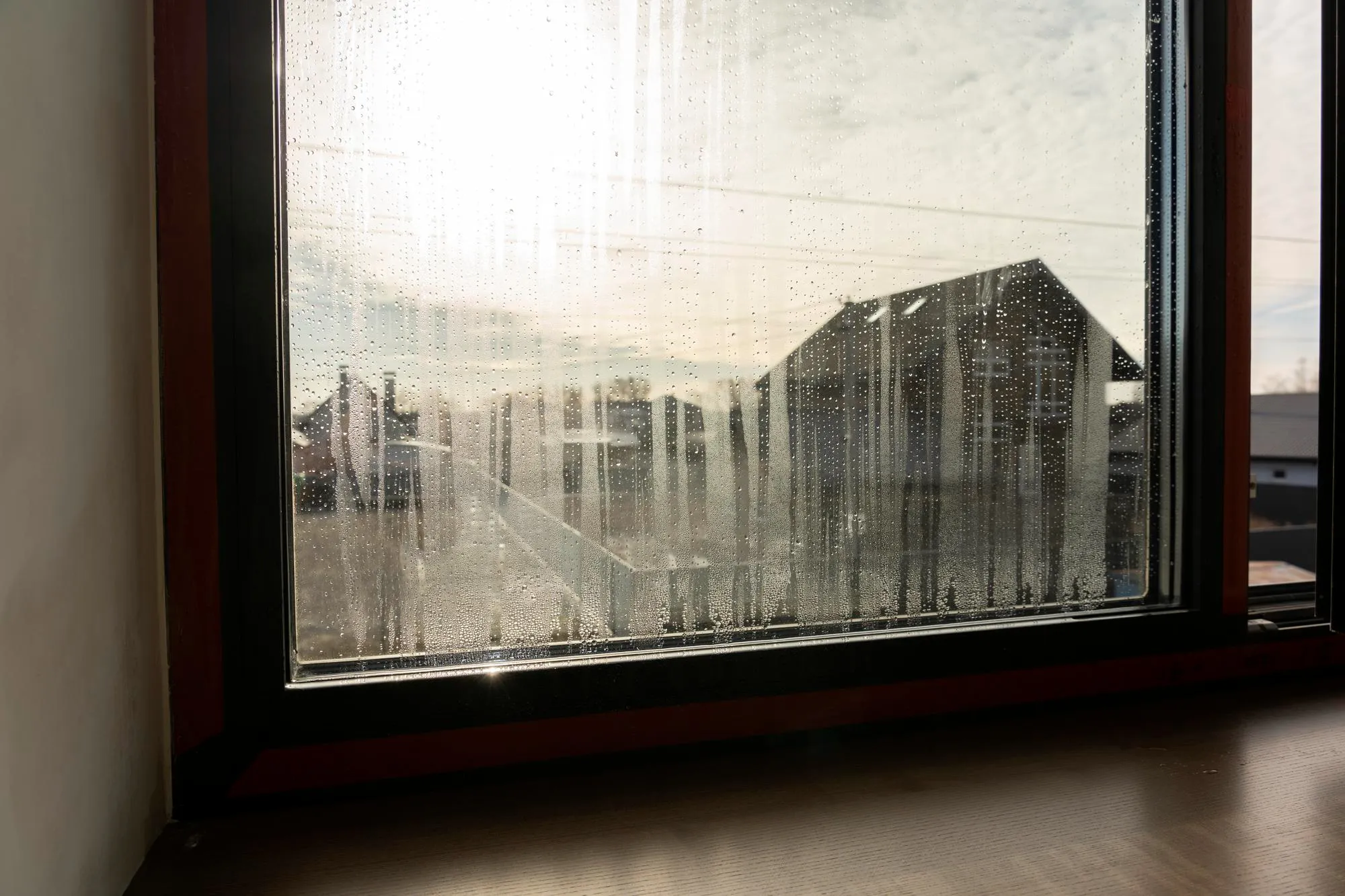
Condensation on the glass surface often occurs when warm, humid indoor air contacts a cooler window surface. Occasional condensation is normal, especially during seasonal temperature changes.
However, moisture trapped between glass panes usually indicates a failed insulated glass seal. In this situation, the insulated glass unit typically needs replacement.
How to Choose the Right Sliding Windows
The best sliding window depends on your climate, budget, energy-efficiency goals, and design preferences.
When comparing options, consider the following factors:
- Choose double- or triple-pane glass for better insulation.
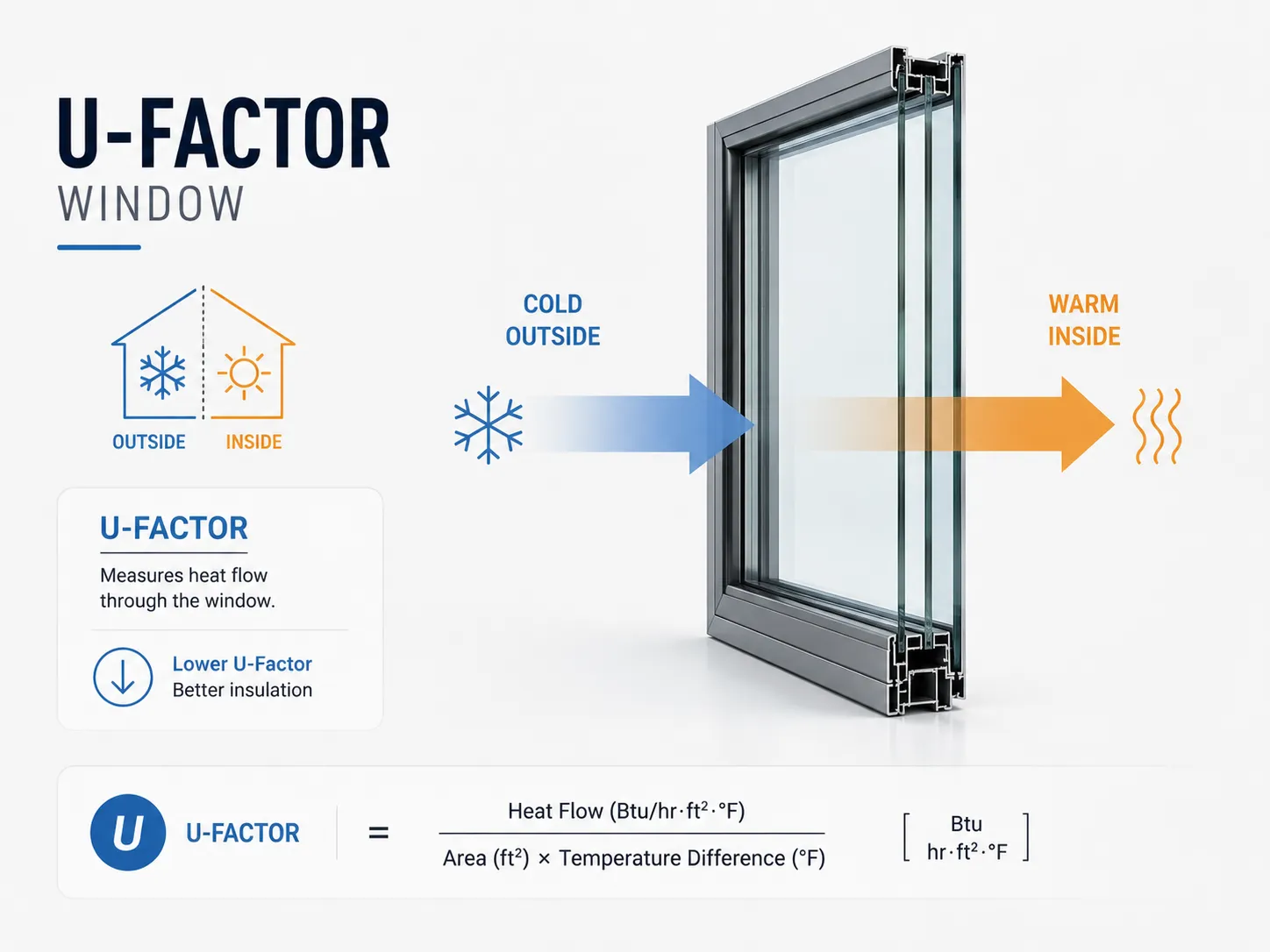
- Look for Low-E coatings to reduce heat transfer.
- Check NFRC ratings such as U-Factor and SHGC.
- Select a frame material that matches your climate and maintenance preferences.
- Consider ventilation needs when choosing between single-slider and double-slider designs.
- Evaluate security features, locking systems, and hardware quality.
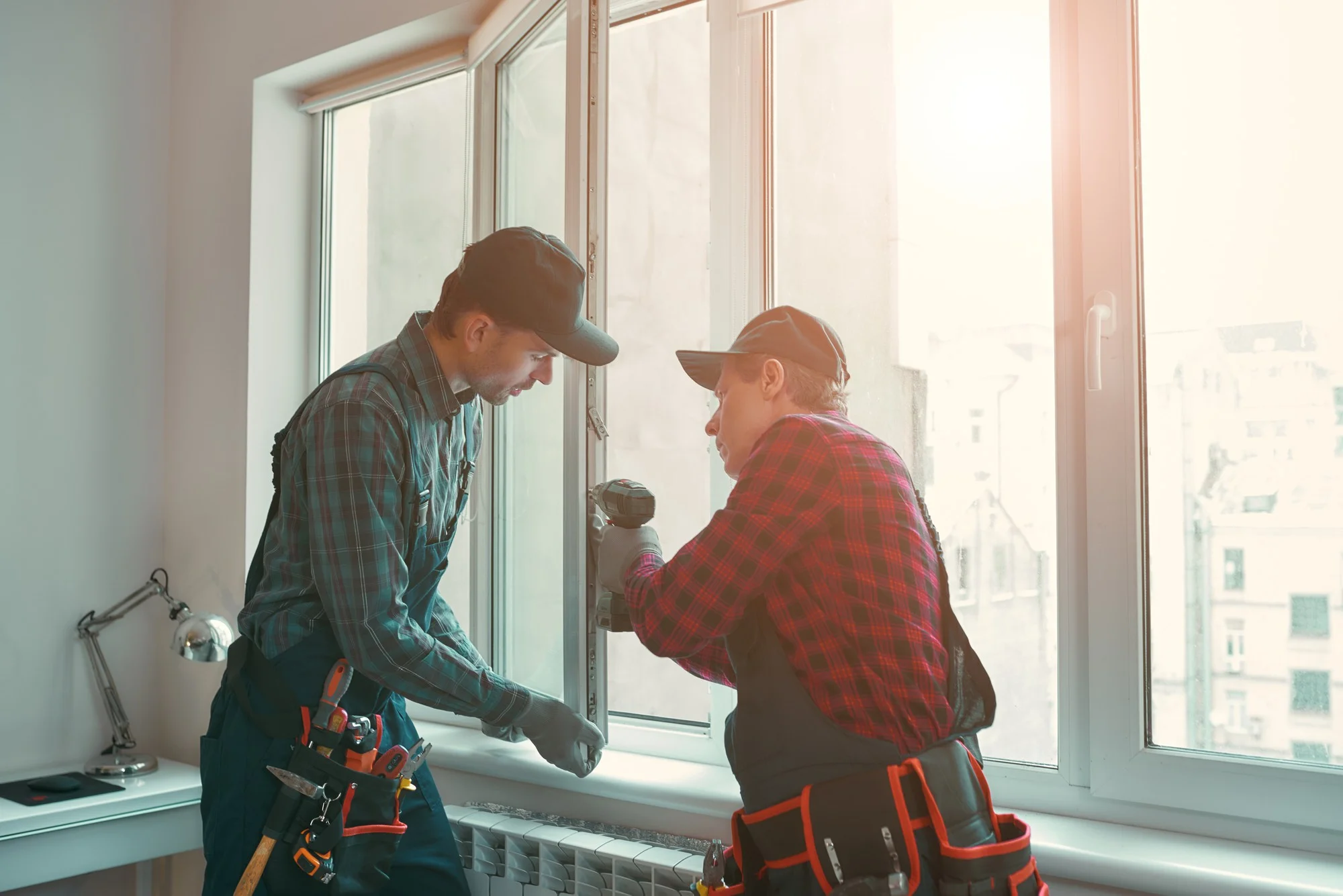
- Ensure professional installation for optimal performance.
A high-quality sliding window should provide smooth operation, strong energy efficiency, long-term durability, and a design that complements your home. Taking time to compare features can help you make a smarter investment and enjoy better comfort for years to come.
How Much Do Sliding Windows Cost?
Sliding window costs can vary based on size, frame material, glass options, hardware quality, and installation requirements. In general, sliding windows are often more affordable than large casement or specialty windows because of their simple operating design.
Typical installed costs range from $300 to $2,000+ per window.
Several factors affect pricing:
- Frame Material: Vinyl is usually the most affordable, while fiberglass and wood cost more.
- Window Size: Larger windows require more materials and stronger hardware.
- Glass Package: Double-pane, triple-pane, Low-E coatings, and gas fills increase energy efficiency but also add cost.
- Custom Designs: Special sizes, colors, and configurations typically cost more than standard models.
- Installation Complexity: Replacing existing windows is often less expensive than modifying wall openings.
While premium sliding windows require a higher upfront investment, they can provide long-term savings through improved energy efficiency, lower maintenance costs, and increased home value. Choosing a quality window that matches your climate and performance needs often delivers the best return on investment.

 English
  Arabic
  Spanish
  Japanese
  Russian
  Korean
  French
  Italian