

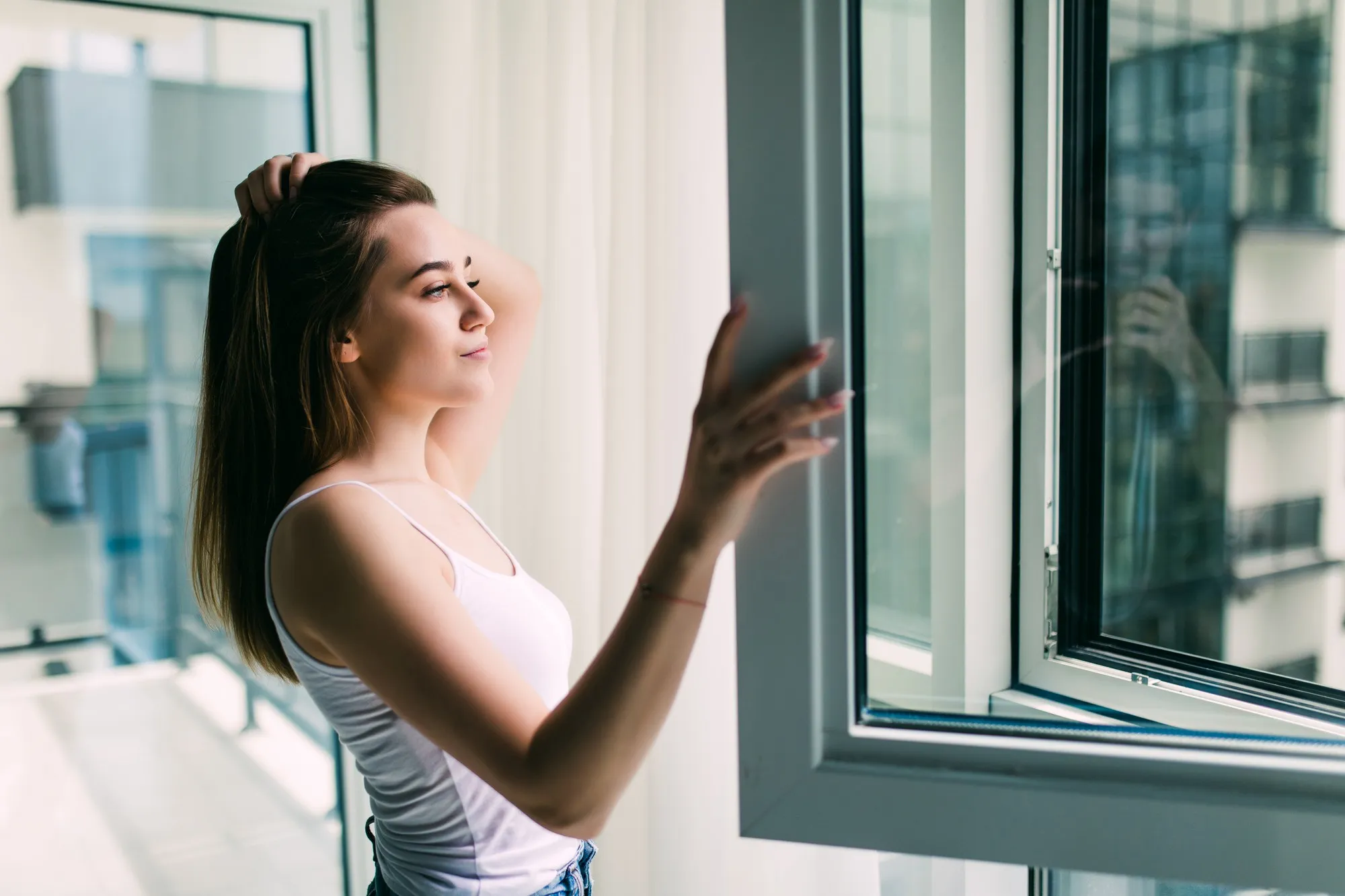
What Are Casement Windows?
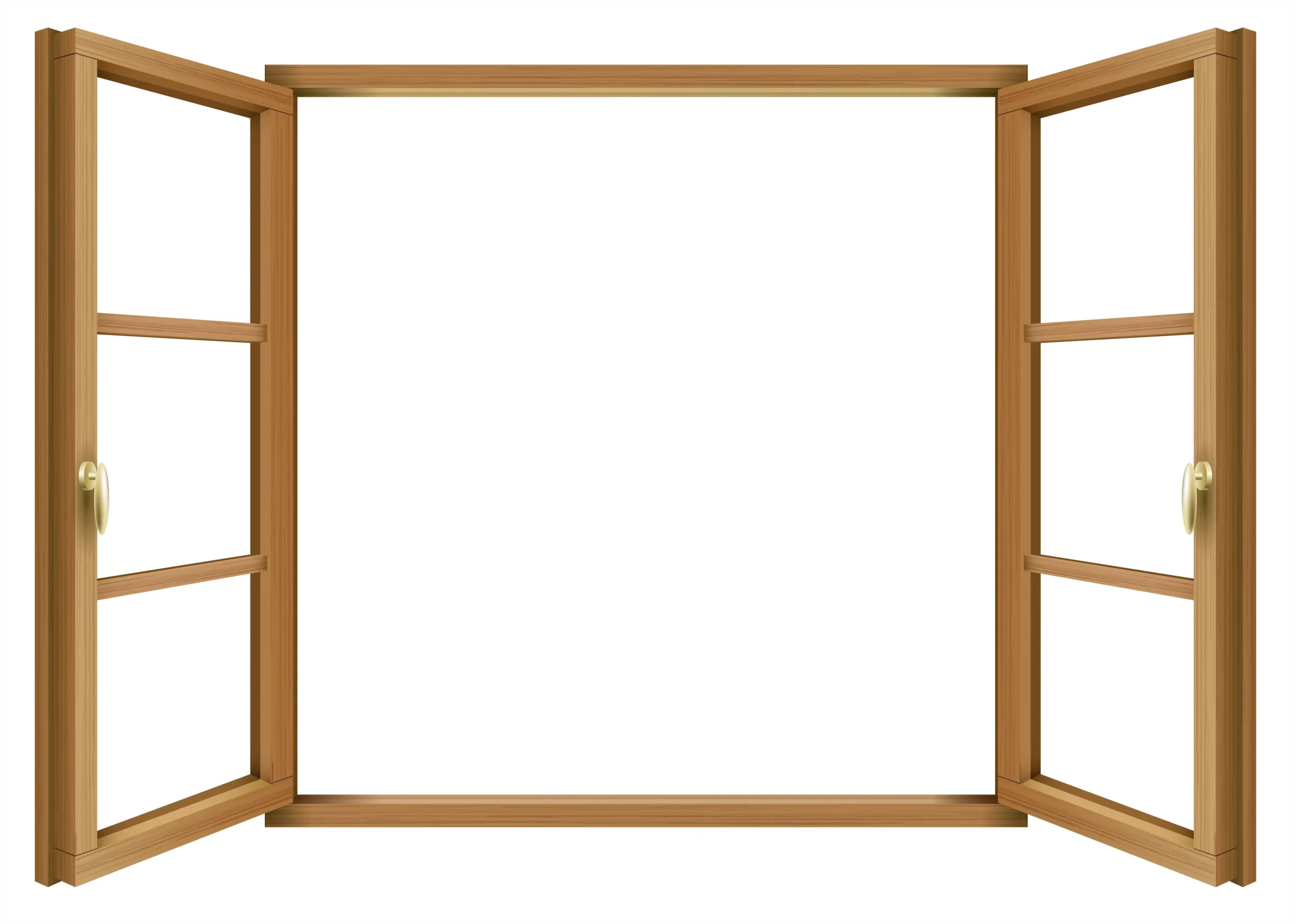
Casement windows are windows that are hinged on one side and open outward like a door. They are typically operated with a crank handle, allowing homeowners to easily control ventilation and airflow.
Because the entire sash opens, casement windows provide excellent ventilation, clear outdoor views, and strong energy efficiency. They are commonly installed in 주방, bathrooms, 거실, and other areas where fresh air and natural light are important.
How Casement Windows Work
Casement windows use a side-hinged design that swings outward when opened. Most models operate with a crank handle that smoothly moves the window sash in and out.
Key operating features include:
- Side-hinged design for full-window opening
- Crank-operated mechanism for easy use
- Tight seal when closed for better energy efficiency
- Available in both inward and outward opening styles
The outward-opening design helps catch passing breezes, making casement windows one of the best options for natural ventilation.
Main Components of a Casement Window
Several parts work together to ensure smooth operation and long-term performance.
- Frame
The frame surrounds and supports the entire window structure. - Sash
The sash is the movable part that holds the glass and opens outward. - 경첩
Heavy-duty hinges connect the sash to the frame and allow smooth movement. - Crank Handle
The crank mechanism controls opening and closing with minimal effort. - Locking System
Multi-point locks help improve security and create a tight weather-resistant seal.
These components contribute to the durability, security, and energy efficiency of casement windows.
Casement Window Types
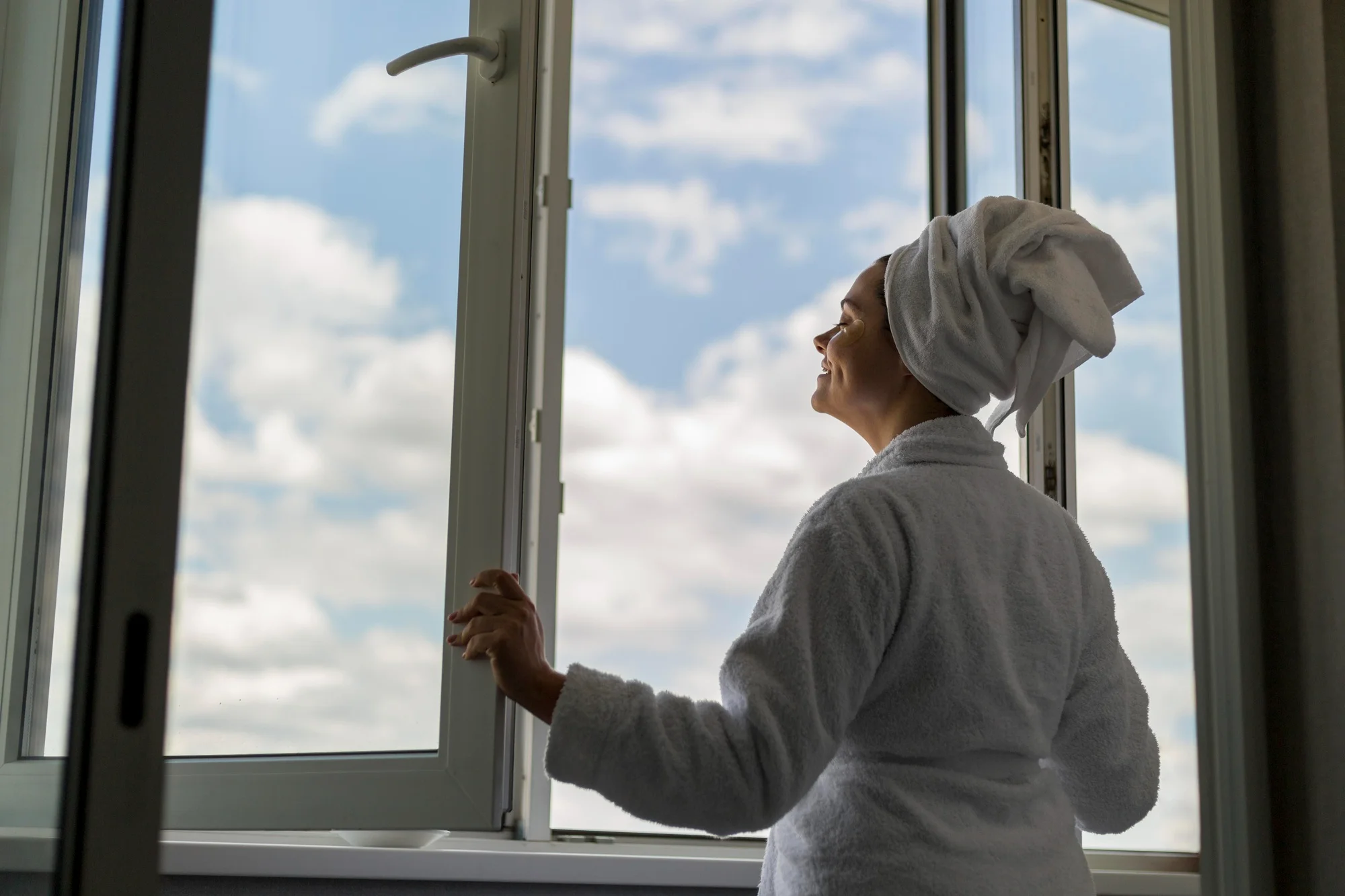
Casement windows are available in several styles to match different home designs and functional needs.
- Single Casement Windows
A single sash opens outward from one side. This is the most common configuration. - Double or French Casement Windows
Two sashes open outward from the center, creating a wide unobstructed opening. - Push-Out Casement Windows
Instead of a crank, these windows open manually with a handle and offer a more traditional appearance. - Picture Window Combinations
Casement windows are often installed beside large fixed picture windows to combine ventilation with expansive outdoor views.
Choosing the right style depends on your home’s architecture, ventilation needs, and design preferences.
Benefits of Casement Windows
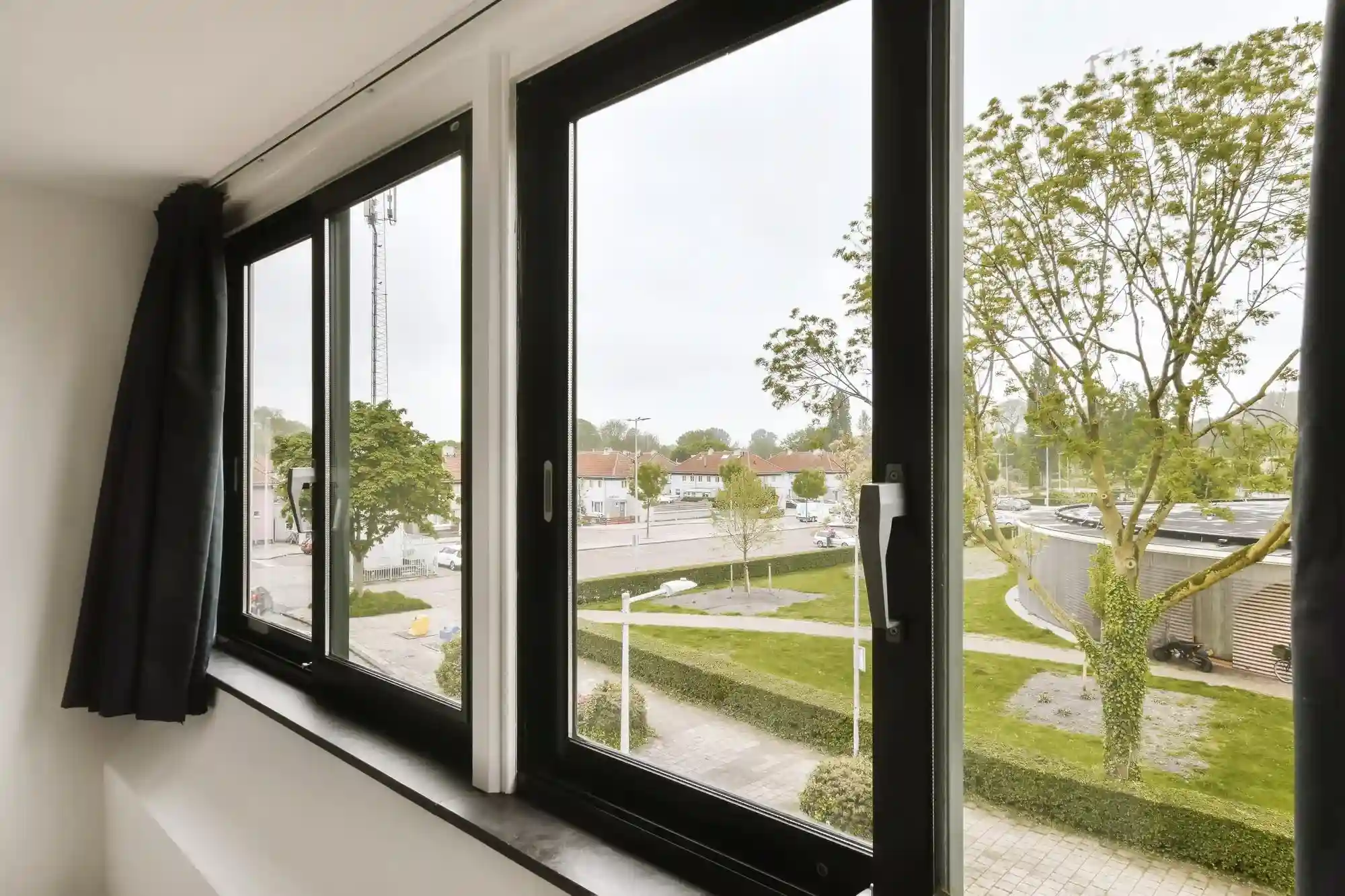
Casement windows remain a popular choice because they combine functionality, energy efficiency, and modern aesthetics.
Key advantages include:
- Excellent ventilation from full-window opening
- Strong energy efficiency with tight weather seals
- Unobstructed views and increased natural light
- Easy operation with crank handles
- Enhanced security through multi-point locking systems
- Ideal for hard-to-reach locations such as above kitchen sinks
- Modern, clean appearance that complements many home styles
For homeowners looking to improve airflow and energy performance, casement windows are often one of the best window styles available.
Drawbacks of Casement Windows
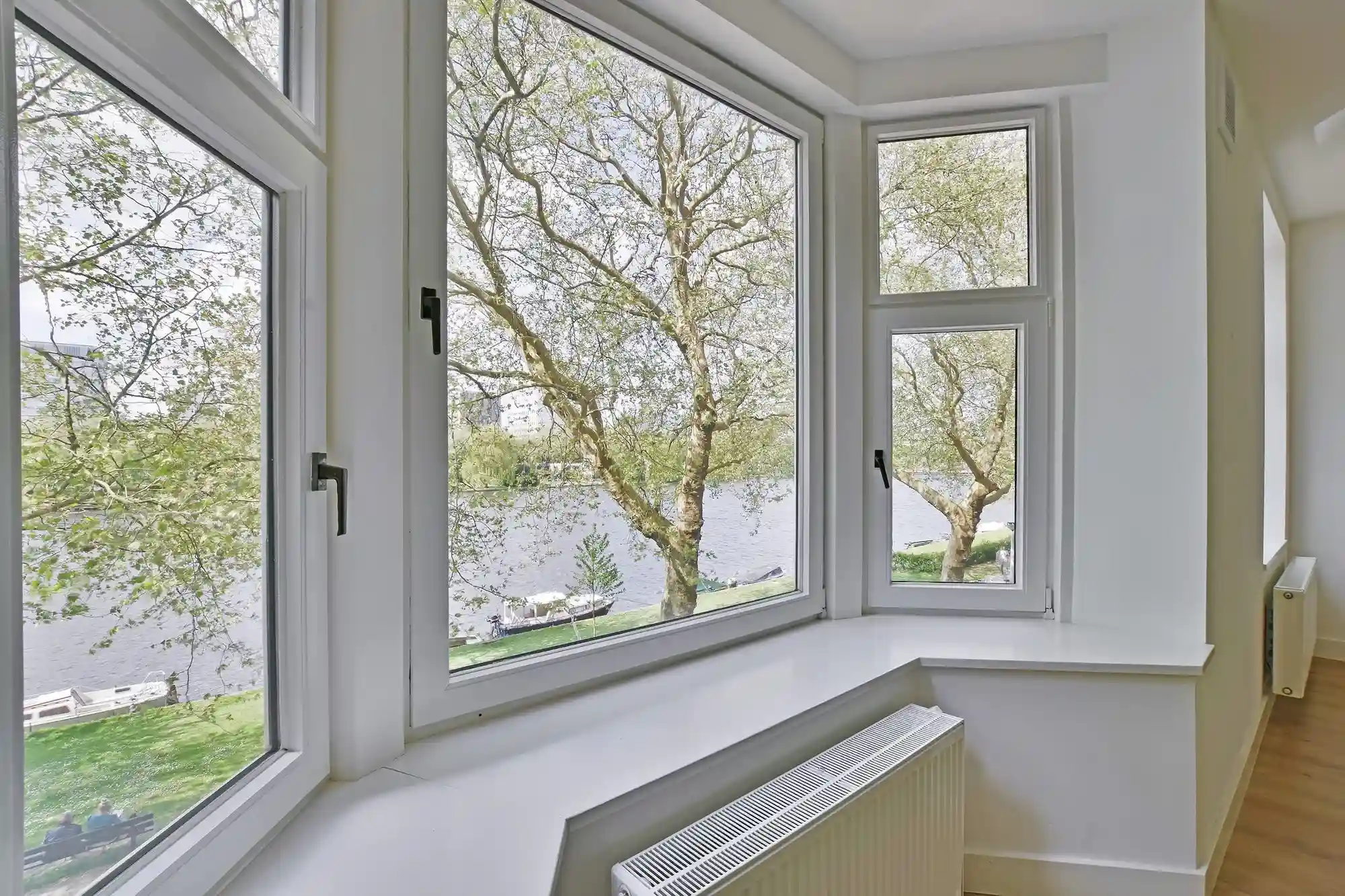
While casement windows offer many benefits, they are not the perfect solution for every home.
Potential disadvantages include:
- Higher purchase cost than some window styles
- Hardware may require occasional maintenance
- Strong winds can affect outward-opening sashes
- Large window sizes may require additional support
- Exterior screens can be more difficult to clean
- Open windows may project into outdoor walkways or patios
Despite these limitations, many homeowners find that the energy efficiency, ventilation, and ease of use outweigh the drawbacks.
Casement Windows vs Other Window Styles
| Window Style | How It Opens | 가장 적합한 대상 | Main Difference |
|---|---|---|---|
| 여닫이창 | Hinged on the side and opens outward | Ventilation, views, and energy efficiency | Opens fully and creates a tight seal when closed |
| 이중창 | Two sashes slide up and down | Traditional homes and easy cleaning | More classic, but offers less full-opening airflow |
| 미닫이 창문 | Slides horizontally along a track | Wide wall openings and modern spaces | Simple operation, but only part of the window opens |
| 차양창 | Hinged at the top and opens outward | Bathrooms, basements, and rainy climates | Can stay open during light rain more easily |
| 픽처 윈도우 | Fixed and does not open | Large views and natural light | Best for views, but does not provide ventilation |
Best Places to Install Casement Windows
Casement windows work best in areas where ventilation, natural light, and easy operation are important. Because they open fully outward, they can capture more fresh air than many other window styles.
주방 창문
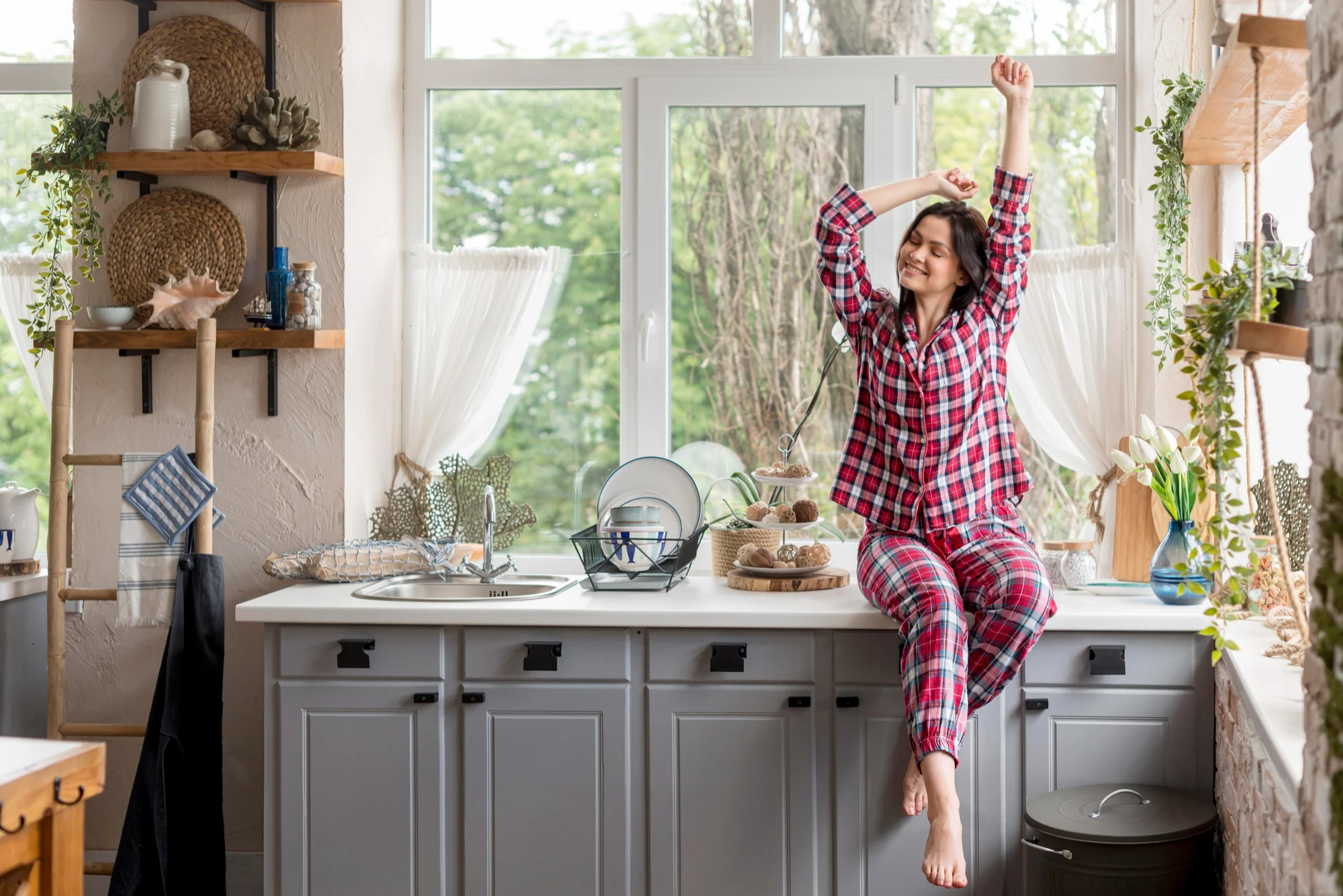
Casement windows are a popular choice above kitchen sinks because they are easy to open with a crank handle. You don’t need to stretch over the counter to reach the window.
They help:
- Improve airflow while cooking
- Remove heat and odors more effectively
- Bring in natural light
욕실 창문
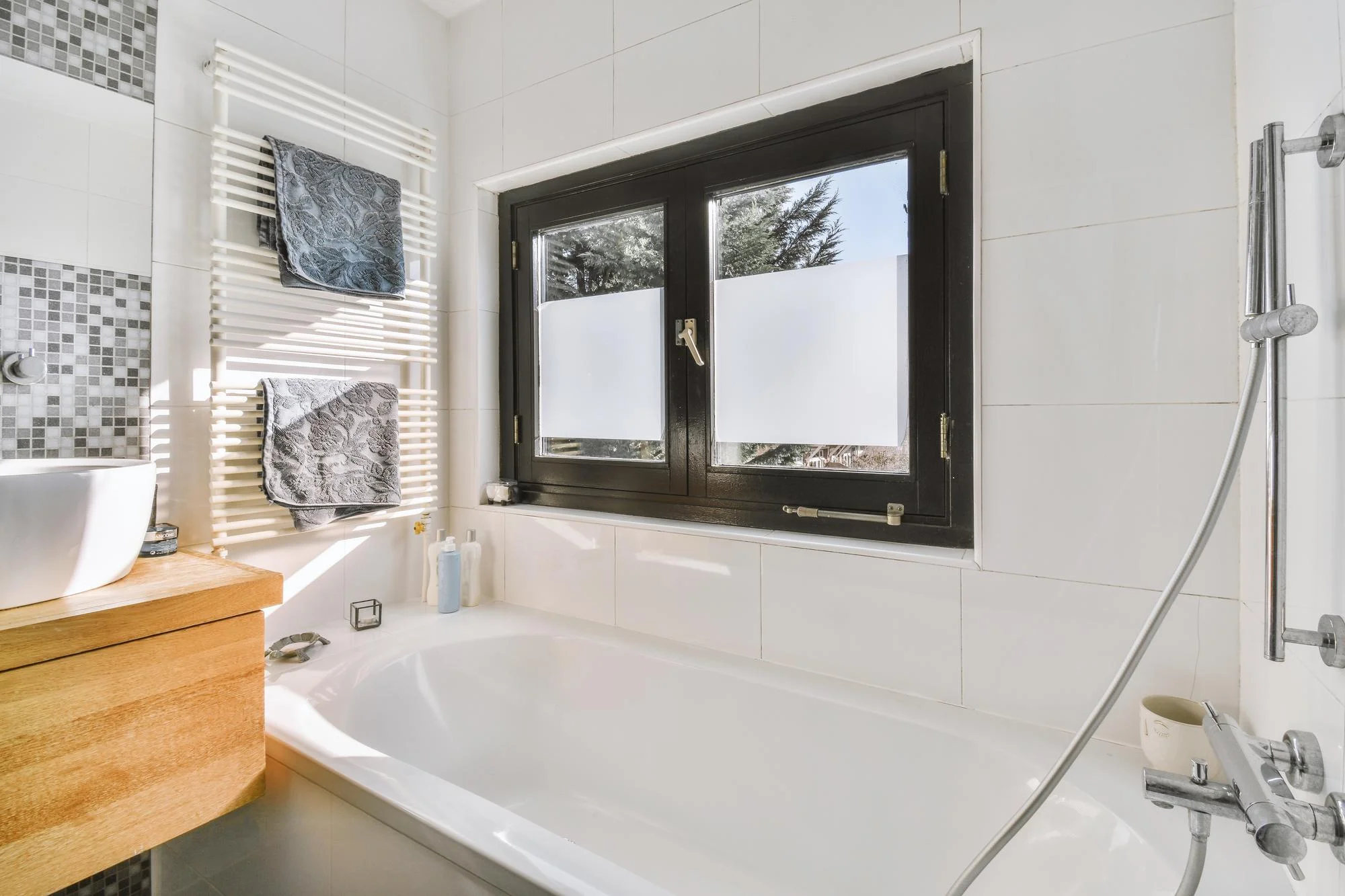
Bathrooms need proper ventilation to control moisture and humidity. Casement windows allow fresh air to circulate quickly, helping reduce condensation and improve comfort.
Many homeowners also choose privacy glass to maintain privacy without blocking sunlight.
Living Rooms

Casement windows provide large, unobstructed views because they do not have a center rail. This allows more natural light to enter the room and creates a bright, open feeling.
They are ideal for:
- Scenic outdoor views
- Modern home designs
- Maximizing daylight
Bedrooms
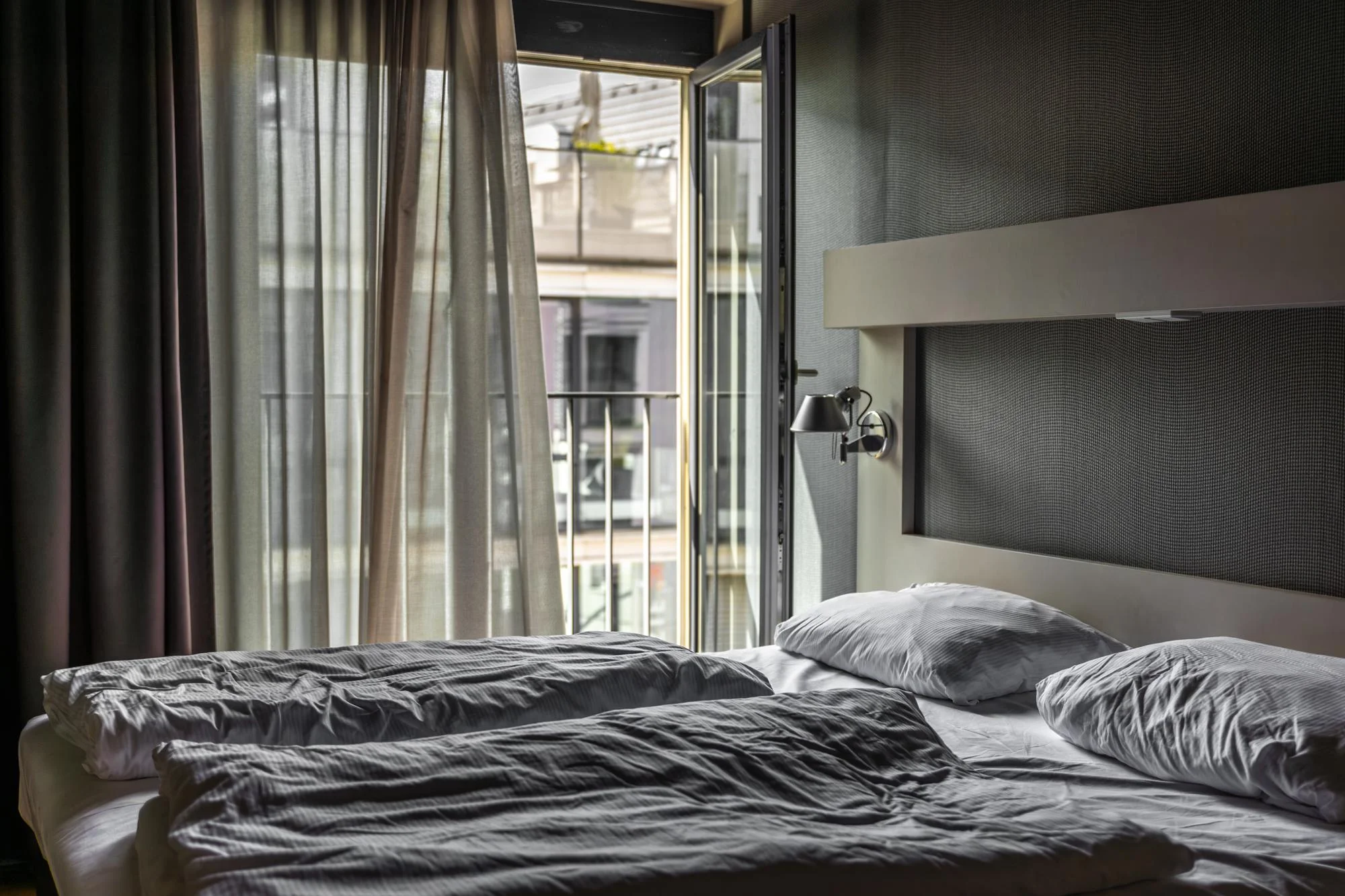
Good airflow can make bedrooms more comfortable throughout the year. Casement windows open fully, allowing excellent ventilation and cross-breezes.
Depending on local building codes and window size, they may also meet emergency egress requirements for bedrooms.
Hard-to-Reach Locations
One of the biggest advantages of casement windows is their easy operation. The crank handle makes them a practical choice for locations where standard windows may be difficult to access.
Common installation areas include:
- Over kitchen countertops
- Behind furniture
- Stairwells
- High wall openings
Casement Window Materials
Choosing the right material affects the window’s durability, appearance, maintenance, and energy performance.
Popular casement window materials include:
- Vinyl: Affordable, energy-efficient, and low maintenance
- 목재: Natural beauty, excellent insulation, and premium appearance
- Fiberglass: Strong, durable, and resistant to warping
- Aluminum: Slim frames, modern style, and lightweight construction
- Composite: Combines durability, energy efficiency, and low maintenance
For most homeowners, vinyl offers the best value, while fiberglass and composite materials provide long-term performance with minimal upkeep.
Energy Efficiency Features to Look For
One of the biggest advantages of casement windows is their excellent energy efficiency. To maximize performance, look for these important features:
- 로우-E 유리 to reduce heat transfer
- Double or Triple Pane Glass for better insulation
- Argon Gas Fills between panes to improve thermal performance
- Quality Weatherstripping to minimize air leakage
- ENERGY STAR Certification for verified energy savings
- Multi-Point Locking Systems that create a tighter seal
Choosing these features can help improve indoor comfort, reduce energy bills, and increase your home’s overall efficiency year-round.
How Much Do Casement Windows Cost?
Casement windows are generally more expensive than basic sliding or single-hung windows because of their crank-operated hardware and tight-sealing design. However, many homeowners find the added ventilation and energy efficiency worth the investment.
The total cost depends on several factors, including:
- Window size and shape
- Frame material (vinyl, wood, fiberglass, or aluminum)
- Glass package and energy-efficient upgrades
- Custom colors and finishes
- Labor and installation costs
On average, homeowners can expect to pay:
| 창 유형 | Typical Installed Cost |
|---|---|
| Vinyl Casement Window | $300–$900 |
| Aluminum Casement Window | $400–$1,000 |
| Wood Casement Window | $700–$2,000+ |
| Fiberglass Casement Window | $800–$2,500+ |
While the upfront cost may be higher, casement windows often provide long-term value through improved energy efficiency, better ventilation, and increased home comfort. Choosing quality materials and professional installation can help maximize your investment and reduce future maintenance costs.
Standard Casement Window Sizes
Casement windows are available in a wide range of sizes to fit different rooms and home styles. While custom sizes are available, most manufacturers offer several standard dimensions that simplify installation and reduce costs.
일반적인 여닫이창 크기는 다음과 같습니다.
| 너비 | 키 |
|---|---|
| 1 ft 7 in (19″) | 1 ft 4 in (16″) |
| 2 ft 3 in (27″) | 2 ft 5 in (29″) |
| 2 ft 9 in (33″) | 4 ft 5 in (53″) |
| 3 ft 5 in (41″) | 5 ft 5 in (65″) |
| 3 ft 11 in (47″) | 6 ft 5 in (77″) |
Most residential casement windows range from 2 to 4 feet wide 그리고 3 to 6 feet tall. Smaller sizes are common in bathrooms, while larger casement windows are often used in living rooms, kitchens, and picture window combinations.
The best window size depends on wall space, ventilation needs, natural light requirements, and local building code requirements.
 English
  Arabic
  Spanish
  Japanese
  Russian
  Korean
  French
  Italian