


What Is Window Condensation?
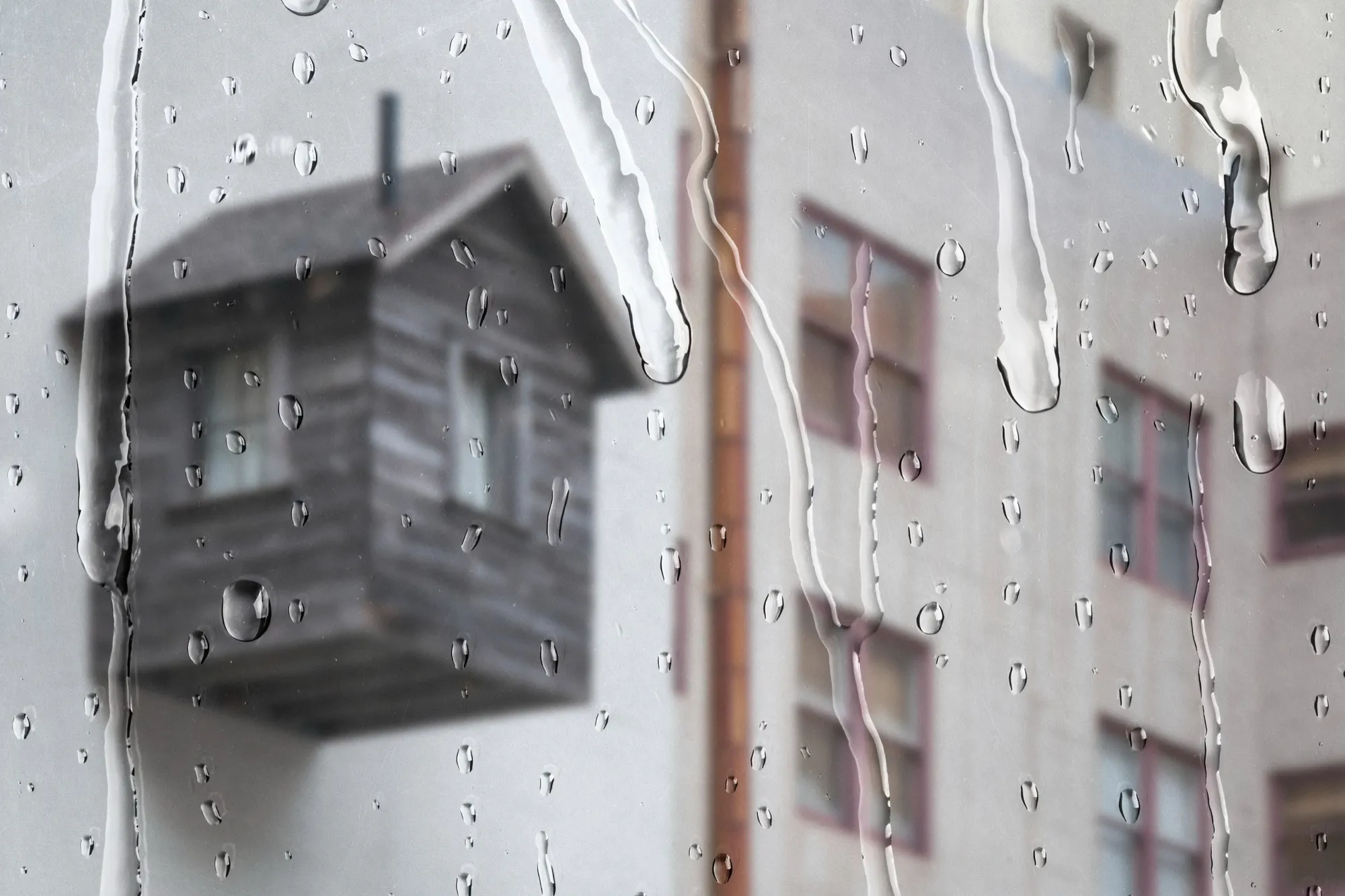
Window condensation happens when warm, moisture-filled air comes into contact with a cooler glass surface. As the air cools, it can no longer hold as much moisture, causing water droplets to form on the window.
Condensation is common during colder months, but it can occur year-round depending on humidity levels and temperature differences. While some condensation is normal, excessive moisture may signal ventilation, insulation, or window seal problems.
Types of Window Condensation
Not all window condensation is the same. Where the moisture appears can help identify the cause and whether action is needed.
Interior Surface Condensation
Interior condensation forms on the inside of the glass when warm indoor air meets a cold window surface.
Common causes include:
- High indoor humidity
- Cooking, showering, and laundry
- 換気不良
- Cold outdoor temperatures
This is the most common type of window condensation in homes.
Exterior Surface Condensation

Exterior condensation appears on the outside of the glass, usually during cool mornings.
It occurs when the outer glass surface is colder than the surrounding outdoor air. In most cases, this is actually a sign that the window is energy efficient because it is preventing indoor heat from escaping.
Exterior condensation is usually temporary and disappears as temperatures rise.
Condensation Between Panes (Blown Seals)
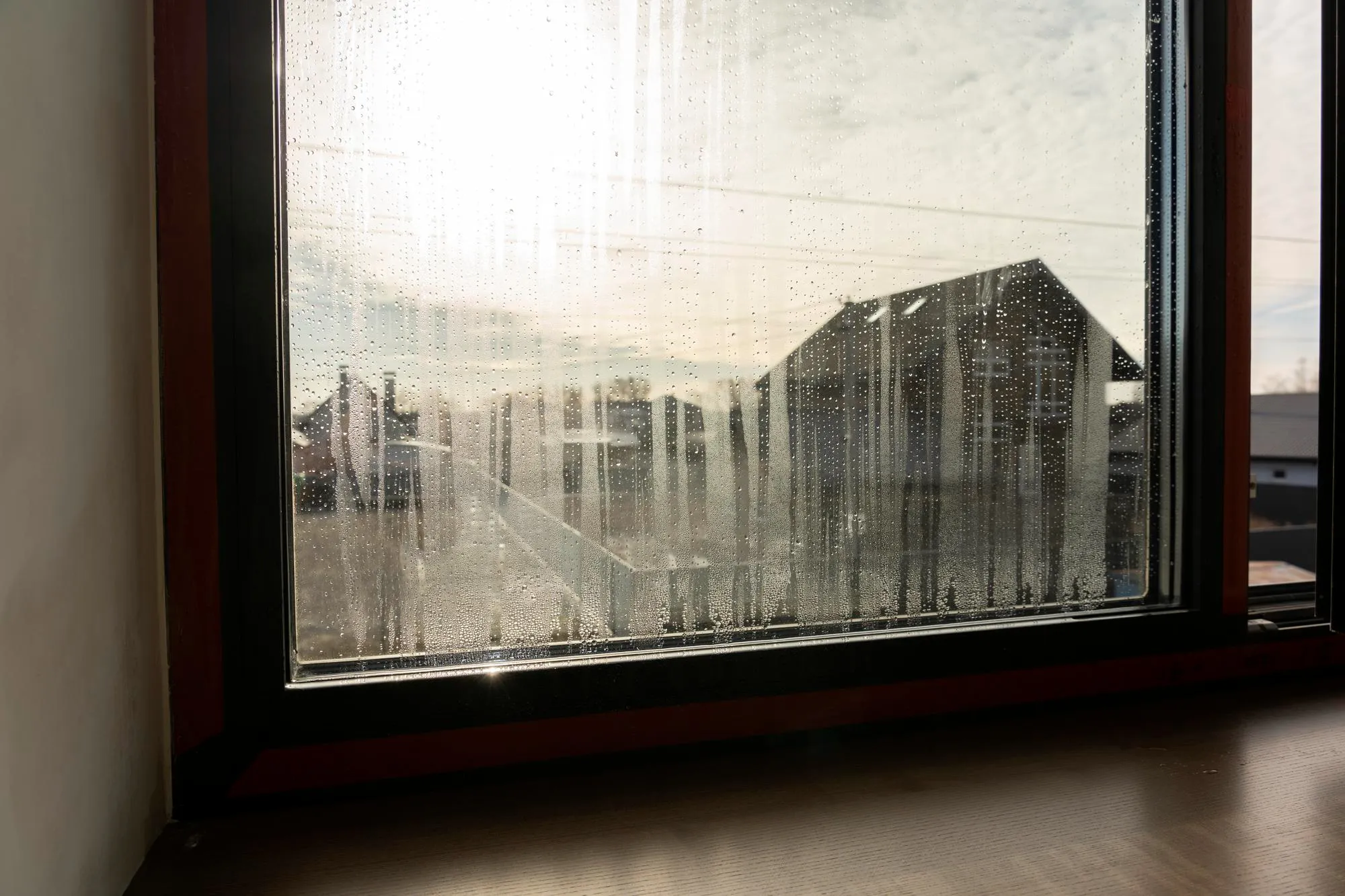
Condensation trapped between double- or triple-pane glass is often a sign of a failed window seal.
When the seal breaks, moisture enters the insulated glass unit and becomes trapped between the panes. Unlike interior or exterior condensation, this moisture cannot be wiped away from either side.
Common signs include:
- Persistent fogging between panes
- Cloudy or hazy glass
- Reduced energy efficiency
- Visible moisture that never clears
In most cases, a failed seal requires professional repair or glass replacement.
Main Causes of Window Condensation
Window condensation does not happen by accident. In most cases, it is caused by excess moisture in the air meeting a cooler glass surface. Understanding the cause can help you choose the right solution and prevent long-term problems such as mold, water damage, or reduced energy efficiency.
High Indoor Humidity
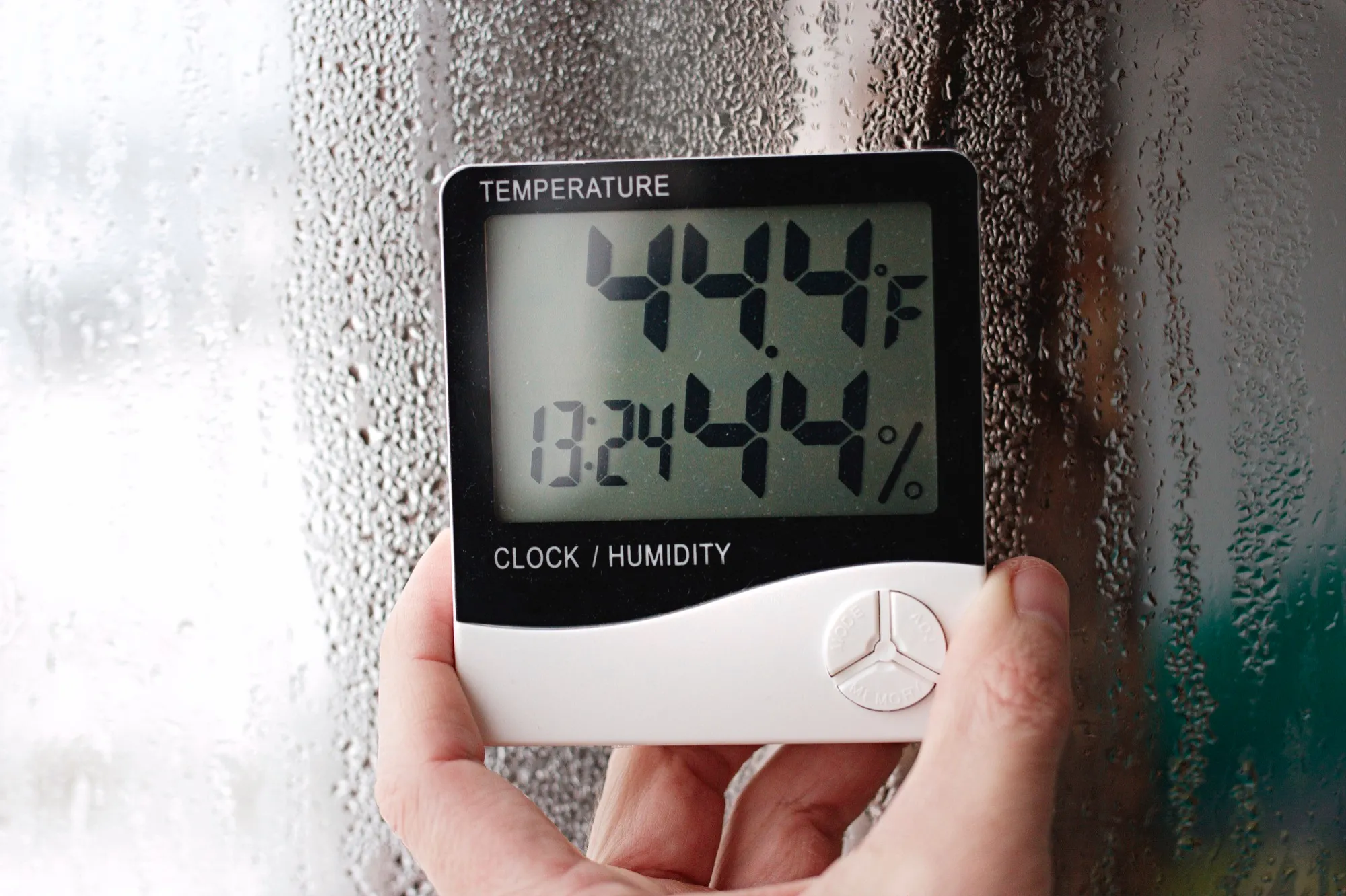
One of the most common causes of window condensation is high indoor humidity. Everyday household activities release moisture into the air, and when humidity levels rise, condensation becomes more likely.
Common sources of indoor moisture include:
- Cooking and boiling water
- Hot showers and baths
- Indoor laundry drying
- Houseplants
- Breathing and daily living activities
Homes with high humidity often notice condensation on windows during colder months when glass surfaces are cooler.
Temperature Differences
Condensation forms when warm, humid air comes into contact with a cold window surface. The greater the temperature difference between indoor air and the glass, the more likely condensation will occur.
For example, during winter, heated indoor air contains moisture. When that air touches cold window glass, water droplets form on the surface.
This is why condensation is most common on chilly mornings and during cold weather.
Poor Ventilation and Airflow

Without proper ventilation, moisture becomes trapped inside the home. Rooms with limited airflow often experience higher humidity levels and more condensation.
Areas most affected include:
- Bathrooms
- Kitchens
- Laundry rooms
- Basements
Using exhaust fans, opening windows periodically, and improving air circulation can help remove excess moisture before it settles on window glass.
Poor Insulation or Old Windows
Older windows and poorly insulated glass tend to have colder interior surfaces. Because the glass stays cooler, condensation forms more easily even when indoor humidity levels are normal.
Signs that insulation may be contributing to condensation include:
- Frequent moisture buildup in winter
- Cold drafts near windows
- Higher heating and cooling costs
- Uneven indoor temperatures
Modern energy-efficient windows are designed to keep interior glass warmer and reduce condensation risk.
Seal Failure in Double- or Triple-Pane Windows
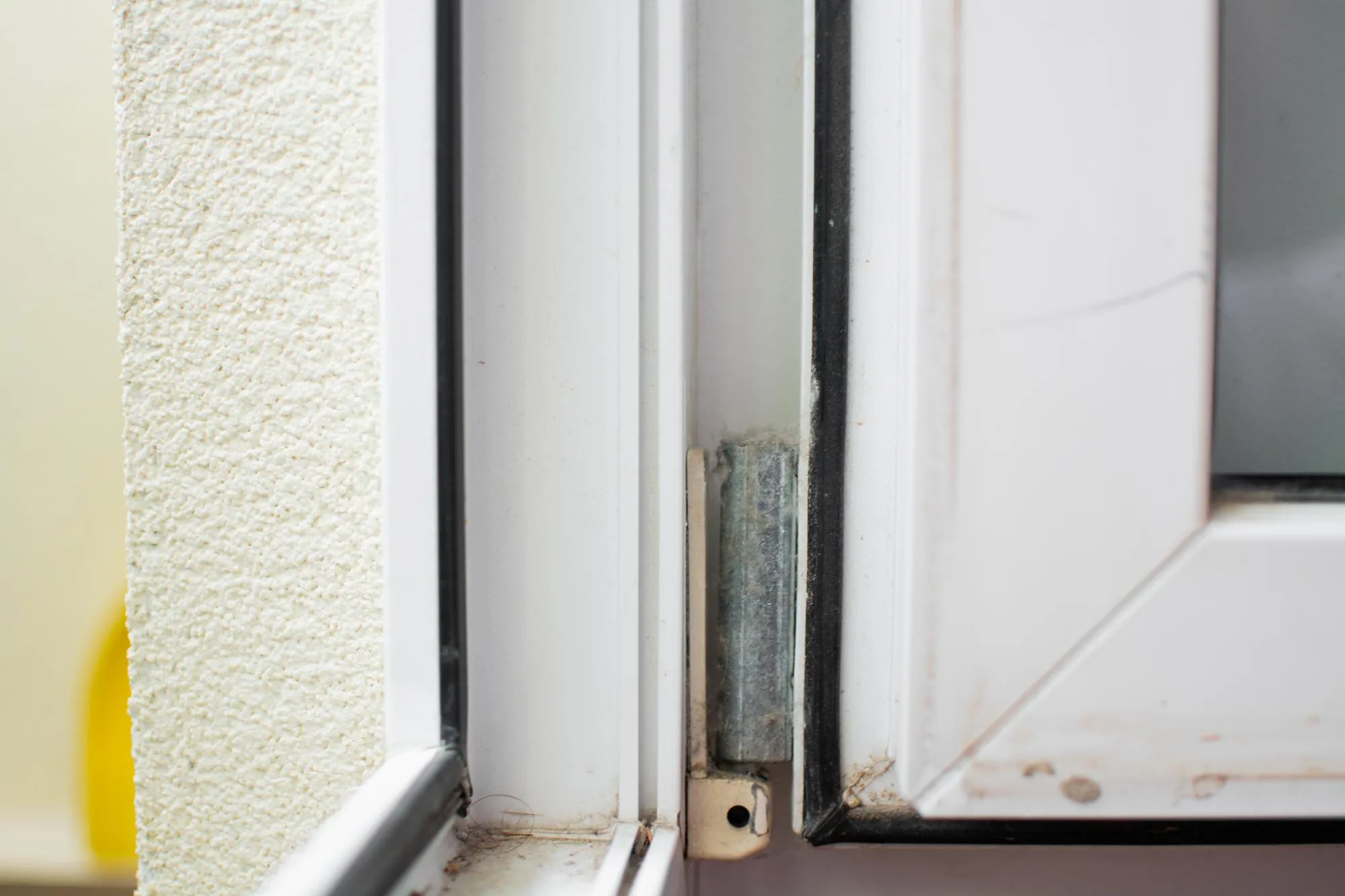
If condensation appears between glass panes, the problem is usually a failed window seal.
Double- and triple-pane windows contain insulating gas between the panes. When the seal breaks, moisture can enter the space and become trapped inside.
Common signs of seal failure include:
- Foggy glass between panes
- Persistent haze that cannot be cleaned
- Water droplets trapped inside the unit
- Reduced insulation performance
Unlike interior surface condensation, seal failure often requires professional repair or replacement of the insulated glass unit.
Signs Your Window Condensation Is a Problem
Not all condensation is dangerous, but persistent moisture can indicate underlying issues. Here’s what to watch for:
- Persistent Moisture: Water that doesn’t evaporate after a few hours may signal excessive humidity or poor ventilation.
- Mold or Mildew: Black or green spots near windows are clear signs of moisture problems.
- Damage to Paint or Frames: Peeling paint, rotting wood, or warped frames indicate long-term water exposure.
- Condensation Between Panes: Moisture trapped inside double- or triple-pane windows usually means a failed seal, reducing insulation efficiency.
If you notice any of these signs, it’s a cue to take action before problems worsen.
How to Prevent Window Condensation (Effective Tips)
Keeping condensation under control involves managing humidity, temperature, and airflow. Here’s what works:
- Control Indoor Humidity: Use dehumidifiers or moisture absorbers in high-humidity areas like bathrooms and kitchens.
- Improve Ventilation: Run exhaust fans, open windows, or use an air exchanger to move moist air out.
- Adjust Temperature and Airflow: Keep room air slightly cooler near windows or use fans to circulate air evenly.
- Insulation Strategies: Thermal curtains, window film, or upgraded double/triple-glazed windows help reduce surface cold spots where condensation forms.
With these steps, you can prevent window condensation from becoming a costly or unhealthy problem.
よくある質問
How do you stop condensation on windows?
To reduce window condensation:
- Use a dehumidifier to lower indoor humidity
- Run bathroom and kitchen exhaust fans
- Open windows periodically for ventilation
- Improve air circulation near windows
- Upgrade to energy-efficient windows if needed
Should I remove condensation from windows?
Yes. It’s a good idea to wipe away condensation regularly. Excess moisture can lead to mold growth, damaged window frames, peeling paint, and poor indoor air quality.
Is condensation good on windows?
It depends. Light exterior condensation is often a sign of an energy-efficient window. However, persistent interior condensation or moisture trapped between panes may indicate humidity issues or a failed window seal.
Does condensation on windows mean the house is too cold?
Not necessarily. Condensation usually occurs when warm, humid indoor air meets a cold window surface. High indoor humidity, poor ventilation, or cold glass are more common causes than a house simply being too cold.


 English
  Arabic
  Spanish
  Japanese
  Russian
  Korean
  French
  Italian