

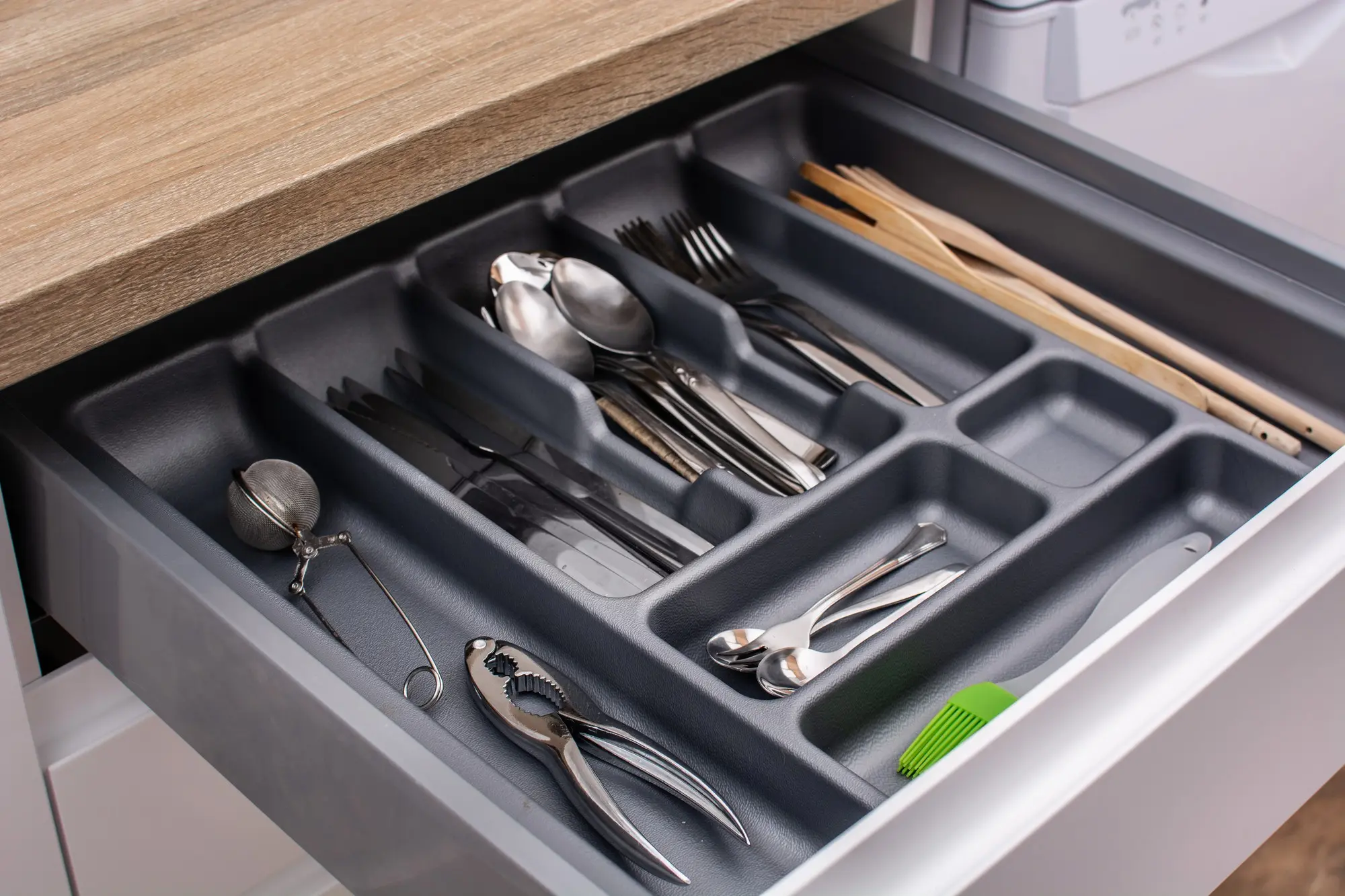
Step 1: Declutter Before You Organize
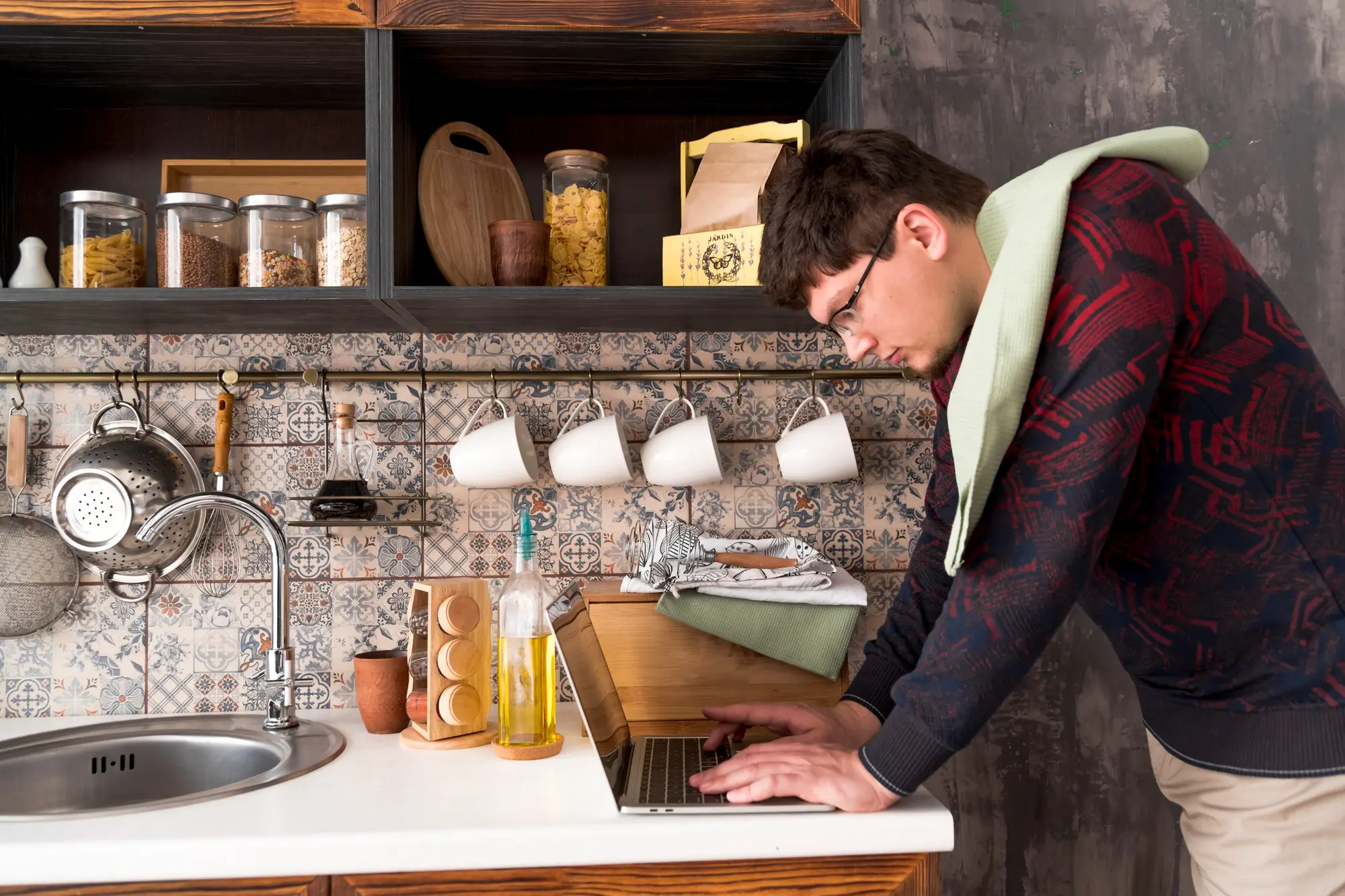
Before you organize anything, you need to clear the space. This step is simple, but it makes the biggest difference.
Start by taking everything out of your cabinets. Then go through each item honestly. If you haven’t used it in months, it’s probably not needed. Remove expired food, duplicate tools, and anything broken or rarely used.
Once the cabinets are empty, give them a quick clean. Wipe down shelves and corners so you’re starting fresh.
Step 2: Use the Kitchen Zone System
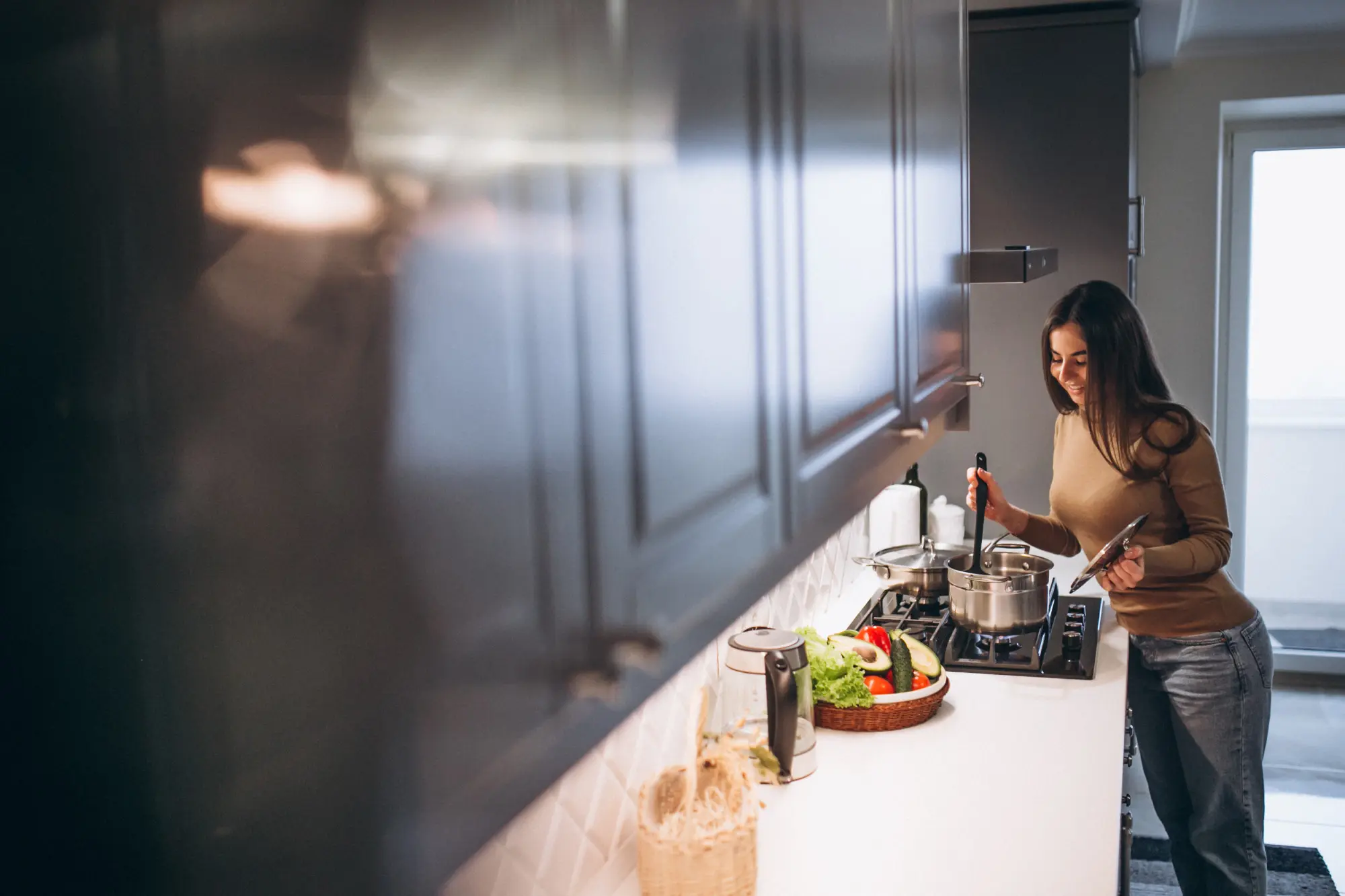
Now that you have a clean space, it’s time to organize with purpose. The easiest and most effective way is to use a kitchen zone system.
Think of your kitchen like a workspace. Each area should have a clear function:
Cooking zone: pots, pans, lids, spices, oils
Prep zone: knives, cutting boards, mixing tools
Storage zone: dry food, containers, pantry items
Cleaning zone: dish soap, trash bags, cleaning supplies
Place items close to where you actually use them. For example, keep cooking tools near the stove and cleaning supplies under the sink.
This setup reduces unnecessary movement. You won’t walk back and forth looking for things, which saves time and makes cooking feel easier and smoother.
Step 3: Group Similar Items Together
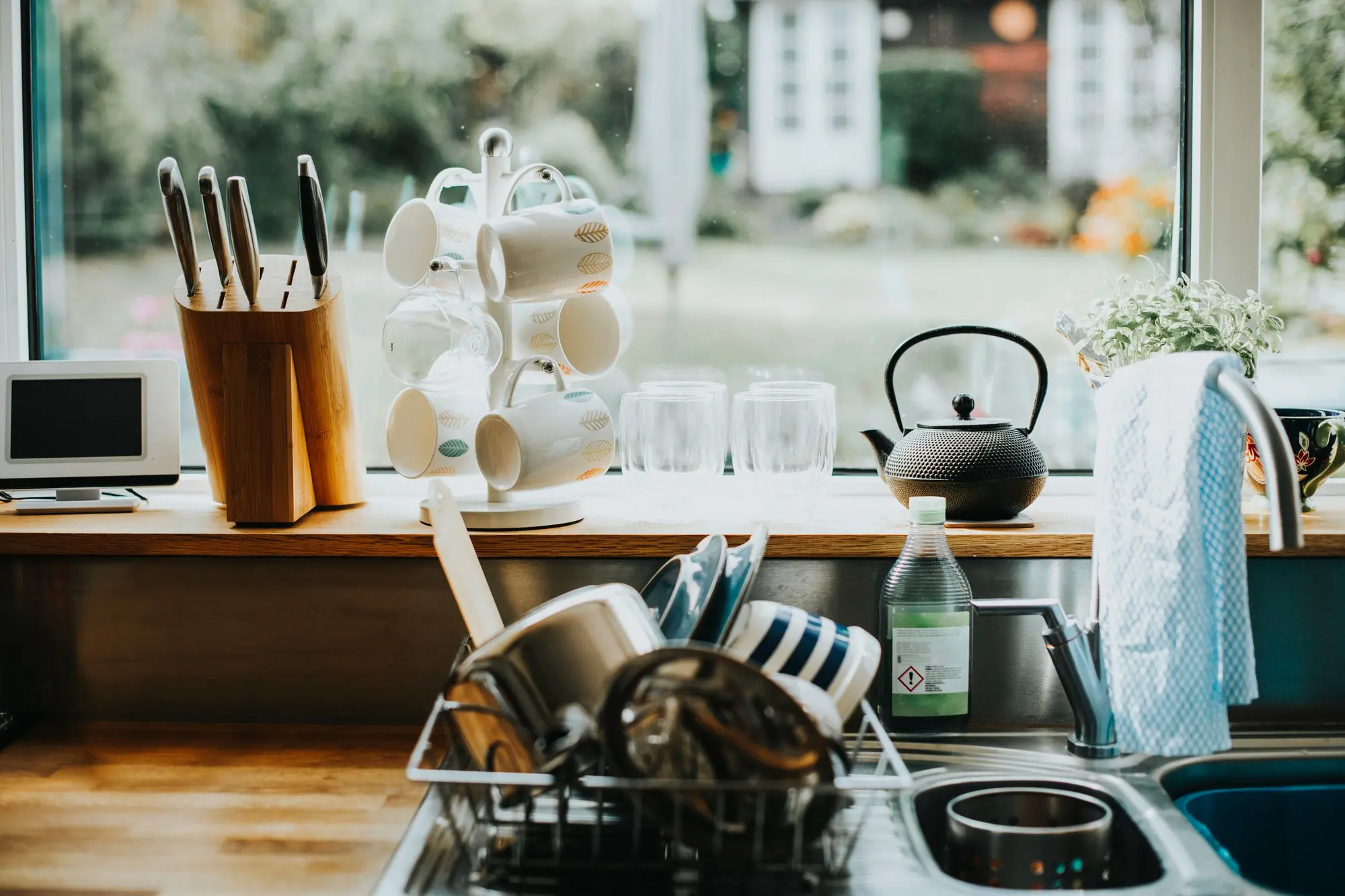
Once your zones are set, the next step is to group similar items. This keeps your cabinets simple and easy to understand.
Store items by category. Plates go with plates, bowls with bowls, and baking tools in one place. Avoid mixing unrelated items in the same cabinet, as this quickly creates clutter.
If possible, use simple labels or containers to define sections. Even a small divider can make a big difference.
When everything has a clear “home,” you spend less time searching and more time using your kitchen efficiently.
Step 4: Place Items Based on Frequency
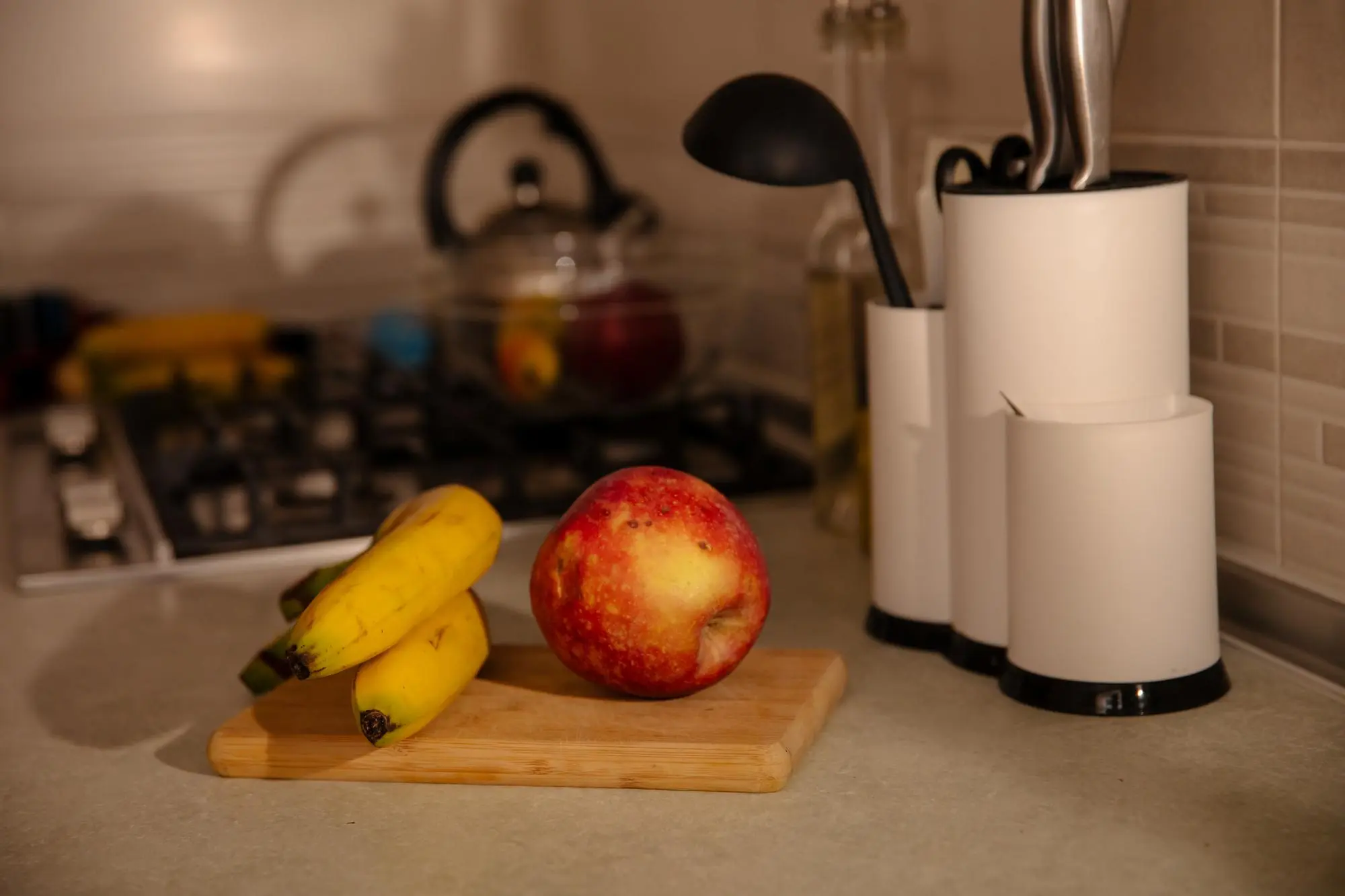
Not everything in your kitchen is used the same way. Some items are daily essentials, while others are only used once in a while.
Place items based on how often you use them:
Everyday items → at eye level or within easy reach
Weekly items → middle or slightly higher shelves
Rarely used items → top or bottom cabinets
For example, your favorite pan or coffee mug should always be easy to grab. Holiday dishes or specialty tools can go higher up.
This simple adjustment improves your daily routine and makes your kitchen feel more natural to use.
Step 5: Maximize Cabinet Space (Smart Storage)
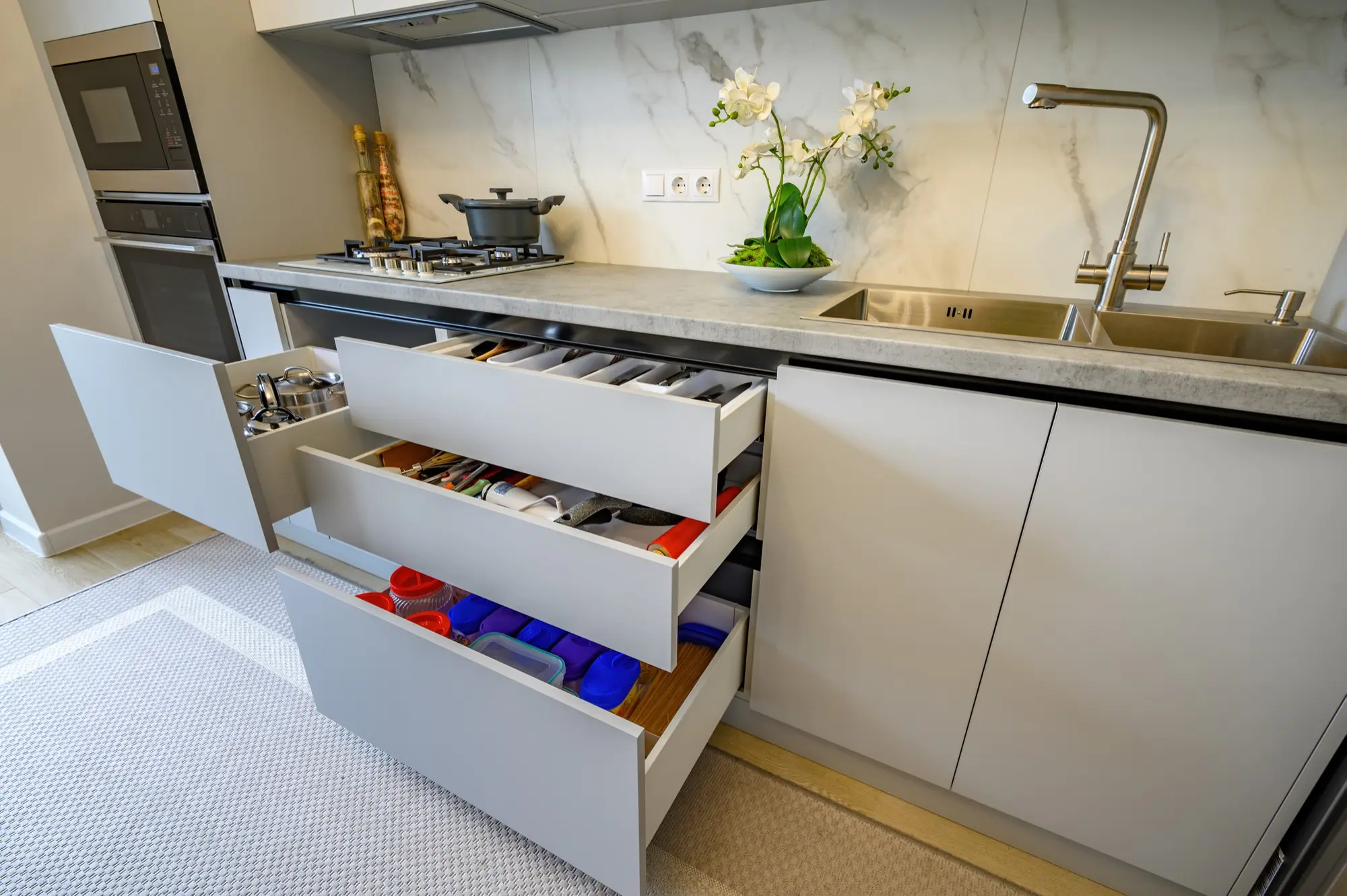
Good organization is not just about placement—it’s also about using space wisely.
Cabinets often have unused vertical space. Instead of stacking items randomly, use smart storage tools:
Shelf risers to double your storage layers
Drawer organizers to separate small tools
Stackable bins to group similar items
Think vertically. When you build upward instead of outward, you can store more without making your cabinets feel crowded.
A well-organized cabinet should feel open, not packed. The goal is easy access, not just more storage.
Step 6: Organize Each Cabinet by Function
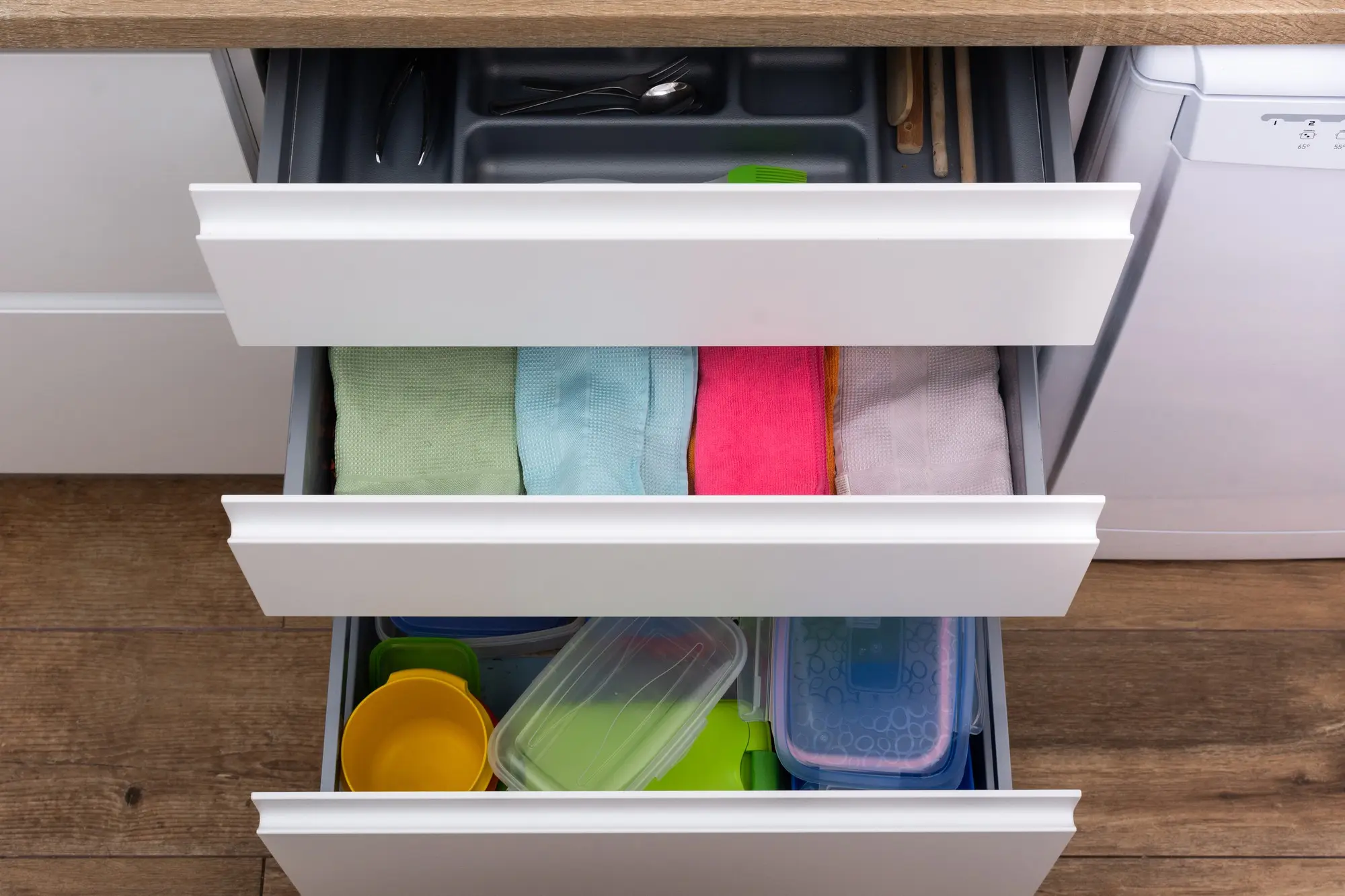
Now that your system is in place, assign a clear purpose to each cabinet. This keeps everything predictable and easy to maintain.
Upper cabinets are best for everyday items like dishes and glasses. They are easy to reach and safe for lighter items.
Lower cabinets should hold heavier cookware such as pots, pans, and small appliances.
Pantry cabinets should be divided into food zones, like snacks, dry goods, and cooking ingredients.
Under the sink is ideal for cleaning supplies, trash bags, and dishwashing tools.
When each cabinet has a clear function, your kitchen becomes easier to use without thinking.
Step 7: Optimize Hard-to-Reach Spaces
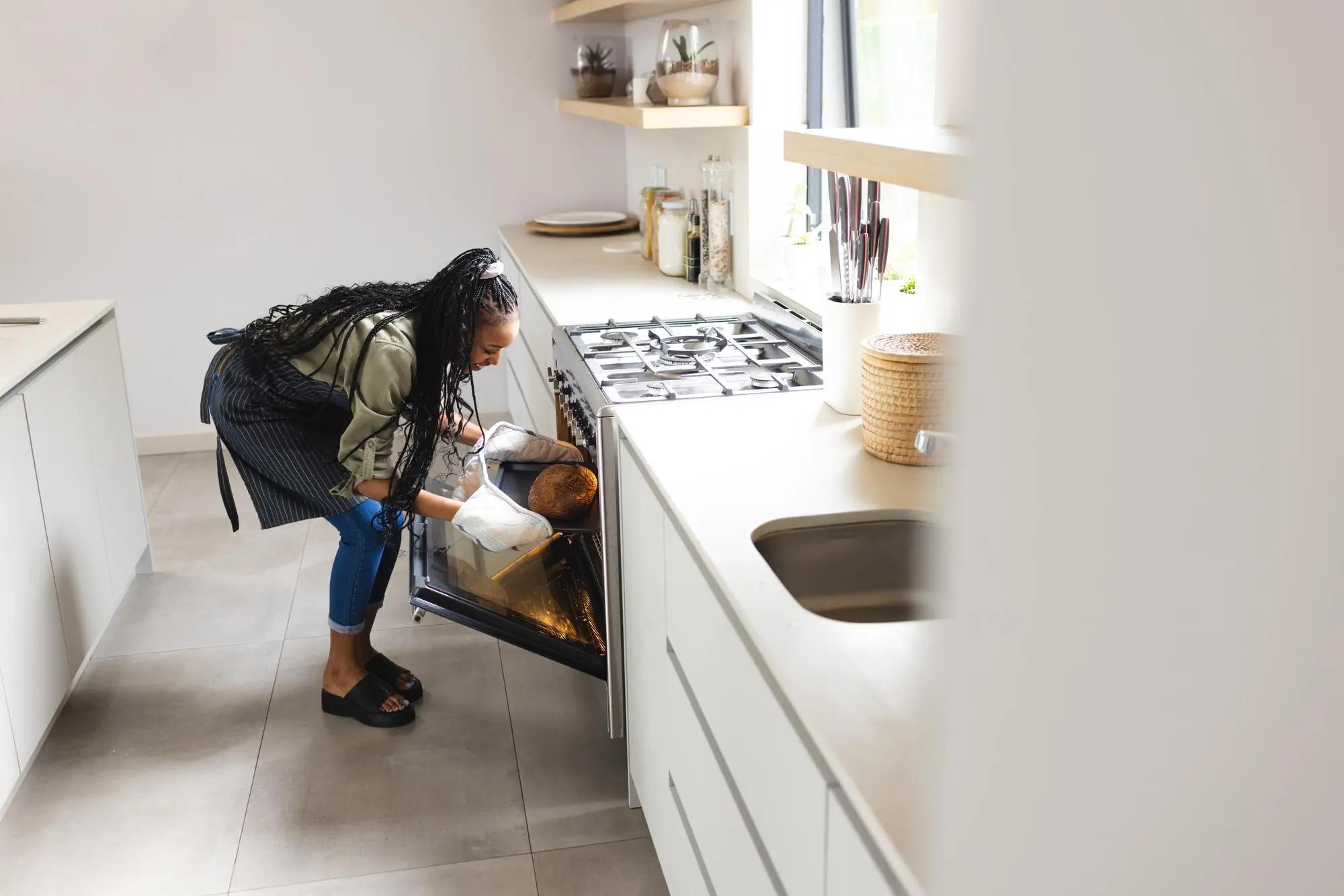
Some cabinet spaces are naturally harder to access, but with the right setup, they can still be useful.
Corner cabinets work well with a lazy Susan, making it easy to rotate and reach items.
Deep cabinets benefit from pull-out trays, so you can access items at the back without digging.
High cabinets should store rarely used items, such as seasonal cookware or special occasion dishes.
The goal is simple: no space should be wasted, and nothing should be hard to reach.
Step 8: Create a Logical Kitchen Flow

A well-organized kitchen is not just tidy—it flows naturally when you use it.
Store items close to where they are used. This reduces extra movement and makes cooking faster and easier.
For example, keep utensils near the stove and place plates close to the dishwasher or drying area.
When your kitchen follows a logical flow, everyday tasks feel smoother and more efficient.
Step 9: Use Organizers That Fit Your Space
Not all organizers work for every kitchen. The key is choosing tools that match your cabinet size and layout.
Avoid oversized organizers in small cabinets, as they can waste space instead of saving it.
Measure your cabinets before buying storage solutions to ensure a proper fit.
Focus on function first. A simple, practical organizer is always better than a stylish one that doesn’t work well.
Good organization should make your life easier, not more complicated.
Step 10: Maintain Your System
Even the best system won’t last without simple maintenance.
Take a few minutes each week to reset your cabinets. Put items back in their place and clear out anything unnecessary.
Avoid overfilling cabinets, as clutter builds up quickly over time.
Leave a little empty space so your system stays flexible as your needs change.
A well-maintained kitchen stays organized with very little effort.
Ready to Upgrade Your Kitchen Storage?
A well-organized kitchen starts with the right cabinet design and layout. If you want a smarter, more efficient storage solution tailored to your space, contact us today. Our team can help you plan, customize, and create cabinets that truly fit your kitchen and daily needs.
FAQs
How do you decide where to put things in kitchen cabinets?
Decide based on usage and location. Keep items close to where you use them—for example, dishes near the dishwasher and cooking tools near the stove. This reduces movement and improves workflow.
How to organize kitchen cabinets to maximize space?
Use vertical space and smart tools like shelf risers, drawer dividers, and stackable bins. Group similar items together and keep frequently used items easy to reach.
What are the 10 steps in organizing kitchen cabinets?
A simple 10-step method:
- Declutter
- Clean cabinets
- Sort items
- Create zones
- Group similar items
- Assign cabinet functions
- Place by frequency
- Use organizers
- Optimize hard spaces
- Maintain regularly
How to properly place things in a kitchen cabinet?
Place daily items at eye level, stack similar items together, and keep heavier items in lower cabinets. Store rarely used items higher up to keep your kitchen efficient and easy to use.
 English
  Arabic
  Spanish
  Japanese
  Russian
  Korean
  French
  Italian