

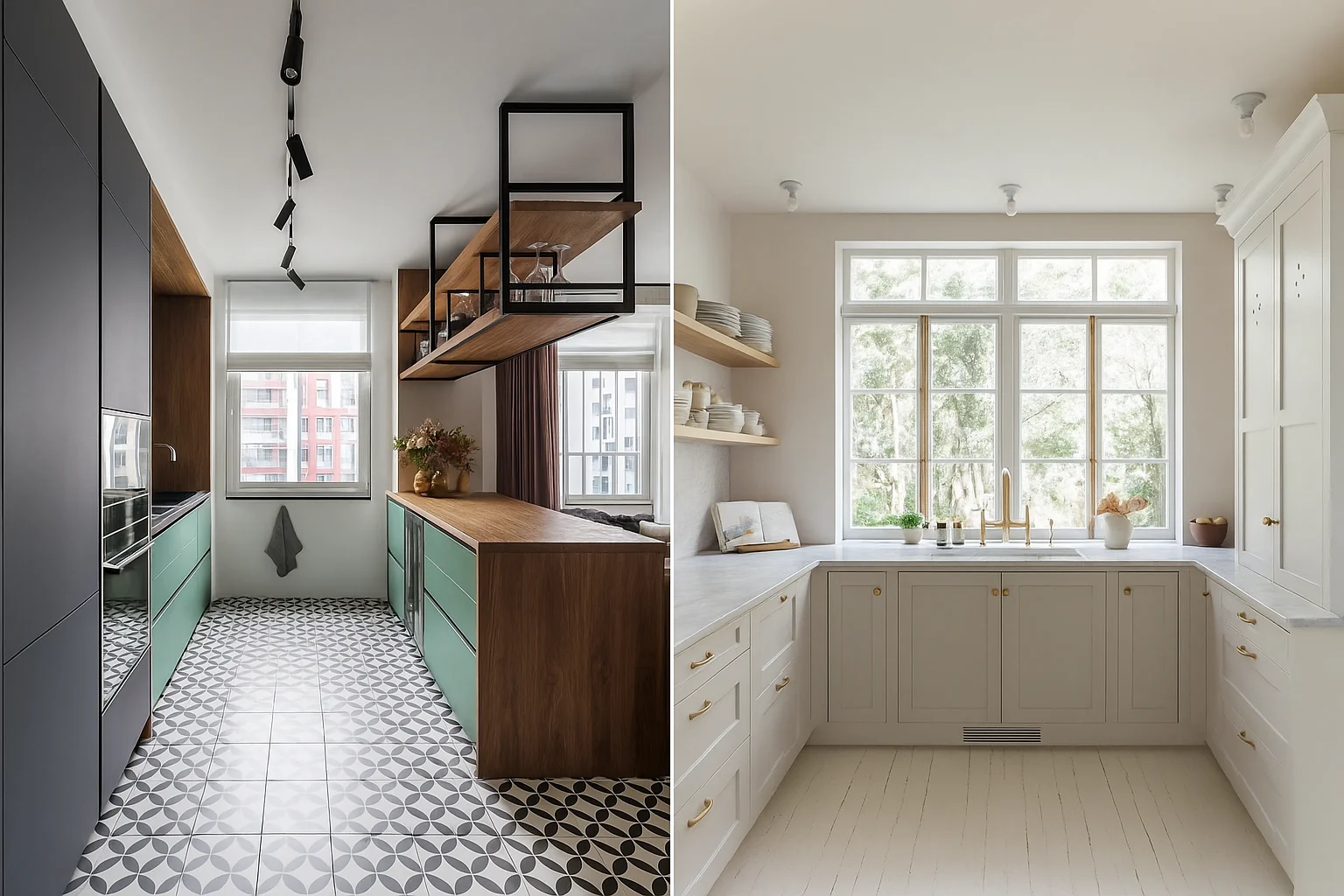
When planning a new kitchen or remodeling your current one, choosing the right kitchen layout is one of the most important design decisions. Two of the most practical and popular options are the galley kitchen and the U-shaped kitchen.
A galley kitchen features two parallel countertops facing each other, creating a streamlined corridor-like workspace. A U-shaped kitchen, on the other hand, has three connected walls or runs of cabinetry forming a “U,” wrapping around the cook for maximum accessibility.
Understanding the difference between these two layouts helps homeowners make the most of their space — balancing workflow, storage, and social interaction. Whether your kitchen is narrow and compact or spacious and open, the right layout can dramatically improve how you cook, move, and connect in your home.
What Is a Galley Kitchen?
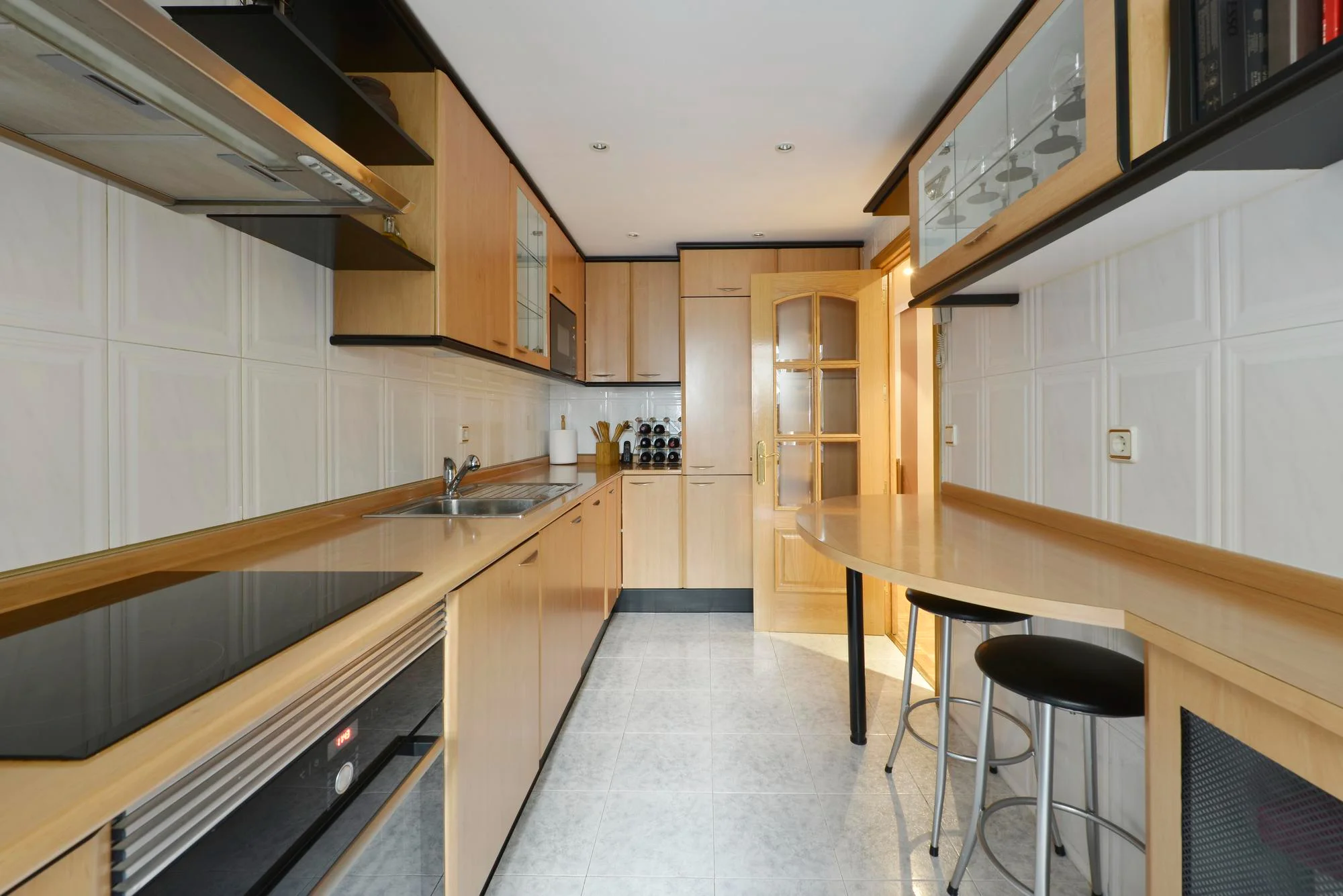
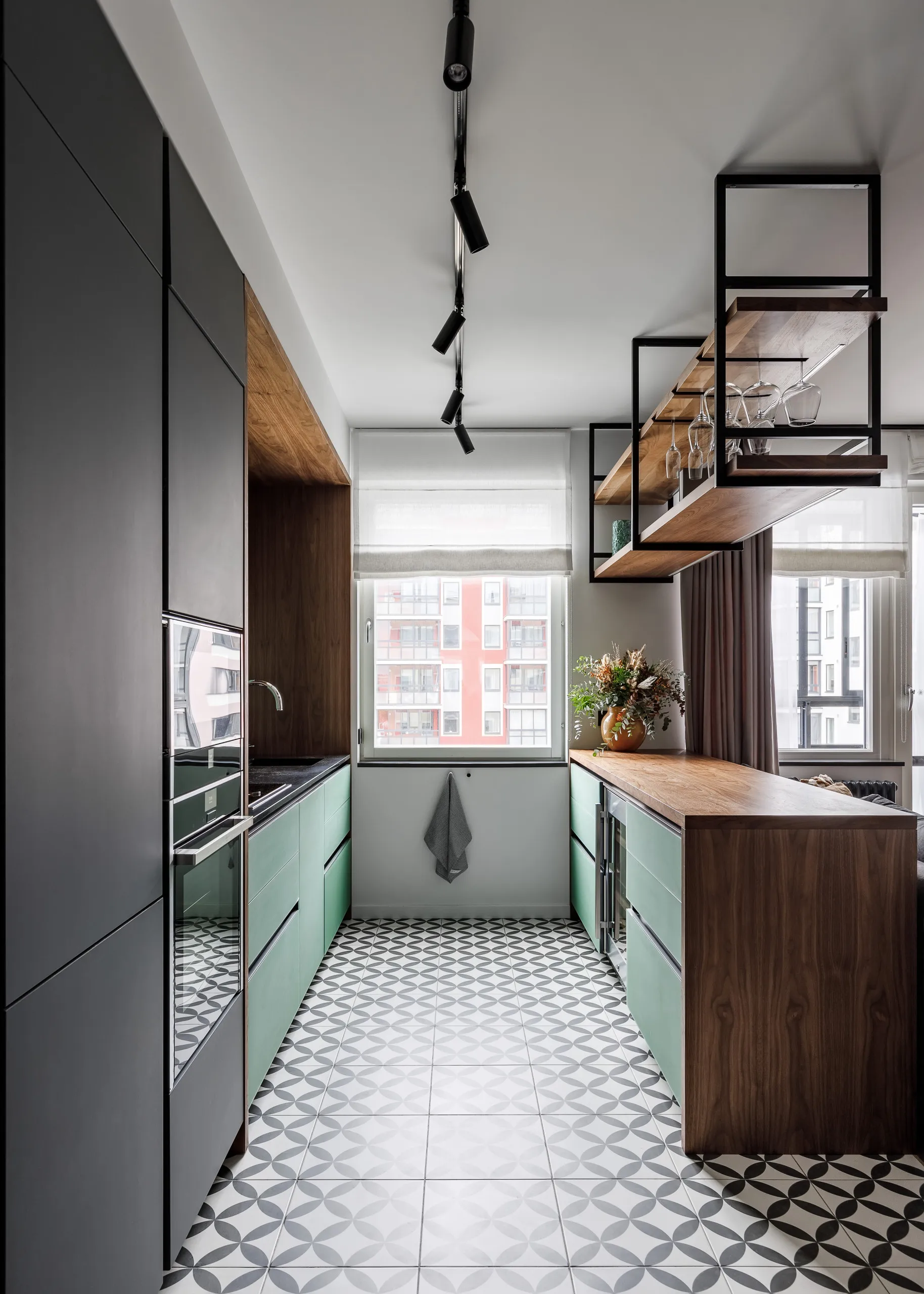
A galley kitchen is designed around two parallel counters or runs of cabinets, often with the sink and stove on one side and storage or prep areas on the other. This setup creates a natural, linear workflow — ideal for efficient movement between the cooking, cleaning, and prep zones.
Galley kitchens work best in narrow or small spaces such as apartments or compact homes. Their symmetrical design minimizes walking distance, allowing one person to cook comfortably without unnecessary movement.
Pros:
Extremely efficient for cooking and cleaning
Maximizes storage in a small footprint
Ideal for one or two users
Cons:
Can feel tight or enclosed if too narrow
Limited space for entertaining or multiple cooks
When designed with proper lighting and smart storage, a galley kitchen can feel surprisingly spacious and functional — a perfect choice for urban living or minimalist homes.
What Is a U-Shaped Kitchen?
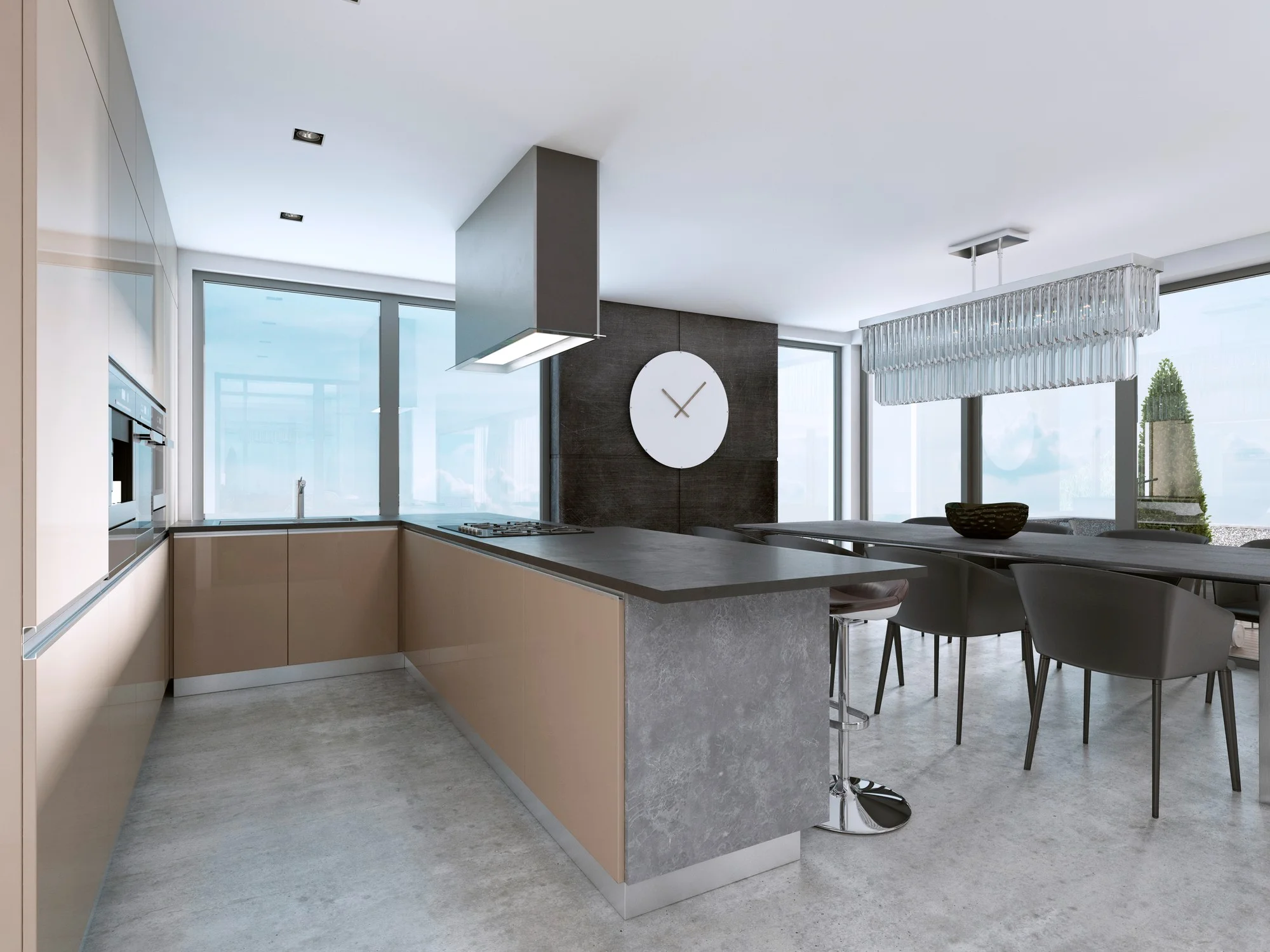
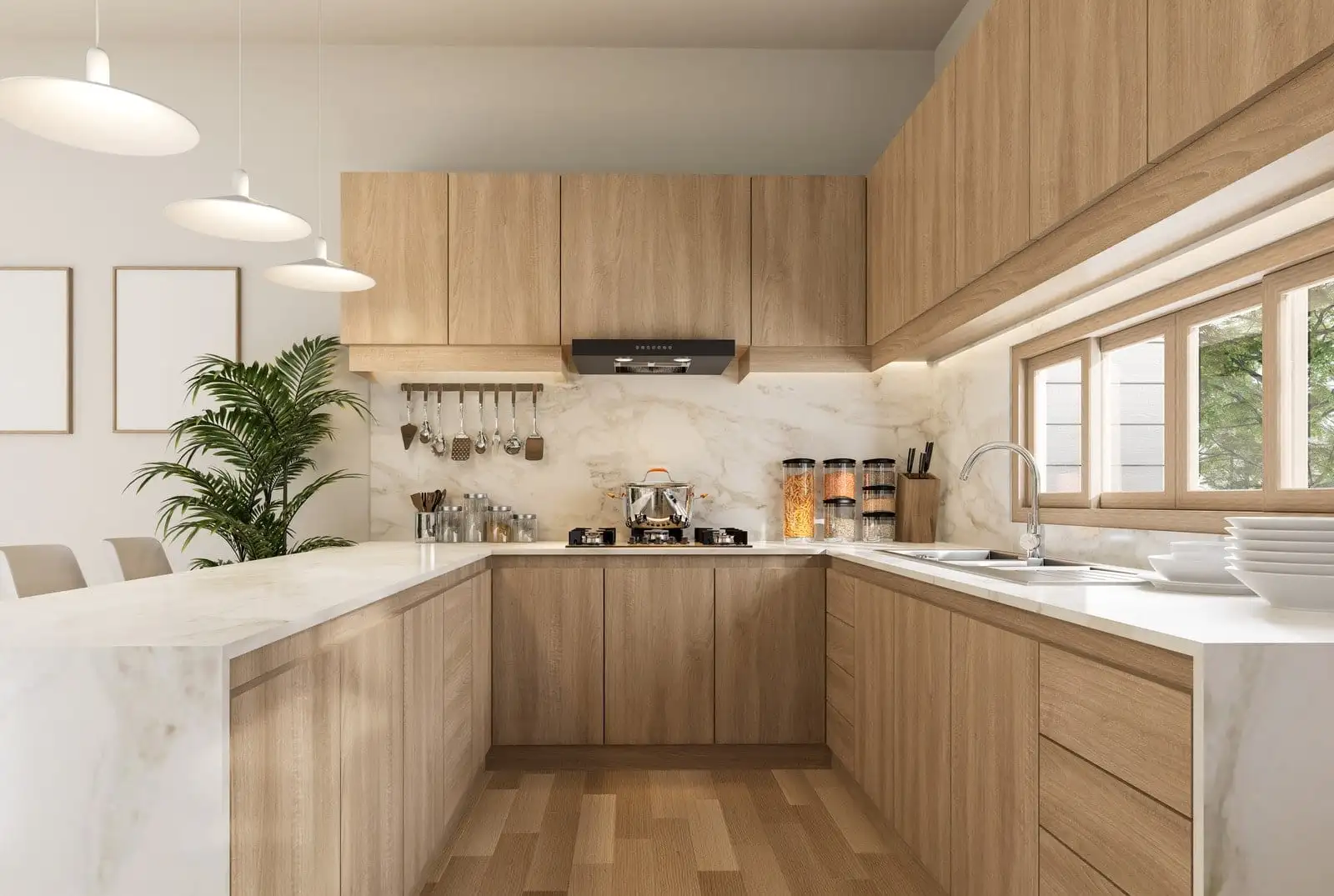
A U-shaped kitchen consists of three connected walls or counters that wrap around the cooking area, forming a “U.” This layout offers abundant counter space and storage while keeping all key appliances within easy reach.
It’s an excellent option for medium-to-large kitchens and households where more than one person cooks or preps food at the same time. With three continuous runs of cabinets, you get clear separation between prep, cooking, and cleaning zones — ideal for efficient workflow.
Pros:
Ample countertop and storage space
Supports multiple users at once
Efficient workflow with defined zones
Cons:
May feel enclosed in smaller spaces
Can limit dining or seating options without reconfiguration
A well-planned U-shaped kitchen can be both functional and inviting. By adding an island or peninsula, you can open up the layout for social interaction while keeping its ergonomic efficiency intact.
Side-by-Side Comparison: Galley vs U-Shaped Kitchen
| Factor | Galley Kitchen | U-Shaped Kitchen | Best For |
|---|---|---|---|
| Space & footprint | Two parallel runs; compact, fits narrow rooms. | Three connected sides; needs more square footage. | Small/long rooms vs. medium-large spaces |
| Workflow & efficiency | Tight work triangle; ideal for solo cooking. | Multiple zones; comfortable for two or more cooks. | Solo efficiency vs. shared cooking |
| Storage & counters | Good vertical storage; limited continuous counter. | Abundant cabinets and long counters; corner solutions needed. | Compact storage vs. maximum capacity |
| Traffic & social use | Best as a focused work zone; tight for gatherings. | Easy to add island/peninsula for seating and chat. | Task-oriented vs. entertaining |
| Cost & remodel complexity | Fewer cabinets/appliances; generally lower cost. | More materials and trades; higher investment. | Budget updates vs. feature-rich remodels |
| Design notes | Keep aisles ~900–1100 mm; avoid through-traffic. | Mind corner access; consider island if space allows. | Efficient narrow plans vs. flexible large layouts |
When choosing between a galley kitchen and a U-shaped kitchen, it helps to see how they perform across key factors like space, workflow, storage, and cost. Each layout has its own strengths — the right one depends on your home size, lifestyle, and cooking habits.
Space & Footprint
A galley kitchen is compact and ideal for small or narrow spaces. It uses every inch efficiently, with two straight runs that keep everything within reach. This layout works well in apartments or homes where space is limited.
A U-shaped kitchen, on the other hand, requires more square footage but offers a more enclosed workspace. It’s perfect for larger homes or open-plan areas where the “U” can partially define the kitchen zone without adding walls.
Verdict:
Small homes → Galley layout
Larger or open spaces → U-shaped layout
Workflow & Efficiency
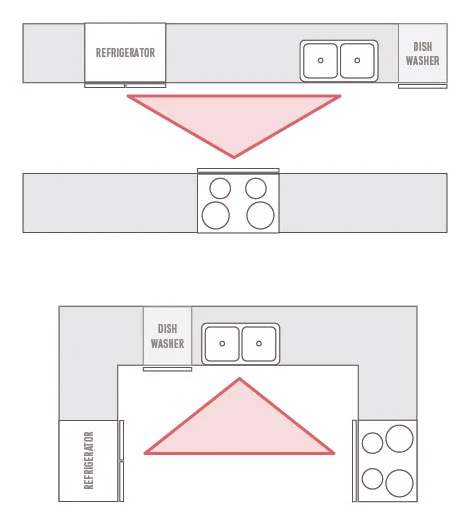
The galley kitchen naturally supports an efficient workflow. Its parallel counters create a tight work triangle between the stove, sink, and refrigerator — minimizing steps and maximizing productivity.
In a U-shaped kitchen, everything also stays close, but with more surface area. This layout allows multiple people to cook or prep at once without crossing paths, which makes it great for families or avid cooks.
Verdict:
Solo cooking → Galley
Shared cooking → U-shaped
Storage & Counter Space
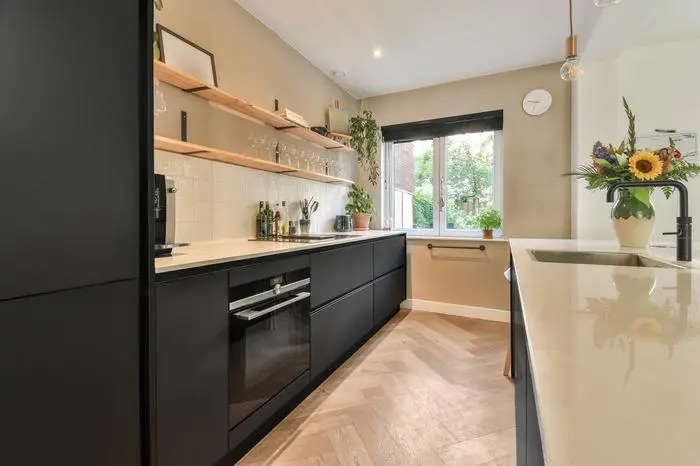
Galley kitchens maximize vertical space, using upper cabinets or tall storage units to make up for their smaller footprint. Counter space can be limited, but smart storage design helps.
U-shaped kitchens shine when it comes to storage. With three full walls of cabinetry and countertop runs, there’s room for everything — from pantry goods to large appliances. Corners can be tricky, but modern pull-out solutions fix that easily.
Verdict:
Compact yet efficient storage → Galley
Maximum storage and counter space → U-shaped
Traffic & Social Interaction
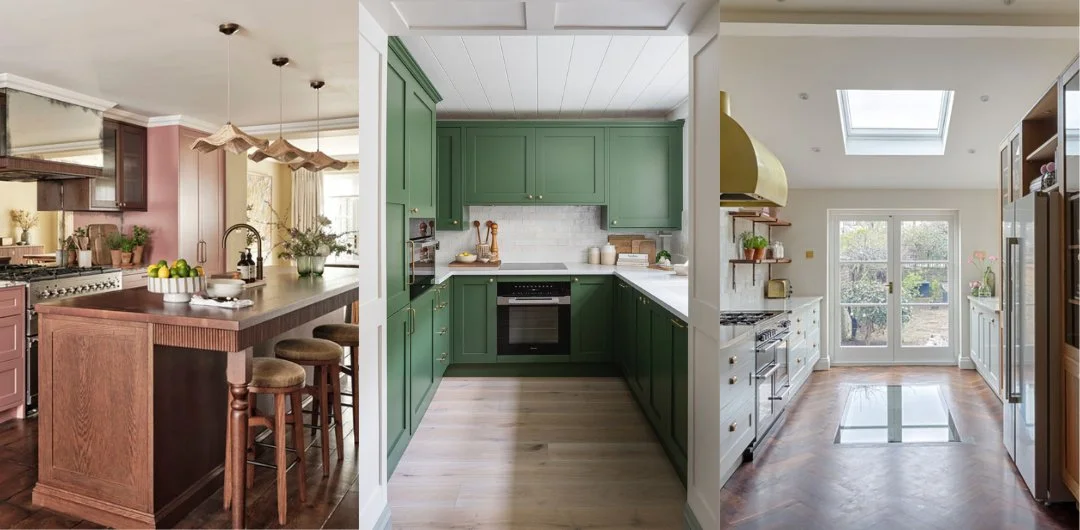
A galley kitchen works best as a work zone, not a gathering spot. It’s efficient but limited when multiple people want to move through or chat.
A U-shaped layout offers better flow for socializing, especially when paired with a breakfast bar, island, or open connection to the dining area. It allows you to cook and entertain without feeling isolated.
Verdict:
Focused and functional → Galley
Social and spacious → U-shaped
Cost & Remodel Complexity
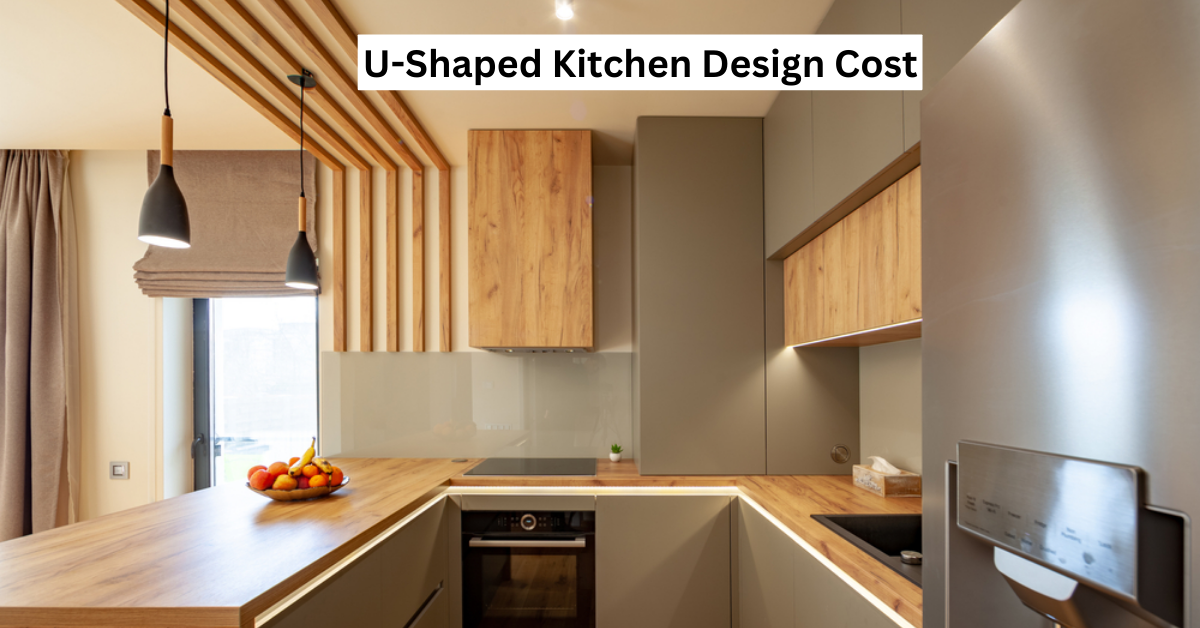
Galley kitchens are generally more budget-friendly. With fewer cabinets, counters, and fixtures, they’re easier and cheaper to build or remodel.
U-shaped kitchens require more materials, more cabinetry, and often more complex installation — especially if plumbing or electrical work spans three sides. However, the investment pays off in added functionality and resale appeal.
Verdict:
Lower cost, simpler remodel → Galley
Higher investment, long-term value → U-shaped
Which Layout Fits Your Home & Lifestyle?
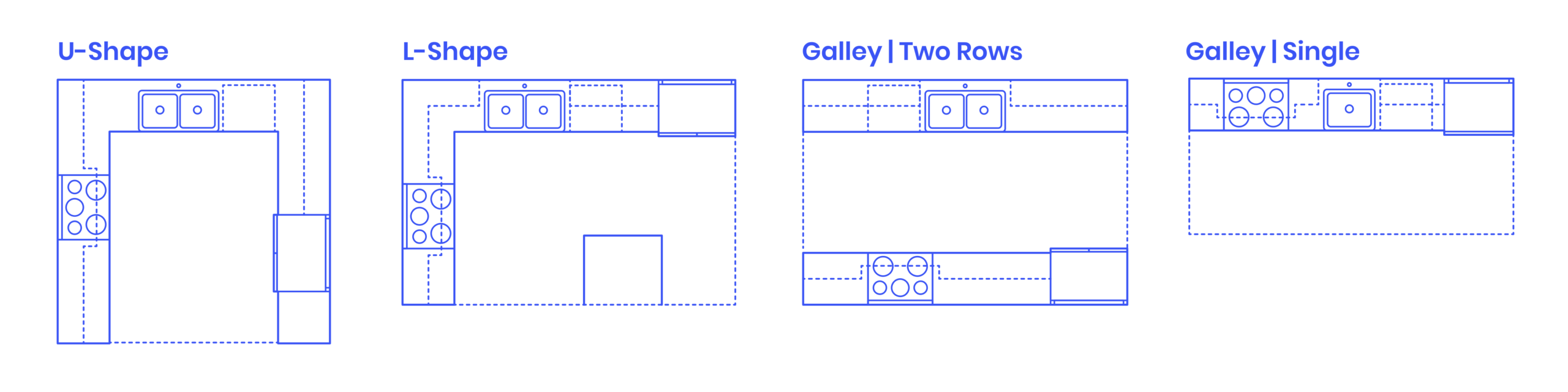
When deciding between a galley kitchen and a U-shaped kitchen, the best choice depends on your home’s size, how you cook, and how you use the space day to day.
If you live in a narrow home or apartment, the galley layout is your friend. It makes the most of limited space, keeping everything within reach for one or two people. The streamlined design ensures efficient movement and easy cleaning — perfect for compact living.
For larger spaces or family homes, a U-shaped kitchen offers more freedom. With three sides of counters, it provides room for multiple cooks, extra storage, and a natural division between prep, cooking, and dining zones. You can even add an island or peninsula for seating and socializing without losing functionality.
Key questions to guide your choice:
How many people cook at once?
Do you prefer open entertaining or a defined workspace?
What is your kitchen’s width and shape?
What’s your renovation budget?
Answering these honestly will point you toward the layout that fits your lifestyle best.
Design & Practical Tips for Each Layout
For Galley Kitchens:
Keep walkway width between 900–1100 mm for comfort.
Avoid through-traffic that cuts across the cooking zone.
Maximize vertical storage with tall cabinets and pull-outs.
Use light colors or reflective finishes to make the space feel open.
For U-Shaped Kitchens:
Prevent the kitchen from feeling isolated—open one side toward the dining area.
Use corner solutions like lazy Susans or pull-out shelves to optimize storage.
If space allows, include an island or breakfast bar for balance and social interaction.
Shared Tips for Both Layouts:
Maintain clear zoning—prep, cook, and clean areas should flow naturally.
Plan lighting layers (ambient, task, and accent) to make the space functional and warm.
Ensure proper ventilation, especially if one side faces living areas.
Integrate storage smartly—think deep drawers, organized pantries, and appliance garages for a tidy look.
With thoughtful planning, both galley and U-shaped kitchens can be efficient, comfortable, and tailored to your lifestyle — it’s all about matching the design to the way you live and cook.
Ready to Plan Your Perfect Kitchen?
Whether you’re working with a narrow apartment galley or a spacious U-shaped kitchen, the right layout can completely transform how you cook and live. Our design experts can help you create a kitchen that’s efficient, safe, and beautifully tailored to your space.
Contact us today to get professional guidance, personalized layout suggestions, and start turning your kitchen vision into reality.
FAQs
What is the difference between a galley kitchen and a U-shaped kitchen?
A galley kitchen features two parallel runs of cabinetry with a central walkway, ideal for compact spaces. A U-shaped kitchen wraps around three walls, offering more counter and storage space in a larger footprint.
What is the disadvantage of the U-shaped kitchen?
U-shaped kitchens may feel enclosed, require sufficient space to avoid crowding, and may include awkward corner cabinets that are hard to access.
What is a common disadvantage of a galley kitchen?
Galley kitchens can feel cramped for multiple users, allow limited counter or storage space, and often become bottlenecked by traffic if the walkway is narrow.
Is the U-shaped kitchen outdated?
No — the U-shaped kitchen remains a strong choice, especially for families or multiple-cook households; it is not outdated but demands careful design to avoid visual isolation.
 English
  Arabic
  Spanish
  Japanese
  Russian
  Korean