

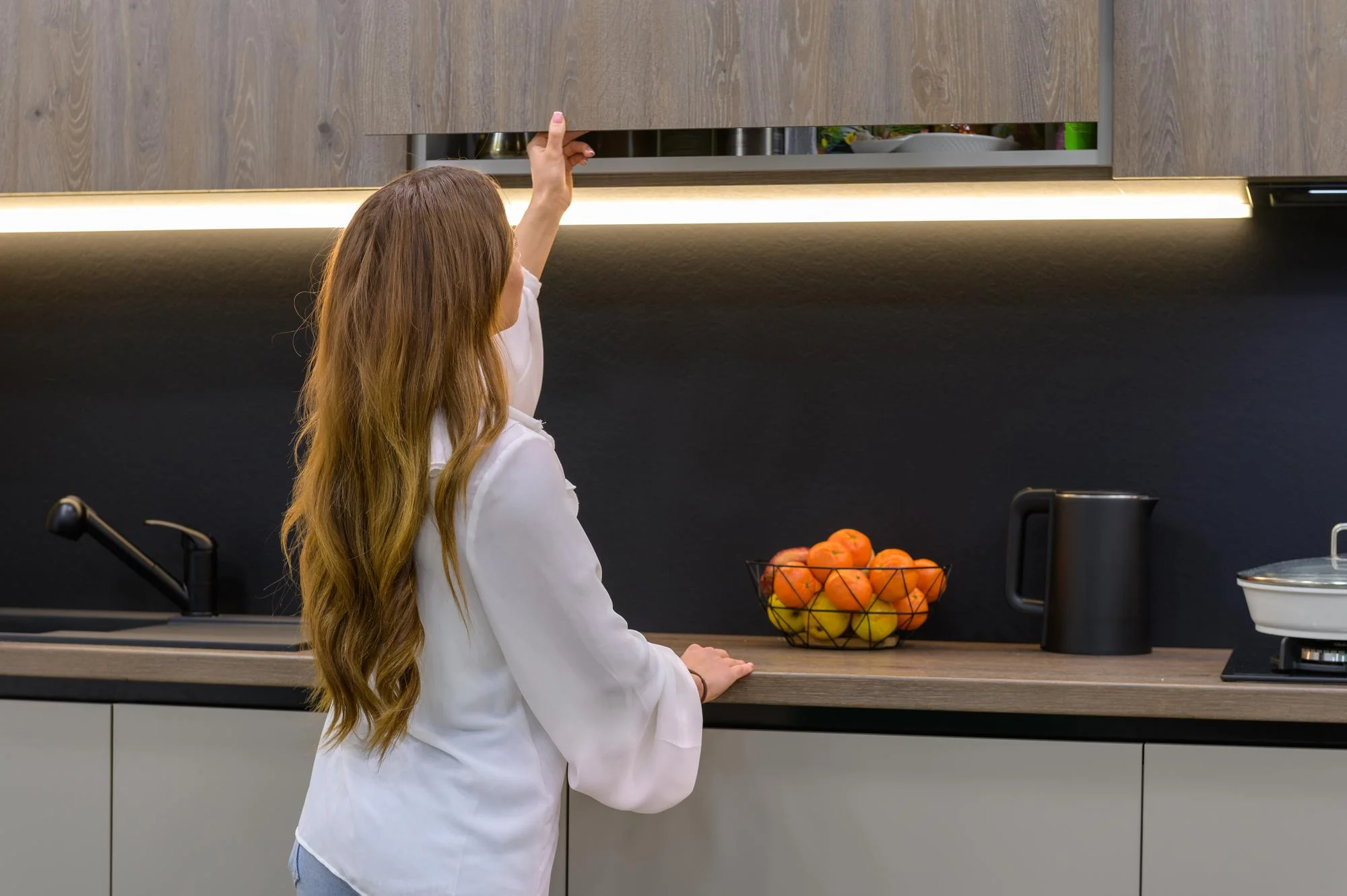
What Is Color Temperature in Kitchen Lighting?
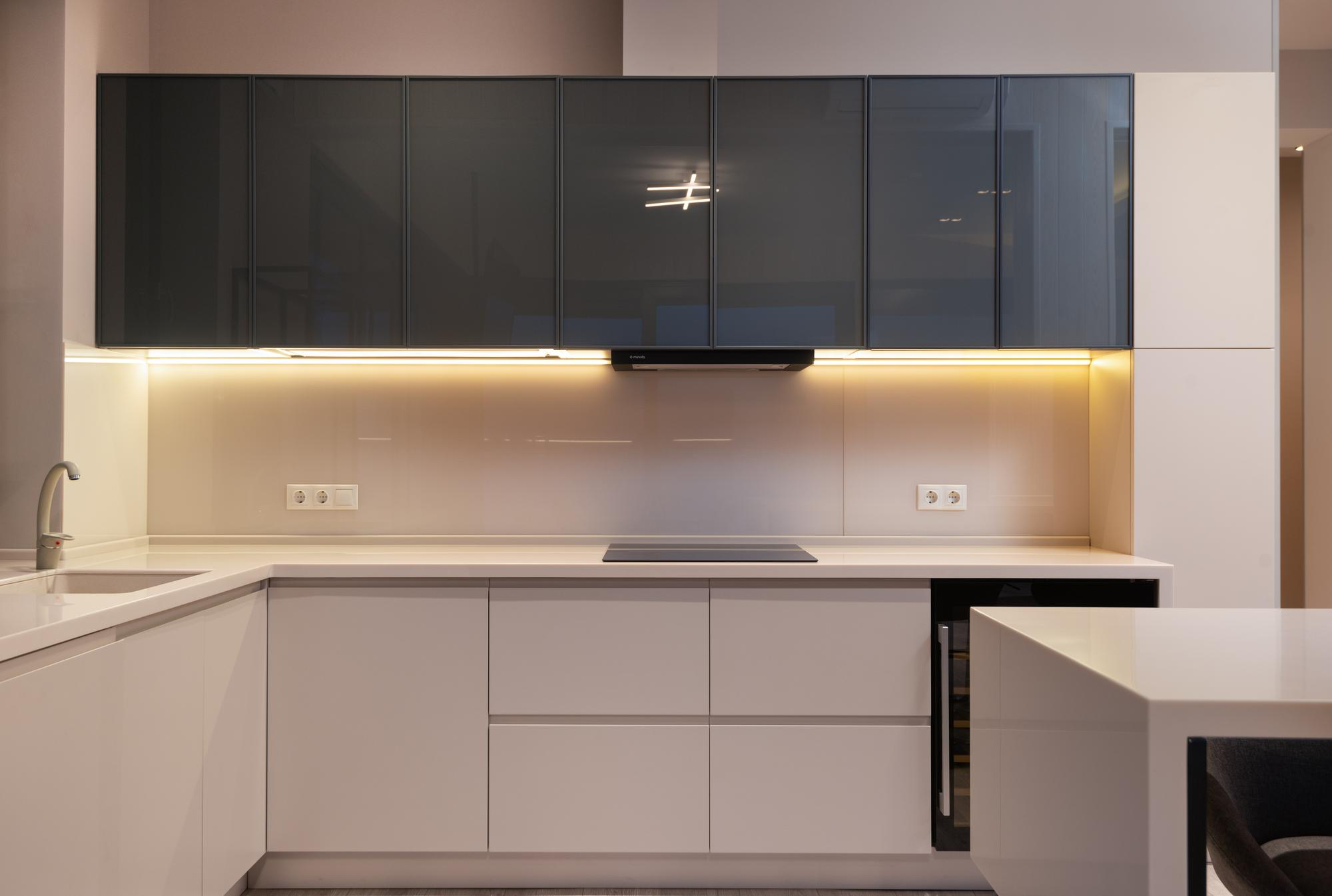
Color temperature describes how light looks in your kitchen. It is measured in Kelvin (K).
Lower numbers (around 2700K) create a warm, yellow-toned light that feels soft and cozy. Higher numbers (4000K and above) produce a cooler, bluish light that looks brighter and sharper.
In kitchens, color temperature usually ranges from 2700K to 5000K. Choosing the right level helps balance comfort and visibility, especially for cooking and daily tasks.
Best Color Light for Kitchen
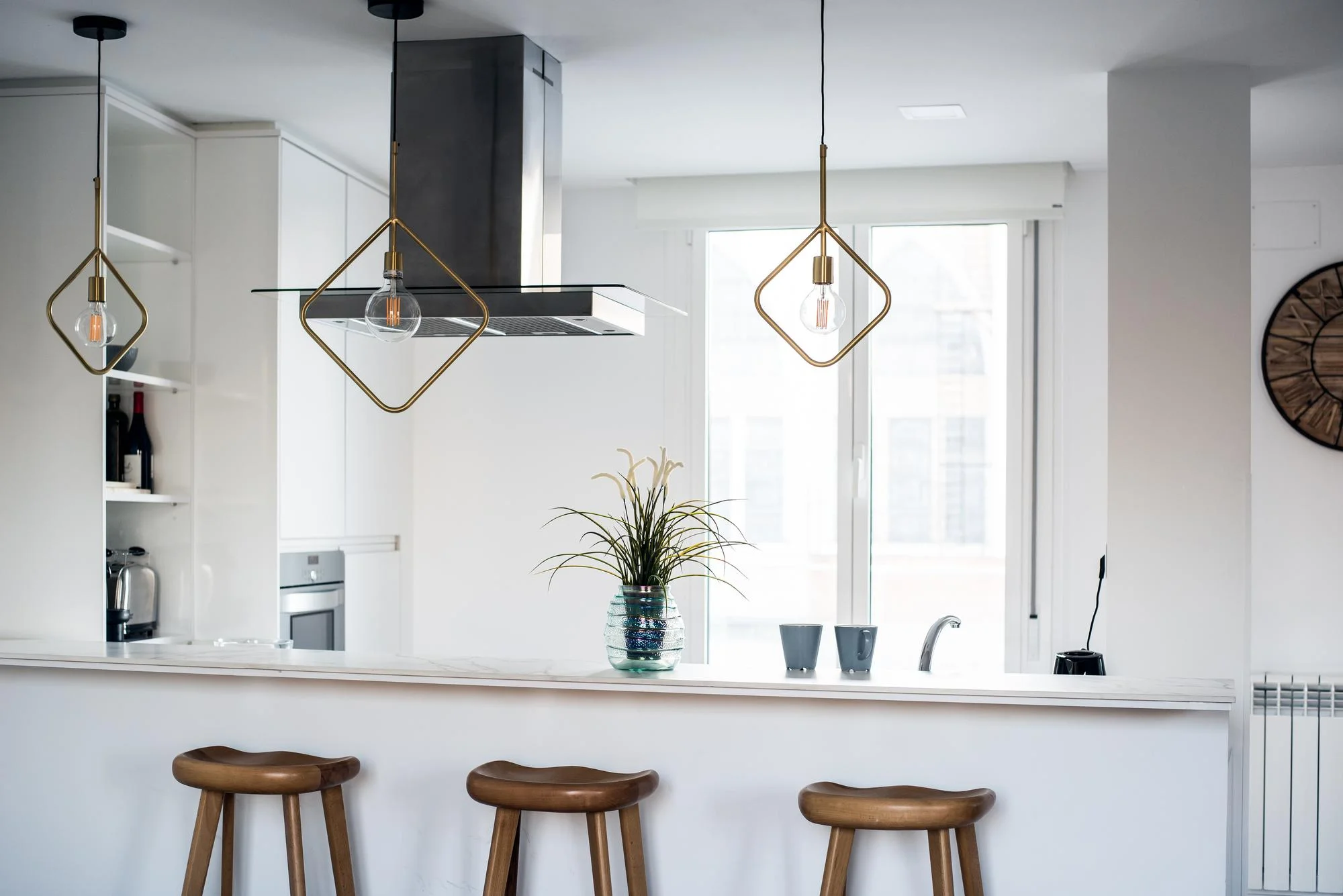
This range gives you a good balance between warmth and brightness. It feels comfortable while still providing enough light for cooking and cleaning.
- 2700K–3000K (Warm White): Soft and cozy, great for dining areas
- 3500K–4000K (Cool White): Bright and clear, ideal for food prep
- 5000K+ (Daylight): Very bright but often too harsh for home kitchens
A mix of warm and cool lighting works best for both function and atmosphere.
Warm vs Cool Light for Kitchen
| Light Type | Kelvin Range | Color Feel | Best Use | Main Advantage | Possible Drawback |
|---|---|---|---|---|---|
| Warm White | 2700K–3000K | Soft, yellow, cozy | Dining areas, pendant lights, relaxed kitchens | Creates a comfortable and inviting mood | May feel too dim for detailed food prep |
| Cool White | 3500K–4000K | Bright, clean, neutral to slightly cool | Cooking zones, under-cabinet lights, worktops | Improves visibility for cooking and cleaning | Can feel less cozy if used everywhere |
| Daylight | 5000K+ | Very bright, sharp, bluish | Task-heavy areas or special work lighting | Offers strong brightness and clear visibility | Often too harsh for most home kitchens |
Cool White vs Daylight Lighting for Kitchen
Best Light Color by Kitchen Area
Not all parts of your kitchen need the same lighting. Choosing the right color temperature for each area helps improve both function and comfort.
Ceiling / Ambient Lighting
Your main ceiling lights set the overall mood of the kitchen.
A range of 3000K–3500K works best. It provides balanced light that feels comfortable without being too warm or too harsh. This makes the space bright enough for daily use while still feeling welcoming.
Under-Cabinet / Task Lighting
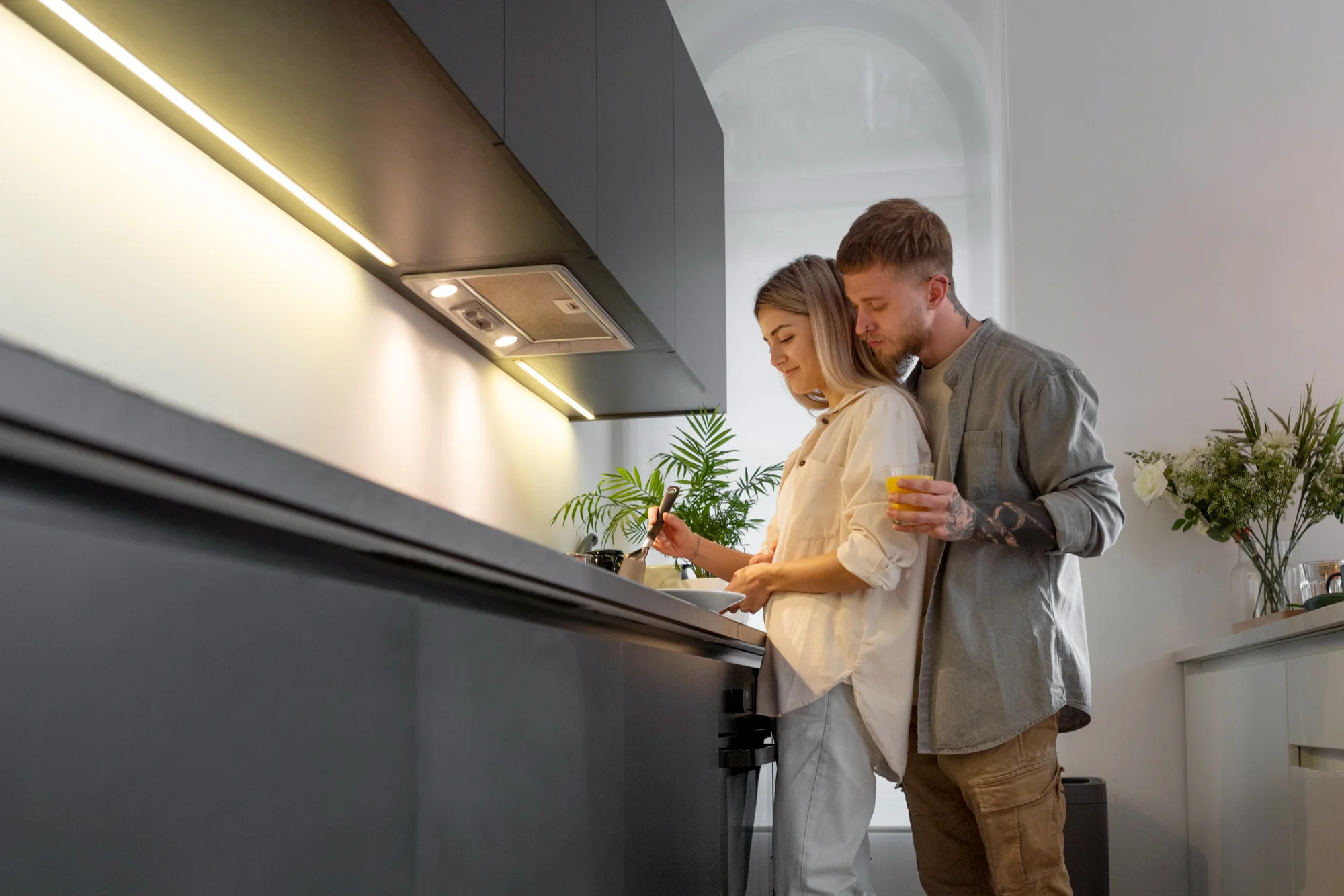
Task lighting is where visibility matters most.
Use 4000K–4500K for under-cabinet lighting. This cooler, brighter light helps you see clearly when cutting, cooking, or cleaning. It reduces shadows and improves accuracy in food preparation.
Island / Pendant Lighting
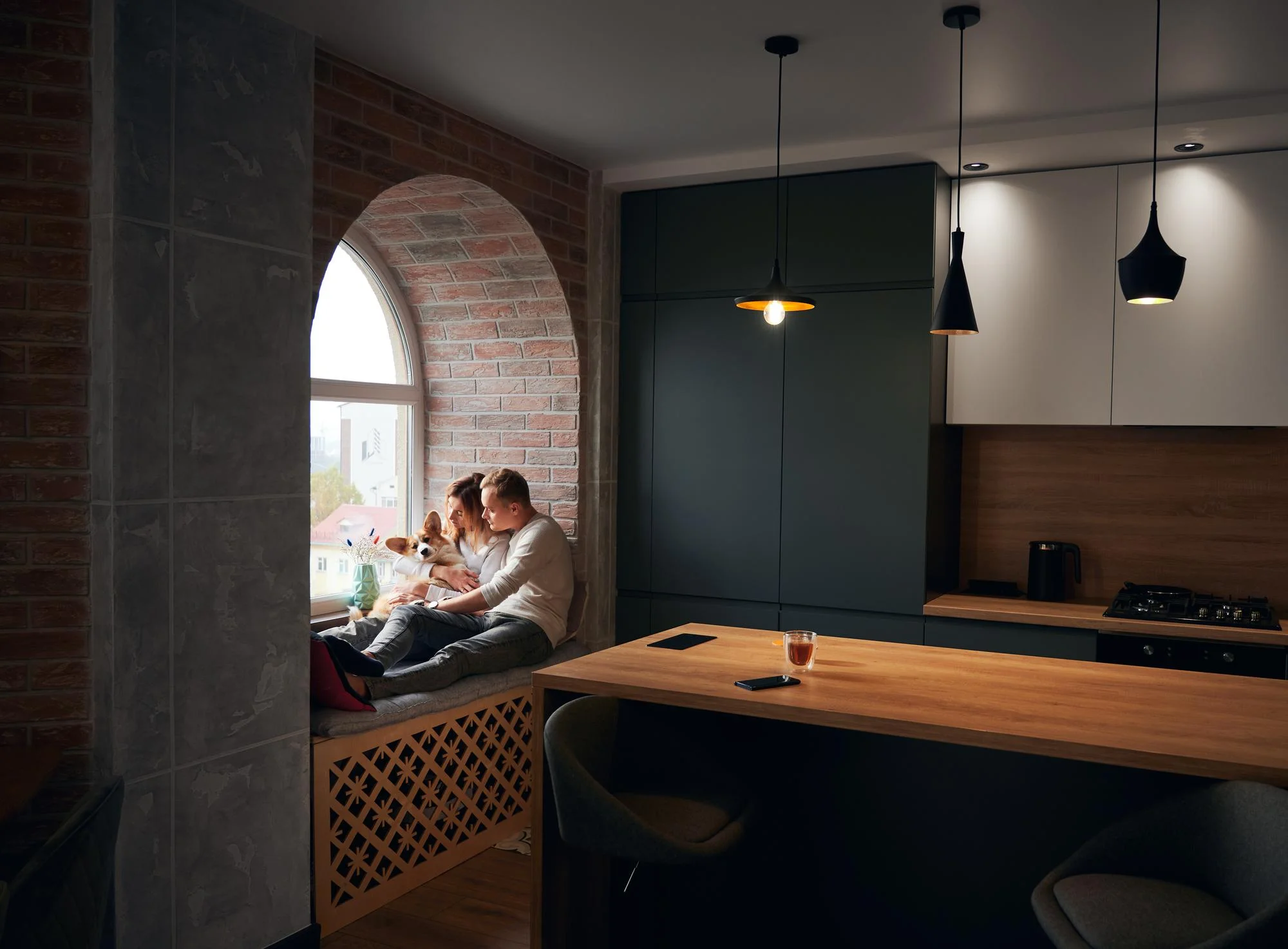
Island lighting is often both functional and decorative.
A warmer range of 2700K–3000K works best here. It creates a relaxed and inviting feel, making the kitchen island a comfortable space for dining, chatting, or gathering.
How to Choose the Right Light Color
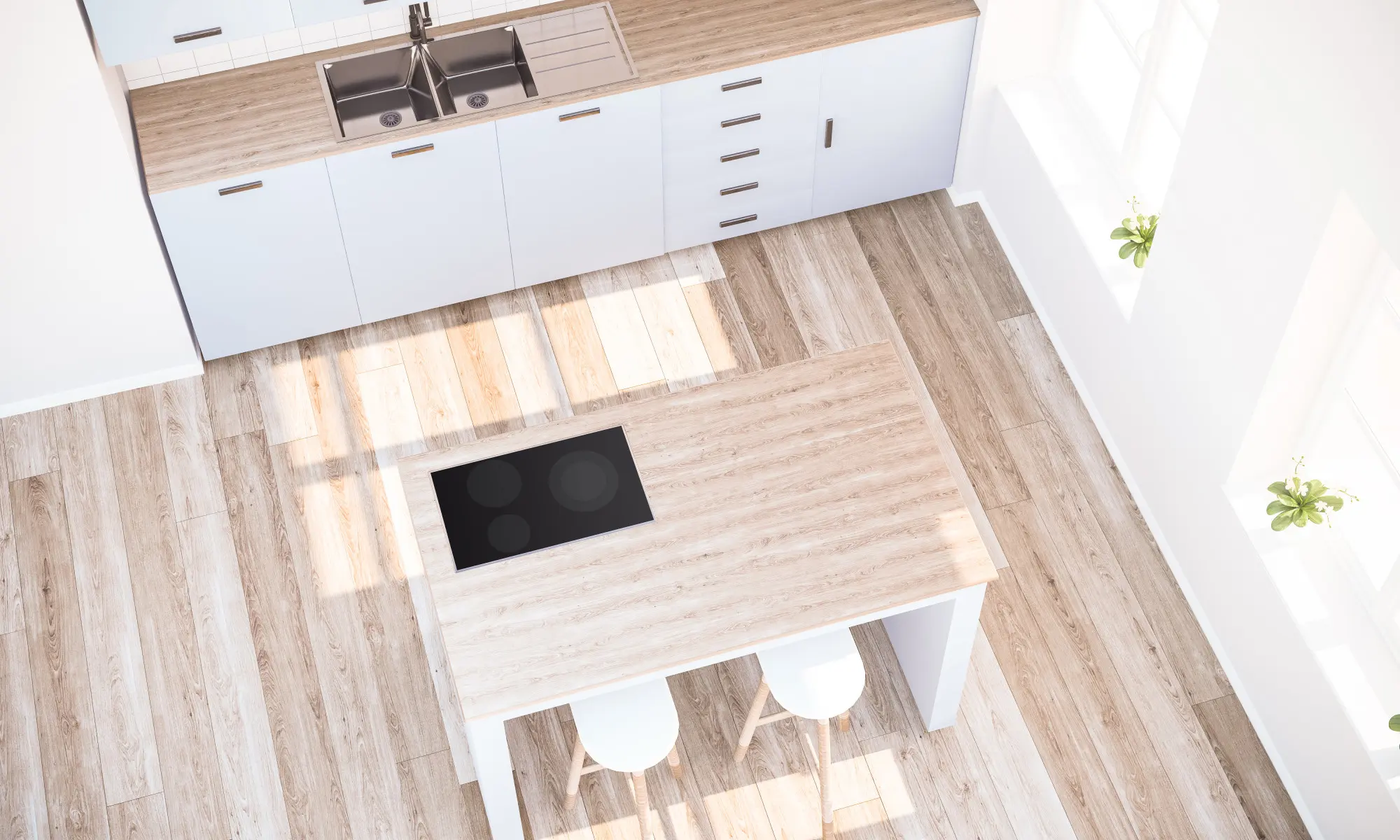
Choosing the right light color for your kitchen is about balancing comfort, visibility, and style. A well-lit kitchen should feel inviting while still being practical for daily tasks.
Match light to function: Use cooler light (3500K–4000K) for cooking areas and warmer light (2700K–3000K) for dining spaces
Consider your kitchen style: Modern kitchens often use neutral or cool light, while traditional kitchens feel better with warm tones
Work with natural light: Dark kitchens benefit from warmer tones, while bright kitchens can handle cooler light
Layer your lighting: Combine ambient, task, and accent lighting for the best results
Keep consistency: Avoid mixing very different color temperatures in one view
Think long-term: Choose lighting that stays comfortable for daily use, not just looks good
A balanced lighting plan makes your kitchen both functional and visually pleasing.
Common Mistakes to Avoid
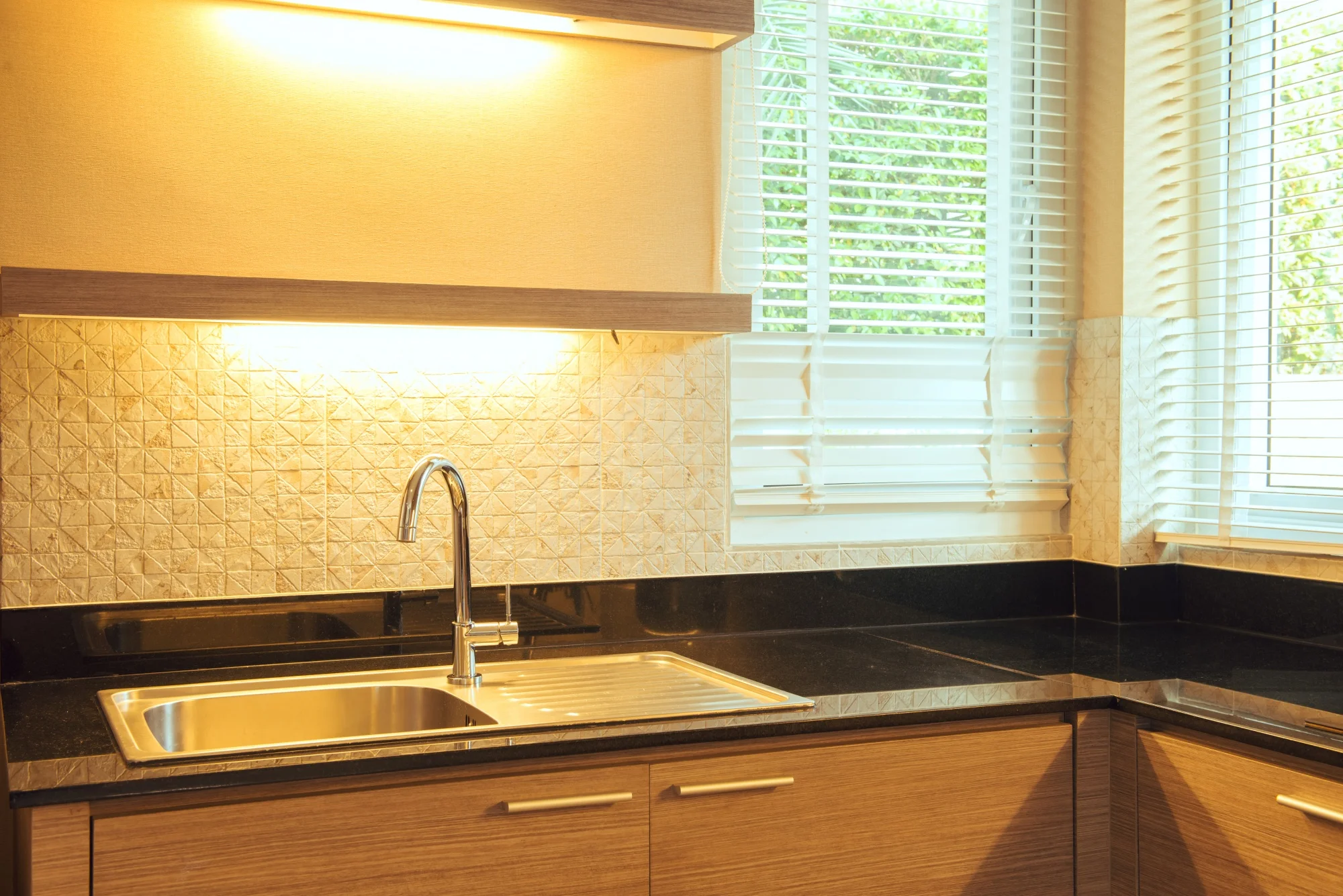
Many lighting issues come from small mistakes that affect both comfort and usability. Avoiding these can make a big difference.
Using one light color everywhere: This makes the kitchen feel flat and less functional
Choosing overly cool lighting: Light above 5000K can feel harsh and uncomfortable
Ignoring task lighting: Poor lighting over work areas makes cooking harder
Mixing mismatched color temperatures: This creates an uneven and distracting look
Focusing only on brightness: Color temperature matters just as much as brightness
Overlooking dimmable options: Fixed lighting limits flexibility for different times of day
Good lighting is not just bright—it’s balanced, layered, and suited to how you use your kitchen.
FAQs
What is the best color light for a kitchen?
The best light color is 3000K–4000K. It balances warmth and brightness, making the kitchen comfortable while still providing clear visibility for cooking.
Is 3000K or 4000K better for kitchen?
Both work well. 3000K is warmer and more relaxing, while 4000K is brighter and better for cooking tasks. Many kitchens use a mix of both.
Should a kitchen have warm or cool lighting?
A kitchen should have both. Use warm lighting for ambiance and cool lighting for task areas like countertops and cooking zones.
Is 4000K or 6500K better for kitchens?
4000K is better for most kitchens. It provides clear light without being harsh, while 6500K is often too bright and uncomfortable for home use.


 English
  Arabic
  Spanish
  Japanese
  Russian
  Korean
  French
  Italian