

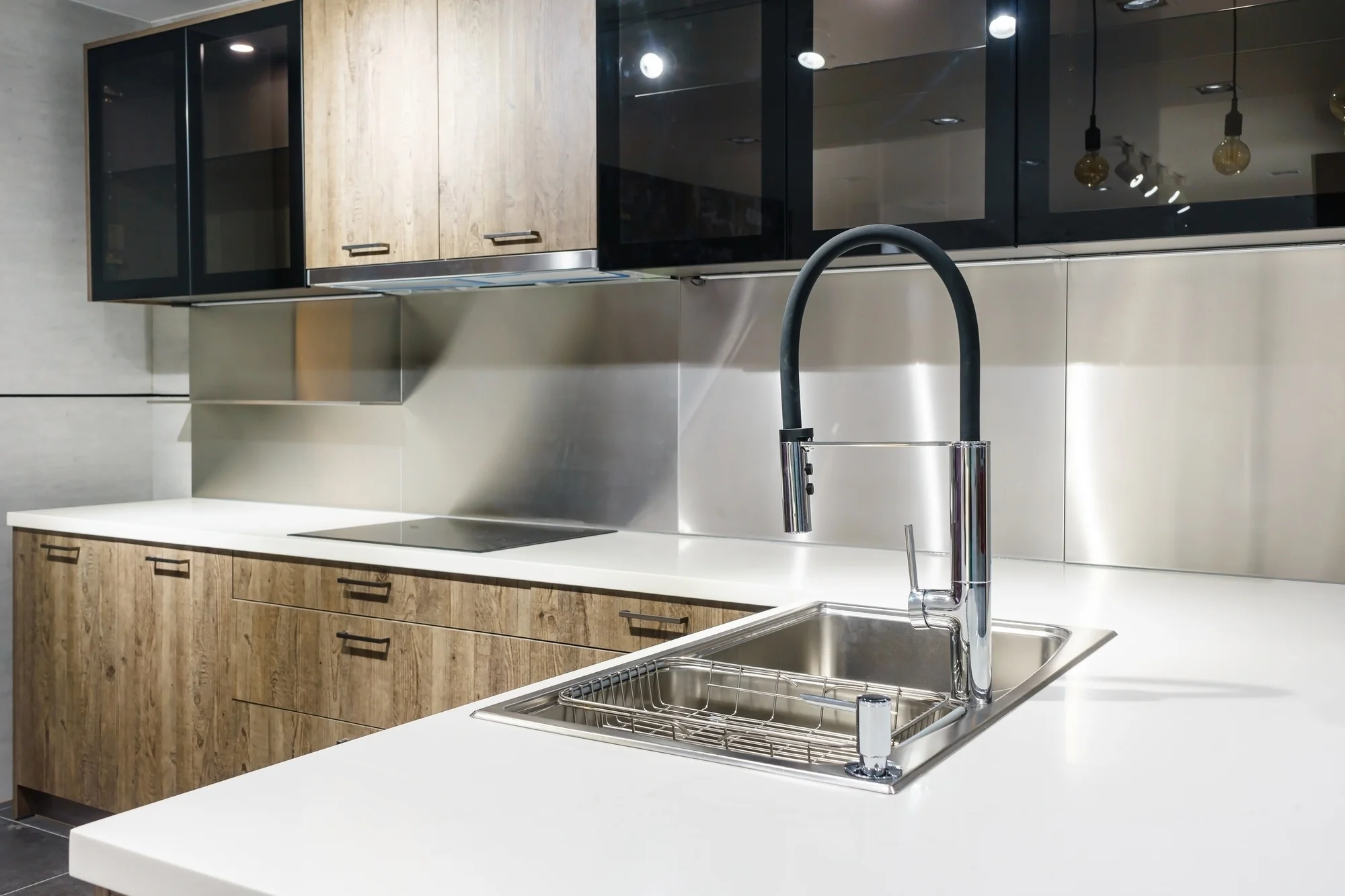
Types of Kitchen Sinks by Installation Style
When choosing a kitchen sink, installation style is one of the most important factors. It affects how your sink looks, how easy it is to clean, and how complex the installation will be. Below are the most popular options and what makes each one unique.
Undermount Sinks (Modern & Seamless)
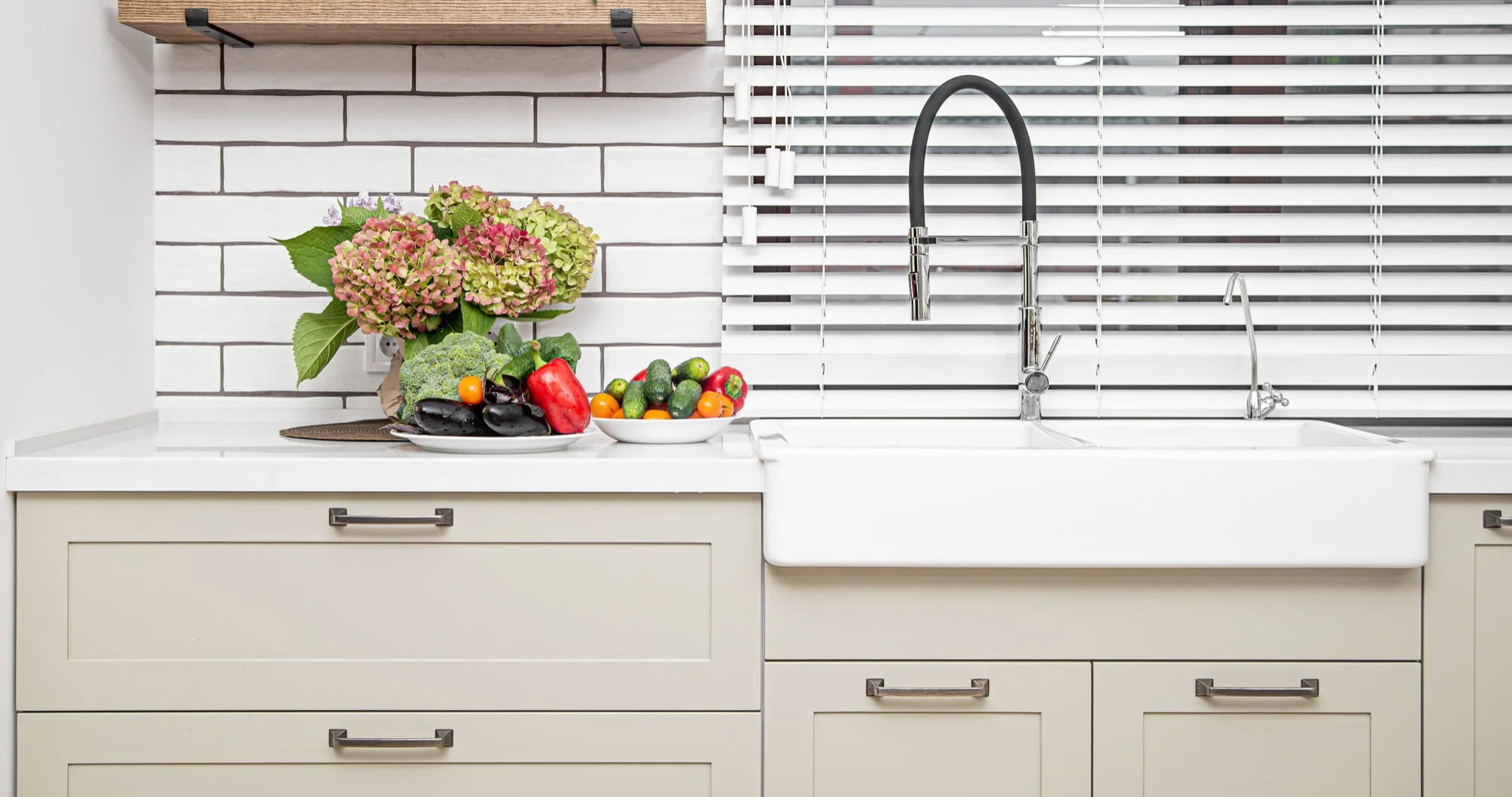
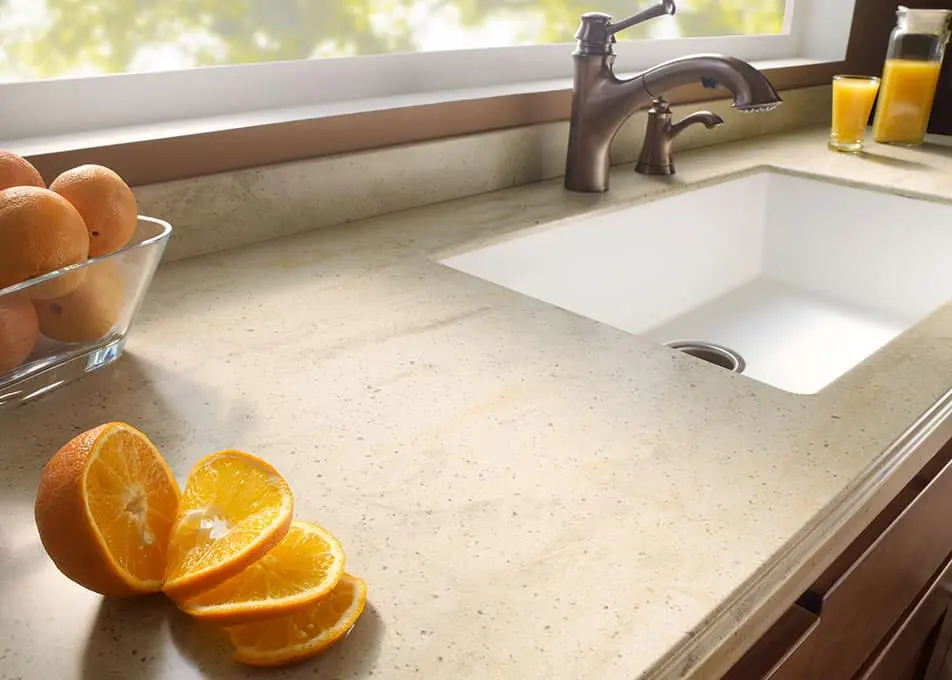
Undermount sinks are installed below the countertop, creating a smooth and seamless surface. This design is popular in modern kitchens because it looks clean and uncluttered.
One of the biggest advantages is how easy it is to clean. You can wipe crumbs and water directly from the counter into the sink without any edge in the way. This makes daily maintenance faster and more convenient.
Key benefits:
Sleek, minimalist appearance
No rim to trap dirt or debris
Easy countertop cleaning
Things to consider:
Requires solid countertop materials like stone or quartz
Professional installation is usually needed
Undermount sinks are a great choice if you want a modern look and low-maintenance cleaning.
Drop-In (Top-Mount) Sinks (Budget-Friendly)
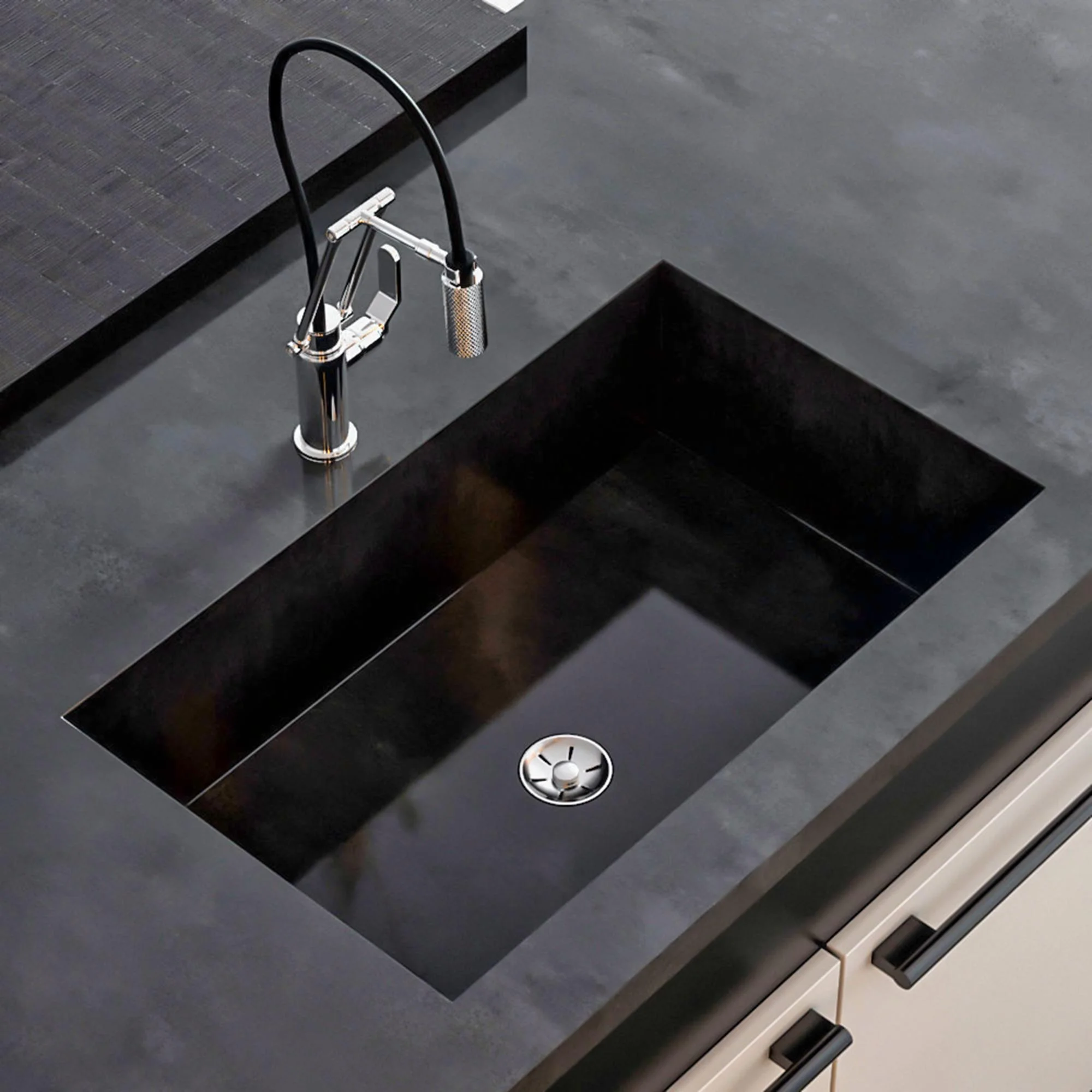
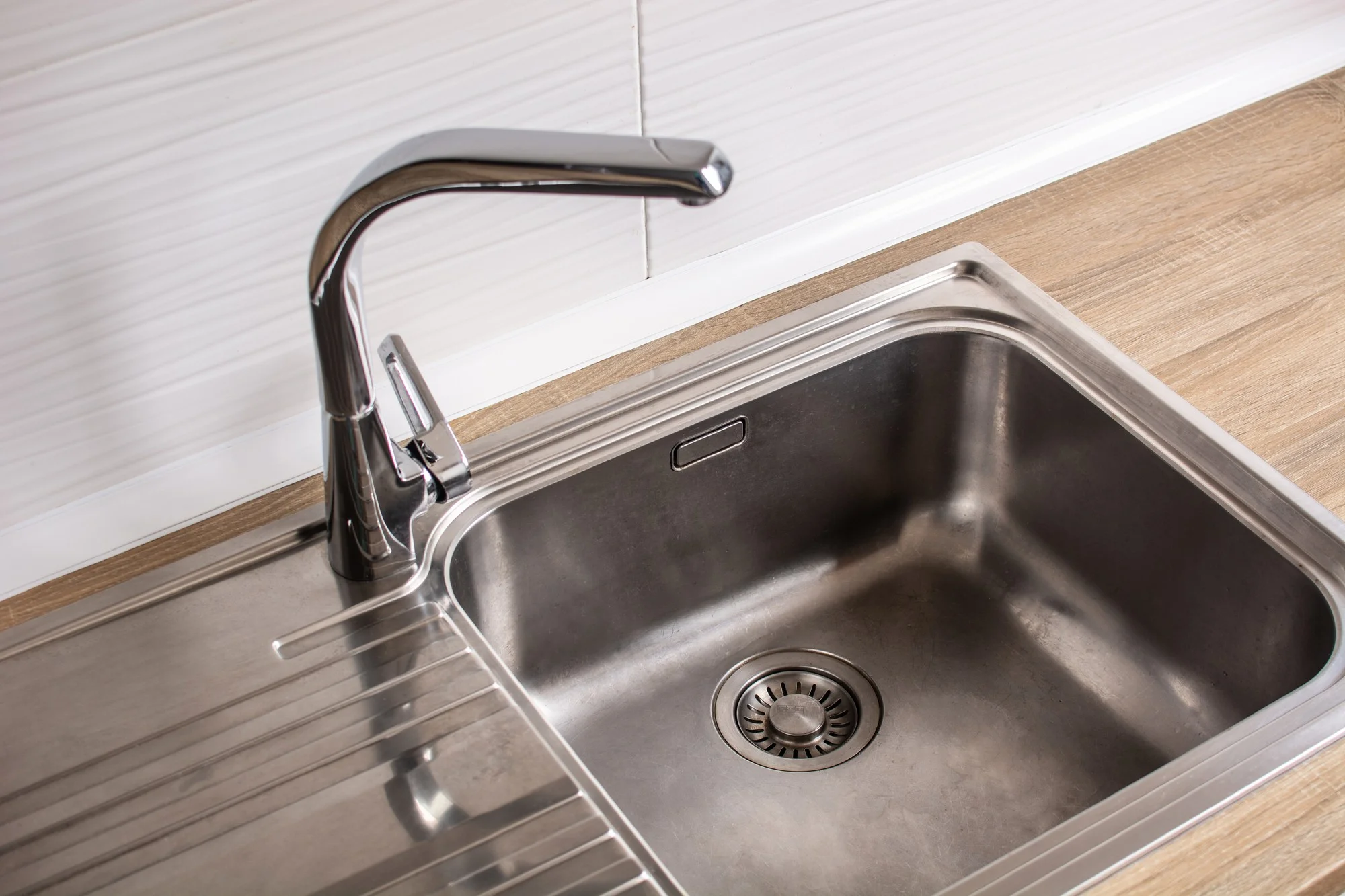
Drop-in sinks, also called top-mount sinks, are installed from above the countertop. The rim sits on top and supports the sink, making installation simple and secure.
This is one of the most common and affordable sink types. It works with almost any countertop material, including laminate, and is often easy enough for DIY installation.
Key benefits:
Lower cost compared to other styles
Simple installation process
Compatible with most countertops
Things to consider:
Visible rim can collect dirt and water
Slightly harder to clean around edges
Drop-in sinks are ideal if you’re looking for a practical, budget-friendly option that still performs well.
Farmhouse (Apron-Front) Sinks (Statement Style)
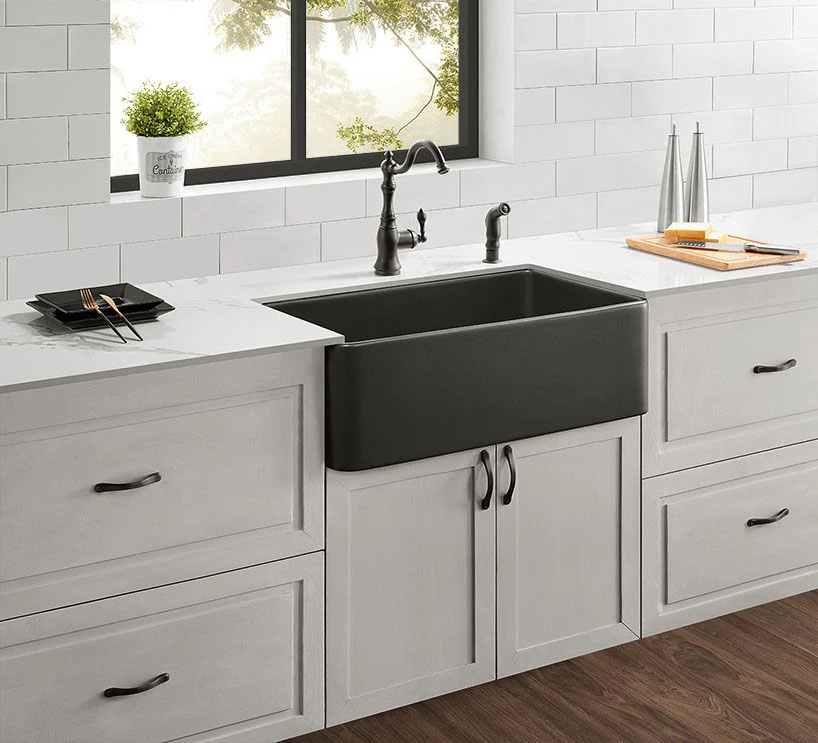
Farmhouse sinks, also known as apron-front sinks, are designed to stand out. The front of the sink is exposed, creating a bold and stylish focal point in the kitchen.
These sinks are usually deeper and wider than standard models, making them perfect for washing large pots, pans, and baking trays. They also bring the sink closer to you, which can reduce strain when doing dishes.
Key benefits:
Large capacity for heavy-duty use
Strong visual impact and design appeal
Comfortable and ergonomic design
Things to consider:
Requires custom cabinet adjustments
Higher cost and more complex installation
Farmhouse sinks are a great option if you want both function and a standout design in your kitchen.
Types of Kitchen Sinks by Functionality
Beyond style and installation, functionality plays a big role in how your sink performs day to day. The right setup can make cooking, cleaning, and prep work much easier. Here are the most common functional sink types and how they fit different needs.
Single Bowl Sinks
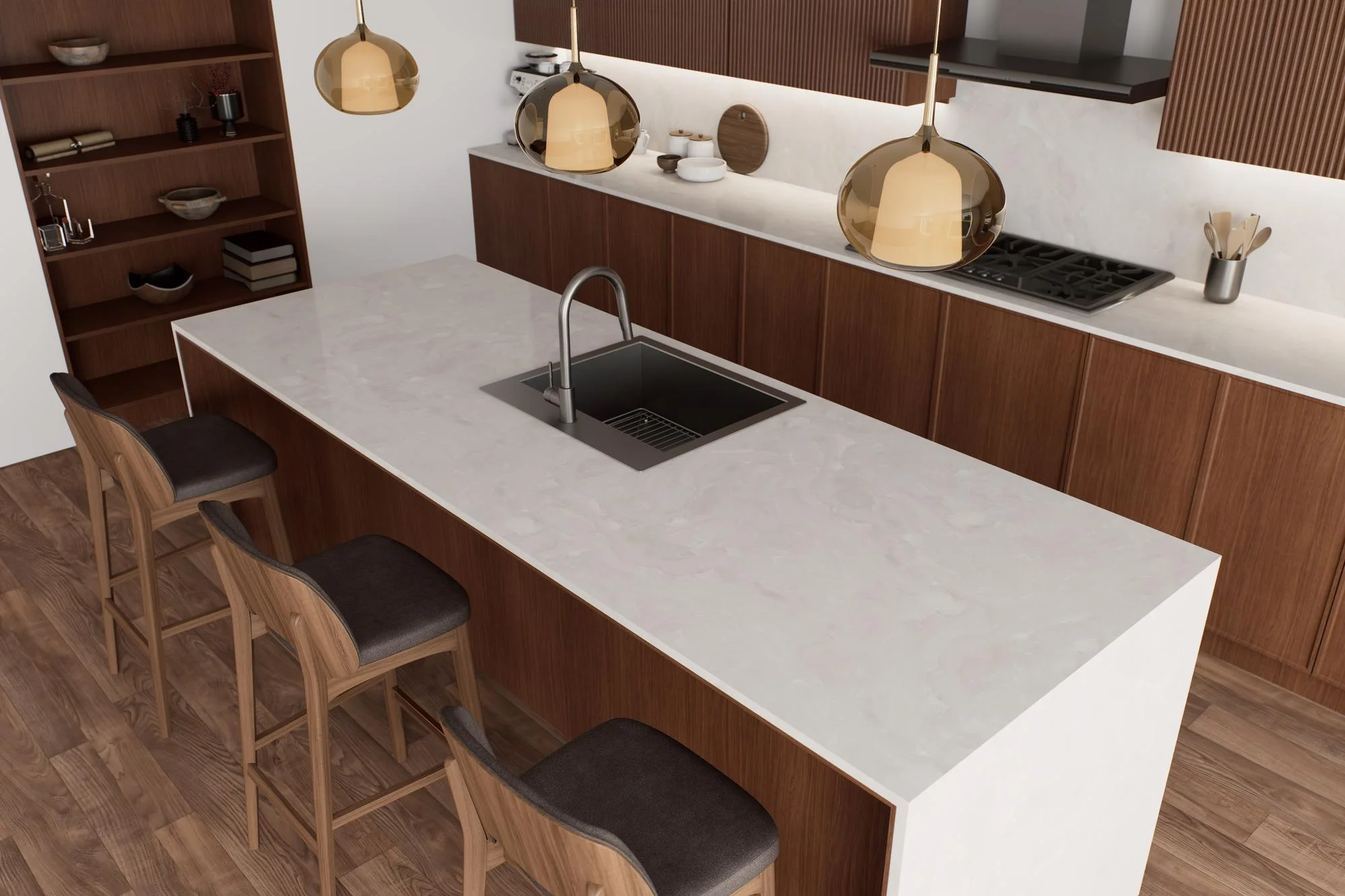
Single bowl sinks feature one large, open basin with no divider. This simple design gives you maximum space, making it easier to wash oversized pots, pans, and baking trays.
They are a great choice for busy kitchens where handling large items is a priority. The open layout also makes cleaning quicker since there are no corners or dividers to work around.
Key benefits:
- Large, uninterrupted space
- Ideal for bulky cookware
- Easy to clean and maintain
Best for: households that cook often and need room for big items.
Double Bowl Sinks
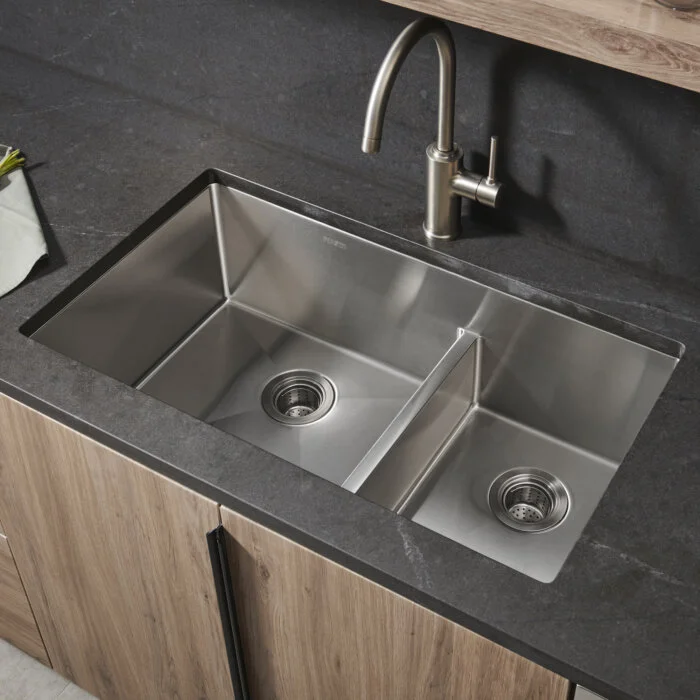
Double bowl sinks are divided into two separate compartments. This setup allows you to multitask, such as washing dishes on one side while rinsing or drying on the other.
Some designs offer equal-sized bowls, while others combine a large and small section for added flexibility.
Key benefits:
- Supports multiple tasks at once
- Helps keep clean and dirty items separate
- Flexible layout options
Best for: kitchens where efficiency and organization are important.
Workstation Sinks
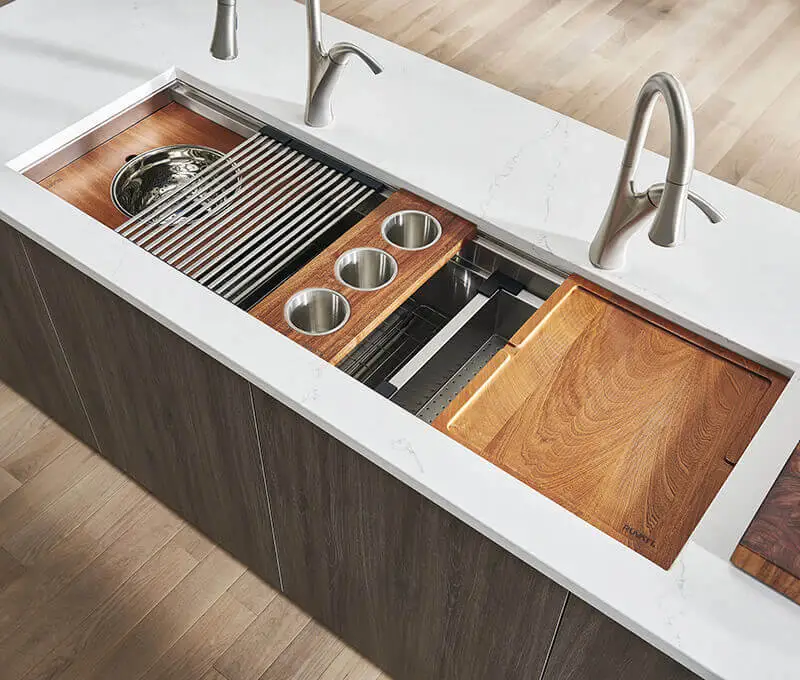
Workstation sinks are designed to do more than just hold water. They come with built-in accessories like cutting boards, colanders, drying racks, and sliding trays.
These features turn your sink into a multi-use prep station, helping you save counter space and streamline your workflow.
Key benefits:
- Maximizes kitchen efficiency
- Saves counter space
- Includes useful built-in tools
Best for: modern kitchens focused on functionality and space optimization.
Bar or Prep Sinks
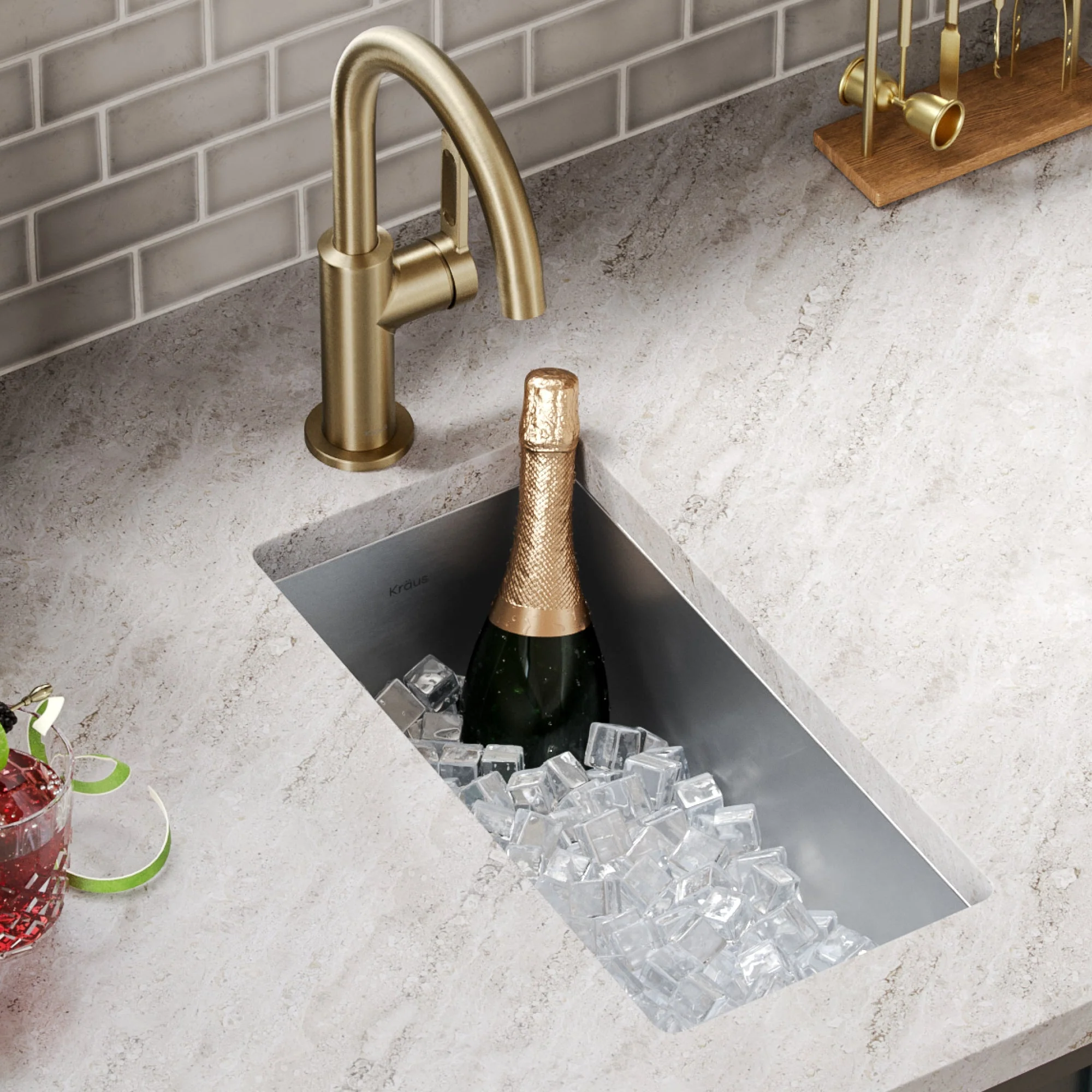
Bar or prep sinks are smaller sinks typically installed as a secondary station. They are often used for food prep, drink preparation, or in compact kitchen layouts.
These sinks are perfect for adding convenience without taking up much space.
Key benefits:
- Compact and space-saving
- Adds a dedicated prep or drink area
- Useful in islands or small kitchens
Best for: homes that need extra functionality in limited space or want a secondary sink area.




 English
  Arabic
  Spanish
  Japanese
  Russian
  Korean
  French
  Italian