
Main Parts of a Window at a Glance
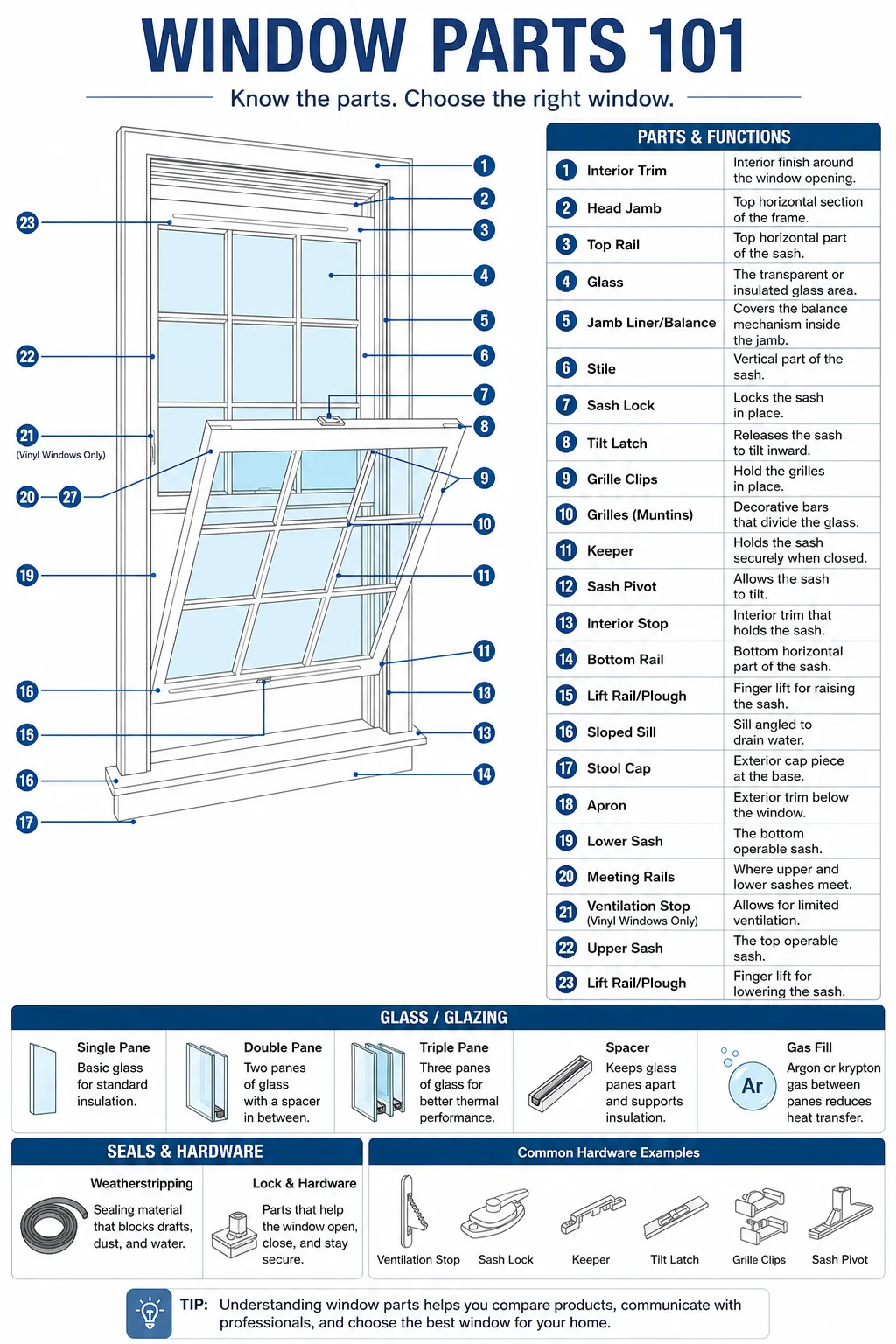
Understanding the basic parts of a window can make it much easier to talk with contractors, choose the right window style, or handle simple maintenance at home. Each component has a specific job that affects how the window looks, opens, seals, and protects your home from weather. Here’s a quick breakdown of the most important window parts.
Window Frame
The frame is the outer structure that holds the entire window together and attaches it to the wall. It supports all other window components.Window Sash
The sash is the movable or fixed part that holds the glass panes in place. In double-hung windows, the sash slides up and down.Glass Pane
The glass pane is the transparent section of the window. Modern windows may use double or triple panes for better insulation and energy efficiency.Sill
The sill is the bottom horizontal part of the window frame. It helps support the window and directs water away from the house.Jamb
Jambs are the vertical sides of the window frame. They provide structural support and guide the sash when opening or closing.Head
The head is the top horizontal section of the window frame. It connects the jambs and helps stabilize the entire window structure.Casing
Window casing is the decorative trim around the window frame. It improves appearance while also helping seal gaps between the wall and frame.Hardware
Window hardware includes locks, handles, hinges, cranks, and tracks. These parts allow the window to open, close, lock, and function properly.Weatherstripping
Weatherstripping seals small gaps around the window sash and frame. It helps prevent drafts, moisture leaks, and energy loss.
Understanding the Window Frame
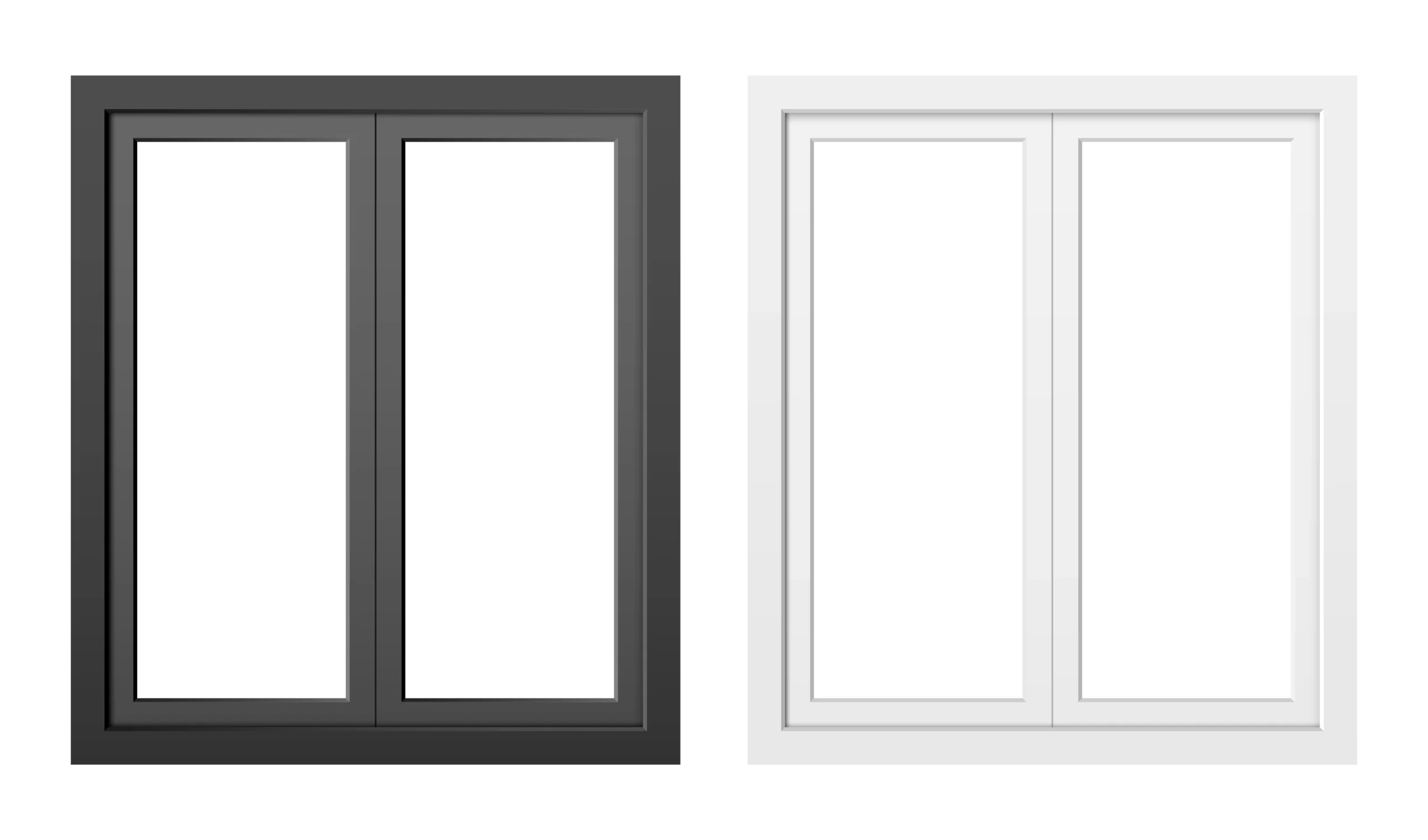
The window frame is the main structure that holds the entire window together. It supports the glass, sash, and hardware while helping keep out moisture, air, and outdoor noise. Understanding the key frame parts makes window maintenance and replacement much easier.
Head
The head is the top horizontal part of the window frame. It connects both side jambs and helps provide structural strength and stability for the entire window.
Jamb
The jambs are the vertical sides of the frame. They support the sash and often contain tracks, balances, or hinges that help the window open and close smoothly.
Sill
The sill is the bottom horizontal section of the frame. Its main job is to support the window and direct rainwater away from the house to prevent moisture damage.
Frame Materials
- Vinyl – Affordable, energy efficient, and low maintenance
- Wood – Classic appearance with natural insulation
- Aluminum – Strong, lightweight, and modern looking
- Fiberglass – Durable, weather resistant, and energy efficient
- Composite – Combines strength, insulation, and low maintenance qualities
Window Sash Components Explained
The window sash is one of the most important parts of a window. It holds the glass panes in place and allows the window to open and close properly. Different sash components work together to provide stability, smooth movement, and energy efficiency. Understanding these parts can help homeowners identify common window problems and choose better replacement windows.
What Is a Window Sash?
A window sash is the framed section that surrounds and secures the glass pane. Depending on the window style, the sash may be fixed or movable.
- Operable sash – Can slide, swing, or open for ventilation
- Fixed sash – Stays permanently sealed and does not open
The sash also plays a major role in insulation and weather sealing. A damaged sash may lead to drafts, condensation, or difficulty opening the window.
Rails
Rails are the horizontal parts of the sash frame. They connect the vertical stiles and help support the glass.
The check rail is where the upper and lower sashes meet in double-hung windows. It helps create a tighter seal when the window is closed, improving energy efficiency and reducing air leaks.
Stiles
Stiles are the vertical sides of the sash. They provide structural support and help keep the sash square and stable during operation. Strong stiles are important for smooth opening and long-term durability.
Balances & Tracks
Balances and tracks help the sash move smoothly when opening or closing the window. Window balances counter the sash weight, making operation easier.
Common homeowner issues include:
- Sticking or hard-to-open windows
- Broken balance springs
- Dirty or damaged tracks
- Uneven sash movement
- Drafts from worn components
Regular cleaning and maintenance can help extend the life of these window parts and improve window performance.
Glass & Energy-Efficiency Parts
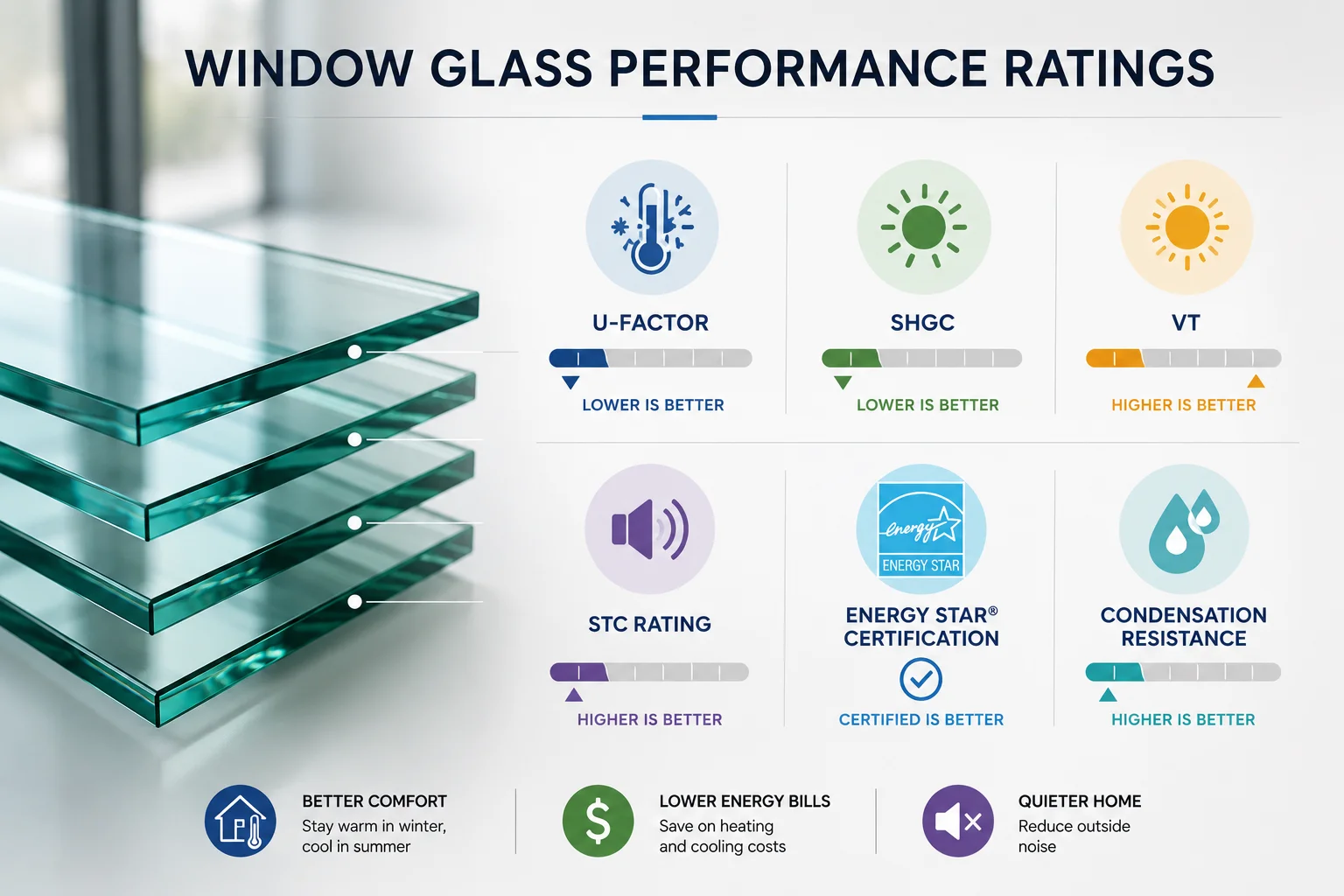
Modern windows do much more than let in sunlight. Today’s window glass systems are designed to improve insulation, reduce outside noise, and lower energy bills. Understanding these energy-efficiency parts can help homeowners choose better windows and improve home comfort year-round.
Window Panes
Window panes are the sheets of glass installed inside the sash. The number of panes affects insulation, sound reduction, and energy efficiency.
- Single-pane windows use one layer of glass. They are inexpensive but provide poor insulation and are less energy efficient.
- Double-pane windows use two glass layers with insulating gas between them. They are the most common choice for modern homes because they balance cost and performance well.
- Triple-pane windows include three layers of glass for maximum insulation and noise reduction. They work especially well in very cold or noisy climates.
Glazing
Glazing refers to the glass installed inside the window frame and the technologies used to improve performance.
- Low-E coatings are thin invisible layers that reflect heat while still allowing natural light inside. They help keep homes cooler in summer and warmer in winter.
- Gas-filled windows use argon or krypton gas between panes to improve insulation and reduce heat transfer.
These glazing upgrades can improve comfort and reduce monthly energy costs.
Spacers
Spacers are small components placed between glass panes to maintain proper distance and improve insulation. They also help reduce condensation buildup inside the window.
High-quality spacers improve thermal performance and help windows last longer by reducing moisture-related issues.
Weatherstripping
Weatherstripping seals the small gaps between the sash and frame. It plays a major role in preventing air leaks and improving energy efficiency.
Proper weatherstripping helps:
- Reduce drafts and cold air infiltration
- Lower heating and cooling costs
- Improve indoor comfort
- Prevent moisture and dust from entering the home
Worn weatherstripping is one of the most common causes of drafty windows, but it is often inexpensive and easy to replace.
Decorative & Trim Components
Window trim components do more than improve appearance. They also help seal gaps, protect the wall structure, and give windows a finished look. These decorative parts can greatly affect both interior and exterior home design.
Casing
Window casing is the trim that surrounds the window frame on the interior or exterior wall. It helps hide gaps between the wall and the window frame while creating a clean, polished appearance.
Interior casing mainly improves style and décor, while exterior casing helps block moisture and outdoor air from entering the home. Window casings come in many styles, from simple modern trim to decorative traditional molding.
Apron
The apron is the trim piece installed directly below the window stool on the interior side of the wall. Although it does not support the window structurally, it adds decorative detail and helps create a balanced finished appearance around the window.
Many homeowners match the apron style with baseboards and other trim for a cohesive room design.
Stool
The stool is the flat horizontal ledge located at the bottom interior part of the window. Many people mistakenly call it the sill, but they are different parts.
The stool is inside the home
The sill is outside and designed for water drainage
The stool can also provide space for plants, decorations, or small storage items near the window.
Grilles & Muntins
Grilles and muntins create the appearance of divided glass panes. They are commonly used to add architectural style and character to windows.
Traditional styles often feature multiple small pane designs for a classic look
Modern styles usually use fewer grille lines for a cleaner appearance
Some grilles are placed between glass panes for easier cleaning and lower maintenance.
Window Hardware & Functional Parts
Window hardware includes the moving and locking components that allow windows to operate safely and smoothly. Proper hardware improves convenience, security, and long-term durability.
Locks & Latches
Locks and latches secure the window when closed. They help improve home security while also creating a tighter seal against drafts and moisture.
Common window lock types include:
Cam locks for double-hung windows
Sliding window latches
Multi-point locking systems for casement windows
Strong locking hardware also improves energy efficiency by keeping the sash tightly sealed.
Handles & Operators
Handles and operators are used to open and close certain window styles, especially casement and awning windows.
Casement windows typically use a crank operator that rotates to move the sash outward. Quality operators make windows easier to use and help reduce strain on hinges and hardware parts.
Hinges & Tracks
Hinges allow casement and awning windows to swing open smoothly, while tracks guide sliding windows during operation.
Dirty or damaged tracks can cause windows to stick, become difficult to open, or create uneven movement. Regular cleaning helps improve performance and extend hardware lifespan.
Weep Holes
Weep holes are small drainage openings located near the bottom of some window frames. Their purpose is to allow trapped moisture or rainwater to drain safely outside.
Blocked weep holes can lead to:
Water buildup inside the frame
Mold or mildew growth
Frame damage and rot
Reduced window lifespan
Cleaning weep holes regularly helps prevent moisture problems and keeps windows functioning properly.
Parts by Window Type
Different window styles use different components to operate properly. While most windows share basic parts like frames and glass panes, certain window types include specialized hardware and structural features. Understanding these differences can help homeowners choose the right windows for ventilation, maintenance, and energy efficiency.
Double-Hung Window Parts
Double-hung windows are one of the most common residential window styles. They feature two movable sashes that slide vertically.
Upper sash – The top movable or fixed section that holds glass
Lower sash – The bottom section that typically opens for ventilation
Check rail – The horizontal meeting point where both sashes lock together
Double-hung windows are popular because they provide flexible airflow and are relatively easy to clean and maintain.
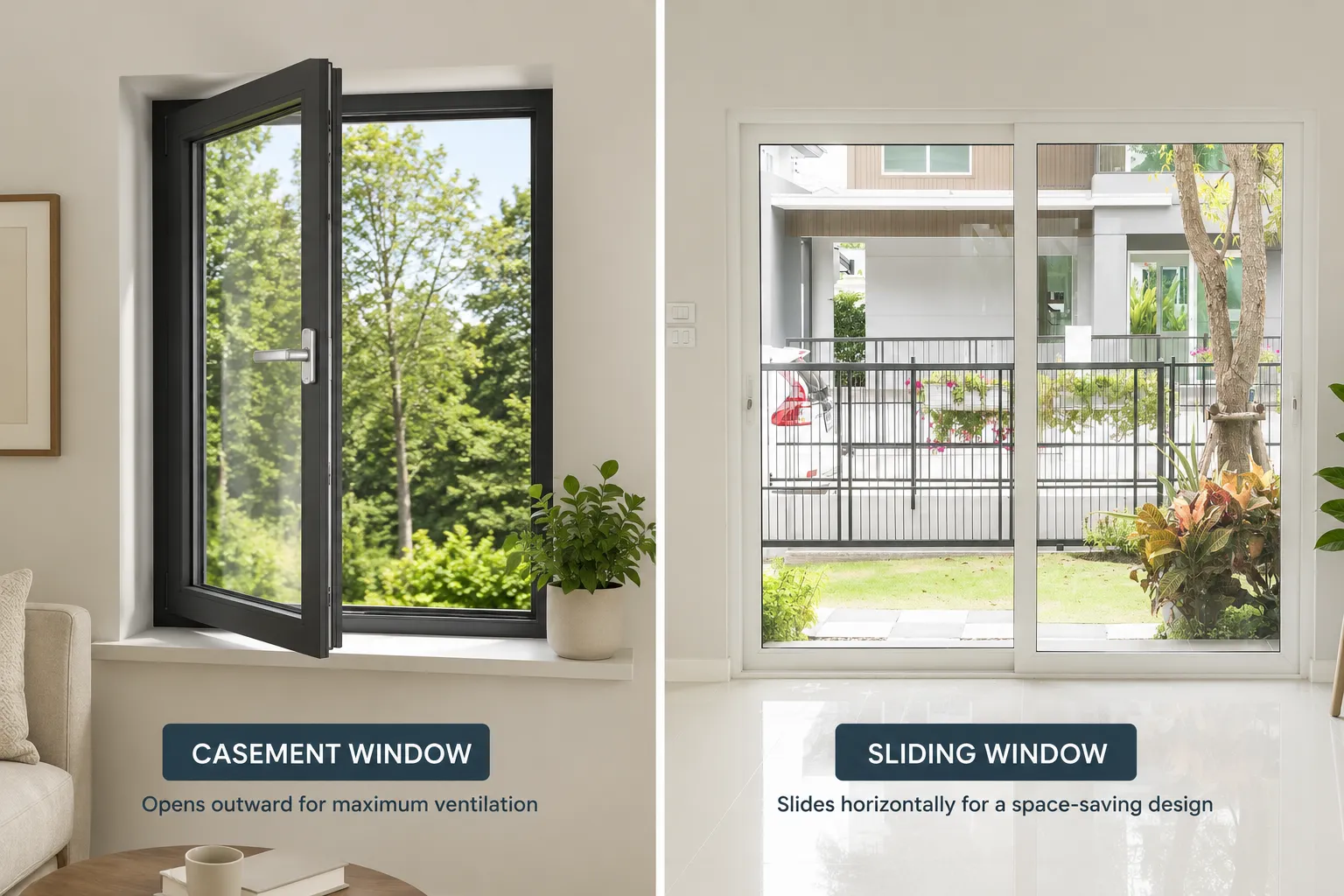
Casement Window Parts
Casement windows open outward like a door and are usually operated with a crank handle. They are known for excellent ventilation and strong energy efficiency seals.
Hinges – Allow the sash to swing outward smoothly
Crank operator – Controls opening and closing using a rotating handle
Because casement windows seal tightly when closed, they are often more energy efficient than sliding window styles.
Sliding Window Parts
Sliding windows open horizontally along a track system. They are simple to operate and work well in modern homes with wide wall openings.
Rollers – Help the sash glide smoothly during operation
Tracks – Guide the sash and keep movement aligned
Regular track cleaning helps prevent sticking, dirt buildup, and difficult operation.
Picture Window Parts
Picture windows are large fixed windows designed to maximize natural light and outdoor views. Unlike operable windows, they do not open.
Fixed glass structure – Permanently sealed glass panel for insulation and visibility
Because they have no moving parts, picture windows are highly energy efficient and require less maintenance than operable window styles.
FAQs
What are the parts of a window?
The main parts of a window include the frame, sash, glass pane, sill, jamb, head, casing, hardware, and weatherstripping. These components work together to support the window, improve insulation, and allow smooth operation.
What are the sections of a window called?
The sections of a window are commonly called the frame, sash, pane, head, jamb, sill, rails, and stiles. Decorative parts like casing, grilles, and muntins may also be included depending on the window style.
What are the components of windows?
Window components include structural parts, glass systems, and hardware. Common components are the frame, sash, glazing, spacers, locks, hinges, tracks, balances, and weatherstripping for energy efficiency and functionality.
What are the five parts of a window inside?
The five common interior window parts are the sash, stool, casing, apron, and glass pane. These parts affect the window’s appearance, insulation, and operation inside the home.