Best 5 Wall Colors for White Kitchen Cabinets

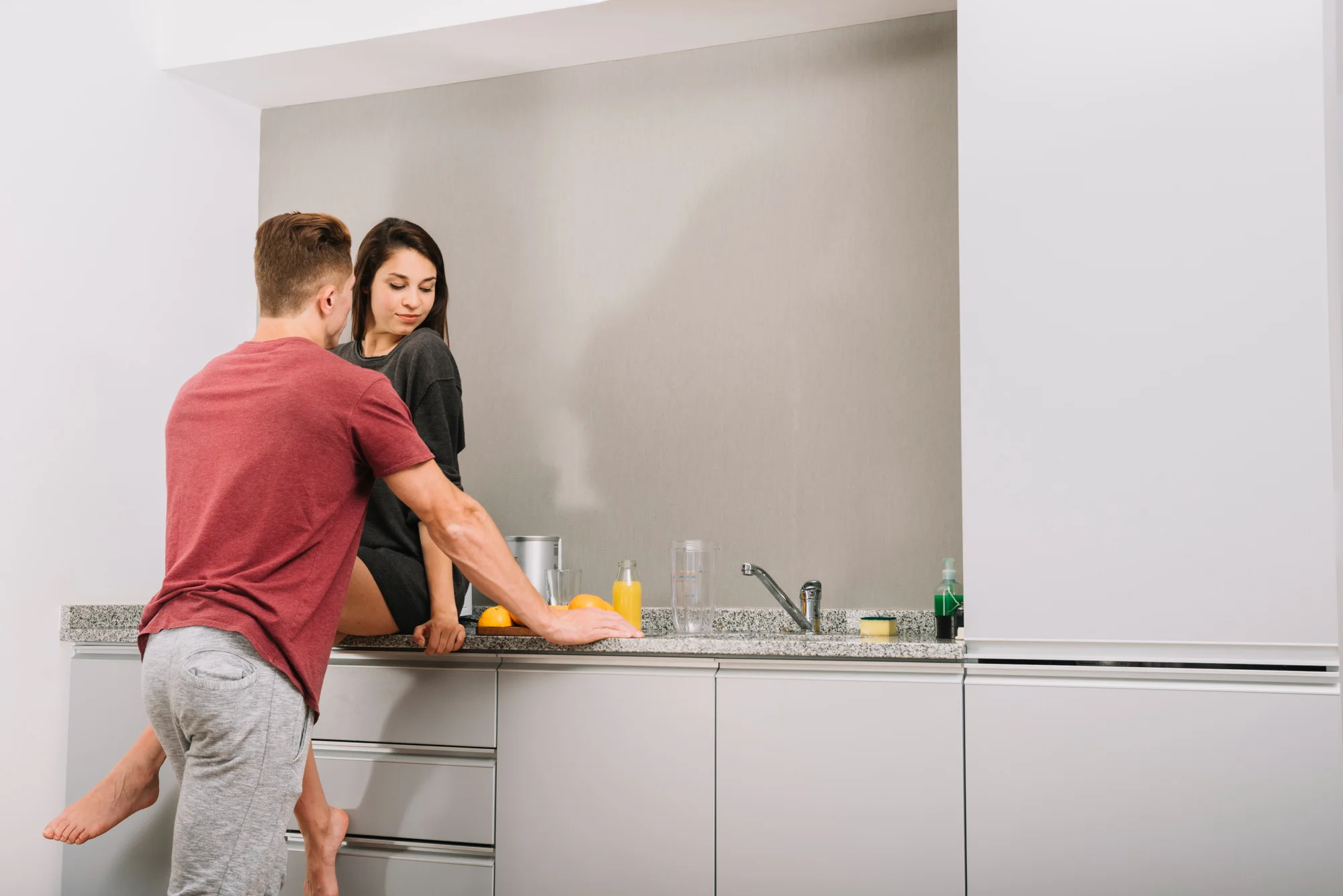
Minimal one-wall kitchen with clean white cabinets
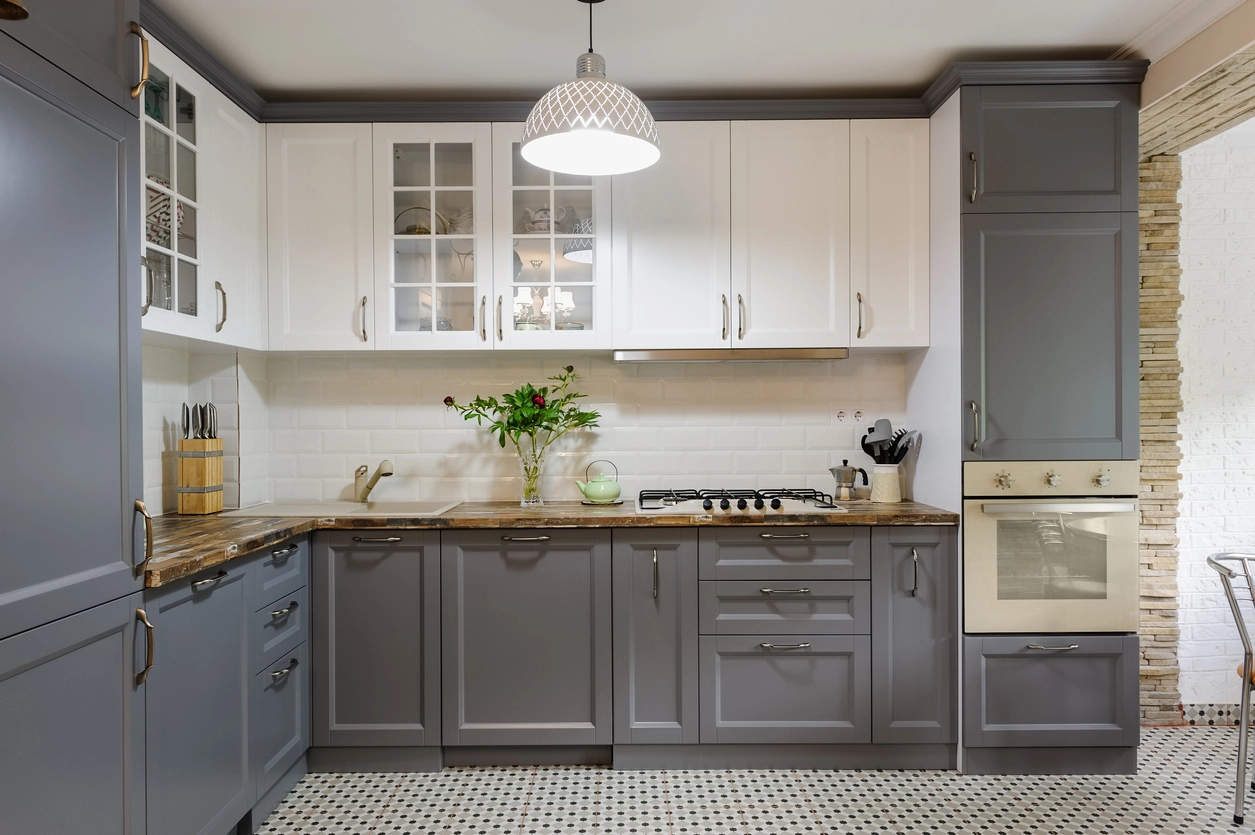
The best wall colors for white kitchen cabinets include soft gray, warm beige, sage green, and navy blue—balancing brightness, contrast, and warmth.

Table of Contents

Best Wall Colors for White Kitchen Cabinets

White cabinets are like a blank canvas—they give you total freedom. But the wall color is what defines the mood of your kitchen. Choose right, and your space feels balanced and stylish. Choose wrong, and it can feel cold or flat.

Let’s go deeper into each option so you can pick with confidence 

Soft Neutrals (Safe & Timeless Choice)
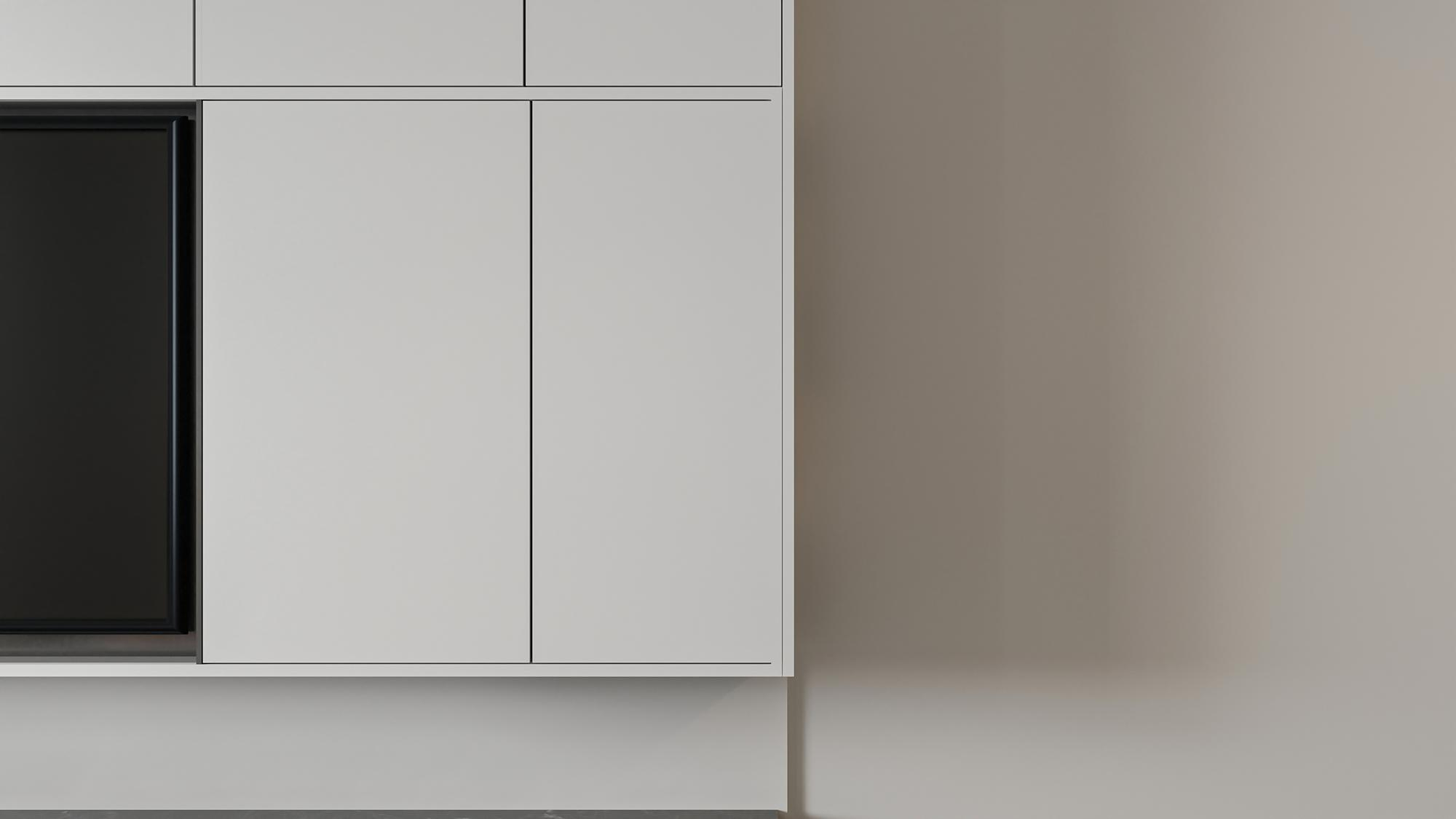
If you’re unsure where to start, soft neutrals are always a smart move. They don’t compete with white cabinets—they support them.

Recommended colors:

  • Soft gray (#D1D5DB)
  • Greige (#D6CEC3)
  • Warm beige (#E8DCCB)
  • Taupe (#B8AFA6)

These tones add just enough contrast so your kitchen doesn’t look too plain. At the same time, they keep everything clean and cohesive.

They also adapt well to different materials—whether you have marble countertops, wood accents, or stainless steel appliances.

Design tip:
Match the undertone of your white cabinets:

  • Cool white → choose gray-based neutrals
  • Warm white → choose beige or taupe

Best for: timeless kitchens, resale value, and low-risk design

Earthy Greens (Fresh & Natural Feel)
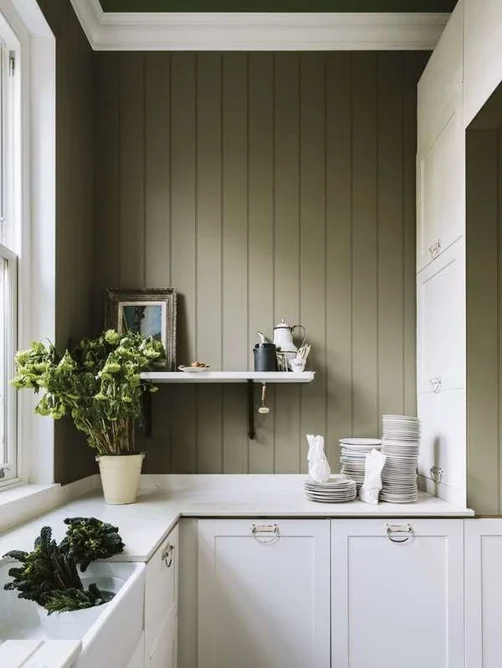
Want your kitchen to feel calm and modern? Green is one of the best choices right now. It brings a natural, grounded feeling without being too bold.

Recommended colors:

  • Sage green (#C7D0C5)
  • Muted eucalyptus (#BFC9B6)
  • Olive green (#8A9A5B)

These shades soften the brightness of white cabinets and make the space feel more relaxed. They also work beautifully with:

  • Wood cabinets or shelves
  • Brass or gold hardware
  • Stone or textured backsplashes

Why it works:
Green sits in the middle of the color spectrum, so it feels balanced—not too warm, not too cool.

Best for: modern organic, Scandinavian, and nature-inspired kitchens

Blues (Clean Contrast Without Harshness)
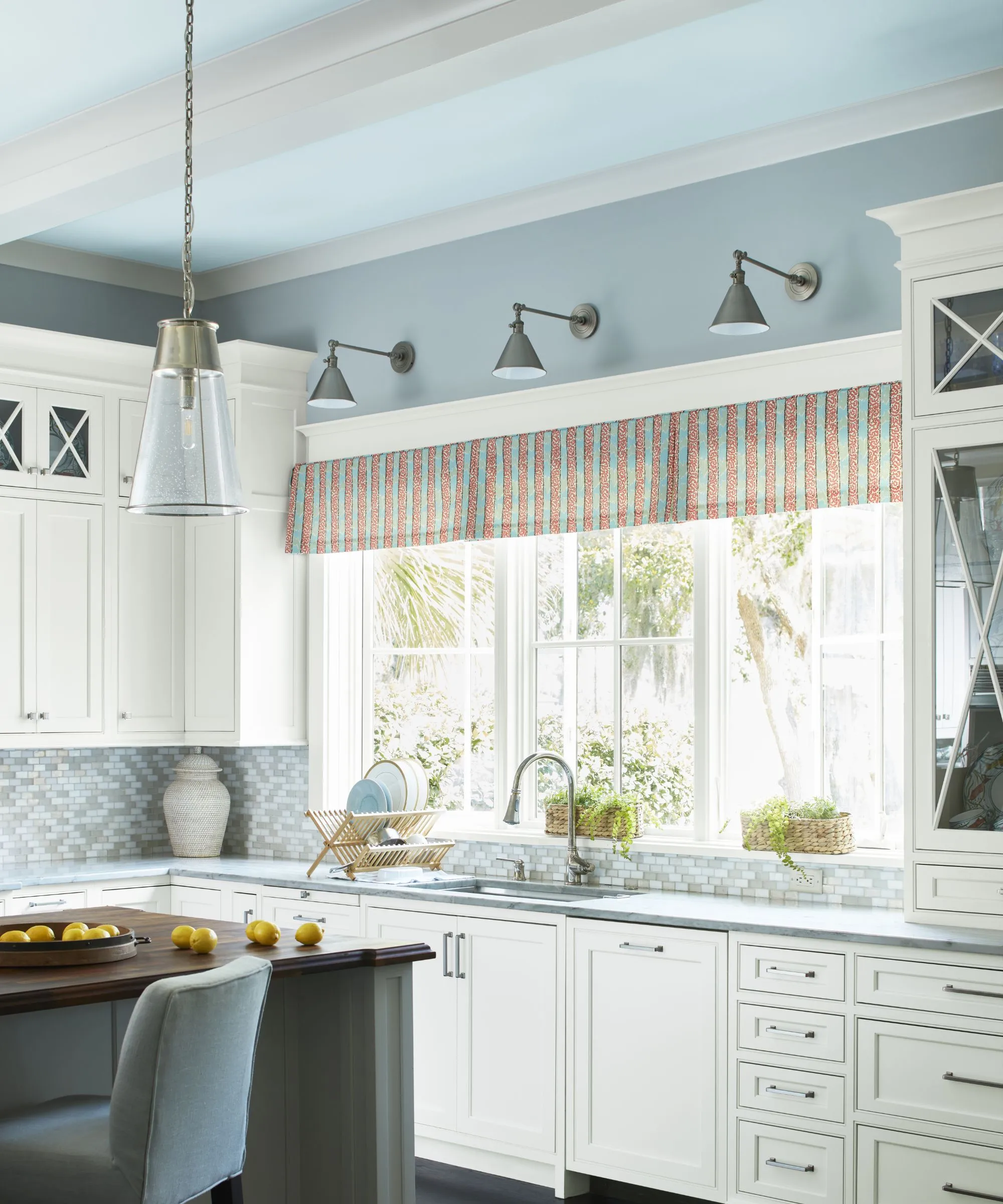
Blue is a classic pairing with white. It creates contrast but still feels clean and calm—not heavy.

Recommended colors:

  • Pale blue (#D6E6F2)
  • Dusty blue (#AFCBDE)
  • Navy blue (#2F3E63)

Light blues make the kitchen feel larger and brighter, especially in small spaces. Navy, on the other hand, creates a strong focal point and adds depth.

Design tip:

  • Use light blue if your kitchen lacks natural light
  • Use navy if you want a bold, high-end look

Best for: coastal, modern, and transitional kitchens

Warm Tones (Cozy & Inviting Kitchens)
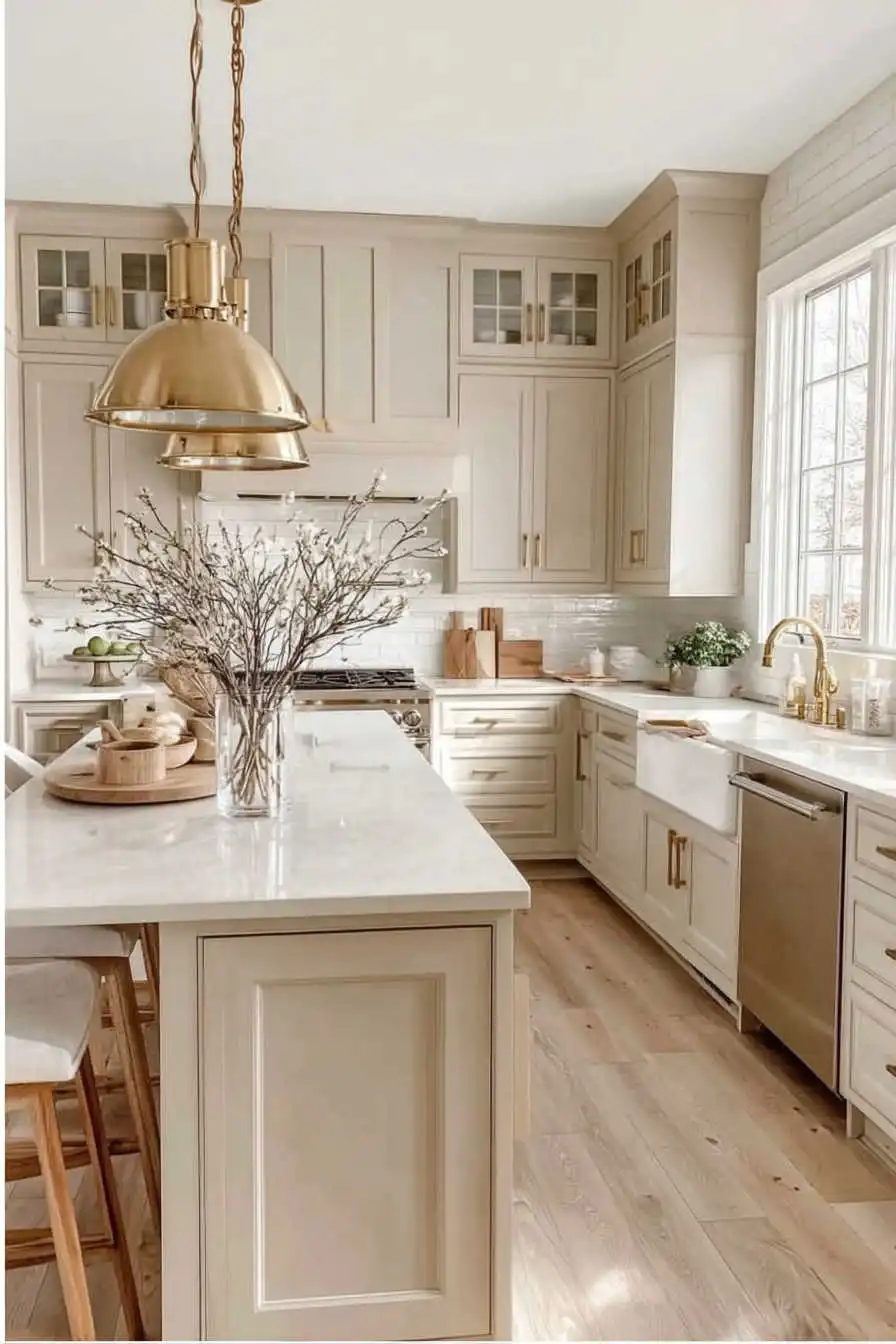
All-white kitchens can sometimes feel a bit “cold” or sterile. Warm tones fix that instantly by adding softness.

Recommended colors:

  • Cream (#FFF4E1)
  • Warm beige (#EAD7C5)
  • Soft buttery yellow (#FFF2CC)

These shades reflect light gently, making the space feel welcoming instead of clinical. They are especially useful if your kitchen:

  • Faces north (cool lighting)
  • Has limited natural light
  • Uses a lot of white surfaces

Trend insight (2025–2026):
Design is shifting from cool gray tones to warmer, more comfortable palettes.

Best for: family kitchens, cozy interiors, and classic styles

Dark Colors (High-Contrast Statement)
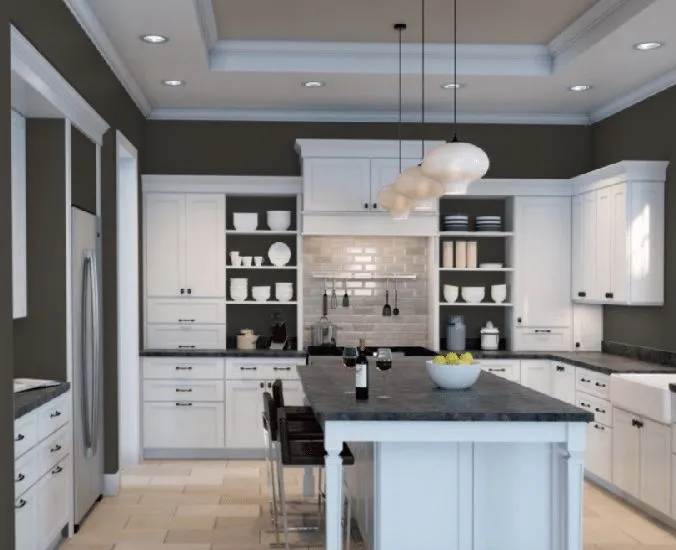
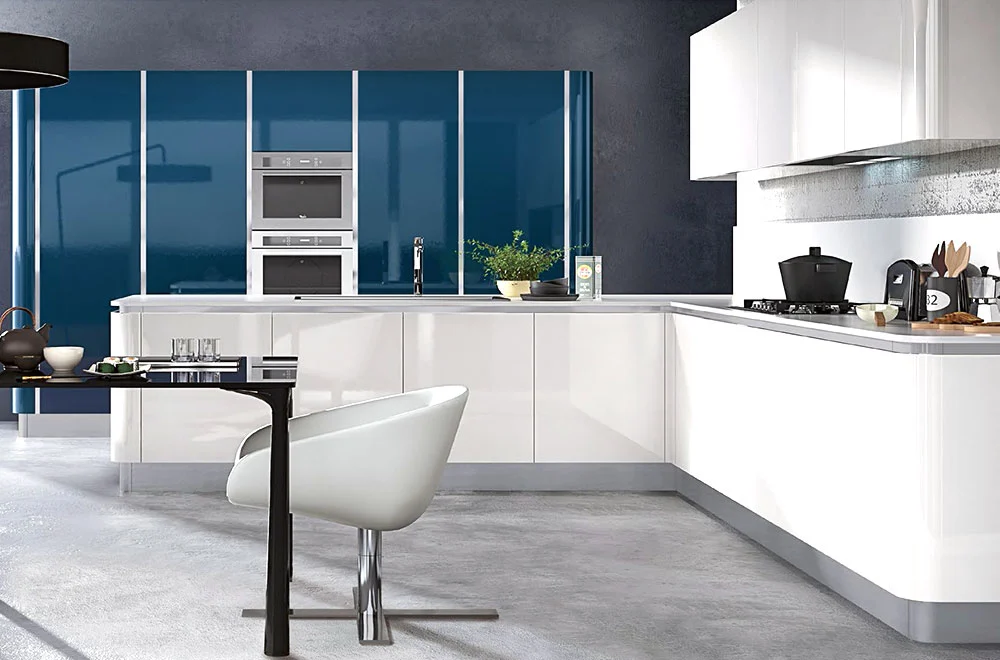
If you want a kitchen that stands out, dark walls create a dramatic contrast with white cabinets. This is a designer favorite for a more premium look.

Recommended colors:

  • Charcoal (#3A3A3A)
  • Deep navy (#1F2A44)
  • Forest green (#2F4F3E)

These colors make white cabinets look sharper and more defined. They also highlight textures like marble veining or wood grain.

Important:
Dark walls absorb light, so make sure you have:

  • Good natural light, or
  • Layered lighting (under-cabinet + ceiling lights)

Best for: large kitchens, luxury designs, and modern contrast
Quick Decision Guide

  • Want safe and timeless? → Go neutral
  • Want trendy and calming? → Choose green
  • Want fresh and clean? → Pick blue
  • Want warmth and comfort? → Use beige or cream
  • Want bold and dramatic? → Go dark

How to Choose the Right Wall Color (Step-by-Step)

Choosing the right wall color for white kitchen cabinets doesn’t have to be complicated. Just follow a simple, practical process.

  • Start with your cabinet undertone
    Check if your white is warm (yellow/cream) or cool (blue/gray). Your wall color should match this tone.
  • Look at your lighting
    Natural light makes colors brighter, while artificial light can shift tones. Test colors at different times of day.
  • Consider fixed elements
    Match your wall color with countertops, backsplash, and flooring to avoid clashes.
  • Choose your mood
    Light colors feel open and airy. Dark tones feel bold and dramatic.
  • Test before committing
    Always sample 2–3 shades on your wall. Observe them for a few days before deciding.

This step-by-step approach helps you avoid costly mistakes and ensures a balanced, cohesive kitchen.

Color Rules Designers Use

Designers don’t guess—they follow proven color principles to create harmony. You can use the same rules at home.

  • 60-30-10 Rule
    Use white cabinets as 60% (main color), wall color as 30%, and accents (hardware, decor) as 10%. This keeps the space balanced.
  • Undertone Matching
    Always pair warm with warm and cool with cool. Mixing undertones can make the kitchen feel off.
  • Contrast Control
    Use contrast intentionally. Light walls = soft look. Dark walls = bold statement. Don’t overdo both.
  • Color Flow
    If your kitchen opens to other spaces, keep colors consistent for a smooth visual transition.

These rules help your kitchen look professionally designed without overthinking every detail.

Common Mistakes to Avoid

Choosing a wall color for white kitchen cabinets seems easy—but small mistakes can make the space feel off. Here are the most common ones to watch out for.

  • Ignoring undertones
    Not all white cabinets are the same. Some are warm, others are cool. Pairing the wrong wall color can create a clash that feels uncomfortable. Always match undertones.
  • Choosing color without testing
    Paint looks different on walls than on a sample card. Lighting can change everything. Always test a few shades in your kitchen before deciding.
  • Going too dark in small spaces
    Dark colors can look stylish, but in small or low-light kitchens, they may make the space feel cramped. Balance with enough lighting.
  • Forgetting existing elements
    Your backsplash, countertop, and floor all affect the final look. A color that works alone may not work with everything else.
  • Following trends blindly
    Trends change quickly. Choose a color that fits your lifestyle and feels right long-term—not just what’s popular right now.

FAQs

What color should my walls be if my kitchen cabinets are white?

Go with soft neutrals, light blues, or gentle greens. These colors balance brightness and add depth without overpowering white cabinets.

What colors look good with white cabinets?

Soft gray, beige, sage green, pale blue, and navy all work well. They add contrast, warmth, or freshness depending on your style.

What wall color goes with pure white cabinets?

For pure white cabinets, choose soft gray, light greige, or muted blue. These tones prevent the space from feeling too stark or cold.

How to add color to kitchen with white cabinets?

Add color through walls, backsplash, decor, or an island. Use greens, blues, or warm tones to create contrast while keeping the space balanced.

Share the Post: