

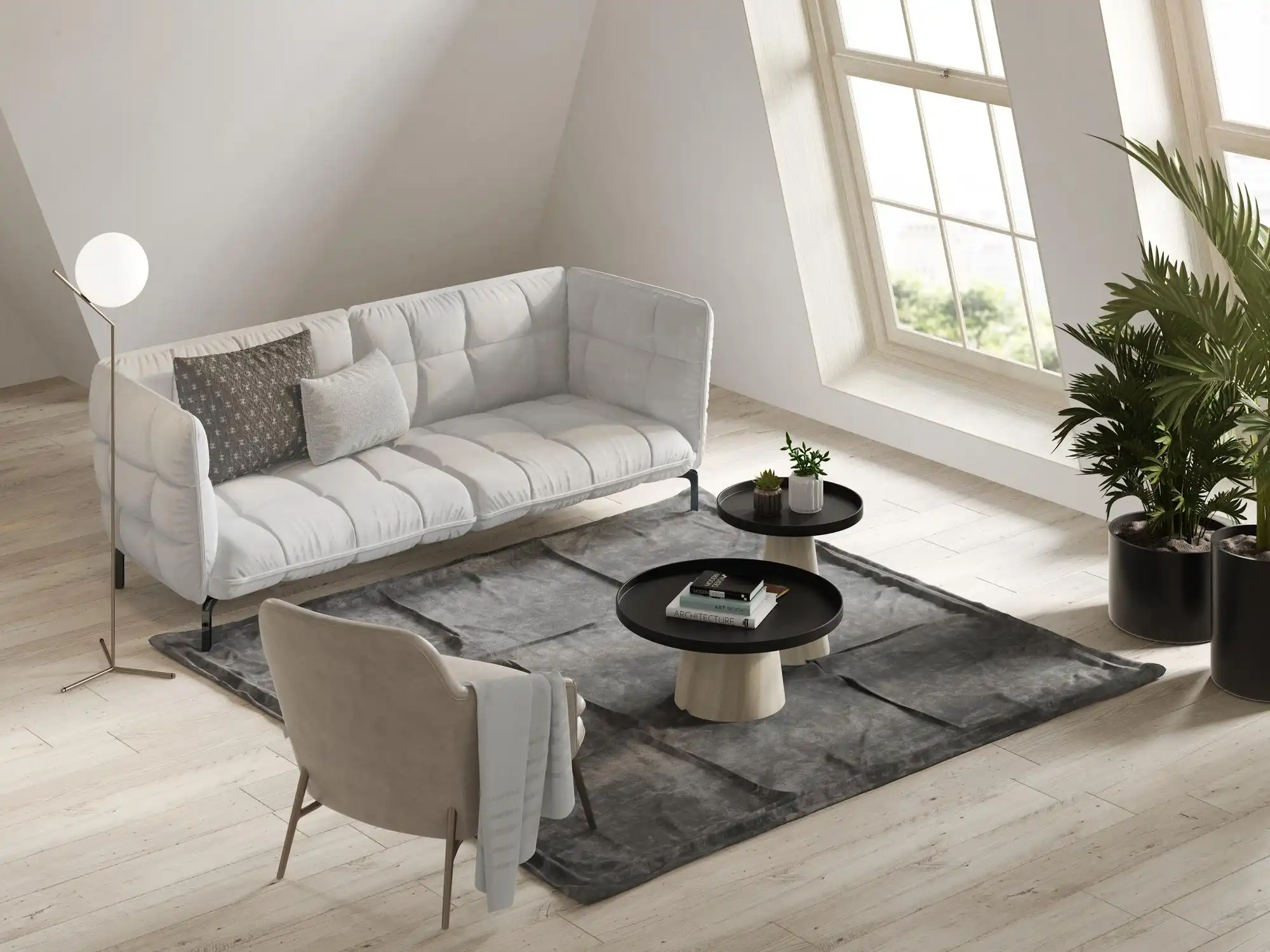
Start With a Clear Focal Point
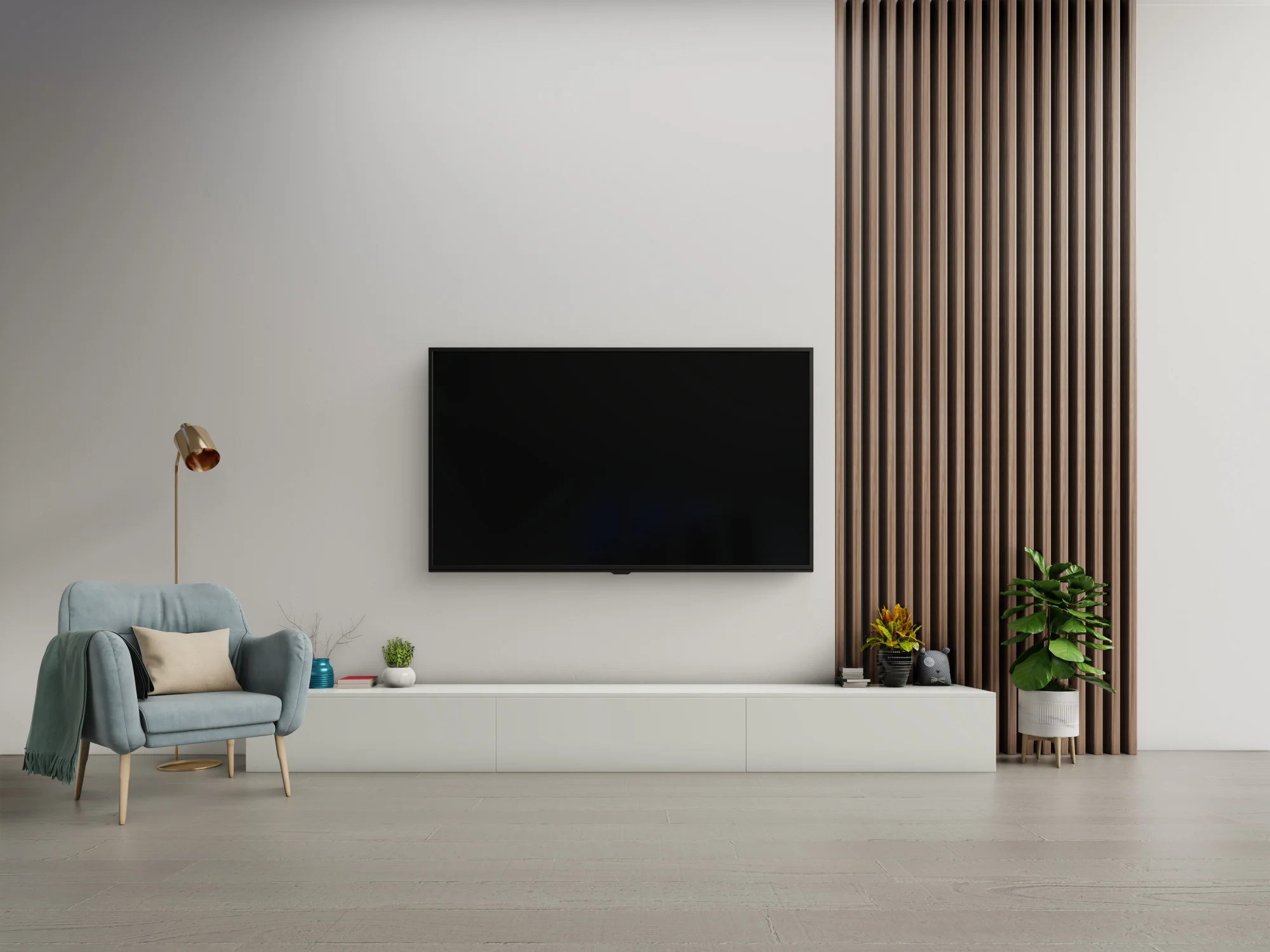
Every well-arranged living room needs a visual anchor. This focal point gives the room direction and helps all furniture feel intentionally placed. Common focal points include a fireplace, a large window with a view, or the TV.
Once you identify the main feature, arrange your seating to face or relate to it. Sofas and chairs should naturally orient toward this anchor, creating a unified and comfortable layout. When everything points in the same direction, the room feels calm, organized, and easy to use.
Understand the Room’s Traffic Flow
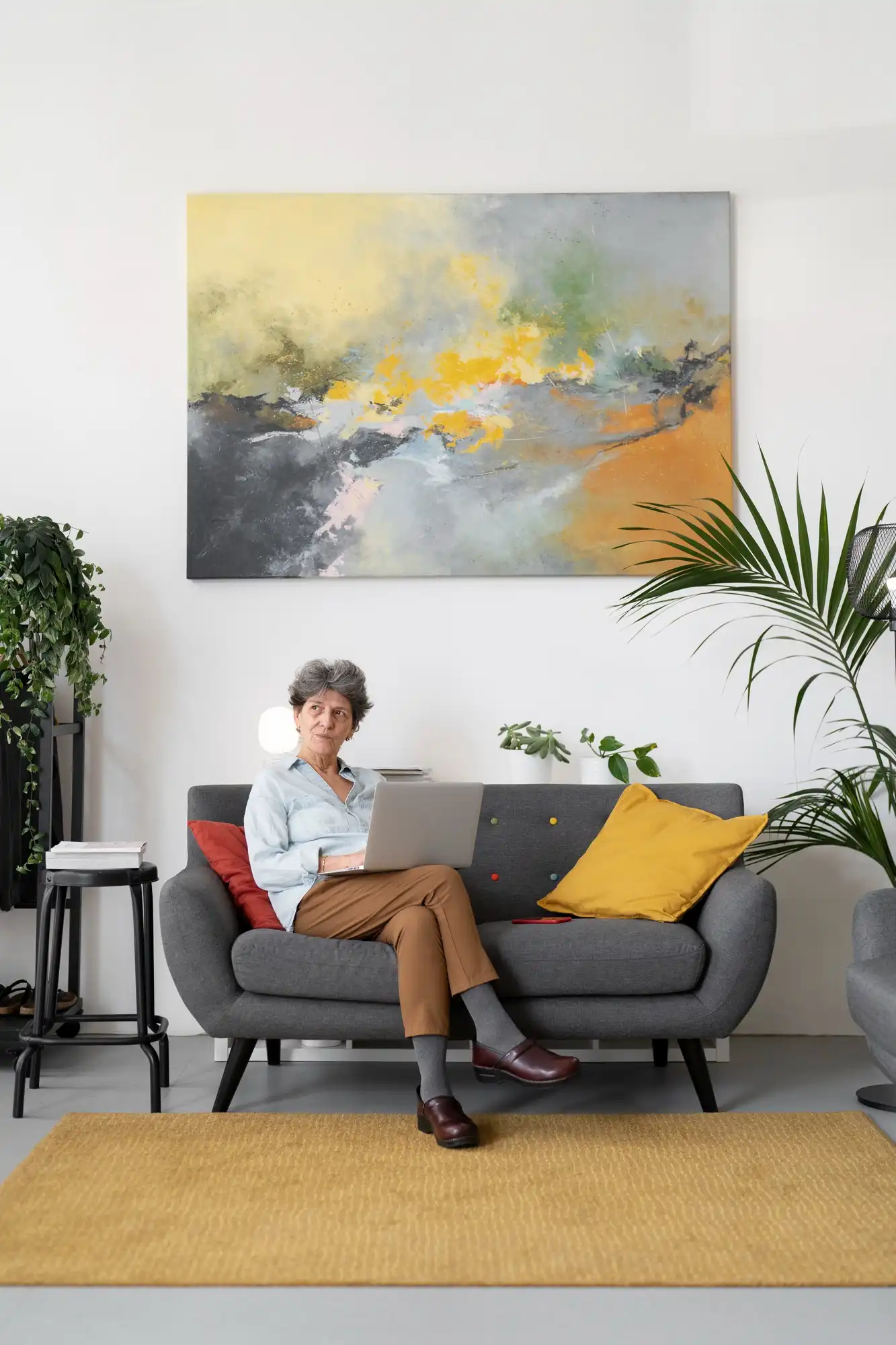
Good furniture arrangement allows people to move through the living room without weaving around obstacles. Clear walking paths keep the space feeling open and functional.
Aim for about 36 inches (3 feet) of clearance for main walkways. This makes it easy to walk through the room without brushing against furniture. Avoid placing coffee tables or chairs where they force people to walk between seats, as this breaks conversation zones and disrupts comfort.
Furniture Placement Rules Designers Recommend
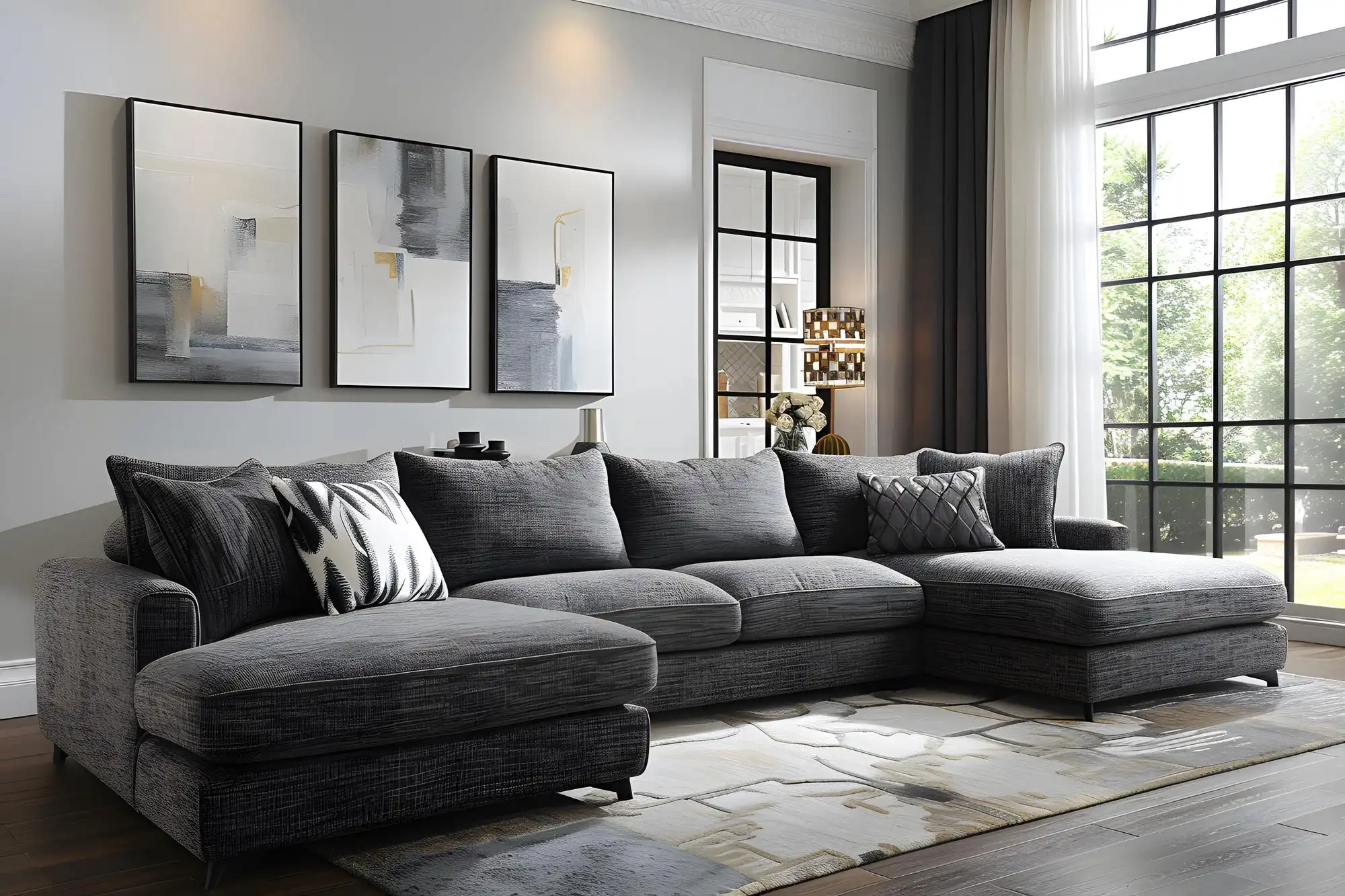
One common mistake is pushing all furniture against the walls. While it may seem like it creates more space, it often makes the room feel empty and disconnected.
Instead, try floating furniture slightly away from walls, especially sofas and chairs. This creates better flow and makes seating areas feel more inviting. Group seating pieces close enough to talk comfortably without raising voices. A well-planned seating cluster encourages connection and makes the living room feel social and welcoming.
Size and Scale: Choose Pieces Wisely
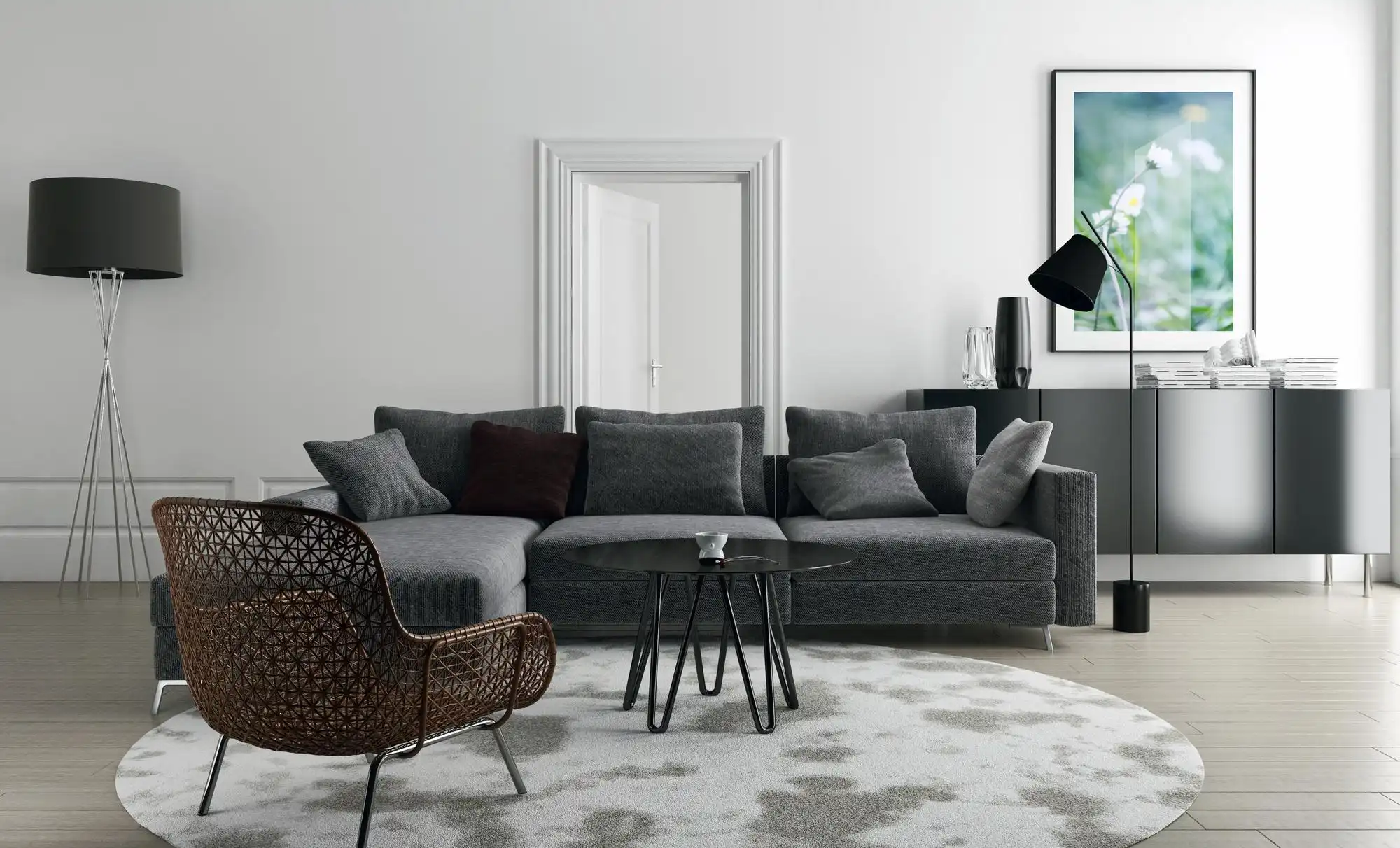
Before moving furniture in, always measure your room. Oversized sofas or bulky chairs can quickly overwhelm a space, while furniture that’s too small can feel lost.
Use simple proportion rules to keep balance. For example, your area rug should cover about two-thirds of the sofa length, anchoring the seating area without swallowing the room. When furniture matches the scale of the space, the layout feels natural, comfortable, and visually pleasing.
Conversation Zones & Seating Layouts
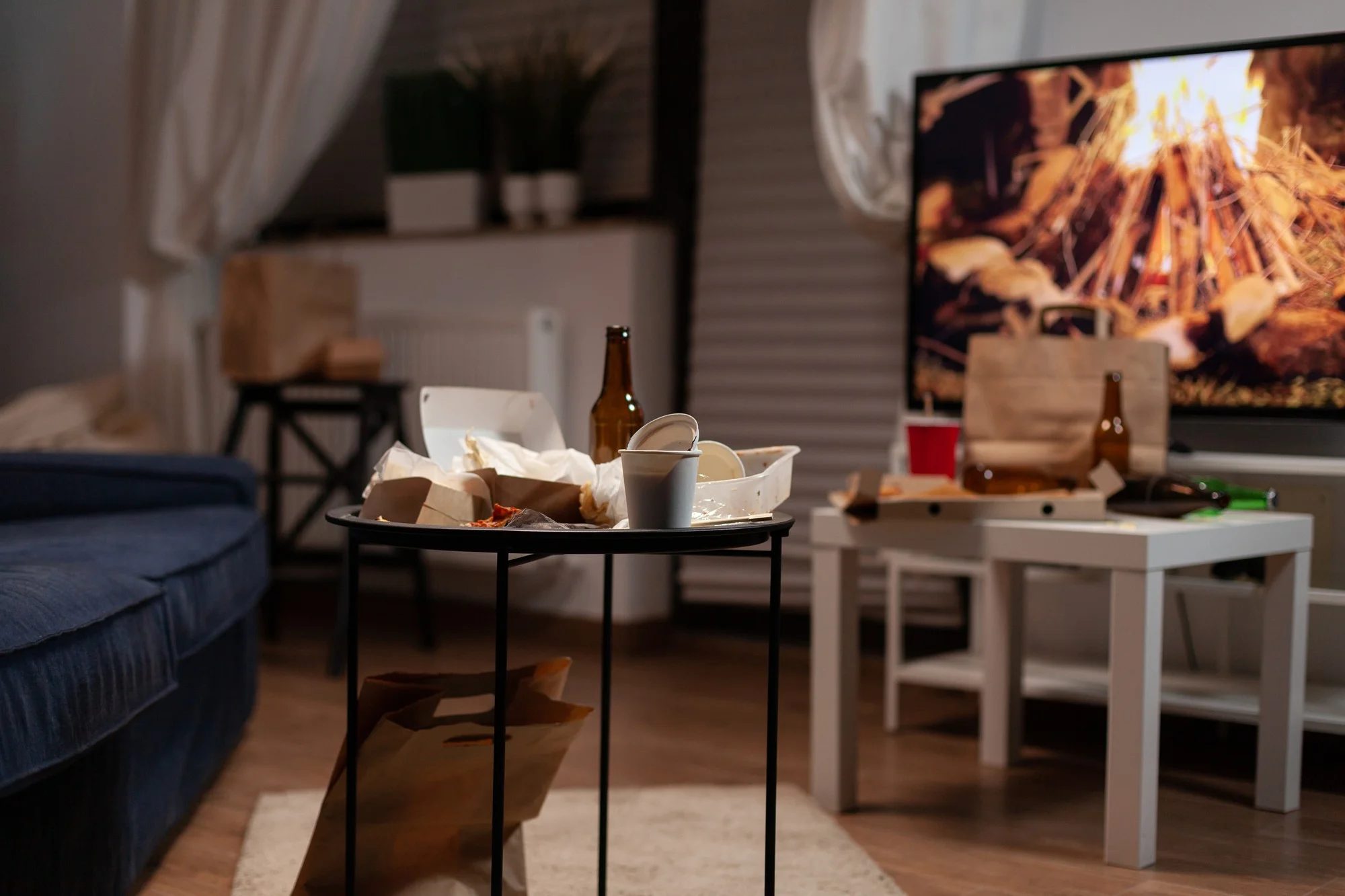
A great living room layout makes conversation feel easy and natural. The goal is to bring people together without crowding the space.
A classic sofa with two chairs facing each other works well in most rooms. This setup creates balance and keeps everyone at a comfortable talking distance. For larger living rooms, a sectional paired with one or two accent chairs adds flexibility and fills the space without feeling empty.
If you like to rearrange often or host different activities, open seating layouts are a smart choice. Lightweight chairs, ottomans, or stools can move easily, letting the room adapt to guests, movie nights, or quiet evenings.
Handling Different Room Sizes & Shapes
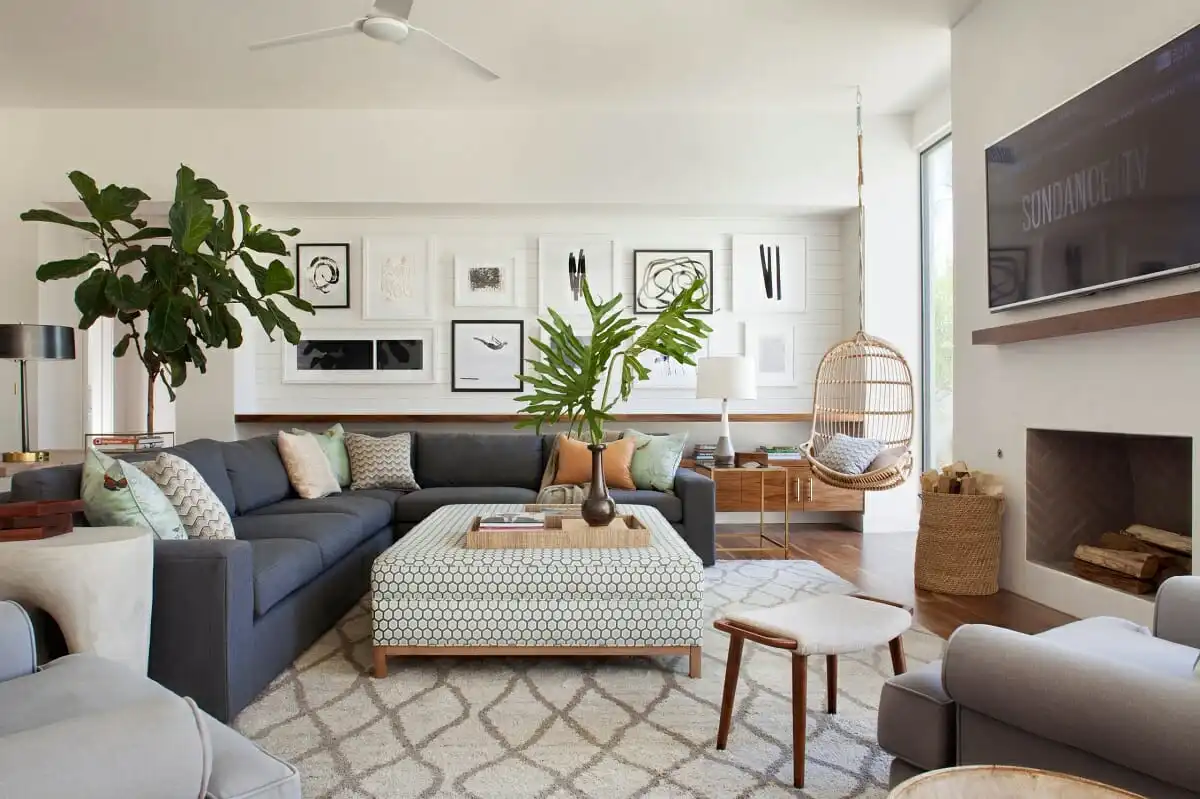
Every living room has its own challenges, and the layout should match the room’s proportions.
In small living rooms, focus on cozy groupings. Choose light-colored, low-profile furniture to keep the room feeling open. Avoid blocking windows and let natural light do the work.
For long or narrow rooms, break the space into zones instead of lining furniture against the walls. Floating a sofa or adding a chair across from it helps shorten the visual length of the room.
In open-plan spaces, furniture placement does the job walls usually do. Use sofas, rugs, and tables to define the living area clearly without cutting off flow to nearby rooms.
Functional Zones & Micro-Zoning
Large living rooms work best when they’re divided into smaller, purposeful areas. This approach makes the space feel organized and more usable.
You might create a conversation zone, a reading corner, or an entertainment area within the same room. Area rugs are especially helpful here—they visually separate spaces while keeping the room open.
Lighting and furniture also help define these zones. A floor lamp can mark a reading area, while a media console anchors a TV zone. No walls needed, just smart placement.
Avoid Common Furniture Layout Mistakes
Some layout mistakes can make even a beautiful room feel awkward.
Avoid placing sofa backs directly facing doorways, as this blocks sightlines and feels unwelcoming. Keep natural walking paths clear, so people don’t have to step around furniture to move through the room.
Also, be careful with oversized furniture in small spaces. A large sofa may look great in a showroom, but it can overwhelm a compact living room and limit flexibility.
Use Lighting & Accessories to Enhance the Layout
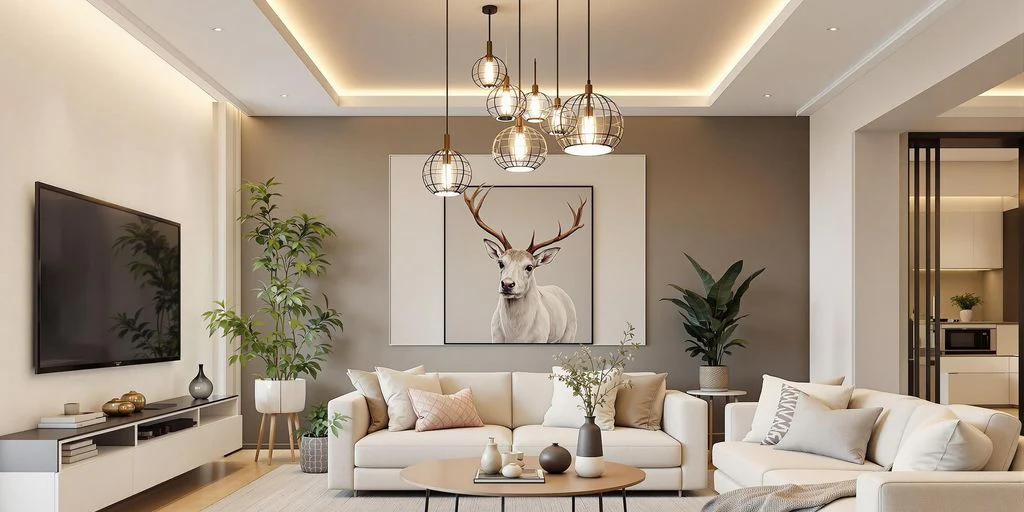
Furniture placement sets the foundation, but lighting and accessories bring the layout to life.
Use layered lighting—a mix of overhead lights, floor lamps, and table lamps—to support different activities and moods. This makes each zone feel intentional and comfortable.
Add side tables, lamps, and plants to soften edges and fill visual gaps. These small details help connect furniture pieces, making the entire living room feel polished, balanced, and inviting.
Styling Tips for Balance & Harmony
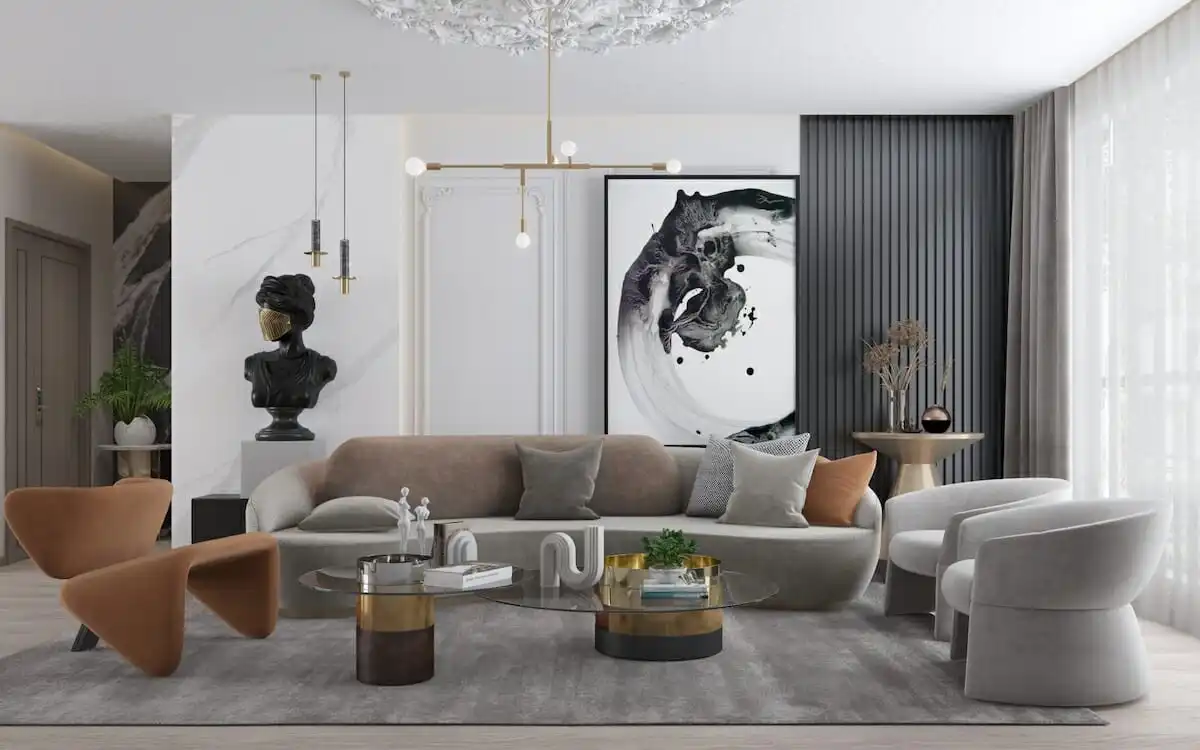
A well-arranged living room should feel calm, comfortable, and visually balanced. These simple styling tips help everything work together naturally.
Mix furniture shapes to avoid a flat look. Pair a boxy sofa with round coffee tables or curved accent chairs to soften the space.
Vary furniture heights for better flow. Combine low seating with taller lamps, shelves, or plants to guide the eye upward.
Balance visual weight across the room. If one side has a large sofa, offset it with chairs, artwork, or lighting on the opposite side.
Spread bold pieces evenly instead of clustering them in one area. This keeps the room from feeling heavy or crowded.
Use color and texture wisely. Repeat materials, finishes, or colors in different spots to create harmony.
Leave breathing room. Open space between pieces helps the layout feel relaxed and intentional.
When balance feels right, the living room naturally feels more inviting and easy to enjoy.
Need Help Arranging Your Living Room?
If you want a living room that looks great and feels comfortable, we’re here to help. From layout planning to furniture selection, our team can help you create a balanced, functional space that fits your lifestyle. Contact us today to get expert guidance and bring your living room together with confidence.
FAQs
What is the 2/3 rule for living rooms?
The “two-thirds” rule suggests that major furniture (like a sofa or seating group) should take up about two-thirds of a rug or wall to keep proportions balanced and visually cohesive.
What is the 3-5-7 rule of decorating?
The 3-5-7 rule is a decorating guide that uses odd numbers to group décor or elements (3, 5, or 7 items), which helps create natural balance and visual interest.
What is the biggest mistake in placement of furniture?
A common mistake is pushing all furniture against walls, which can make a space feel disconnected rather than inviting and balanced.
What is the 3-4-5 rule in decoration?
The 3-4-5 rule is a styling method recommending 3 patterns, 4 style influences/eras, and 5 colors or textures in a room to mix variety with cohesive design.

 English
  Arabic
  Spanish
  Japanese
  Russian
  Korean
  French
  Italian