

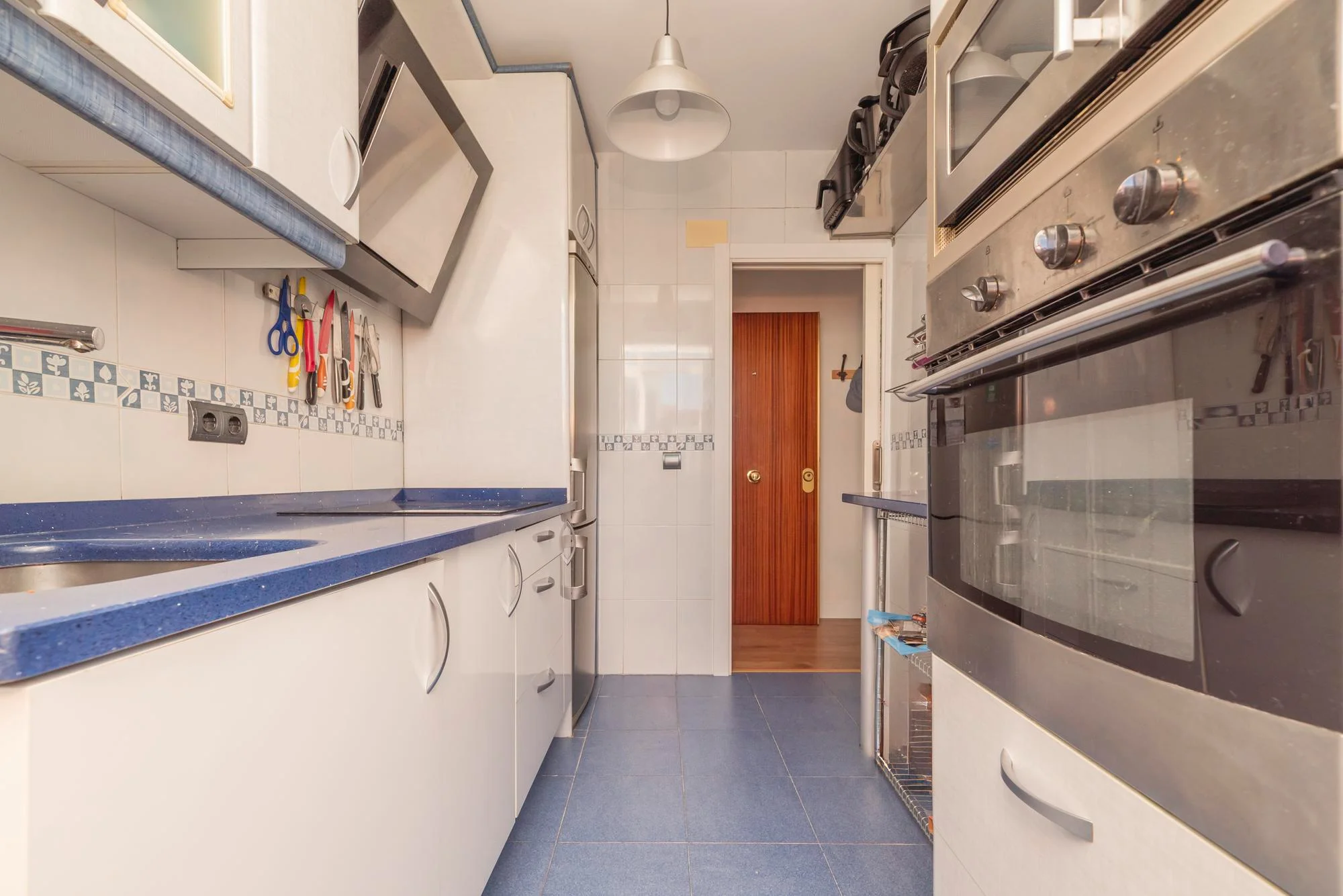
Choosing the right kitchen countertop material is one of the most important decisions you’ll make during a remodel. Your counters aren’t just a surface for chopping, cooking, and serving — they also set the tone for your kitchen’s entire style. The right material should look great, fit your daily habits, and stand up to the wear and tear of everyday life.
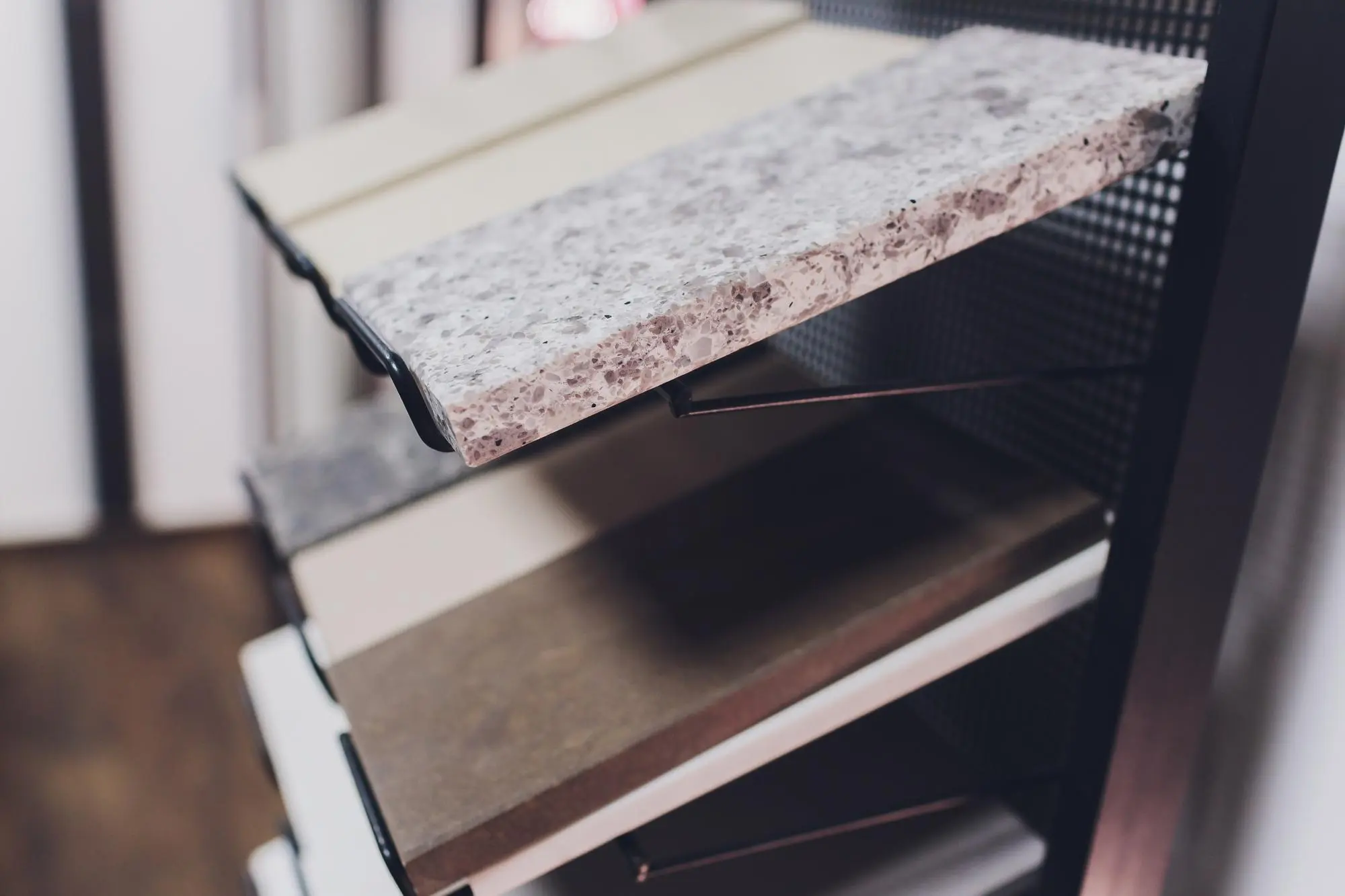
In this guide, we’ll walk you through the most popular countertop options, explain their pros and cons, compare budgets, and help you understand what kind of maintenance each one needs. By the end, you’ll know exactly which material fits your cooking style, design taste, and long-term plans.
Key Factors to Consider When Choosing a Countertop
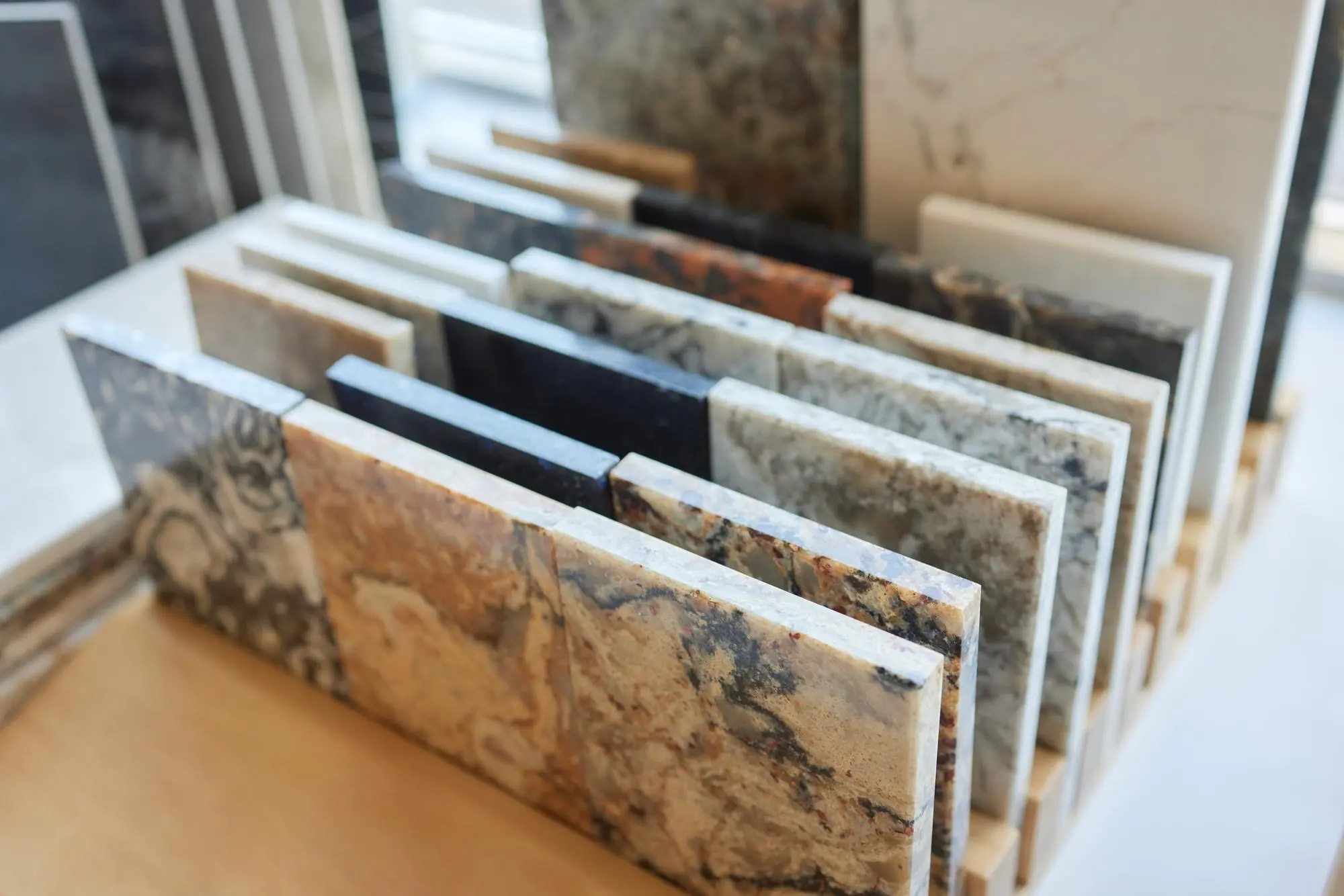
Durability (heat, stain, scratch resistance)
Some materials, like quartz and granite, handle daily wear extremely well. Others, like marble or laminate, require more care. Think about how often you cook, whether you use hot pots directly on the surface, and how much traffic your kitchen gets.Maintenance (sealing, cleaning, repairs)
Natural stones may need periodic sealing, while engineered materials stay low-maintenance. If you want something easy to clean with no ongoing care, quartz or stainless steel may be better than marble or concrete.Appearance & Style (color, pattern, edge details)
Your countertop should match your kitchen’s personality. From bold veining to subtle matte tones, each material offers different textures and shapes. Edge profiles — like bevel, rounded, or waterfall — also change the overall look.Cost & Installation (material + labour)
Prices vary widely. Laminate is budget-friendly, quartz sits mid-range, and marble or sintered stone can be premium choices. Installation complexity also affects costs, especially for heavy or custom materials.Sustainability & Trends
Eco-friendly homeowners may consider recycled glass, concrete blends, or sustainably sourced stone. Trends like matte finishes, waterfall edges, and earthy tones continue to grow in popularity.
Together, these factors will guide you toward a countertop that’s beautiful, durable, and aligned with your lifestyle.
Popular Countertop Materials (with Pros & Cons)
| Material | Key Strengths | Main Drawbacks | Maintenance |
|---|---|---|---|
| Engineered Quartz | Very durable, non-porous, stain resistant | Not ideal for very hot pans, mid–high cost | Low; no sealing required |
| Granite (Natural Stone) | Heat resistant, unique natural patterns | Can stain or etch; heavy, needs solid cabinets | Moderate; needs periodic sealing |
| Marble & Quartzite | Luxury look, naturally cool for baking | Scratches and etches more easily, higher cost | High; careful cleaning and sealing |
| Solid Surface | Seamless joints, repairable surface | Can scratch or scorch, less heat resistant | Low–moderate; light sanding for repairs |
| Laminate | Very affordable, many styles and patterns | Less durable, not heat or scratch resistant | Low; simple wipe-clean care |
| Concrete | Custom shapes, industrial look | Can crack or stain; heavy, needs sealing | Moderate–high; regular sealing |
| Stainless Steel | Professional look, heat and stain resistant | Shows fingerprints, can scratch or dent | Low; wipe with soft cloth |
| Recycled Glass | Eco-friendly, colorful, modern appearance | Chips or cracks possible, mid–high cost | Low–moderate; avoid heavy impacts |
| Sintered Stone | Very hard, UV and heat resistant | Premium price, skilled installation needed | Low; no sealing required |
Choosing the right countertop material comes down to how you cook, how much maintenance you’re willing to do, and the style you love. Here’s a clear, easy-to-compare breakdown of today’s most popular options.
Engineered Quartz
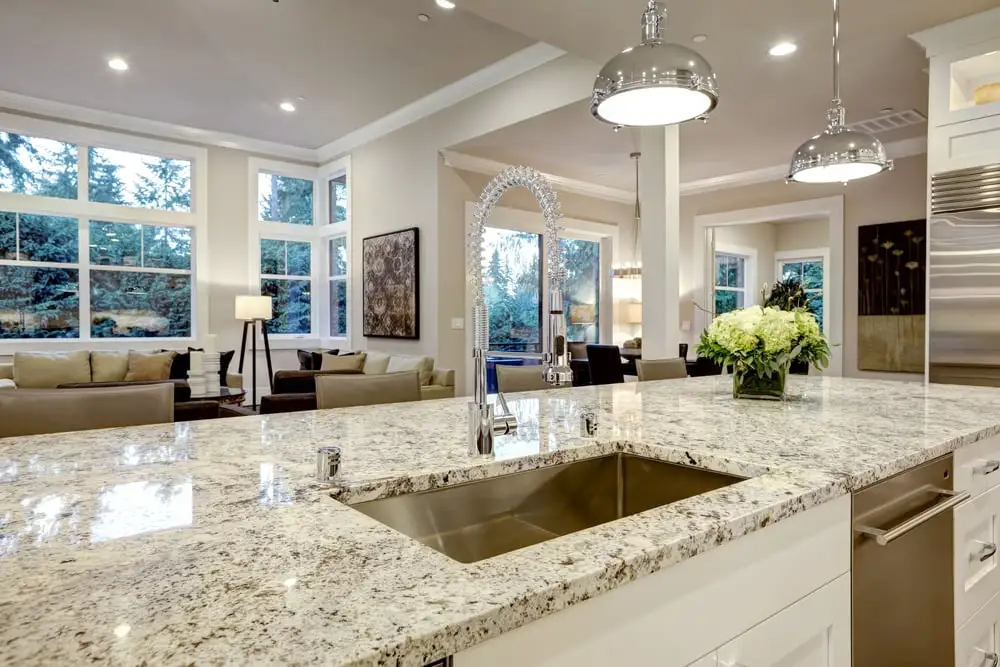
Engineered quartz is one of the most popular choices for modern kitchens. It’s durable, non-porous, and doesn’t need sealing. You’ll get a clean, uniform look with plenty of color options.
Pros: Low maintenance, stain-resistant, very durable.
Cons: Not as heat resistant as natural stone; can be pricier.
Granite (Natural Stone)
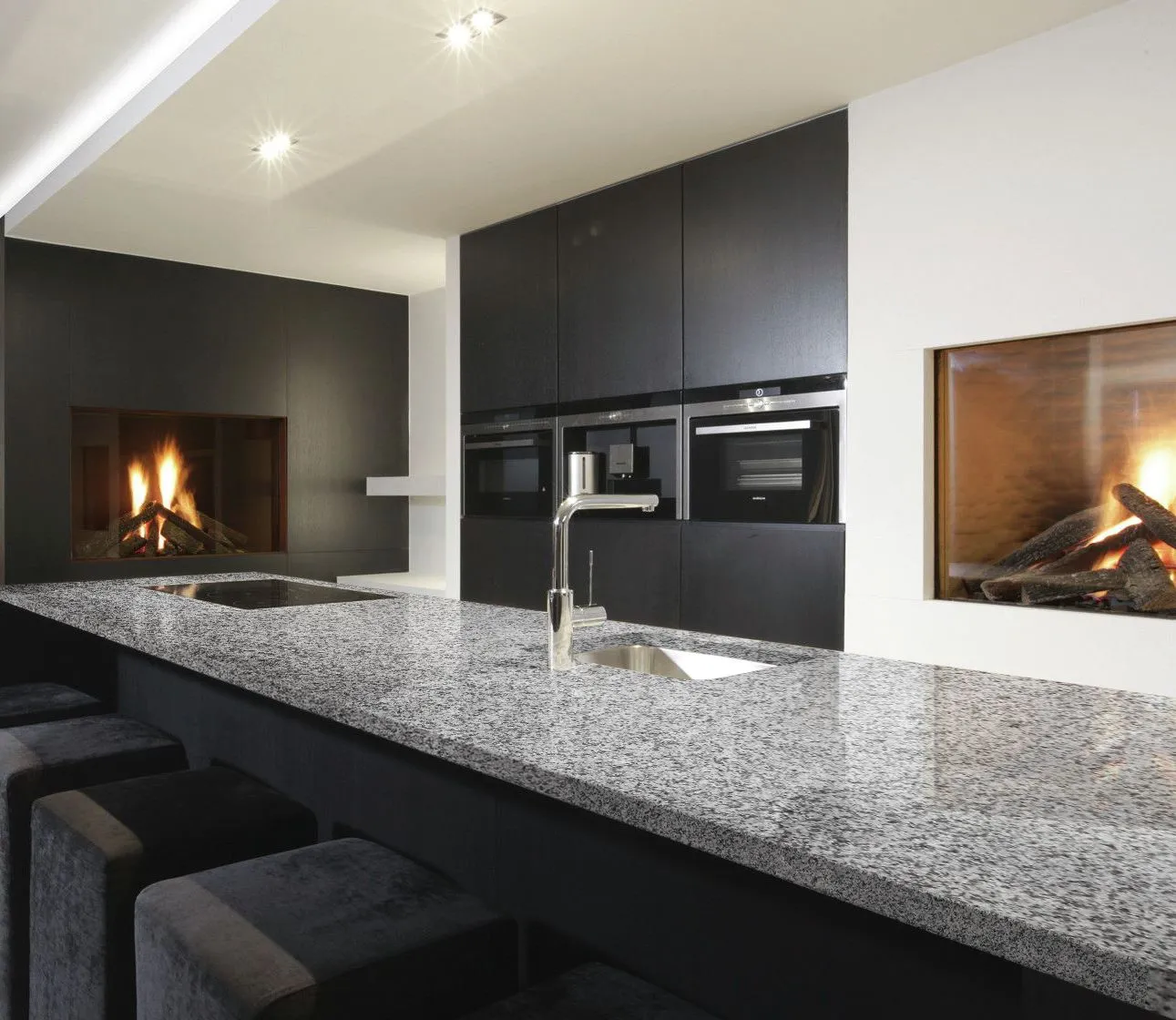
Granite gives your kitchen a timeless, natural look with unique veining and strong heat resistance. It suits both classic and contemporary spaces.
Pros: Heat-resistant, long-lasting, each slab is unique.
Cons: Needs periodic sealing and can stain if not cared for.
Marble & Quartzite
These stones bring luxury and elegance to any kitchen. Marble has a soft, classic look, while quartzite offers stronger durability with similar beauty.
Pros: High-end aesthetic, naturally cool surface—great for baking.
Cons: Prone to etching, staining, and scratches; higher maintenance.
Solid Surface (e.g., Corian)
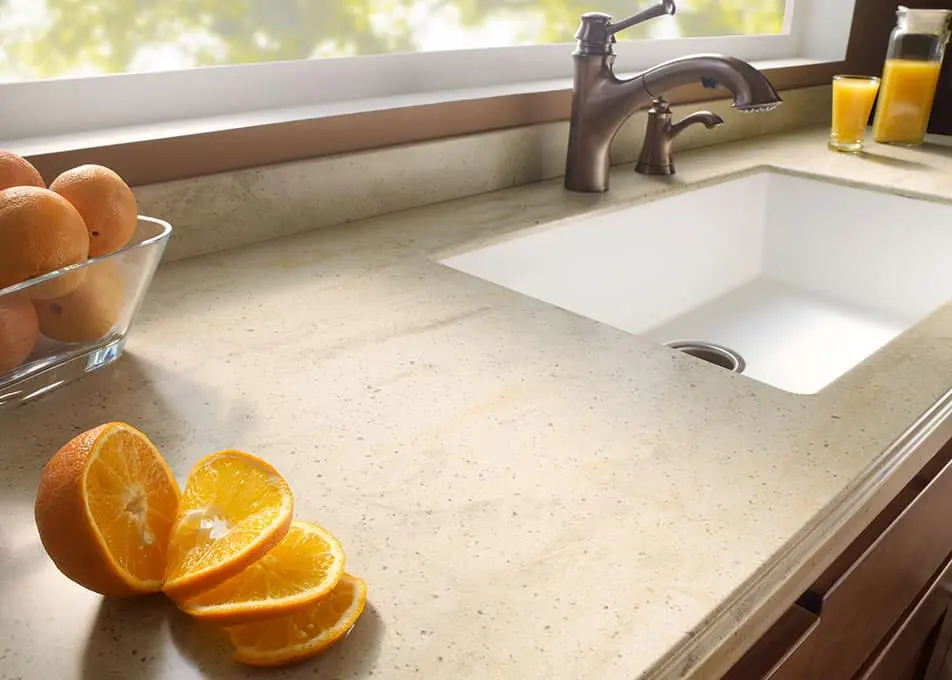
Solid surface countertops offer a seamless, modern finish that’s easy to clean and repair. They’re great for families who want a smooth, uninterrupted surface.
Pros: Seamless joints, repairable, wide color range.
Cons: Can scratch or scorch more easily than stone.
Laminate / Budget-Friendly Options
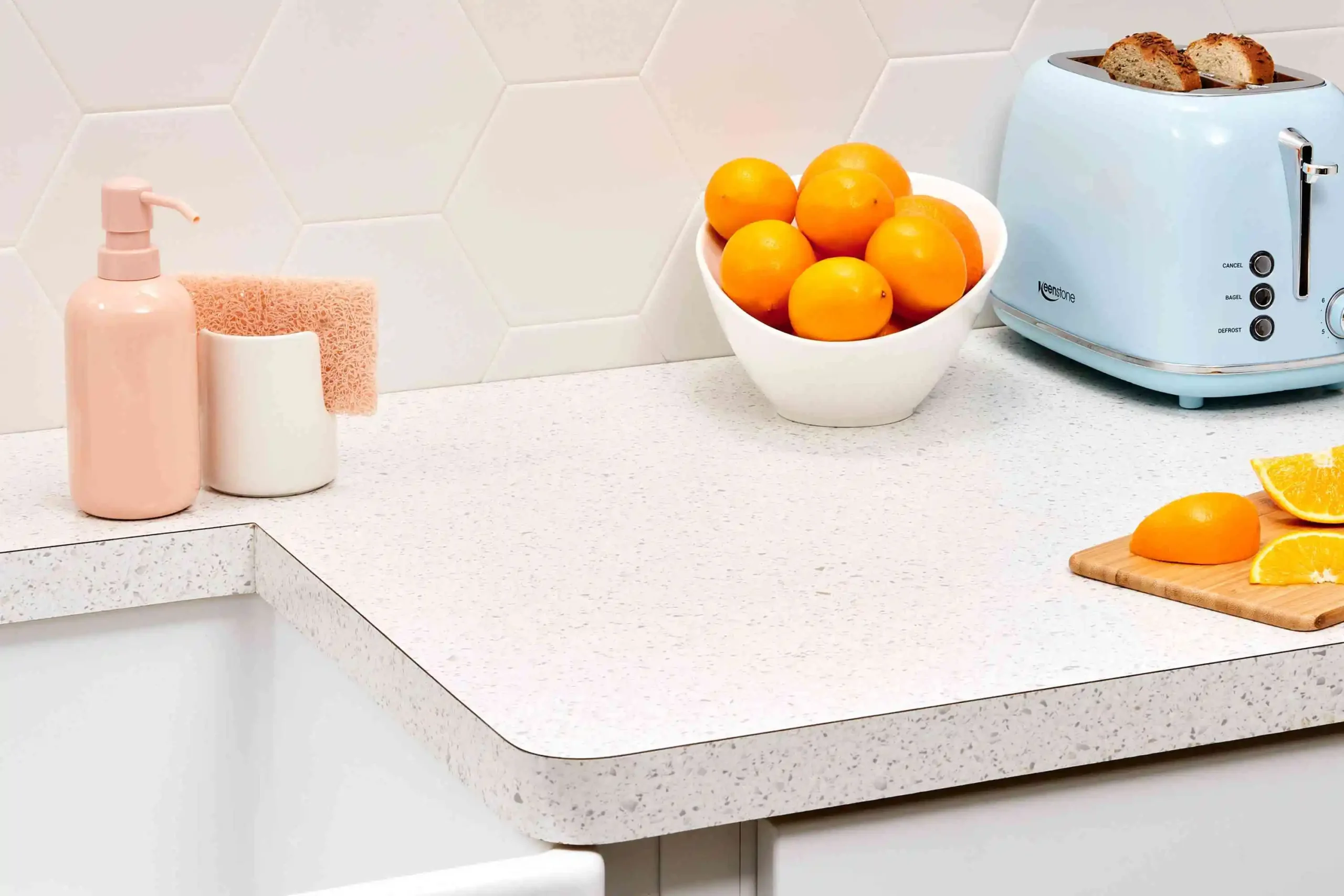
Laminate gives you the look of stone or wood without the high cost. It’s lightweight and ideal for quick remodels or rental properties.
Pros: Very affordable, easy to install, huge style variety.
Cons: Less durable, prone to scratches and heat damage.
Concrete, Stainless Steel, Recycled Gl
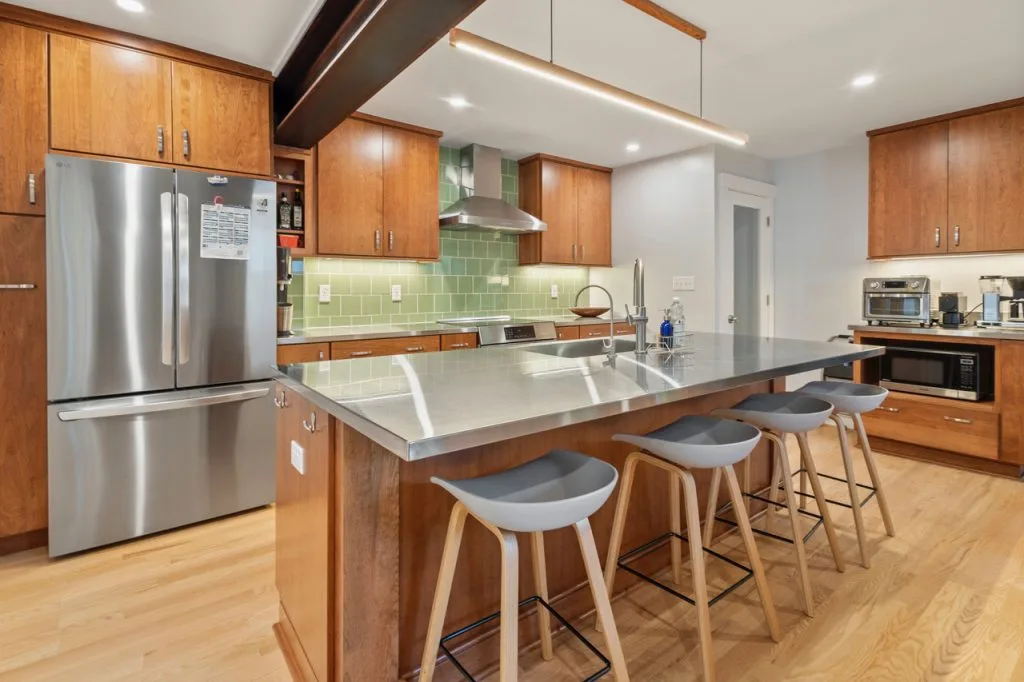
These niche materials are great if you want a standout kitchen with personality. Concrete feels industrial, stainless steel is professional-grade, recycled glass is eco-friendly, and sintered stone offers premium performance.
Pros: Unique aesthetics, durable options, eco choices available.
Cons: Higher cost or specialized installation; some surfaces can chip or patina over time.
How to Match Material to Your Kitchen & Lifestyle
Choosing the right countertop is easier when you look beyond the material itself and think about how you actually use your kitchen. The goal is to pick a surface that fits your daily routines, design style, and long-term plans. Here’s how to make the right match:
Assess your cooking habits, family size, and daily wear
If you cook often, choose something durable and low-maintenance like quartz or granite. Busy families with kids may prefer stain-resistant, easy-clean surfaces. If you bake frequently, marble or quartzite offers a naturally cool workspace.Match the finish and edge style to your kitchen’s layout
Sleek, modern kitchens often pair well with matte finishes, thin profiles, or waterfall edges. Traditional or farmhouse spaces look great with rounded edges, thicker slabs, and warm natural stone patterns. The edge style also affects safety and cleaning ease.Think about long-term value and home resale
Premium materials such as quartz, quartzite, and marble can boost home appeal, especially in competitive markets. Laminate or tile may be cost-effective now but offer less long-term return.Stay trend-aware without choosing something too temporary
Rising trends include warm veining, soft matte textures, sintered stone, and earthy neutrals. Materials falling out of favor include high-gloss laminates or overly busy patterns. Aim for a balance between timeless and modern so your kitchen stays stylish for years.
Matching your countertop to your lifestyle ensures it remains both functional and beautiful—no matter how much cooking, hosting, or family activity happens day-to-day.
Ready to Choose the Perfect Countertop?
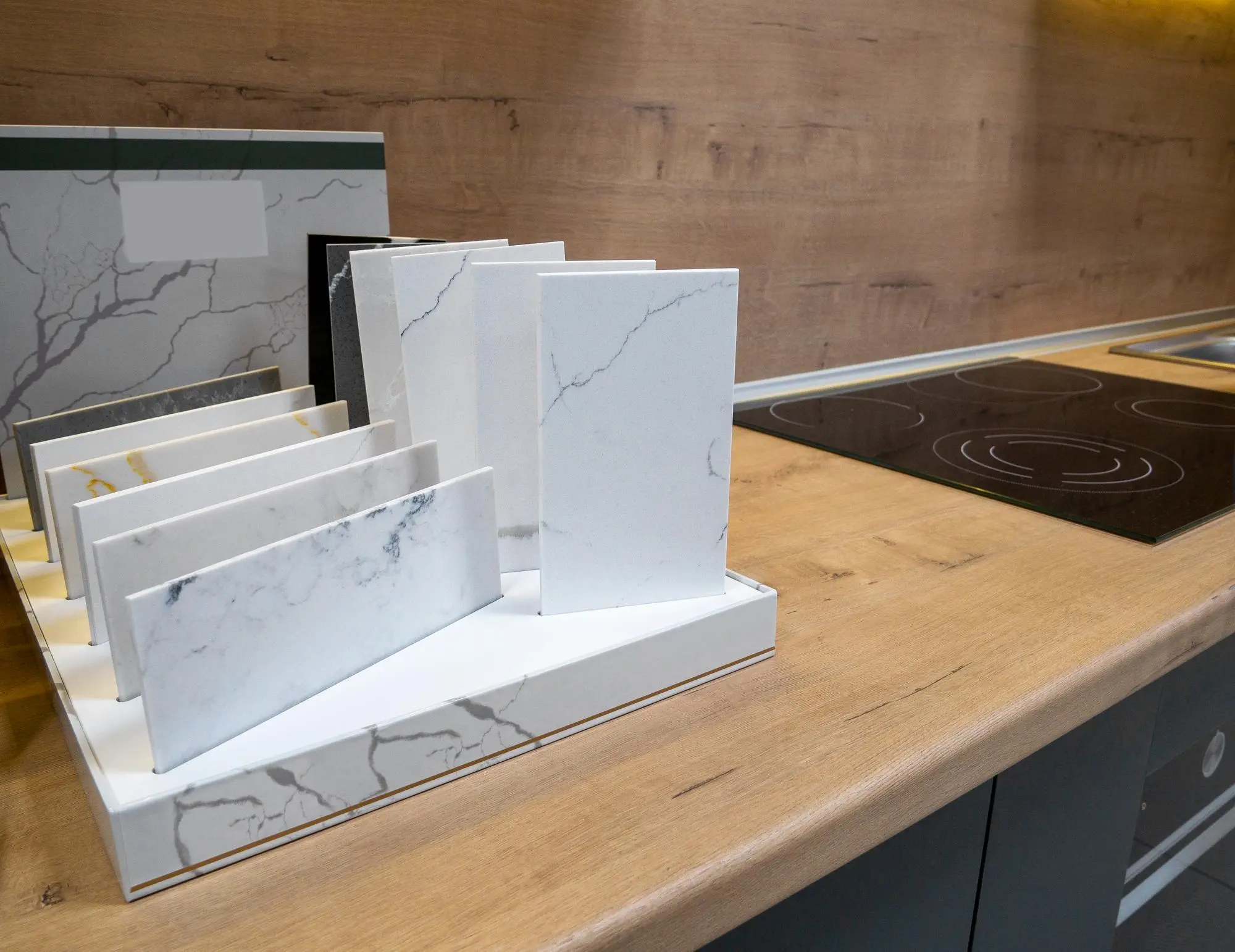
Whether you’re planning a full kitchen remodel or simply upgrading your benchtops, the right countertop material can completely transform your space. If you’re unsure which option fits your lifestyle, budget, or design goals, we’re here to help. Contact us today for personalised advice, material recommendations, and professional support to create a kitchen that looks great and works even better.
FAQs
What is the best material to use for a kitchen counter?
Experts widely recommend engineered quartz as the best all-around countertop material because it offers excellent durability and low maintenance.
What is the best countertop for your money?
For value, quartz outperforms many natural stones—offering durability, easy care, and better resale value, all for a competitive price.
What is cheaper, quartz or granite?
Granite tends to be less expensive than quartz in many cases, though prices vary by slab quality and region.
What is the newest countertop material?
Among recent trends, terrazzo and advanced sintered stone materials are emerging strong as modern countertop options.
 English
  Arabic
  Spanish
  Japanese
  Russian
  Korean