

Top 9 Common Window Problems
#1. Drafts & Air Leaks
Few window problems are more noticeable than a cold draft on a windy day. Air leaks occur when gaps develop around the window frame, sash, or weatherstripping. As windows age, seals can shrink, crack, or wear out, allowing outside air to enter your home.
Common signs of air leaks include:
Cold or warm air near the window
Higher heating and cooling bills
Rooms that feel uncomfortable year-round
Curtains moving on windy days
Even small gaps can reduce energy efficiency and force your Riscaldamento, ventilazione e condizionamento (HVAC) system to work harder. Fortunately, many draft issues can be fixed with new weatherstripping, fresh caulk, or seal replacement.
If drafts continue after basic repairs, the window itself may be outdated or improperly installed. In that case, upgrading to modern energy-efficient windows can provide a long-term solution.
#2. Water Leaks & Moisture Intrusion
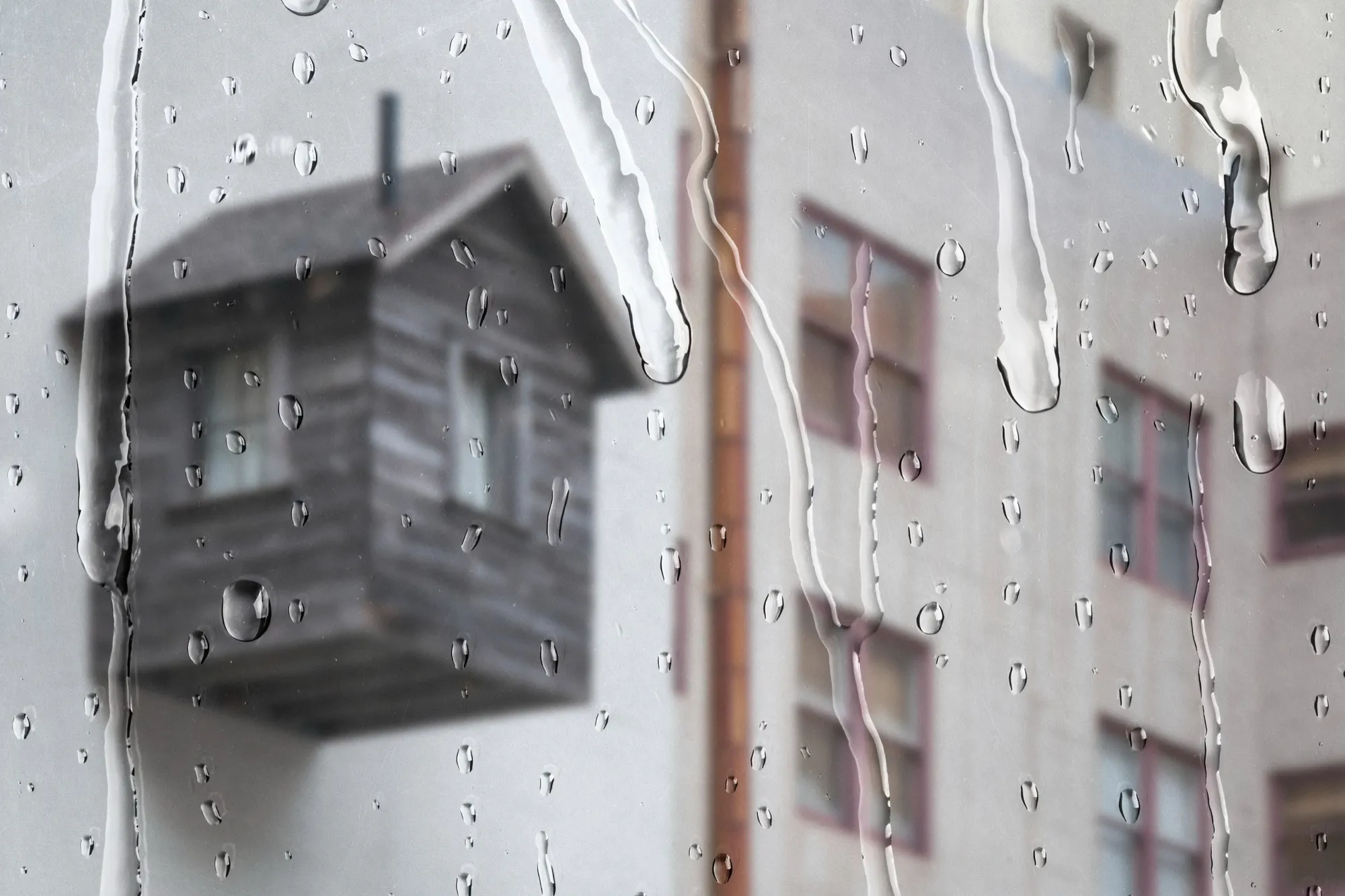
Water leaks are among the most serious window problems because they can damage both the window and the surrounding structure. Moisture often enters through failed caulking, damaged flashing, deteriorated seals, or improper installation.
Warning signs of window leaks include:
Water stains around the frame
Peeling paint or wallpaper
Crescita di muffa o funghi
Soft or rotting wood
Damp drywall near windows
Unlike air leaks, water intrusion can lead to costly structural repairs if ignored. Moisture trapped inside walls may cause wood rot, insulation damage, and indoor air quality issues.
Regularly inspecting caulk lines and exterior seals can help prevent leaks before they become major problems. If water continues to enter during rainstorms, professional inspection is usually recommended.
#3. Condensation & Fogging Issues
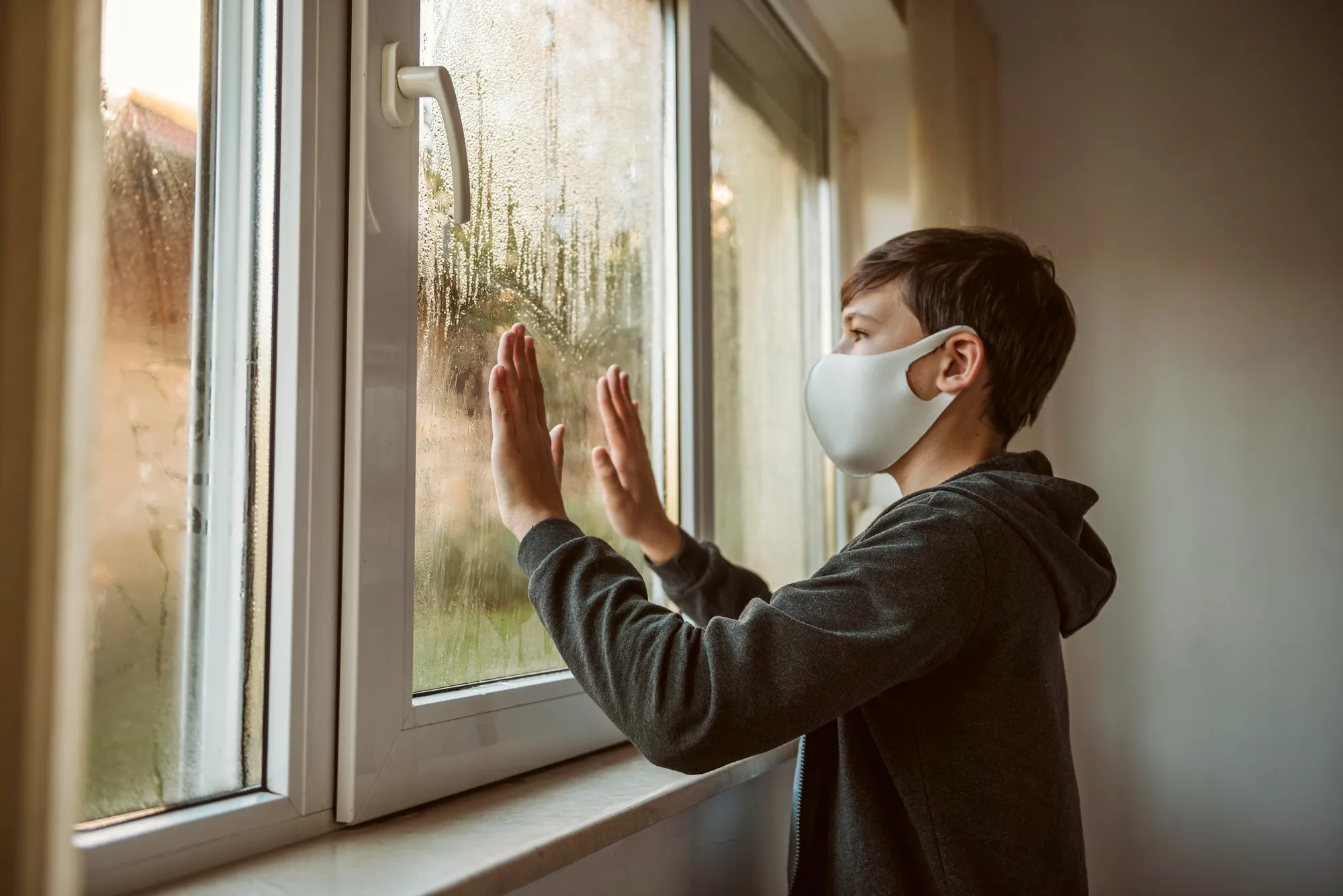
Many homeowners notice moisture on their windows and immediately assume the window is leaking. However, condensation and fogging are often different issues with different causes.
Interior condensation usually occurs when warm indoor air meets a cold glass surface. High indoor humidity is often the main cause.
Fogging between glass panes is more serious. It typically indicates that the insulated glass seal has failed, allowing moisture to become trapped between the panes.
Common causes include:
High indoor humidity
scarsa ventilazione
Temperature differences
Failed insulated glass seals
While occasional interior condensation can often be reduced through better ventilation, persistent fogging between panes usually requires glass unit replacement or a new window. Besides affecting visibility, failed seals also reduce the window’s energy efficiency.
#4. Windows That Won’t Open or Close
A window that sticks, jams, or refuses to lock properly is more than an inconvenience—it can affect ventilation, security, and emergency escape routes.
Several issues can cause windows to become difficult to operate:
Dirt and debris in tracks
Paint buildup around frames
Warped wood from moisture exposure
Damaged balances or springs
Misaligned frames due to settling
Corroded or worn hardware
In many cases, cleaning tracks and lubricating moving parts can restore smooth operation. However, older windows may develop frame distortion or hardware failures that require professional repair.
If a window no longer closes tightly, it can also create drafts, water leaks, and security concerns. Addressing operational problems early helps prevent more expensive repairs later and keeps your windows functioning safely and efficiently.
#5. Broken or Cracked Glass
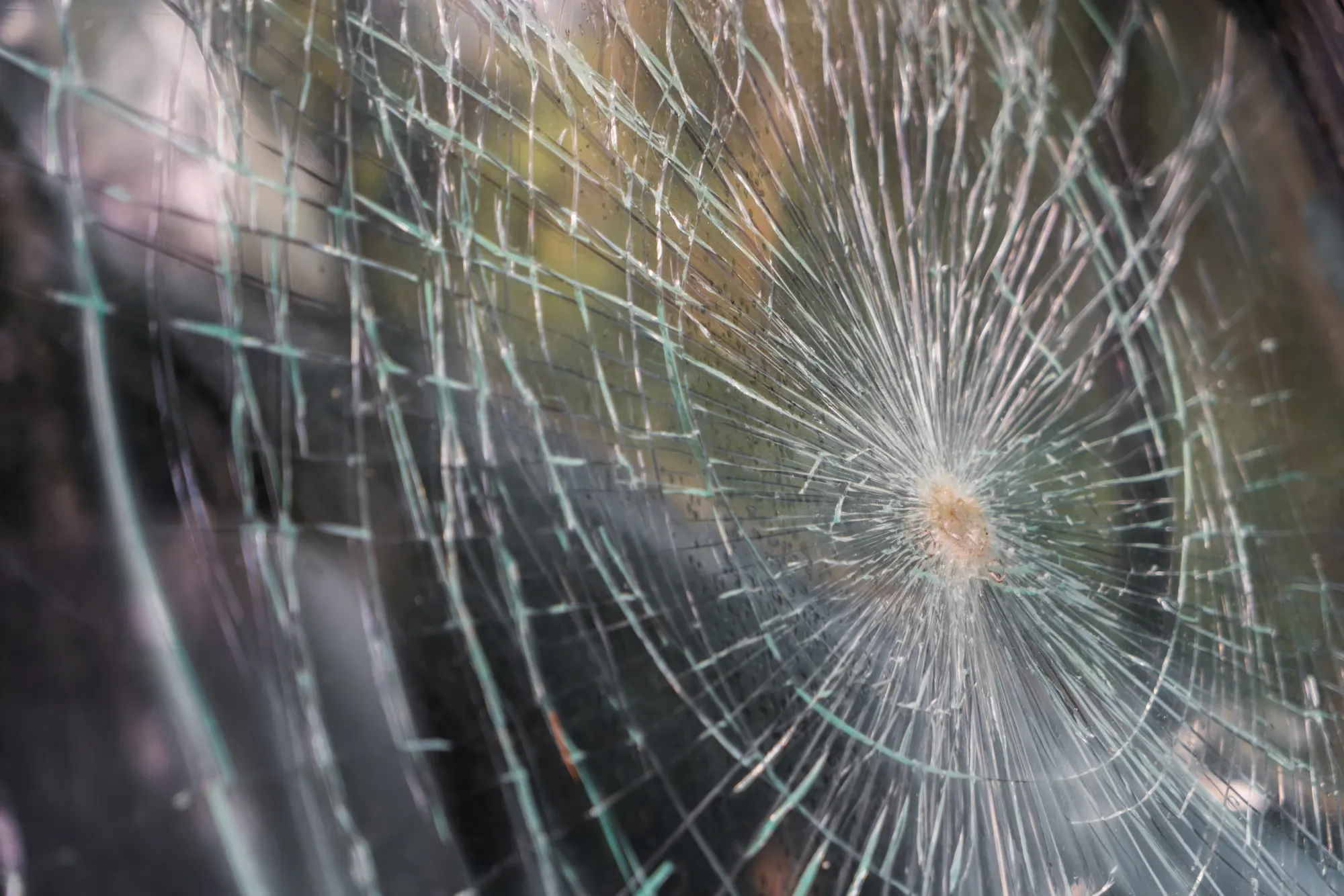
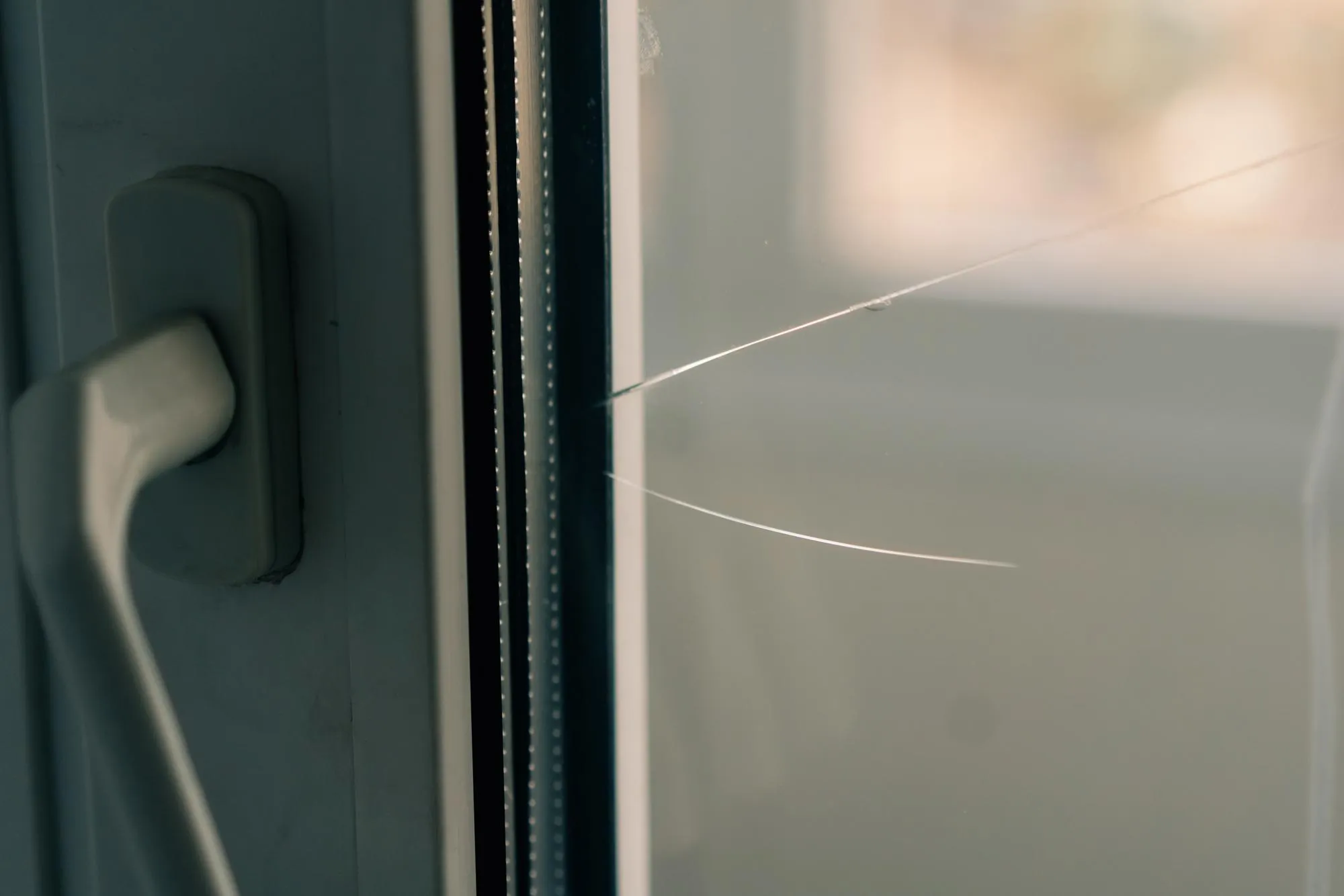
Broken or cracked window glass is one of the most obvious window problems homeowners face. Damage can happen from severe weather, accidental impact, temperature changes, or natural settling of the home.
Even a small crack should not be ignored. Over time, cracks can spread and weaken the entire glass panel, reducing both safety and energy efficiency.
Common signs include:
Visible cracks or chips
Drafts near damaged glass
Increased outdoor noise
Difficulty maintaining indoor temperatures
In some cases, only the glass unit needs replacement. However, if the frame is also damaged, a full window replacement may be the better long-term solution.
#6. Failed Window Seals
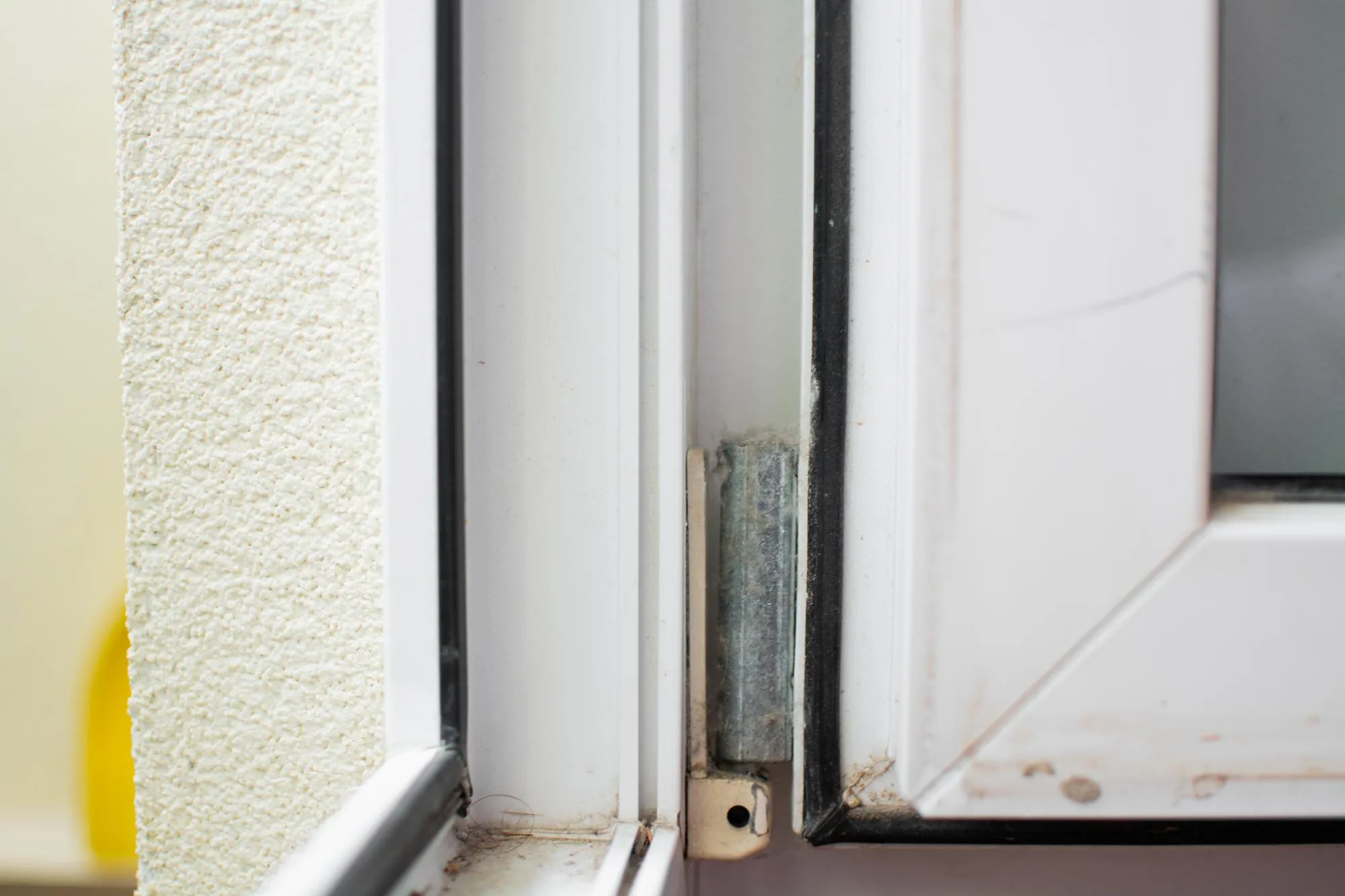
Modern double-pane and triple-pane windows rely on airtight seals to keep insulating gas trapped between the glass layers. When these seals fail, moisture and outside air can enter the space between the panes.
A failed seal often causes:
Foggy glass that cannot be wiped away
Condensation between panes
Reduced energy efficiency
Higher heating and cooling costs
Seal failure is more common in older windows exposed to years of sunlight, temperature fluctuations, and weather conditions. While some specialized repairs are available, replacing the insulated glass unit is often the most effective solution.
#7. Rotting, Warped, or Cracked Frames
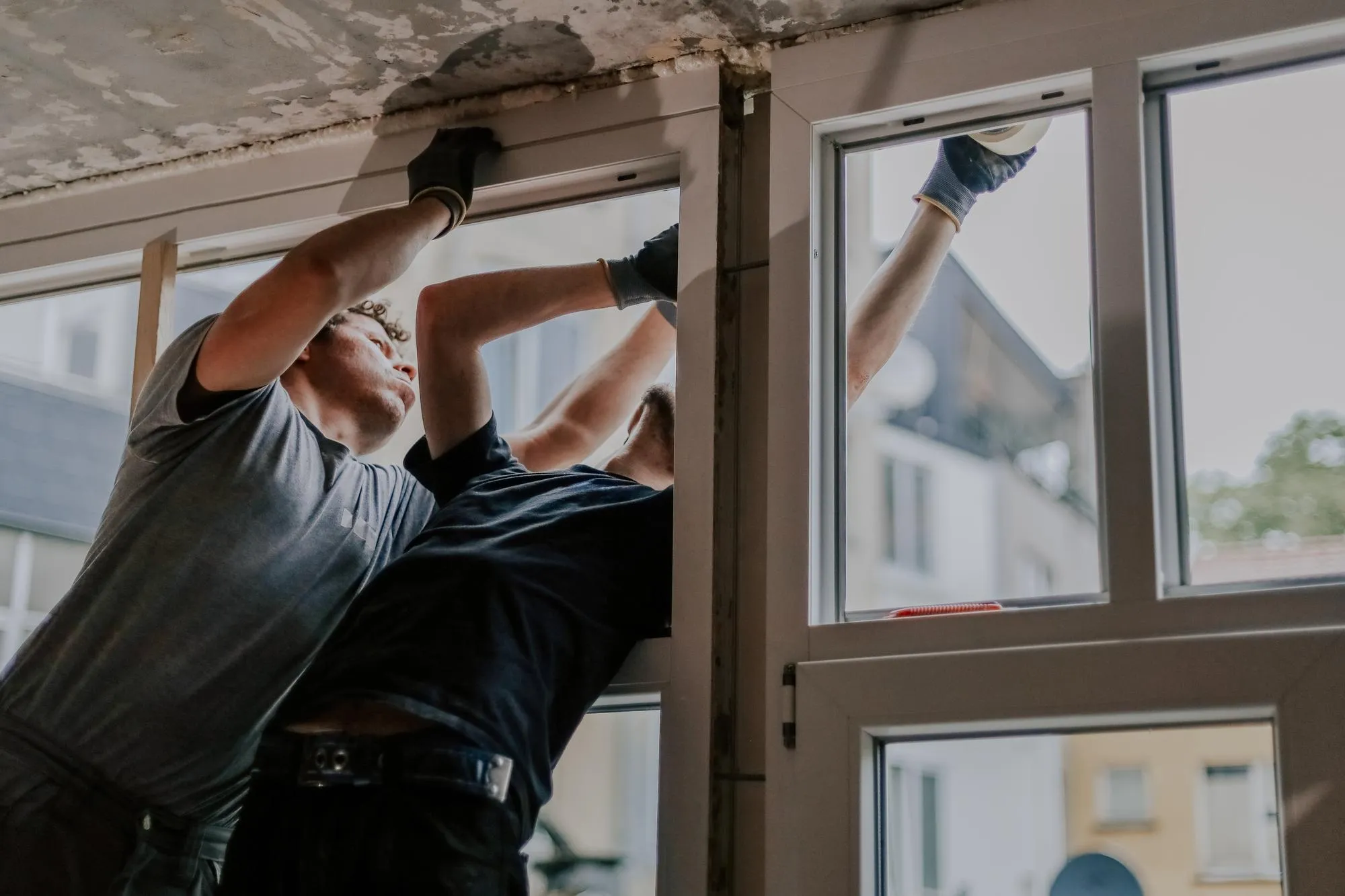
Window frames play a critical role in supporting the glass, maintaining insulation, and protecting against water intrusion. Over time, exposure to moisture, sunlight, and changing temperatures can cause frames to deteriorate.
Wood frames are particularly vulnerable to rot, while vinyl and aluminum frames may warp or crack under extreme conditions.
Warning signs include:
Soft or spongy wood
Visible cracks in the frame
Difficoltà nell'aprire o chiudere le finestre
Gaps between the frame and wall
Peeling paint or moisture damage
Frame damage can affect the entire window system. If the structural integrity of the frame is compromised, replacement is often more cost-effective than repeated repairs.
#8. Worn or Broken Hardware
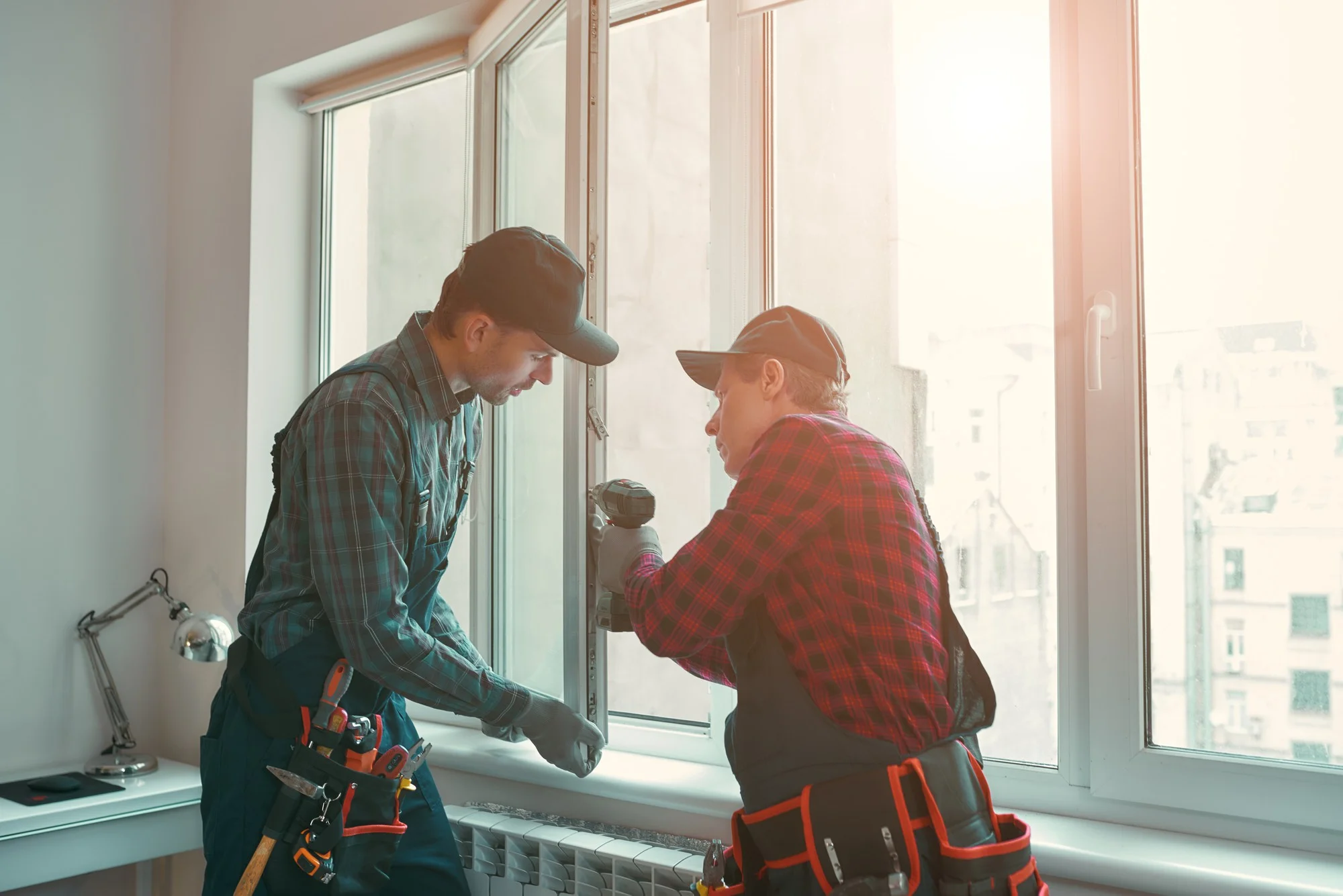
Window hardware includes locks, handles, hinges, cranks, balances, rollers, and other moving components. These parts experience daily wear and can eventually fail after years of use.
Common hardware problems include:
Loose handles or locks
Broken crank mechanisms
Stiff hinges
Faulty balances in hung windows
Windows that won’t stay open
When hardware stops functioning properly, windows become harder to operate and may no longer provide adequate security.
Regular cleaning and lubrication can extend hardware life. Fortunately, many hardware components can be replaced without replacing the entire window, making this one of the more affordable window repairs.
#9. Excess Noise & Poor Insulation
If outside traffic, construction, or neighborhood noise seems unusually loud indoors, your windows may not be providing sufficient insulation. Older single-pane windows and windows with worn seals are often the biggest contributors.
Poor insulation can lead to:
Increased outside noise
Higher energy bills
Drafty rooms
Uneven indoor temperatures
Reduced comfort year-round
Several factors may be responsible, including thin glass, failed seals, poor installation, or aging frames.
Upgrading to modern double-pane or triple-pane windows with low-E glass and insulated frames can significantly improve both sound reduction and energy efficiency. For many homeowners, solving insulation issues delivers noticeable comfort improvements while lowering long-term energy costs.
When Repairs Can’t Solve the Problem
Sometimes, no matter how many repairs you try, a window just won’t function properly or maintain its performance. Recognizing when it’s time for a full replacement can save time, money, and frustration in the long run.
Signs Repairs Aren’t Enough
- Repeated Problems – The same issues, such as drafts, leaks, or hardware failures, keep coming back.
- Structural Damage – Rotting, warped, or cracked frames weaken the entire window system.
- Severe Glass Damage – Multiple cracks, shattered panes, or failed insulated glass units reduce safety and efficiency.
- Energy Efficiency Loss – High energy bills persist despite attempts to seal or repair.
- Extensive Noise Issues – Outside noise remains a problem even after hardware or seal adjustments.
Why Replacement Is Often Better
- Long-Term Solution – New windows restore proper function and efficiency for years.
- Modern Upgrades – Replacement allows you to choose energy-efficient, low-maintenance, or soundproof options.
- Enhanced Safety – New windows meet current safety standards with stronger glass and secure hardware.
- Aesthetic Improvement – Fresh frames and designs improve your home’s look and curb appeal.
When repairs are no longer cost-effective, a full replacement is often the most practical choice, giving you peace of mind and better performance throughout your home.
FAQ
What are two general window problems?
Two common window problems are drafts/air leaks and water leaks or moisture intrusion around the frame. Drafts make rooms uncomfortable, and leaks can lead to damage and mold.
What are the common problems with window panes?
Common issues with window panes include cracked or broken glass and seal failure that causes fogging or condensation between panes.
What are common Windows 11 issues?
Windows 11 users often face problems such as upgrade/installation errors, slow performance or freezes, driver and hardware conflicts, and network or update issues.
What are the common problems with window frames?
Window frames can rot, crack, warp, or deteriorate due to moisture and age, leading to drafts, leaks, and operational issues.
 English
  Arabic
  Spanish
  Japanese
  Russian
  Korean
  French
  Italian