

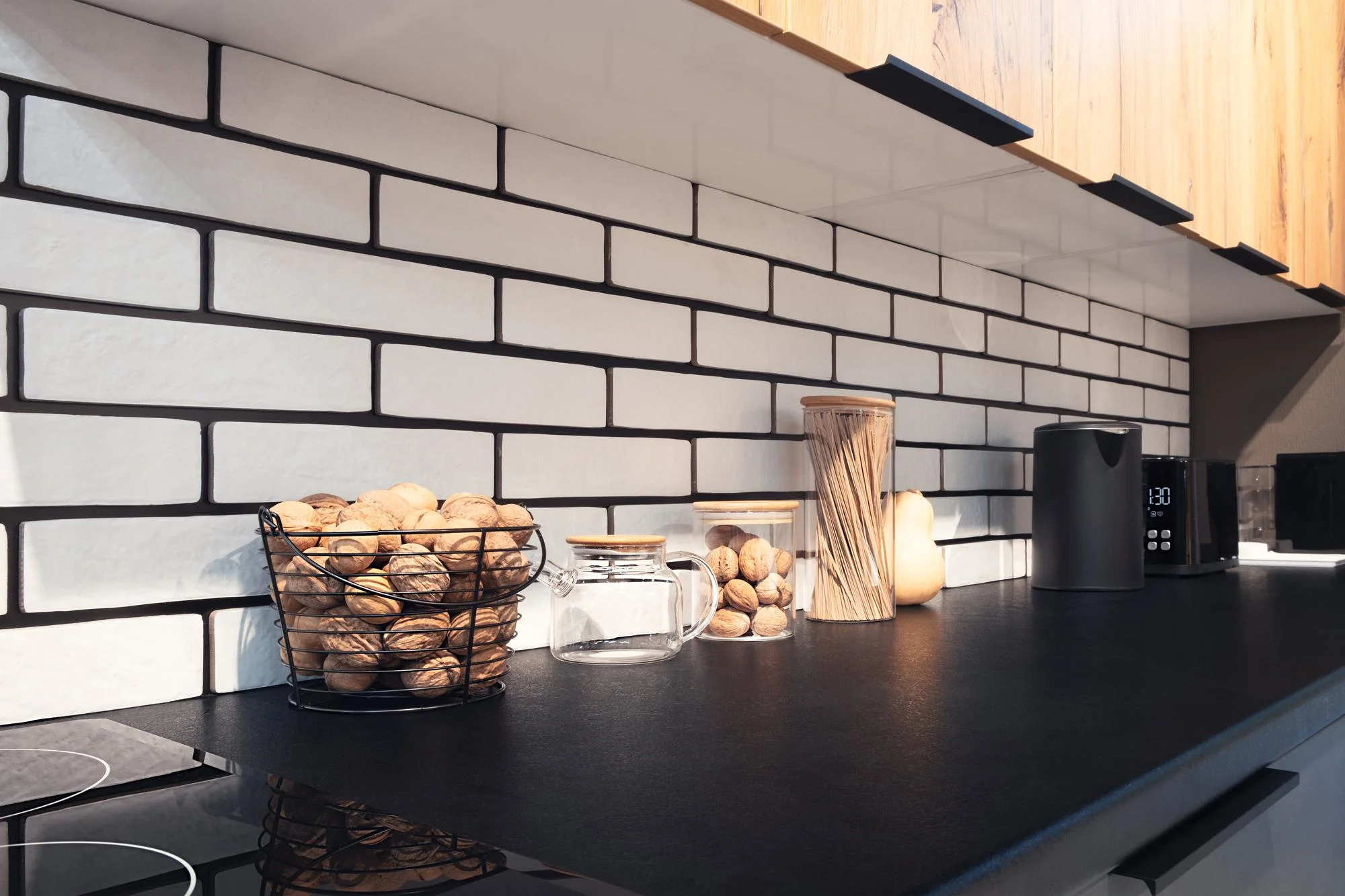
Most Popular Kitchen Backsplash Materials
Choosing the right backsplash material can completely change how your kitchen looks and feels. The best option depends on your budget, style, and how much maintenance you’re willing to handle. Here are the most popular materials and what makes each one stand out.
Ceramic & Porcelain Tile (Most Common)
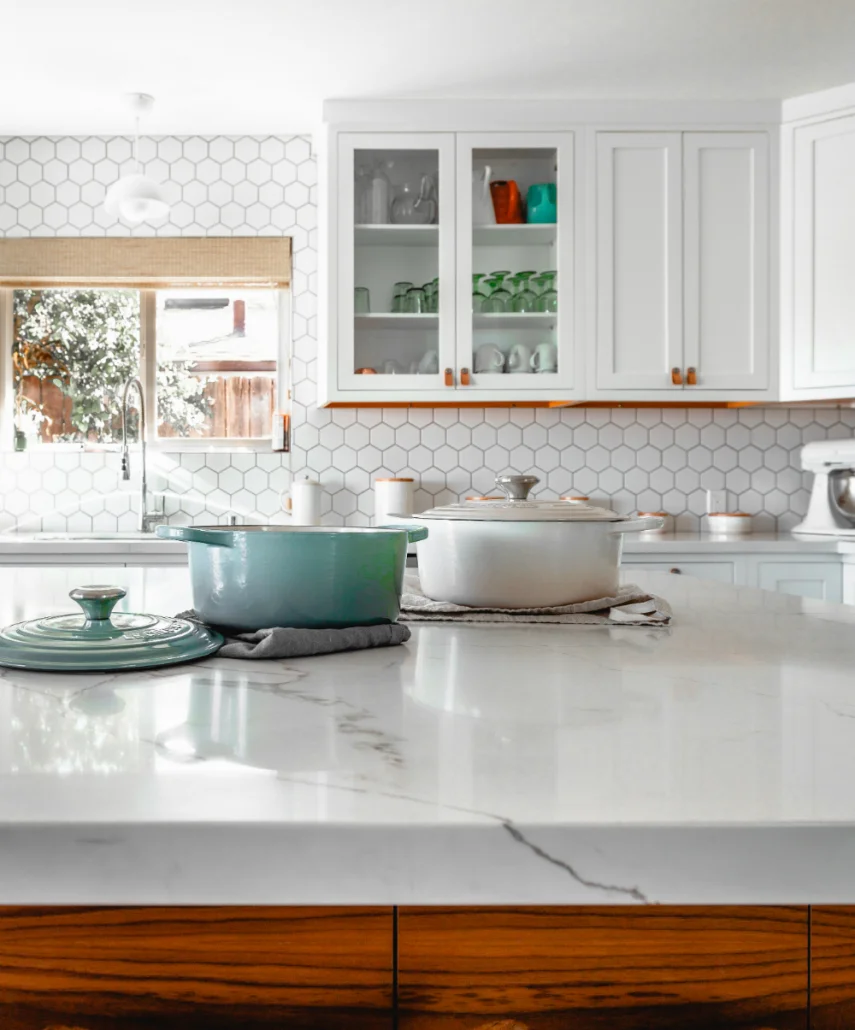
They are also easy to clean, making them practical for everyday use. This is one of the most popular and cost-effective backsplash materials available.
Glass Tile (Modern & Reflective)
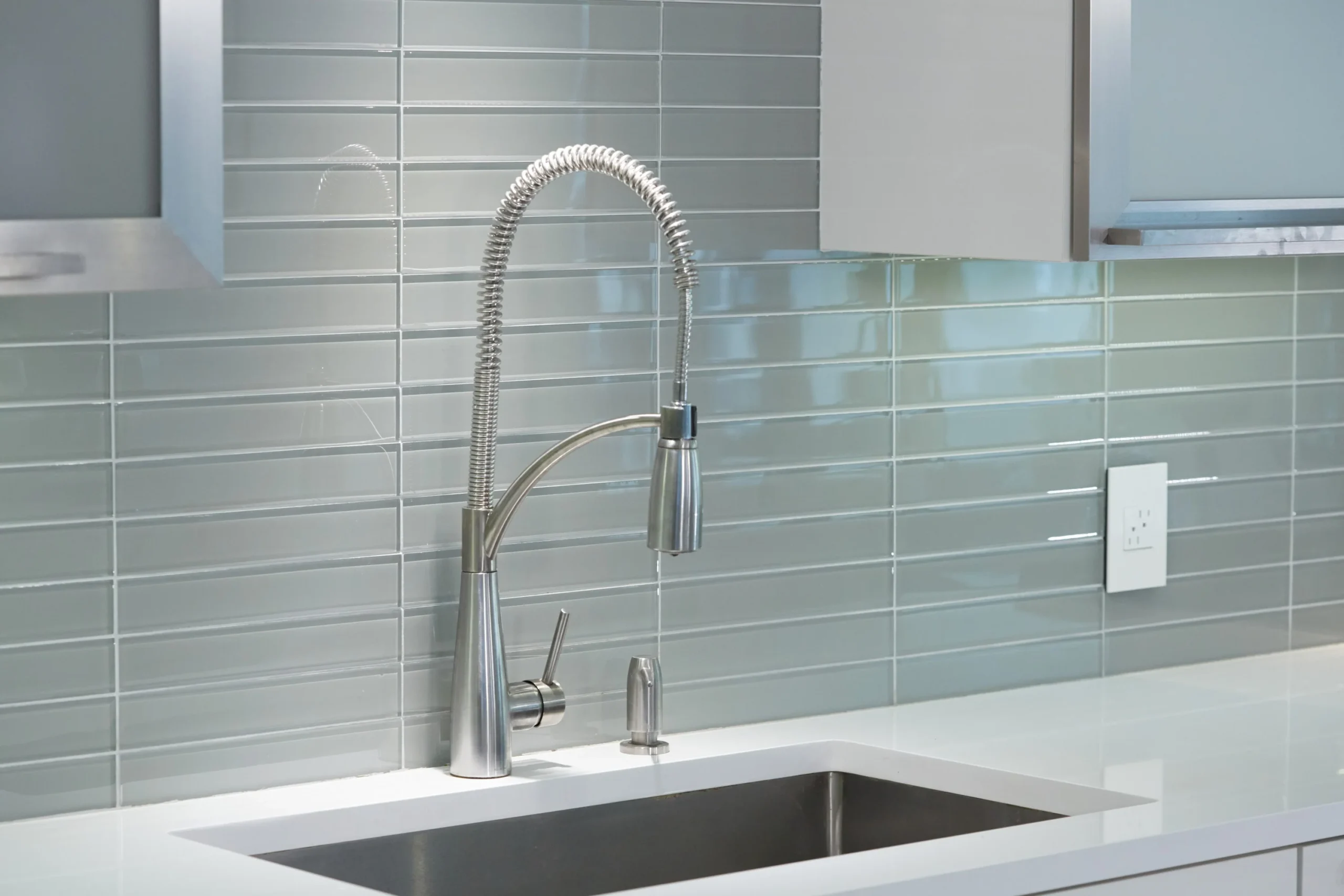
Glass tiles are perfect if you want to brighten your kitchen. Their reflective surface helps bounce light around the room, making small spaces feel larger and more open.
They have a smooth finish that is easy to wipe clean and resist stains well. Glass tiles also offer strong color clarity, adding depth and a modern touch to your kitchen design.
Natural Stone (Luxury Option)
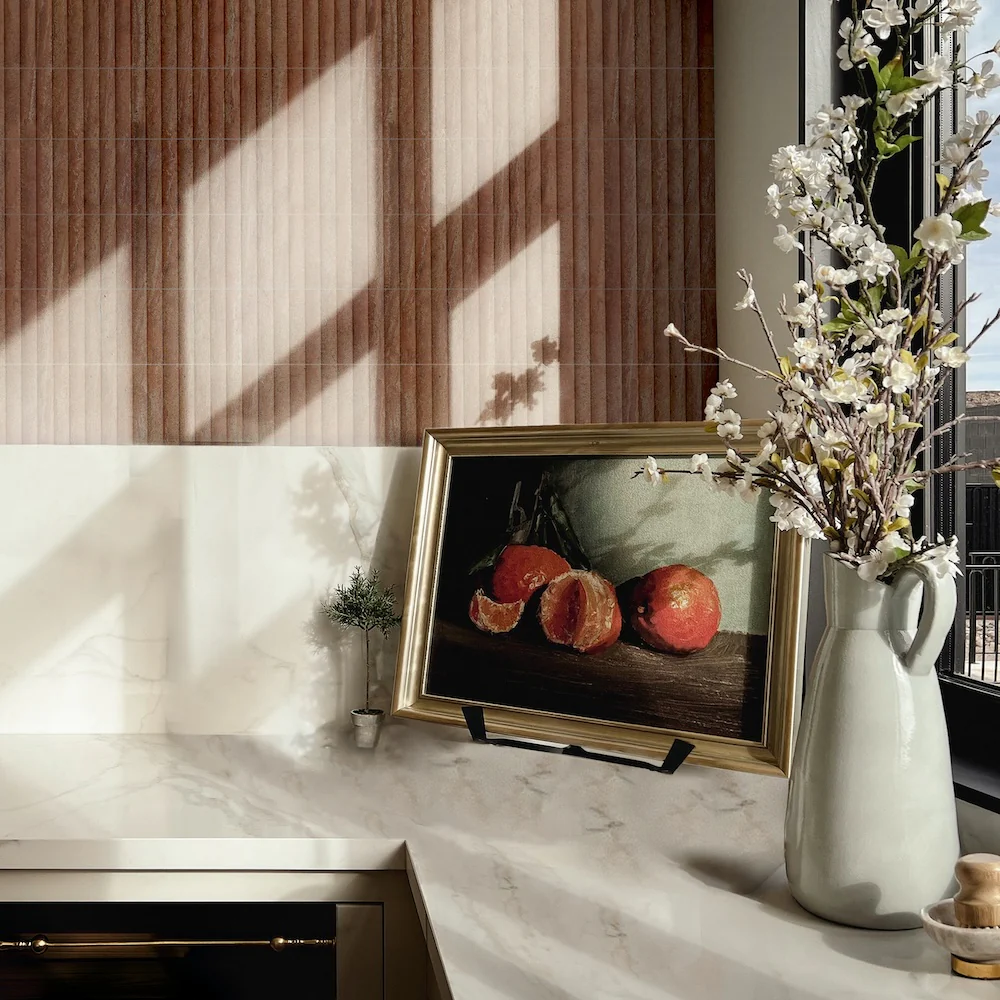
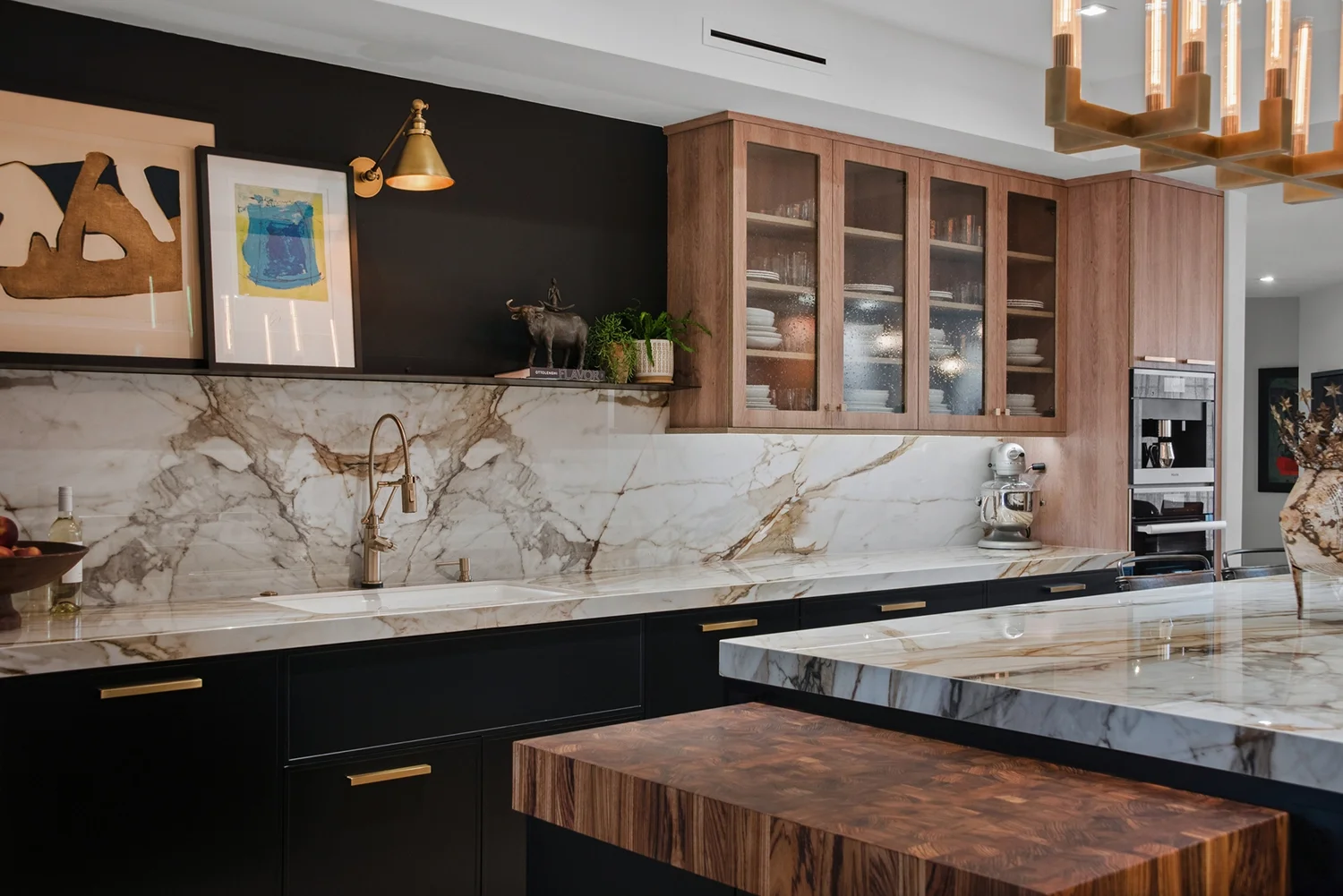
Natural stone backsplashes, such as marble, granite, and travertine, bring a high-end and timeless look. Each piece has unique patterns, giving your kitchen a one-of-a-kind finish.
Stone is durable, but it often needs sealing to protect against stains and moisture. It’s a great option if you want a premium, natural aesthetic.
Quartz & Engineered Stone (Seamless Style)
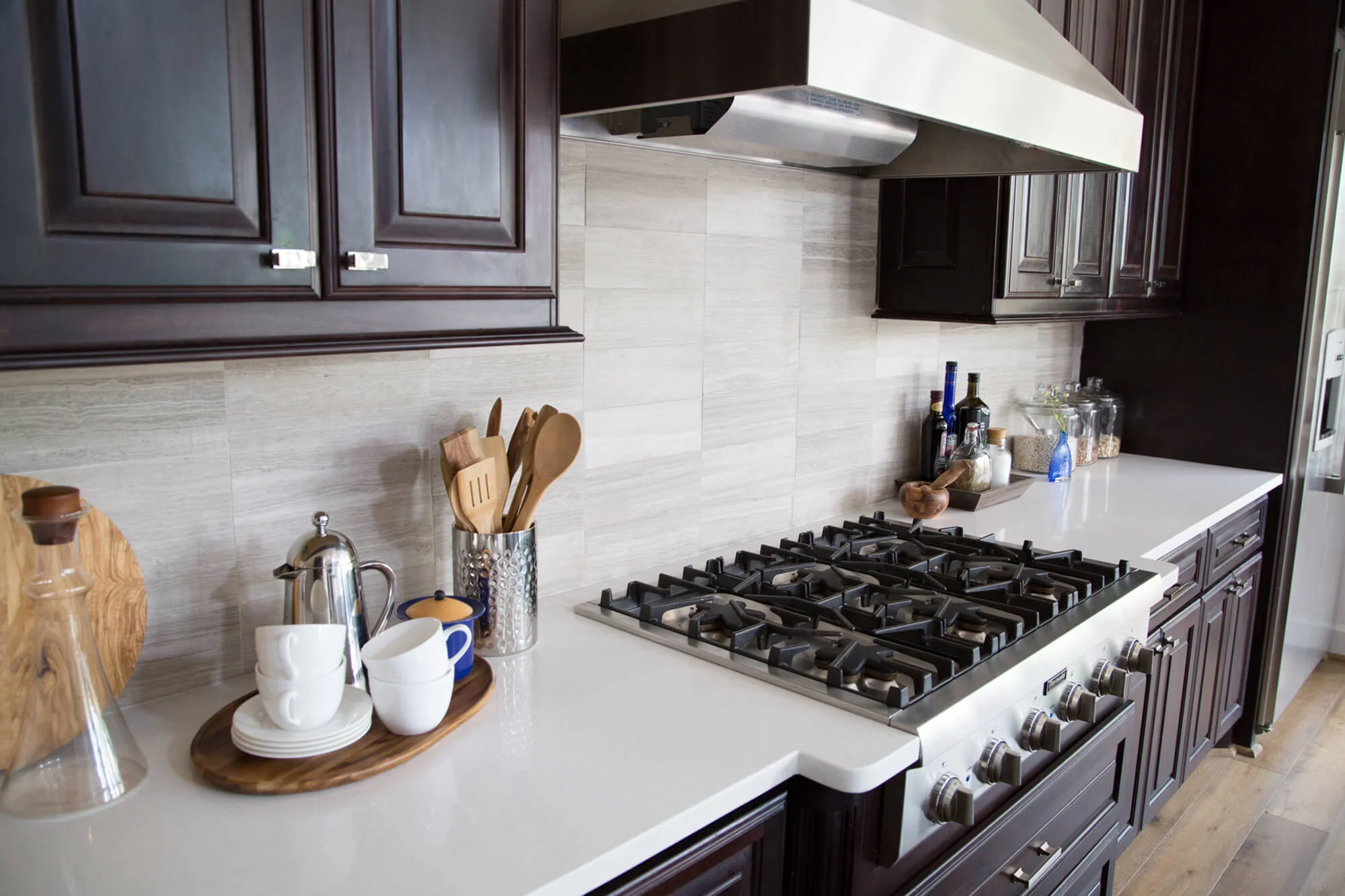
Quartz and engineered stone are popular for creating a clean, seamless look. These materials are non-porous, which means they resist stains and require very little maintenance.
They are often used as full slabs instead of tiles, reducing grout lines and making cleaning easier. This option works well in modern kitchens that focus on simplicity and smooth finishes.
Metal (Industrial & Modern)
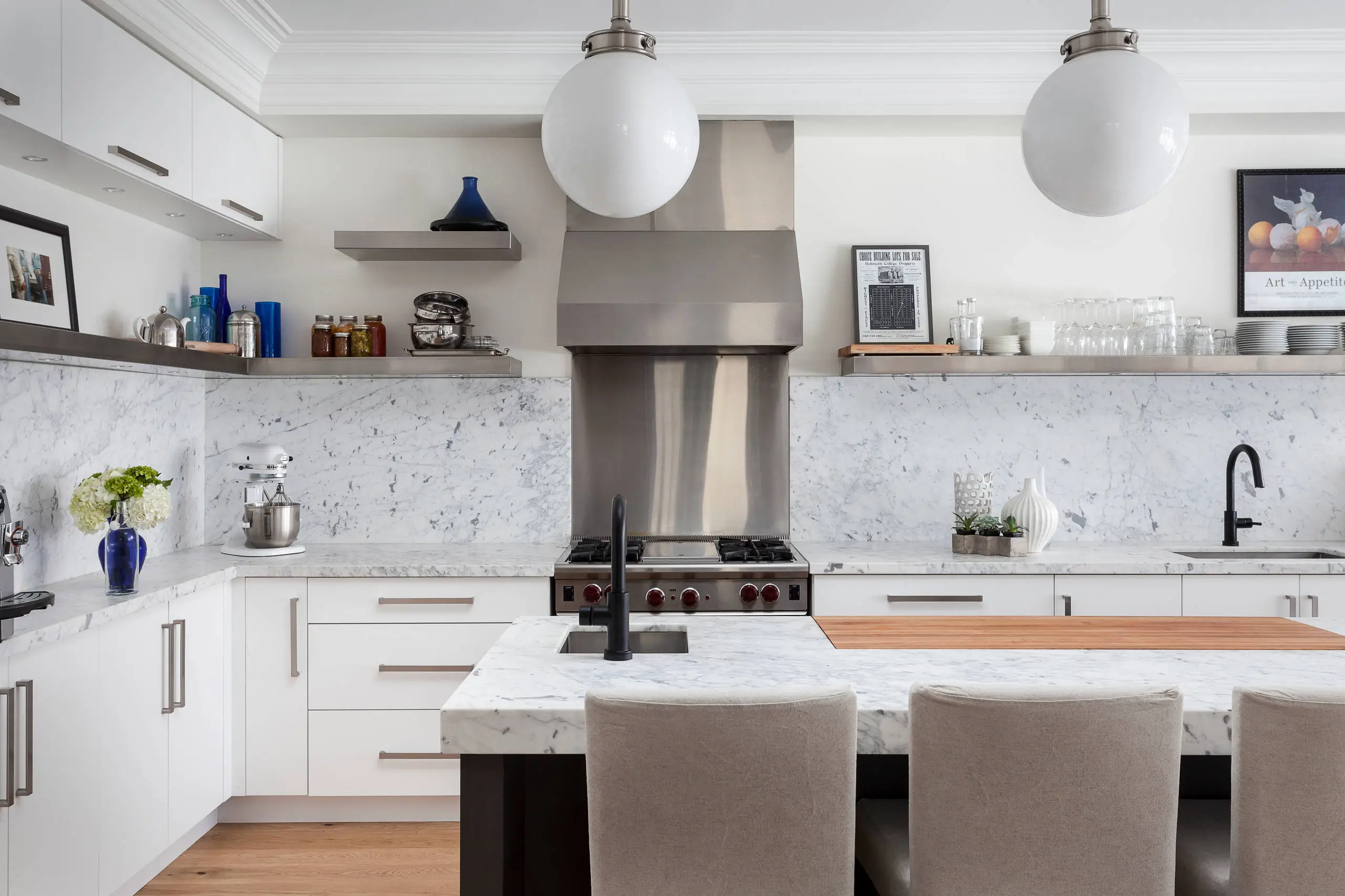
Metal backsplashes, including stainless steel, aluminum, and copper, are known for their durability and sleek appearance. They handle heat well and are easy to wipe down after cooking.
This material is often used in modern or industrial-style kitchens. It adds a professional, clean look but may show fingerprints more easily.
Laminate & Peel-and-Stick (Budget-Friendly)
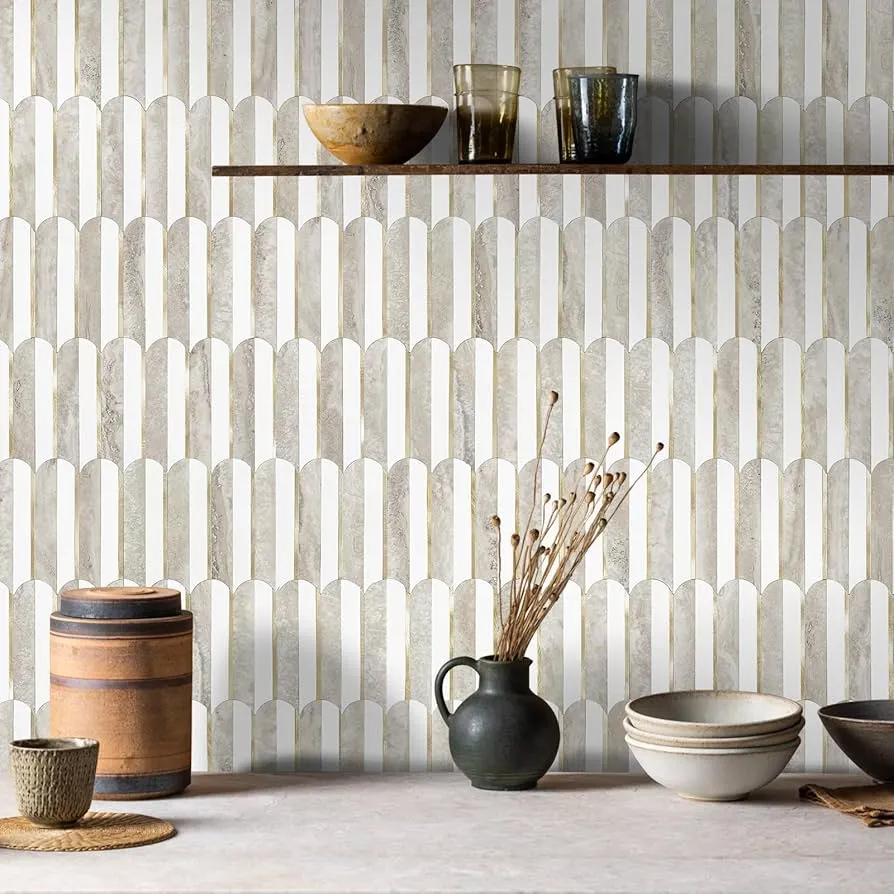
If you’re looking for a quick and affordable upgrade, laminate or peel-and-stick backsplashes are a smart choice. They are easy to install, making them ideal for DIY projects.
With many styles available, you can mimic the look of tile, stone, or wood at a lower cost. These options are cost-effective and simple to maintain, though they may not last as long as permanent materials.
Alternative & Trendy Backsplash Materials
If you want something different from traditional tile, there are plenty of creative backsplash options to explore. These materials can add personality, texture, and a fresh design edge to your kitchen.
Wood & Panels (Warm Look)
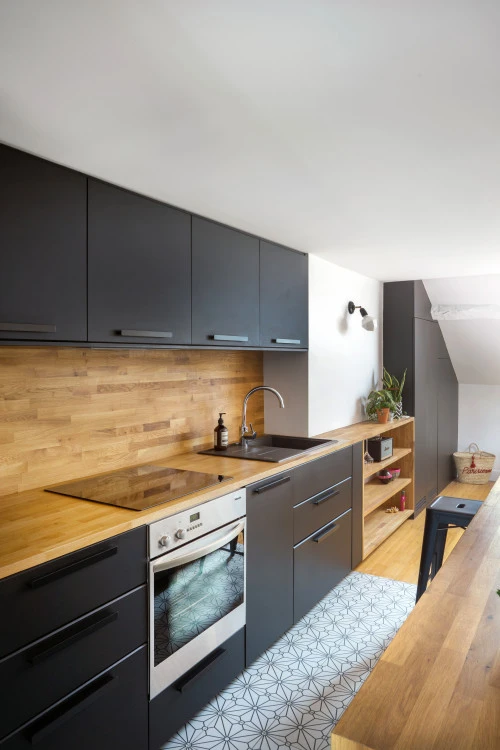
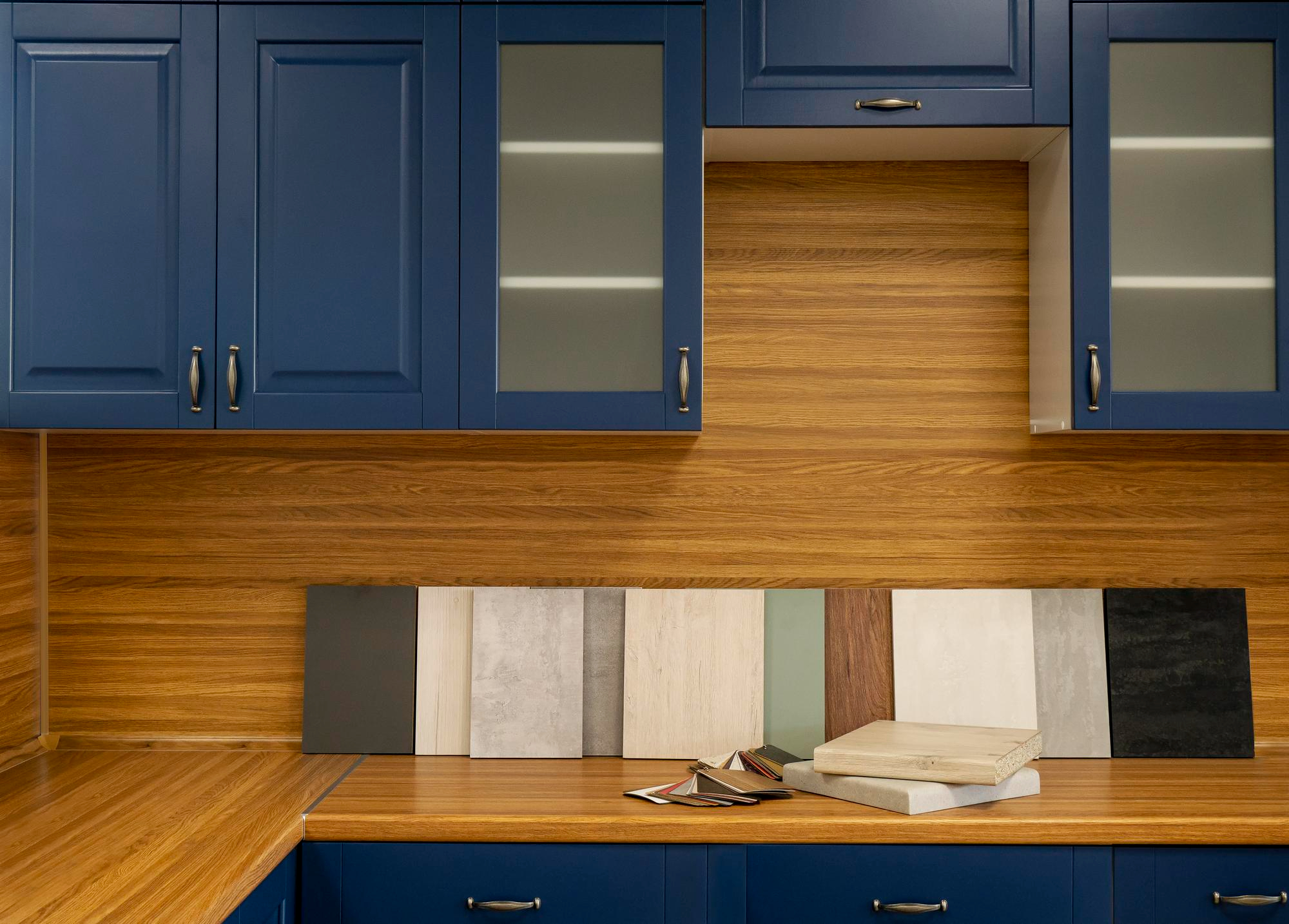
Wood backsplashes bring a warm, natural feel that works well in farmhouse, rustic, or modern kitchens. Panels or wood planks can create a clean and cozy look.
Because wood is sensitive to moisture, it needs proper sealing to prevent damage. With the right care, it can be both stylish and functional.
Key benefits:
- Adds natural texture and warmth
- Works with many design styles
- Creates a soft, inviting look
Brick or Faux Brick (Textured Style)
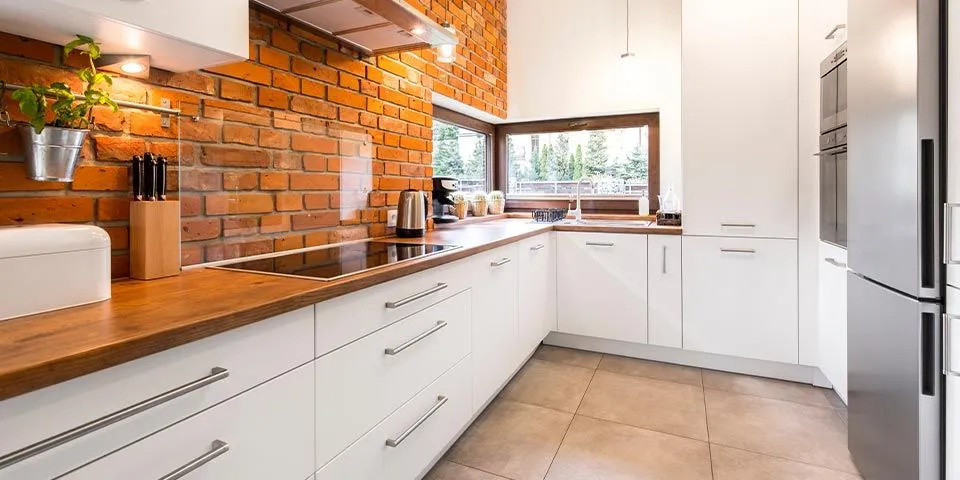
Brick backsplashes offer a bold, textured appearance. They are often used to create a rustic or industrial vibe, adding depth and character to the kitchen.
Faux brick options are lighter and easier to install, making them a practical alternative to real brick.
Key benefits:
- Strong visual texture
- Ideal for rustic or industrial designs
- Available in lightweight options
Paint or Wallpaper (Ultra Budget)
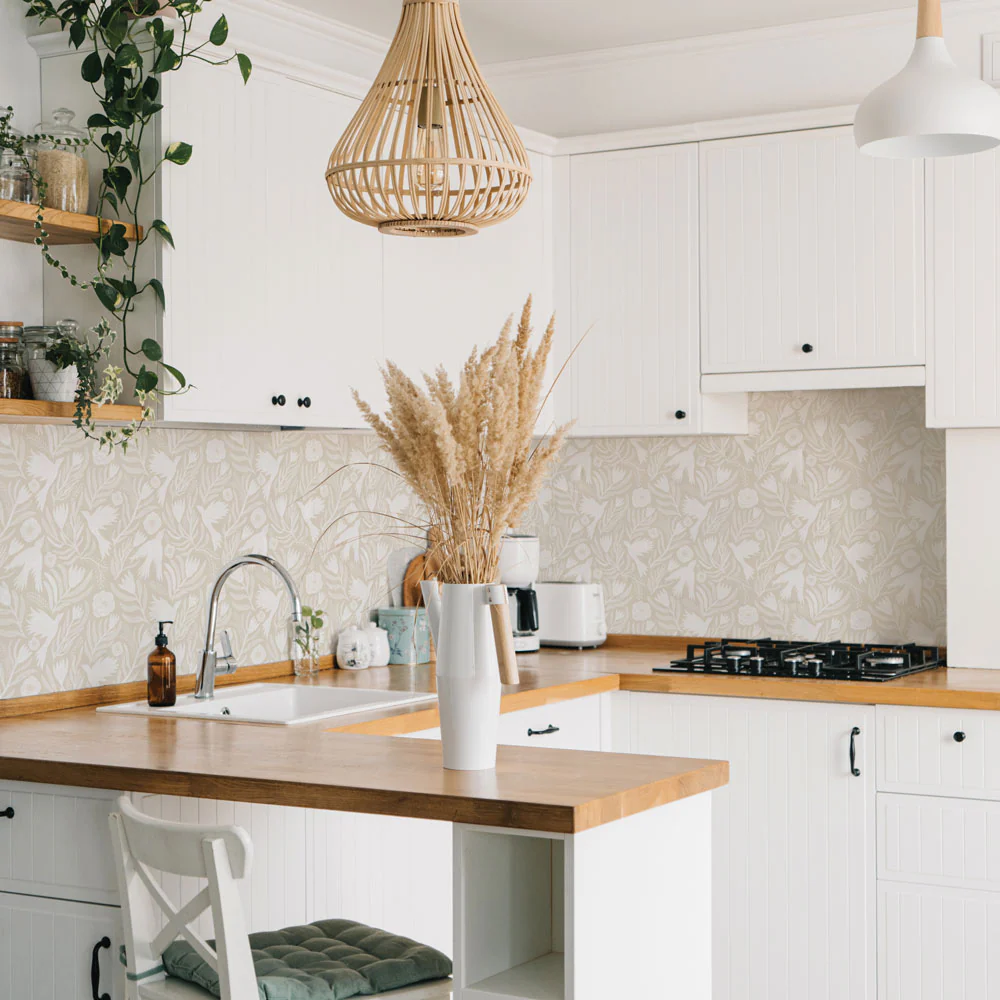
For a quick and low-cost update, paint or wallpaper can work as a backsplash. This is a simple way to refresh your kitchen without major changes.
To improve durability, it’s important to use moisture-resistant paint or add a protective coating over wallpaper.
Key benefits:
- Very affordable and easy to apply
- Fast way to update your kitchen
- Flexible for changing styles

 English
  Arabic
  Spanish
  Japanese
  Russian
  Korean
  French
  Italian