

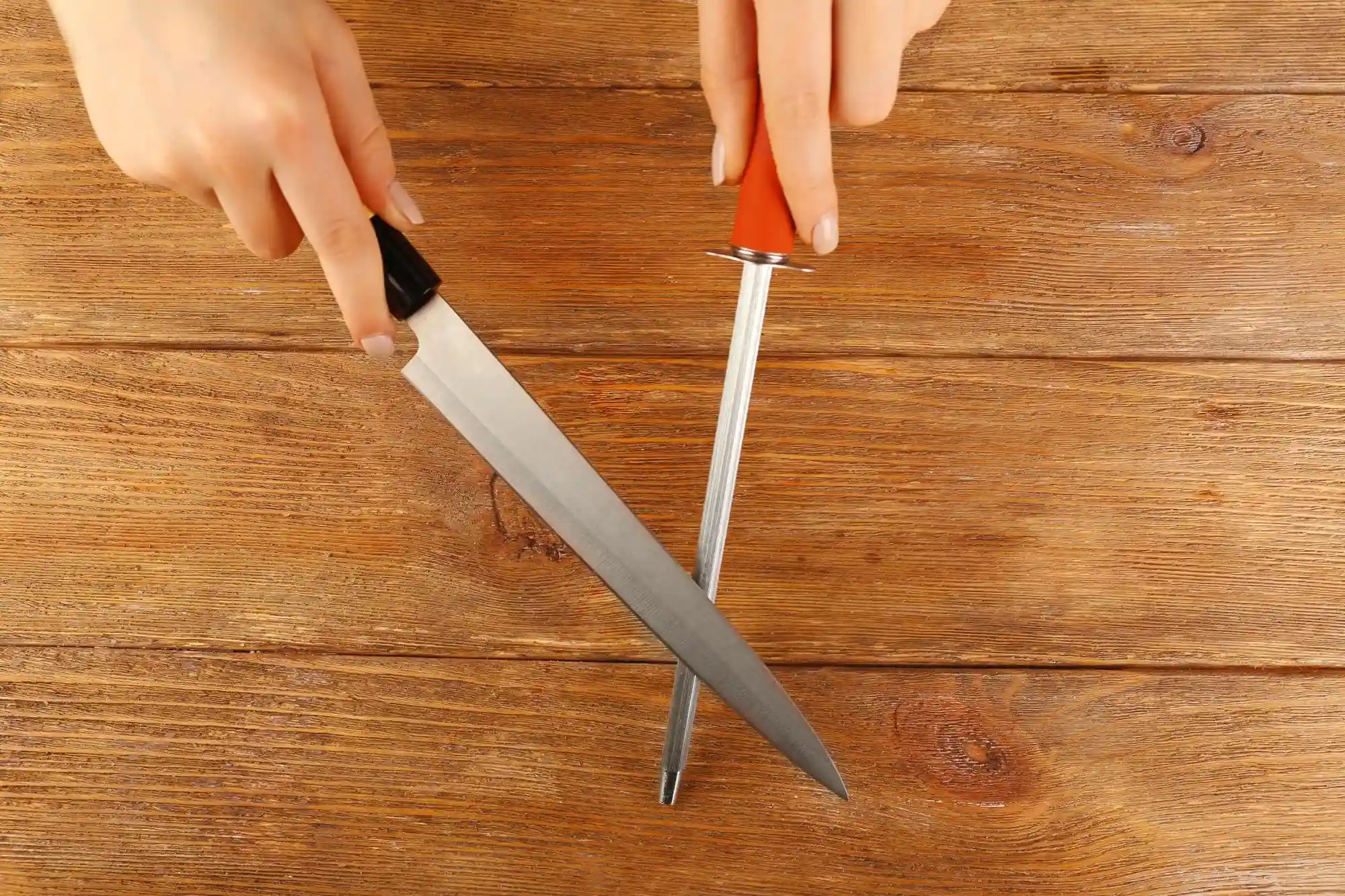
12 Essential Types of Kitchen Knives
Having the right knives makes cooking easier, faster, and safer. Each knife is designed for a specific task, so using the right one improves both results and efficiency.
| Knife Type | Blade Feature | Best Use | Main Benefit |
|---|---|---|---|
| Chef’s Knife | Large, versatile blade | Chopping, slicing, dicing | Handles most kitchen tasks |
| Paring Knife | Small, precise blade | Peeling, trimming, detail work | Better control |
| Bread Knife | Serrated edge | Bread, tomatoes, cakes | Cuts without crushing |
| Santoku Knife | Shorter all-purpose blade | Slicing, dicing, mincing | Easy to handle |
| Utility Knife | Mid-size blade | Fruits, vegetables, sandwiches | Good everyday flexibility |
| Boning Knife | Thin, flexible blade | Removing bones from meat or fish | Precise cutting |
| Cleaver | Large, heavy blade | Meat, bones, tough vegetables | Heavy-duty chopping |
| Nakiri Knife | Flat vegetable blade | Vegetable slicing and chopping | Clean straight cuts |
| Carving Knife | Long, thin blade | Cooked meats | Smooth slices |
| Fillet Knife | Flexible blade | Fish skin and bones | Reduces waste |
| Slicing Knife | Long slicing blade | Roasts and large meat cuts | Thin, even slices |
| Steak Knife | Small table knife | Cooked meat | Easy eating |
1. Chef’s Knife
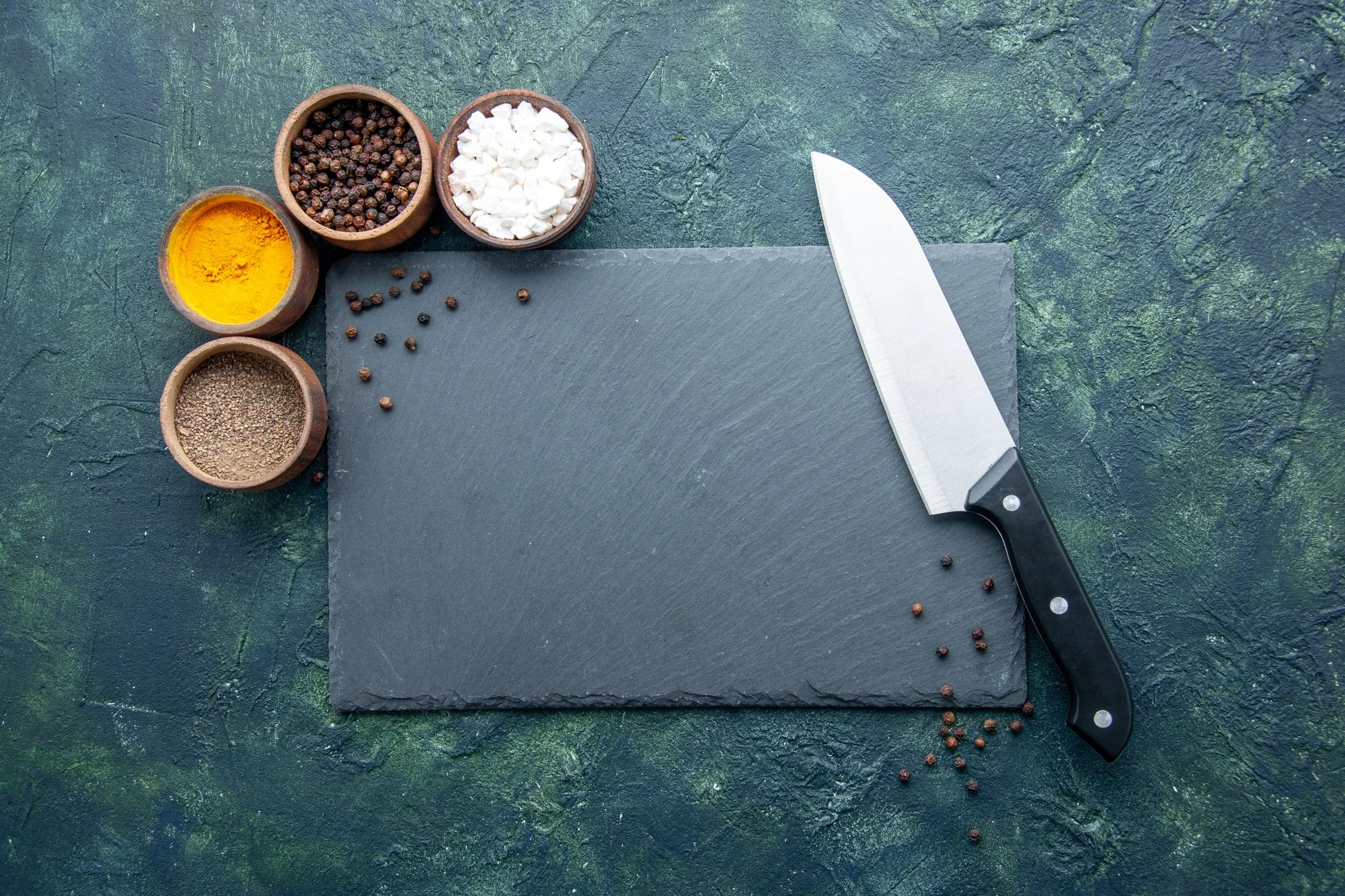
The chef’s knife is the most important tool in any kitchen.
It is highly versatile and can handle chopping, slicing, and dicing with ease. Most home cooks use it for about 80% of their daily tasks, making it the go-to knife for almost everything.
2. Paring Knife
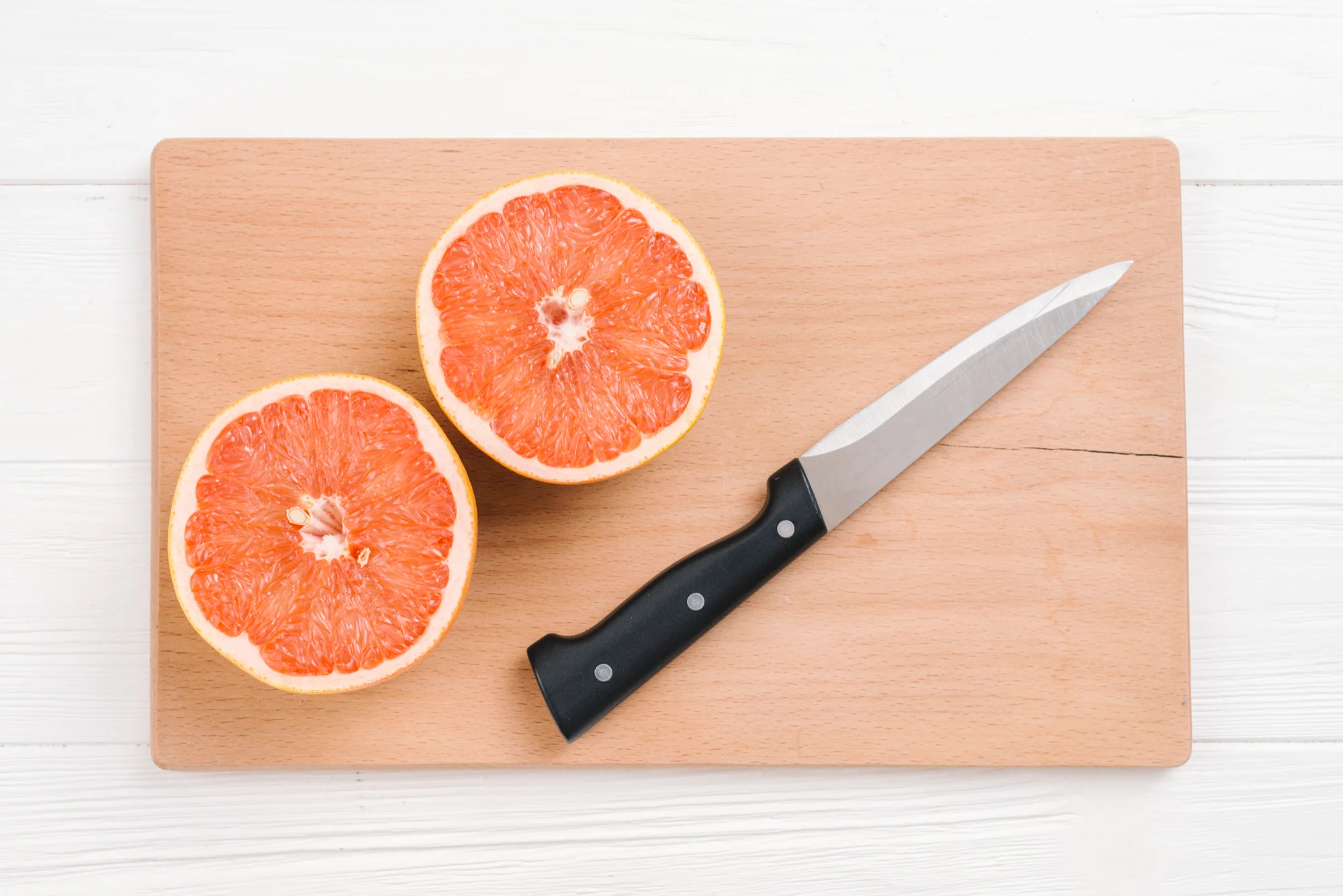
A paring knife is small but very useful.
It is designed for precision work like peeling fruits, trimming vegetables, and handling small, detailed cuts. It gives you better control when working with delicate ingredients.
3. Bread Knife
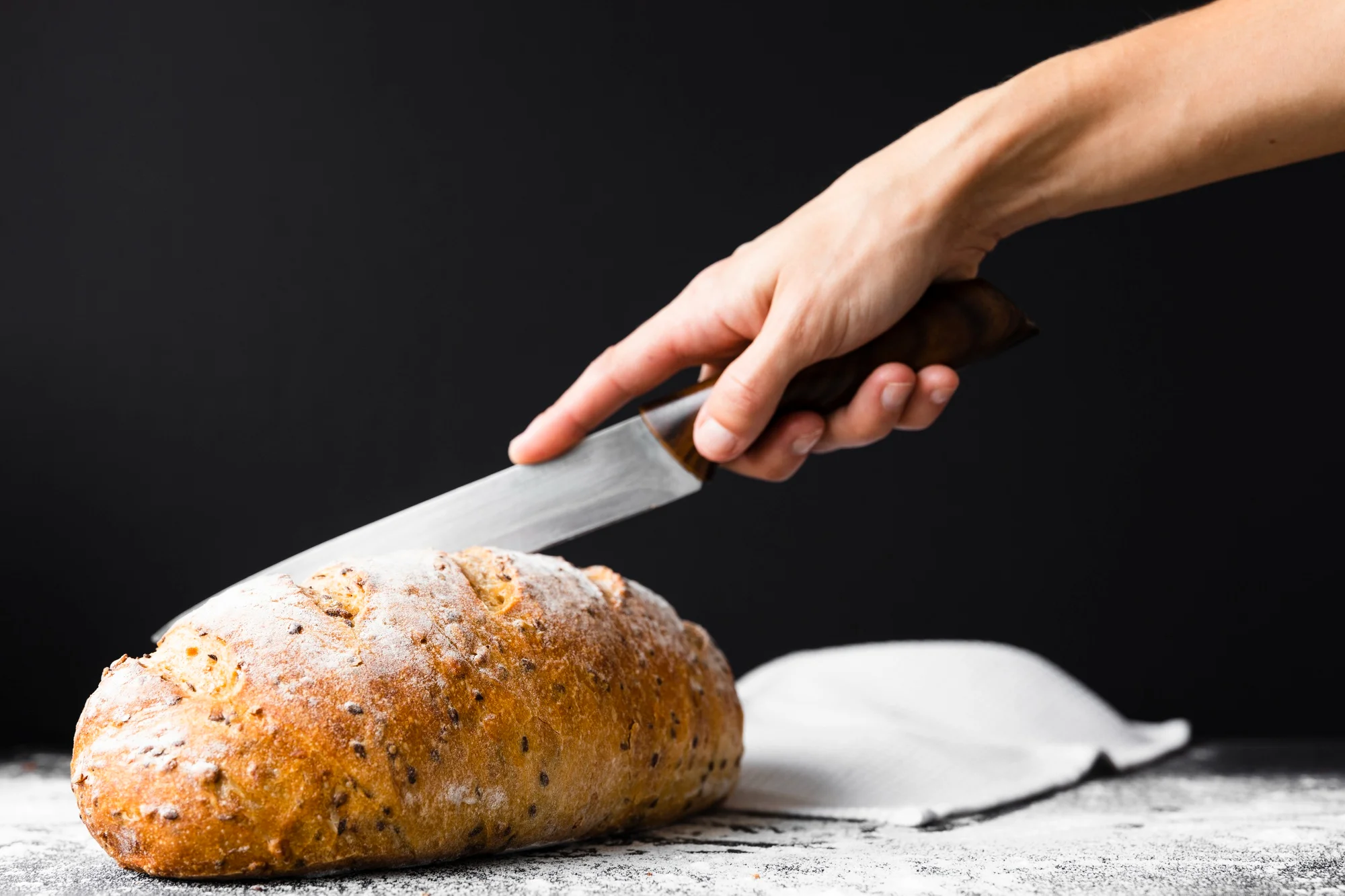
The bread knife features a serrated edge.
This allows it to cut through crusty bread without crushing the soft inside. It also works well for soft foods like tomatoes and cakes, where a smooth blade might slip.
4. Santoku Knife
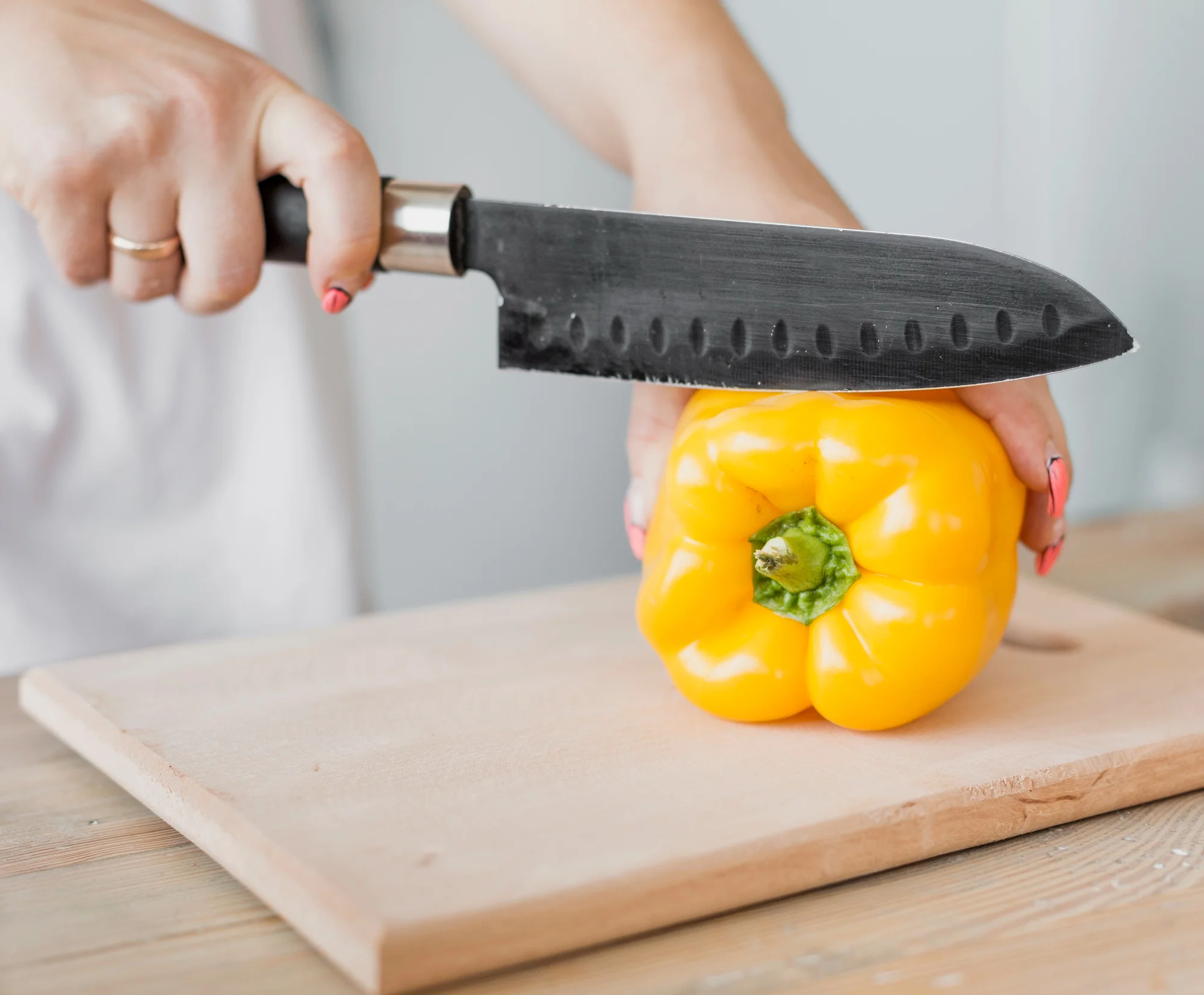
The santoku knife is a Japanese-style all-purpose knife.
It is great for slicing, dicing, and mincing, similar to a chef’s knife. Its shorter and lighter design makes it easier to handle for many users.
5. Utility Knife
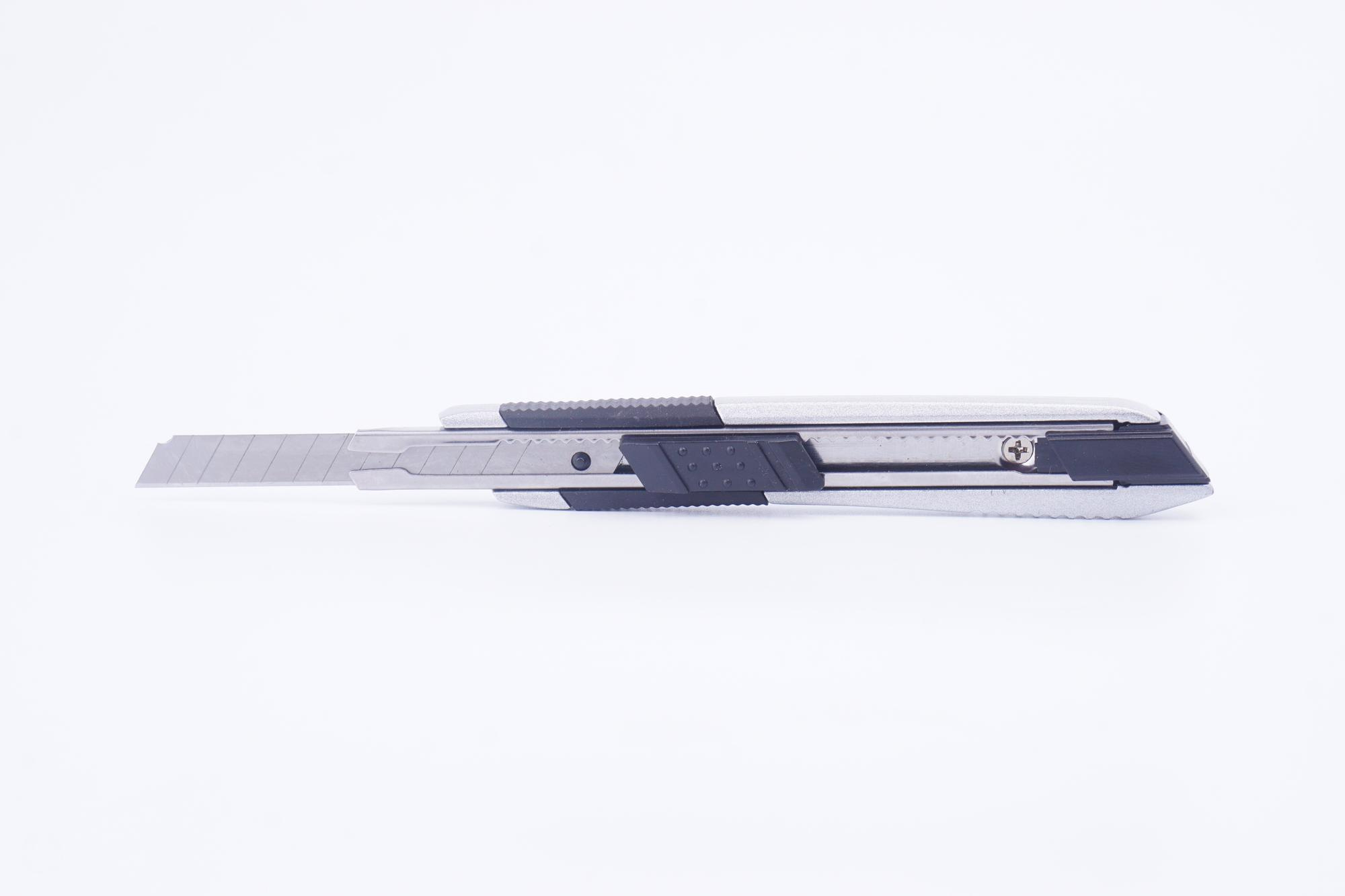
A utility knife sits between a chef’s knife and a paring knife.
It is ideal for cutting small fruits, vegetables, and sandwiches. This makes it a practical choice for everyday tasks that don’t require a large blade.
6. Boning Knife
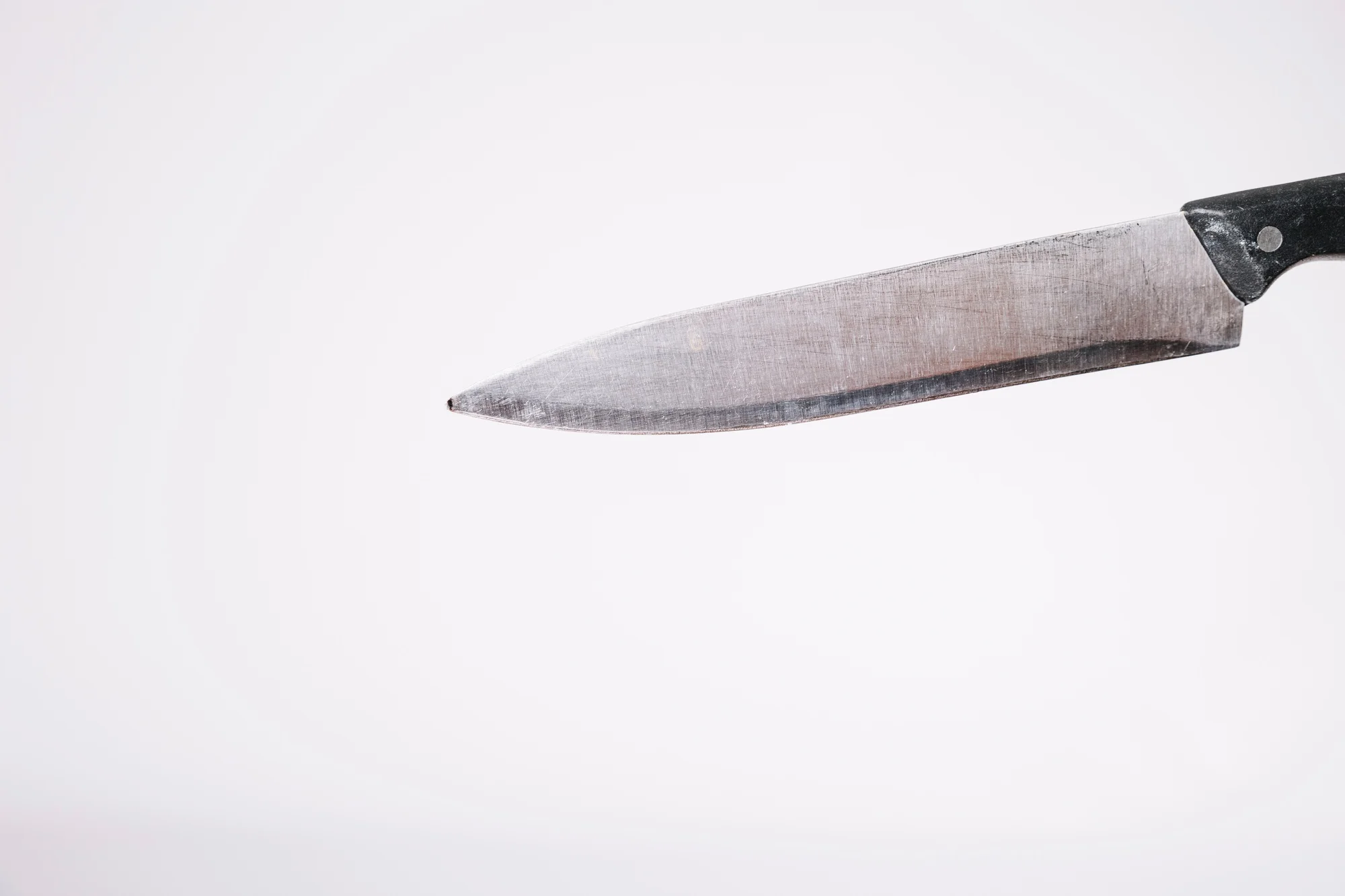
A boning knife has a thin and flexible blade.
It is designed for removing bones from meat and fish with precision. The narrow shape allows you to work closely around bones and joints without wasting meat.
7. Cleaver
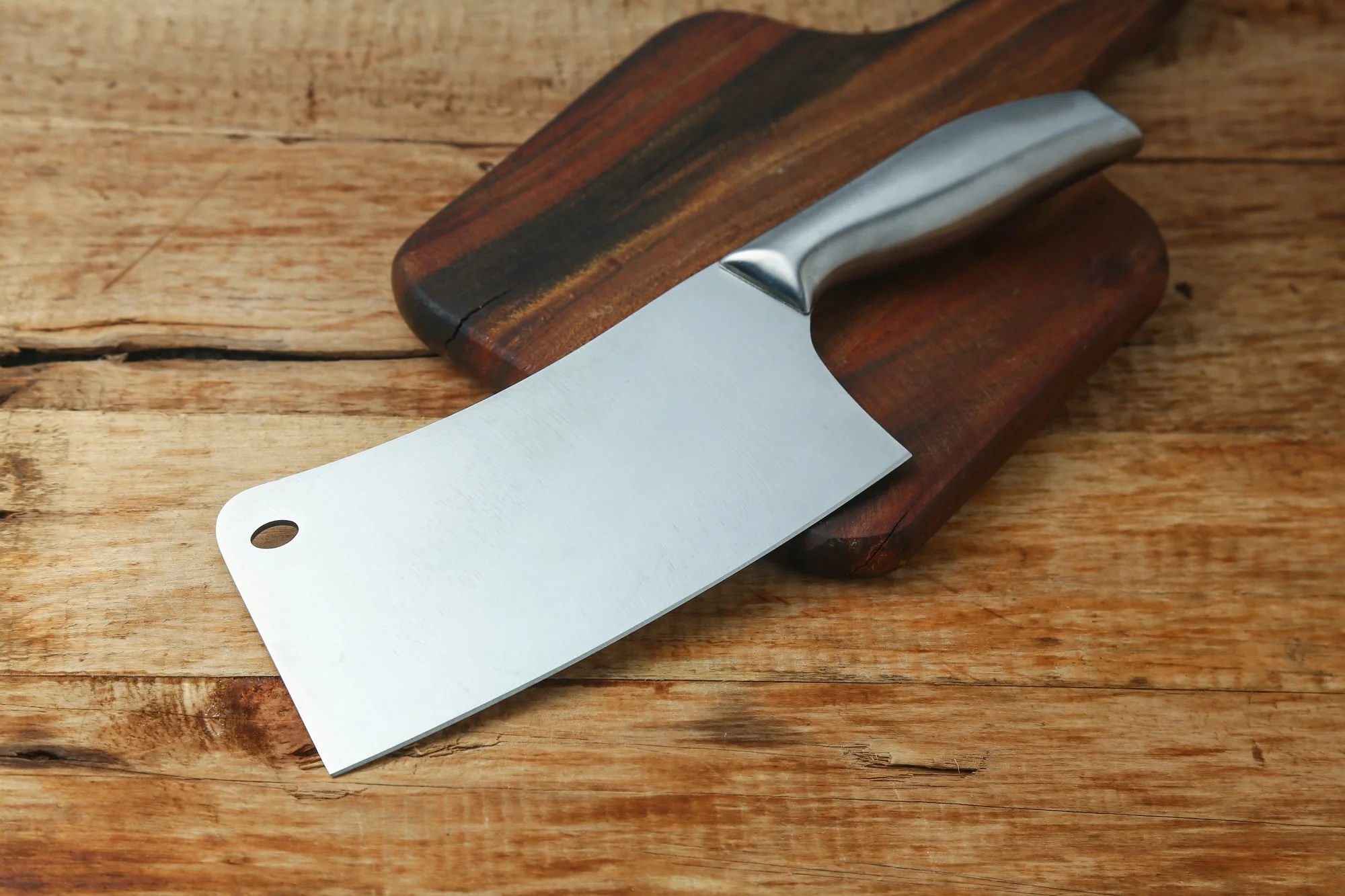
A cleaver is easy to recognize by its large, heavy blade.
It is designed for chopping through meat, bones, and tough vegetables. The weight of the blade helps you cut with less effort, making it useful for heavy-duty kitchen tasks.
8. Nakiri Knife
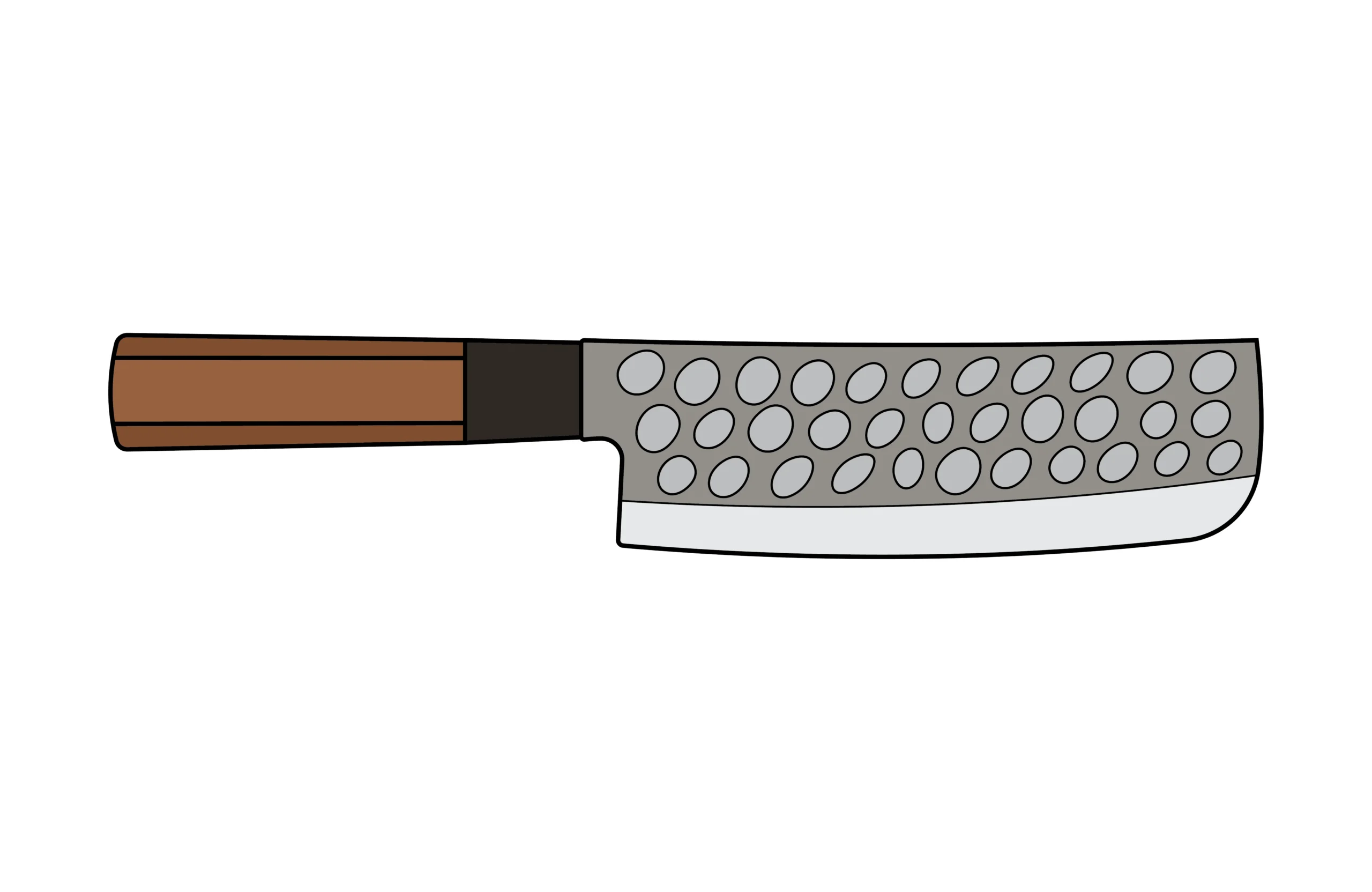
The nakiri is a Japanese knife made for vegetables.
It has a flat blade that allows clean, straight cuts without rocking. This makes it perfect for slicing and chopping vegetables quickly and evenly.
9. Carving Knife
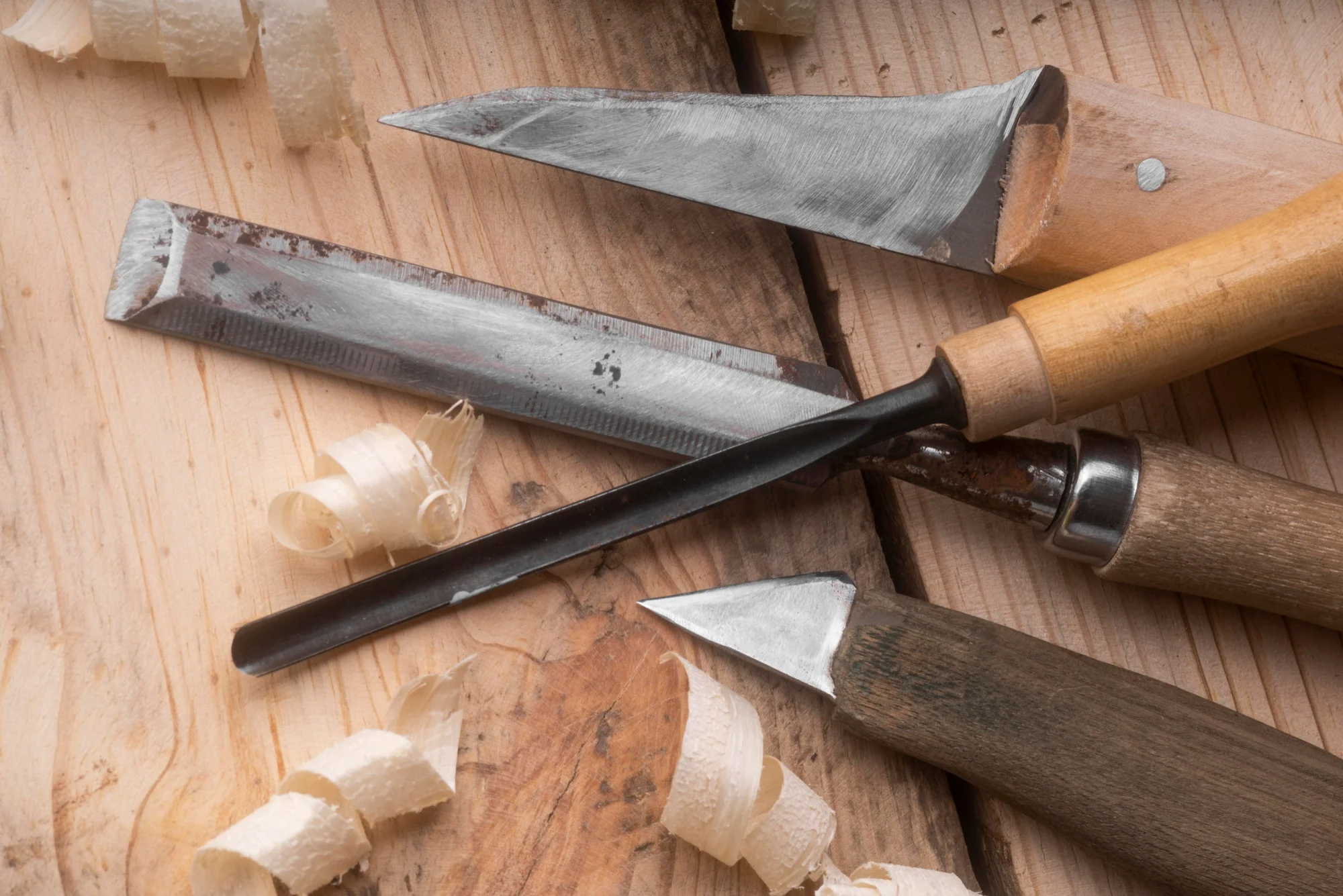
A carving knife has a long, thin blade.
It is used for slicing cooked meats like roast beef or turkey. The shape helps create smooth, even slices without tearing the meat.
10. Fillet Knife
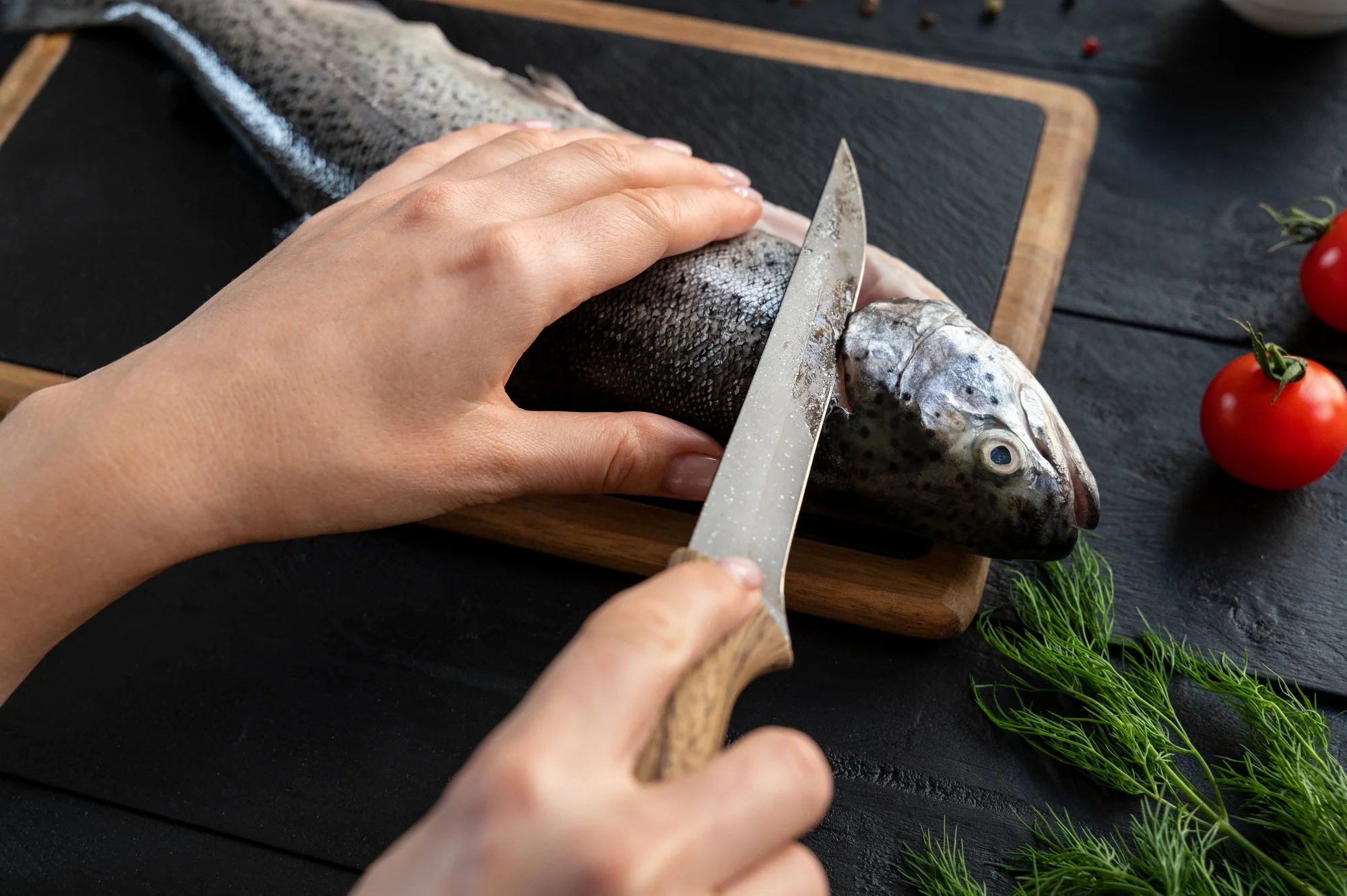
A fillet knife is designed for working with fish.
Its flexible blade allows you to remove skin and bones with precision. This helps reduce waste and gives you clean cuts.
11. Slicing Knife
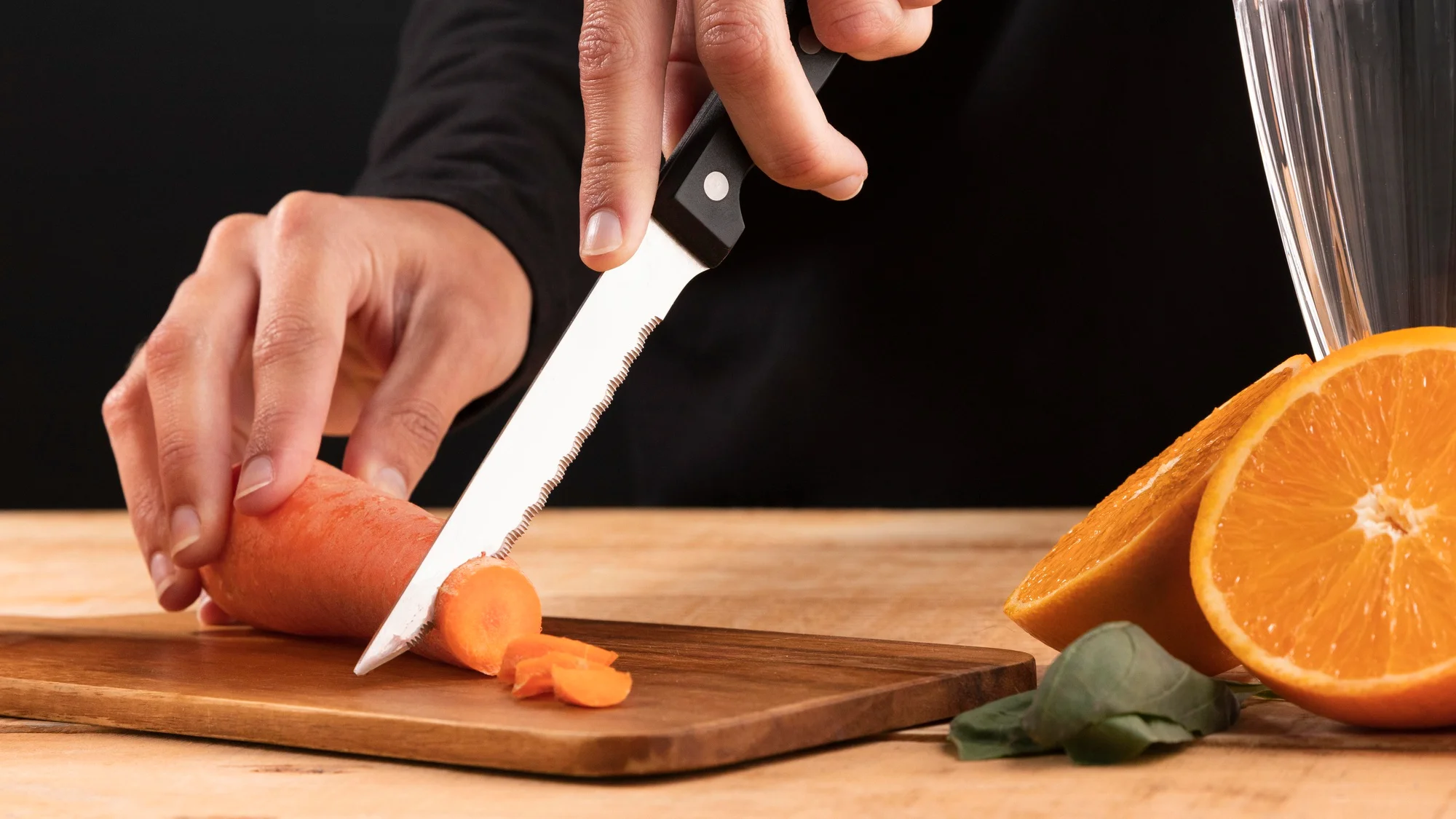
A slicing knife is made for thin, even cuts.
It works well for large pieces of meat, such as roasts or ham. The long blade helps you cut in one smooth motion for better results.
12. Steak Knife
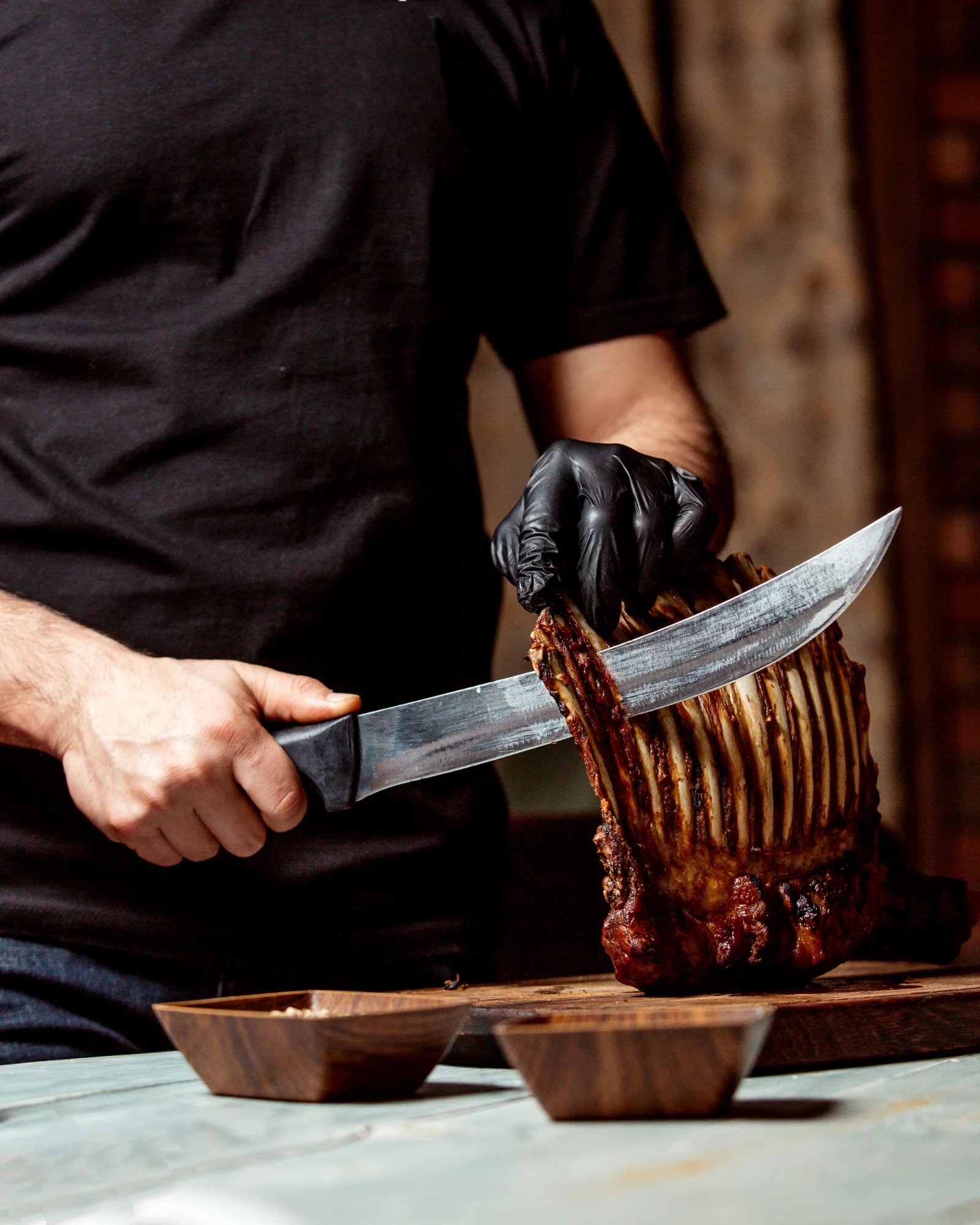
A steak knife is used at the table.
It is small, sharp, and designed to cut cooked meat easily. Many steak knives have serrated edges to improve cutting without tearing the meat.
Essential Kitchen Knives
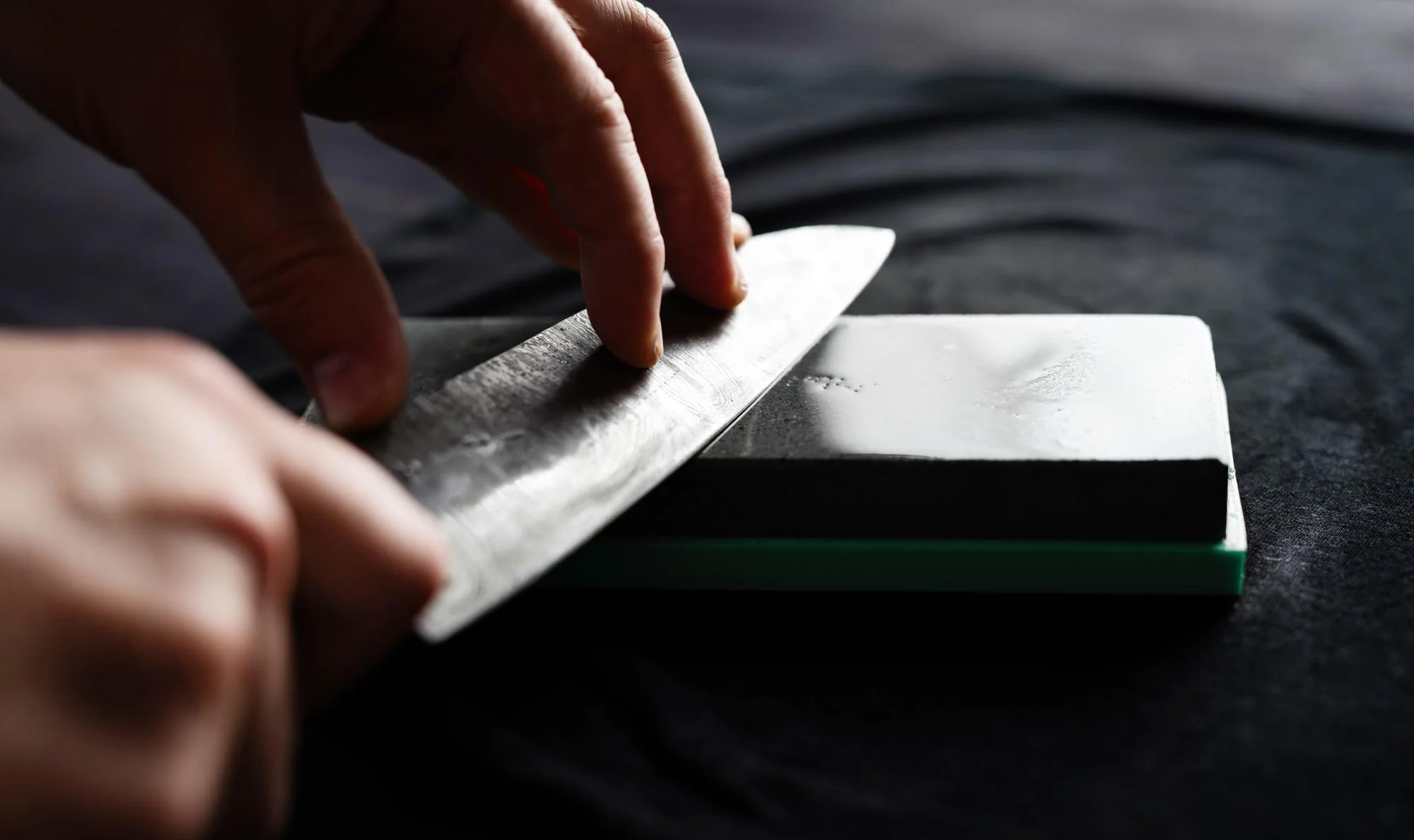
You don’t need every knife to cook well. A small set can handle most tasks in the kitchen.
- Chef’s knife for chopping and general use
- Paring knife for small and detailed tasks
- Bread knife for slicing bread and soft foods
- Optional: Santoku or utility knife for added flexibility
With just these knives, you can cover almost all everyday cooking needs efficiently.




 English
  Arabic
  Spanish
  Japanese
  Russian
  Korean
  French
  Italian