

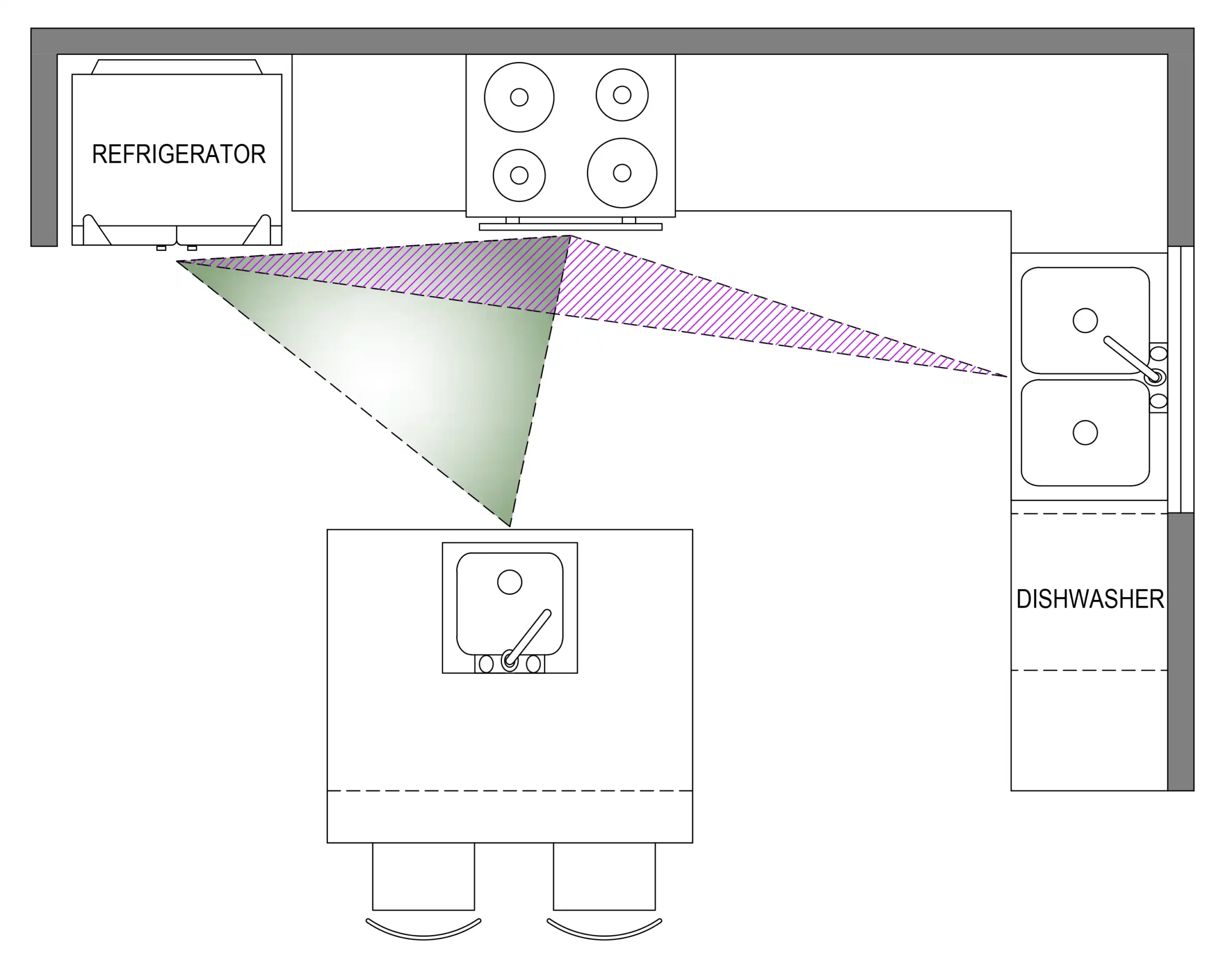
Q: What Is the Kitchen Work Triangle?
A: The kitchen work triangle links the sink, stove, and fridge to improve flow, reduce steps, and create a more efficient and functional cooking space.
What Is the Kitchen Work Triangle?
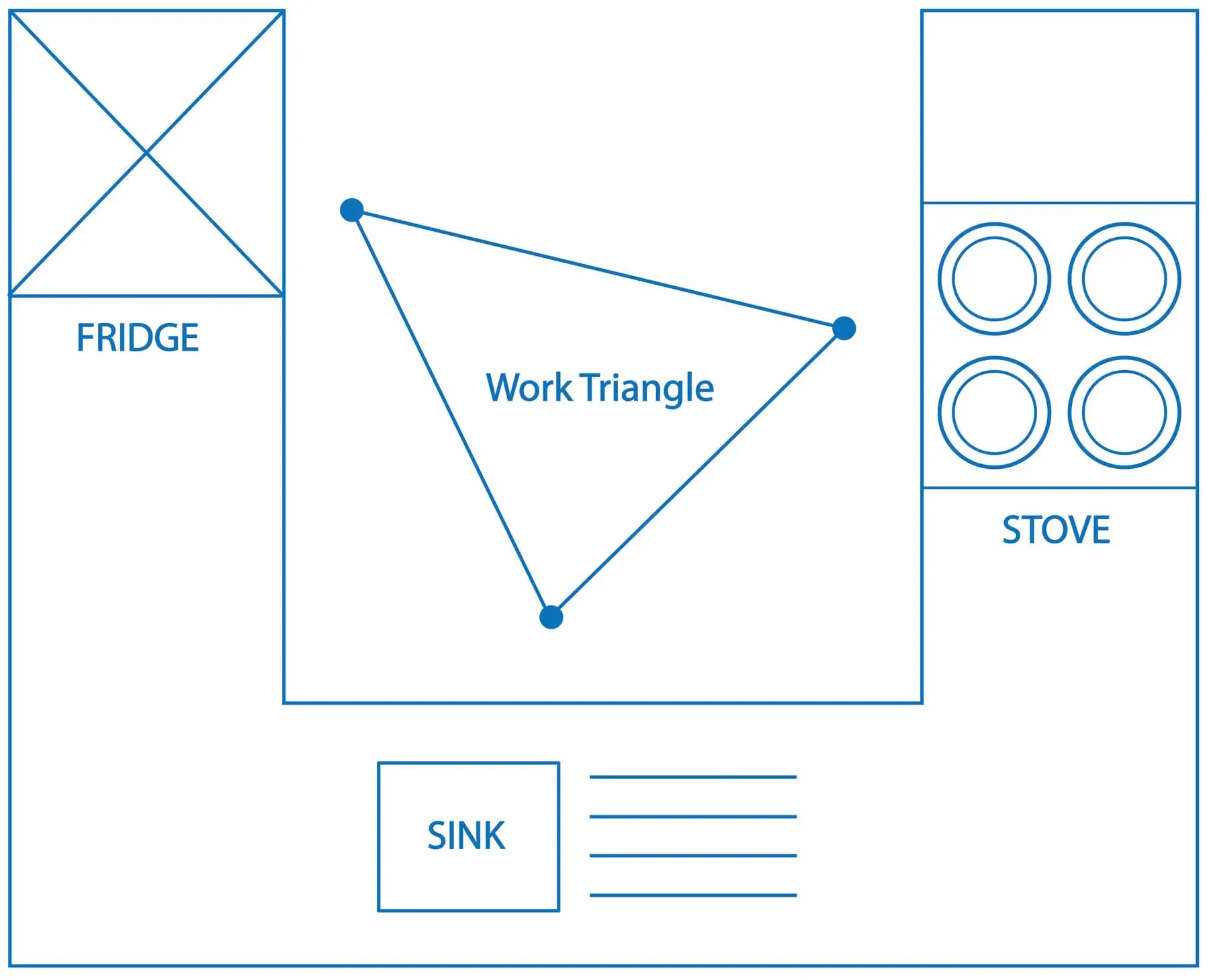
The kitchen work triangle is a simple design concept that connects the sink, stove, and refrigerator—the three most used areas in any kitchen. These points form a triangle that helps reduce unnecessary movement and makes cooking more efficient.
Instead of walking back and forth across the kitchen, the triangle keeps everything within easy reach. This improves workflow, saves time, and makes the space feel more functional.
The idea comes from traditional kitchen design, but it still works today because it focuses on how people actually move while cooking. A well-planned triangle creates a smooth, natural flow between preparing, cooking, and cleaning.
Kitchen Work Triangle Rules & Measurements
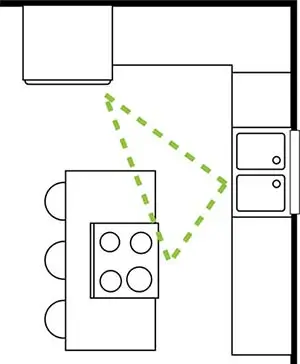
To make the work triangle effective, there are a few basic guidelines to follow. These rules help balance space, movement, and usability.
- Each side of the triangle should be between 4 and 9 feet
This keeps the kitchen from feeling too cramped or too spread out. - The total distance should be between 13 and 26 feet
This ensures efficient movement without extra steps. - Keep the path clear
Avoid placing cabinets, islands, or obstacles between the three points. - Limit traffic through the triangle
High-traffic areas can disrupt workflow and make cooking less comfortable. - Allow enough workspace around each point
Each zone should have space for prep, cooking, or cleaning tasks.
These measurements are guidelines, not strict rules. The goal is to create a layout that feels comfortable, efficient, and easy to use every day.
The 3 Key Points of the Triangle
The kitchen work triangle is built around three key zones: cleaning, cooking, and storage. Each point plays a specific role, and together they create a smooth and efficient workflow.
Sink (Cleaning Zone)
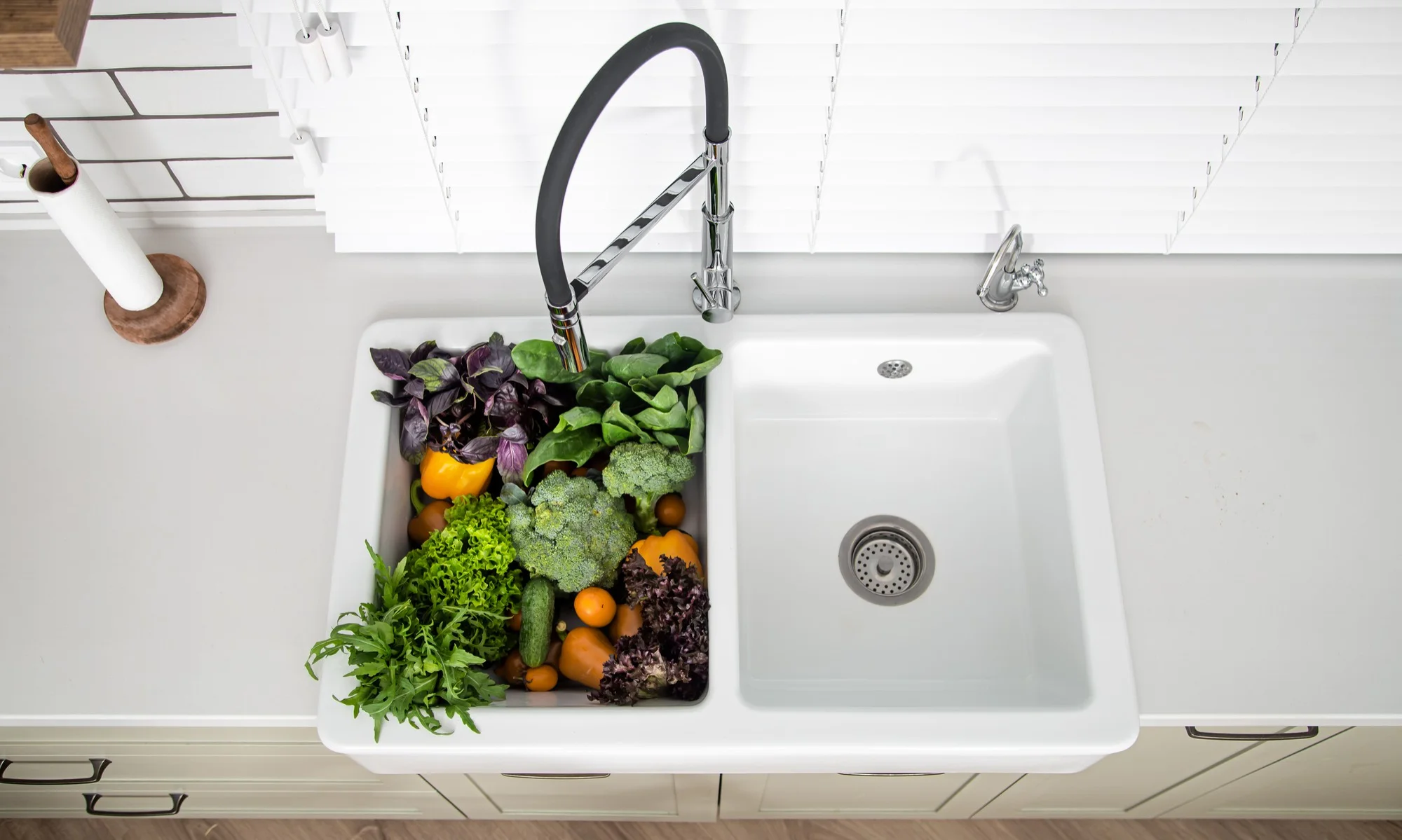
The sink is usually the most frequently used area in the kitchen. It’s where you wash ingredients, clean dishes, and prepare food. Because of this, it should have enough surrounding counter space to support prep tasks. Placing it near a work surface makes daily cooking much easier.
Stove (Cooking Zone)
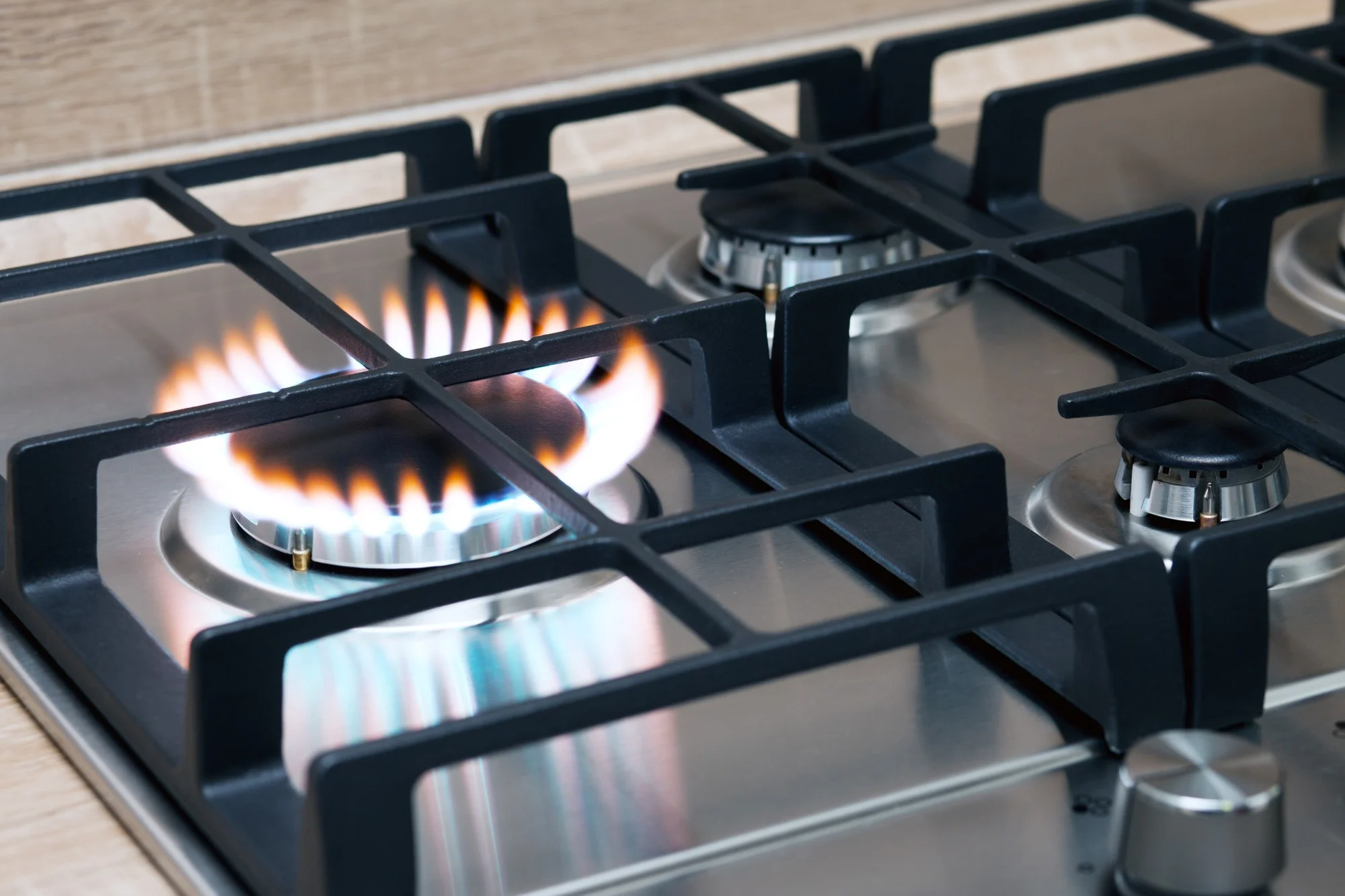
The stove is the center of all cooking activity. It’s where heat, timing, and attention come together. This area needs proper clearance for safety and comfort, especially on both sides for placing utensils and ingredients. A well-positioned stove keeps cooking efficient and controlled.
Refrigerator (Storage Zone)

The refrigerator is the starting point for most kitchen tasks. It stores ingredients and is often the first stop before prepping and cooking. It should be easy to access without blocking movement, allowing a smooth transition from storage to prep and cooking areas.
Together, these three points create a natural flow that makes the kitchen easier to use and more enjoyable every day.
Best Kitchen Layouts for the Work Triangle
Not every kitchen layout supports the work triangle equally. The right layout makes movement smooth and keeps all three points—sink, stove, and refrigerator—working together naturally.
L-Shaped Kitchens (Ideal Balance)
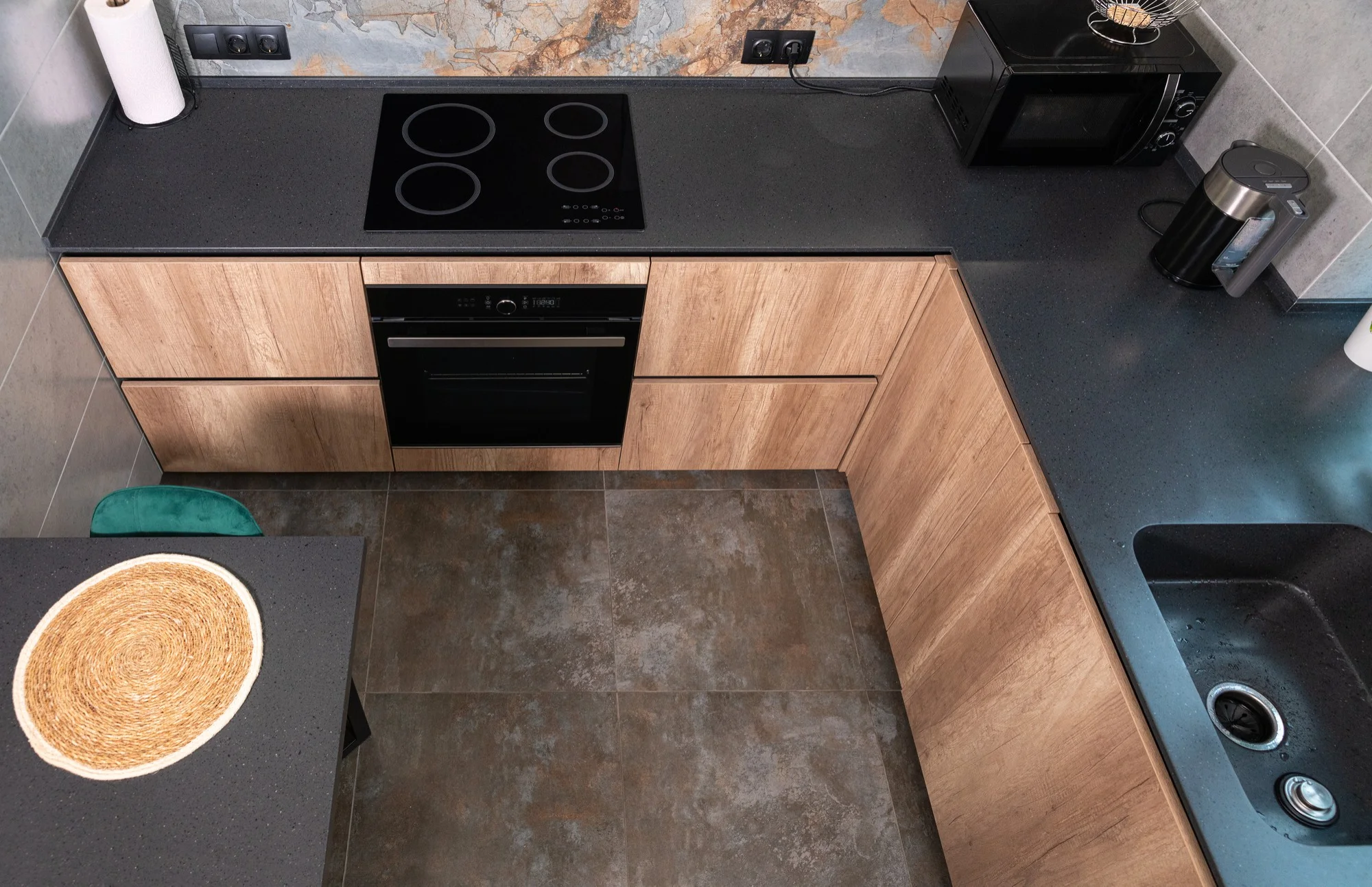
L-shaped kitchens are one of the best layouts for the work triangle. With two connected walls, they create a natural flow between zones without feeling crowded. This layout offers flexibility and works well in both small and medium-sized kitchens.
U-Shaped Kitchens (Most Efficient)
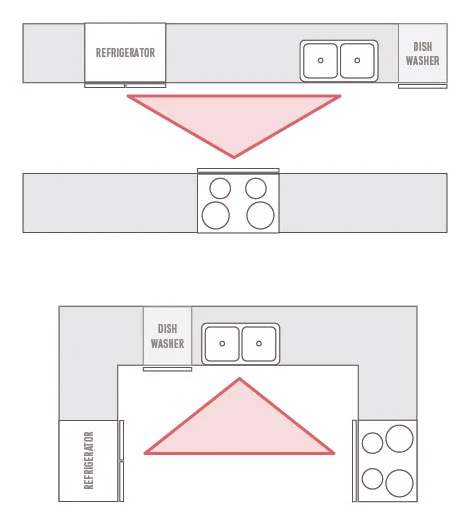
U-shaped kitchens provide the most efficient setup for the triangle. With three walls of workspace, each point can be placed on its own side, keeping everything close and organized. This layout is ideal for serious cooking and maximizing storage.
Galley Kitchens (Compact Efficiency)
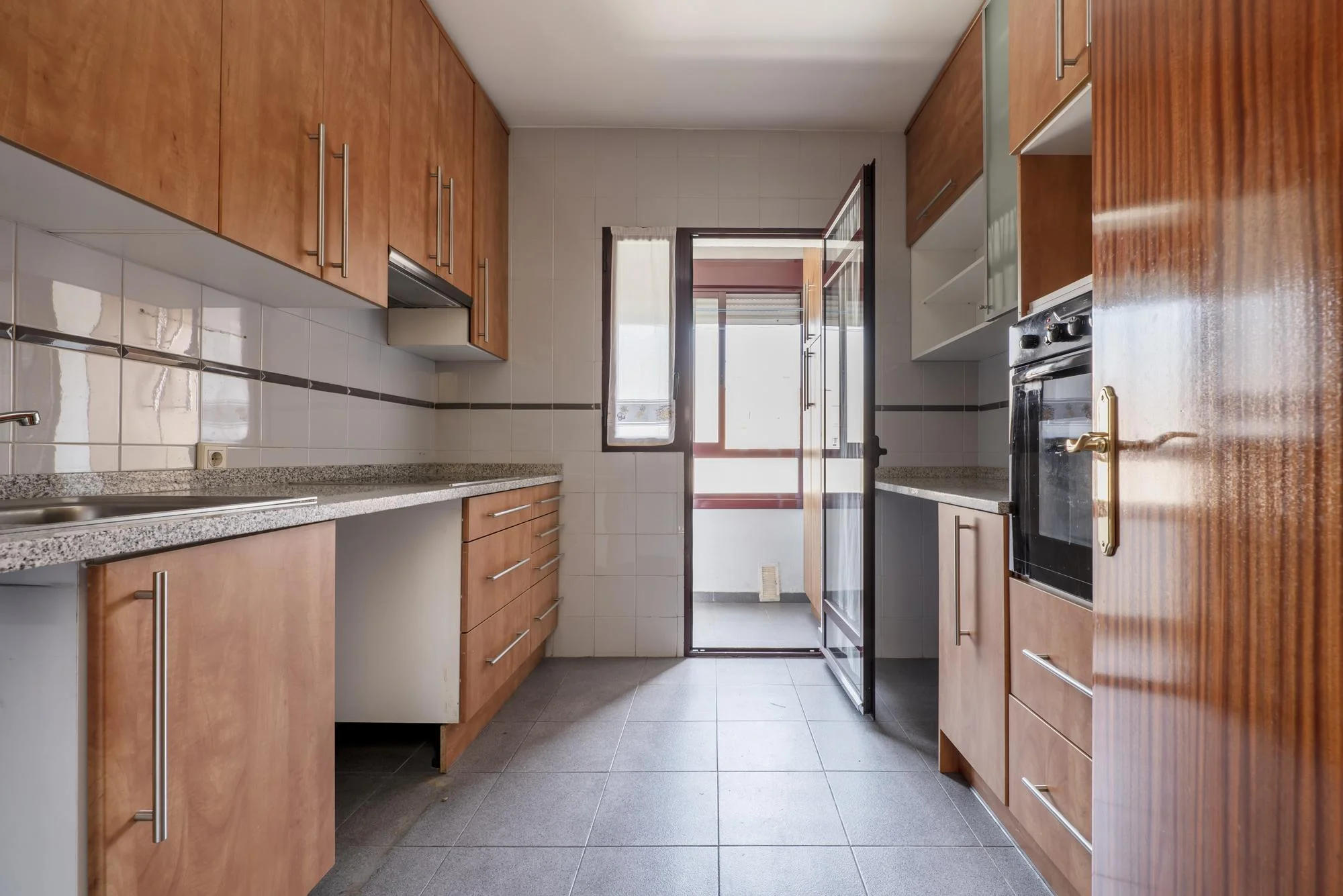
Galley kitchens use two parallel walls, making them perfect for tight spaces. The triangle becomes a straight, efficient workflow where everything is within reach. It’s a practical choice for small kitchens focused on function.
Open Kitchens (Adapted Triangle or Zones)
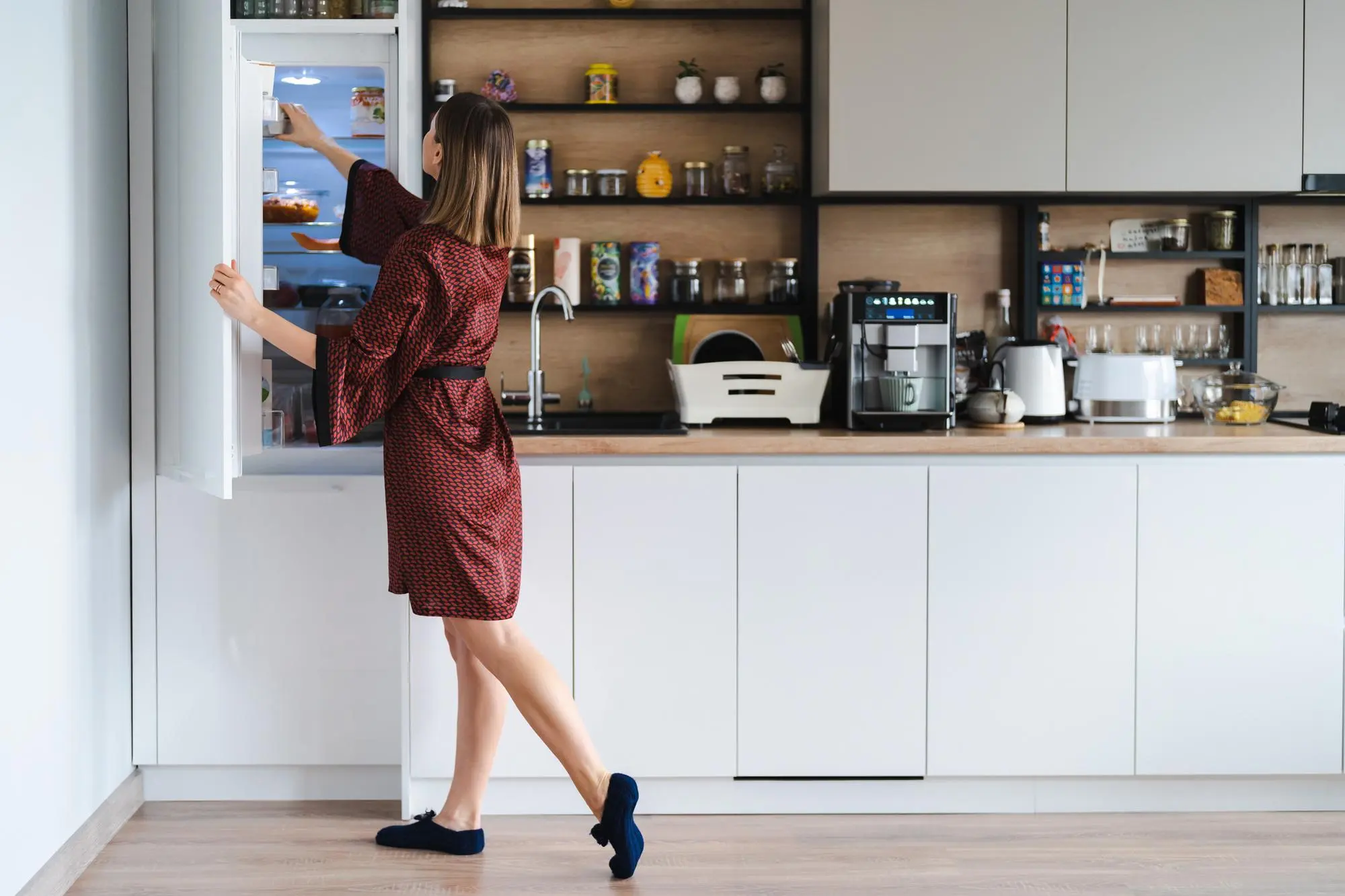
In open kitchens, the traditional triangle is often adapted. Instead of strict positioning, designers use flexible zones while maintaining easy access between key areas. Islands often help connect these zones and support better movement.
Common Kitchen Work Triangle Mistakes

Even with a good layout, small design mistakes can reduce efficiency and comfort. Here are the most common ones to avoid:
- Triangle too large
If the distance between points is too far, you’ll waste time and energy moving around. - Triangle too small
A cramped layout can make the kitchen feel tight and limit movement. - Obstacles in the path
Islands, cabinets, or furniture blocking the triangle disrupt workflow. - Poor appliance placement
Placing the fridge, sink, or stove too close or too far apart breaks the balance. - High traffic through the triangle
When people walk through your work area, it interrupts cooking and reduces efficiency.
A well-designed triangle should feel natural and easy to move through—not forced or restrictive.
FAQs
What is a work triangle in the kitchen?
The work triangle is a kitchen layout concept that connects the sink, stove, and refrigerator to improve efficiency and reduce unnecessary movement while cooking.
What is the triangle method in the kitchen?
The triangle method refers to arranging the three key work areas—cleaning, cooking, and storage—in a triangular layout for smooth and efficient workflow.
Does the kitchen triangle still work?
Yes, it still works, especially in smaller kitchens. However, modern kitchens often use zones for flexibility, especially in open or multi-user spaces.
What is the 3 kitchen rule?
The “3 kitchen rule” usually refers to the work triangle guidelines, where the distance between sink, stove, and fridge should be balanced for efficient movement.

 English
  Arabic
  Spanish
  Japanese
  Russian
  Korean
  French
  Italian