

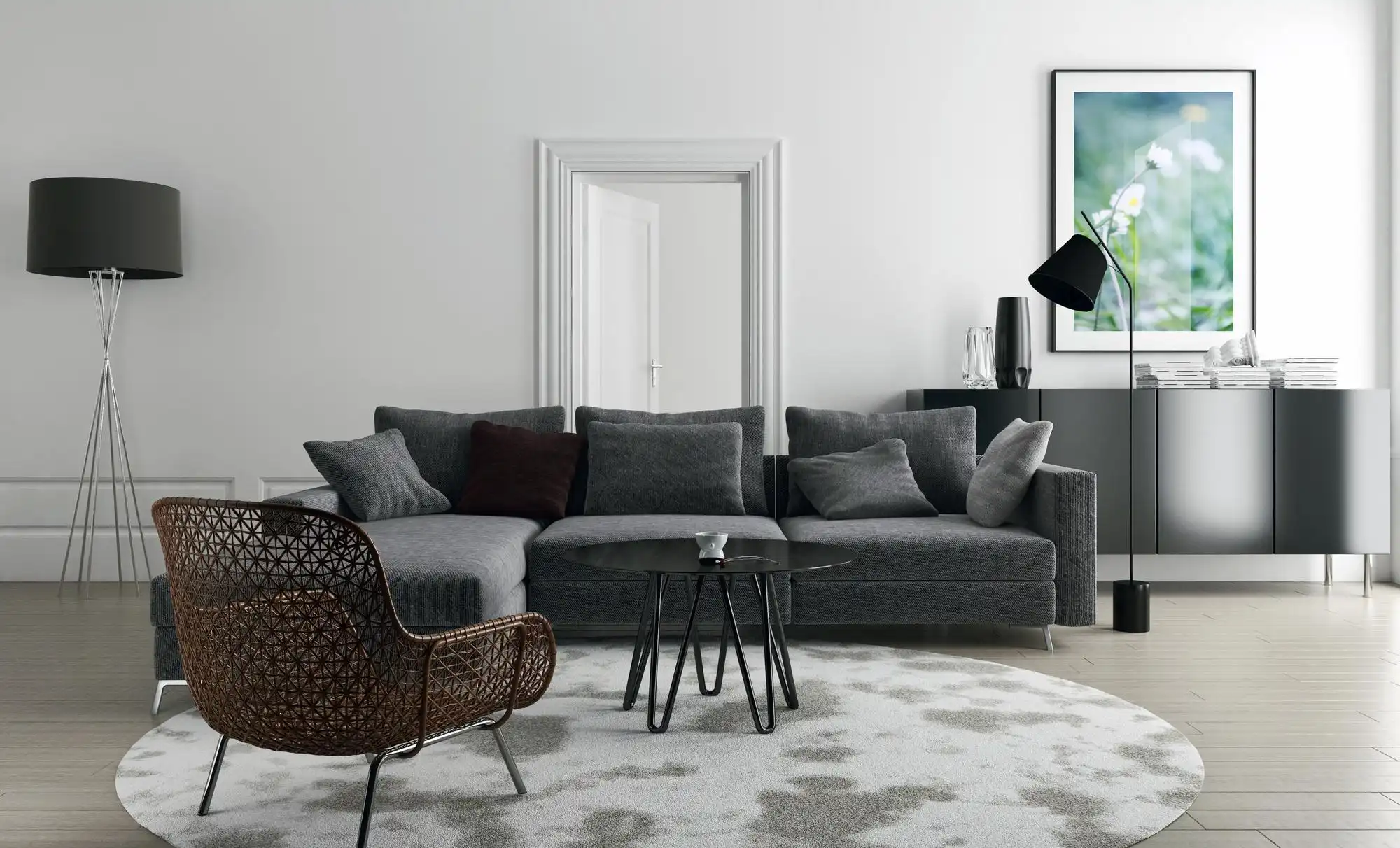
Use Light, Neutral Colors
Light, neutral colors like soft white, cream, beige, or pale gray help small living rooms feel open and airy. These shades reflect light instead of absorbing it, which makes walls visually recede. Pair light paint with neutral sofas or rugs to create a calm, spacious base. You can still add personality with pillows, art, or throws without overwhelming the room.
Floating Furniture Placement
Pushing furniture flat against the wall can actually make a room feel tighter. Instead, try floating sofas or chairs a few inches away from walls. This creates better airflow and gives the eye more depth to travel. Even a small gap behind seating can make the layout feel more intentional and less cramped.
Multi-Functional Pieces (Sofa Bed, Storage Ottoman)
In a small living room, every piece should earn its place. Furniture that does double duty—like a sofa bed or storage ottoman—saves space while adding function. A storage ottoman can hold blankets and remotes while acting as a coffee table or extra seat. These smart choices reduce clutter and keep the room flexible.
Small-Scale Sofa + Accent Chairs Combo
Oversized sectionals can overwhelm a small space. A slim, small-scale sofa paired with one or two accent chairs offers comfortable seating without visual bulk. Look for sofas with narrow arms and exposed legs to keep the room feeling light. Accent chairs can also be moved easily when you need more space.
Floating Shelves & Vertical Storage
When floor space is limited, go vertical. Floating shelves provide storage and display without taking up valuable square footage. Use them for books, décor, or small plants. Vertical storage draws the eye upward, which helps the room feel taller and more balanced rather than crowded.
Floating TV & Media Wall
A wall-mounted TV instantly frees up floor space and reduces visual clutter. Pair it with a floating media console to store electronics without bulky furniture. This setup keeps the floor clear, improves traffic flow, and gives small living rooms a clean, modern look.
Use Mirrors to Reflect Light
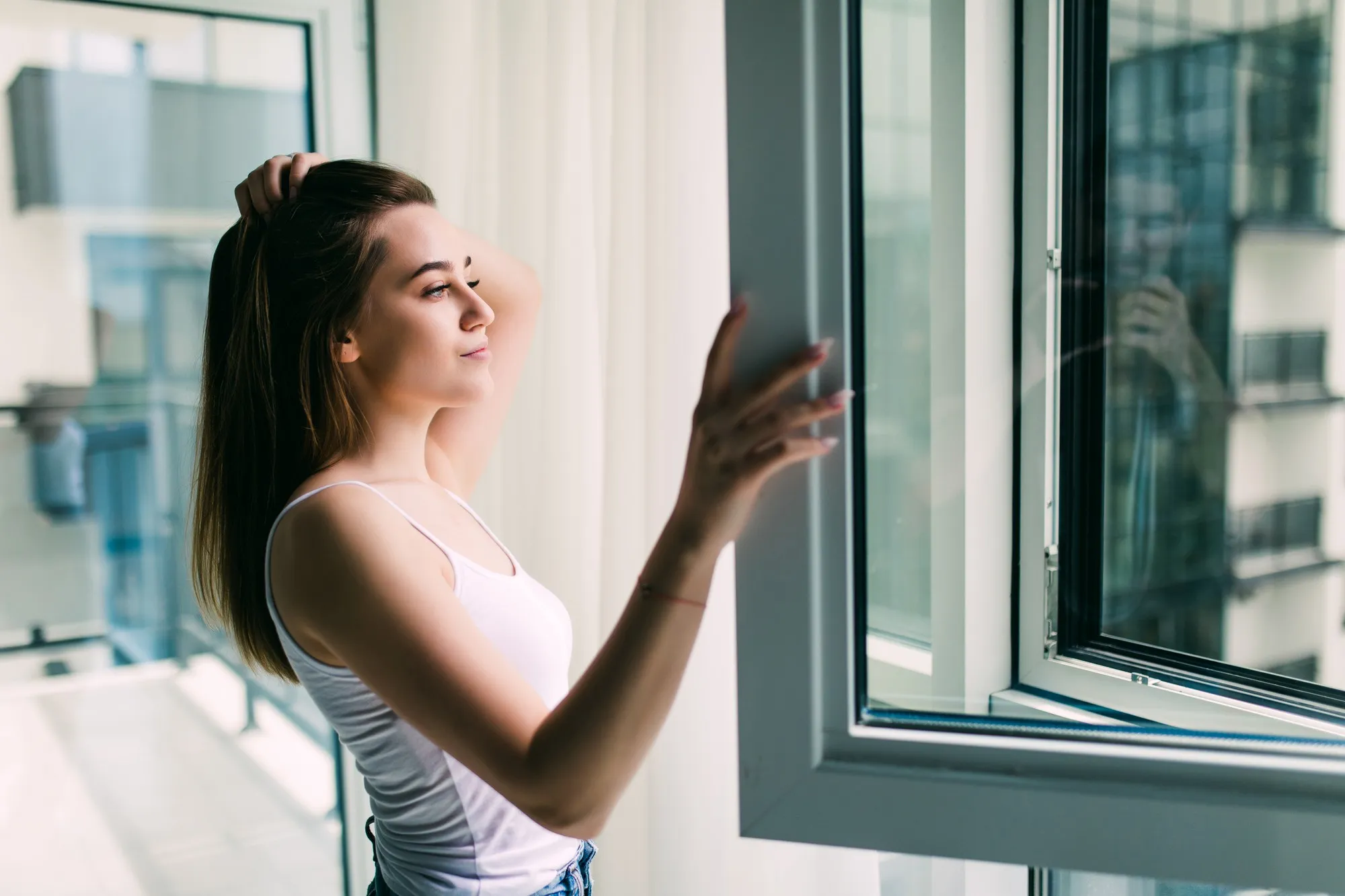
Mirrors are one of the easiest ways to make a small living room feel bigger. Placing a mirror across from a window reflects natural light and brightens the entire space. Large mirrors or mirrored panels also add visual depth, helping the room feel wider and more open without adding furniture.
Choose Transparent or Leggy Furniture
Furniture with glass tops, open bases, or visible legs feels lighter in a small room. Coffee tables made of glass or sofas raised on slim legs keep sightlines clear, which prevents the space from feeling boxed in. The more floor you can see, the larger the room appears.
Define Zones with Rugs
Area rugs help organize small living rooms, especially in open layouts. A well-sized rug anchors seating and clearly defines the living area without walls. Choose a rug that fits under the front legs of your sofa and chairs to keep the space visually connected and balanced.
Use Soft, Rounded Furniture for Flow
Sharp corners can interrupt movement in tight spaces. Rounded ottomans, curved chairs, or corner seating allow smoother traffic flow and reduce visual clutter. These softer shapes also make small living rooms feel more inviting and relaxed.
Create an Accent Wall or Focal Point
A single accent wall adds personality without overwhelming the room. Paint, wallpaper, or textured panels draw the eye to one area, giving the space a clear focal point. This design trick makes the room feel intentional rather than cramped.
Layer Lighting with Wall & Floor Lamps
Relying only on ceiling lights can flatten a small room. Layering wall-mounted lights, floor lamps, and table lamps adds depth and warmth. Wall sconces are especially helpful because they free up floor and surface space while improving overall ambiance.
Use Decorative, Space-Saving Storage Baskets
Storage baskets are an easy way to keep small living rooms organized without adding bulky furniture. Place woven or fabric baskets under coffee tables, consoles, or side tables to store blankets, toys, or magazines. They keep clutter out of sight while adding texture and warmth to the space.
Try Color Drenching to Add Height
Color drenching means painting the walls, trim, and even the ceiling in the same shade. This creates visual continuity and removes harsh lines that can make a room feel shorter. Soft neutrals or muted colors work especially well, helping small living rooms feel taller and more cohesive.
Add Greenery to Soften Corners
Plants bring life and balance to compact spaces. Tall floor plants draw the eye upward, making ceilings feel higher, while small potted greenery softens empty corners and shelves. Even one or two plants can make a small living room feel fresher and more inviting.
 English
  Arabic
  Spanish
  Japanese
  Russian
  Korean
  French
  Italian