

What Is a Single Sink Kitchen?
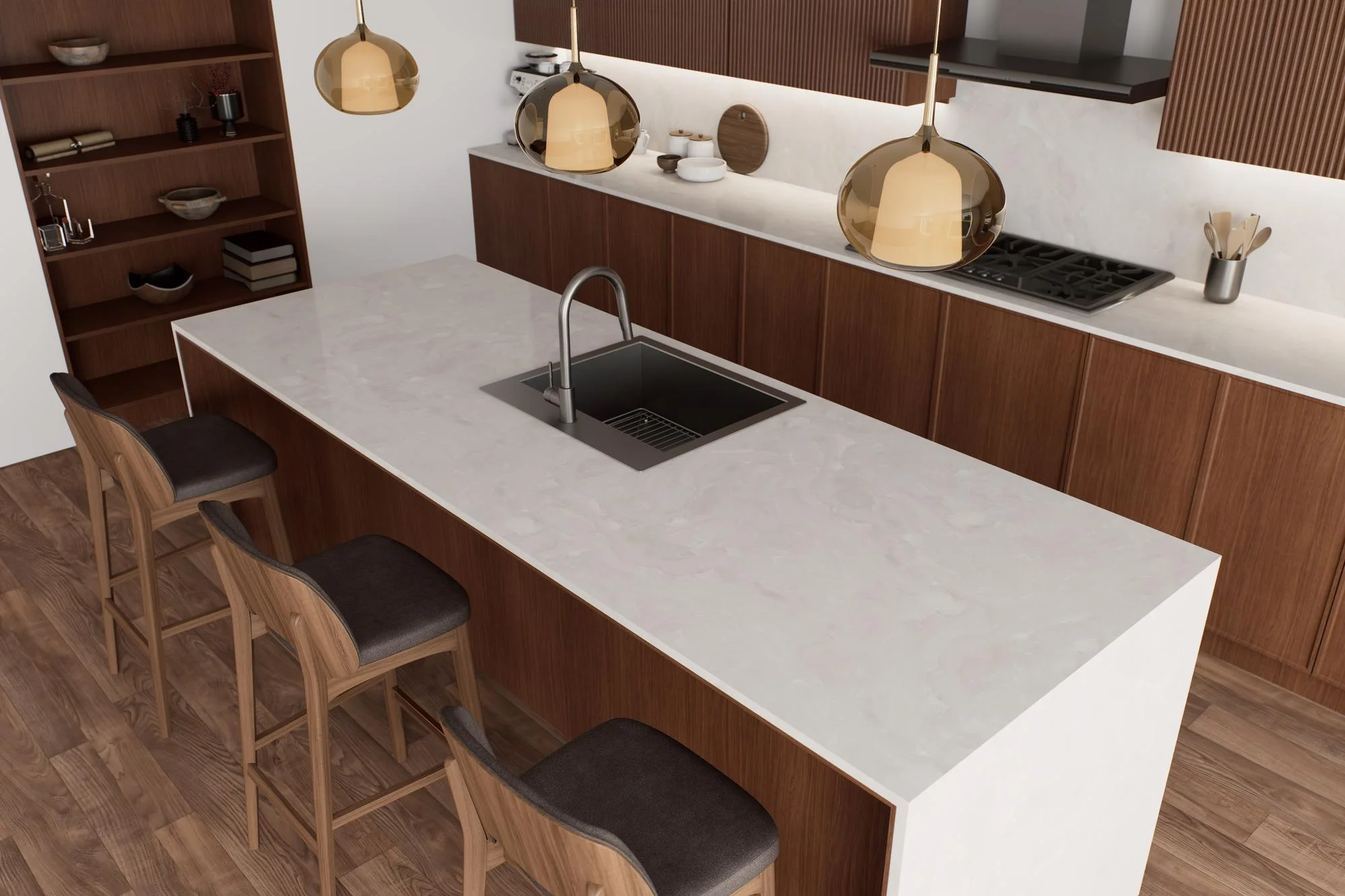
A single sink kitchen features one large basin with no divider.
This design gives you more open space, making it easier to wash large pots, pans, and baking trays without restrictions. It’s simple, clean, and highly practical for everyday use.
Because of its streamlined look, a single sink is often used in modern and minimalist kitchens. It also works well in smaller spaces where maximizing usable area is important.
What Is a Double Sink Kitchen?
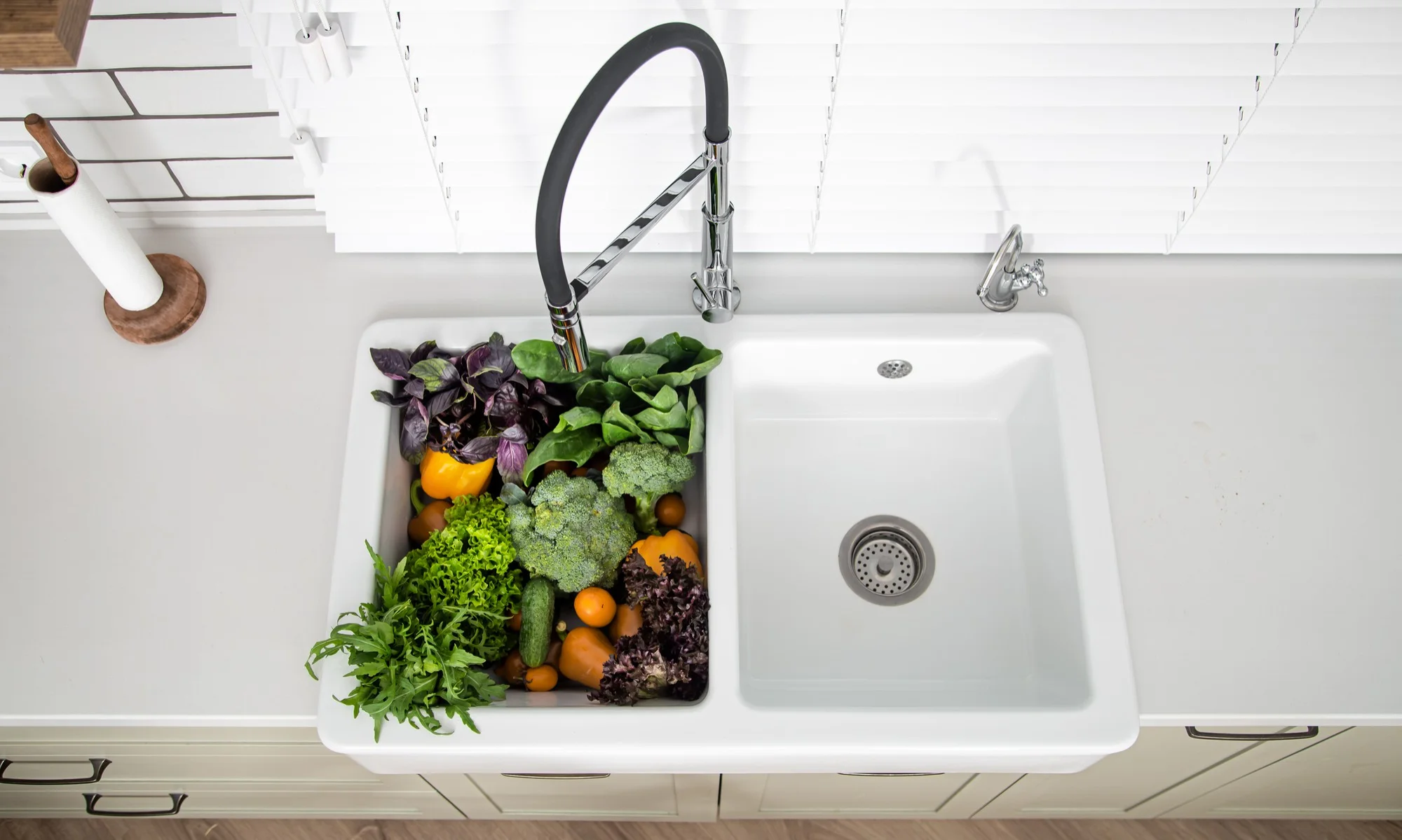
A double sink kitchen includes two separate basins divided in the middle.
This setup allows you to multitask more easily. You can wash dishes in one side and rinse or soak in the other, which helps keep things organized.
Double sinks are a more traditional choice and are commonly found in family kitchens where functionality and workflow are a priority.
Key Differences Between Single and Double Sink Kitchens
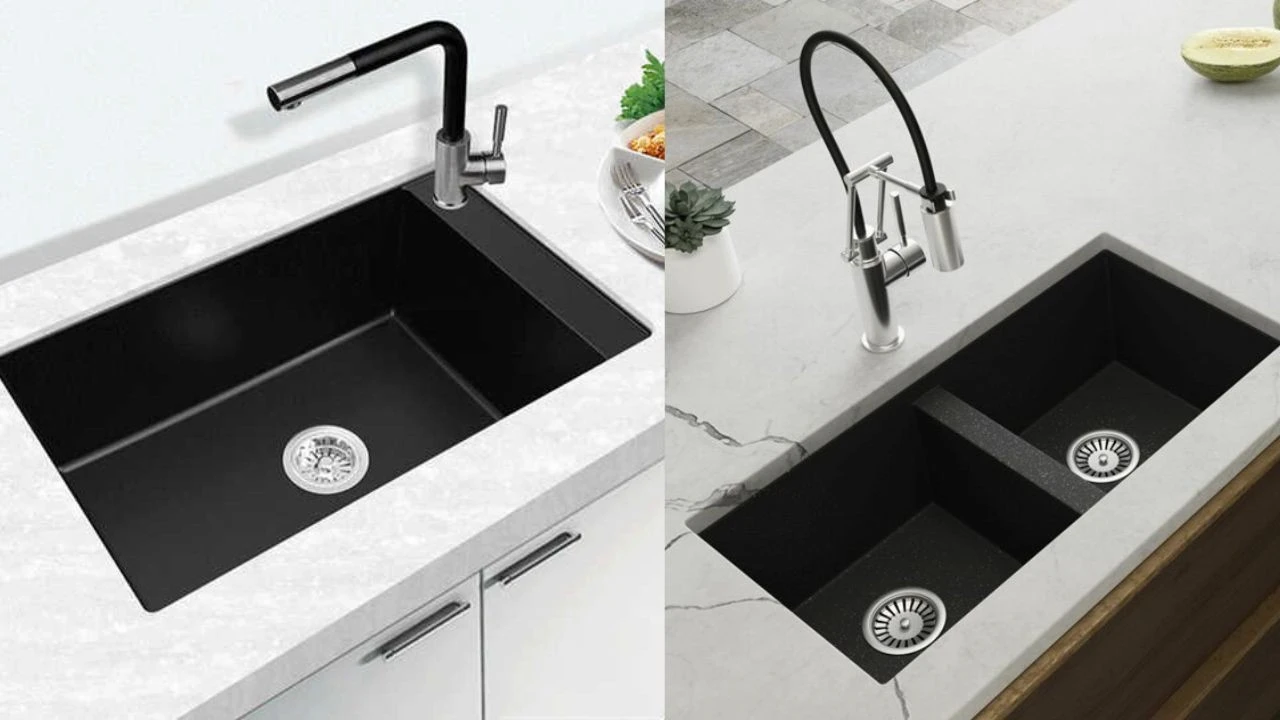
Choosing between a single and double sink comes down to how you use your kitchen. Each option has clear advantages depending on space, function, and daily habits.
| Comparison Point | Single Sink Kitchen | Double Sink Kitchen |
|---|---|---|
| Space & Size | Takes less counter space; ideal for small kitchens | Needs more room; better for larger kitchens |
| Usability & Function | Wide basin makes large pots and trays easier to wash | Two basins allow washing, rinsing, and soaking at once |
| Cleaning Efficiency | Easier to clean with one simple basin | More flexible, but has more surfaces to clean |
| Water Usage | Often uses less water for simple daily tasks | May use more water when both basins are filled |
| Installation & Cost | Usually cheaper and easier to install | Usually costs more due to size and plumbing |
Space & Size
A single sink takes up less counter space, making it a great choice for small kitchens or compact layouts. It keeps the area open and simple.
A double sink needs more room and is better suited for larger kitchens where space is not a concern.
Usability & Function
Single sinks are ideal for washing large cookware. You get one wide basin, which makes handling big pots and trays much easier.
Double sinks are designed for multitasking. You can wash, rinse, or soak at the same time, which improves workflow during busy cooking sessions.
Cleaning Efficiency
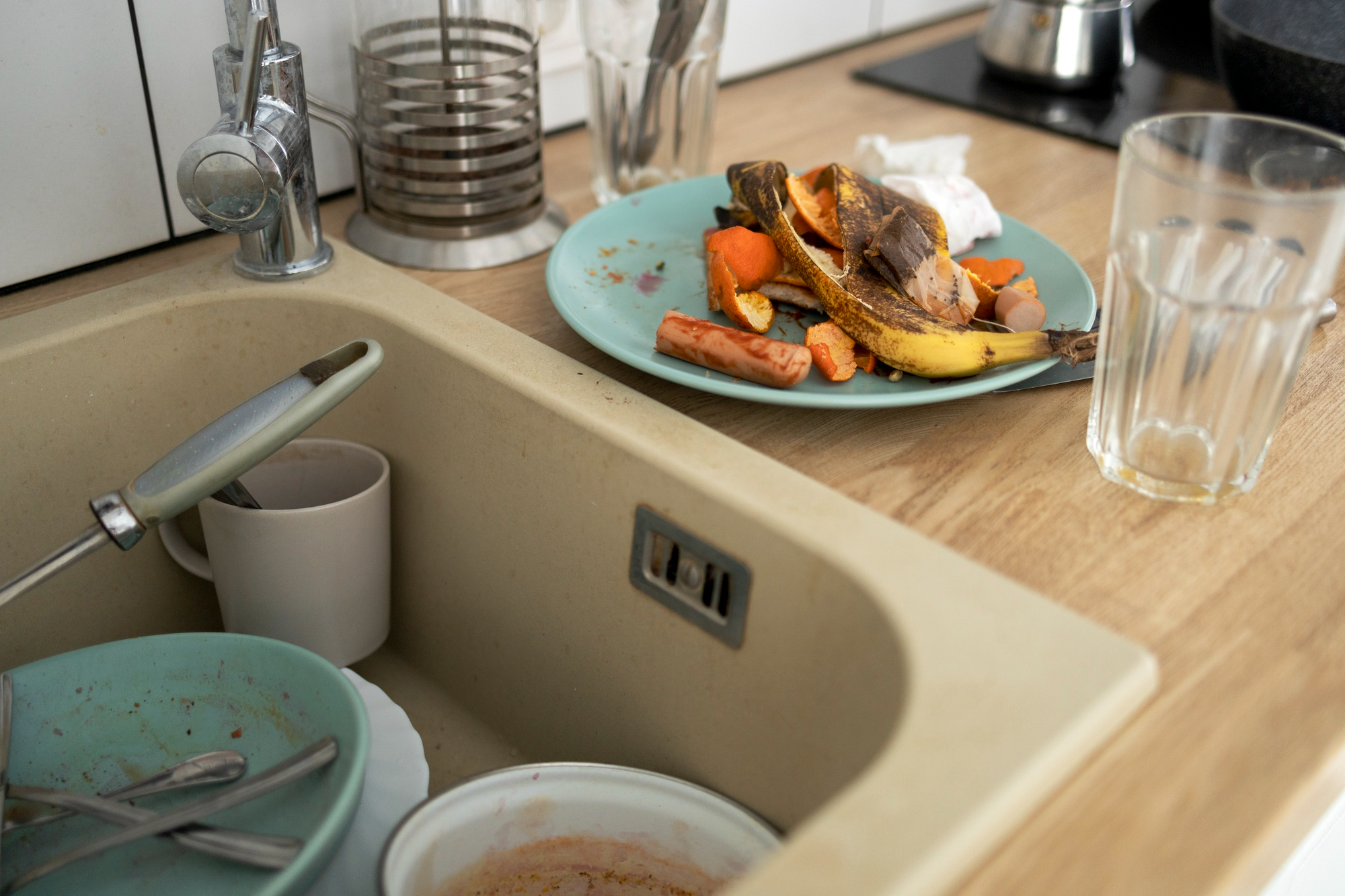
A single sink is easier to clean since there is only one basin. It’s quick and straightforward.
A double sink offers more flexibility, but it also means more surfaces to clean and maintain.
Water Usage
Single sinks often use less water because you are working in one basin.
Double sinks may use more water, especially when both sides are filled or used separately.
Installation & Cost
Single sinks are usually cheaper and easier to install. They require simpler plumbing and fewer materials.
Double sinks tend to cost more due to their size and additional plumbing setup.
When to Choose a Single Sink
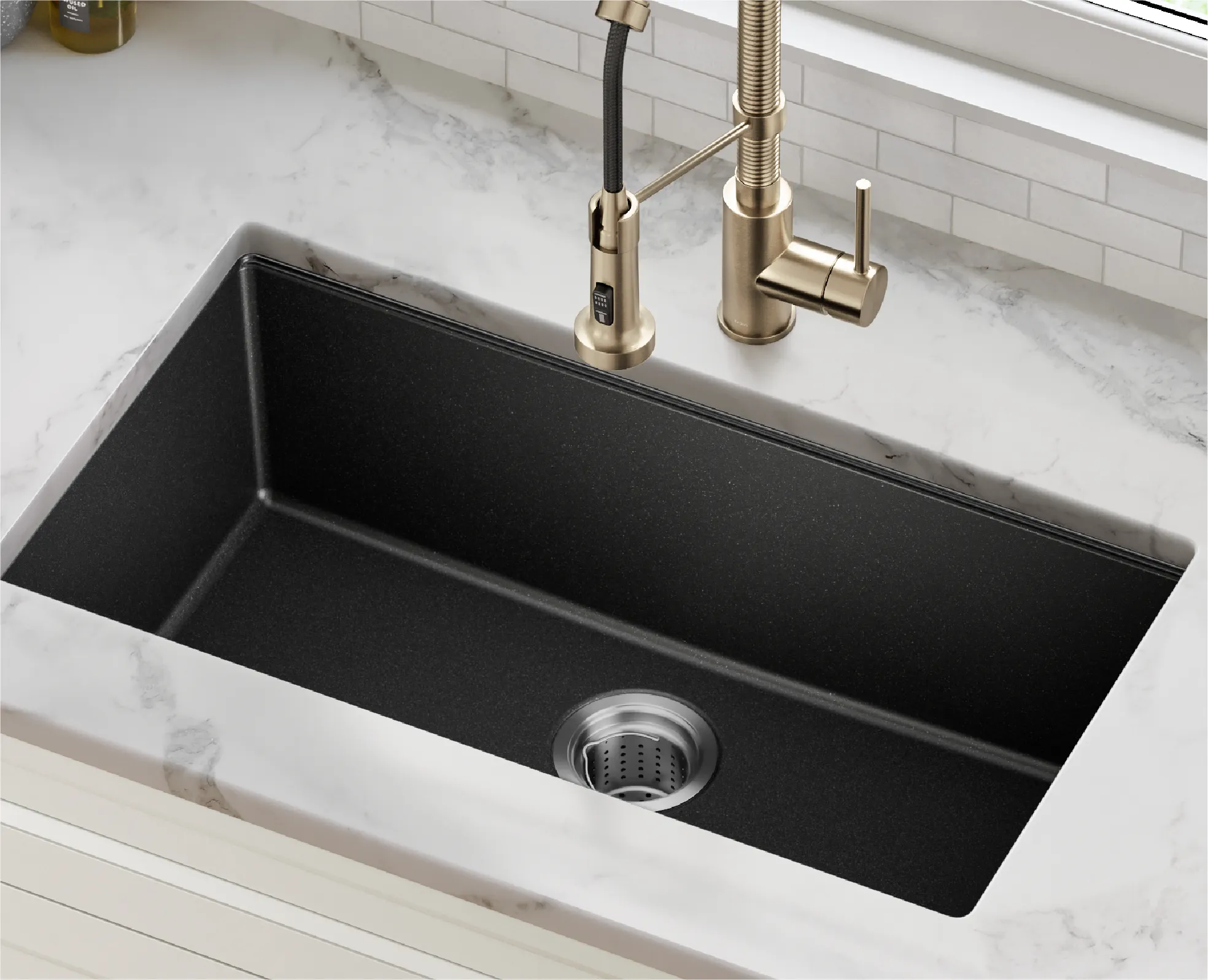
A single sink is the best choice when you want simplicity, space, and ease of use.
- Small kitchens or limited counter space: A single basin keeps the layout open and less crowded
- Large cookware or baking trays: The wide basin makes it easier to wash bulky items
- Minimalist or modern design preference: Clean lines and simple design fit modern kitchens
- Simple daily use: Ideal if you don’t need to multitask while washing dishes
A single sink works best when efficiency and space matter more than separation.
When to Choose a Double Sink
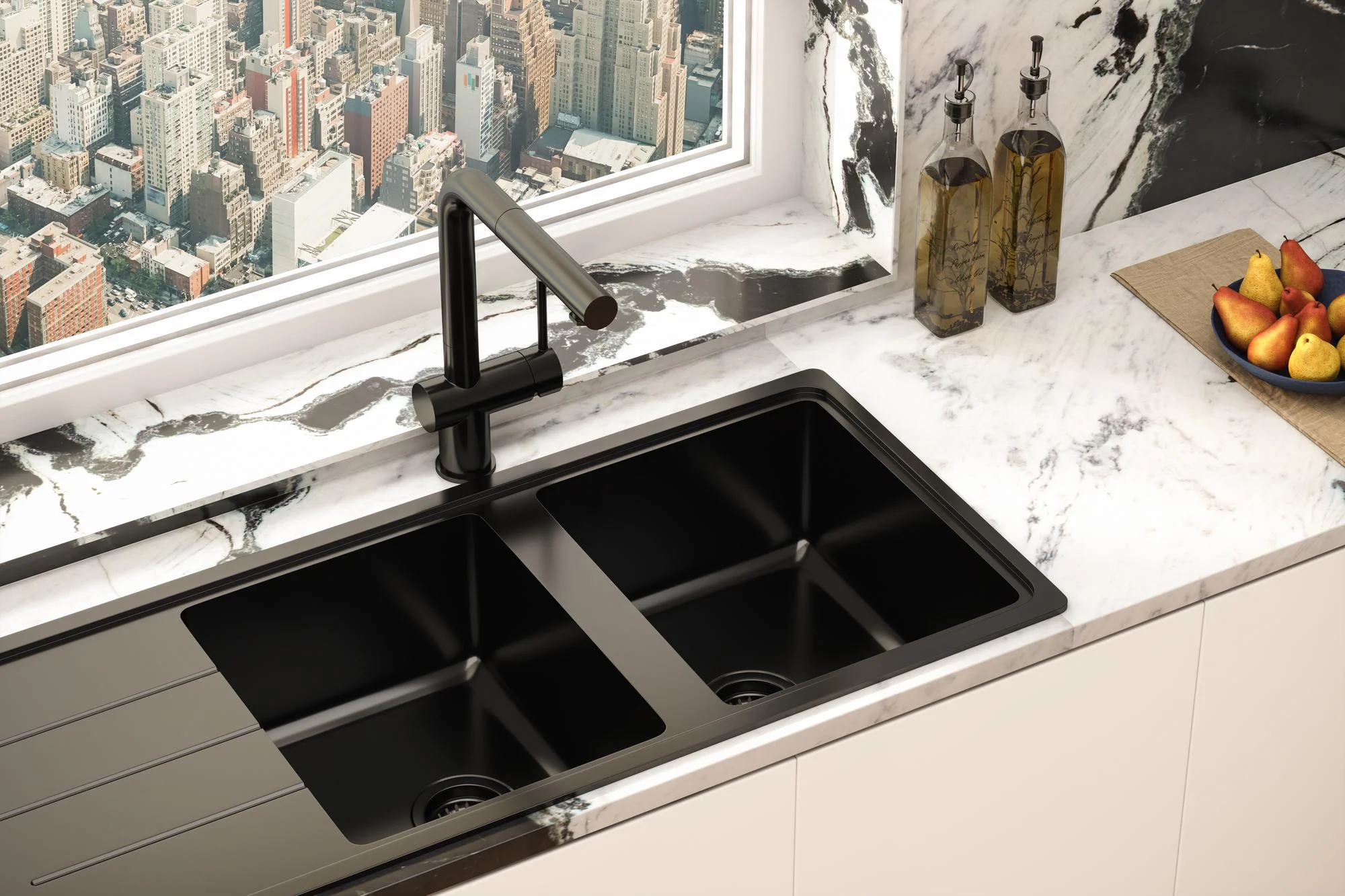
A double sink is better when you need flexibility and a more organized workflow.
- Larger kitchens with enough space: Fits well without making the area feel tight
- Multi-user households: Allows more than one person to use the sink at the same time
- Frequent cooking and cleaning: Makes washing, rinsing, and soaking easier
- Need for multitasking: Separate basins help keep tasks organized
A double sink is ideal for busy kitchens where function and convenience are the priority.


 English
  Arabic
  Spanish
  Japanese
  Russian
  Korean
  French
  Italian