

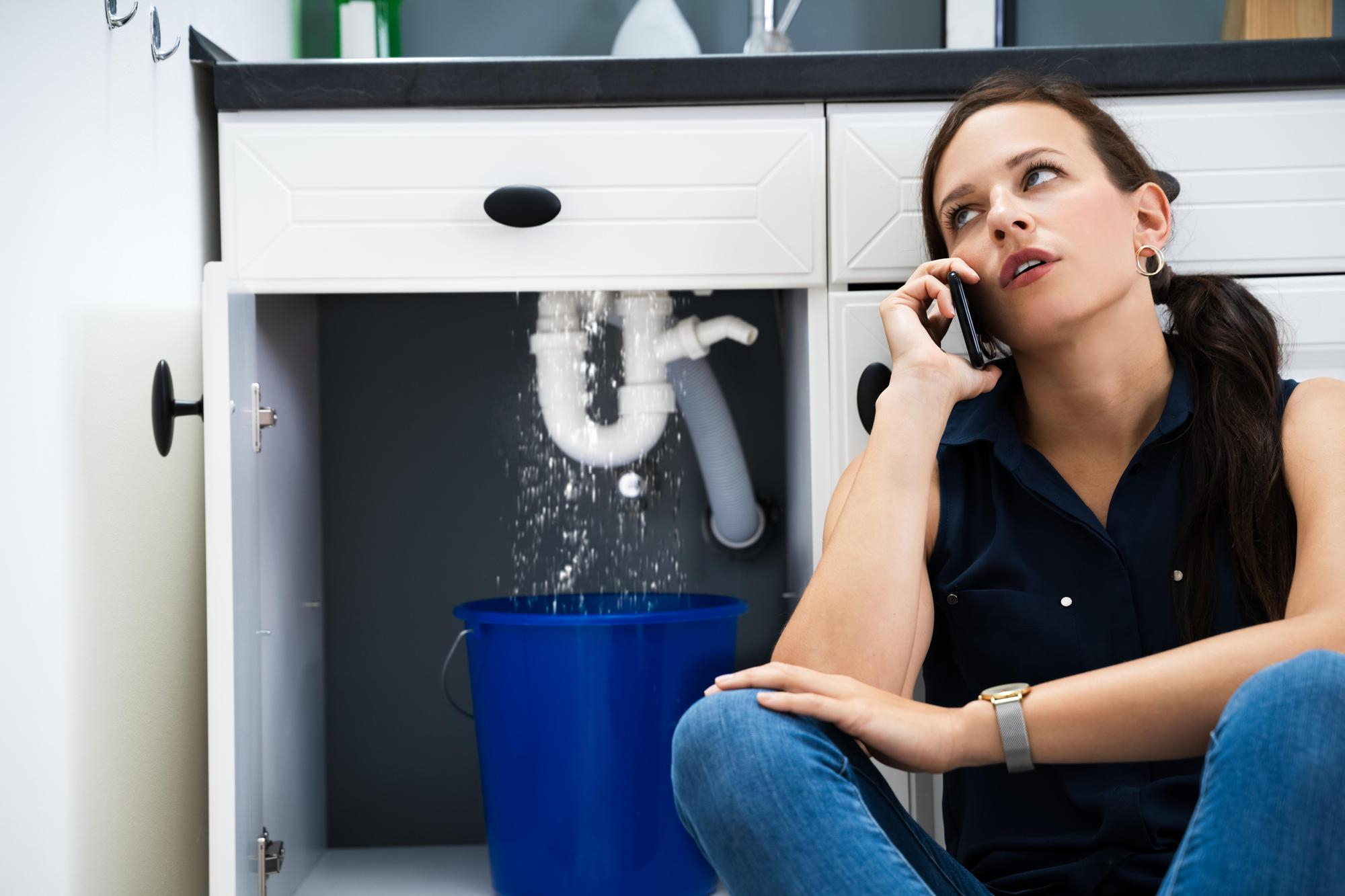
6 Common Causes of Sewer Smell in Kitchen Sinks
That unpleasant sewer smell usually comes from a few very common problems. The key is to match the smell with the cause—once you do that, fixing it becomes much easier.
1. Food Debris Rotting in the Drain
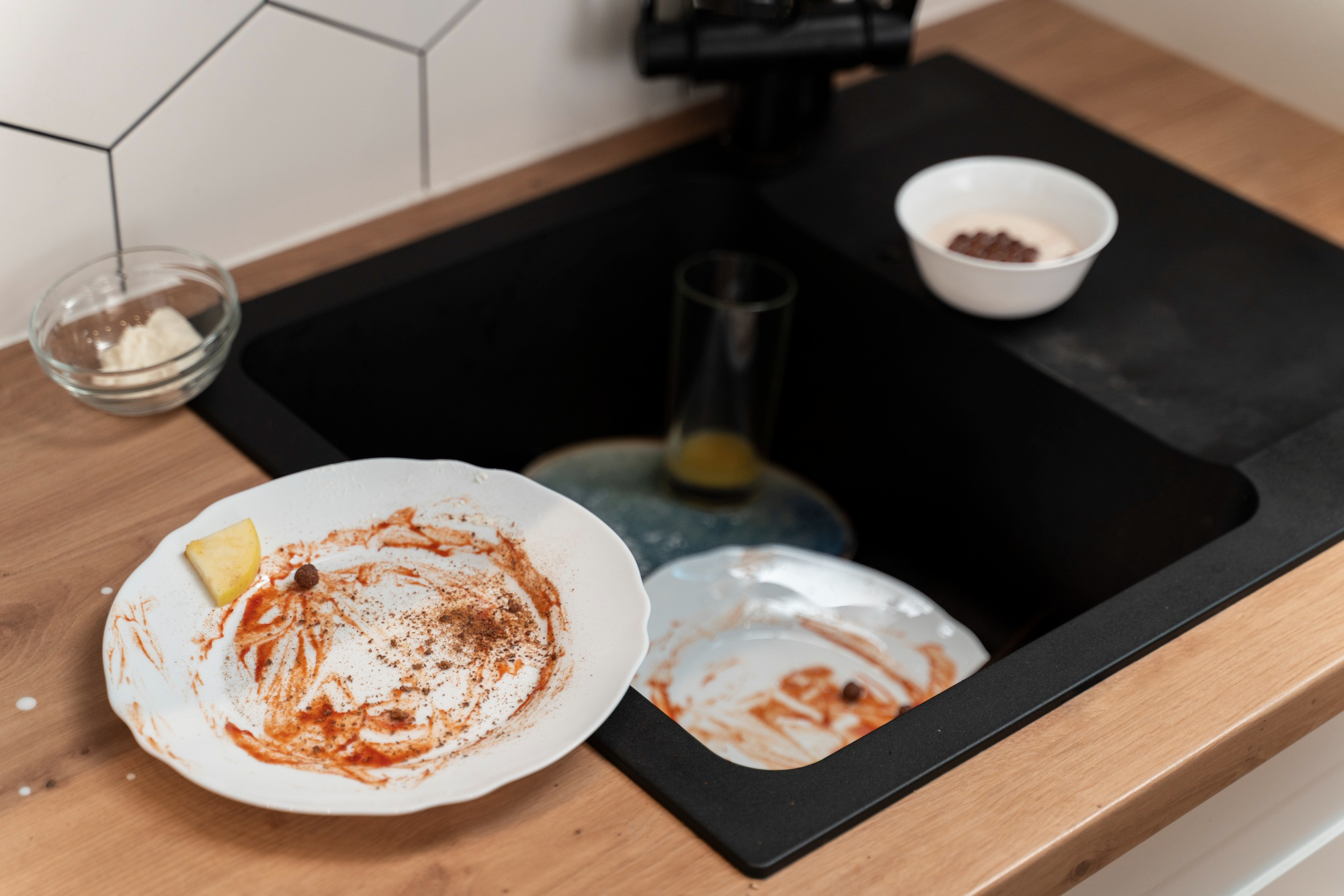
Small food scraps often get stuck in your drain or garbage disposal. Over time, they break down and grow bacteria.
That’s when the smell starts.
You’ll notice:
- a rotten or sour odor
- stronger smell after using the sink
- buildup near the drain opening
This is one of the most common causes, especially in busy kitchens.
2. Grease and Oil Buildup
Pouring oil or grease down the sink might seem harmless—but it cools, hardens, and sticks to the inside of your pipes.
Once that layer forms, it traps food particles and bacteria.
Result:
- thick buildup inside pipes
- long-lasting, hard-to-remove odors
- reduced water flow over time
This type of smell tends to come back again and again if not cleaned properly.
3. Dirty Garbage Disposal
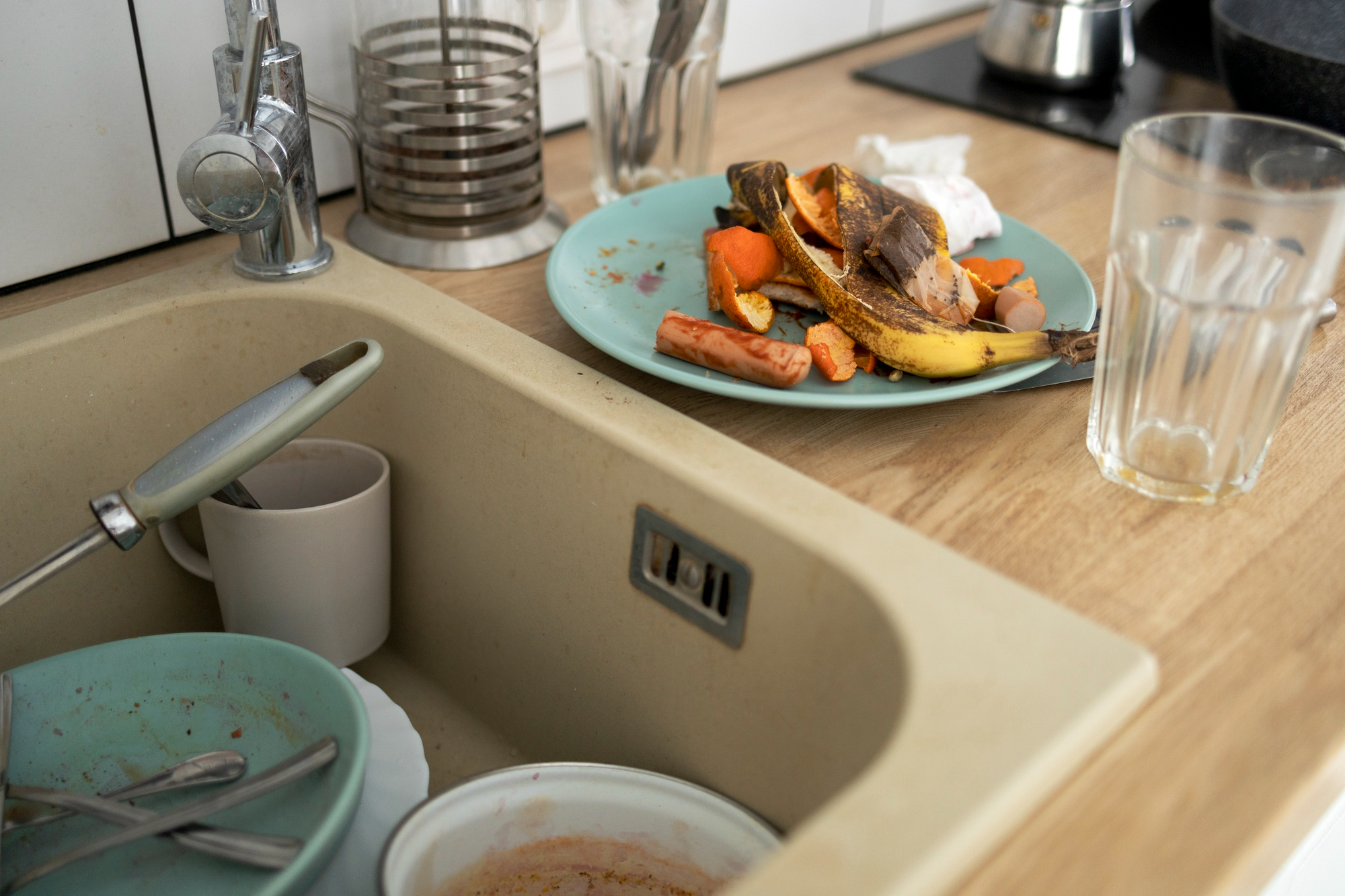
If you use a garbage disposal daily, food can stick to:
- the blades
- the inner chamber
- the rubber splash guard
Even if the sink looks clean, hidden residue can rot inside.
Common signs:
- smell gets worse when disposal runs
- odor comes from just under the drain
- quick rinsing doesn’t fix it
This is a very typical issue in homes that cook often.
4. Dry or Faulty P-Trap
The P-trap is the curved pipe under your sink. It holds a small amount of water that acts as a barrier to block sewer gas.
If that water dries out or the trap isn’t working properly, odors can rise straight into your kitchen.
This often happens when:
- the sink hasn’t been used for days or weeks
- there’s a slow leak in the pipe
- the trap was installed incorrectly
A dry P-trap is one of the fastest causes of a strong sewer smell.
5. Blocked Plumbing Vent
Your plumbing system has vents that release gas safely outside your home. When these vents get blocked, air can’t flow properly.
Instead of going out, the gas gets pushed back into your sink.
You might notice:
- a sewer smell that comes and goes
- gurgling sounds from the drain
- multiple drains in the home smelling
This issue is harder to fix and may need a professional inspection.
6. Partial Drain Clog
A partial clog doesn’t fully block the pipe—but it slows water and traps debris.
That trapped material starts to decay, creating both smell and noise.
Watch for:
- slow draining water
- gurgling sounds
- smell that gets worse over time
If you have both a slow drain and a bad smell, a clog is very likely the cause.
How to Identify the Exact Cause
| Symptom | Likely Cause |
|---|---|
| Rotten food smell | Food buildup |
| Rotten egg smell | Sewer gas / P-trap |
| Slow draining | Partial clog |
| Smell after long time unused | Dry trap |
How to Fix a Smelly Kitchen Sink (Step-by-Step)

The good news is that most kitchen sink odors can be fixed with a few simple steps. You don’t need special tools—just a clear approach and a few common household items.
Step 1: Flush with Hot Water + Dish Soap
Start with the easiest fix. Pour a steady stream of hot water down the drain while adding a few drops of dish soap.
This helps break down grease that sticks to the inside of your pipes. If grease is the main issue, you may notice an improvement right away.
Let the water run for about 1–2 minutes to fully flush the system.
Step 2: Baking Soda + Vinegar Method
If the smell is still there, it’s time to clean deeper.
Pour about half a cup of baking soda into the drain, followed by one cup of vinegar. You’ll hear a fizzing reaction—that’s normal. It helps loosen buildup and kill odor-causing bacteria.
Let it sit for 10–15 minutes, then flush with hot water.
This method works well for organic buildup and light clogs.
Step 3: Clean the Garbage Disposal
If your sink has a garbage disposal, this step is important.
Food particles often stick to hidden areas like the blades and rubber splash guard. To clean it:
- Drop in a handful of ice cubes and a spoon of salt
- Turn on the disposal for a few seconds
- Add a few citrus peels (like lemon or orange) for a fresh smell
This helps scrub away residue and remove trapped odor.
Step 4: Check and Refill the P-Trap
If your sink hasn’t been used for a while, the P-trap may be dry.
The fix is simple. Run water for 30–60 seconds to refill the trap. This restores the water seal that blocks sewer gas from coming up.
If the smell disappears quickly after this step, you’ve found the cause.
Step 5: Manually Clean the P-Trap (Advanced DIY)
If the odor still won’t go away, there may be buildup inside the P-trap itself.
Place a bucket under the pipe, then carefully remove the curved section. Rinse it out to remove any debris, grease, or sludge inside.
Once cleaned, reattach it securely and run water to test.
This step takes a bit more effort, but it’s very effective for stubborn smells.
When You Should Call a Plumber
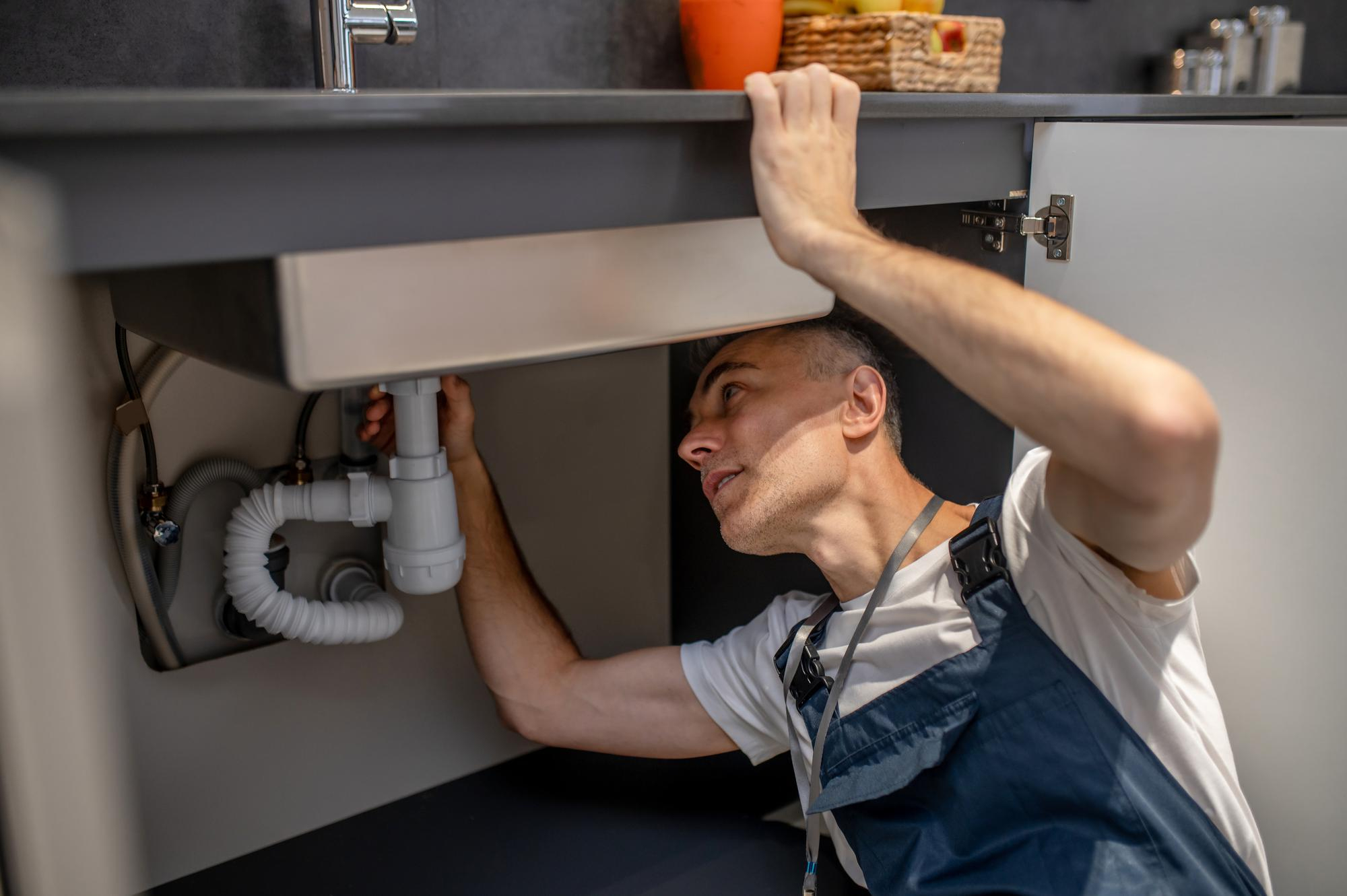
If you’ve tried all the steps above and the smell keeps coming back, it’s likely a deeper issue.
You should consider calling a plumber if:
- the odor returns quickly after cleaning
- multiple drains in your home smell at the same time
- you hear frequent gurgling sounds
- the sink drains very slowly or backs up
These signs often point to problems like blocked vents or deeper pipe clogs that need professional tools to fix.
 English
  Arabic
  Spanish
  Japanese
  Russian
  Korean
  French
  Italian