

What Are Nylon Kitchen Utensils?
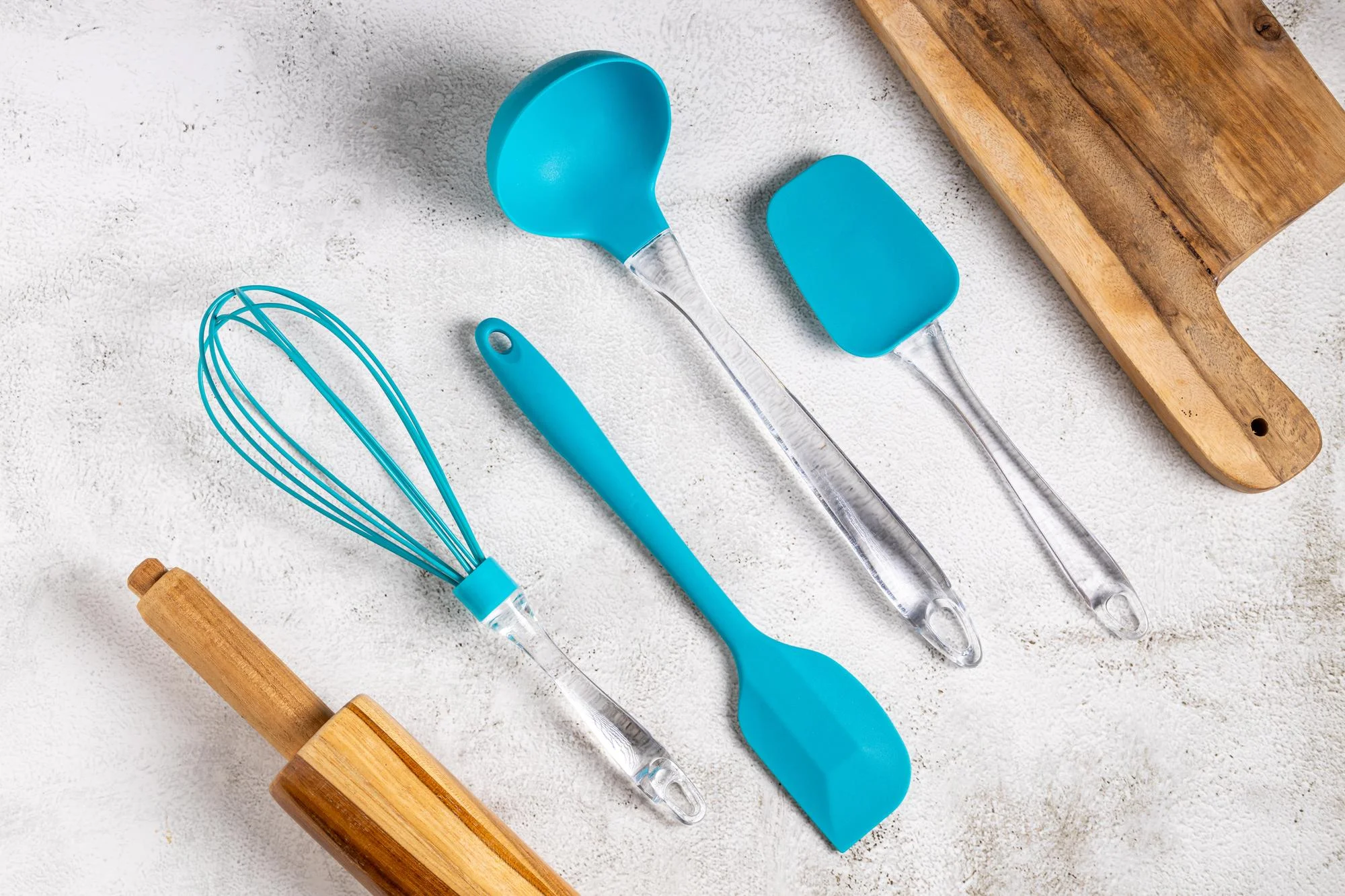
Nylon kitchen utensils are made from a type of thermoplastic called polyamide. This material is known for being strong, lightweight, and slightly rigid, which makes it easy to handle during everyday cooking.
Because nylon holds its shape well, it works best for tasks that need a bit of pressure or control. You’ll commonly see nylon used in tools like:
spatulas
ladles
cooking spoons
These utensils are popular in many kitchens because they are affordable, durable, and easy to use, especially for basic cooking tasks.
What Are Silicone Kitchen Utensils?
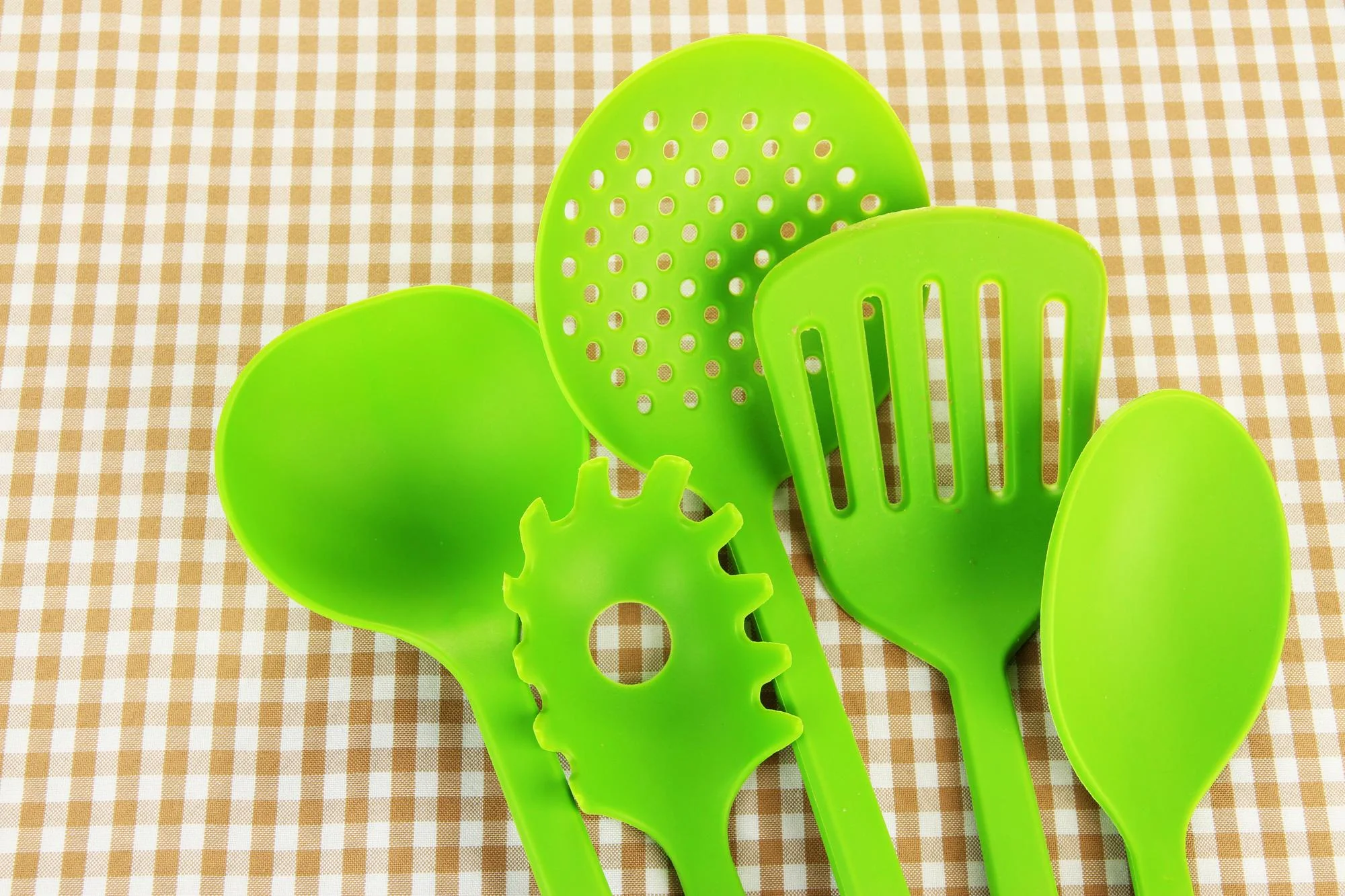
Silicone kitchen utensils are made from a flexible, rubber-like synthetic material designed for cooking. Unlike nylon, silicone is soft and bendable, which makes it very effective for scraping and mixing.
High-quality silicone is non-toxic and heat-stable, meaning it can handle higher temperatures without melting or breaking down. This makes it a safer choice for cooking at high heat.
Silicone utensils are especially useful for:
scraping bowls clean
mixing batters and sauces
working with nonstick cookware
In short, silicone tools are valued for their flexibility, heat resistance, and gentle touch, making them a great option for both everyday cooking and more delicate tasks.
Key Differences Between Nylon and Silicone Utensils
When choosing between nylon and silicone utensils, the differences come down to how they handle heat, safety, and daily use. Understanding these points will help you pick the right tool for your kitchen.
Heat Resistance (Most Important Factor)
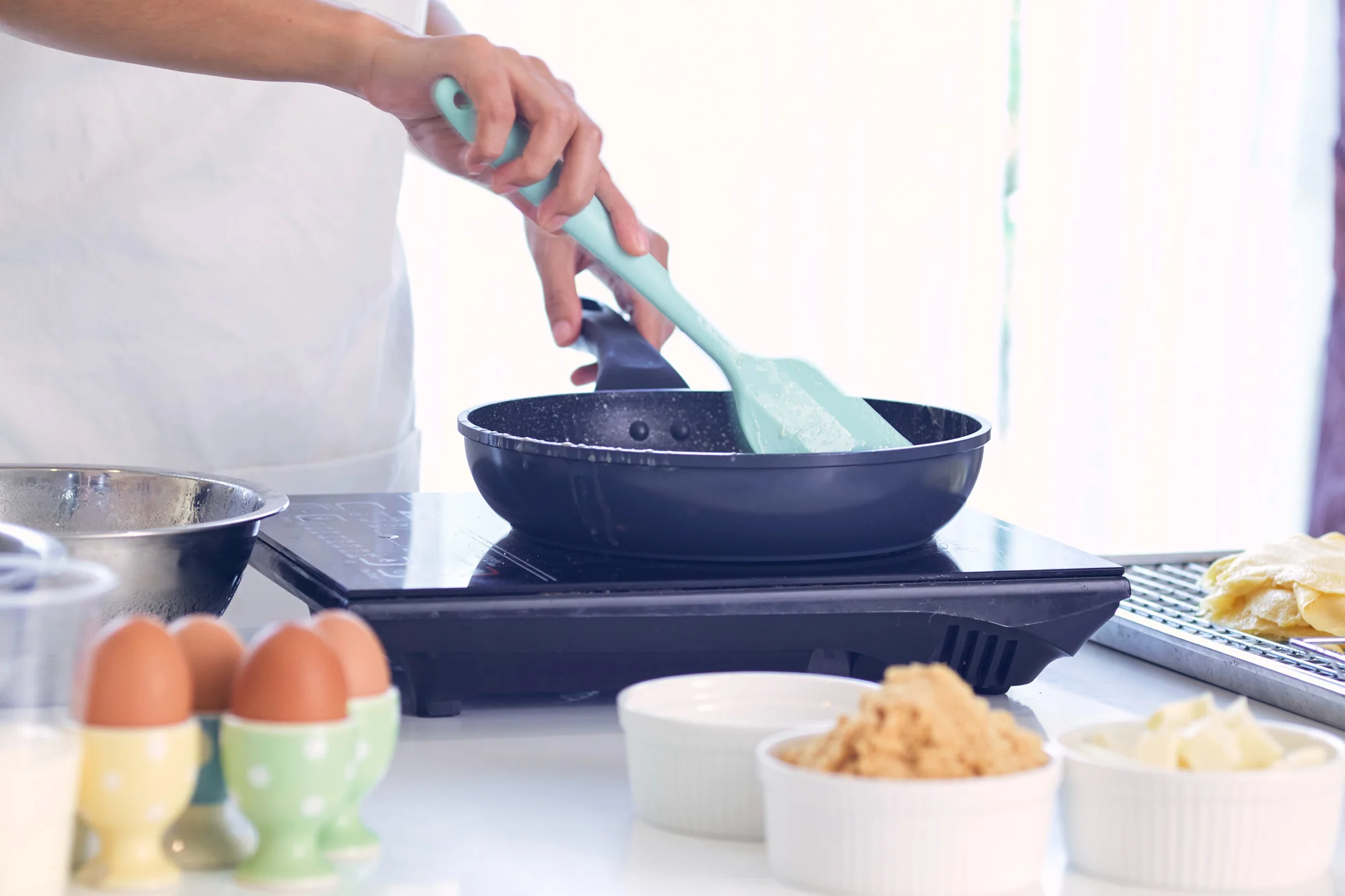
Heat is the biggest difference between the two materials.
- Silicone can handle temperatures up to about 600°F (315°C)
- Nylon usually withstands up to 400°F (204°C) and may melt if overheated
👉 Key takeaway: If you cook at high heat, silicone is the safer and more reliable choice.
Safety and Food Contact
Both materials are generally safe, but heat changes the equation.
- Silicone is non-toxic and stays stable even at high temperatures
- Nylon is safe at low to medium heat, but may degrade or release odors if exposed to high heat
For safety, silicone offers more peace of mind during intense cooking.
Durability and Lifespan
Durability affects how long your utensils last.
- Silicone resists heat, cracking, and aging, so it tends to last longer
- Nylon is strong, but can warp, bend, or wear out over time
If you want long-term use, silicone is usually the better investment.
Flexibility vs Rigidity
Each material behaves differently when you use it.
- Silicone is soft and flexible, making it perfect for scraping bowls and mixing smoothly
- Nylon is more rigid, which helps when stirring thick foods or lifting heavier items
Your cooking style will determine which feel works better.
Cost and Value
Price is often a deciding factor.
- Nylon is more affordable and widely available
- Silicone costs more upfront but offers better durability and performance over time
In simple terms, nylon saves money now, while silicone delivers better value in the long run.
Which Is Better for Different Cooking Needs
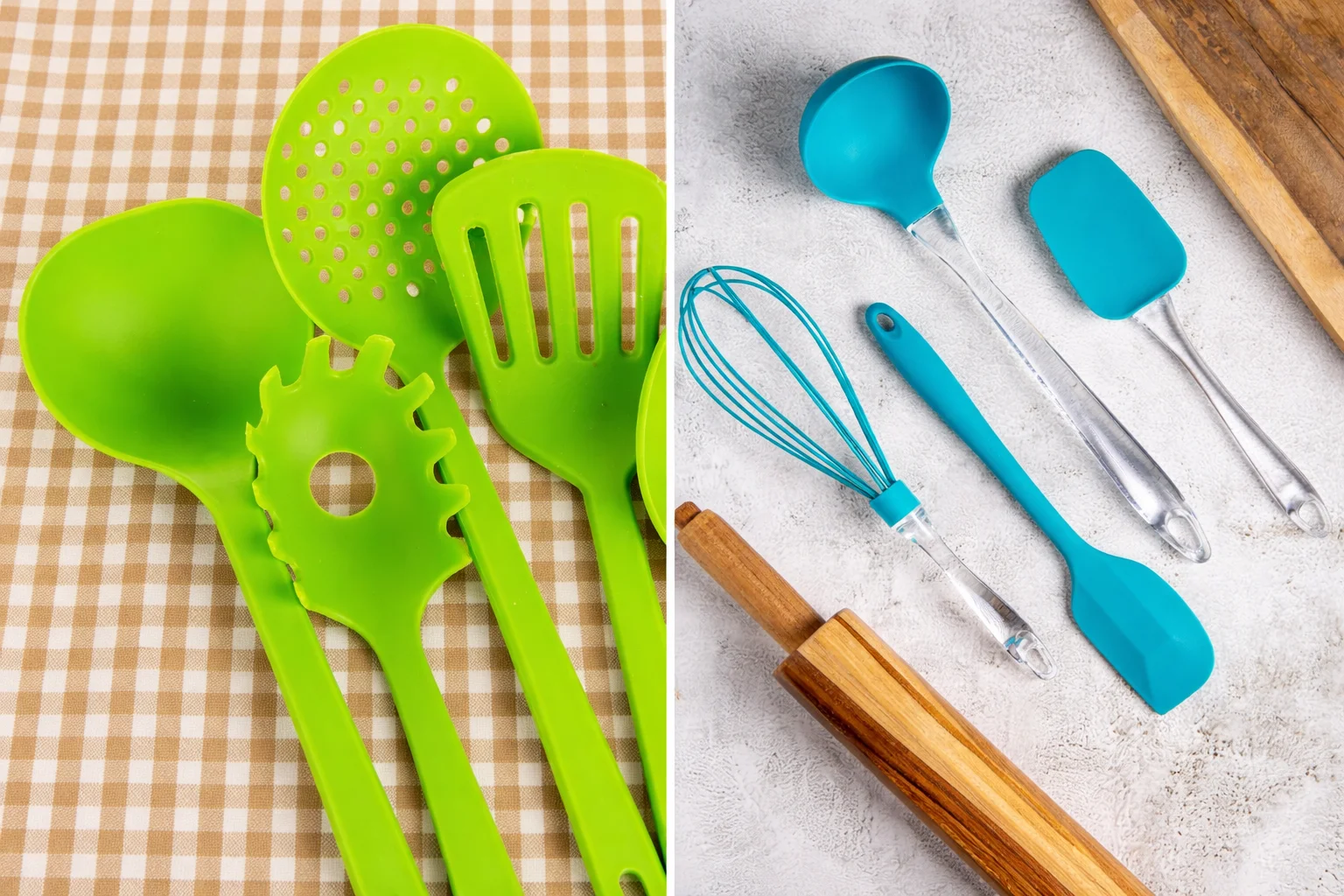
The best choice depends on how you cook every day. Both materials work well, but each one fits different tasks.
- High-heat cooking (frying, sautéing, grilling)
Go with silicone. It handles high temperatures without melting or breaking down. - Everyday cooking (stirring, serving, basic meals)
Nylon works well here. It’s strong, easy to use, and more affordable. - Nonstick cookware
Both nylon and silicone are safe and won’t scratch the surface. - Mixing and scraping
Choose silicone. Its flexible edge helps you scrape bowls clean and mix smoothly. - Thick or heavy foods
Nylon is better for stirring dense sauces or lifting heavier ingredients because it’s more rigid.
How to Choose the Right Utensils
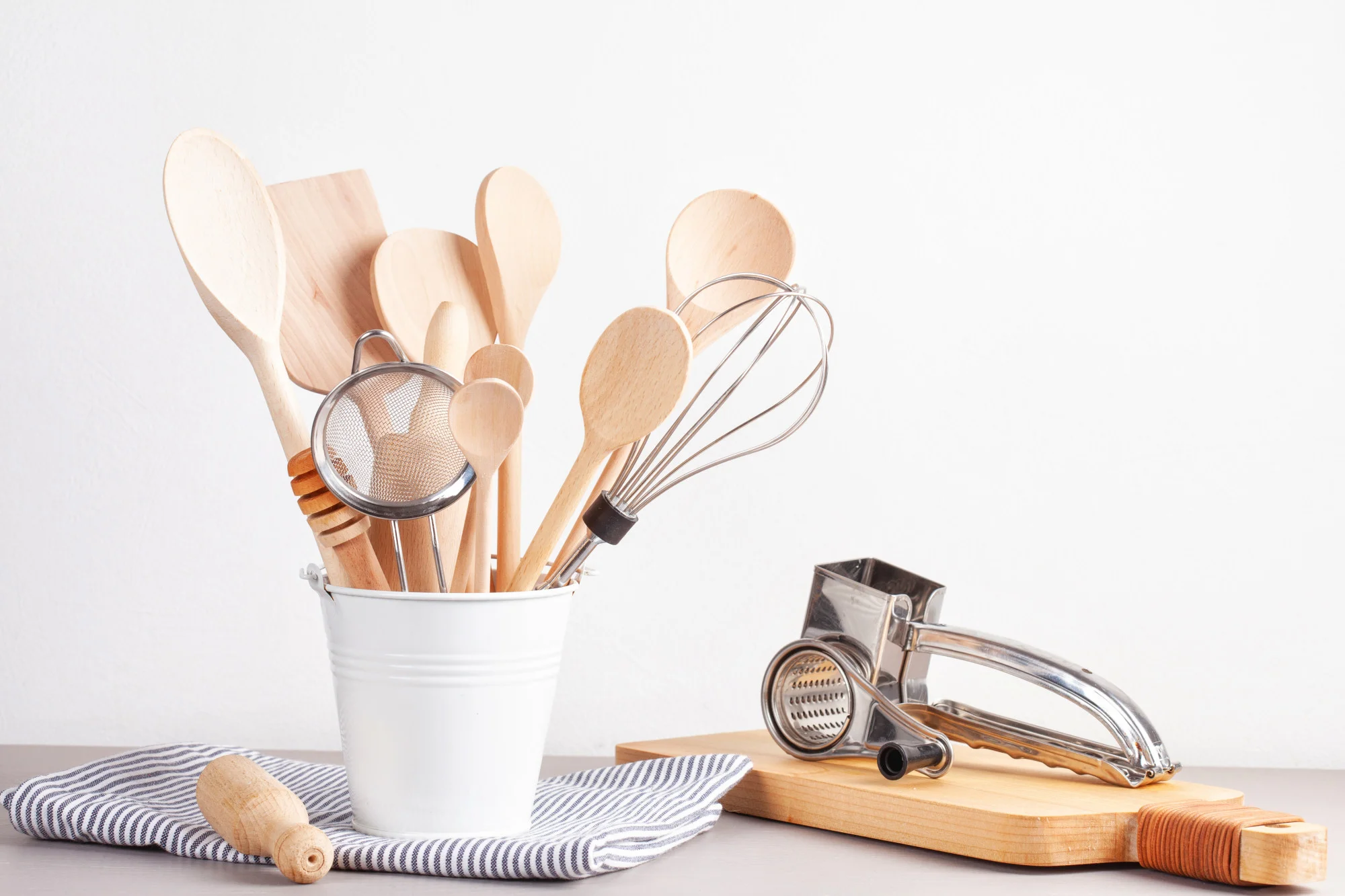
Choosing the right utensils is about matching the material to your cooking habits, not just picking the cheapest option.
- Think about your cooking temperature
If you often cook at high heat, silicone is the safer choice. For low to medium heat, nylon is usually enough. - Consider how often you cook
Frequent cooking calls for durable tools. Silicone lasts longer and holds up better over time. - Balance budget and long-term value
Nylon costs less upfront. Silicone costs more but reduces the need for replacement. - Decide based on tool feel
If you prefer firm control, nylon is a better fit. If you want flexibility and precision, silicone is the better option. - Check product quality
Look for food-grade silicone or high-quality nylon. Poor-quality tools wear out faster and may not perform well.
Choose the Right Kitchen Utensils for Better Cooking
The right utensils can make cooking easier, safer, and more efficient. Whether you choose nylon or silicone, the key is matching your tools to how you cook every day.
If you’re looking for high-quality kitchen utensils or need help selecting the best option for your needs, contact us today. Our team is ready to help you find reliable, practical solutions for your kitchen.
FAQs
Is silicone or nylon better for kitchen utensils?
Silicone is generally better, especially for high-heat cooking. It handles higher temperatures and lasts longer, while nylon is better for low-heat and budget use.
What is the healthiest material for kitchen utensils?
Food-grade silicone is one of the healthiest options, as it is non-toxic, stable, and does not release harmful chemicals during normal cooking.
Is nylon ok for kitchen utensils?
Yes, nylon is safe for kitchen use, but only at low to medium heat. At high temperatures, it may melt or degrade, which can affect safety.
Is silicone healthier than nylon?
Yes, silicone is generally healthier than nylon, because it stays stable at higher temperatures and is less likely to release chemicals during cooking.
 English
  Arabic
  Spanish
  Japanese
  Russian
  Korean
  French
  Italian