

Kitchen Sink
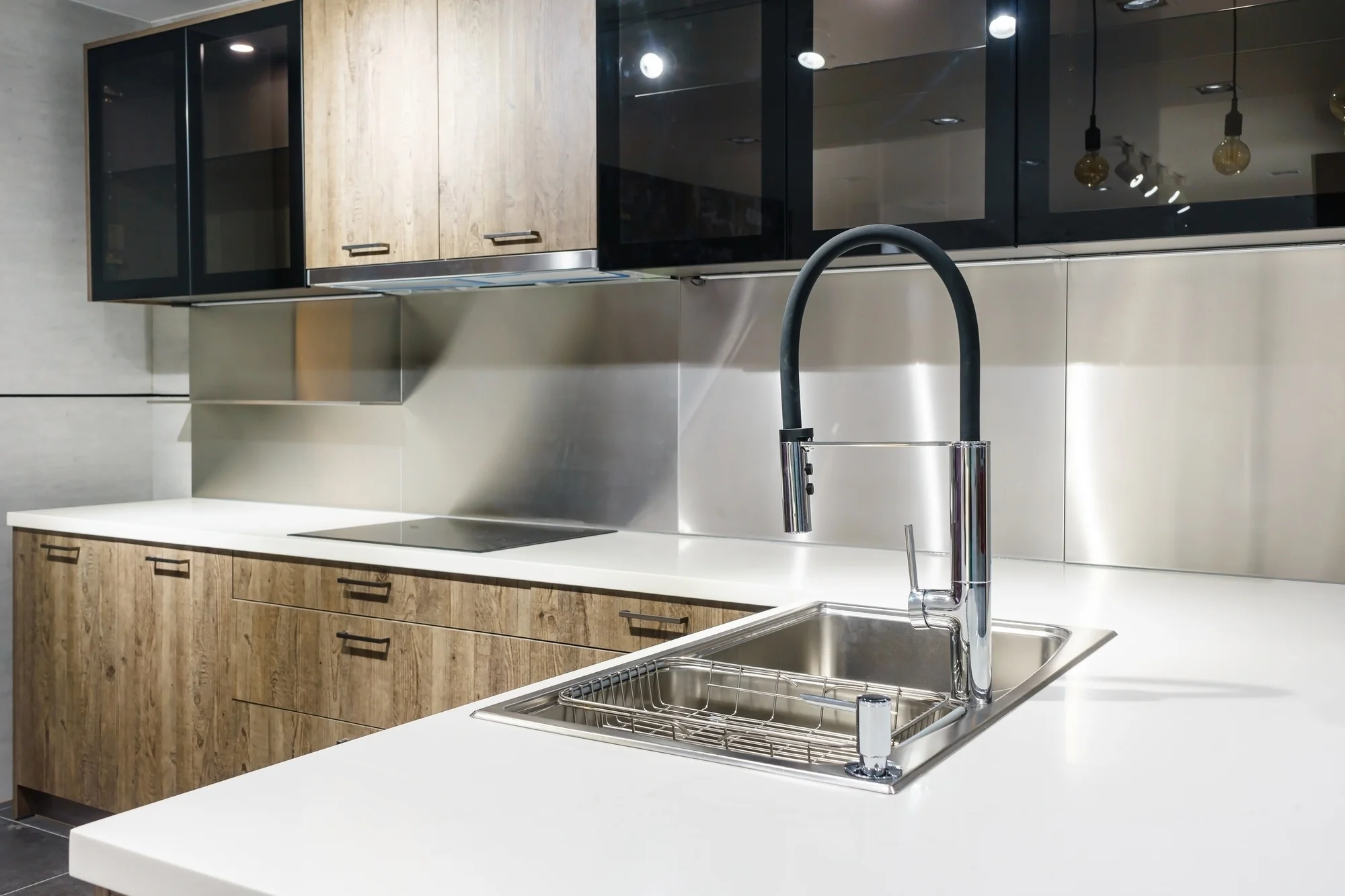
A kitchen sink is a large, deep fixture designed to handle the heavy work of a kitchen. It’s built to manage water, food waste, and large cookware without splashing or clogging.
Typical kitchen uses include:
Washing dishes, pots, and pans
Rinsing fruits, vegetables, and ingredients
Handling daily cleanup and food prep tasks
Because of its size and durability, a kitchen sink is made to withstand frequent use and tougher cleaning needs.
Wash Basin
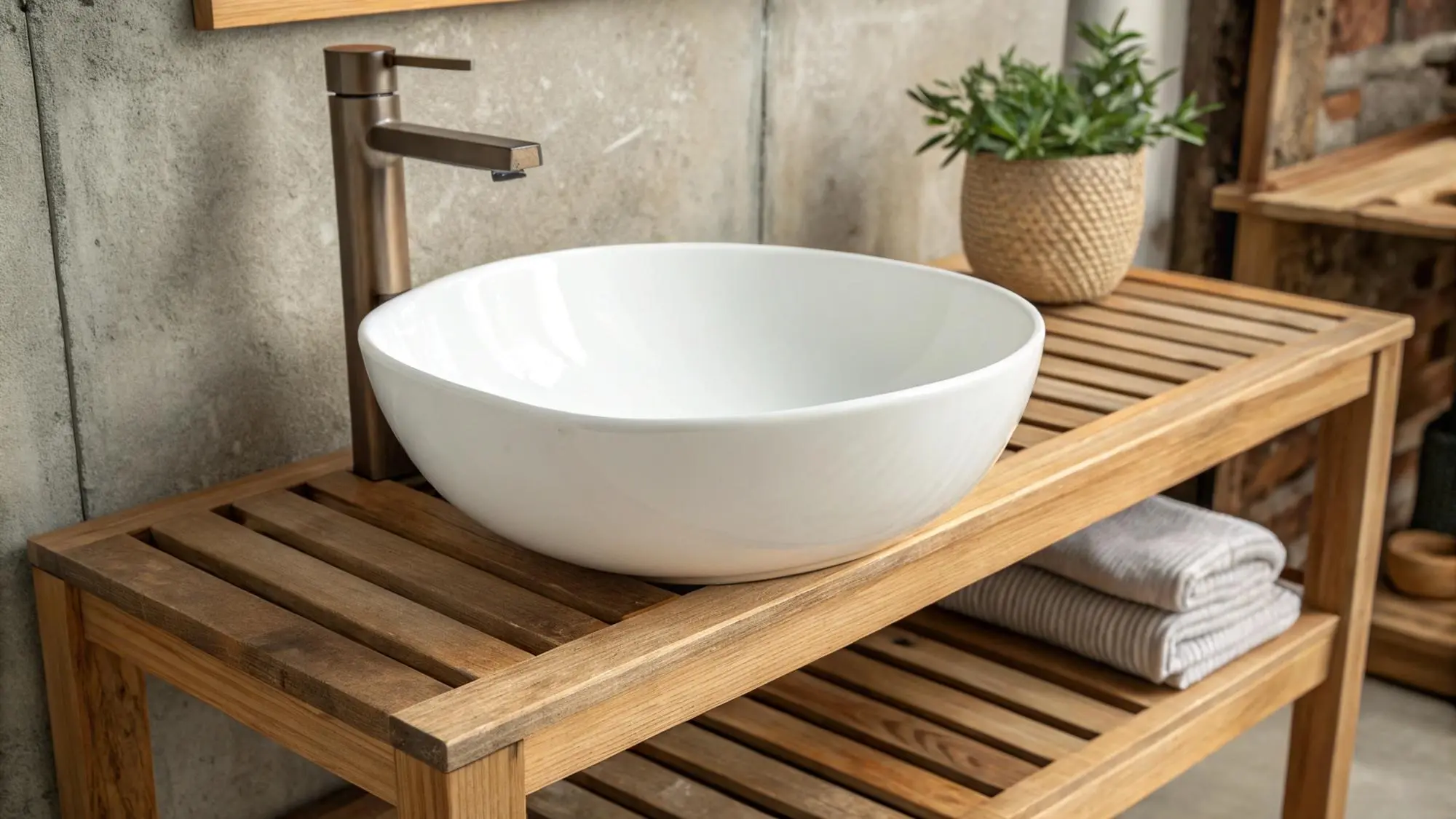
A wash basin (also called a washbasin) is a smaller, shallower fixture mainly designed for personal hygiene. It’s commonly found in bathrooms and focuses more on appearance than heavy-duty function.
Common uses and features:
Washing hands and face
Light cleaning tasks
Decorative designs that match bathroom style
Wash basins are typically installed in bathrooms, powder rooms, or guest areas where aesthetics and compact size matter more than workload capacity.
Size & Shape Differences
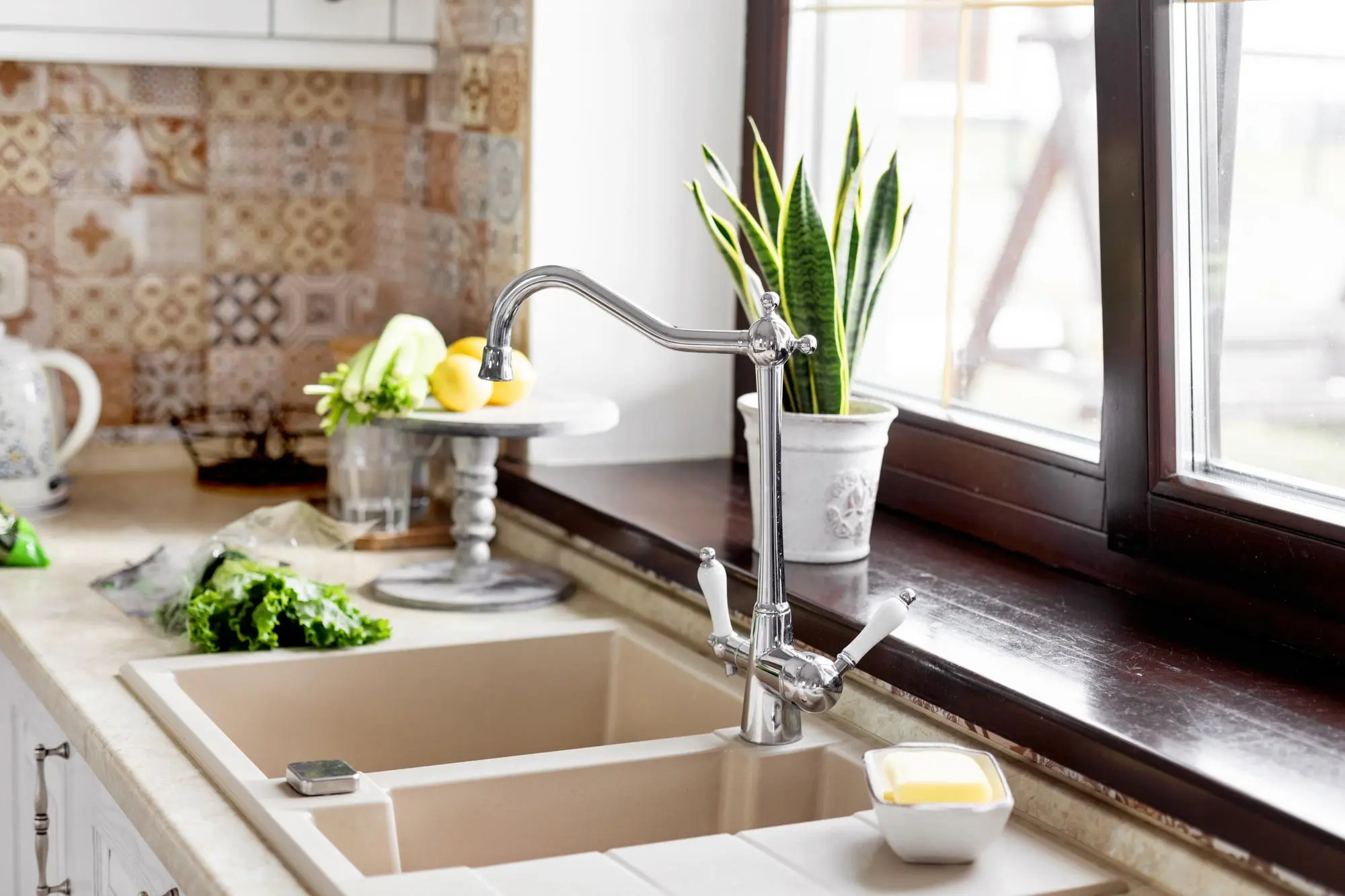
Kitchen sinks are larger and deeper, designed to handle big pots, pans, and baking trays with ease. The extra depth helps prevent splashing during heavy use.
Wash basins are smaller and more compact, made to fit limited bathroom spaces and support light daily use.
Purpose & Function
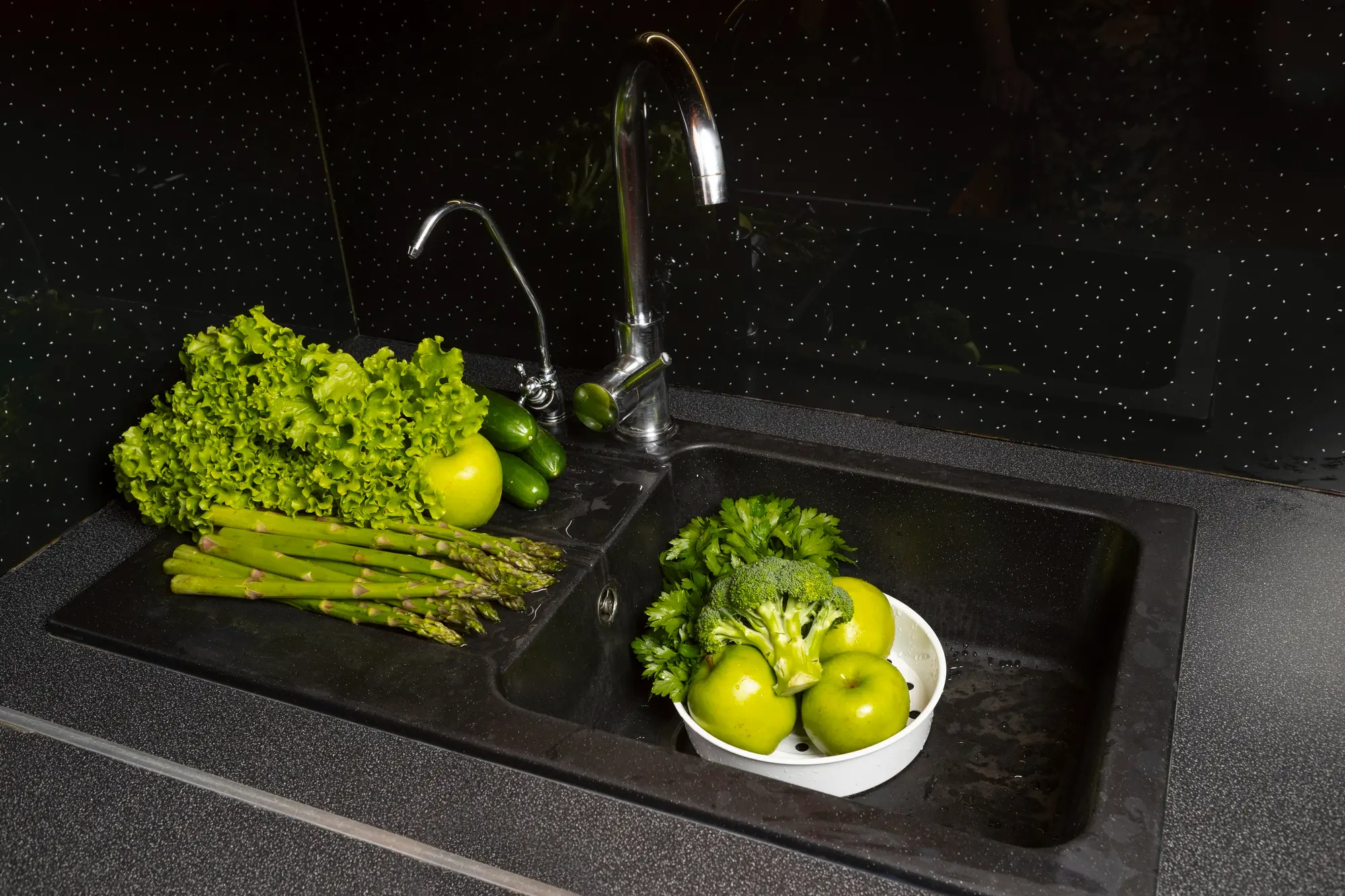
A kitchen sink plays a central role in meal prep and cleanup. It’s used for washing dishes, rinsing food, and managing cooking messes throughout the day.
A wash basin is focused on personal hygiene, mainly for washing hands and face in bathrooms or powder rooms.
Material & Durability
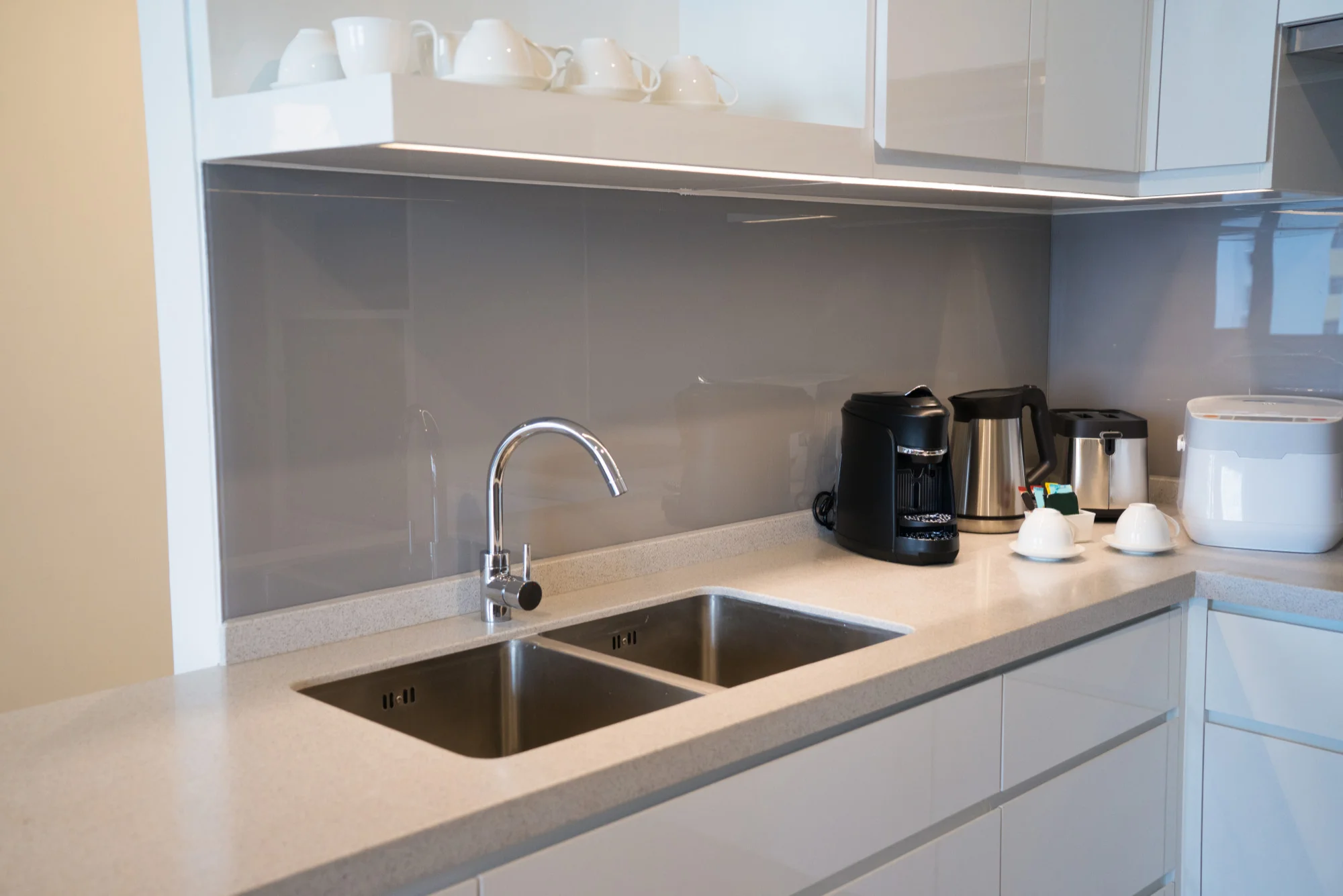
Kitchen sinks are built from durable materials like stainless steel, granite composite, or quartz to withstand heat, impact, and frequent cleaning.
Wash basins often use ceramic, porcelain, glass, or stone, prioritizing appearance and smooth finishes over heavy-duty performance.
Installation Styles
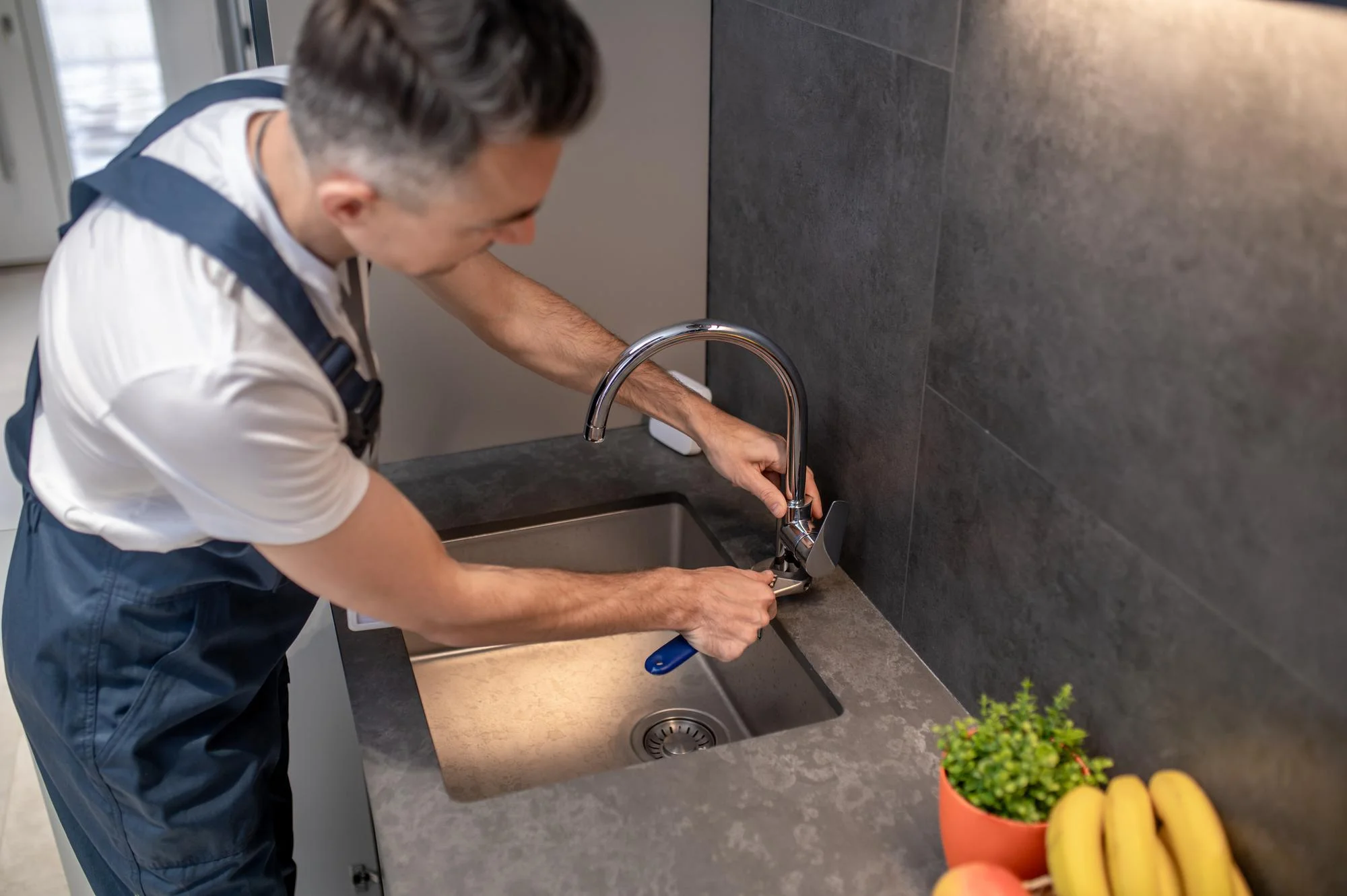
Kitchen sinks come in several practical options, including undermount, top-mount, and farmhouse styles, depending on counter design and usage needs.
Wash basins are commonly countertop, wall-hung, or pedestal-mounted, saving space and enhancing bathroom style.
Practical Usage Scenarios
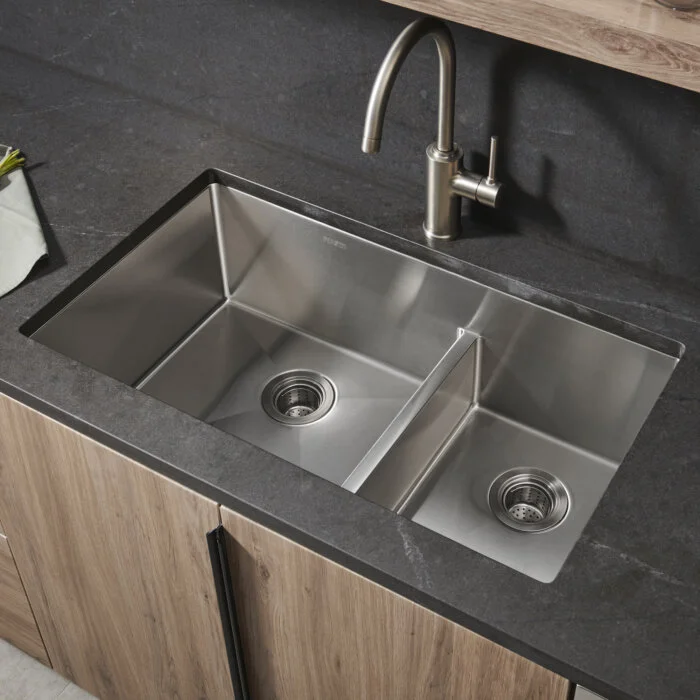
Single sinks work well in smaller kitchens or minimalist layouts.
Double sinks suit busy kitchens that need multitasking space.
Wash basins are ideal for guest bathrooms and powder rooms.
Cleaning & Maintenance Tips
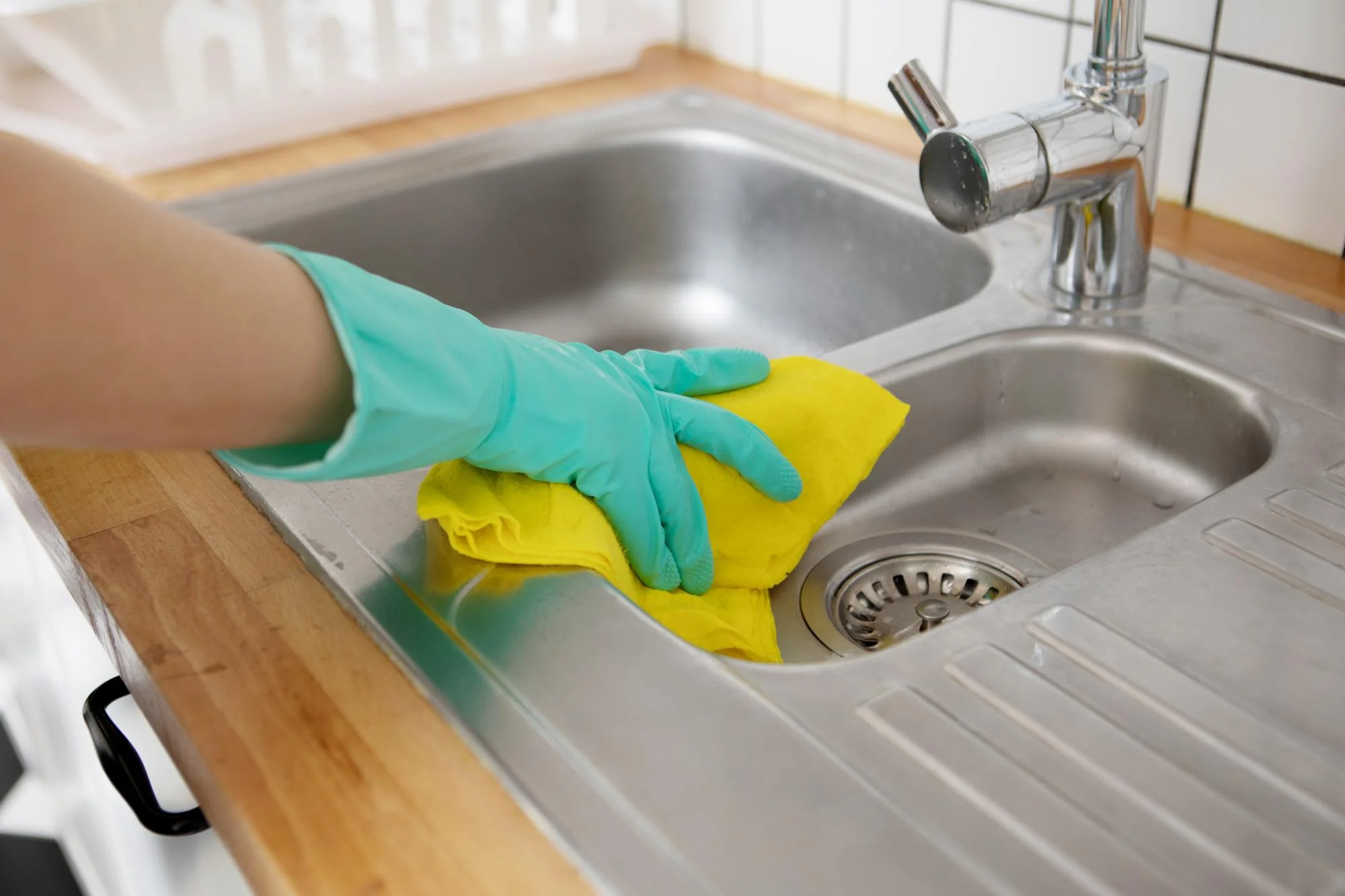
To keep kitchen sinks hygienic, rinse daily, clean with mild detergent, and disinfect regularly.
Wash basins need gentle cleaners to prevent stains and protect their finish.
Each fixture is designed for a specific purpose—choosing the right one ensures better function and comfort.
Choosing the Right Fixture for Your Space
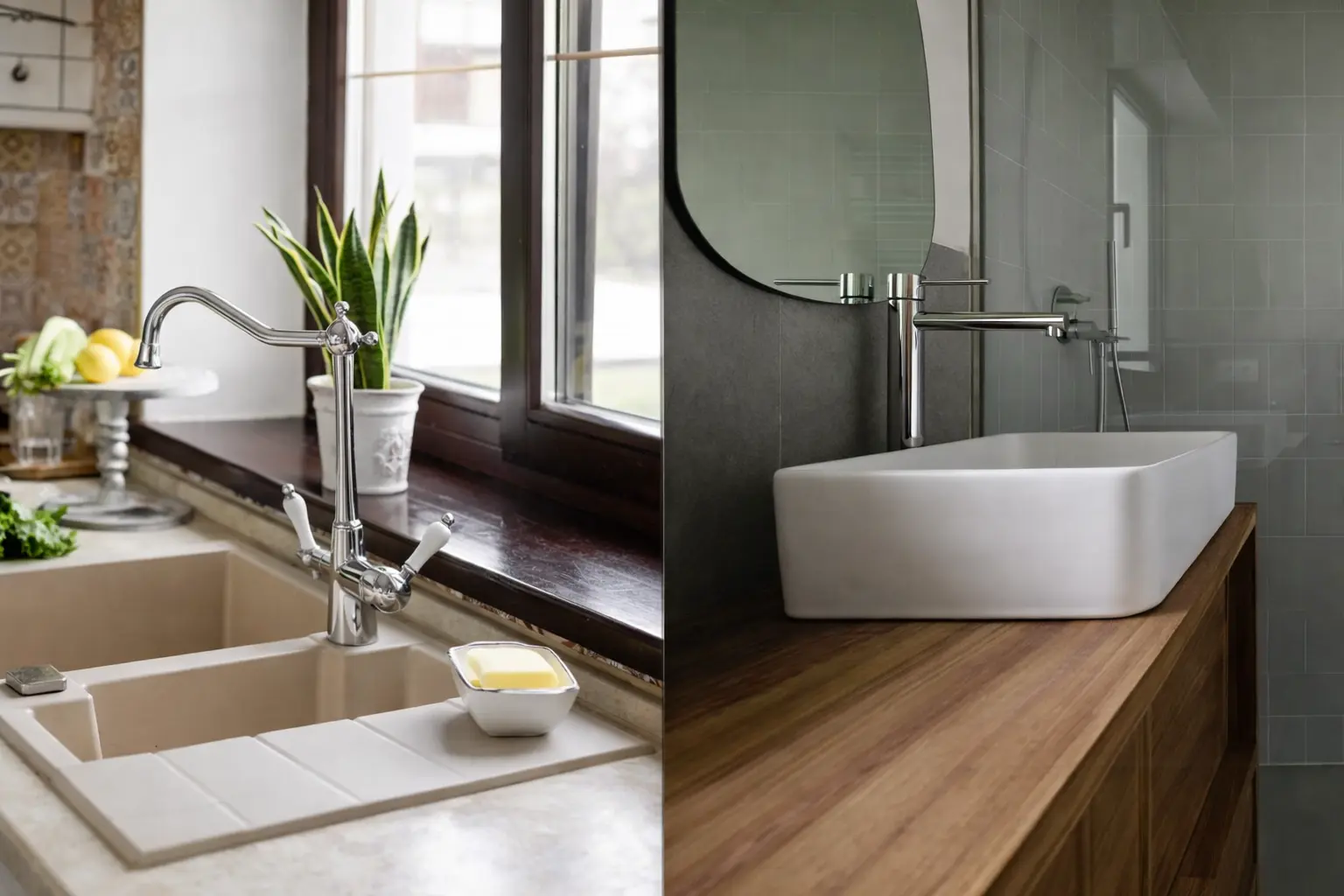
When deciding between a kitchen sink and a wash basin, the key is matching the fixture to how the space will be used.
Purpose: Choose a kitchen sink for cooking, washing dishes, and food prep. A wash basin is best for hand and face washing in bathrooms or powder rooms.
Size: Make sure the fixture fits the room. Kitchens can handle larger, deeper sinks, while bathrooms need compact basins that save space.
Installation area: Check your countertop depth, cabinet space, and plumbing location before choosing the style and mount type.
Material needs: Kitchen sinks should be durable and easy to clean, while wash basins can focus more on appearance and smooth finishes.
Picking the right fixture improves daily use and keeps your space functional and comfortable.
Need Help Choosing the Right Sink or Wash Basin?
Selecting the perfect fixture can make a big difference in how your kitchen or bathroom looks and functions. If you’re unsure which option fits your space, our experts are here to help. We’ll guide you through size, material, and installation choices that match your needs and style. Get personalized advice and expert recommendations today. Contact us now to find the perfect fit for your home!
FAQs
What is the difference between a kitchen sink and a wash basin?
A kitchen sink is a larger, deeper fixture used mainly in the kitchen for washing dishes, food prep, and cleanup. A wash basin is smaller and shallower, designed for personal hygiene tasks like hand and face washing, typically in a bathroom.
What is the difference between a basin and sink?
A sink is a plumbing fixture used for heavy-duty tasks (kitchen, laundry) and is usually larger and deeper. A basin refers to a smaller bowl-like fixture often found in bathrooms for handwashing.
Do Americans say sink or basin?
In American English, people commonly use the term “sink” for both kitchen and bathroom fixtures, even when referring to what in other regions might be called a basin.
What is the difference between a handwash basin and a sink?
A handwash basin is specifically designed for washing hands and face and is usually smaller and shallower. A sink can refer to larger fixtures used for dishes, food prep, or hygiene, and is built for deeper and heavier use.
 English
  Arabic
  Spanish
  Japanese
  Russian
  Korean