Key Differences Between a Kitchen Island & Peninsula

At first glance, kitchen islands and peninsulas may look similar, but they work very differently in real homes. Here’s how to tell which one fits your space and lifestyle best.
Placement
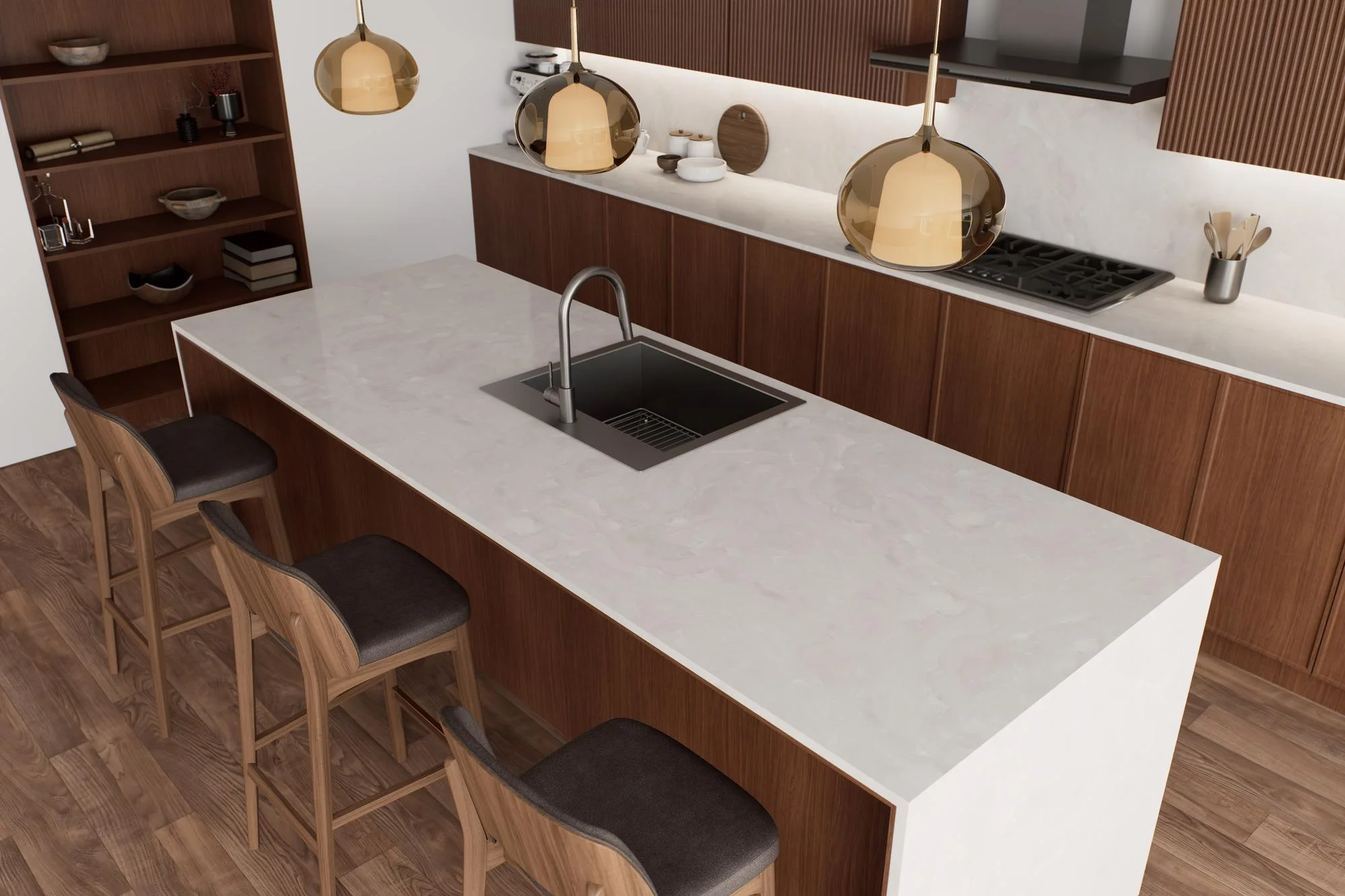
A kitchen island stands alone in the center of the kitchen. You can walk around it from all sides, which makes it feel open and social.
A kitchen peninsula, on the other hand, is connected to an existing counter or wall, extending outward into the room.
Space Requirements

Islands need enough clearance on all sides for smooth traffic flow. That’s why they work best in larger or open-plan kitchens.
Peninsulas are more space-efficient. Since one side is attached, they fit comfortably in smaller kitchens without making the room feel crowded.
Functionality & Use

Islands usually offer more flexibility. They can hold sinks, cooktops, dishwashers, or extra storage with ease.
Peninsulas still provide great prep space and seating, but appliance options are often more limited due to their fixed position.
Visual & Design Impact
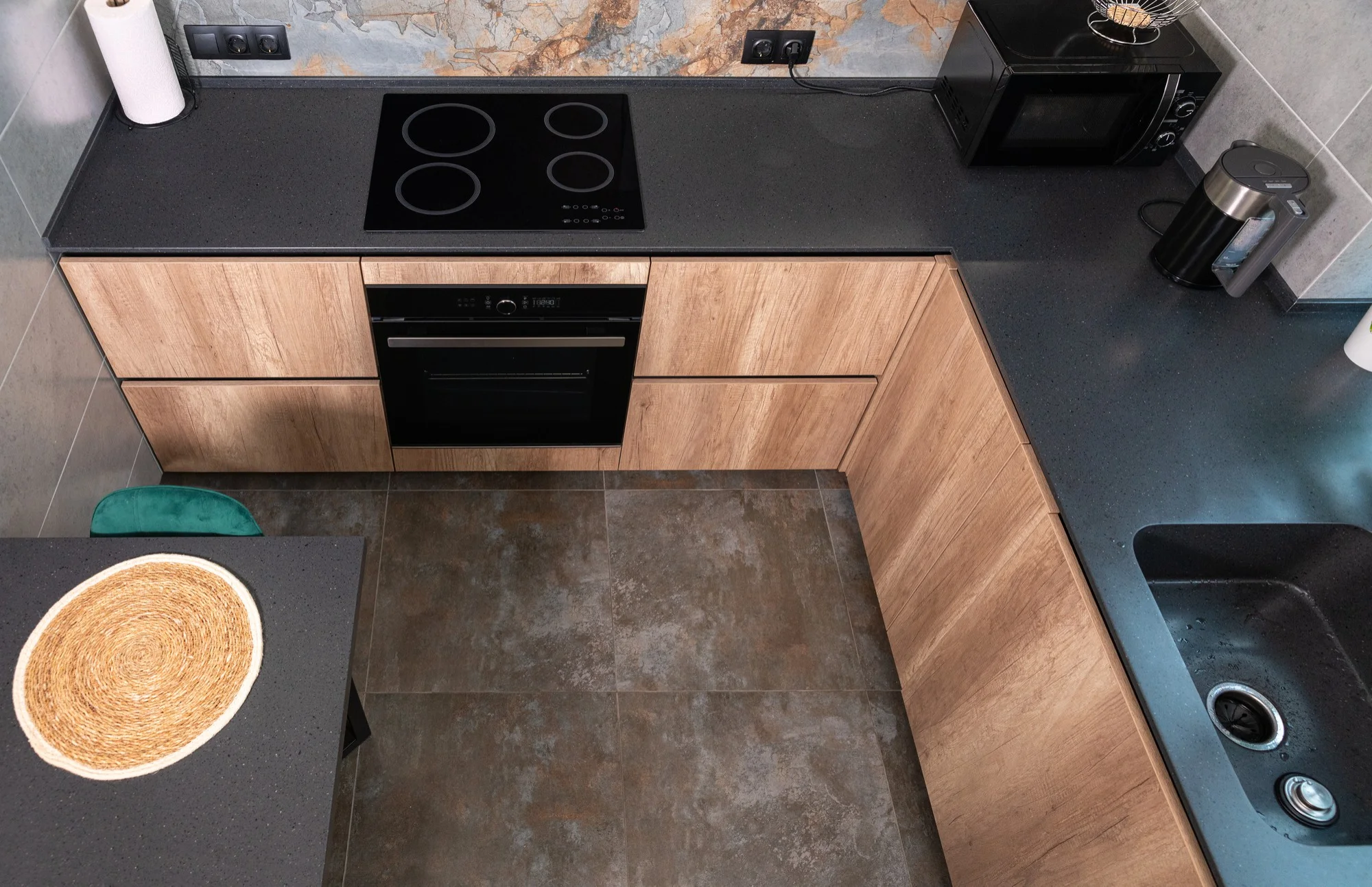
An island often becomes the centerpiece of the kitchen, drawing attention and encouraging gathering.
A peninsula helps define zones, especially between the kitchen and dining or living areas, creating a clear boundary without closing off the space.
In short: choose an island for openness and versatility, or a peninsula for efficiency and smart space planning.
Which One Is Right for Your Kitchen?
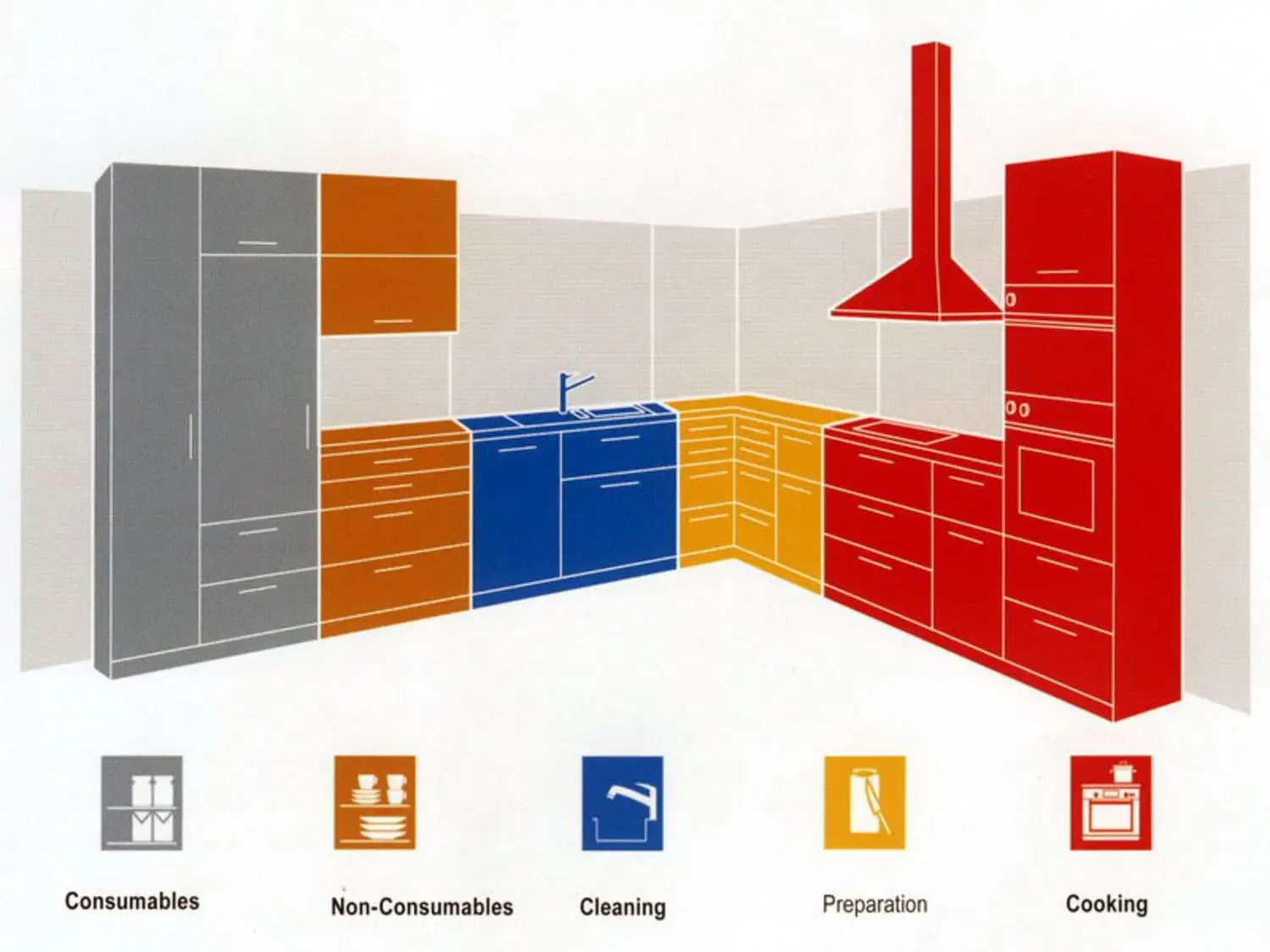
Choosing between a kitchen island and a peninsula really comes down to how much space you have and how you use your kitchen day to day. Let’s break it down in a simple way.
- For Small Kitchens
If your kitchen feels tight, a peninsula is often the smarter choice. Because it connects to existing counters or a wall, it adds prep space and seating without blocking walkways. - For Open-Concept & Large Kitchens
In bigger or open-plan layouts, a kitchen island shines. It creates a natural gathering spot, adds generous workspace, and keeps the kitchen open and social. - Workflow & Traffic Flow
Islands usually allow smoother movement around cooking and prep zones. Peninsulas, on the other hand, help define boundaries between the kitchen and nearby living or dining areas. - Budget & Installation
Peninsulas are generally more budget-friendly. Islands can cost more, especially if you add plumbing, electrical outlets, or built-in appliances.
Quick tip: If you want flexibility and a focal point, go with an island. If space and cost matter more, a peninsula may be the better fit.
Plan Your Perfect Kitchen Layout
Still deciding between a kitchen island or a peninsula? Our design experts can help you choose the layout that fits your space, lifestyle, and budget—without guesswork.
Get personalized advice, smart layout solutions, and professional support.
Contact us today to start planning a kitchen that works beautifully for you.
FAQs
What is the difference between a kitchen island and a peninsula?
A kitchen island is a freestanding workspace accessible on all sides, while a peninsula is attached to a wall or counters, extending workspace without needing full clearance around it.
What’s the difference between a peninsula and an island?
An island stands alone in the kitchen, offering access from every direction, whereas a peninsula connects to existing cabinetry or a wall and usually forms an L-shaped layout.
Can you have an island and a peninsula?
Yes — in larger or open-concept kitchens, you can include both a peninsula and an island to maximize prep space, storage, seating, and workflow flexibility.
What is an island like peninsula?
A kitchen peninsula is similar to an island in function — it provides extra workspace, storage, and seating — but it differs by being attached to a wall or counter instead of freestanding.




 English
  Arabic
  Spanish
  Japanese
  Russian
  Korean