

A great kitchen starts with a smart layout. The way your space is arranged affects how easily you cook, clean, and move around — and even how your kitchen feels to live in. A well-planned layout improves flow, saves time, and adds value to your home.
The idea of efficient kitchen design began with the “work triangle” — positioning the sink, stove, and refrigerator for smooth movement. Today, modern kitchens go beyond that, focusing on open layouts, multiple work zones, and spaces for cooking, dining, and socializing.
In short, your kitchen layout isn’t just about style — it’s the foundation of comfort, function, and daily enjoyment.
Overview of Major Kitchen Layout Types
Designing your kitchen starts with understanding how space and function work together. The right layout can make everyday cooking smoother, maximize storage, and even change how your home feels. Below, we’ll explore two of the most common kitchen layouts—the One-Wall Kitchen and the Galley Kitchen—with practical examples, pros, cons, and design tips to help you decide which suits your home best.
#1 One-Wall (Straight) Kitchen
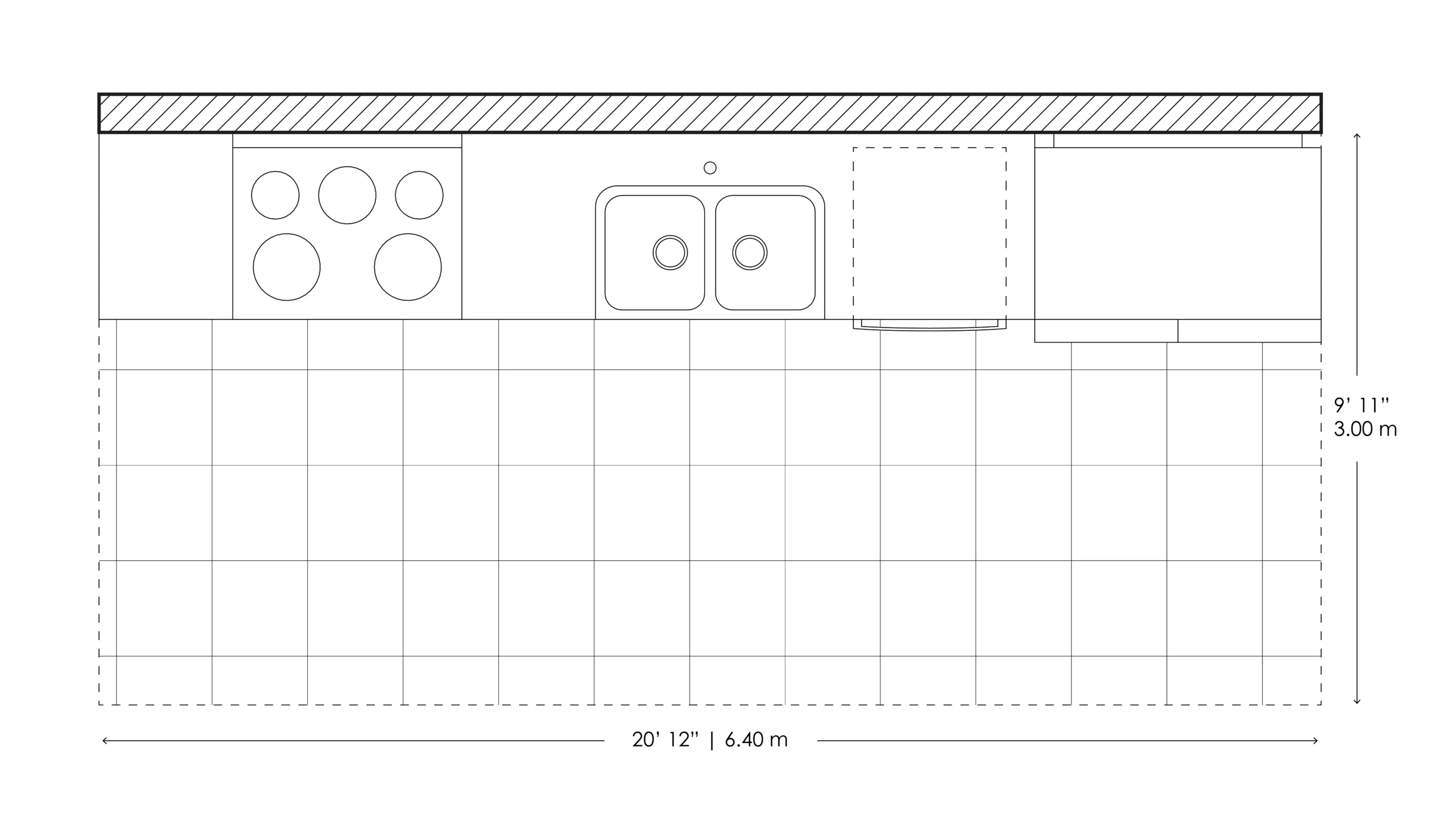
A one-wall kitchen, also called a straight-line kitchen, arranges all cabinets, appliances, and work surfaces along a single wall. Everything—sink, stove, refrigerator, and countertop—sits in one continuous line.
Typical Space Requirements:
This layout fits perfectly into small homes, studio apartments, or open-plan living spaces where every inch counts. It usually needs only 8 to 10 feet of wall space and works best when you can place it near natural light, such as a window or balcony door.
Advantages:
Compact and budget-friendly — ideal for apartments or secondary kitchens.
Simple and quick to install.
Keeps plumbing and wiring on one wall, lowering renovation costs.
Disadvantages:
Limited countertop and storage space.
Cooking, prepping, and cleaning areas are close together, which can feel crowded.
Not ideal for more than one cook at a time.
Best For: Small kitchens, single occupants, rental units, or minimalist modern homes where simplicity is key.
Design Tips:
Extend cabinets vertically to the ceiling for maximum storage.
Use reflective finishes or light colors to make the space feel larger.
Add a mobile island or drop-leaf table for extra prep space or casual dining.
Include under-cabinet lighting to brighten the work zone.
#2 Galley (Parallel) Kitchen
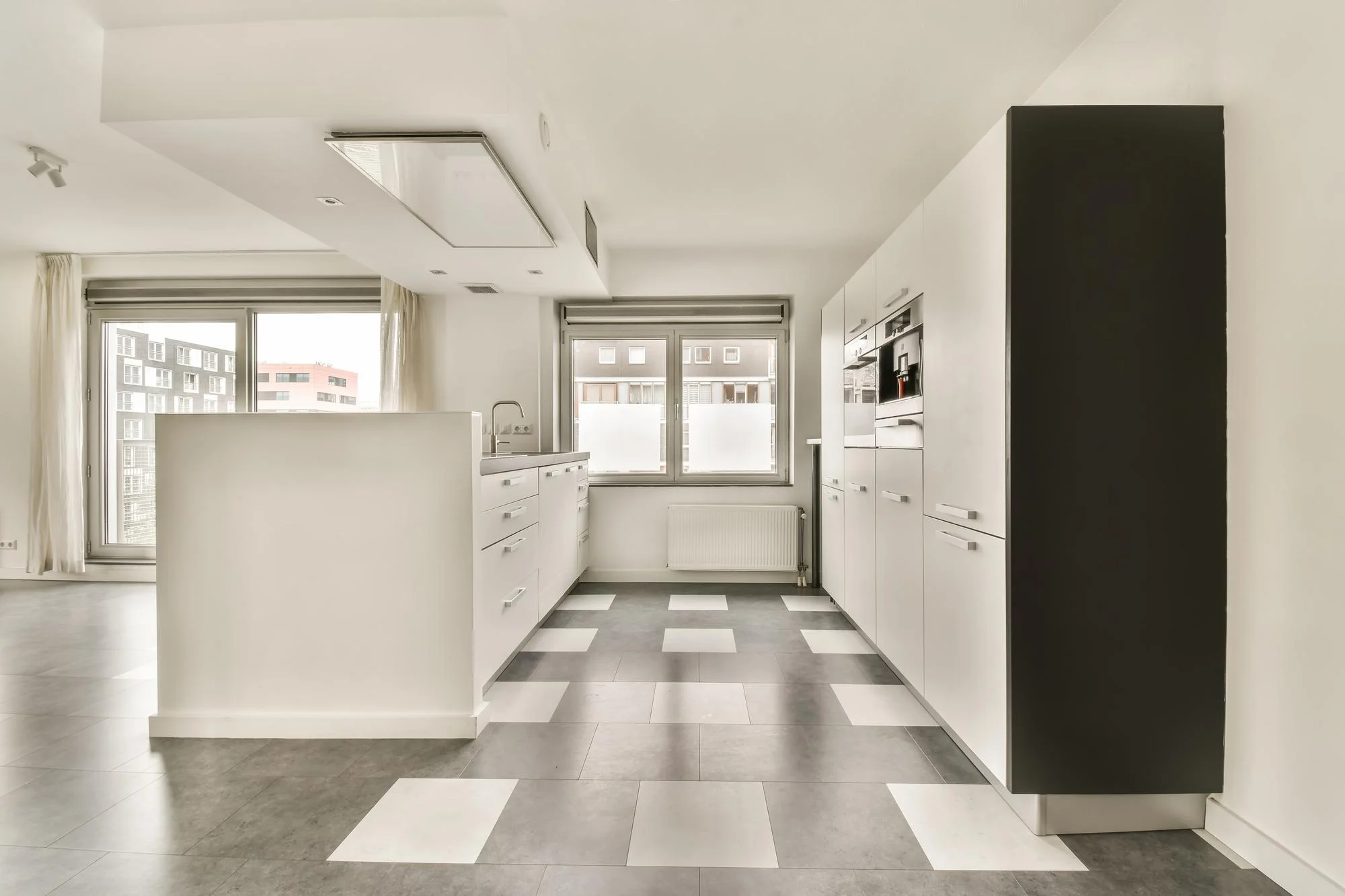
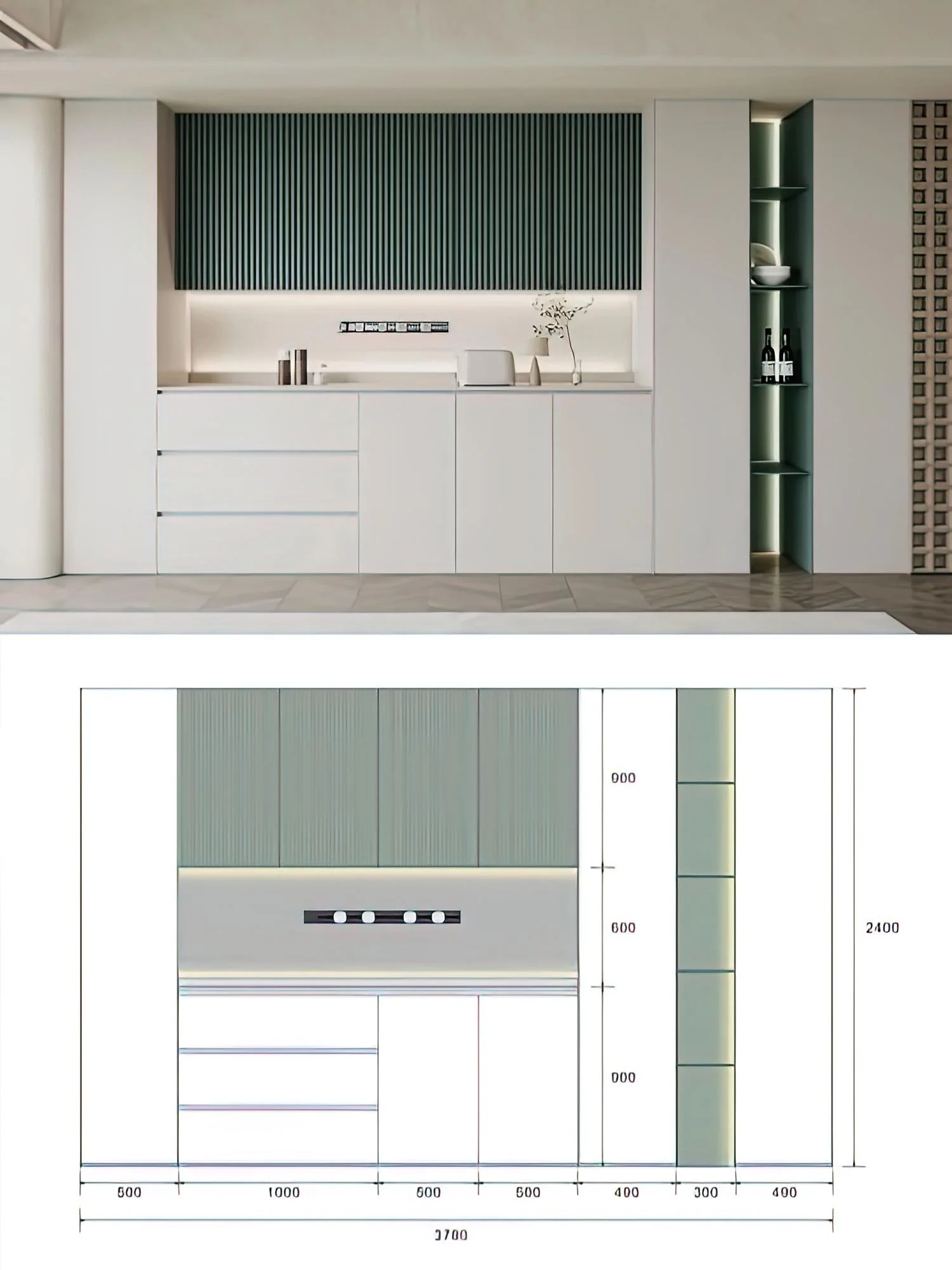
The galley kitchen, also known as a parallel kitchen, features two opposing runs of cabinets and countertops with a central walkway in between. This creates an efficient workflow, especially for serious home cooks.
Typical Space Requirements:
Best suited for narrow or rectangular spaces, typically 7 to 12 feet wide, allowing 36 to 48 inches between counters for comfortable movement.
Advantages:
Extremely efficient layout that keeps everything within easy reach.
Offers plenty of counter space and storage on both sides.
Perfect for one or two cooks working at the same time without getting in each other’s way.
Disadvantages:
Can feel enclosed or tight in smaller rooms.
Not ideal for socializing or open-concept living unless one wall opens to the living area.
Traffic can become congested if the kitchen is a pass-through area.
Best For: Townhouses, apartments, or homes where efficiency and functionality matter more than open flow.
Design Tips:
Keep at least 36 inches of walkway clearance—42 inches is even better for comfort.
Place the sink and stove on opposite sides to balance the workspace.
Choose lighter colors or open shelving on one side to visually expand the room.
Avoid placing large appliance doors (like fridges) where they block the walkway.
#3 L-Shaped Kitchen
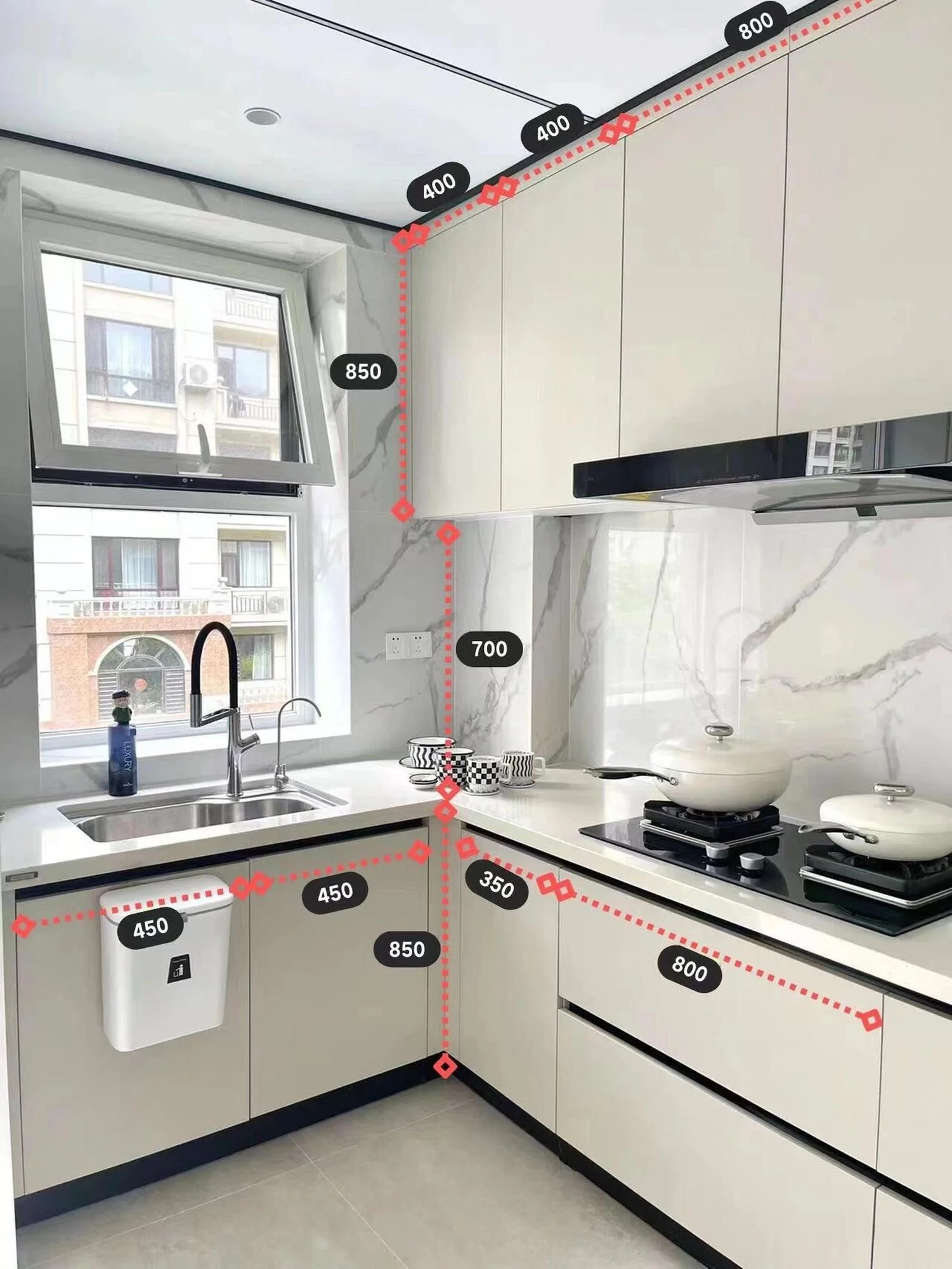
The L-shaped kitchen is one of the most popular and flexible designs for modern homes. As the name suggests, it features two adjoining walls that meet at a right angle, forming an “L.” This layout works beautifully in both small and medium-sized spaces, making it a top choice for open-plan living or family homes that combine the kitchen with dining or lounge areas.
Why It Works:
The L-shape naturally divides your kitchen into functional zones — cooking, prepping, and cleaning — while keeping everything within easy reach. It supports smooth workflow and plenty of counter space without feeling cramped.
Typical Space Requirements:
This layout fits comfortably in areas starting from 10×10 feet or larger, but it’s also adaptable to smaller apartments. Its open side leaves room for a dining nook or kitchen island, making it perfect for multitasking spaces.
Advantages:
Promotes an efficient work triangle between the sink, stove, and fridge.
Encourages open communication between the kitchen and living area.
Great for corner placement and maximizing floor space.
Easily customizable — you can add an island, breakfast bar, or storage cabinet.
Disadvantages:
In very large kitchens, the distance between work zones can become too long.
Corner cabinets can be tricky to access without smart storage fittings.
Best For: Homes that want a balance between openness and efficiency, especially in open-concept layouts or medium-sized kitchens.
Design Tips:
Install corner pull-out trays or lazy Susans to make corner storage more practical.
Add a central island for extra prep area or social seating.
Keep one wall shorter to open the kitchen visually to adjacent rooms.
Use different finishes or lighting to define zones between cooking and dining areas.
#4 U-Shaped Kitchen
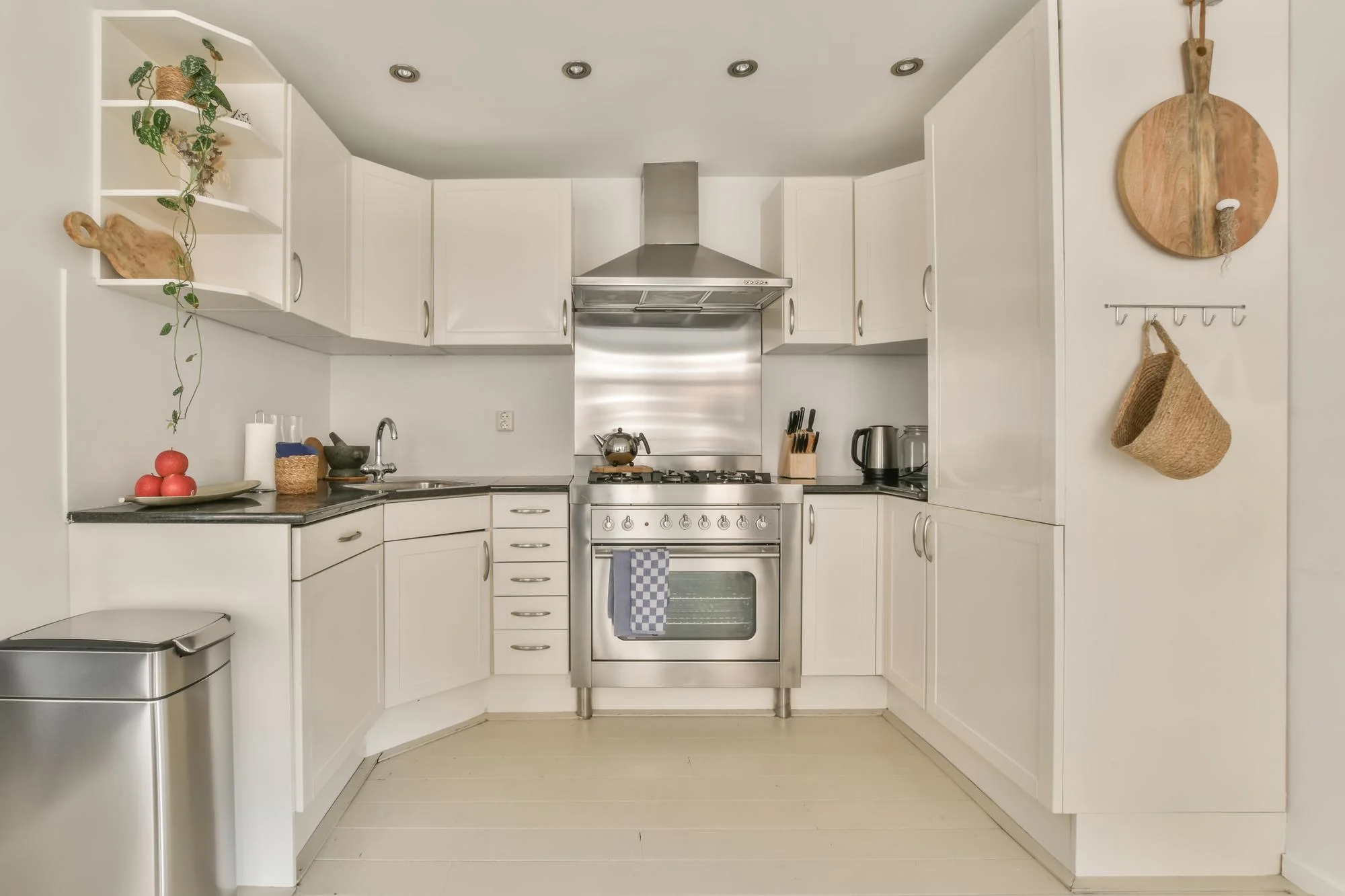
The U-shaped kitchen surrounds you with cabinetry and countertops on three sides, forming a “U.” This layout is known for its efficiency, storage capacity, and professional-level workflow, making it a favorite for serious cooks and larger households.
Why It Works:
By keeping the three main work areas — sink, stove, and refrigerator — on separate walls, it provides an ideal work triangle with minimal movement. It also maximizes storage by offering multiple cabinets and deep counter runs.
Typical Space Requirements:
A U-shaped kitchen works best in rooms that are at least 10×12 feet or larger, allowing enough clearance for movement and appliances. For tighter spaces, consider keeping one side open or converting it into a peninsula.
Advantages:
Offers abundant storage and countertop space for cooking and prep.
Separates work zones clearly, reducing clutter and improving workflow.
Ideal for multiple cooks working together.
Great foundation for adding an island or connecting to a dining area.
Disadvantages:
Can feel enclosed or boxed in if all three sides have upper cabinets.
Not ideal for very small kitchens due to limited floor space.
Traffic flow needs careful planning to prevent congestion.
Best For: Medium to large kitchens in family homes or for people who love cooking and entertaining.
Design Tips:
To avoid a closed-in feeling, open one side to the dining or living area.
Use lighter colors or glass-front cabinets to maintain a sense of openness.
Add under-cabinet lighting for visibility and ambience.
If possible, integrate a window or pass-through to connect the kitchen with adjacent rooms.
#5 G-Shaped Kitchen (or U + Peninsula)
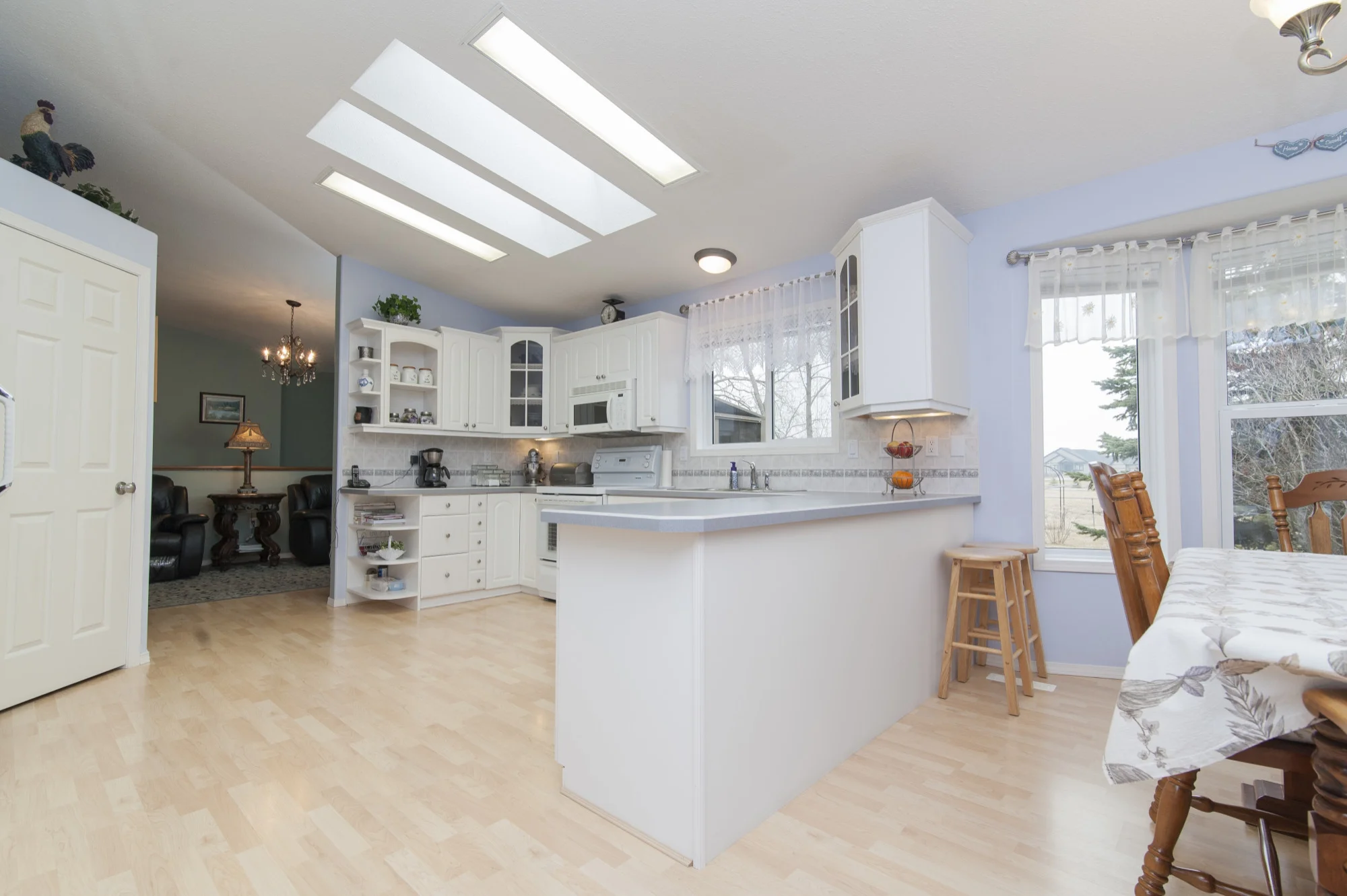
The G-shaped kitchen takes the classic U-shape and adds a connected peninsula, creating a semi-enclosed “G” layout. Think of it as a U-shaped kitchen with an extra arm — perfect for homeowners who love cooking, entertaining, or need more counter space without going fully open-concept.
Why It Works:
This layout makes the most of every inch, surrounding you with continuous countertops and storage while still offering a place for guests to gather or for casual meals. It’s a great choice for large open-plan homes that need both definition and connection between kitchen, dining, and living zones.
Typical Space Requirements:
A G-shaped kitchen usually needs a minimum of 13×13 feet to allow for clear movement and functional circulation. The peninsula should leave at least 3 to 4 feet of walkway space around it to avoid feeling cramped.
Advantages:
Adds a peninsula for extra prep space, dining, or serving.
Creates clearly defined zones for cooking, cleaning, and socializing.
Offers maximum storage and countertop area.
Can double as a partial room divider between kitchen and living area.
Disadvantages:
Requires a large footprint — not ideal for compact homes.
Poor design can block entry points or restrict movement.
May feel too enclosed if upper cabinets cover all walls.
Best For:
Spacious homes, open-concept designs, or families that love cooking together and entertaining guests.
Design Tips:
Keep the peninsula open and unobstructed to maintain good traffic flow.
Use the peninsula as a breakfast bar or serving counter facing the dining or living area.
Incorporate task lighting or pendant fixtures to highlight the new counter space.
Consider eliminating upper cabinets on the peninsula side for a more open and airy look.
#6 Island / Peninsula Hybrid Layouts
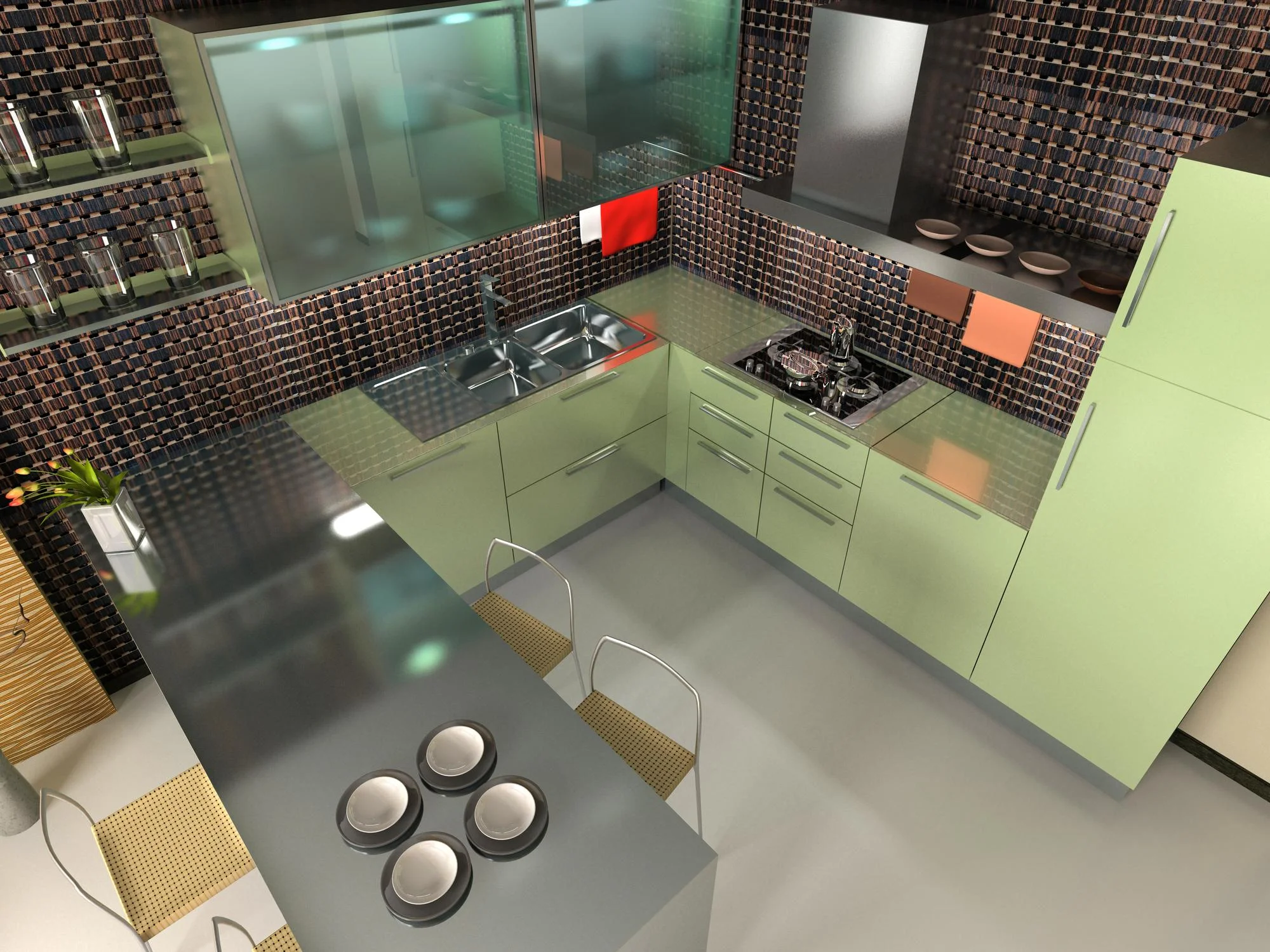
An island or peninsula hybrid layout combines the best of both worlds — the openness of an island and the functionality of a connected counter. You’ll often find this setup in L-shaped or U-shaped kitchens, where the central island (or attached peninsula) adds versatility, style, and practicality.
Why It Works:
The island or peninsula acts as the heart of the kitchen, offering a multi-functional surface for prep work, casual dining, homework, or even extra storage. It creates a natural gathering spot for families and guests while keeping cooks engaged with everyone in the space.
Typical Space Requirements:
To move comfortably around the island, allow at least 42–48 inches of clearance on all sides. Kitchens smaller than 12×12 feet might opt for a peninsula instead, which provides similar benefits while taking up less floor space.
Advantages:
Serves as a central hub for food prep, dining, and social interaction.
Adds extra storage through drawers, shelves, or built-in appliances.
Encourages open flow between kitchen and adjacent areas.
Works with multiple layout types — L-shape, U-shape, or open-concept.
Disadvantages:
Needs sufficient space for safe and comfortable circulation.
Can disrupt the workflow if positioned too far from the main work triangle.
Electrical and plumbing installations for islands may add cost.
Best For: Modern family homes, entertainers, or anyone who wants a more open and social kitchen setup.
Design Tips:
Place the island near the main work triangle for efficient movement.
Add power outlets and under-counter lighting for convenience.
Consider a waterfall countertop edge for a sleek, contemporary look.
Choose flexible seating like bar stools or a raised breakfast ledge to make the space more inviting.
Key Considerations Before Choosing Your Kitchen Layout
Before you jump into picking cabinets or colors, it’s important to understand your space and lifestyle. The best kitchen layout isn’t just what looks good — it’s what works best for you. Here are the key factors to think through before making a decision.
1. Space Size & Shape
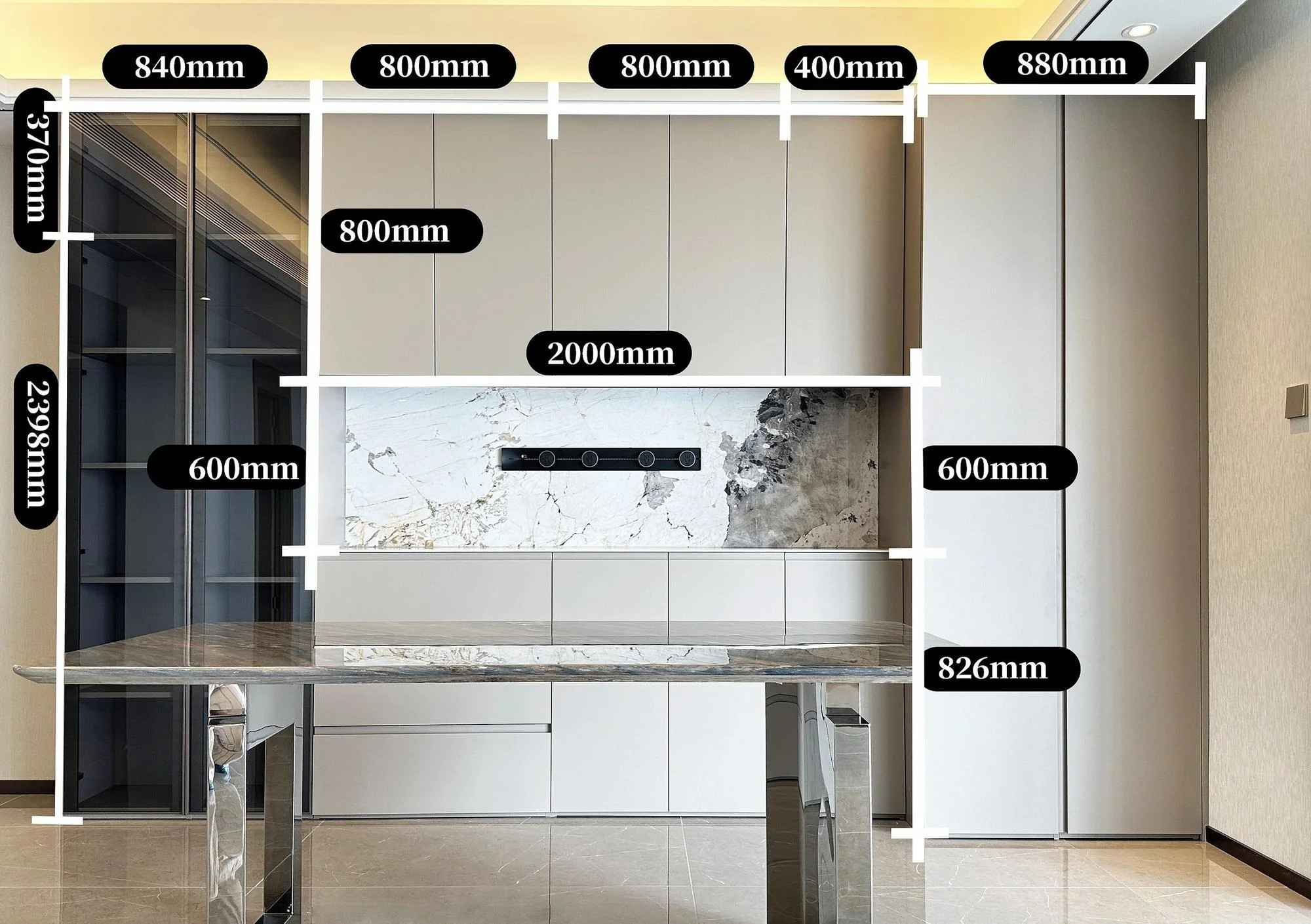
Every kitchen starts with its footprint. Whether you’re working with a narrow apartment kitchen, an open-plan layout, or a large family home, the room’s shape determines what’s possible.
Small or narrow spaces: Work best with one-wall or galley layouts to maximize efficiency.
Medium spaces: L-shaped designs balance function and flow.
Large, open kitchens: U-shapes, G-shapes, or island layouts offer extra space for cooking and entertaining.
Knowing your space helps you choose a layout that feels open and organized — not cramped or empty.
2. User Habits & Lifestyle

Think about how you actually use your kitchen. Do you cook every day or mostly heat up quick meals? Is it just you, or do you cook as a family?
Solo cooks: Galley or L-shaped kitchens keep everything within easy reach.
Families or entertainers: Open layouts with islands or peninsulas create more space for socializing and multitasking.
Busy households: Consider adding multiple prep zones or a second sink to keep things flowing smoothly.
Your layout should match your daily habits — not the other way around.
3. Traffic Flow, Ergonomics & Safety
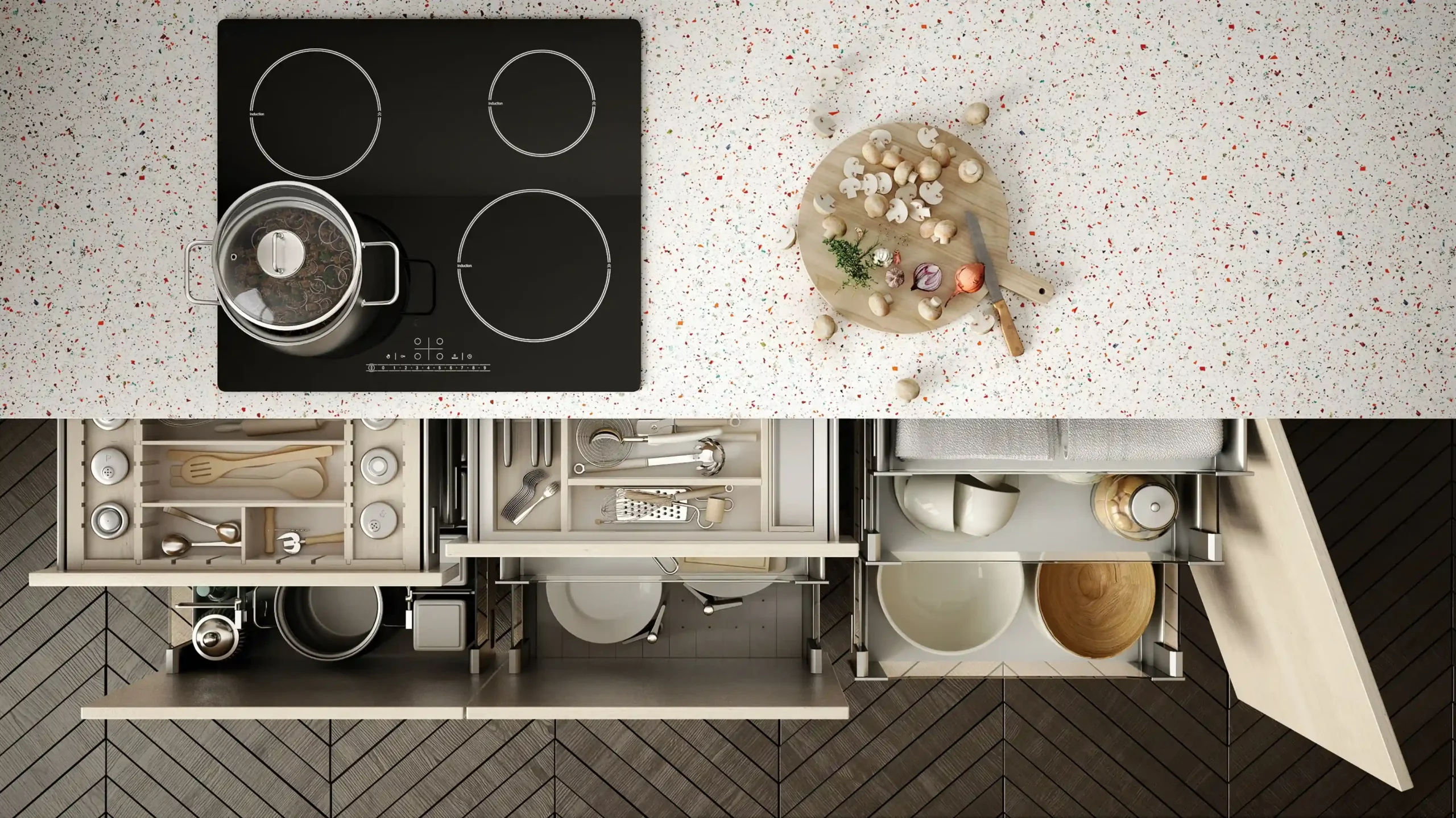
A well-designed kitchen should make movement effortless. Keep clear pathways and easy access to your main work zones.
Allow 36–48 inches of clearance between counters or around an island.
Avoid placing the oven or fridge where doors block walkways.
Keep the stove away from high-traffic areas, especially if you have kids.
Good ergonomics means your kitchen feels natural to use — reducing strain and keeping everyone safe.
4. Storage & Work-Zone Needs
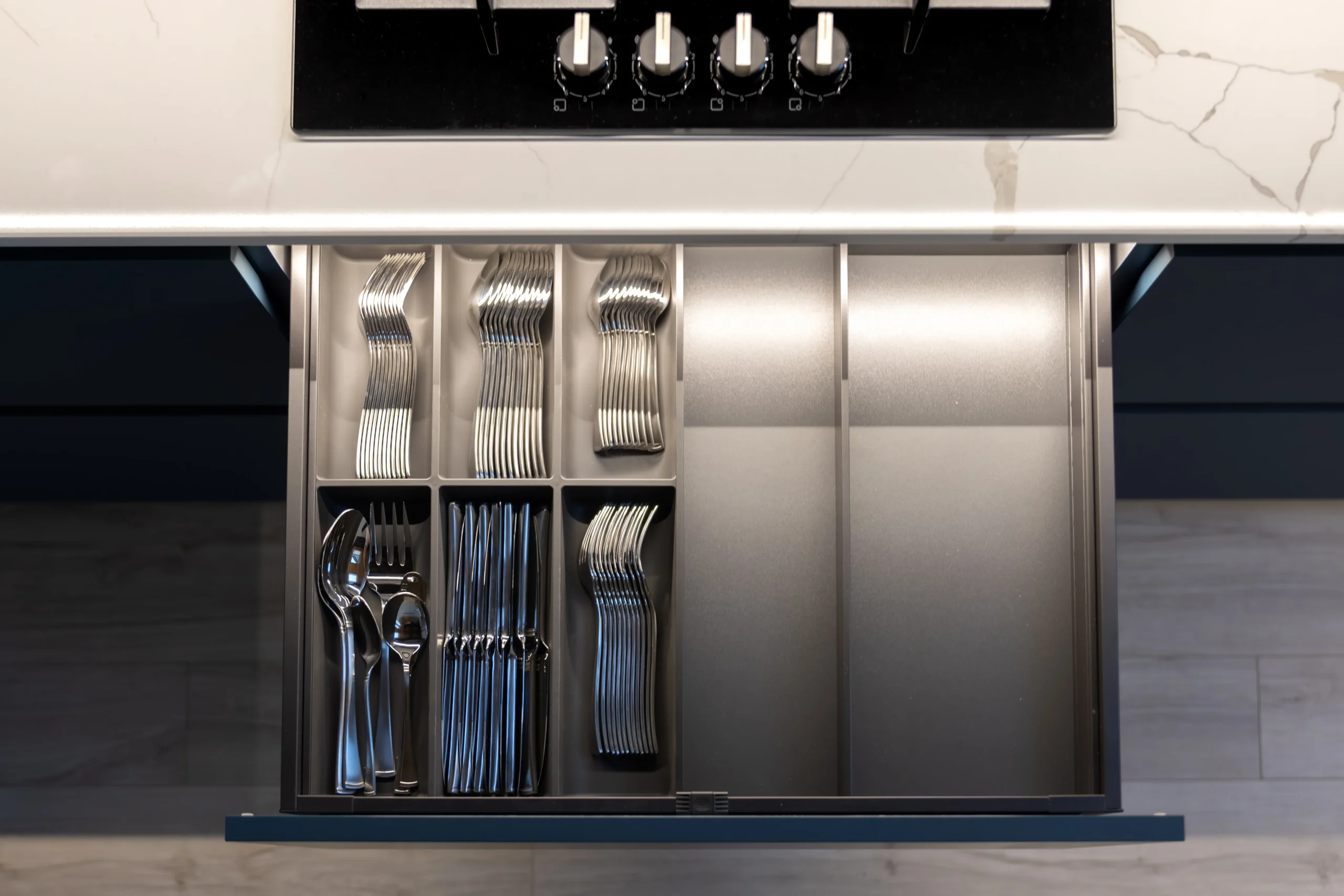
Every kitchen needs a balance between prep, cooking, and clean-up areas. A thoughtful layout makes these zones flow together.
Plan enough counter space next to the stove and sink for prepping.
Use corner solutions like pull-out trays or lazy Susans for hard-to-reach spots.
Add vertical storage with tall cabinets or open shelving to make the most of every inch.
A well-organized kitchen keeps clutter down and workflow smooth.
5. Future-Proofing Your Kitchen
Think long term. A flexible, future-ready kitchen layout increases resale value and adapts as your needs change.
Choose durable materials and timeless finishes.
Ensure your layout allows space for appliance upgrades or accessibility needs later on.
Keep clear walkways and non-slip flooring to make the kitchen safe for all ages.
Designing with the future in mind helps your kitchen stay functional, safe, and stylish for years to come.
How to Choose the Right Kitchen Layout for Your Home

Designing your kitchen layout is one of the most important steps in creating a space that’s both beautiful and functional. The layout determines how you move, cook, and connect with others — so taking time to plan it right can make a world of difference. Here’s a simple, step-by-step approach to help you choose the best kitchen layout for your home.
Step 1: Assess Your Space
Start by understanding what you’re working with. Measure your kitchen carefully — note wall lengths, window placements, doorways, and ceiling height. Think about how sunlight enters the room and where major utilities like plumbing and gas lines are located.
Ask yourself:
Is your kitchen open to other areas, or is it enclosed?
How much counter and storage space do you really need?
How many people typically cook or use the kitchen at the same time?
This first step will help you determine which layouts (L-shape, U-shape, galley, or island) are physically possible before you start planning the finer details.
Step 2: List Your Requirements

Once you understand your space, think about how you use it. Your daily habits and lifestyle should guide your design choices.
Consider these factors:
Cooking style: Do you cook full meals often, or prefer quick, simple dishes?
Entertaining: Do you like hosting guests or need a spot for family gatherings?
Storage needs: Do you need space for large appliances, bulk groceries, or cookware?
Traffic flow: How do you move between the kitchen, dining, and living areas?
Write down your must-haves and nice-to-haves. This list will help you match your needs with the most efficient layout type.
Step 3: Match Your Needs to the Layout Type
Now that you know your space and lifestyle, it’s time to find your fit:
One-Wall Kitchen: Great for small apartments or minimalist living.
Galley Kitchen: Perfect for narrow spaces and efficient solo cooking.
L-Shaped Kitchen: Offers balance and openness for family homes.
U-Shaped Kitchen: Maximizes workspace for serious cooks.
G-Shaped Kitchen: Best for large, social kitchens with clear zones.
Island or Peninsula Layout: Adds versatility and makes a great centerpiece.
Remember — your goal is to create a layout that supports your cooking flow, not fights against it.
Step 4: Watch Out for Common Pitfalls
Even a beautiful design can fail if it doesn’t function well. Avoid these common layout mistakes:
Insufficient clearance: Keep at least 36–48 inches between counters or around islands.
Too many walk-throughs: Minimize traffic cutting through your main work zone.
Broken work triangle: The sink, stove, and refrigerator should form a comfortable triangle — not a straight line or crowded corner.
Overcrowded walls: Leave some breathing space to keep the kitchen from feeling closed-in.
Step 5: Understand Budget Implications
Each kitchen layout has different cost factors. Generally, the larger the layout, the higher the cost — more cabinetry, countertops, flooring, and lighting.
Here’s a quick guide:
One-Wall & Galley Kitchens: Most budget-friendly. Fewer materials and simple installation.
L-Shaped: Moderate cost with flexible design options.
U-Shaped & G-Shaped: Higher investment, more cabinetry and countertop area.
Island Layouts: May add extra plumbing or electrical costs, depending on placement.
Always balance design dreams with practicality. A compact, well-planned kitchen often functions better than a large but poorly organized one.
Step 6: Know When to Hire a Professional
While DIY design tools can help you visualize your kitchen, some projects need an expert touch.
Hire a professional designer or contractor when:
You’re moving plumbing, electrical, or gas lines.
You plan to remove or modify load-bearing walls.
You’re adding custom cabinetry or complex lighting systems.
You want to maximize resale value with a professional layout plan.
Working with a pro ensures your kitchen isn’t just stylish but also safe, efficient, and compliant with local building codes.
Ready to Design Your Dream Kitchen?
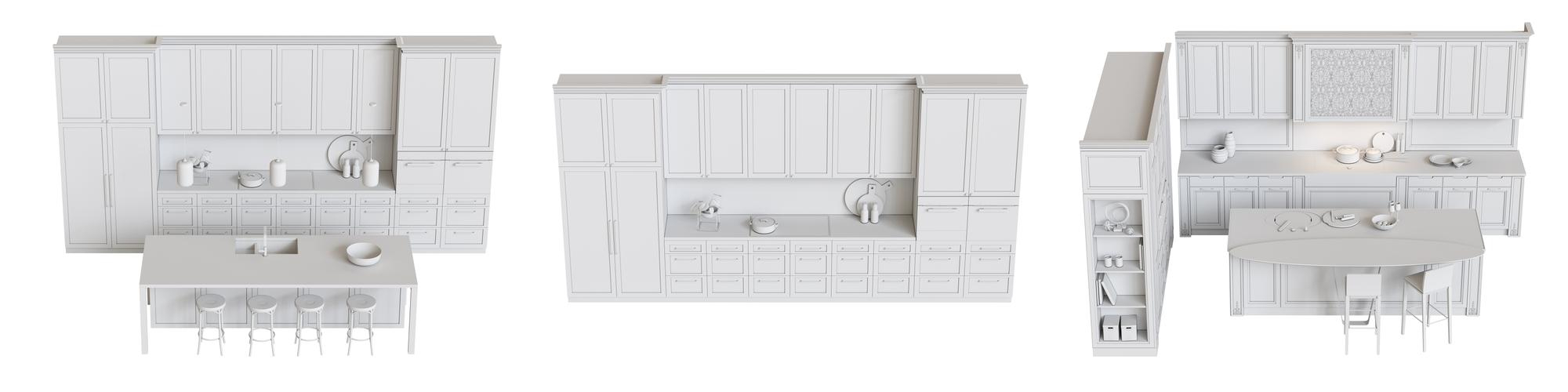
Your kitchen layout sets the foundation for how you live, cook, and connect every day. Whether you’re renovating a cozy apartment or planning a spacious open-plan kitchen, the right design makes all the difference.
At Go Home Guide, we help homeowners and designers make smart layout choices that blend style, comfort, and function. From choosing the perfect floor plan to optimizing storage and workflow, our team is here to guide you every step of the way.
Get personalized layout suggestions based on your space and lifestyle.
Explore material and appliance options that suit your budget.
Receive expert tips to create a kitchen that’s beautiful, efficient, and future-ready.
Contact us today to start planning your perfect kitchen layout — and bring your dream home design to life.
 English
  Arabic
  Spanish
  Japanese
  Russian
  Korean