Compare vinyl vs laminate flooring for durability, water resistance, comfort, cost, appearance, and long-term home value.
Table des matières
What Is Vinyl Flooring?
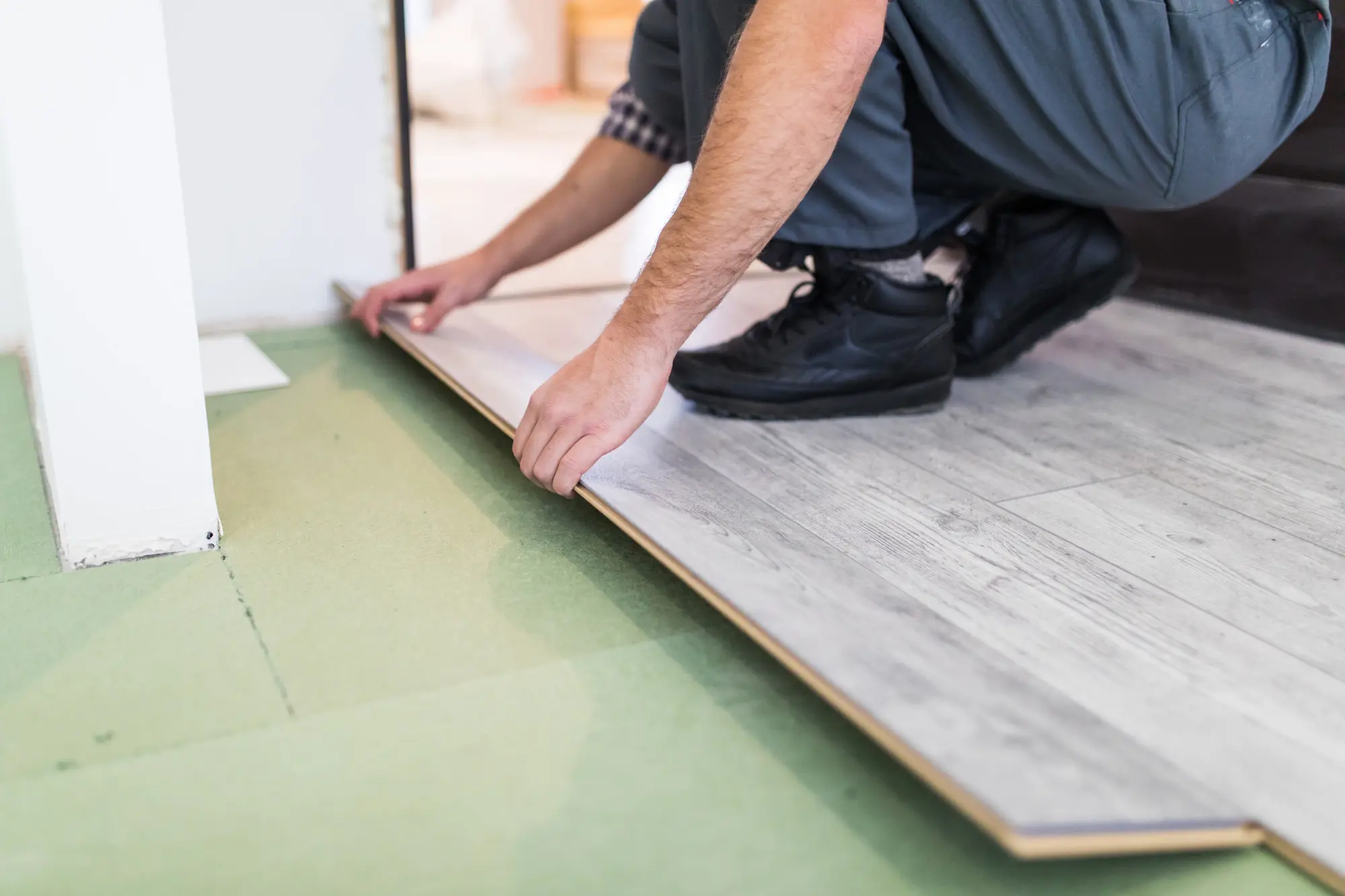
Professional installation of laminate flooring system
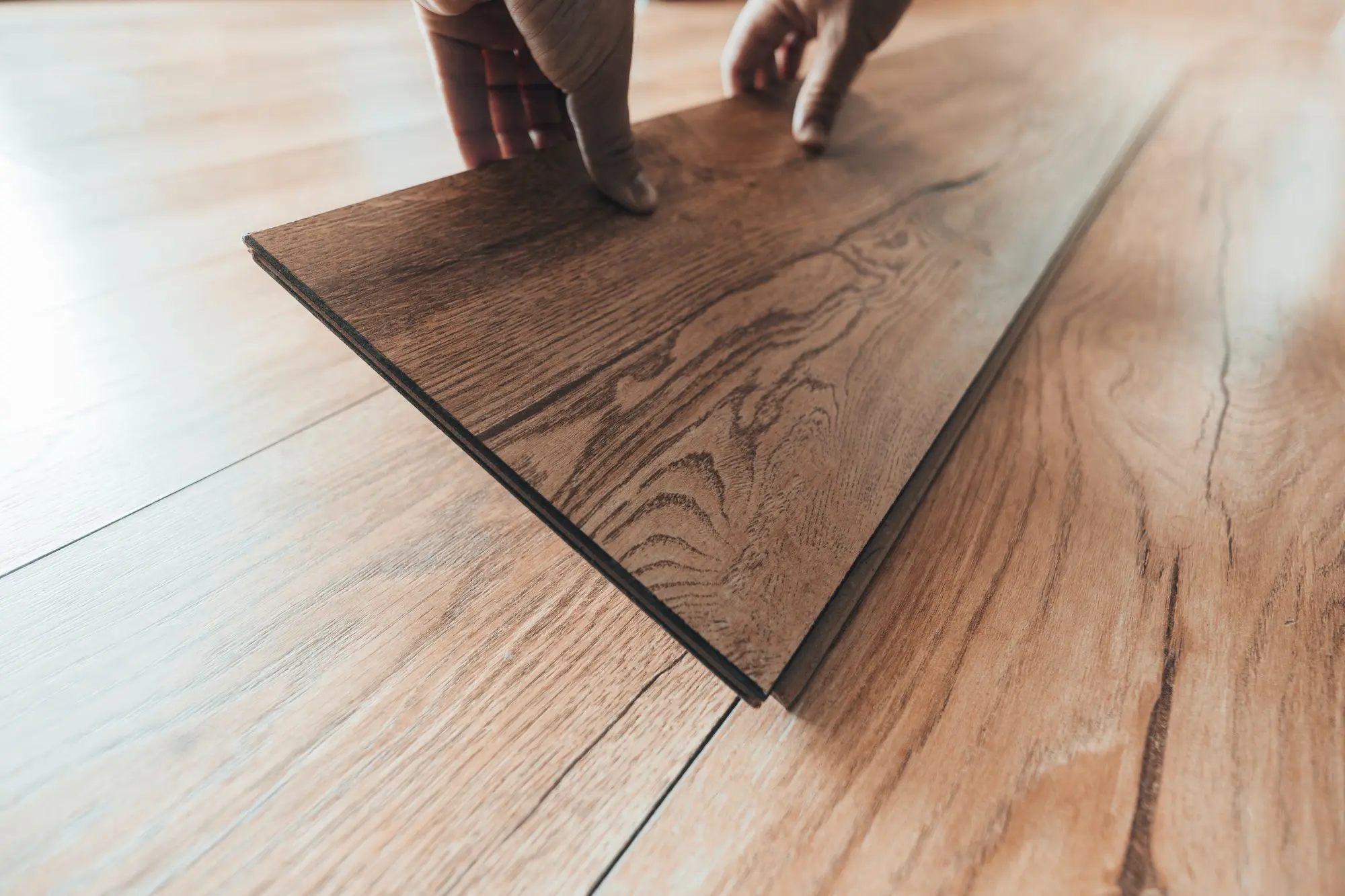
Vinyl flooring is a synthetic flooring material made mainly from PVC and other durable compounds. It is designed to mimic the look of wood, stone, or tile while offering strong water resistance and easy maintenance.
Modern vinyl flooring usually comes in:
Lames de vinyle de luxe (LVP)
Dalles de vinyle de luxe (LVT)
Vinyle en feuille
Many homeowners choose vinyl flooring because it:
Is highly water-resistant or waterproof
Feels softer and quieter underfoot
Works well in busy homes
Is easy to clean and maintain
Vinyl flooring is especially popular for:
Kitchens
Bathrooms
Basements
Laundry rooms
One downside is that lower-quality vinyl may look less natural than real wood or laminate flooring.
Overall, vinyl flooring is a practical and budget-friendly choice for areas exposed to moisture and heavy daily use.
Laminate flooring is a multi-layer flooring product made with a fiberboard core and a printed surface layer that looks like real wood or stone.
It is popular because it offers the appearance of hardwood flooring at a more affordable price.
Laminate flooring benefits include:
Realistic wood appearance
Good scratch resistance
Comfortable walking surface
Budget-friendly pricing
Most laminate flooring uses a click-lock installation system, making it popular for DIY projects.
Laminate works best in:
salons
Bedrooms
Dining rooms
Home offices
However, laminate flooring is less moisture-resistant than vinyl. If water sits on the surface too long, the boards may swell or warp.
For homeowners who want a natural wood look without the cost of hardwood, laminate flooring is often a smart option.
Vinyl vs Laminate Flooring: Key Differences
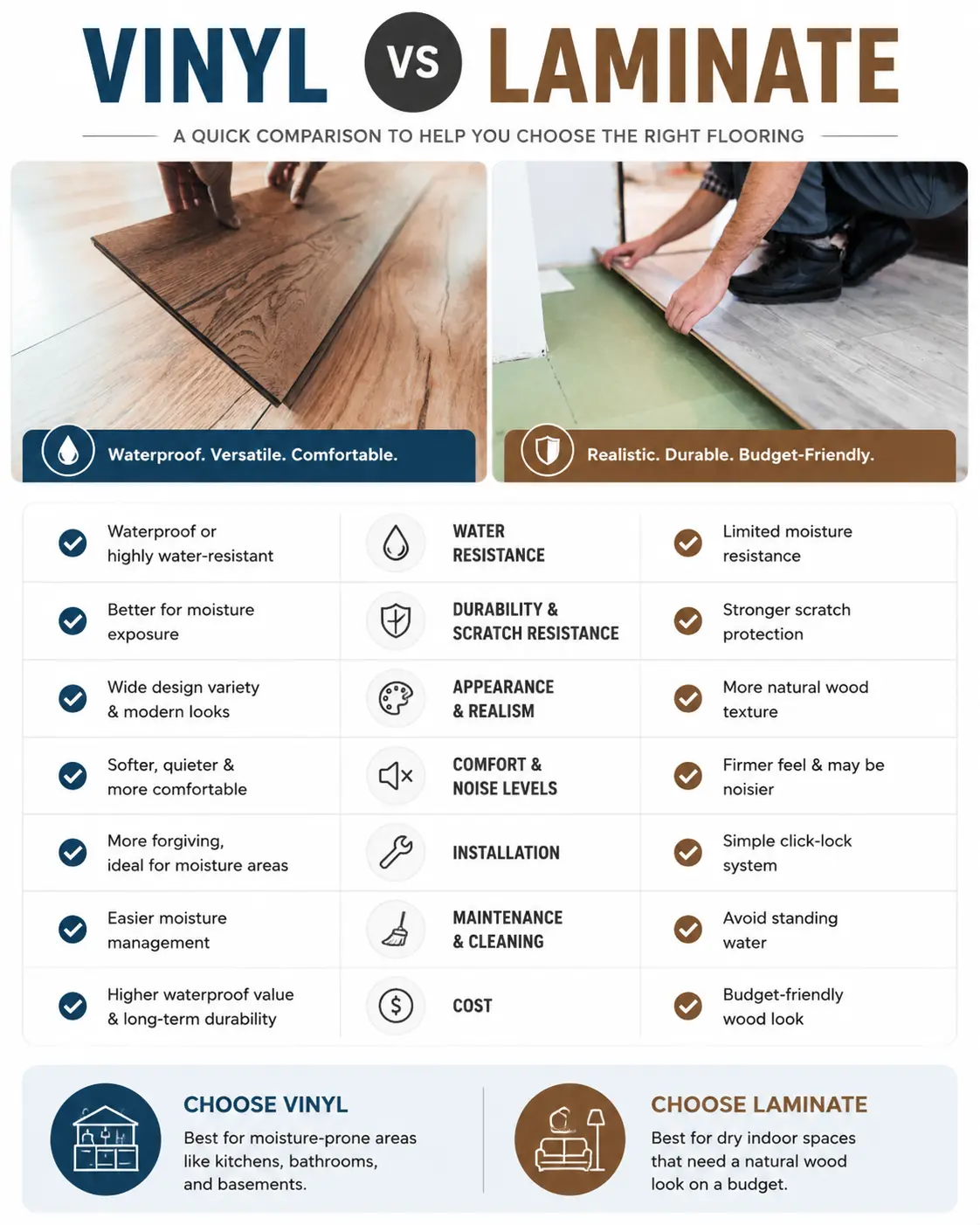
Vinyl vs laminate flooring comparison infographic chart
Vinyl and laminate flooring may look similar, but they perform differently in moisture resistance, comfort, durability, and maintenance. Here’s how they compare in real everyday use.
Fonctionnalité
Vinyl Flooring
Laminate Flooring
Water Resistance
Waterproof or highly water-resistant
Limited resistance; can swell with standing water
Meilleures chambres
Kitchens, bathrooms, basements, laundry rooms
Living rooms, bedrooms, dining rooms, offices
Durabilité
Great for moisture and daily wear
Strong scratch resistance for busy rooms
Apparence
Wide design variety with waterproof wood looks
Often more realistic wood texture
Confort
Softer and quieter underfoot
Firmer and may need underlayment
Installation
DIY-friendly and more forgiving
DIY-friendly but needs a level subfloor
Entretien
Easy to clean and safe for spills
Easy to clean but avoid standing water
Coût
May cost more for premium waterproof styles
Often budget-friendly for wood-look floors
Valeur globale
Best for moisture-prone and busy homes
Best for realistic wood look in dry rooms
Water Resistance Comparison
Vinyl flooring is one of the best choices for moisture-prone areas because many options are fully waterproof.
Laminate flooring can handle small spills, but standing water may cause swelling or warping over time.
Water resistance differences:
Vinyl: waterproof or highly water-resistant
Laminate: limited moisture resistance
Vinyl: better for kitchens, bathrooms, and basements
Laminate: better for dry indoor spaces
For humid areas, vinyl is usually the safer choice.
Durability and Scratch Resistance
Both flooring types are durable, but they handle wear differently.
Vinyl resists moisture and dents well, while laminate often provides stronger scratch resistance for active households.
Performance comparison:
Vinyl: better for moisture exposure
Laminate: stronger scratch protection
Vinyl: softer under heavy impact
Laminate: durable in high-traffic rooms
Both work well in homes with kids and pets when quality products are chosen.
Appearance and Realism
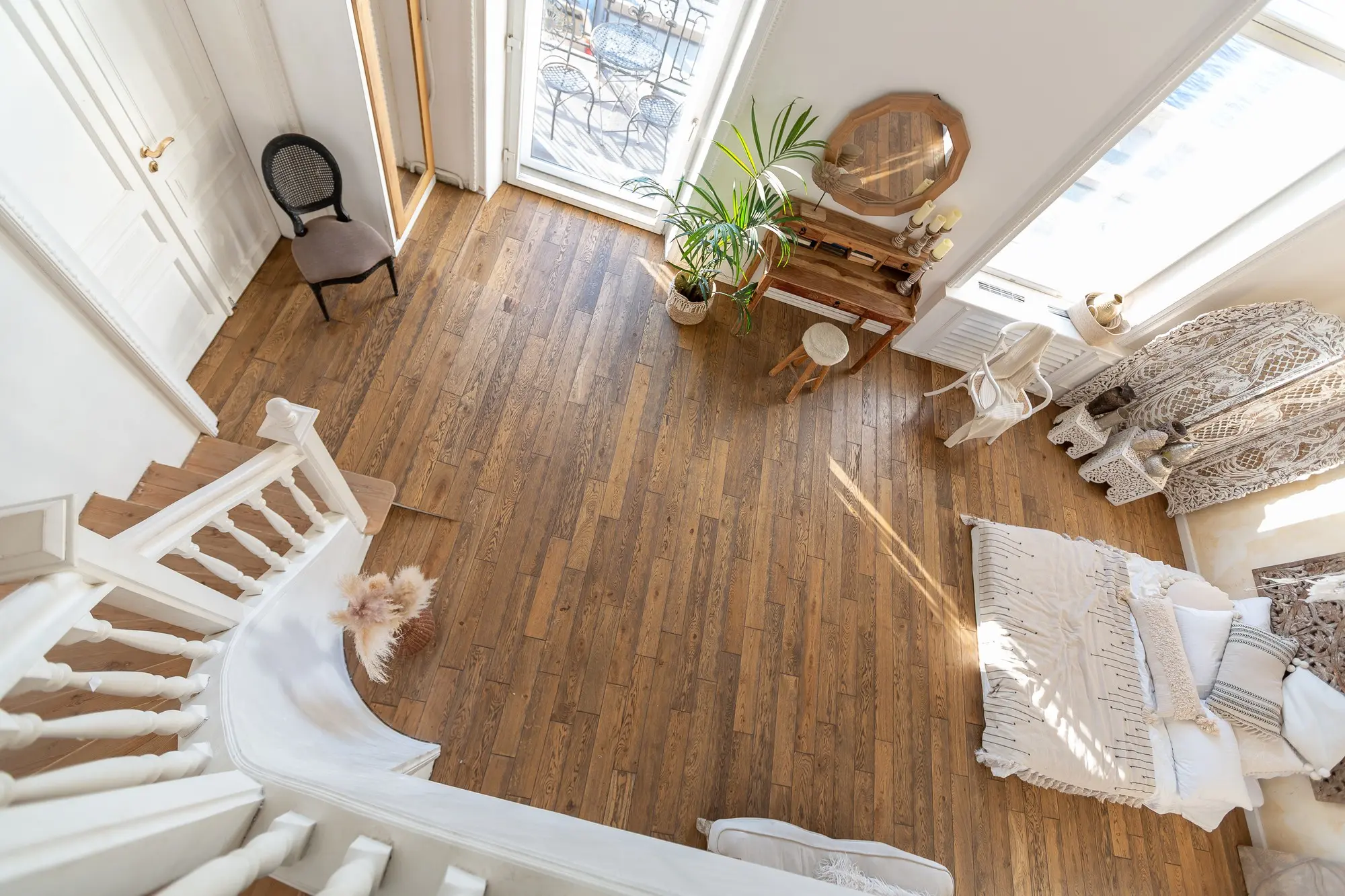
Modern living room featuring wood look laminate flooring
Laminate flooring is often known for a more realistic wood appearance because of its detailed printed layer and textured finish.
Vinyl flooring has improved significantly and now offers modern wood-look designs with realistic patterns.
Appearance comparison:
Laminate: more natural wood texture
Vinyl: wider design variety
Laminate: warmer hardwood-style look
Vinyl: modern waterproof wood appearance
If realistic wood visuals matter most, laminate often has a slight advantage.
Comfort and Noise Levels
Vinyl flooring usually feels softer and quieter underfoot because of its flexible construction.
Laminate tends to feel firmer and may create more walking noise without proper underlayment.
Comfort differences:
Vinyl: softer walking surface
Laminate: firmer feel
Vinyl: quieter performance
Laminate: cooler and harder underfoot
For comfort and sound reduction, vinyl is often preferred.
Installation Comparison
Both flooring types commonly use click-lock installation systems, making them popular for DIY projects.
Laminate usually requires a very level subfloor, while vinyl is often more forgiving.
Comparaison des installations :
Vinyl: easier in moisture-prone areas
Laminate: simple floating floor system
Both: DIY-friendly options
Laminate: may need better subfloor preparation
Professional installation can improve durability for either flooring type.
Entretien et nettoyage
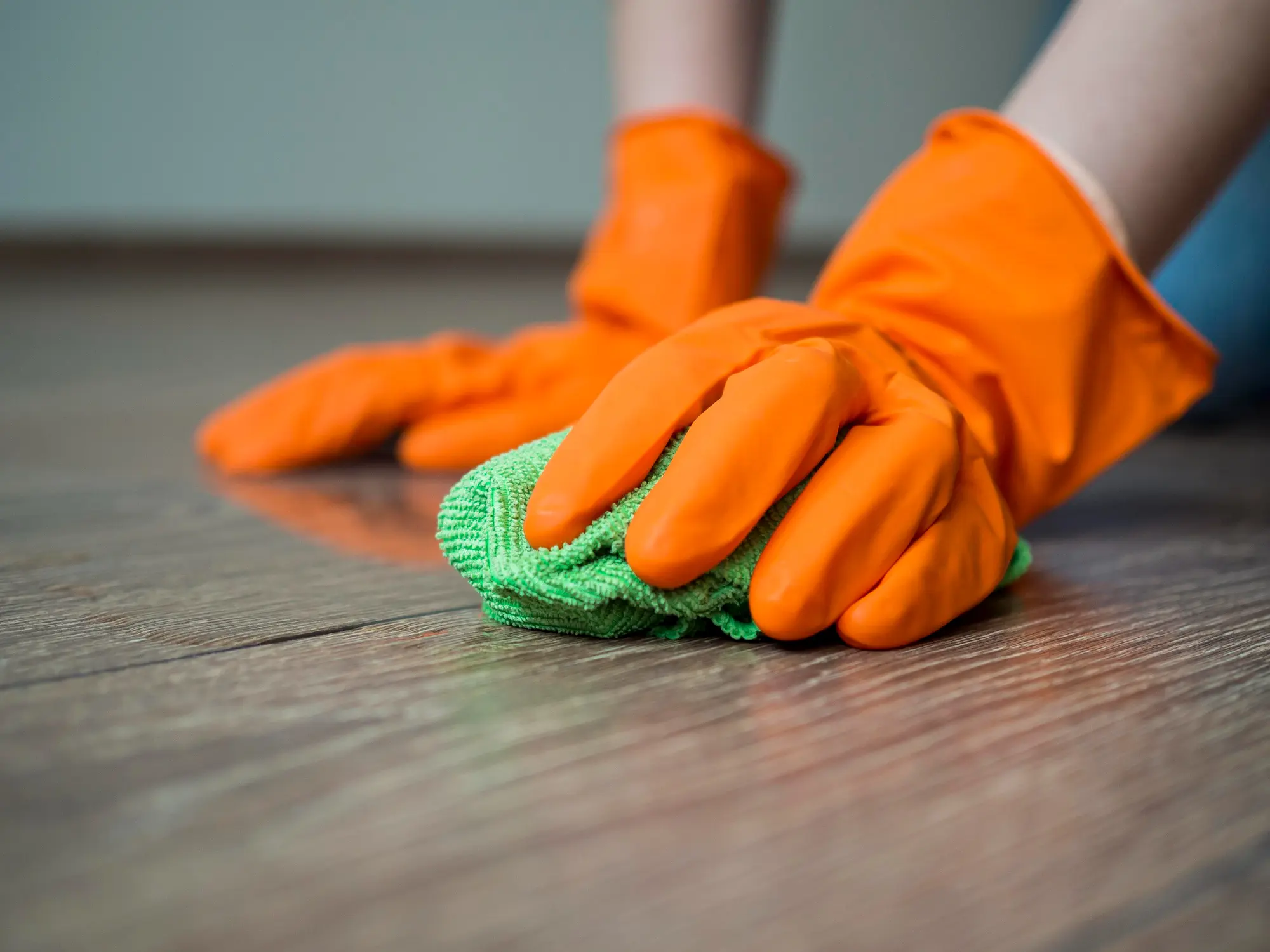
Cleaning and maintaining laminate flooring surface
Both vinyl and laminate flooring are fairly easy to maintain with regular sweeping and occasional mopping.
Vinyl handles spills more safely, while laminate needs faster cleanup to avoid water damage.
Aperçu de la maintenance :
Vinyl: easier moisture management
Laminate: avoid standing water
Both: low daily maintenance
Vinyl: simpler long-term cleaning
Using proper floor cleaners helps extend the life of both materials.
Comparaison des coûts
Vinyl and laminate flooring are both affordable alternatives to hardwood, but pricing can vary by quality and thickness.
Laminate is sometimes slightly cheaper, while premium waterproof vinyl may cost more.
Cost comparison:
Laminate: budget-friendly wood look
Vinyl: higher waterproof value
Both: lower cost than hardwood
Vinyl: better long-term moisture durability
The best value depends on your room conditions and long-term flooring needs.
Best Flooring Choice by Room
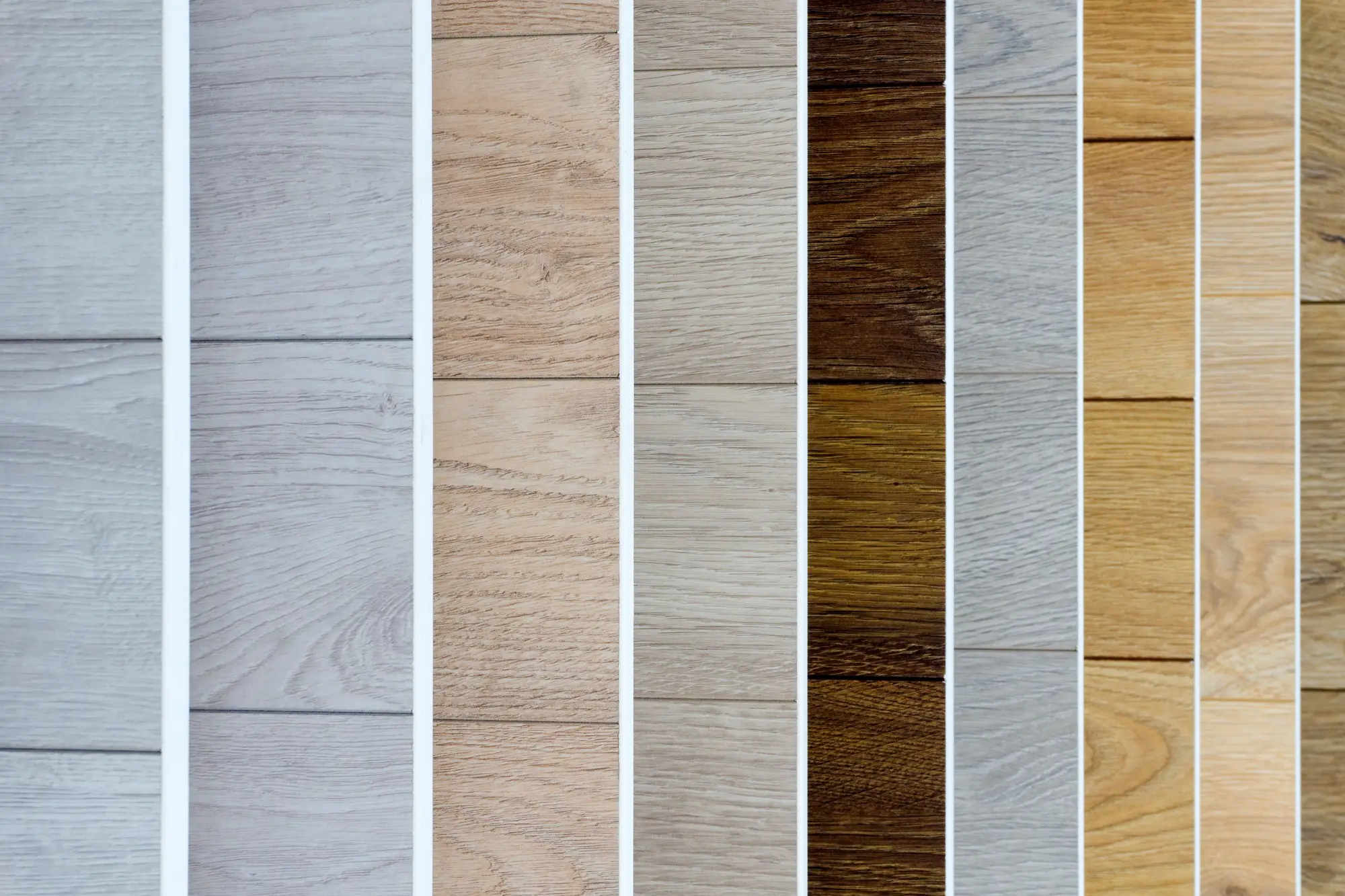
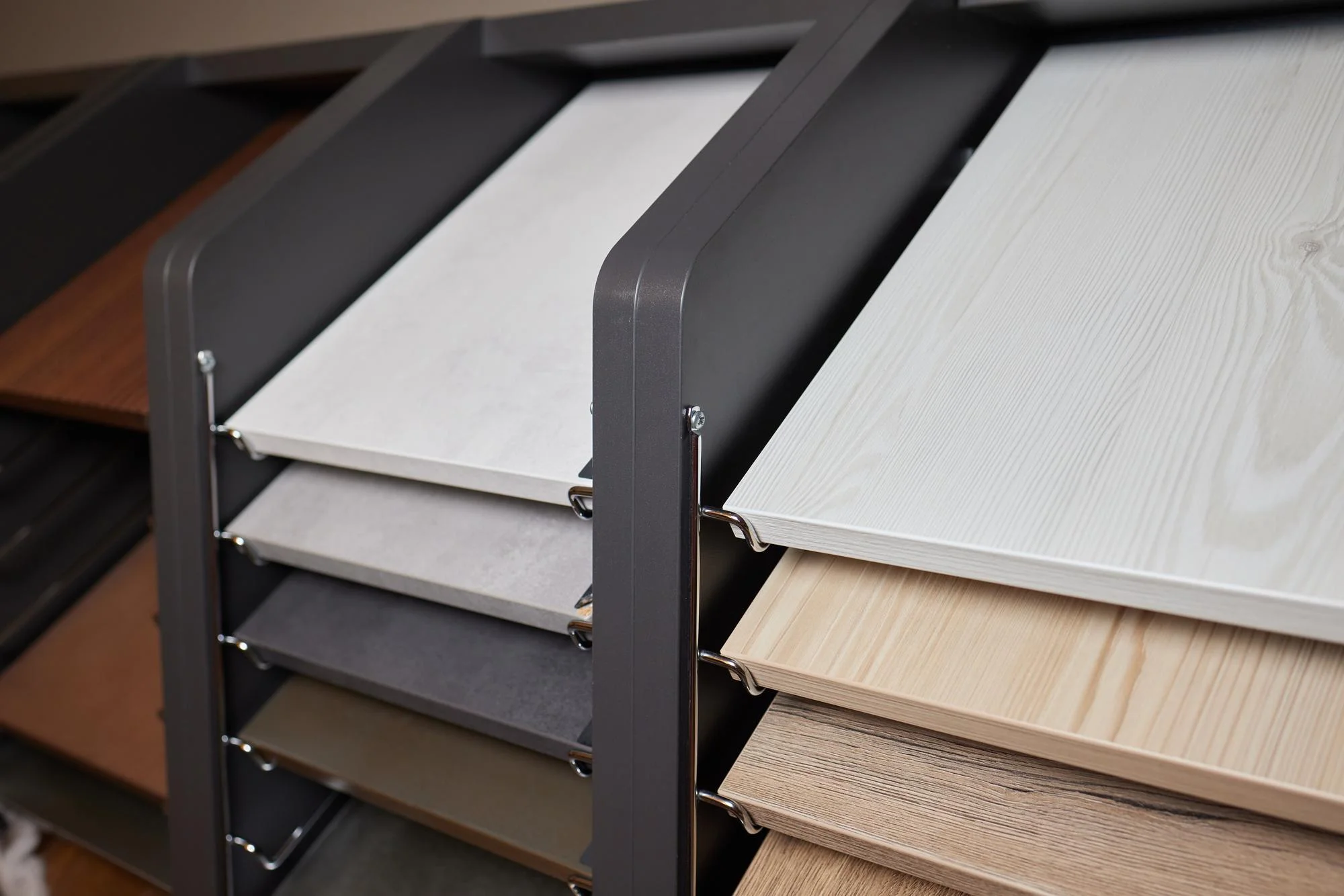
Vinyl and laminate flooring color and wood grain samples
Both can last many years, but high-quality vinyl flooring usually lasts longer in moisture-prone areas because it is waterproof. Laminate flooring typically lasts around 15–25 years with proper care.
Can you put a refrigerator on top of vinyl plank flooring?
Yes, you can place a refrigerator on vinyl plank flooring. However, it is recommended to use protective pads or carefully move appliances to avoid dents, scratches, or pressure damage.
Are laminate or vinyl floors cheaper?
Laminate flooring is often slightly cheaper than vinyl flooring, especially standard laminate options. Premium waterproof laminate and luxury vinyl products may have similar pricing.


 English
  Arabic
  Spanish
  Japanese
  Russian
  Korean
  French
  Italian