

What Is Ceramic Tile?
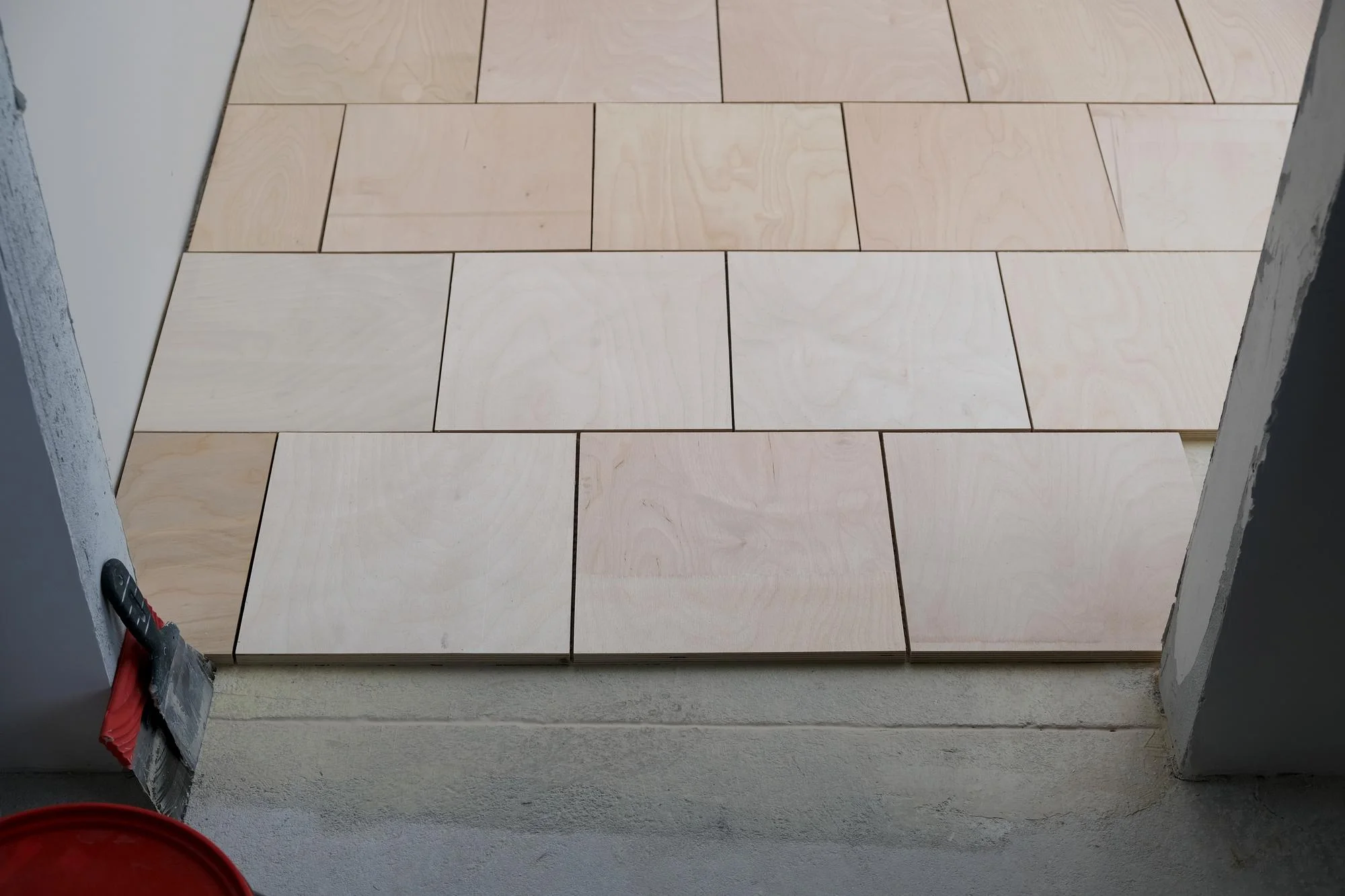
Ceramic tile is made from natural clay that is shaped and fired at high temperatures. It usually has a glazed surface, which gives it color, pattern, and basic protection against stains.
Compared to porcelain, ceramic tile is less dense and slightly more porous, which makes it easier to cut and install. That’s why it’s a popular choice for many kitchen floor projects, especially when budget and simplicity matter.
Pros of Ceramic Tile
- More affordable than porcelain, making it ideal for budget projects
- Easy to cut and install, great for DIY or faster jobs
- Wide design options, including colors, patterns, and finishes
- Comfortable underfoot, slightly softer than porcelain
- Simple maintenance, easy to clean with regular care
Cons of Ceramic Tile
- Less durable, more likely to chip or crack under heavy impact
- Higher water absorption, not ideal for very wet areas
- Wears faster in high-traffic kitchens
- Glaze can wear off over time, especially in busy zones
What Is Porcelain Tile?
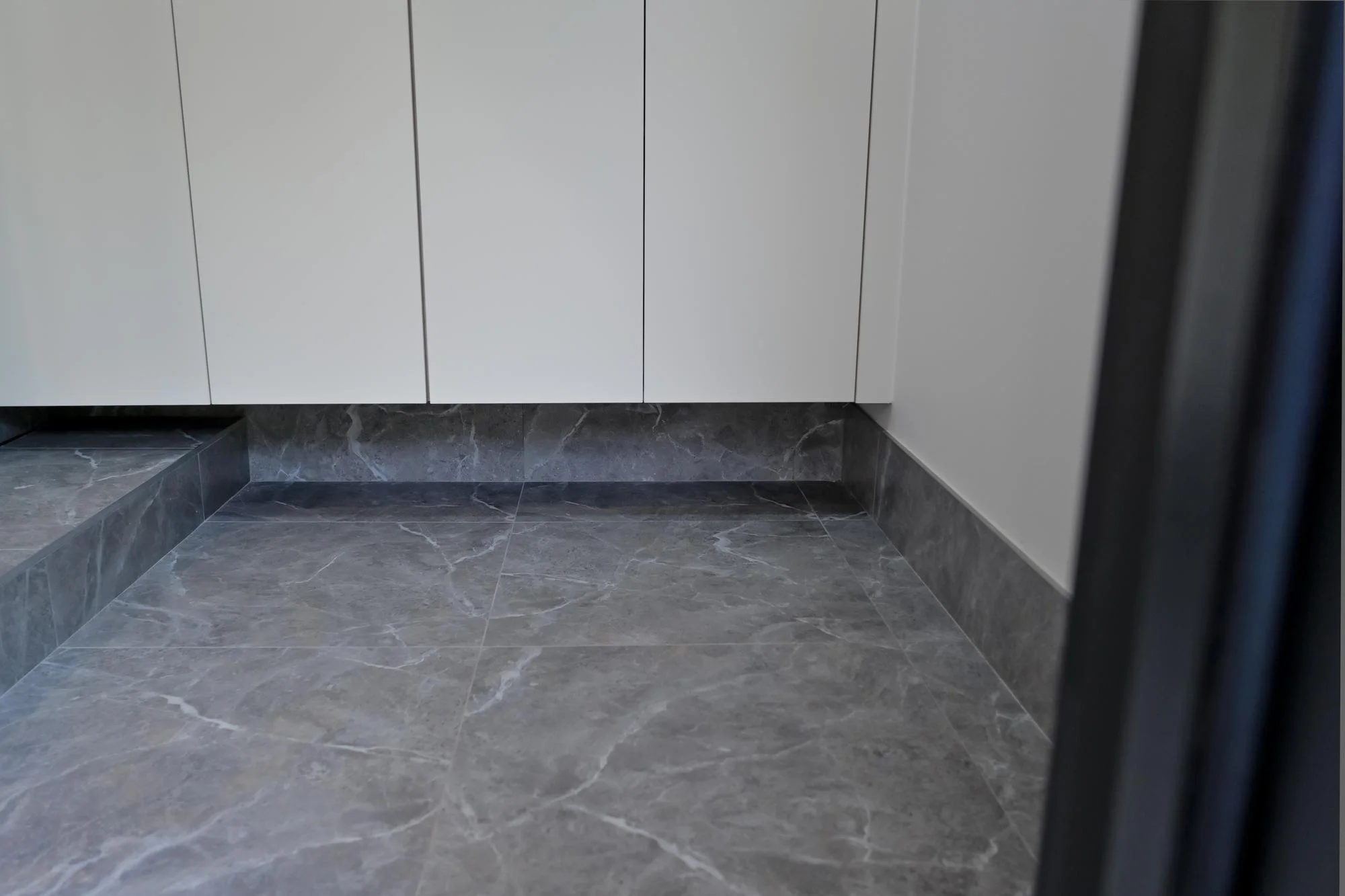
Porcelain tile is a type of ceramic tile, but it’s made from finer clay and fired at higher temperatures. This process makes it denser, harder, and far less porous than standard ceramic tile.
Because of its structure, porcelain absorbs very little water and handles wear much better. That’s why it’s often used in busy kitchens, commercial spaces, and areas with frequent spills.
Pros of Porcelain Tile
- Very durable, resists chips, scratches, and heavy use
- Excellent water resistance, ideal for spill-prone kitchens
- Low maintenance, doesn’t need sealing as often
- Long lifespan, can last for decades
- Realistic designs, can mimic wood, stone, or concrete
Cons of Porcelain Tile
- Higher cost than ceramic tile
- Harder to cut and install, often needs professional tools
- Heavier material, may require stronger subfloor support
- Colder and harder underfoot, less comfortable for long standing
Key Differences That Matter for Kitchen Floors
When choosing between ceramic and porcelain tile, the real question is how each one performs in a kitchen. These differences affect durability, maintenance, and long-term value.
Durability and Strength
Porcelain tile is harder and more resistant to wear, making it a better choice for busy kitchens with heavy foot traffic.
Ceramic tile is slightly softer. It works well in lighter-use spaces, but it may chip or crack more easily if you drop heavy items or use it in high-traffic areas.
Water and Stain Resistance
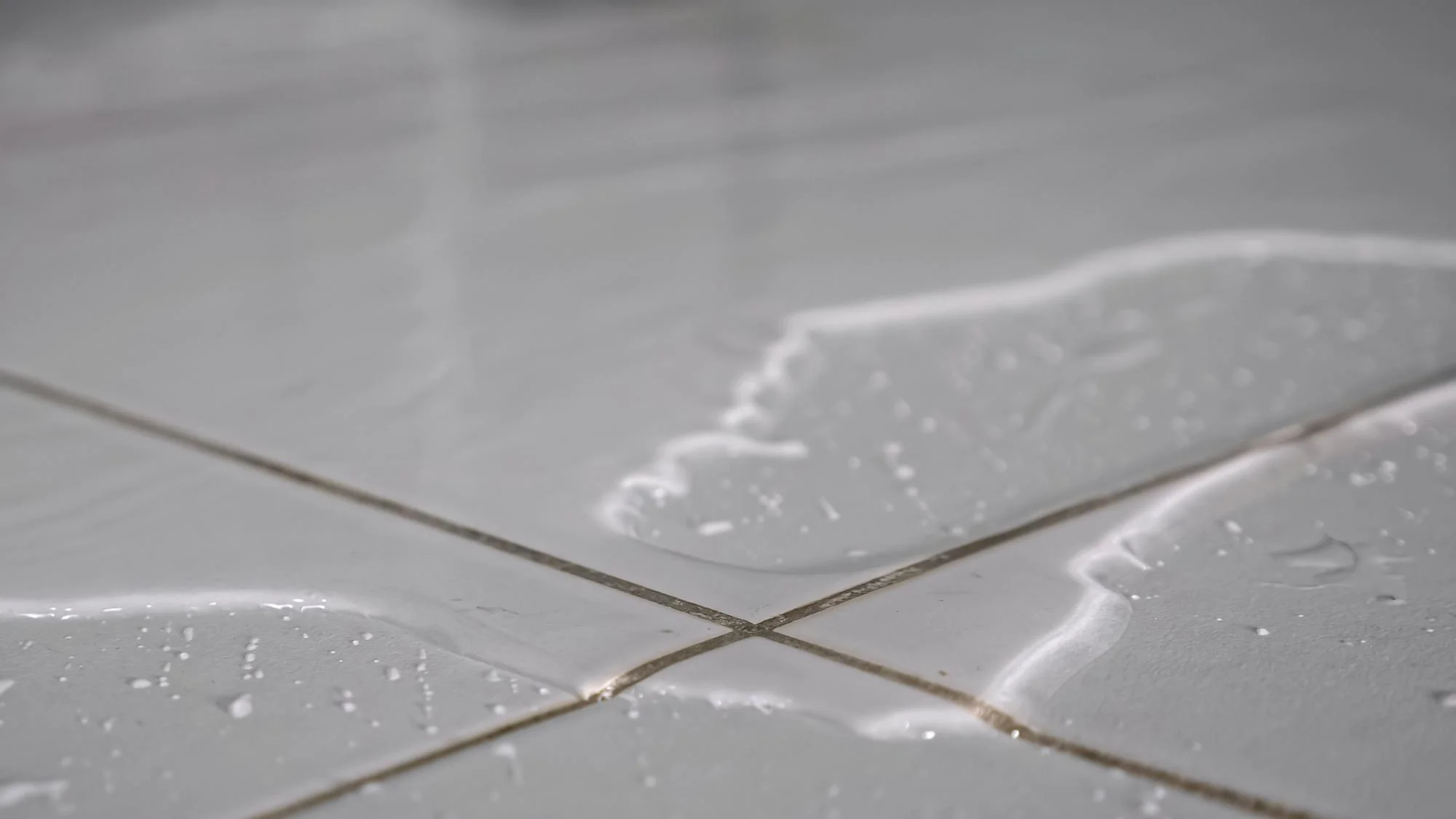
Porcelain tile absorbs less than 0.5% water, which makes it highly resistant to spills, stains, and moisture.
Ceramic tile is more porous. While it still performs well, it may need sealing to improve water resistance, especially in kitchens where spills happen often.
Cost and Installation
Ceramic tile is usually the more budget-friendly option. It’s easier to cut and install, making it a good choice for DIY projects.
Porcelain tile has a higher upfront cost and is harder to work with. It often requires professional installation, which adds to the total project cost.
Maintenance and Cleaning
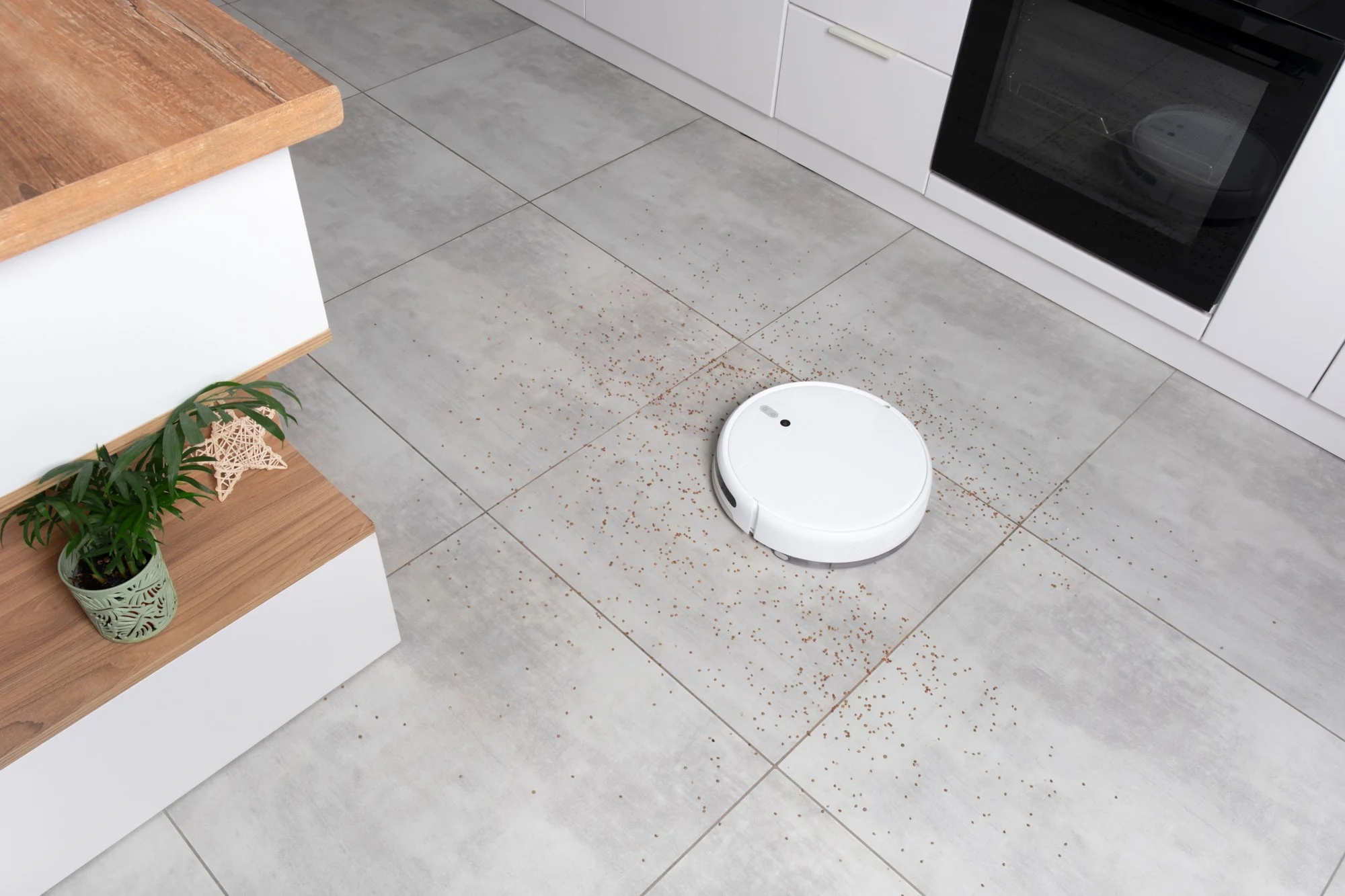
Both ceramic and porcelain tiles are easy to clean with regular sweeping and mopping.
However, porcelain has an advantage over time. It is less prone to staining and wear, so it generally needs less maintenance in the long run.
Design and Style Options
Ceramic tile offers a wide range of colors and patterns, making it easy to match different kitchen styles.
Porcelain tile stands out for its realistic finishes, especially designs that mimic natural materials like wood or stone. This makes it a popular choice for modern and high-end kitchens.
How to Choose the Right Tile for Your Kitchen
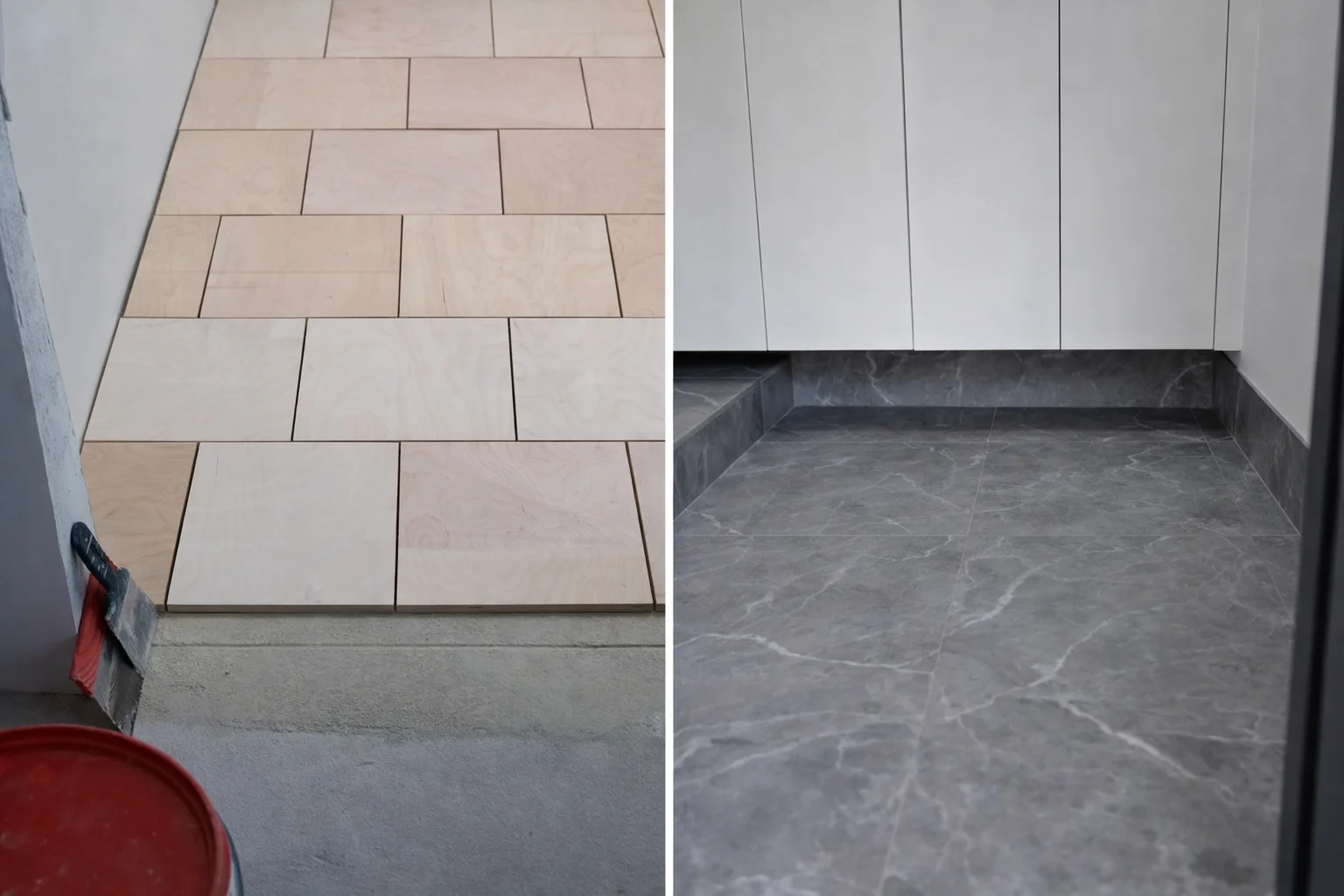
Choosing between ceramic and porcelain tile comes down to how your kitchen is used every day. The right choice should match your traffic level, budget, and long-term expectations.
Here’s a simple way to decide:
- Think about daily traffic
If your kitchen is busy with constant movement, porcelain is the safer choice. For lighter use, ceramic works well and saves money. - Consider moisture and spills
If you cook often and deal with frequent spills, porcelain offers better protection. For drier kitchens, ceramic is usually enough. - Balance budget vs long-term value
Ceramic has a lower upfront cost. Porcelain costs more but lasts longer and needs less maintenance over time. - Decide on installation method
If you plan to install the tile yourself, ceramic is easier to handle. Porcelain is harder to cut and often requires professional tools. - Choose the look you want
Ceramic gives you more color and pattern options. Porcelain is better if you want a natural look like wood or stone. - Check slip resistance for safety
Look for tiles with anti-slip surfaces, especially if your kitchen gets wet. This is important for both materials.
 English
  Arabic
  Spanish
  Japanese
  Russian
  Korean
  French
  Italian