

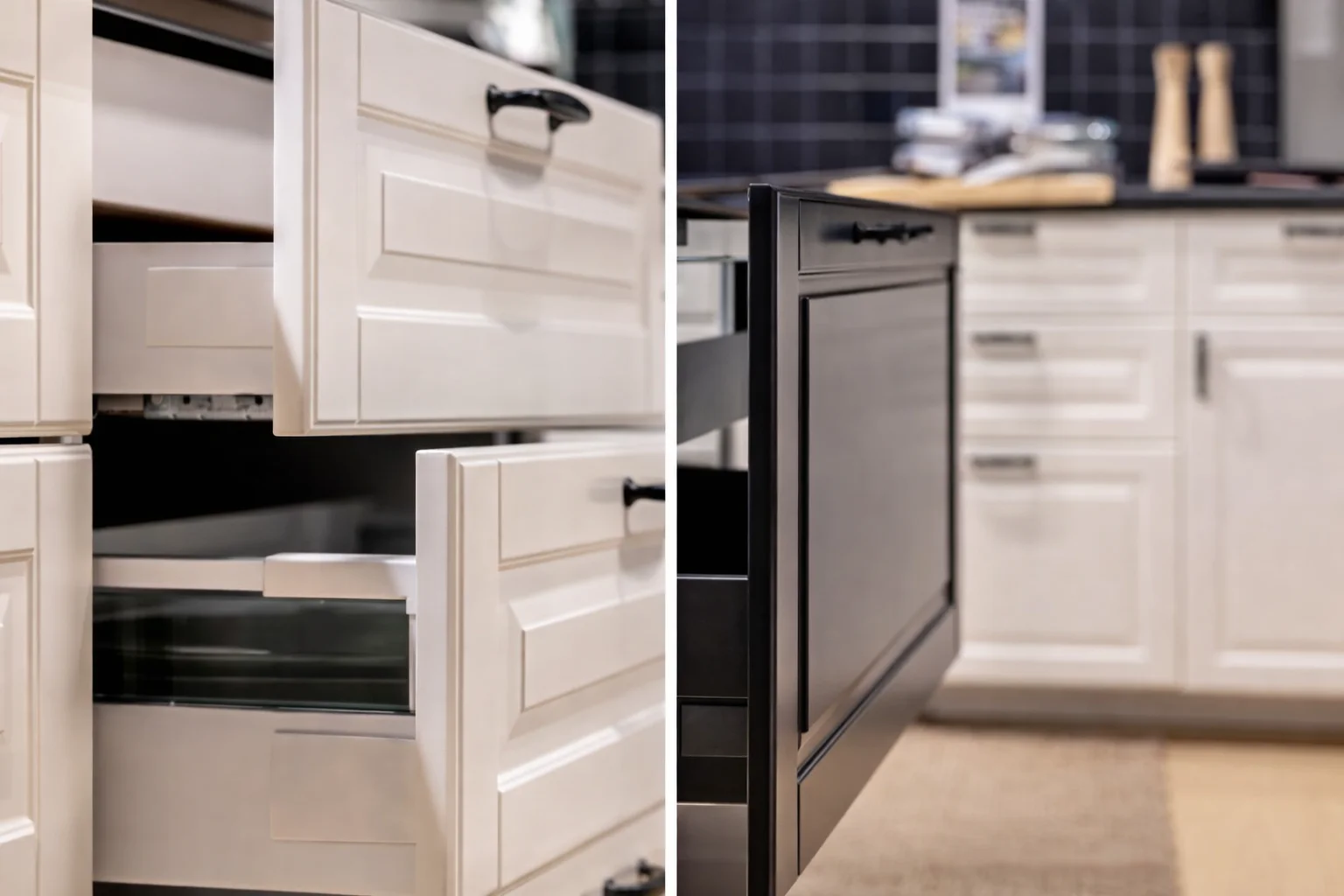
What Are Drawer Base Cabinets?
Drawer base cabinets are lower kitchen cabinets built entirely with drawers instead of doors and shelves. They’re designed to make everyday kitchen storage easier by letting you pull items out toward you, rather than reaching deep into a dark cabinet. This improves visibility, reduces bending, and helps keep everything organized.
You’ll usually find drawer base cabinets under countertops, next to cooking or prep areas. They’re commonly used to store utensils, cookware, food containers, and small appliances. Because everything is stored in drawers, items stay separated, easy to reach, and simpler to organize compared to traditional cabinet layouts.
Anatomy of 3-Drawer Cabinets
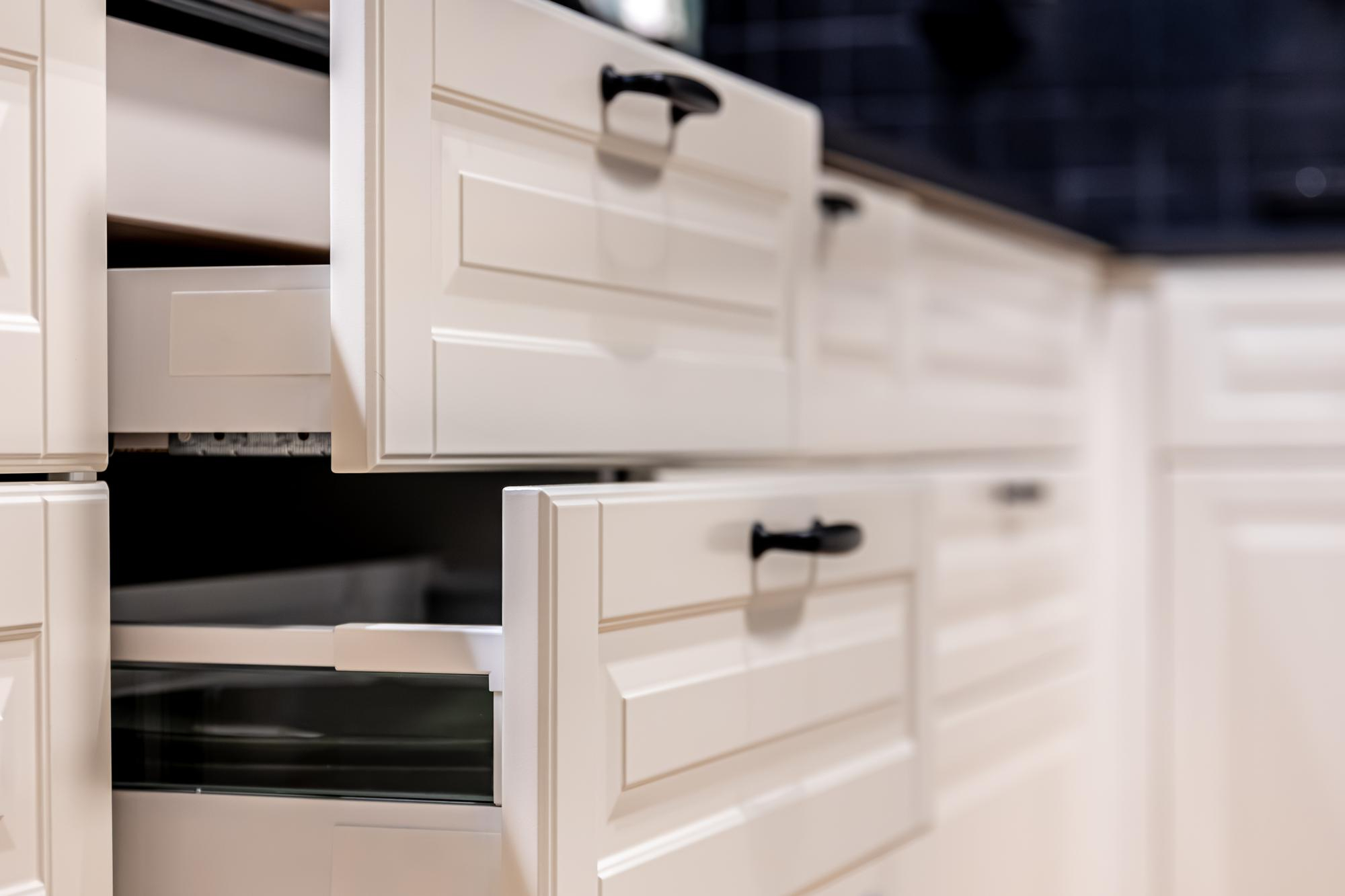
A 3-drawer cabinet typically includes one shallow top drawer and two deeper drawers below. The top drawer is ideal for utensils, cutlery, and small kitchen tools that you use often. The lower drawers are taller, making them well-suited for pots, pans, mixing bowls, and larger cookware.
This layout works best if you store bulky items and prefer fewer, larger storage spaces. The deeper drawers allow you to stack items vertically, which can be helpful in kitchens with limited cabinet runs. However, organization may require drawer dividers or inserts to prevent items from shifting or piling up.
Anatomy of 4-Drawer Cabinets
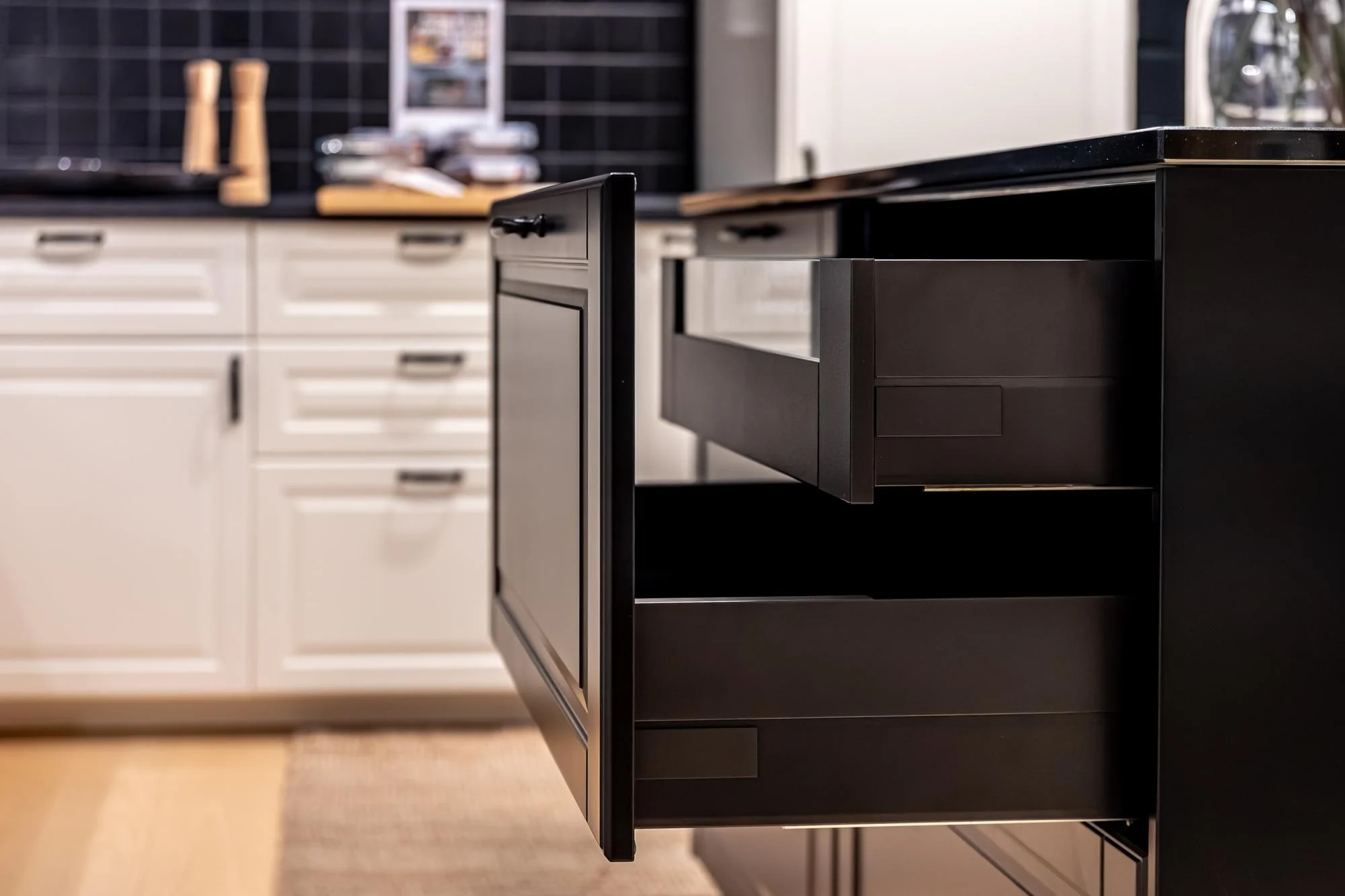
A 4-drawer cabinet features more evenly sized drawers from top to bottom. Instead of very deep drawers, you get multiple medium-depth sections that separate items more clearly. This makes it easier to organize utensils, lids, wraps, spices, and small cookware without stacking.
This design is ideal for homeowners who value visibility and quick access. Each drawer has a specific purpose, reducing clutter and saving time during cooking. While it may not hold very tall items as easily as a 3-drawer cabinet, the improved organization often makes daily kitchen tasks smoother and more efficient.
Direct Comparison: 3 vs 4 Drawer Cabinets
Choosing between 3-drawer and 4-drawer kitchen cabinets comes down to how you use your kitchen every day. Both options improve access and organization compared to traditional cabinets, but they serve different storage habits and cooking styles. Let’s break it down in a clear, practical way.
Storage Capacity & Organization
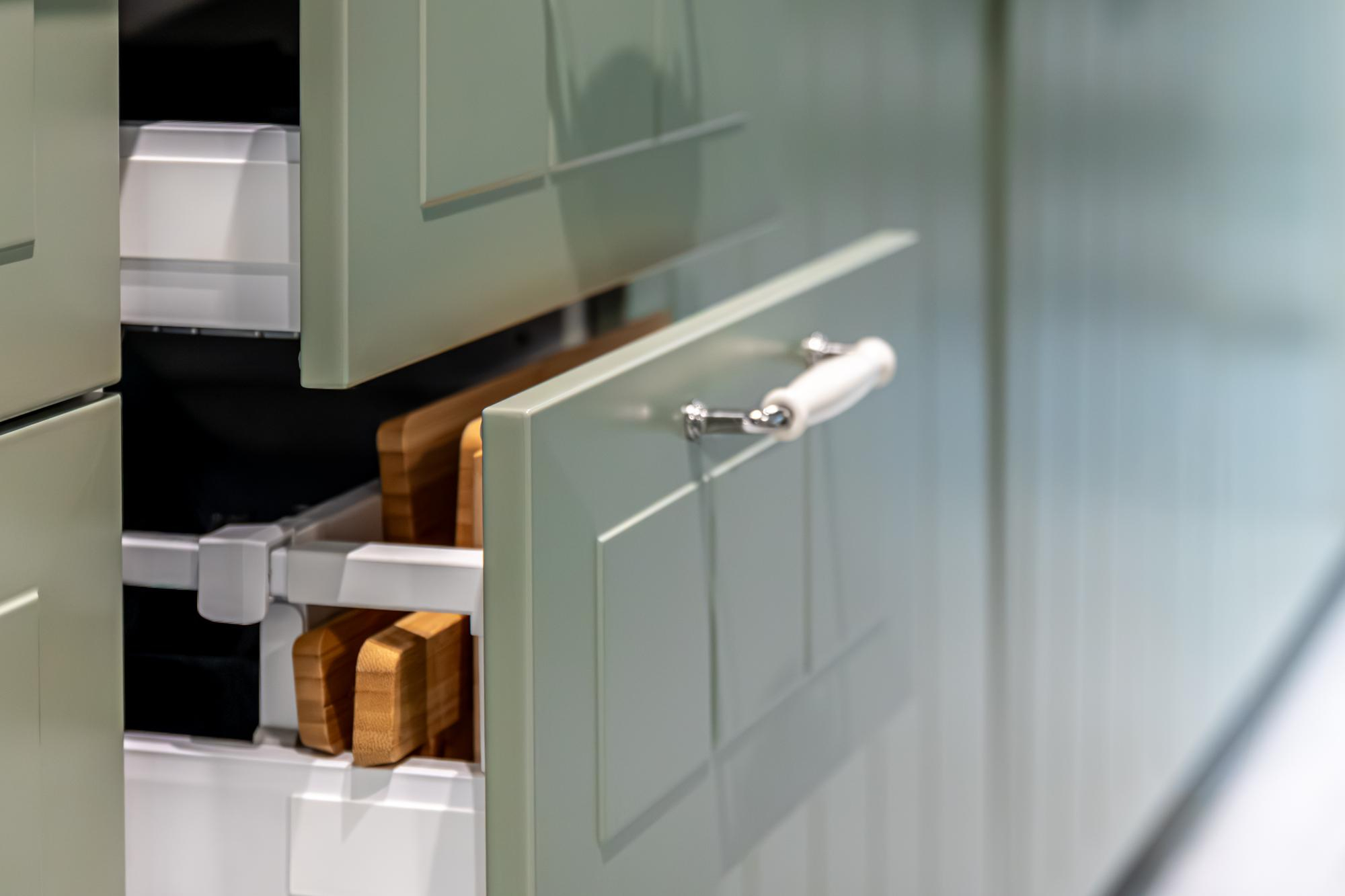
3-drawer cabinets focus on depth. With two deep lower drawers, they are ideal for large cookware like pots, pans, stockpots, and bulky mixing bowls. You can fit more height in each drawer, but items often need to be stacked, which may reduce visibility.
4-drawer cabinets prioritize separation. Each drawer holds a specific category, such as utensils, lids, food wraps, or small appliances. This layout reduces clutter and makes it easier to find what you need without digging.
Quick takeaway:
Choose 3 drawers for large, tall items
Choose 4 drawers for better organization and separation
Accessibility & Ease of Use
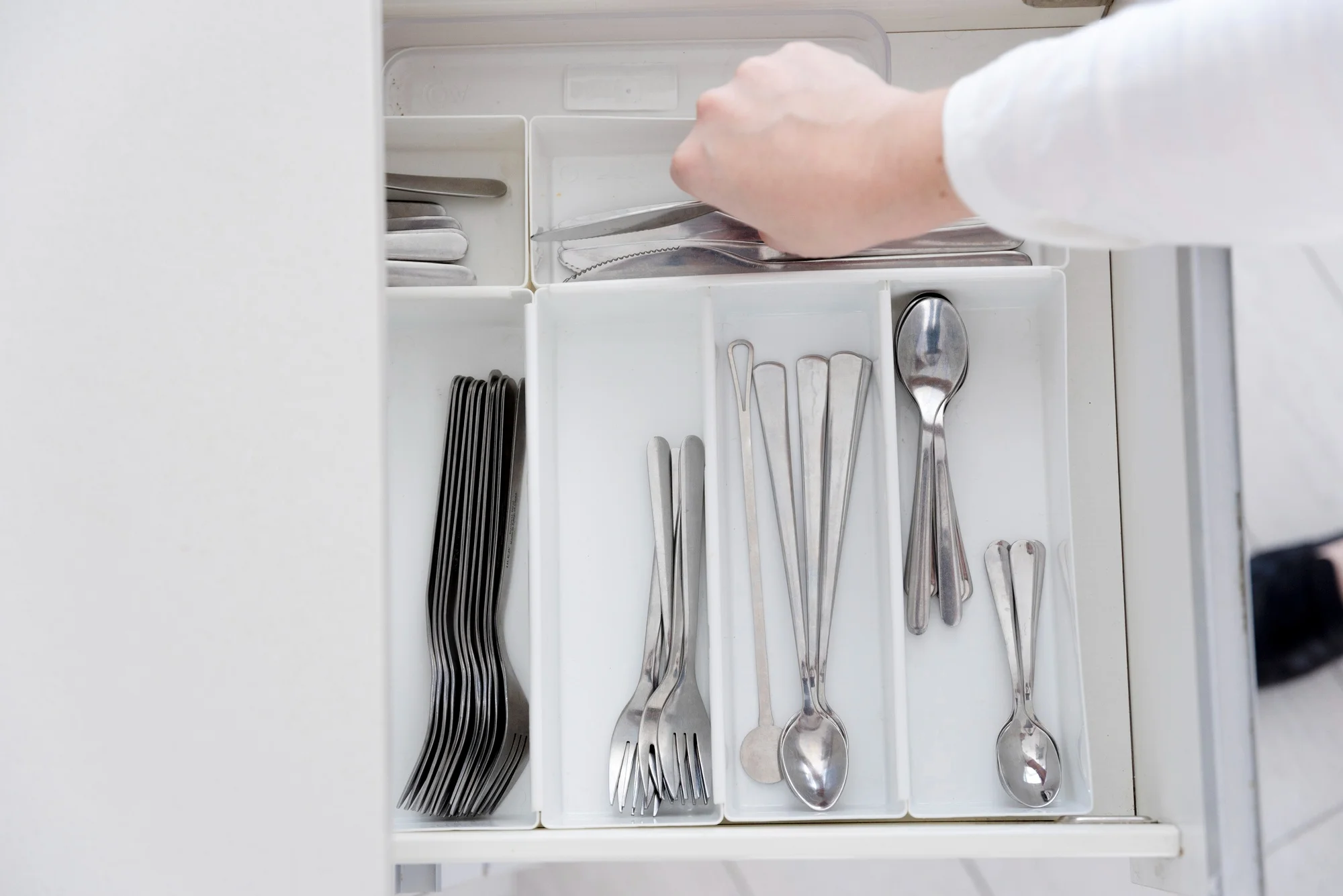
With 3 drawers, deeper storage can mean lifting items out from the bottom, especially when drawers are full. This works well if you don’t mind stacking or use drawer organizers.
4 drawers offer faster access. Since drawers are shallower, everything is visible at a glance. This makes daily cooking smoother and reduces unnecessary bending or searching.
Best for daily use: 4-drawer cabinets
Kitchen Workflow & Functionality
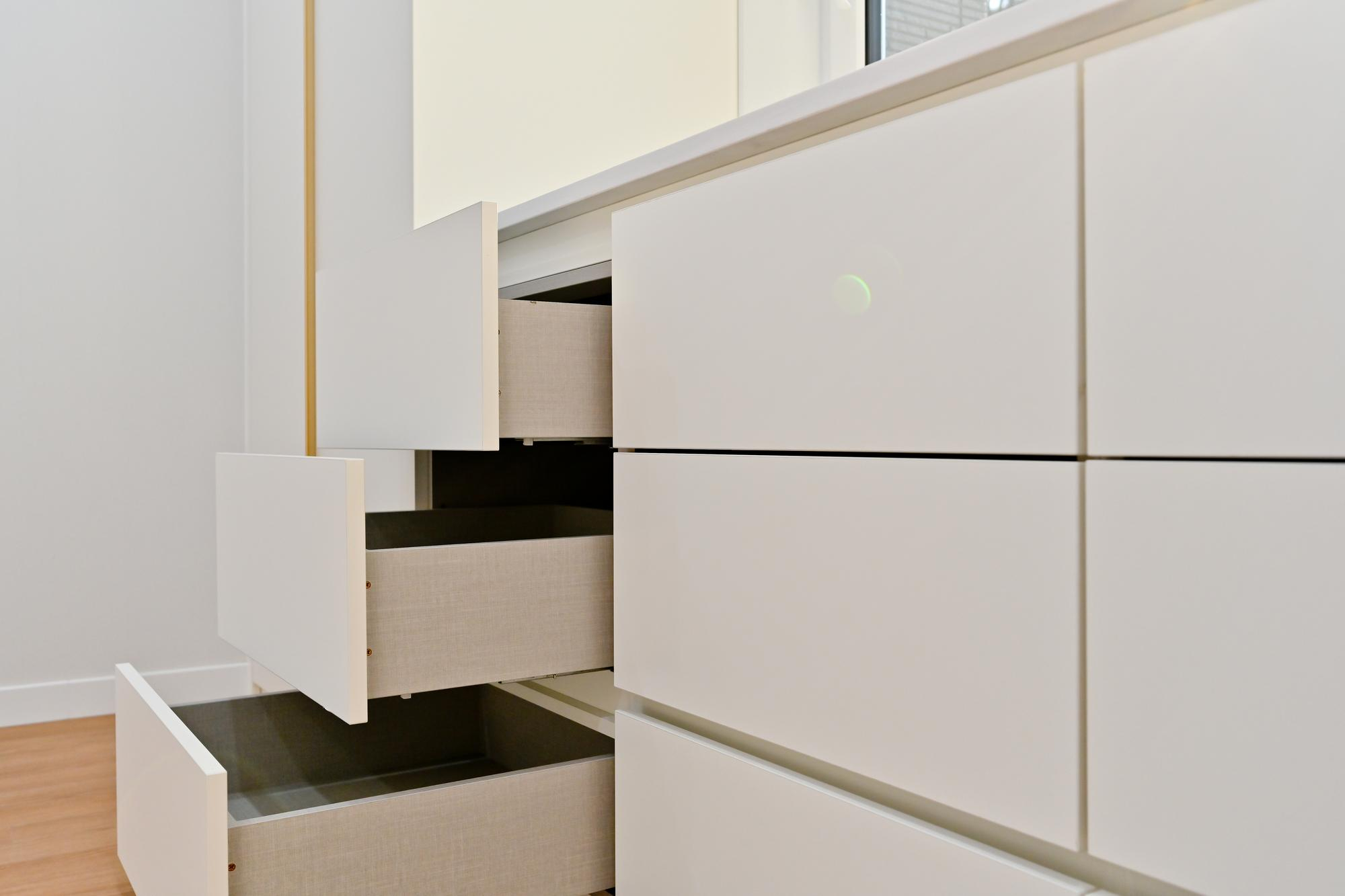
In busy kitchens, workflow matters. 4-drawer cabinets support efficient cooking by keeping tools and supplies clearly organized and easy to reach. They’re great near prep areas and cooking zones.
3-drawer cabinets work well near stoves or sinks where you store heavy cookware. The deeper drawers handle weight better and keep large items contained.
Pro tip: Many kitchens use both styles to match different work zones.
Design & Visual Impact
3-drawer cabinets create a cleaner, less segmented look with fewer drawer lines. This works well in minimalist or traditional kitchen designs.
4-drawer cabinets introduce more horizontal lines, which often suit modern and contemporary kitchens. They also help visually balance large cabinet runs.
Design choice depends on style, not just storage.
Cost & Practical Considerations
In general, 4-drawer cabinets may cost slightly more due to additional hardware and drawer slides. 3-drawer cabinets are often more budget-friendly and simpler to install.
Durability depends more on drawer slides, materials, and construction quality than drawer count.
Which One Should You Choose?
Choose 3-drawer cabinets if:
You store large or tall cookware
You want deeper storage spaces
You prefer a simpler cabinet look
Choose 4-drawer cabinets if:
You value organization and visibility
You cook often and need quick access
You want a modern, efficient layout
Best solution: Combine both styles to create a kitchen that’s practical, organized, and easy to use every day.
Ready to Upgrade Your Kitchen Storage?
Choosing the right drawer cabinet makes a big difference in daily comfort and organization. Contact us today to explore 3-drawer and 4-drawer cabinet options, layout advice, and custom solutions tailored to your kitchen space and lifestyle.


 English
  Arabic
  Spanish
  Japanese
  Russian
  Korean
  French
  Italian